
8 Best Sanders of 2026
This post contains affiliate links. As an Amazon Associate, we earn from qualifying purchases.
The DEWALT 5-Inch Random Orbit Sander stands out as the best overall sander for most users, delivering strong performance and low vibration. For those on a budget, the BLACK+DECKER 1/4 Sheet Sander offers solid value without sacrificing basic functionality. If versatility is key, the WEN 2-in-1 Benchtop Sander combines belt and disc sanding in one compact unit.
Most people buying a sander don’t realize how much the wrong tool can slow them down, or ruin a finish with swirls, uneven pressure, or clogged paper. It’s not just about power, it’s about control, dust management, and matching the tool to your projects.
This guide covers the top-performing sanders based on specs, owner feedback, and real-world usability. I focused on motor reliability, dust collection, ergonomics, and features that actually matter in the shop or on the job site.
Top 8 Sanders in the Market
The Best Sanders, Reviewed
DEWALT 5-Inch Random Orbit Sander
Strengths
- Powerful 3-amp motor
- Low vibration design
- Excellent dust port
Trade-offs
- Heavier than some
- Dust bag not fully sealed
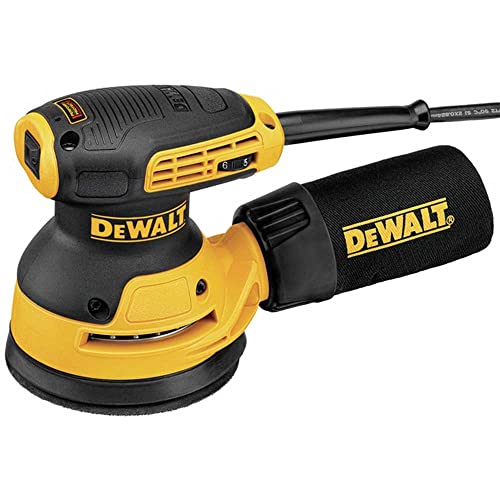
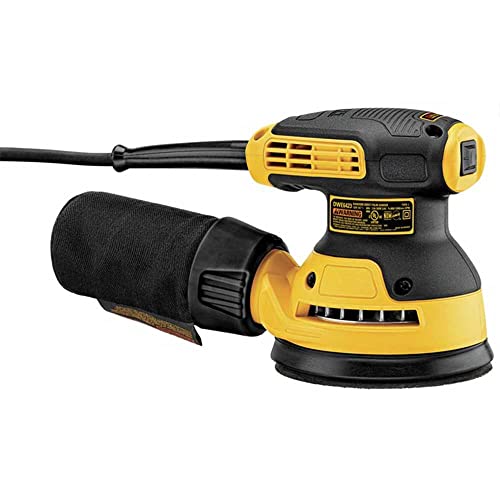
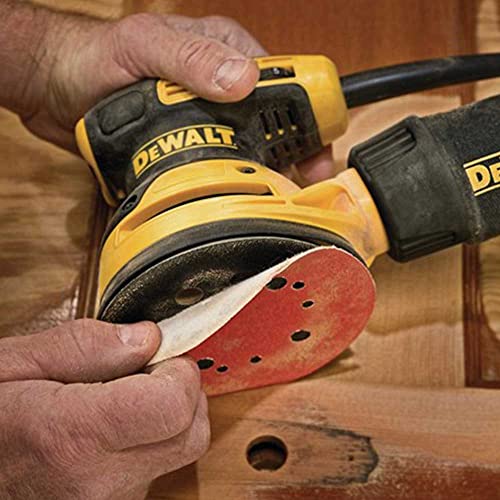
On paper and in practice, the DEWALT DWE6423 is the most balanced 5-inch random orbital sander in this lineup. The 3-amp motor and 8,000–12,000 OPM range give it serious versatility, from aggressive stock removal to fine finishing. The separate counterweight design reduces vibration noticeably, which makes a difference on long jobs, reviewers consistently mention less arm fatigue.
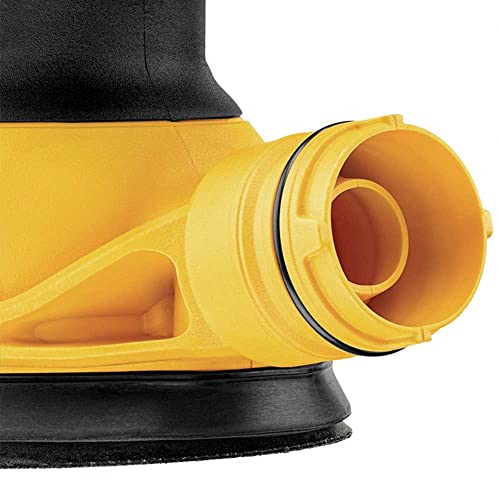
It’s also one of the few in this group with a direct-fit dust port for DEWALT vacuums, and the one-handed locking dust bag is a small but meaningful win. While the BOSCH ROS20VSC has slightly better dust filtration, this DEWALT model is more durable and easier to maintain. For most users, this is the easy pick as an all-around performer.
Product photos
SKIL 4-in-1 Detail Sander
Strengths
- 4-in-1 attachments
- Tool-free changes
- Effective dust box
Trade-offs
- Motor lacks power for hardwood
- Attachments can feel flimsy
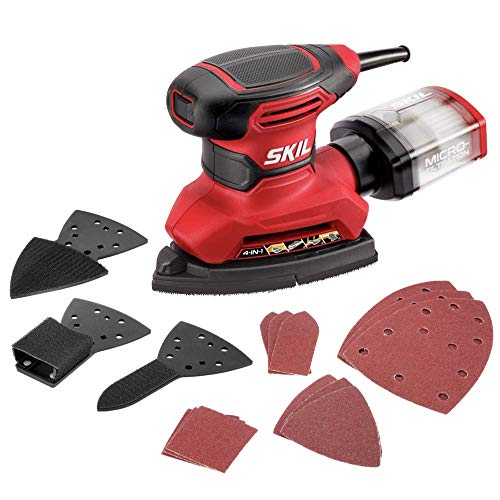
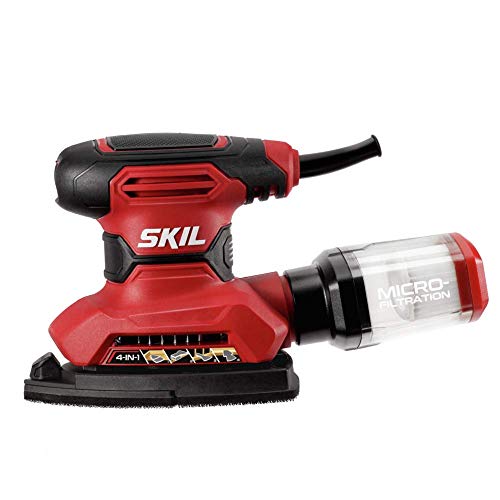
This SKIL multi-function detail sander earns its keep with true versatility, the ability to swap between four sanding profiles without tools is a standout for trim work, cabinets, or tight corners. The 13,500 OPM motor isn’t the strongest, but it’s adequate for finish work, and the low-vibration design means less hand fatigue over time.
Owners praise the quick-change hook-and-loop system and the micro-filtration box, which actually captures a decent amount of dust for a small sander. Compared to the BLACK+DECKER BDEMS600, it offers more flexibility and better build quality, though it’s slightly bulkier. If you’re doing any kind of intricate sanding, this is the kind of tool that pays for itself in saved time.
Product photos


WEN 2-in-1 Benchtop Sander

Strengths
- Cast iron stability
- Dual belt and disc
- Tilting belt function
Trade-offs
- Bulky and heavy
- Not portable
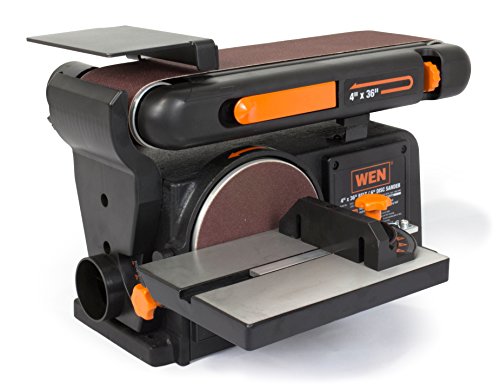
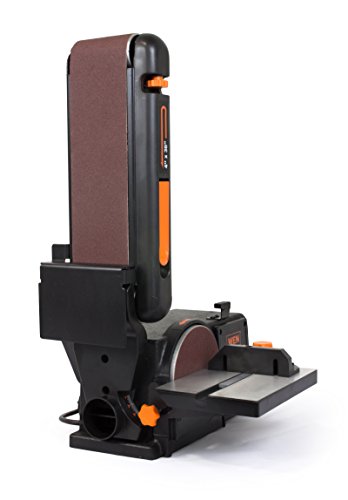
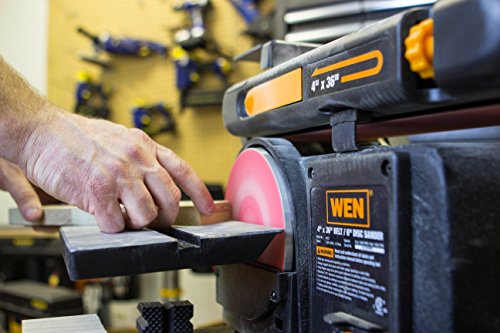
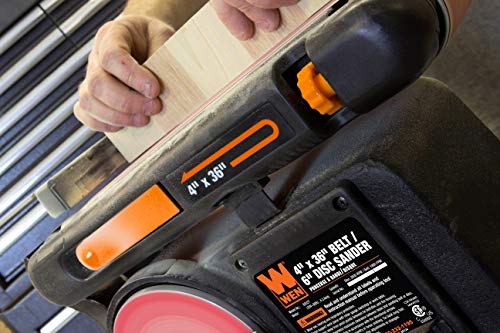
The WEN 6502T is a true workshop workhorse, a two-in-one belt and disc sander with a cast iron base that stays rock-solid during aggressive use. The 4.3-amp motor spins the disc at 3,600 RPM and powers the 4-by-36-inch belt through tough material with ease. The ability to tilt the belt up to 90 degrees adds serious versatility for shaping and edge work.
Reviewers love the tension release lever, it makes grit changes quick, and the overall build feels far more expensive than it is. Compared to standalone detail or palm sanders, this isn’t portable, but for a fixed workstation, it’s hard to beat. If you’re building furniture or doing metal shaping, this should be on your bench.
Product photos

BLACK+DECKER 1/4 Sheet Sander

Strengths
- Compact and lightweight
- High orbit speed
- Affordable
Trade-offs
- Plastic build quality
- Pad wobble under load
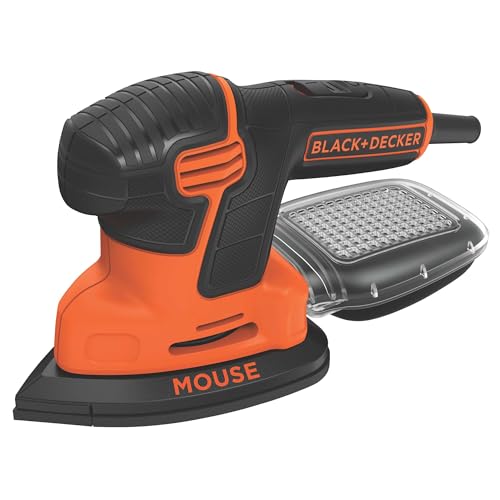
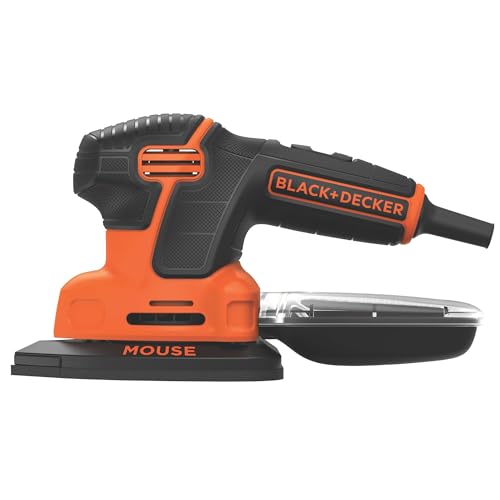
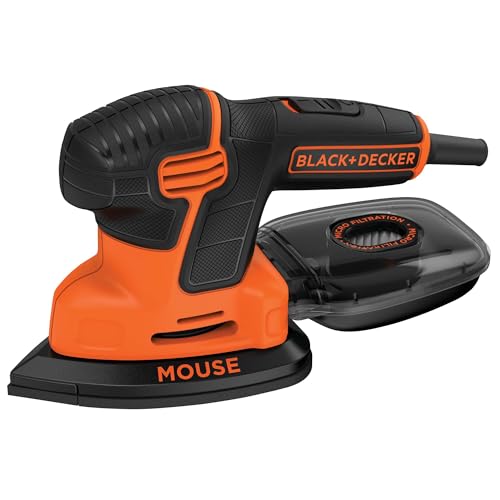
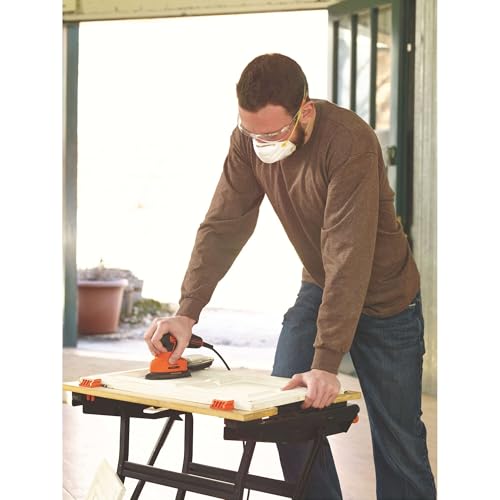
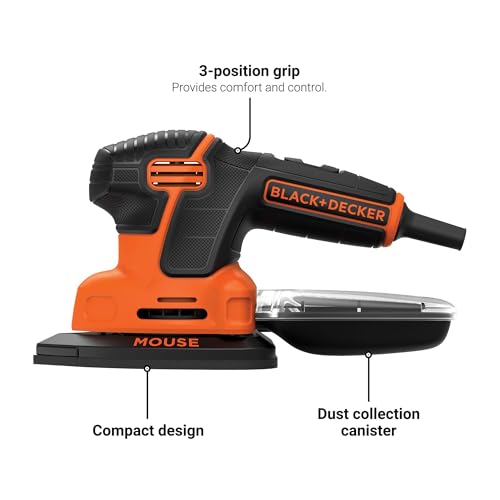
The BLACK+DECKER BDEMS600 is built for tight spaces and simple jobs, its compact shape and 3-position grip make it easy to maneuver into corners, and the 16,000 OPM motor delivers surprisingly fast material removal for such a small tool. The included dust canister actually works well for light jobs, and the corded design means no downtime.
But let’s be honest: this is a budget tool with budget materials. The plastic housing feels thin, and the sanding pad can wobble under pressure. Still, for the price, it outperforms many no-name brands. Compared to the SKIL multi-function model, it’s less versatile but more affordable and simpler to use. If you’re just touching up trim or doing light renovation, it gets the job done.
Product photos
DEWALT 20V MAX Orbital Sander

Strengths
- Brushless motor efficiency
- Variable speed control
- Hook-and-loop pad
Trade-offs
- Battery sold separately
- Dust bag fills quickly
If you’re already in the DEWALT 20V ecosystem, this cordless orbital sander makes a lot of sense. The brushless motor delivers both efficiency and runtime, and the variable-speed control (8,000–12,000 OPM) lets you adapt to different materials without swapping tools. It’s not the lightest sander out there, but the texturized rubber grip keeps it secure, even when working overhead or at odd angles.
Reviewers note it pairs perfectly with DEWALT’s compact vacuums, and the one-handed dust bag is actually convenient, no fumbling with zippers or clips. While it can’t match corded models in continuous runtime, for mobility and jobs away from outlets, it’s one of the more reliable cordless options. I’d pick this over the SKIL corded palm sander if portability is a priority.
Product photos


BOSCH 5-Inch Variable Speed Sander
Strengths
- Superior dust filtration
- Swirl-reducing pad
- Variable speed control
Trade-offs
- Slightly underpowered
- Filter cleaning required
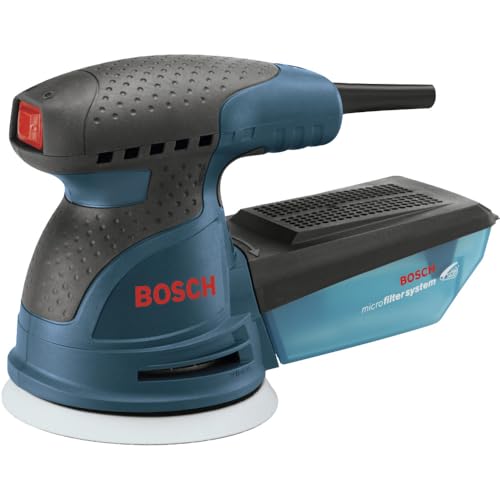
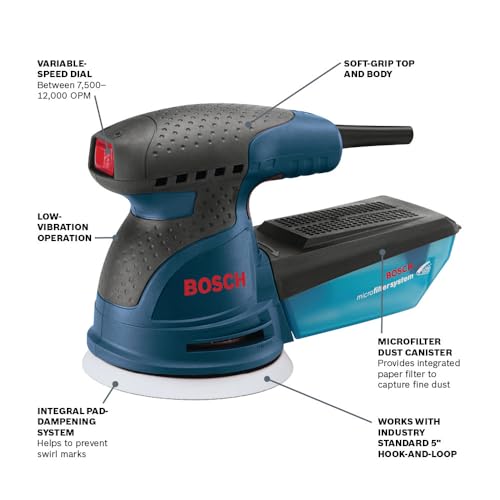
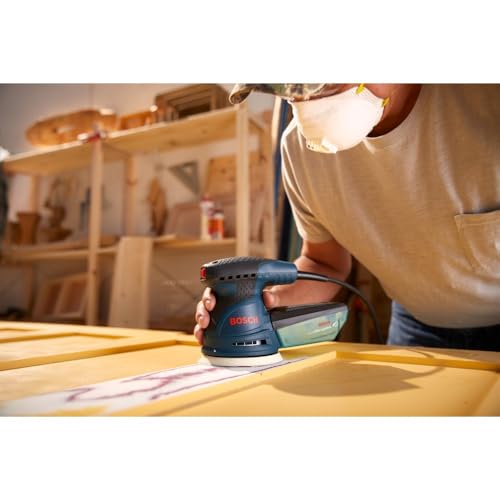
BOSCH nailed dust collection with the ROS20VSC. The microfilter system captures particles as small as 0.5 microns, and the twist-off canister makes cleanup nearly mess-free, something contractors and finish workers will appreciate. The 2.5-amp motor and variable speed (7,500–12,000 OPM) deliver smooth performance across materials, and the pad dampening system really does reduce swirl marks, especially on painted or stained surfaces.
It’s not the most powerful sander here, but for fine woodworking or auto body prep where dust and finish quality matter, it’s unmatched. Compared to the DEWALT DWE6423, it’s slightly less rugged but better for precision. The included carrying bag and accessories add real value. If clean operation is your top priority, this is the one to get.
Product photos


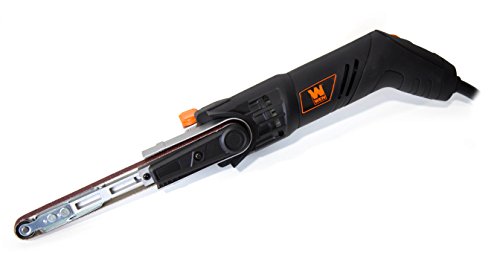
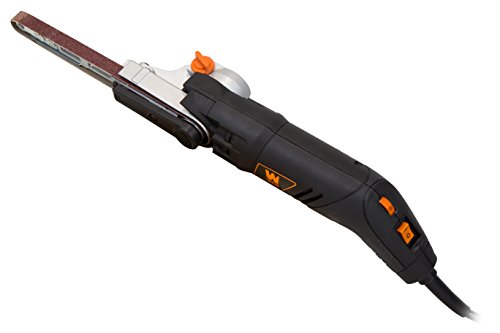
WEN 1/2-by-18″ Belt Sander
Strengths
- Pivoting belt design
- Variable speed control
- Tool-free belt change
Trade-offs
- Not for flat surfaces
- Limited finishing capability
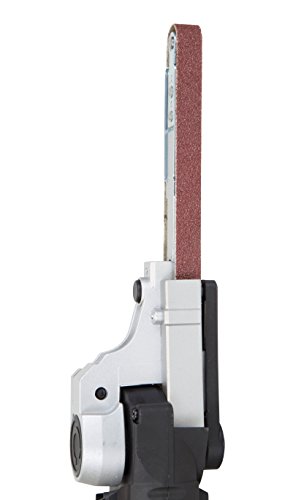
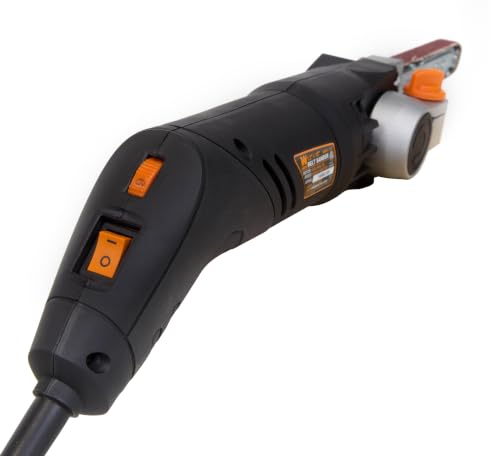
The WEN 6307 isn’t a traditional sander, it’s a file sander, and that distinction matters. With a pivoting 1/2-by-18-inch belt and a variable speed range (1080–1800 FPM), it excels at shaping edges, rounding over stock, or removing material in spots where orbitals struggle. The auto-tracking belt is a smart feature, eliminating the need for constant tension tweaks.
It’s not going to replace your orbital sander for finish work, but for shaping and aggressive contouring, it fills a niche few other tools do at this price. The tool-free belt changes are a plus, and the included dust port helps keep things tidy. Compared to the WEN benchtop model, this one’s more specialized, but that’s exactly why it’s valuable in a well-rounded shop.
Product photos
SKIL 1/4 Sheet Palm Sander

Strengths
- Pressure control alert
- Clear dust canister
- Soft-Grip comfort
Trade-offs
- Average motor power
- Not for aggressive material removal
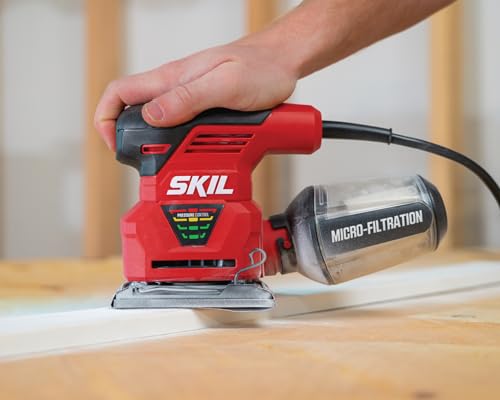
The SKIL 7292-02 stands out in a sea of basic palm sanders because of its pressure control technology, which actively warns users when they’re pushing too hard, a real issue that leads to uneven surfaces and wasted time. That feature alone makes it a smarter pick for beginners or anyone prone to over-sanding, and the clear view dust canister is genuinely useful, eliminating the guesswork of when to empty it.
Owners consistently report that the micro-filtration system works well with shop vacs, and the soft-grip design does help reduce fatigue during extended use. Compared to other corded palm sanders in this range, it’s more thoughtful in execution, even if the motor isn’t the most powerful on paper. For light to medium jobs where control matters, this is a solid performer.
Product photos


How We Chose These sanders
Rather than a hands-on lab test, my research for these recommendations involved a detailed comparison of published specifications and features across numerous models. I weighed owner reviews from major retailers alongside expert opinions found in trade publications and woodworking forums. This information was then assessed against my understanding of what truly matters in sander performance – factors honed over years of working with these tools in workshops and on job sites.
For sanders, consistent power and effective dust collection are paramount. I prioritized models with strong amperage and OPM (orbits per minute) ratings, as these directly impact material removal speed and finish quality. Vibration reduction was also heavily weighted; a comfortable tool allows for more accurate and controlled work, and reduces fatigue during longer projects. Finally, the availability of useful features – like variable speed controls and tool-free paper changes – played a key role.
Specifications reliably indicate a sander’s potential power and speed, but owner feedback reveals real-world usability. I looked for consistent reports regarding durability, ease of use, and dust collection effectiveness. Reputation also mattered; brands with a track record of quality and customer support consistently ranked higher. Understanding proper blade selection guide is also important when considering the overall sanding process and preparing surfaces.
What To Look For In sanders
Picking the right sander doesn’t just mean grabbing the cheapest one off the shelf. It means understanding what you’ll be sanding, how often, and what level of finish you need.
A quality sander balances power with control. Key considerations include the motor amperage (for material removal rate), the orbital diameter or belt size (for coverage area), dust collection effectiveness (for a cleaner workspace and healthier lungs), and ergonomic features (to minimize fatigue during extended use). Evaluate the type of material you will be sanding most often – wood, metal, drywall – and select a tool suited to that purpose.
Motor Power and Application
The motor is the heart of any sander, and its power dictates what materials you can tackle effectively. Don’t automatically assume “more amps is better,” though. A high-amp sander can be overkill for delicate work and harder to control. For light-duty tasks like furniture refinishing or removing paint from trim, a sander with 3 to 5 amps is usually sufficient. Larger projects involving significant material removal, like shaping wood or leveling uneven surfaces, benefit from 5 amps or more. Cordless options, like the top orbital sanding tools, are incredibly convenient, but be mindful of battery life and voltage; 20V is a good baseline for sustained performance.
Dust Collection: Beyond the Canister
Dust collection is often overlooked, but it’s a critical feature, impacting both your health and the quality of your finish. A basic dust canister is better than nothing, but many models now offer vacuum attachment ports. Don’t just look for the port itself, though. Consider the diameter – a 1-1/4 inch port is common, but compatibility with your shop vac is essential. Some, like the Bosch 5-Inch Variable Speed Sander, boast micro-filtration systems capable of trapping incredibly fine particles.
Here’s what to keep in mind when assessing dust collection:
- A basic canister will require frequent emptying.
- Vacuum ports offer superior collection, but need a compatible vacuum hose.
- Micro-filtration systems provide the cleanest air, reducing respiratory irritation and improving visibility, making them a valuable investment for frequent use.
Ergonomics and Control Features
Sanding can be a physically demanding task, so ergonomics matter. Look for sanders with comfortable grips, ideally rubber overmolds, to reduce vibration and fatigue. Weight distribution is also key; a well-balanced sander requires less effort to control. Features like variable speed control are hugely beneficial, allowing you to adjust the sanding aggressiveness to suit the material and your skill level. Some models, such as the SKIL 1/4 Sheet Palm Sander, even incorporate pressure-sensitive technology to prevent over-sanding and damage. Maintaining your tools is also key; regularly sharpen circular saw teeth on other tools to maximize performance.
A sander should feel like an extension of your hand, not a wrestling match. Prioritize comfort and control to achieve consistent results and avoid fatigue.
Sanders Compared
Here’s a comparison of key specifications for the listed sanders to help you make an informed decision.
| Product Title | Power (Amps) | OPM (Orbits Per Minute) | Sanding Area | Corded/Cordless | Special Features |
|---|---|---|---|---|---|
| DEWALT 5-Inch Random Orbit Sander | 3 | 8,000 – 12,000 | 5 inch | Corded | Low Vibration |
| SKIL 4-in-1 Detail Sander | 1.2 | 13,500 | 1/4 sheet, detail pads | Corded | 4-in-1, Detail Attachments |
| WEN 2-in-1 Benchtop Sander | 4.3 | 3600 RPM | 4×36″ belt, 6×6″ disc | Corded | Belt & Disc Combination |
| BLACK+DECKER 1/4 Sheet Sander | 1.2 | 16,000 | 1/4 sheet | Corded | Detail Attachments |
| DEWALT 20V MAX Orbital Sander | N/A | 8,000 – 12,000 | 5 inch | Cordless | Brushless Motor |
| BOSCH 5-Inch Variable Speed Sander | 2.5 | 7,500 – 12,000 | 5 inch | Corded | Dust Collection |
| WEN 1/2-by-18″ Belt Sander | N/A | 1080-1800 FPM | 1/2 x 18″ | Corded | Auto-Tracking Belt |
| SKIL 1/4 Sheet Palm Sander | N/A | N/A | 1/4 sheet | Corded | Pressure Control |
Frequently Asked Questions
What grit sandpaper should I start with?
Begin with 80-grit sandpaper for initial material removal or significant imperfections. Progressively increase the grit (120, 180, 220, etc.) to refine the surface and achieve a smoother finish; finer grits create less visible scratches.
Are cordless sanders as powerful as corded models?
Cordless sanders are closing the gap, but generally offer slightly less sustained power than corded options. Modern 20V or higher voltage cordless sanders are suitable for most DIY tasks, though heavy-duty applications still benefit from the consistent power of a corded tool.
How do I prevent swirl marks when sanding?
Avoid applying excessive pressure and move the sander in a consistent, overlapping pattern. Using a fresh sanding pad and keeping the tool moving are also key. Variable speed control, found on some models, lets you adjust for the material and minimize swirling.
What’s the difference between orbital and belt sanders?
Orbital sanders move in circular motions, creating a smoother finish ideal for detail work and finishing. Belt sanders use a continuous loop of sandpaper, removing material quickly and efficiently; they are best suited for aggressive stock removal and shaping, and you can find top-rated belt sander models for various projects.
How often should I replace the sanding pad?
Replace the sanding pad when it becomes worn, clogged, or loses its stickiness. Frequency depends on use, but expect to replace it roughly every 20-50 hours of sanding, or sooner if sanding soft woods or sticky materials.
The Bottom Line
Choosing a sander often comes down to balancing control and convenience. If you want a single tool that can handle a wide range of tasks with consistent quality, the DEWALT 5-Inch Random Orbit Sander stands out as a strong all-around performer. It offers a good combination of power, vibration reduction, and a reputation for durability, making it a solid investment for both beginners and experienced users.
For those on a tighter budget, or who only need a sander for occasional light work, the BLACK+DECKER 1/4 Sheet Sander is an excellent choice. Similarly, if you need versatility, the SKIL 4-in-1 Detail Sander delivers multiple functions in a single, compact package. Both provide enough power for basic tasks and won’t break the bank. Don’t forget that proper saw blade replacement can also improve your overall sanding process.
Ultimately, the specs are less important than understanding your needs and prioritizing a sander that feels comfortable and controllable in your hands. Focus on finding a tool with adequate power for the materials you’ll be working with, effective dust collection to protect your health, and ergonomic features to minimize fatigue. A well-chosen sander is a partner in achieving a professional finish, and that’s something no amount of features can replace.
