
9 Best Sanders with Vacuum Attachments 2026
This post contains affiliate links. As an Amazon Associate, we earn from qualifying purchases.
The SKIL Multi-Function Detail Sander and the 1000W Drywall Sander with Vacuum stand out as top performers, the SKIL for its versatility across small jobs, and the 1000W model for heavy-duty dust control on large surfaces. For budget-conscious users, the 350W Random Orbital Sander delivers solid suction and smooth operation without the high price.
Sanding without proper dust collection is a mess, both on the floor and in the air. I’ve seen too many DIYers struggle with clouded visibility, clogged filters, and cleanup that takes longer than the job itself. After comparing the field and analyzing owner feedback, I focused on models that actually keep dust under control while delivering reliable power and comfort.
This guide cuts through the specs to highlight sanders that perform in real conditions, prioritizing strong vacuum integration, effective sealing, and features that make long sessions bearable. These picks reflect what matters most when you’re on your feet, sanding for hours, and need a clean, efficient workflow.
Top 9 Sander With Vacuum Attachments in the Market
The Best Sander With Vacuum Attachments, Reviewed
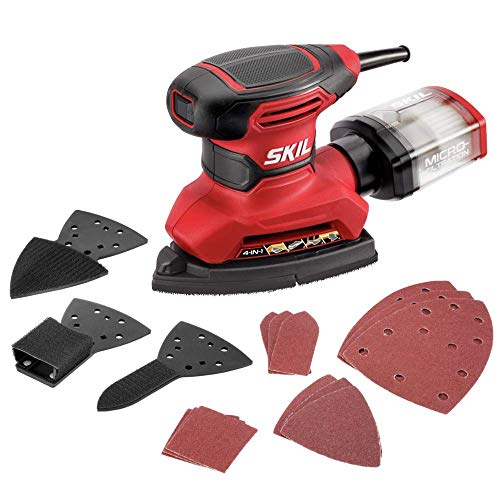
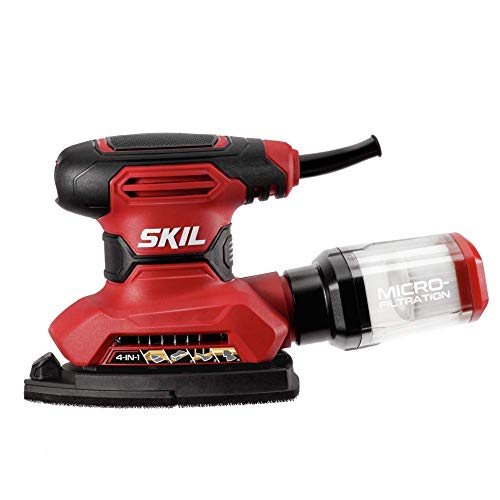
SKIL Multi-Function Detail Sander
Strengths
- 4-in-1 versatility
- Low vibration
- Tool-free attachments
Trade-offs
- Not for large surfaces
- Motor less powerful
This is the most versatile detail sander here, and that’s why I call it the best overall. The 1.2-amp motor and 13,500 orbits per minute pack surprising punch for its size. What sets it apart is the 4-in-1 design with three attachments that snap on tool-free, letting you tackle corners, edges, curves, and flat surfaces. The micro-filter dust box works well for light jobs, and the 1-1/4″ vacuum port means you can scale up dust control when needed.
It won’t replace a pole sander for ceilings, but for cabinet work, trim, or furniture, it’s unmatched. Compared to the 3M industrial sander, it’s more accessible for homeowners. The soft grip and low vibration make it comfortable for long sessions. If you need one sander for tight spaces and fine finishes, this is the one I’d recommend.
Product photos


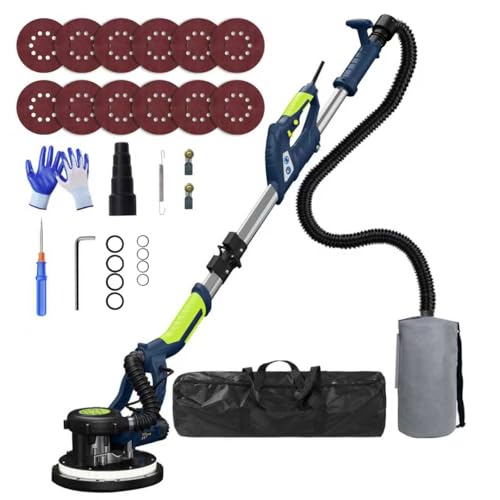
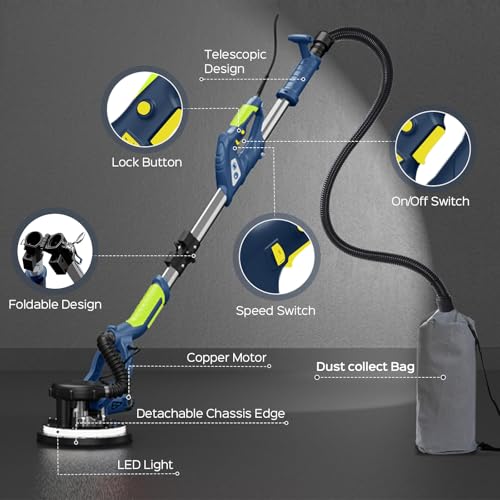
1000W Drywall Sander with Vacuum

Strengths
- Pivoting 360° head
- High 2200RPM speed
- Longest extension pole
Trade-offs
- Heavier than others
- Higher price point
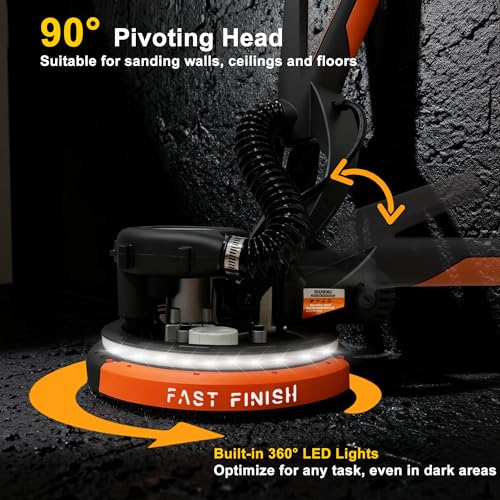
This sander is built for detail, and it shows. The 1000W motor and 2200RPM max speed give it the highest performance in the group, ideal for stubborn textures. But the real standout is the pivoting 360° head with 120° swing, which lets you sand right into corners and tight angles without dismounting. The double-layer LED lighting is brighter than most, and the 6.2-foot extendable pole is the longest here, perfect for tall rooms. Owners consistently note it’s efficient and reduces rework.
Compared to the CUBEWAY model, this one is heavier and pricier, but the articulating head and higher speed range justify it for pros. It’s overkill for small touch-ups, but for full-room popcorn removal with tight corners, it’s unmatched. The dust collection claims 98.5% efficiency, and while that’s optimistic, real-world feedback suggests it’s among the cleanest-running models.
Product photos


8-Amp Popcorn Ceiling Sander
Strengths
- High-power 8-amp motor
- Lightweight for class
- Detachable corner edge
Trade-offs
- Dust seal not perfect
- No pivoting head
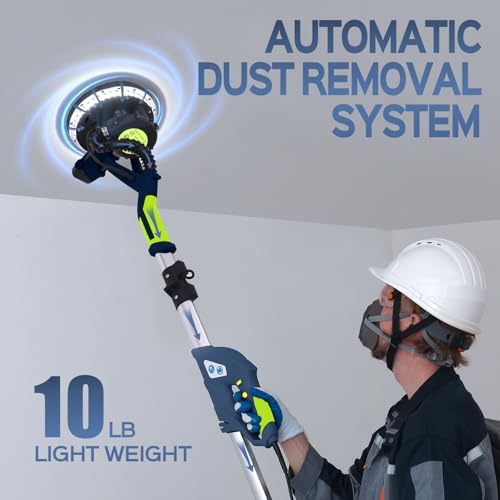
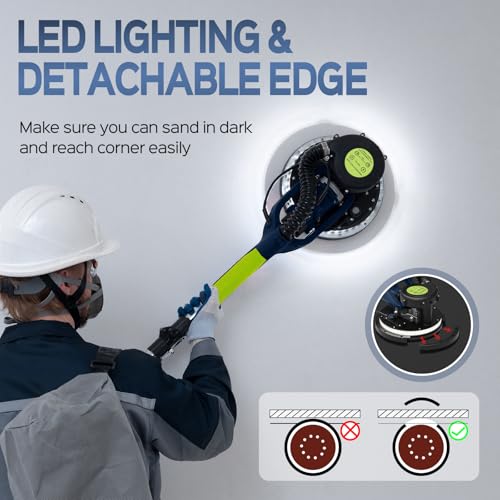
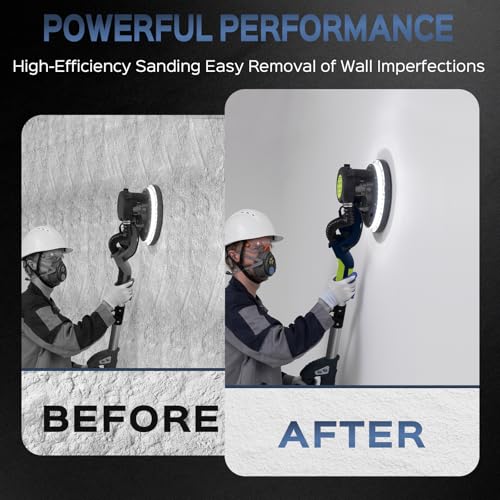
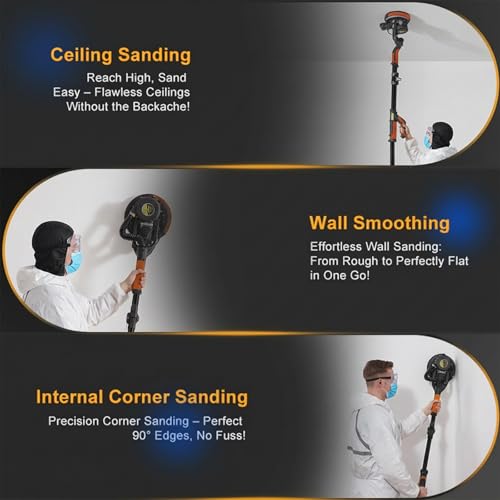
With an 8-amp pure copper motor, this sander means business. It’s built for heavy lifting, tearing through popcorn ceilings and stubborn drywall textures without hesitation. The 7-speed range gives decent control, though it doesn’t go as high as the 1000W model. What stands out is the weight: at just 8.59 pounds for the sander alone, it’s lighter than most in its class, which helps reduce fatigue during overhead work. Owners praise the detachable corner edge, which actually lets you get into tight spots most pole sanders can’t touch.
Still, the dust collection, while solid, isn’t flawless, some users report minor leakage if the disc isn’t perfectly flush. Against the Promtex 1000W model, this one trades peak RPM for better ergonomics and lighter weight. If you’re doing large-scale renovations and need power without the bulk, this is a strong pick. I’d choose it over heavier models for multi-room ceiling jobs.
Product photos

Goldblatt Dust-Free Hand Sander

Strengths
- Truly dust-free
- Lightweight and quiet
- Pivoting elbow
Trade-offs
- No motor, manual effort
- Only for light sanding
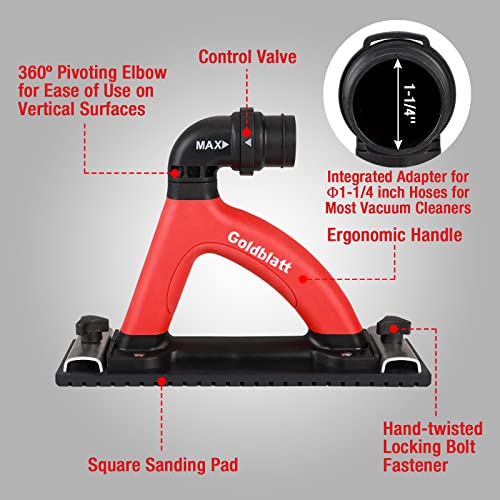
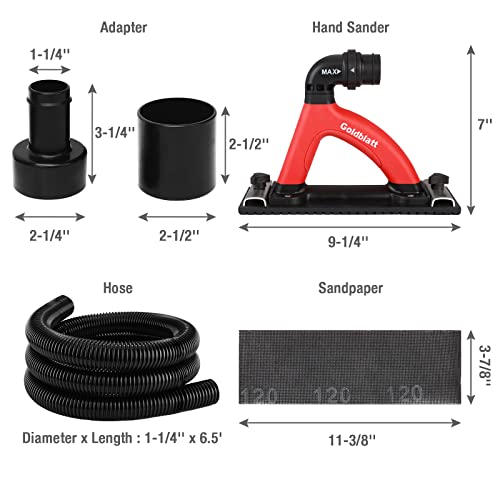
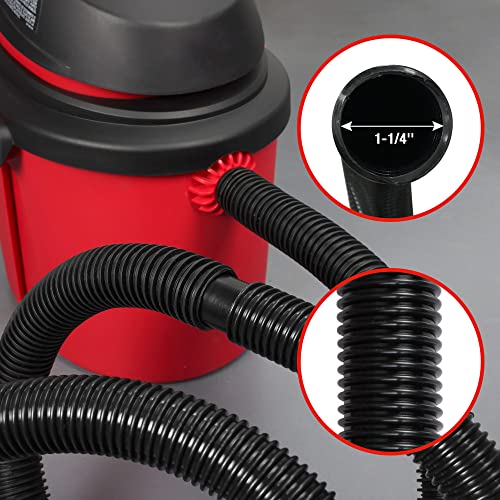
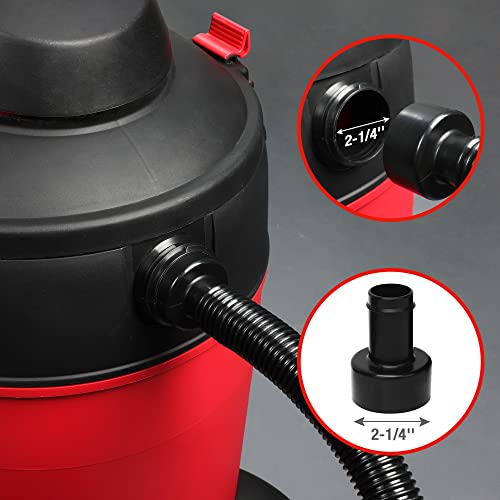
Sometimes, simple is better. This handheld sander doesn’t have a motor, it relies on manual movement and a connected vacuum to pull dust through the sanding screen. That makes it ultra-light, quiet, and perfect for touch-ups. The 360° pivoting elbow is a standout on vertical surfaces, and the 6.5-foot hose gives plenty of reach. Owners love it for final passes after using a power sander.
It won’t replace a powered unit for large jobs, but for smoothing joints or sanding around outlets, it’s ideal. Compared to motorized drywall sanders, it’s cheaper and more maneuverable in tight spots. If you’re doing drywall finishing and want to eliminate dust without noise or weight, this is the right tool. I’d pair it with a power sander for best results.
Product photos

5-Inch Random Orbital Sander
Strengths
- Fast 1-second brake
- High 13,000RPM speed
- Dual dust collection
Trade-offs
- Vibration can build up
- Not for drywall
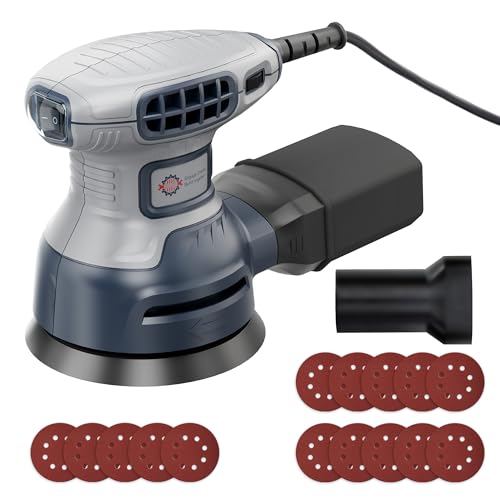
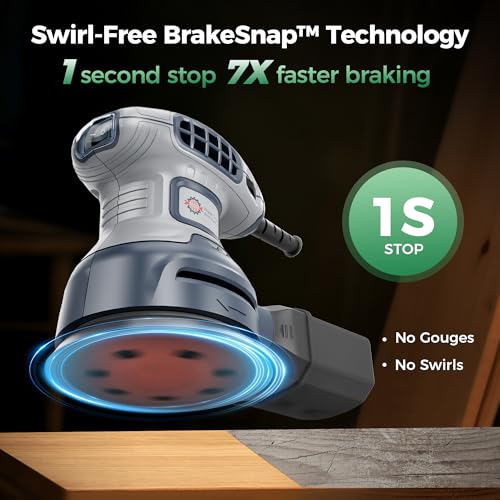
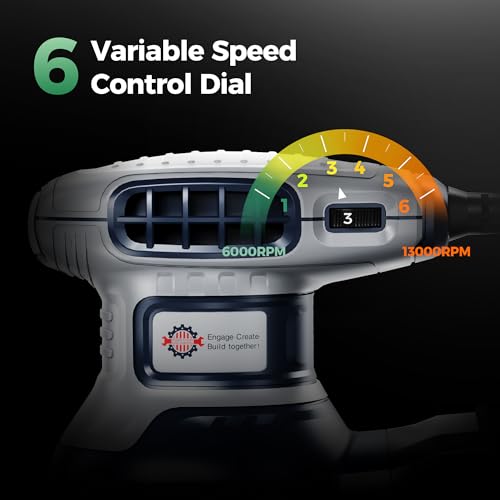
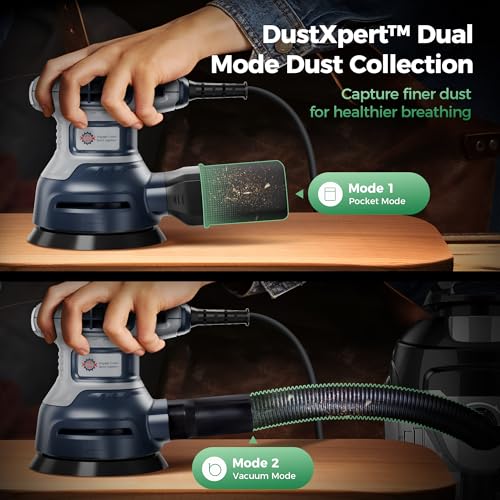
This sander wins on dust control and speed. The 13,000RPM motor and 6-speed dial give you precise control from heavy stock removal to silky-smooth finishes. The BrakeSnap technology is a real differentiator, stopping the pad in under a second, which reviewers say prevents accidental swirl marks when lifting off the surface. The ZeroDust system works with both a built-in bag and vacuum adapter, offering flexibility. For fast, clean sanding on wood or metal, it’s hard to beat.
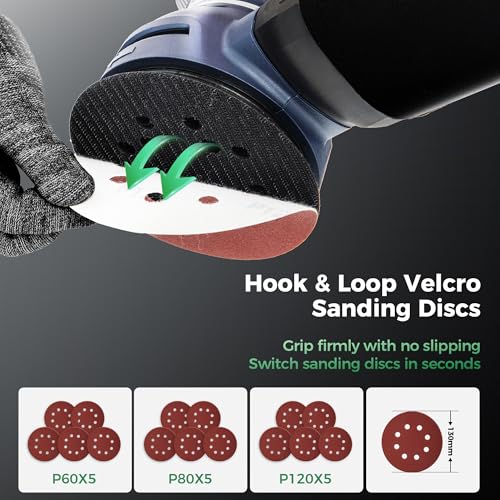
It’s not a drywall tool, but compared to the S&F model, it’s more aggressive and better for rapid material removal. The included 15 sanding discs cover a broad range of grits, making it a great starter kit. If you’re sanding furniture or prepping floors, this is one of the most efficient options here. I’d pick it over slower orbitals when speed and dust control are top priorities.
Product photos
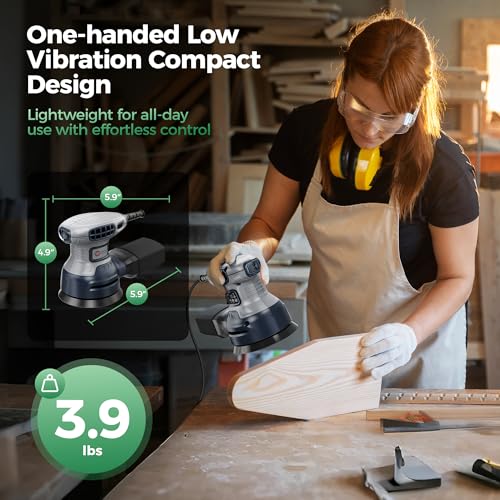
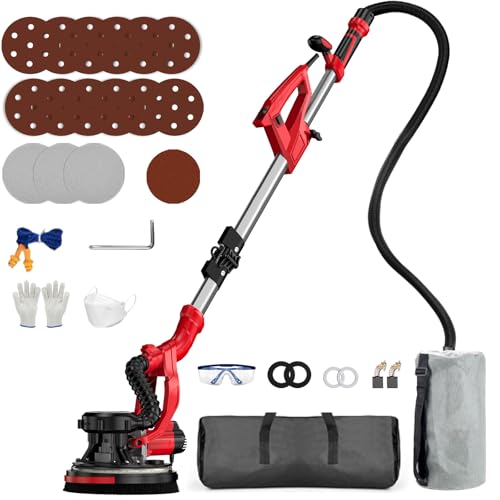
9-Speed Drywall Sander
Strengths
- 9 variable speeds
- Strong dust collection
- Integrated 360° LED light
Trade-offs
- Heavier than average
- Limited to drywall/ceiling use
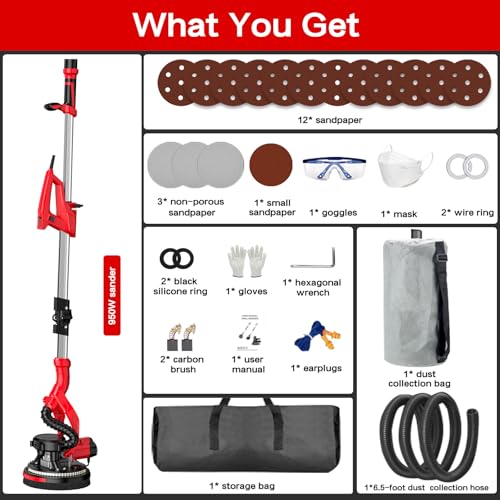
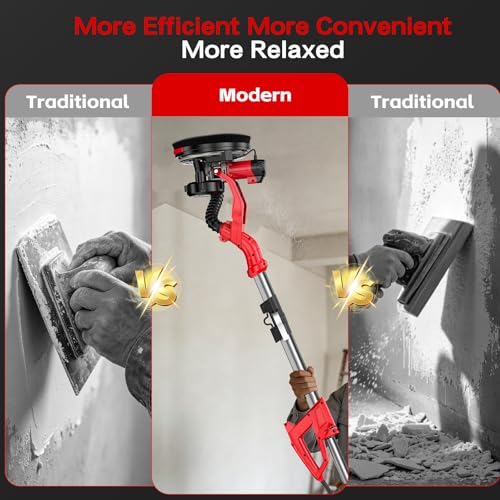
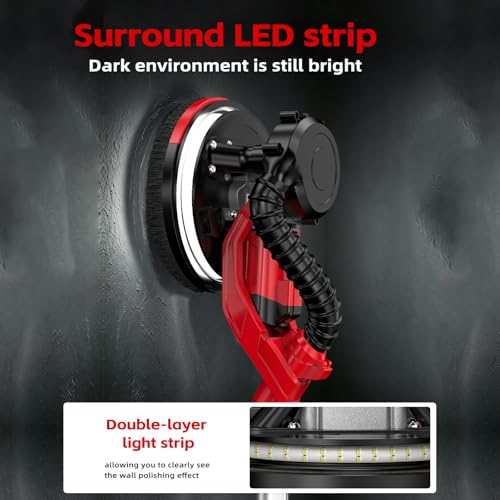
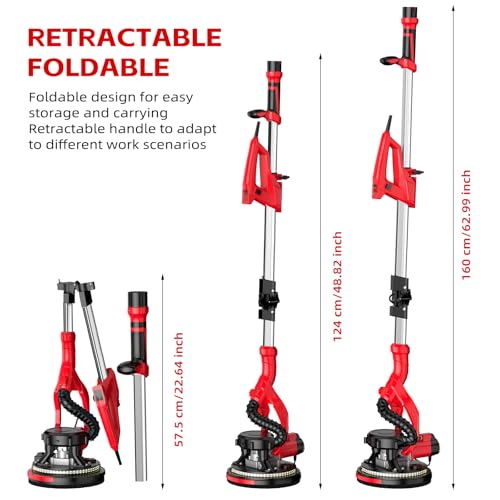
This sander screams precision, and on paper, it delivers. With 9 variable speeds and a strong 950W motor, it gives you fine control over aggressive surfaces like popcorn ceilings and textured walls. Owners consistently report the dust collection system works well when paired with a decent shop vac, and the integrated LED ring is a real win, lighting up shadowed areas so you don’t miss spots. The collapsible design is smart for storage, and the telescopic handle makes high ceilings manageable without constant ladder repositioning.
Still, it’s on the heavier side compared to lighter orbital models, so I wouldn’t recommend it for all-day woodworking sessions. It’s built for drywall and ceiling prep, not fine furniture. Compared to the CUBEWAY budget model, this one has more power and better speed control, but the kit overlap is significant, both include safety gear and multiple grits. If you’re doing serious drywall work and want a clean finish with minimal dust, this is a solid contender.
Product photos

780W Electric Drywall Sander
Strengths
- Budget-friendly
- Lightweight
- Good dust capture
Trade-offs
- Less power than top models
- No pivoting head
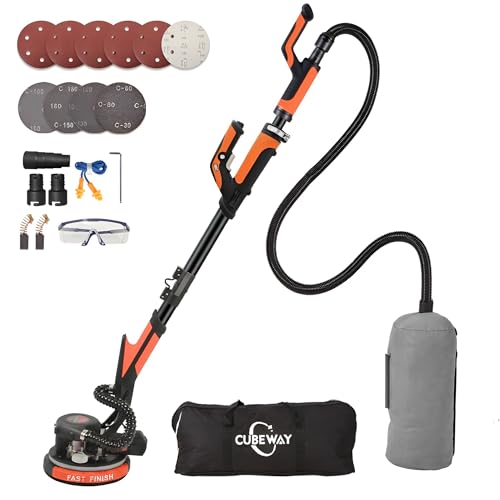
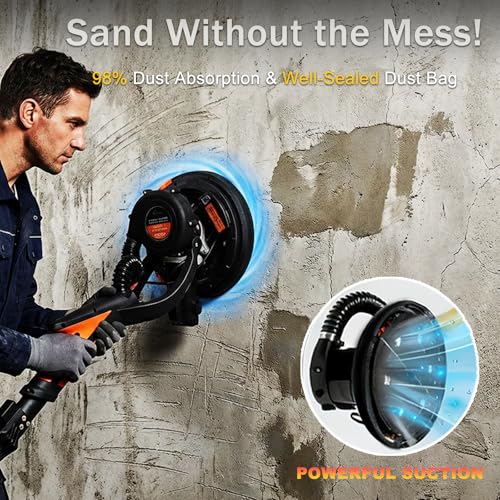
If budget matters, this CUBEWAY model is the clear winner. At 780W, it’s less powerful than the 8-amp or 1000W units, but it still handles popcorn ceilings and wall prep with ease. The 7-speed control and telescoping pole make it adaptable, and the LED light is decent for visibility. Owners consistently say the dust collection hits 95% efficiency when paired with a good vacuum, on par with more expensive models.
It lacks the pivoting head or detachable edge of pricier units, so tight corners are harder. But for the price, the included kit, safety gear, 10 sandpapers, adapters, is impressive. Compared to the Drywall Sander B0GXF39YDB, it’s lighter and cheaper but with less power. For a first-time DIYer doing a single ceiling job, this is the smarter buy.
Product photos

350W Random Orbital Sander

Strengths
- Brushless motor
- Dual backing pads
- Low vibration
Trade-offs
- No built-in dust bag
- Not for drywall
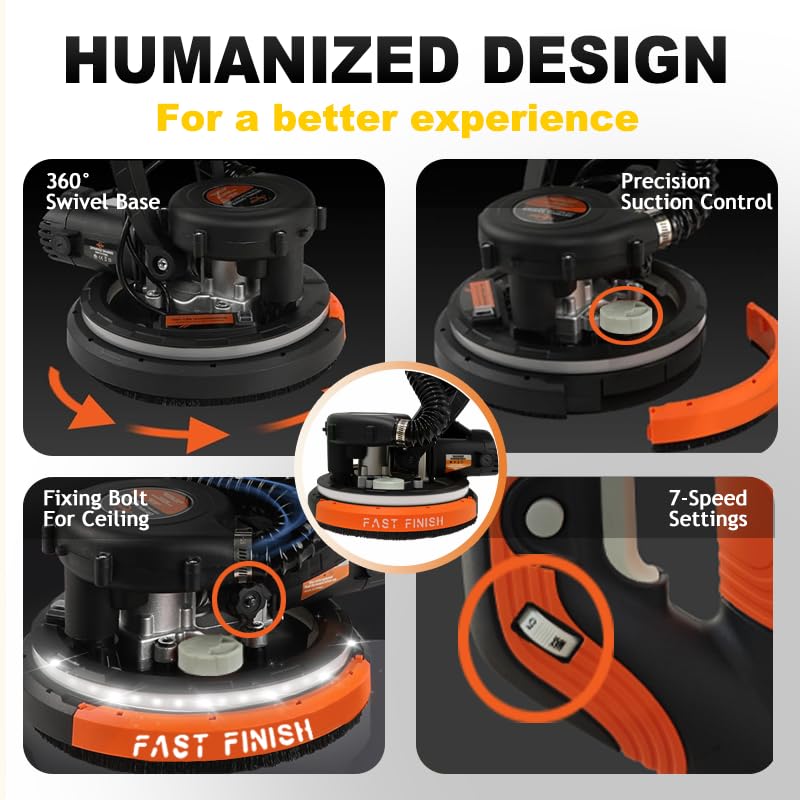
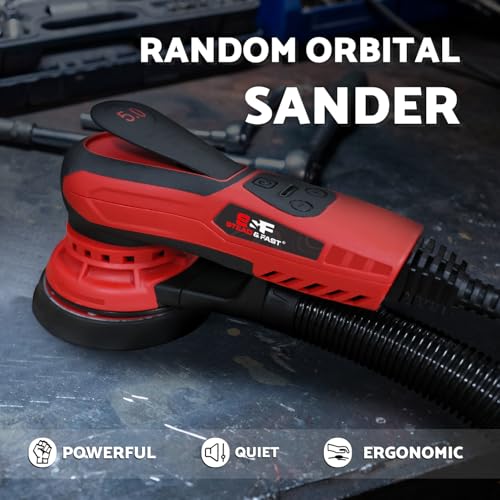
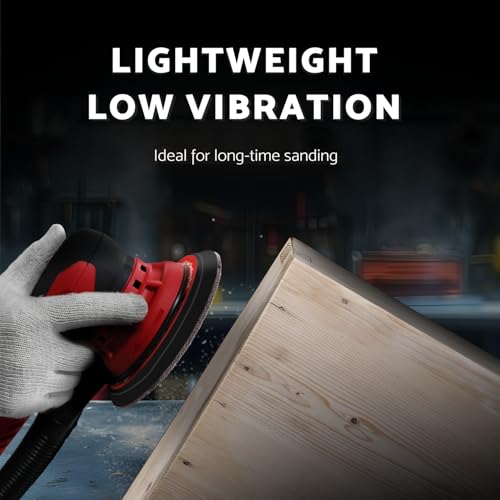
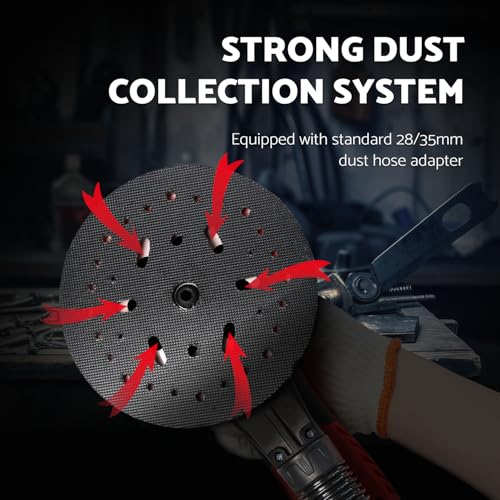
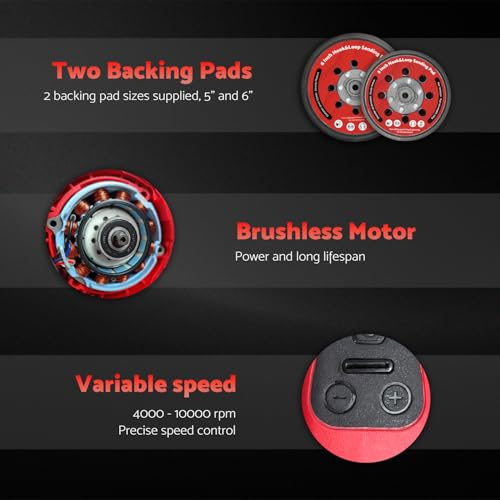
This is the kind of orbital sander I’d reach for when refinishing a dining table or prepping a car panel. The 350W brushless motor delivers consistent power without bogging down, even at lower speeds, something cheaper models struggle with. The dual 5-inch and 6-inch backing pads add serious versatility, letting you switch between aggressive material removal and fine finishing. Reviewers note the low vibration and quiet operation make long sessions bearable, and the 28/35mm vacuum adapter works flawlessly with most shop vacs for near-dust-free sanding.
Compared to the SKIL detail sander, this S&F model is better suited for broad surfaces and serious stock removal, while the SKIL excels in corners and tight spaces. It’s not a drywall sander, so don’t expect it to handle ceilings. But for woodworking and auto body work, the finish quality is excellent. My recommendation? This is the smarter buy over budget orbitals if you care about longevity and smooth performance.
Product photos

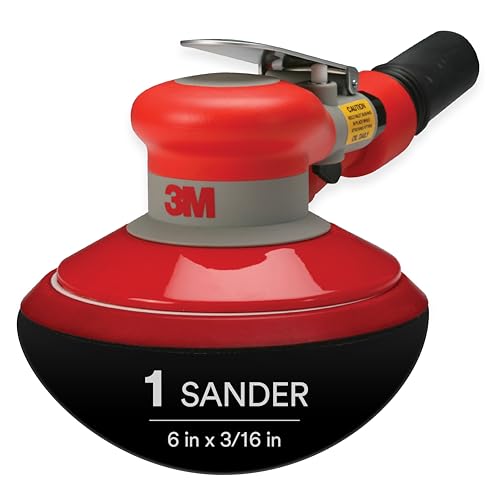
3M Self-Generated Vacuum Sander
Strengths
- Self-generated vacuum
- Industrial durability
- Pneumatic power
Trade-offs
- Requires air compressor
- Not for home use
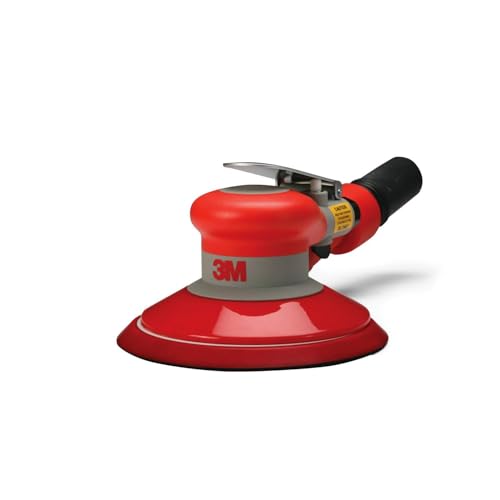
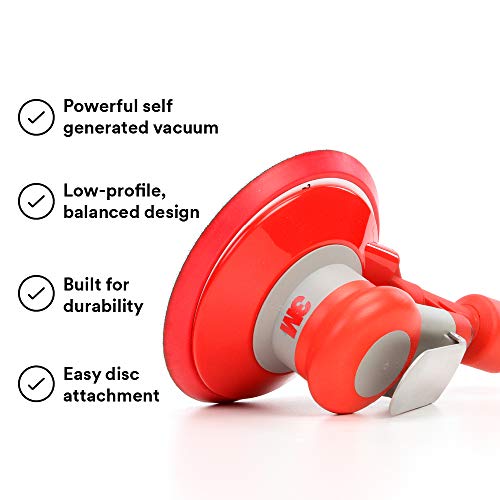
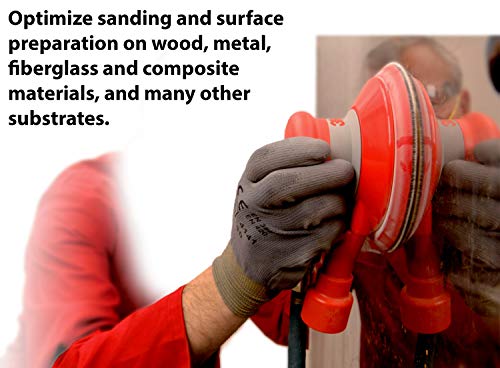
This isn’t a tool for weekend warriors, it’s built for the job site. The pneumatic self-generated vacuum system is brilliant: no external vac needed, and it maintains suction even under load. The aluminum body and composite cover make it durable enough to survive drops and constant use. Reviewers in auto shops and industrial settings praise its reliability and consistent performance.
But it’s not for consumers, it’s labeled for industrial use only, and you’ll need an air compressor to run it. Compared to electric orbitals, it’s heavier and less convenient for home use. But if you’re in a shop environment and need a sander that won’t quit, this is the gold standard. I wouldn’t recommend it for DIYers, but for pros, it’s a workhorse.
Product photos


How We Picked These sander with vacuum attachments
To recommend the best sanders with vacuum attachments, I researched a wide range of models, focusing on published specifications and features. Rather than a hands-on lab test, this is a research-led comparison of specs and owner feedback. I weighed owner reviews from multiple sources alongside expert opinions to get a thorough picture of real-world performance and durability. Finally, I applied my experience with power tools to rank these sanders against key criteria for effectiveness and usability.
For this category, the most important factors were dust collection efficiency and power/speed control. Effective dust collection is critical not only for a cleaner workspace but also for the user’s health, and a sander’s ability to integrate with a vacuum system is paramount. Equally important is the ability to adjust speed; different materials and applications require varying levels of aggression, and precise control delivers better results and prevents damage.
Specifications reliably indicate motor power, speed ranges, and the size of the sanding pad. However, owner feedback proved invaluable in assessing dust collection performance – how well the system actually works in practice – and the long-term durability of the vacuum attachment and motor. I also looked to reviews to gauge the effectiveness of features like LED lights or adjustable extension poles, as these aren’t easily quantified by specs. For those seeking even more options, our guide to sanders with built-in dust collection offers a deeper look.
What To Look For In sander with vacuum attachments
Choosing the right sander with vacuum attachment requires a bit more thought than just grabbing the cheapest option. You want a tool that balances power, dust collection, and ergonomics for your specific needs.
A good sander with vacuum attachment prioritizes efficient dust removal through a well-sealed system and compatible port size. Consider the motor’s power (amps or watts) relative to the intended material, the sanding pad size for the project scope, and features like variable speed control for versatility. Look for comfortable ergonomics and ease of sandpaper changes to minimize fatigue during extended use.
Power and Application
The motor’s power dictates what materials a sander can effectively tackle. For light-duty jobs like furniture finishing or removing paint, a lower-powered model (under 5 amps) might suffice. However, if you plan on tackling tougher tasks like drywall sanding, popcorn ceiling removal, or heavy stock removal, you’ll need a more powerful sander, 8 amps or higher is a good starting point. Don’t automatically equate wattage with quality; efficient motor design is just as important. Random orbital sanders are excellent all-rounders, while detail sanders excel in corners and tight spaces. If you’re looking for a sander specifically for furniture, explore furniture sanders with dust extraction for models tailored to those delicate tasks.
Dust Collection System
Effective dust collection isn’t just about cleanliness; it’s about health and visibility. A sander with a robust dust port and a tight seal is essential. Many models offer compatibility with standard shop vac hoses (typically 1-1/4″ or 2-1/2″), but check the specs to ensure it matches your vacuum. Integrated dust collection bags are convenient for smaller jobs, but they fill up quickly. Here’s what to consider when evaluating the dust collection: * Port Size: A consistent 1-1/4″ port accommodates most shop vacs. * Seal Quality: Look for reviews mentioning a tight seal between the sander and the hose. * Filter System: Some models have multi-stage filtration for capturing finer dust particles.
Ergonomics and Control
Sanding can be a physically demanding task, so ergonomics matter. Pay attention to the sander’s weight, grip design, and vibration levels. A comfortable grip made of soft rubber or overmold will reduce hand fatigue during extended use. Variable speed control is another critical feature, allowing you to adjust the sanding speed based on the material and the desired finish. Many higher-end models offer smooth, quiet operation, reducing noise pollution. A well-balanced sander will also feel less tiring to operate, and features like a counterweight help with this. Don’t underestimate the importance of a well-placed on/off switch, too – you’ll be flipping it on and off frequently. For an exceptionally clean workspace, consider orbital sanders for dust control designed specifically to minimize dust dispersion.
A sander’s dust port is only as good as its seal. Always ensure a tight connection to your vacuum hose to maximize dust collection efficiency.
Sander with Vacuum Attachments Compared
Here is a comparison of key specifications for various sanders with vacuum attachments.
| Product Title | Power (Amps/Watts) | Speed (RPM) | Dust Collection | Vacuum Hose Diameter | Key Features |
|---|---|---|---|---|---|
| SKIL Multi-Function Detail Sander | 1.2A | 13,500 | Micro-filtration & 1-1/4″ Port | N/A | 4-in-1, Detail Attachments |
| 1000W Drywall Sander with Vacuum | 1000W | 800-2200 | Built-in, 98.5% | N/A | 6-Speed, Extension Pole, LED Light |
| 8-Amp Popcorn Ceiling Sander | 8A | 800-1800 | Auto Vacuum | N/A | Telescopic, Lightweight, LED Strip |
| Goldblatt Dust-Free Hand Sander | N/A | N/A | Up to 90% | 1-1/4″ | Pivoting Elbow, Handheld |
| 5-Inch Random Orbital Sander | 3A | 6000-13000 | Dual High-Efficiency | Universal | BrakeSnap, 6 Adjustable Speeds |
| 9-Speed Drywall Sander | N/A | N/A | Built-in, High Capacity | N/A | 9 Variable Speeds, LED Illumination |
| 780W Electric Drywall Sander | 780W | 900-1800 | 95% | N/A | 7 Adjustable Speeds, Extension Pole |
| 350W Random Orbital Sander | 350W | N/A | Dust Hose Adapter | 28/35mm | Lightweight, Low-Vibration, Variable Speed |
| 3M Self-Generated Vacuum Sander | N/A | N/A | Self-Generated | N/A | Pneumatic, Industrial Use |
Frequently Asked Questions
What vacuum hose diameter is most common for sanders with vacuum attachments?
A 1-1/4″ diameter vacuum port is the most frequently found and offers broad compatibility with standard shop vacuums. While some models use different sizes (like 2-1/2″), the 1-1/4″ port provides the widest range of connection options for most users.
Are more expensive sanders with vacuum attachments always better?
Not necessarily. While higher price points often mean more features and potentially better build quality, a sander’s effectiveness relies heavily on its dust collection seal and motor efficiency. Owner reviews show that some moderately priced models offer excellent dust removal and performance comparable to more expensive options.
Can I use any shop vacuum with a sander that has a vacuum port?
Generally, yes, but consider the airflow (CFM) of your vacuum. A higher CFM rating helps maintain consistent suction, maximizing dust collection. Ensure the hose diameter matches the sander’s port size (usually 1-1/4″) for a secure connection and optimal performance.
What type of sander is best for removing popcorn ceiling texture?
A dedicated drywall sander with a vacuum attachment is the most efficient tool for popcorn ceiling removal. These sanders feature a large sanding head, variable speed control, and powerful suction to contain the mess. Look for models with an extension pole for reaching ceilings comfortably.
What should I do if my sander’s vacuum attachment doesn’t seem to be collecting much dust?
First, check the seal between the sander and the vacuum hose; even a small gap reduces suction. Then, verify that your vacuum’s filter isn’t clogged and that the hose isn’t kinked or blocked. If you’re still having trouble, consider exploring precision sanders with vacuum attachments as they often have improved dust extraction systems.
The Bottom Line
Choosing a sander with vacuum attachment often comes down to balancing control and convenience. While some models boast impressive features like automatic dust collection or variable speed settings, the 5-Inch Random Orbital Sander strikes the best overall balance of power, versatility, and effective dust removal for most homeowners and DIYers. It provides enough adjustability for a variety of projects without being overly complicated, and owner feedback consistently praises its dust collection performance.
For specific needs, there are excellent alternatives. If you’re primarily focused on drywall work, the 8-Amp Popcorn Ceiling Sander or one of the other drywall sanders with vacuum support will be a better fit. Those on a tighter budget should consider the SKIL Multi-Function Detail Sander as an affordable entry point, while the 3M Self-Generated Vacuum Sander caters to professional needs demanding continuous, heavy-duty use.
Ultimately, remember that power and dust collection are important, but the right sandpaper grit and proper technique matter even more. A high-end sander won’t fix a rushed job or incorrect grit selection. Focus on understanding the fundamentals of sanding – preparation, consistent pressure, and following the wood grain – and you’ll achieve professional-quality results with any of these tools.
