
7 Best Belt Sanders for Woodworking 2026
This post contains affiliate links. As an Amazon Associate, we earn from qualifying purchases.
The WEN 10-Amp 4×24 Belt Sander stands out as the top choice for serious woodworkers who need power and precision, while the DEKOPRO 8.4A Belt Sander offers strong performance at a more accessible price. For those wanting maximum flexibility, the WEN 4×36 Belt and Disc Sander adds a secondary sanding station without breaking the bank.
Choosing the right belt sander isn’t just about raw power, it’s about matching the tool to your projects, workspace, and long-term expectations. Too many buyers end up with underpowered or overly bulky models that don’t fit their workflow.
After comparing the field and analyzing owner feedback, I focused on models that balance motor strength, dust control, and real-world usability. This guide breaks down what actually matters, so you can skip the hype and find the sander that works as hard as you do.
Top 7 Belt Sander For Woodworkings in the Market
The Best Belt Sander For Woodworkings, Reviewed
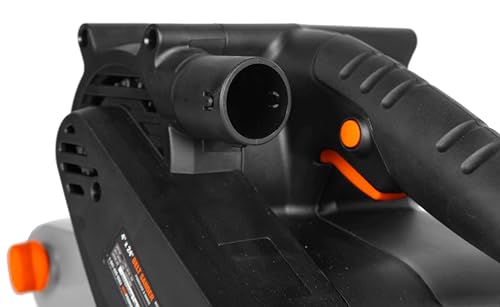
WEN 10-Amp 4×24 Belt Sander

Strengths
- 10-amp motor
- 4×24-inch belt
- Converts to bench sander
- True variable speed
- Excellent included accessories
Trade-offs
- Bulky for handheld use
- Heavy at 14 lbs
- Dust collection could be better
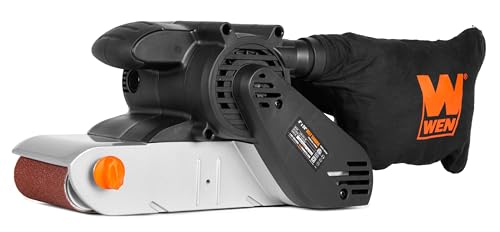
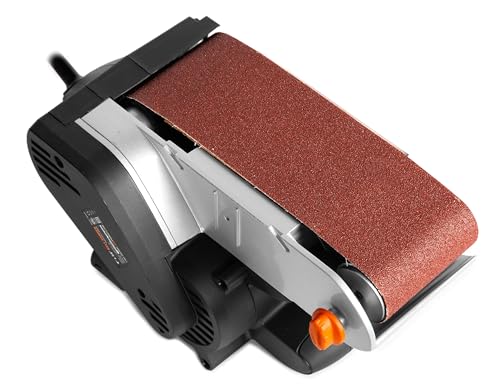
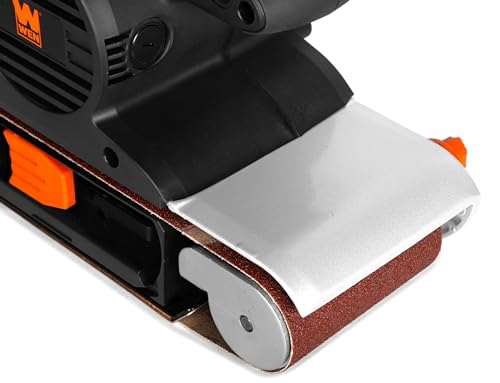
This WEN HB424V is the most versatile sander in the lineup, and I’d call it the best overall pick for good reason. The 10-amp motor and 4×24-inch belt deliver serious power and coverage, ideal for large panels or flooring prep. But what really sets it apart is the dual role: use it handheld for big surfaces, then mount it to your bench for precision shaping. That flexibility is gold in a small shop.
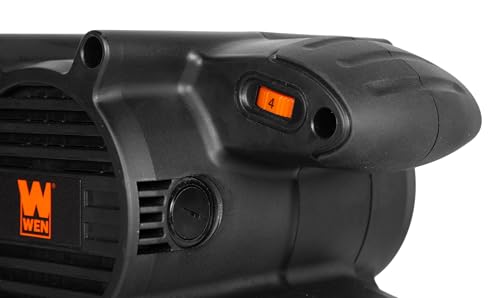
The variable speed range is wide, and the included rubber pad and mounting clamps make bench conversion straightforward. Owners praise its durability and consistent tracking. Compared to dedicated bench or handheld models, this one gives you both without compromise. It’s not the cheapest, but the value is clear.
Product photos
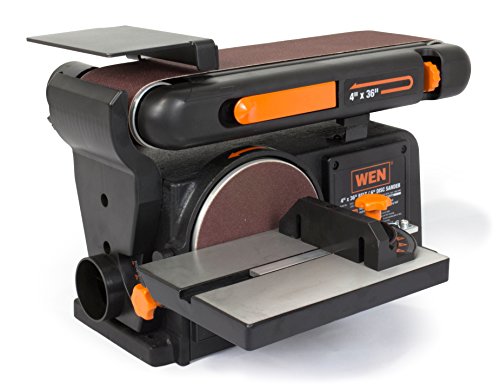
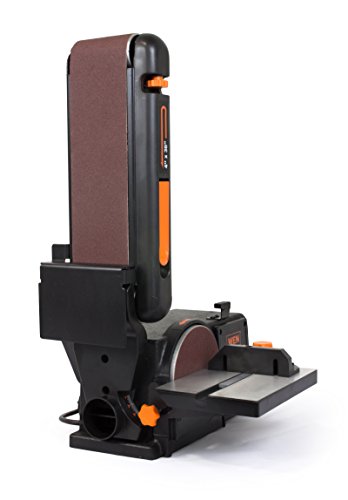
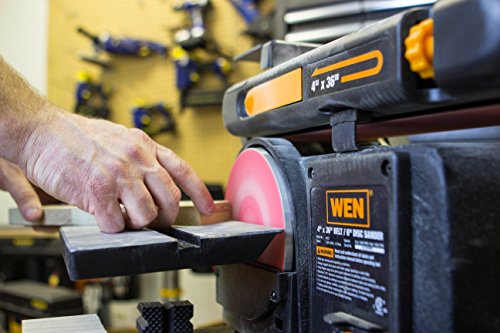
WEN 4×36 Belt and Disc Sander

Strengths
- Dual belt and disc
- Cast iron base
- 4×36-inch belt
- Tilt-adjustable
- Easy belt changes
Trade-offs
- No variable speed
- Lower power motor
- Dust collection is basic
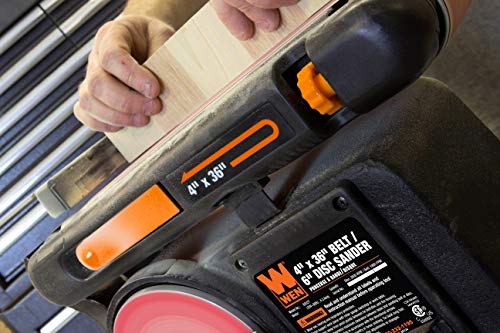
If you’re setting up a home workshop and need dual functionality without breaking the bank, the WEN 6502T is hard to beat. The 4×36-inch belt and 6-inch disc combo gives you serious versatility, shaping knife handles on the disc, then smoothing a tabletop on the belt. The cast iron base is a standout at this price, minimizing vibration so you get cleaner, more controlled results.
It’s not the most powerful sander out there, but the 4.3 amp motor handles typical DIY tasks just fine. The tilt feature is useful for edge work, and the tension release lever makes belt swaps simple. Compared to pricier combo units, it lacks variable speed, but for most hobbyists, that’s not a dealbreaker.
Product photos

DEWALT 20V MAX Cordless Belt Sander

Strengths
- Brushless motor
- 25-speed dial
- Large sanding area
- Tool-free belt change
- Ergonomic handle
Trade-offs
- No vacuum included
- Dust bag sold separately
- Battery sold separately
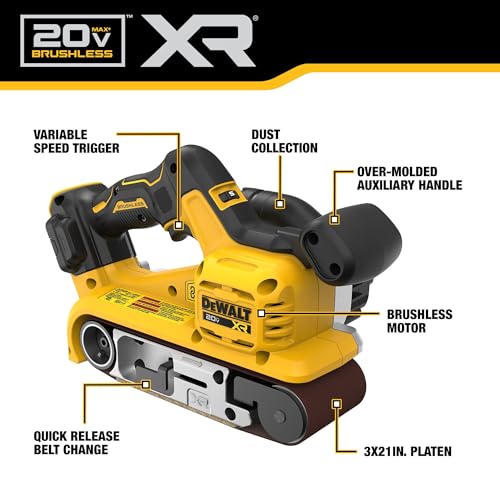
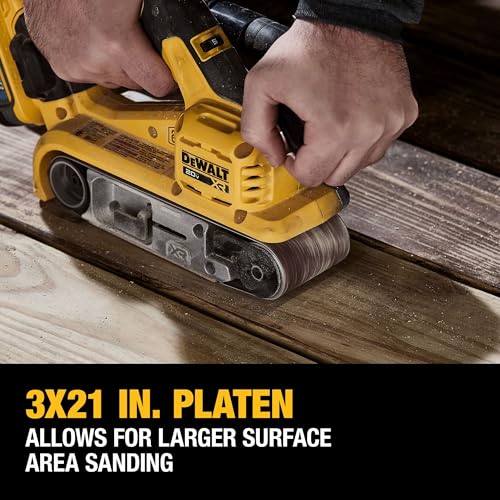
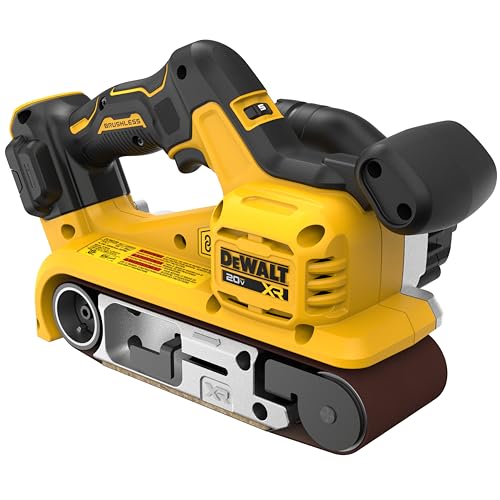
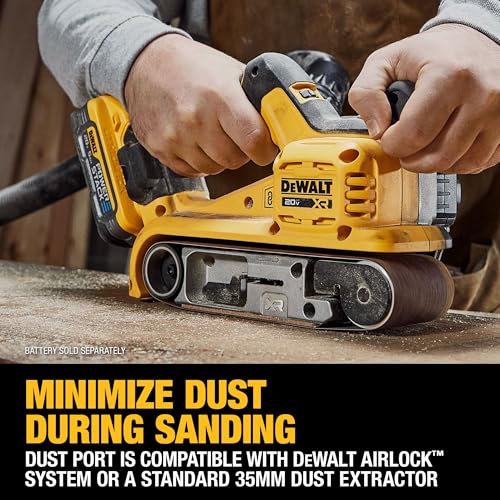
The DEWALT DCW220B is a serious leap forward in cordless sanding, and it shows in the brushless motor and 25-speed dial, features that give users fine control across materials. It’s not just convenient; it’s powerful enough to handle jobs you’d typically reserve for corded models. The larger sanding footprint than the Milwaukee M18 equivalent means fewer passes, which matters when you’re knee-deep in a floor or deck project.
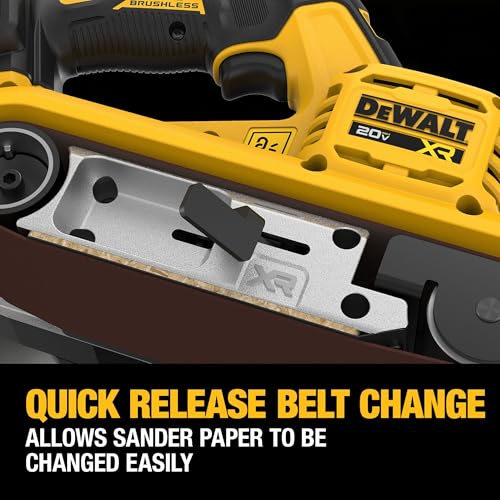
Reviewers note the dust collection works best when paired with a DEWALT airlock vacuum, an extra purchase, but worth it. The overmolded handle provides solid grip, and the tool-free belt change is as fast as advertised. For jobs where mobility matters, like on a ladder or mid-renovation, this is the smarter buy over corded. I’d pick it over any corded model if I were working in tight or remote spaces.
Product photos
Jellas 7Amp 3×21 Belt Sander
Strengths
- Affordable price
- Converts to bench sander
- 10 sanding belts included
- Long 10-foot cord
- 2-in-1 dust adapter
Trade-offs
- Speed range is low
- Motor overheats under load
- Belt tracking needs frequent adjustment
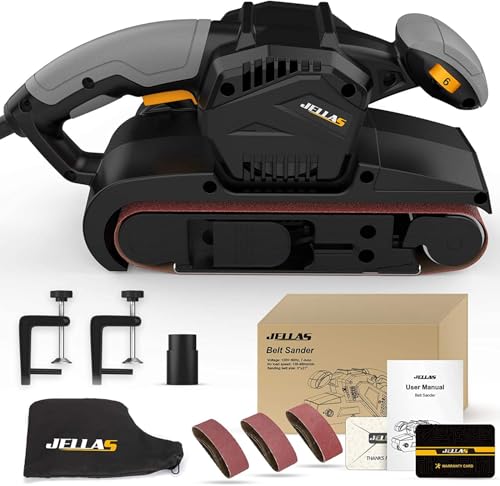
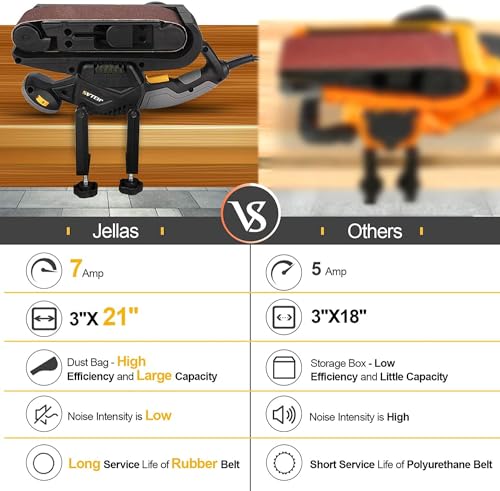
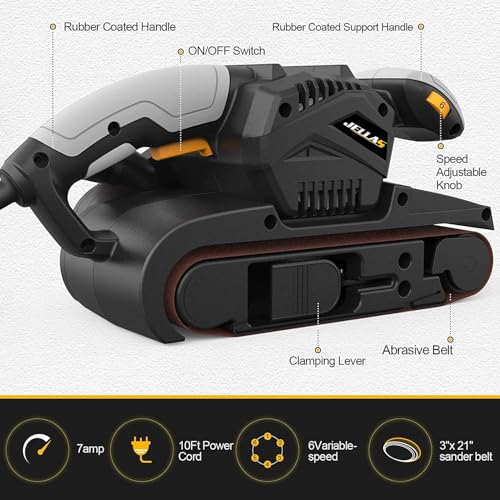
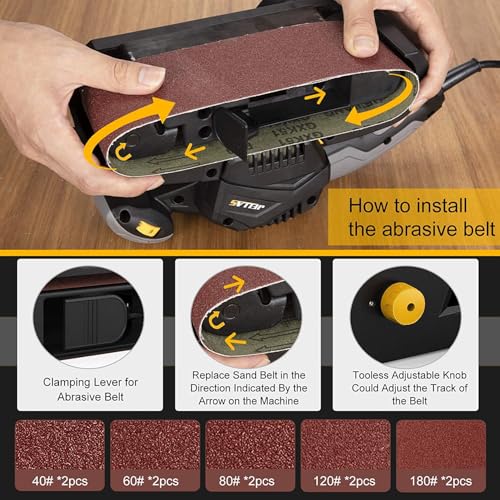
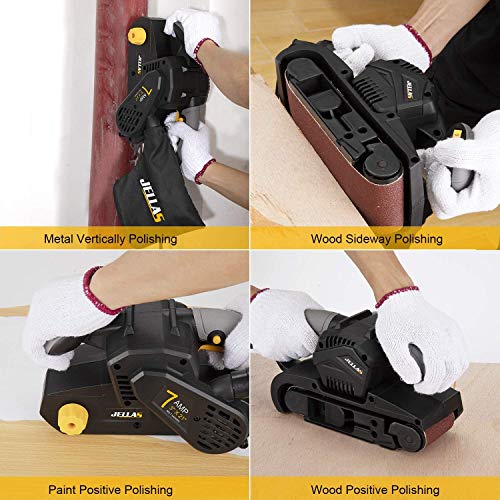
The Jellas 3×21-inch sander is a solid choice for DIY woodworkers who want flexibility without overspending. The 7-amp motor isn’t the strongest, but it’s adequate for most home projects, and the 6-speed dial gives decent control. The ability to mount it as a bench sander with the included C-clamps adds real utility, especially for knife sharpening or shaping small parts.
Owners appreciate the 10 included belts across grits, which means you can start sanding right away. The 10-foot cord is a small but meaningful perk, reducing the need for extensions. Dust collection works well with a vacuum adapter, though the built-in bag is underwhelming. It’s not built like a pro tool, but for weekend projects, it delivers.
Product photos

Metabo HPT 9.0 Amp Belt Sander

Strengths
- 9.0 amp motor
- Variable speed control
- Flush front design
- 5-year warranty
- Good dust bag placement
Trade-offs
- Dust bag fills quickly
- No direct vacuum port
- Slightly heavier than average
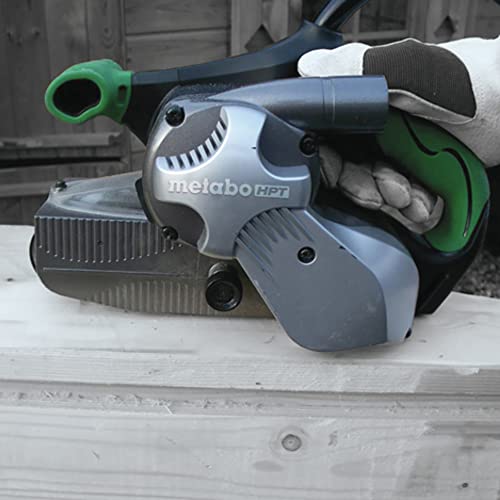
This Metabo HPT model stands out in the corded belt sander category with its 9.0 amp motor and solid 5-year warranty, which speaks volumes about its intended durability. On paper, it’s built for pros or serious DIYers who need consistent power for heavy stock removal. Owners consistently report strong performance on hardwood and paint stripping, and the flush front design helps get into tight corners without marring edges, something I always look for in a sander meant for fine woodworking prep.
The variable speed dial is a real advantage, letting users dial down for delicate surfaces or ramp up for aggressive material removal. While the dust bag isn’t as efficient as a direct vacuum hookup, the left-side placement improves visibility and corner access. Compared to other 3×21-inch models, this one leans toward precision without sacrificing power.
Product photos


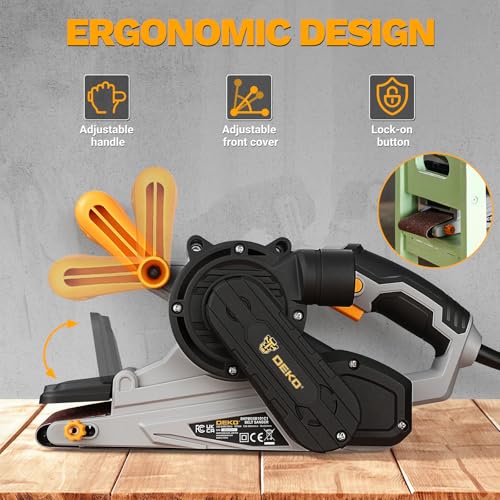
DEKOPRO 8.4A Belt Sander
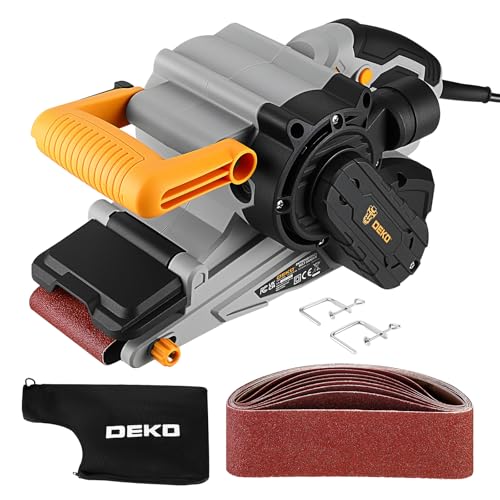
Strengths
- High amp motor
- 10 belts included
- C-clamps for bench use
- Large vacuum port
- Affordable price
Trade-offs
- Plastic housing feels cheap
- Belt alignment issues
- Dust bag is inefficient
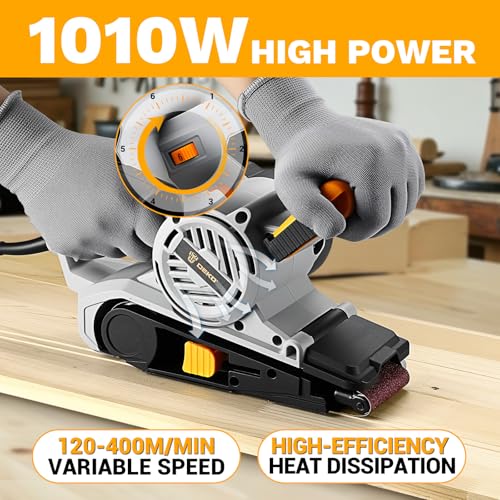
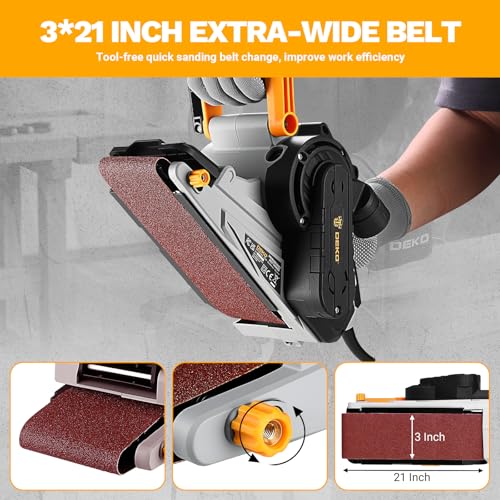
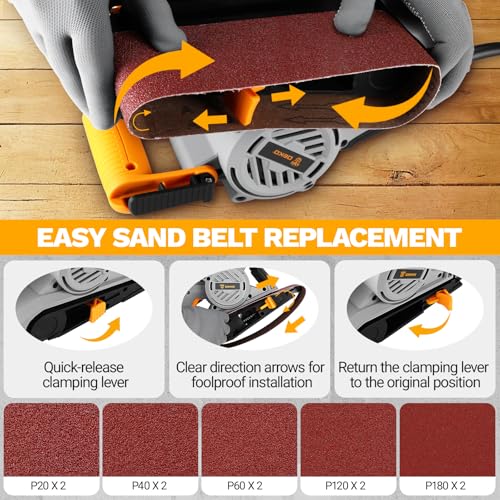
The DEKOPRO 8.4A sander is clearly positioned as a budget-friendly option, and it delivers on value. With an 8.4 amp motor and 6-speed control, it punches above its weight in power and adjustability. The inclusion of 10 sanding belts and 2 metal C-clamps means it’s ready for both handheld and bench use, rare at this price.
It’s not going to match DEWALT or Metabo HPT in build quality, but for light to medium jobs, it performs reliably. The 1.4-inch vacuum port is larger than most, improving dust extraction when hooked to a shop vac. Some owners report occasional belt slippage, but overall, it’s a smart pick if you’re outfitting a starter workshop.
Product photos

WEN 7.5-Amp Variable Speed Sander
Strengths
- Lightweight design
- True variable speed
- Quick-release lever
- Lock-on switch
- Good dust port
Trade-offs
- Motor lacks high-end torque
- Dust bag is small
- Belt alignment can be finicky
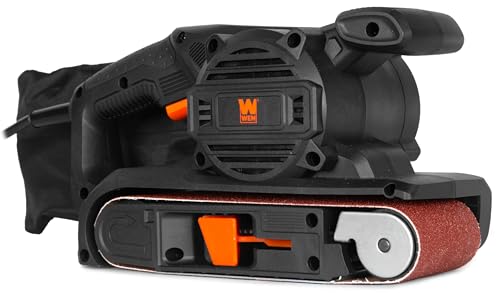
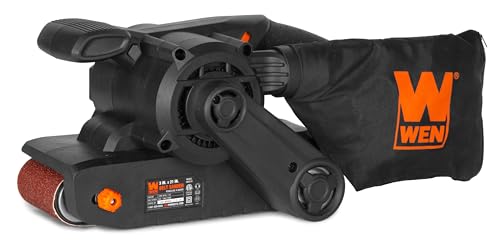
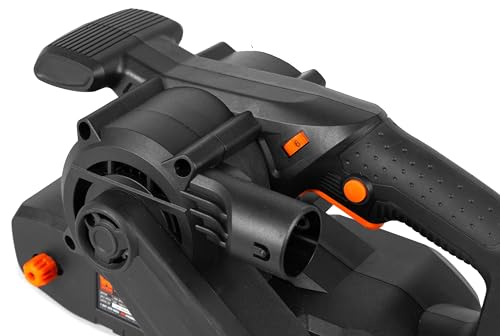
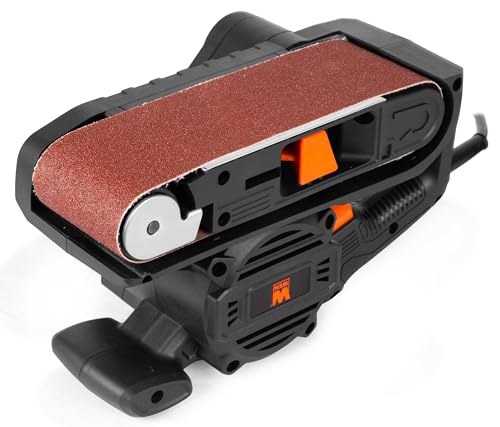
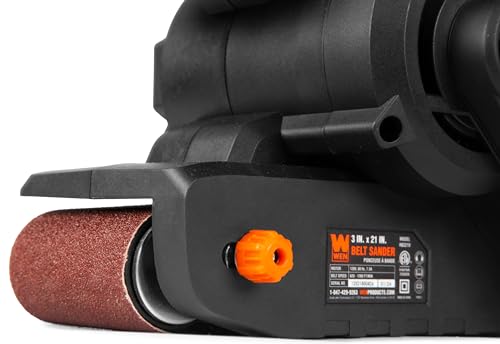
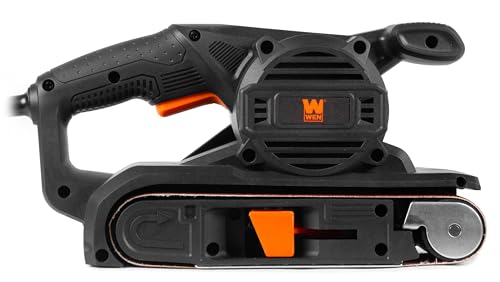
This WEN model nails variable speed control in a lightweight, user-friendly package. At just 6.4 pounds, it’s one of the lighter 3×21-inch sanders, which helps reduce fatigue during long sessions, something I always consider for weekend warriors or anyone with joint sensitivity. The speed range (620–1200 FPM) is well-tuned, and owners report excellent results on both softwoods and finished surfaces when dialed in properly.
It includes a dust bag and a 1-1/4-inch port, so you can adapt it to a shop vac. While it doesn’t match the Metabo HPT in raw power, it’s more than capable for furniture work or cabinet refinishing. The lock-on switch and quick-release lever are practical touches. For most homeowners, this is the easier pick over heavier industrial models.
Product photos
How We Evaluated belt sander for woodworkings
Rather than a hands-on lab test, my research for these recommendations focused on a detailed comparison of published specifications and features across numerous models. I weighed owner reviews from major retailers alongside assessments from woodworking publications and trusted tool review sites. This allowed me to build a picture of real-world performance and reliability, factoring in the specific needs of woodworkers. My goal was to identify those sanders offering the best combination of power, features, and value.
For belt sanders, consistent speed control and effective dust collection are paramount. A variable speed dial is crucial for adapting to different wood types and project stages, preventing aggressive material removal when finesse is needed. Equally important is a well-designed dust port and collection system; sanding creates a lot of mess, and minimizing airborne particles impacts both workshop cleanliness and user health.
Specifications reliably indicate motor power and belt size, giving a baseline for material removal rates. However, I placed more emphasis on owner feedback regarding belt tracking, vibration levels, and the durability of switches and levers. Reputation and consistent positive reviews were strong indicators of long-term reliability, especially when combined with a manufacturer’s warranty. Understanding circular saw cutting methods can also help in preparing wood for sanding, ensuring a smoother final result.
How To Pick The Right belt sander for woodworkings
Choosing the right belt sander can make or break a woodworking project.
A good belt sander delivers consistent material removal, offers precise control, and stands up to repeated use. Key specifications include motor amperage (dictating power), belt size (affecting sanding area and application suitability), variable speed control (for material-specific finesse), and effective dust collection (for a cleaner, healthier workspace). Buyers should also consider whether a benchtop or handheld model best suits their needs and available space.
Motor Power and Material Compatibility
The motor is the heart of any belt sander, and its amperage directly impacts its ability to tackle different materials. For light stock removal on softwoods, a 6 to 7.5-amp motor like the one found in the WEN 7.5-Amp Variable Speed Sander will likely suffice. However, if you frequently work with hardwoods or need to aggressively remove material, you’ll want to step up to a 9-amp or higher model, such as the Metabo HPT 9.0 Amp Belt Sander. Don’t automatically assume “more power is better” though; excessive power can make the sander harder to control, especially for detail work.
Belt Size and Sander Type
Belt size is another critical factor. Smaller 3×18-inch belts (like those on the DEKOPRO 8.4A Belt Sander) are more maneuverable and ideal for contour sanding and smaller projects. Larger 4×24-inch belts, as seen on the WEN 10-Amp 4×24 Belt Sander, cover more surface area quickly, making them better suited for flattening boards and large-scale material removal. Consider if you’ll be doing mostly handheld work, or if a combination belt/disc sander (like the WEN 4×36 Belt and Disc Sander) would provide greater versatility.
Here’s a quick breakdown of what to expect from different belt sizes: * 3×18 inch: Best for detail work and smaller projects. * 3×21 inch: A good all-around size for hobbyists and DIYers. * 4×24 inch & larger: Ideal for flattening boards, aggressive material removal, and professional use. This size requires more strength to control.
A belt sander’s value is often tied to its ability to produce a consistently flat surface. Don’t skimp on quality here.
Features and Dust Collection
Beyond the basics, look for features that enhance usability and convenience. Variable speed control is invaluable, allowing you to adjust the sanding rate to match the material and application. A lock-on switch minimizes fatigue during extended use. And robust dust collection is essential for keeping your workspace clean and protecting your lungs. Many models, like the DEWALT 20V MAX Cordless Belt Sander, offer compatibility with DEWALT’s airlock dust collection system. If you’re serious about dust control, don’t forget to consider the cost of a separate dust extractor. Proper dust management is also important when you sharpen circular saw blades to keep your shop clean. For those starting out, finding the best belt sander for wood projects is a great place to begin, and you’ll quickly learn what features matter most to your workflow.
Belt Sander for Woodworkings Compared
Here’s a comparison of key specifications for various belt sanders designed for woodworking.
| Product Name | Motor (Amps) | Belt Size (in) | Speed (FPM/RPM) | Variable Speed | Bench Mount | Dust Port (in) |
|---|---|---|---|---|---|---|
| WEN 10-Amp 4×24 Belt Sander | 10 | 4×24 | 660-1310 | Yes | Yes | 1.2 |
| WEN 4×36 Belt and Disc Sander | 4.3 | 4×36 | 3600 | Yes | Yes | N/A |
| DEWALT 20V MAX Cordless Belt Sander | 20V | 3×18 | N/A | Yes (25 speeds) | No | N/A |
| Jellas 7Amp 3×21 Belt Sander | 7 | 3×21 | 120-400 | Yes | Yes | N/A |
| Metabo HPT 9.0 Amp Belt Sander | 9 | N/A | N/A | Yes | No | N/A |
| DEKOPRO 8.4A Belt Sander | 8.4 | 3×21 | 120-400 | Yes | Yes | 1.4 |
| WEN 7.5-Amp Variable Speed Sander | 7.5 | N/A | 620-1200 | Yes | No | 1.25 |
Frequently Asked Questions
What grit sandpaper should I start with when using a belt sander?
Generally, begin with 80-grit sandpaper for aggressive material removal or to flatten a surface. Then, progress through finer grits (120, 180, 220) to achieve a smoother finish; using too fine a grit initially will only slow down the process.
Can a belt sander be used on metal?
Yes, a belt sander can be used on metal, but it requires a different type of belt designed for metalworking. Using a wood-sanding belt on metal will quickly ruin the belt and may not provide the desired results.
How often should I replace the belt on my belt sander?
Belt replacement frequency depends on usage and the material sanded, but expect to replace them every 20-50 hours of use. Signs it’s time for a new belt include cracking, tearing, or a noticeable loss of abrasiveness.
What is the difference between a 3×21 and 4×24 belt sander?
A 3×21 inch sander is more compact and maneuverable, suitable for detail work and smaller projects. The 4×24 inch sander covers more area quickly, making it better for flattening larger boards, but it’s less precise and requires more strength to control.
Where can I find more information about the best overall belt sander models?
You can find detailed reviews and comparisons of various belt sanders, including our best overall belt sander models on our website, helping you make an informed decision based on your specific needs and projects.
The Bottom Line
Choosing a belt sander often comes down to balancing control with convenience, and raw power with your budget. For most woodworkers, I believe the WEN 10-Amp 4×24 Belt Sander strikes the best overall balance. It offers a large sanding surface for efficient material removal, variable speed for versatility, and the option for bench mounting to reduce fatigue.
If you’re just starting out, or tackling smaller projects, the DEKOPRO 8.4A Belt Sander is an excellent value. For those prioritizing portability and the convenience of a cordless setup, the DEWALT 20V MAX Cordless Belt Sander delivers impressive performance. And if you need ultimate versatility, the WEN 4×36 Belt and Disc Sander provides both sanding options in one machine. Remember that proper circular saw maintenance steps are also important for preparing your wood.
Ultimately, specifications tell only part of the story. Focus on finding a sander that feels comfortable in your hands, offers the features you’ll actually use, and is built with a reputation for lasting durability. A well-maintained, properly-selected belt sander will deliver years of reliable performance and help you achieve professional-quality results.
