
8 Best Band Saws of 2026
This post contains affiliate links. As an Amazon Associate, we earn from qualifying purchases.
The JET 14-Inch Woodworking Bandsaw stands out as the best overall for serious woodworkers, thanks to its powerful performance and 13-inch resaw capacity. For those on a tighter budget, the WEN 10-Inch Two-Speed Band Saw offers solid features and dual speed settings at a much lower price point.
Most people shopping for a band saw don’t realize how quickly a cheap model can become a frustration, poor blade tracking, weak motors, and flimsy tables ruin accuracy and waste time. After comparing the field and weighing specs against real-world owner feedback, I focused on models that deliver reliability, cutting capacity, and build quality suited to actual workshop demands.
This guide breaks down the key differences, from resaw capability to blade speed and portability, so you can pick the right saw for your space, materials, and projects.
Top 8 Band Saws in the Market
The Best Band Saws, Reviewed
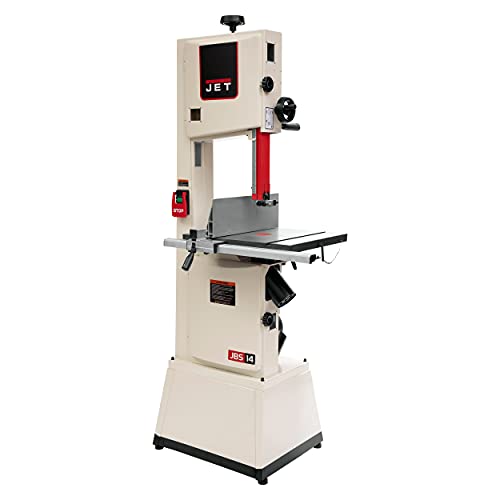
JET 14-Inch Woodworking Bandsaw
Strengths
- 13+ inch resaw capacity
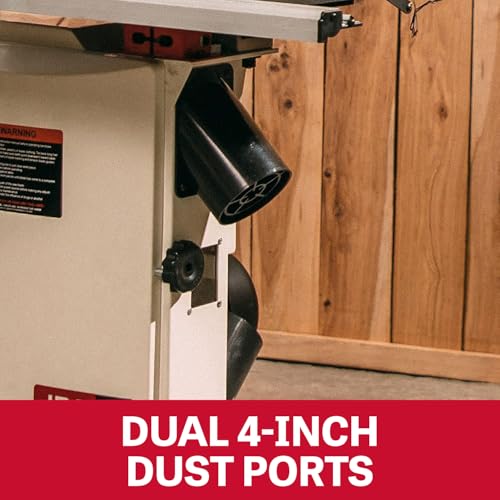
- Dual dust ports
- Cast iron table
- Heavy-duty frame
- Toolless blade guides
Trade-offs
- Heavy and hard to move
- Higher voltage option may need shop wiring
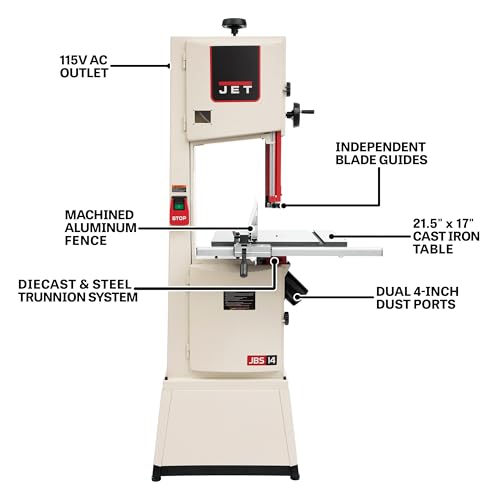
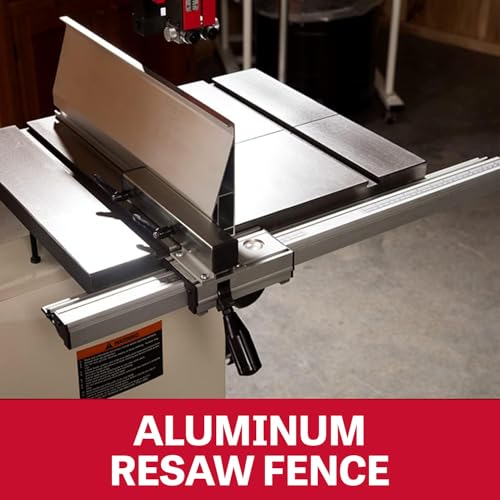
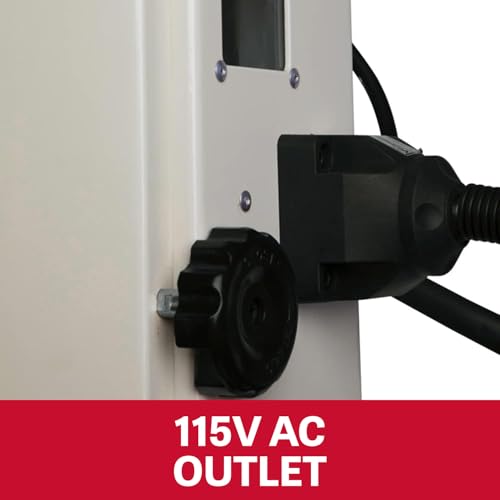
When you’re serious about woodworking and need a bandsaw that can handle heavy resawing, book-matched panels, or thick slabs, the JET JWBS-14SFX stands out on paper as a near-professional tier machine. The 13+ inch resaw capacity is no gimmick, owners consistently report clean, straight cuts through 10-inch walnut with minimal drift, thanks to the rigid tubular steel frame and oversized lower bearing bolt pattern. The cast iron table is massive at 360 sq. in., giving serious support for large stock, and the dual dust ports actually make a difference in shop cleanliness, especially when paired with a good cyclone system.
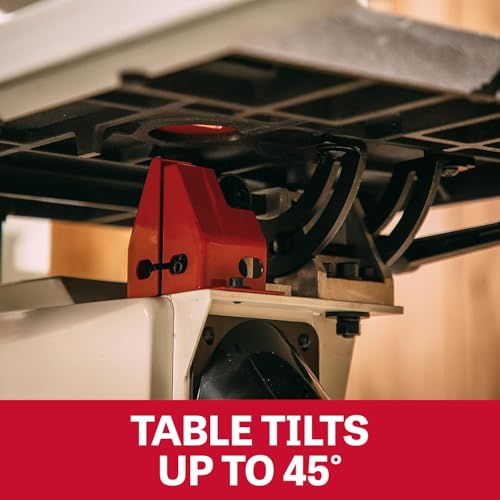
What really sets this apart in the mid-duty cabinet class is the toolless ball bearing blade guides and the engineered trunnion system that allows for single-point table adjustments. Reviewers note that once you dial in the alignment, it stays put. For a 14-inch saw in this price tier, that kind of consistency is rare. I’d pick this over many pricier competitors because it balances precision, durability, and serviceability, and it’s built to last longer than most home workshops.
Product photos
WEN 10-Inch Two-Speed Band Saw
Strengths
- Two-speed motor
- Good table size and angle
- Includes useful accessories
- Strong motor for class
- 2-year warranty
Trade-offs
- Blade tracking needs frequent tuning
- Frame flexes under heavy load
- Dust port not fully effective
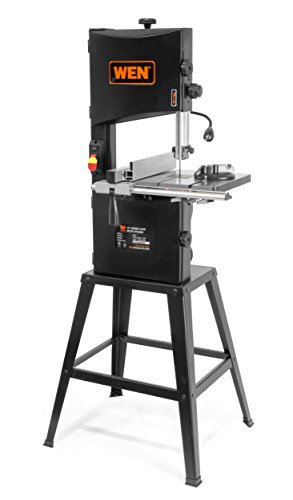
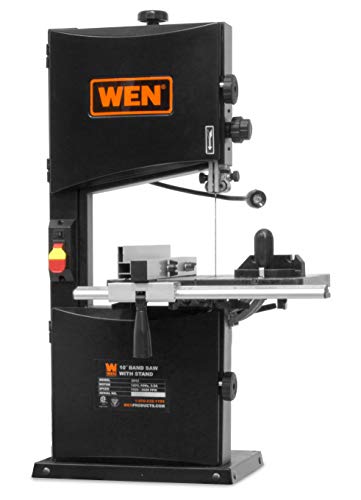
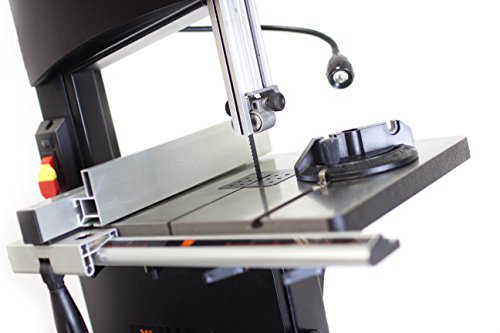
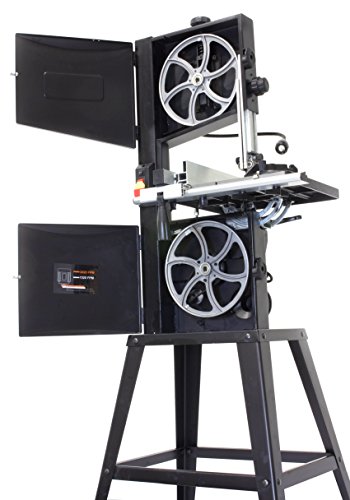
The WEN BA3962 hits a sweet spot between affordability and features, which is why it keeps showing up in DIYers’ shops. The two-speed motor (1520 and 2620 FPM) gives real versatility, slow for thick oak, fast for resins or plastics, and the 3.5-amp pull is noticeably stronger than the SKIL 2.8-amp model. The cast aluminum table is durable and bevels to 45°, which matters if you’re doing angled trims or jigs. Owners like the included work light and 3-in-1 dust port, though real-world dust collection is only fair without a strong shop vac.
It’s not as rigid as the Rikon or JET, but for the price, the build quality holds up. The 3/8″ blade included is decent for general use, though upgrading to a 1/2″ blade helps with drift. I’d call this the smarter mid-range buy over the VEVOR benchtop if you don’t need the stand included.
Product photos


SKIL 9-Inch 2-Speed Benchtop Bandsaw
Strengths
- Low entry price
- Includes miter gauge and fence
- Steel base for stability
- Tool-free speed change
- Blade tracking window
Trade-offs
- Underpowered motor
- Poor dust collection
- Table wobbles at high speed
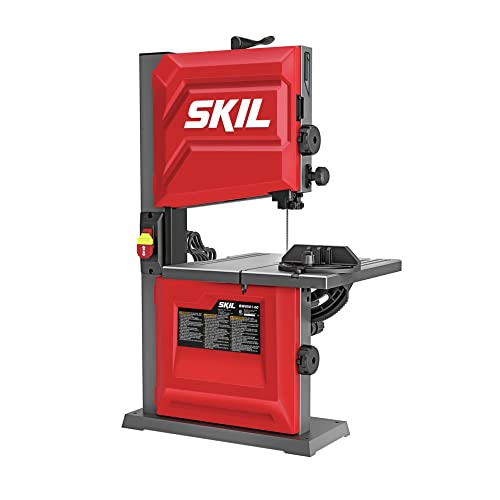
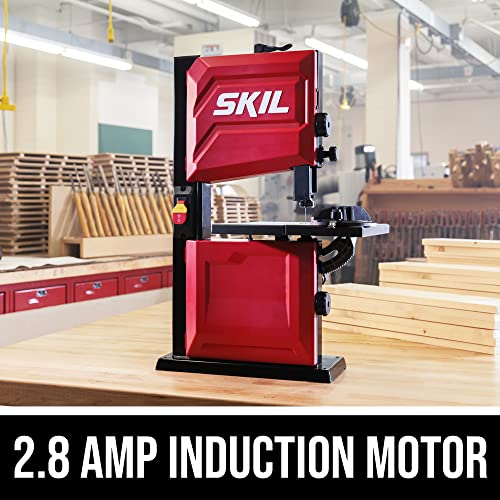
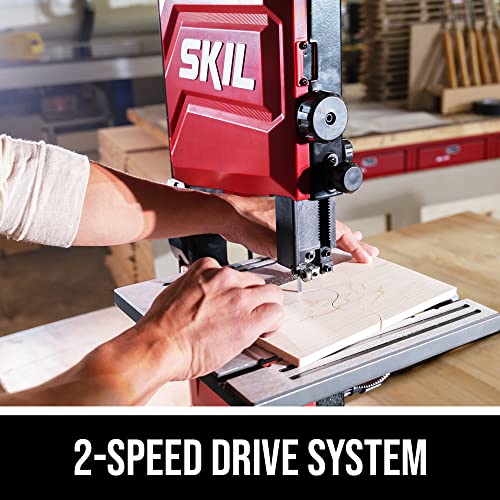
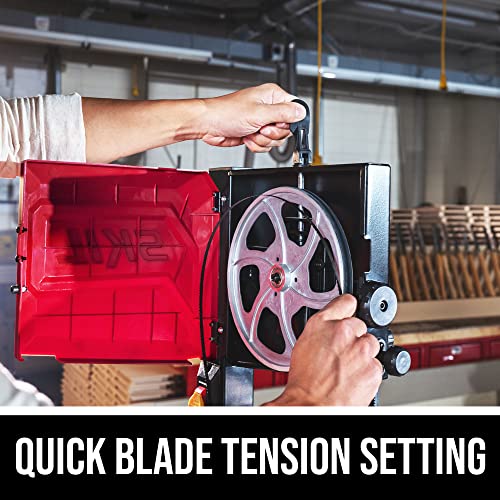
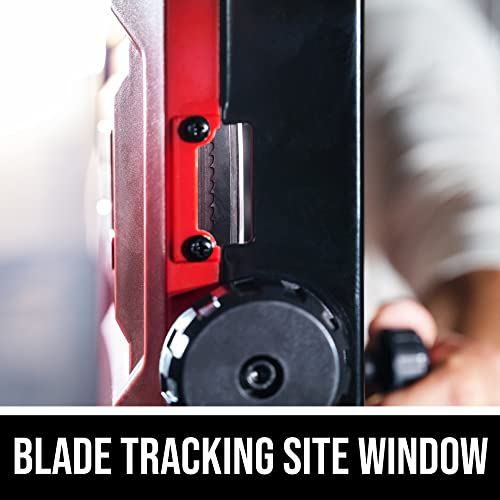
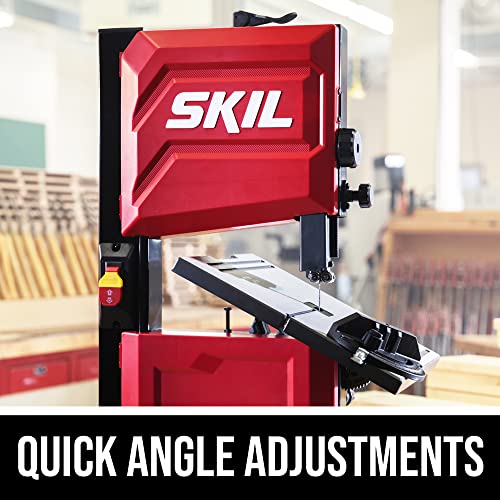
The SKIL BW9501-00 is the most budget-friendly bandsaw here, and it shows. The 2.8-amp motor is adequate for softwoods and thin stock, but it bogs down quickly on anything over 4 inches of hardwood. That said, it does include some surprising touches for the price, like the blade-tracking sight window, rack-and-pinion table adjustment, and a steel base that adds stability. The 2-speed system works, though the shift feels clunky compared to WEN or Rikon.
Owners say it’s a decent starter saw for teaching kids or light hobby use, but not something you’ll grow with. Compared to the Rikon 10-310, it’s less accurate and more prone to vibration. But if you’re on a tight budget and just want to cut small curves or make simple jigs, it gets the job done.
Product photos
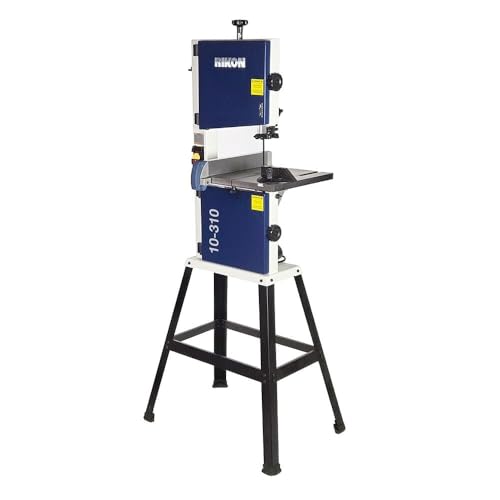
Rikon 10-Inch Bandsaw with Cast Iron Table
Strengths
- Excellent blade tracking
- Cast iron table
- Quick blade tension release
- Smooth table adjustment
- Good dust port
Trade-offs
- Lower resaw capacity
- No stand included
- Motor underpowered for thick hardwood
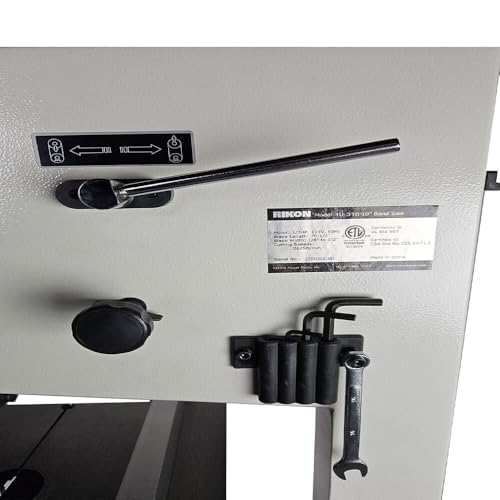
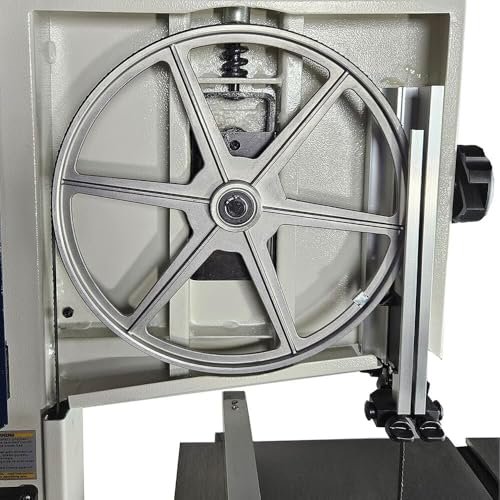
The Rikon 10-310 is the kind of bandsaw that flies under the radar but wins over users who care about tuning and precision. The cast iron table is flat and stable, and the rack-and-pinion adjustment makes tilting smooth and repeatable. The quick-release tension lever is a small joy, you can swap blades in seconds without losing your alignment. Owners consistently report excellent blade tracking, thanks to the balanced aluminum wheels and tool-less guides.
At 4-5/8” resaw capacity, it’s not huge, but for small to medium stock, it’s more than enough. Compared to the WEN or SKIL models, it feels more refined, with less vibration and better dust control via the 2-1/2” port. I’d pick this over most 10-inch saws if you’re a detail-oriented hobbyist or work with intricate curves and joinery.
Product photos


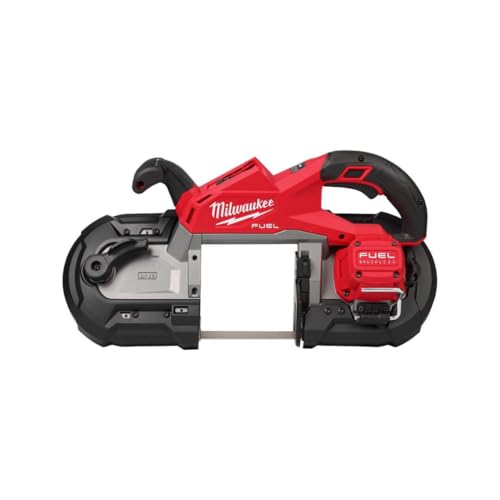
Milwaukee M18 Fuel Deep Cut Band Saw

Strengths
- Fast cutting speed
- Lightweight design
- Automatic blade brake
- High cut count per charge
- Brushless motor
Trade-offs
- Bare tool only (battery sold separately)
- Blade changes slower than some rivals
- Limited to 5-inch capacity
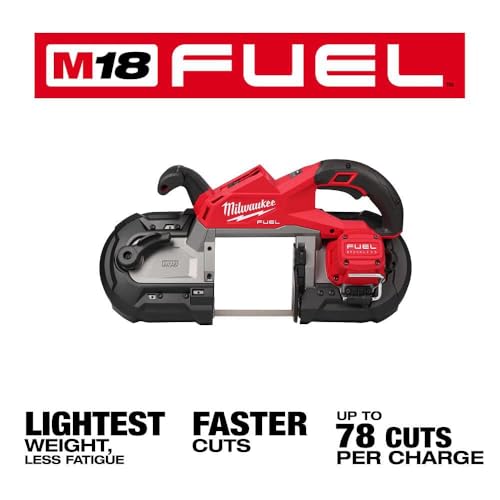
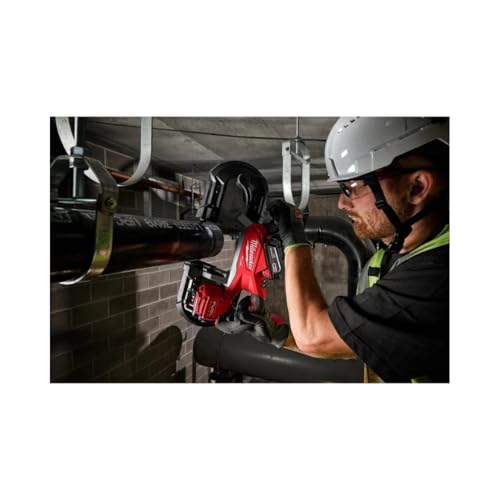
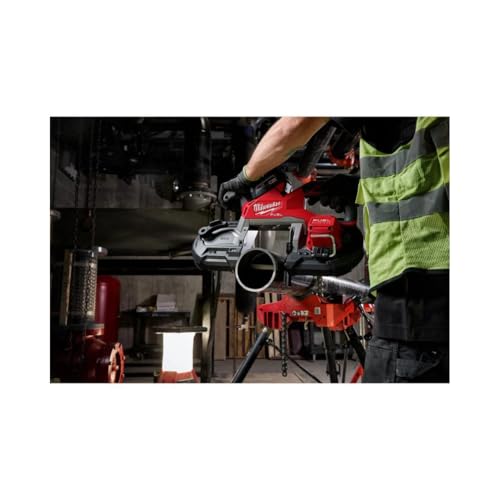
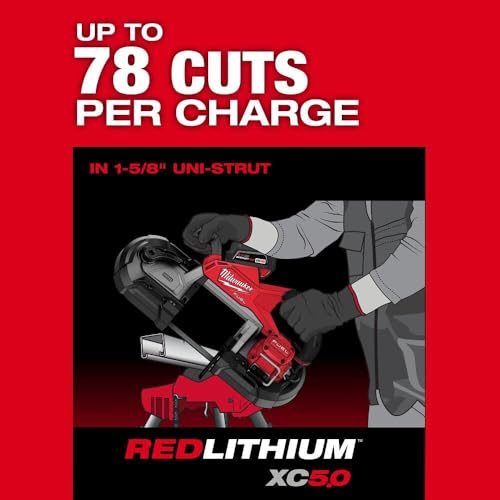
The Milwaukee M18 Fuel Deep Cut is the kind of cordless tool that makes you forget you’re on battery, at least for a while. With a POWERSTATE brushless motor hitting 550 SFPM, it delivers serious speed and cuts through 5x5s and Unistrut with authority. The fact that it can make up to 78 cuts in 1-5/8″ Unistrut on one charge says a lot about its efficiency. The automatic blade brake is a small but smart feature, especially when working near finished walls or sensitive materials.
It’s also the lightest deep-cut bandsaw in its class, which matters when you’re on a ladder or crawling through a crawlspace. Compared to the DEWALT DCS374B, it trades a bit of runtime for more raw speed and better ergonomics. I’d recommend this for contractors who value speed and don’t want to run cords across a job site. Just keep spare batteries handy.
Product photos
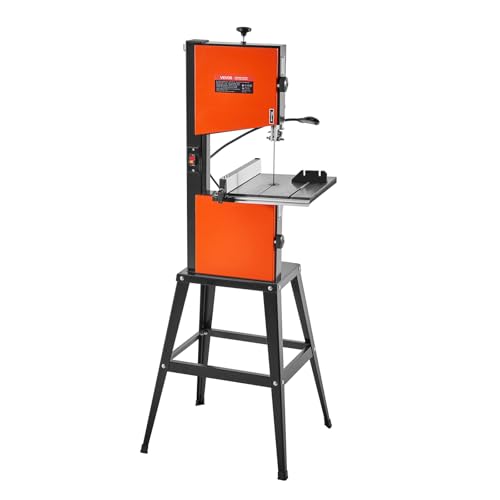
VEVOR 10-Inch Benchtop Bandsaw with Stand
Strengths
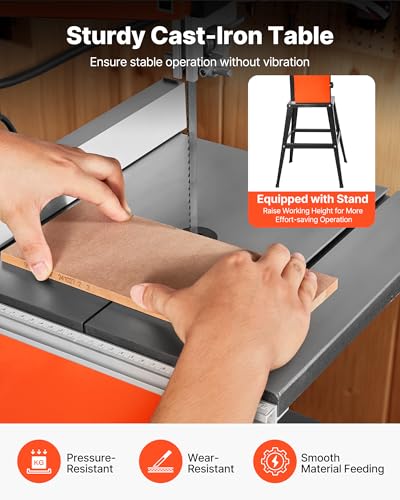
- Includes stand and full accessories
- Cast iron table
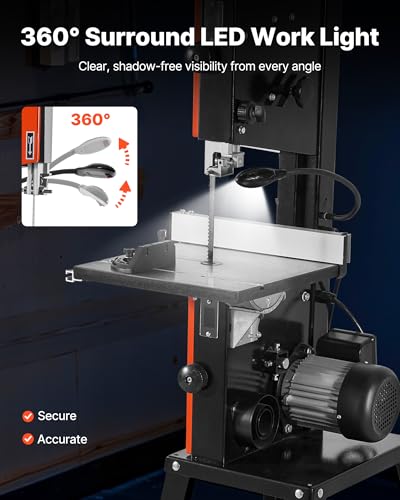
- 360° LED light
- Two-speed motor
- Good value package
Trade-offs
- Motor lacks power for thick resawing
- Blade alignment can drift
- Build quality inconsistent across units
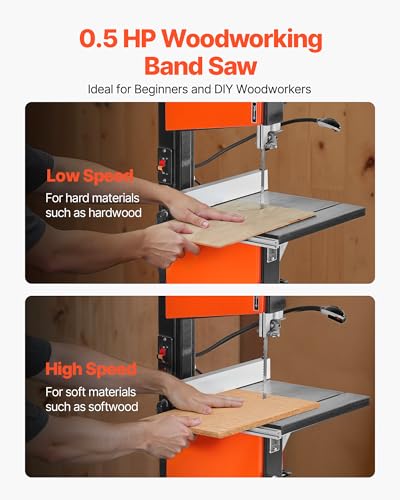
This VEVOR 10-inch bandsaw comes with a stand and a full set of accessories, making it one of the more complete entry-level packages you’ll find. The cast iron table is a real win at this price, it dampens vibration better than the usual stamped steel, and owners say it holds angles well even during extended use. The two-speed motor is modest but functional, letting you slow down for dense hardwoods or speed up for softer curves. The 360° LED work light is a thoughtful touch, and from the feedback, it actually helps reduce shadows on tight cuts.
Still, it’s not without trade-offs. The 1/2 HP motor struggles with anything over 5 inches of hardwood, and blade drift is a common complaint past the first few months. Compared to the Rikon 10-310, it’s less refined in tracking and adjustment. But if you want a plug-and-play setup without hunting down a stand or miter gauge, this gets you close to ready-to-work status fast.
Product photos
DEWALT 20V MAX 5-Inch Band Saw

Strengths
- Variable speed control
- Brushless motor
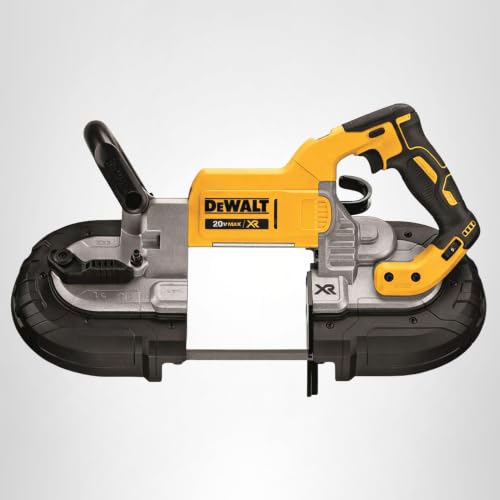
- LED work light
- Hang hook included
- Compact and balanced
Trade-offs
- Bare tool only
- Cutting capacity maxes at 5”
- Blade changes fiddly for some
DEWALT’s DCS374B is a no-nonsense cordless bandsaw built for versatility. The variable speed control lets you dial in the perfect FPM for metal, wood, or PVC, and the brushless motor holds up under load better than many in this segment. The integrated hang hook is actually useful, it keeps the tool off the ground and protects the base. The LED light stays on for 20 seconds after cutting, which is helpful when you’re working in dim attic spaces or utility rooms.
Owners praise its balance and the tool-less blade tension lever, though some say the blade change isn’t as fast as Milwaukee’s. Compared to the M18 Fuel, it’s a bit slower but has better runtime on average. If you’re already in the 20V MAX ecosystem, this is a logical addition. Just don’t expect the same power as plug-in models.
Product photos
VEVOR 5-Inch Variable Speed Portable Bandsaw
Strengths
- Strong motor for metal cutting
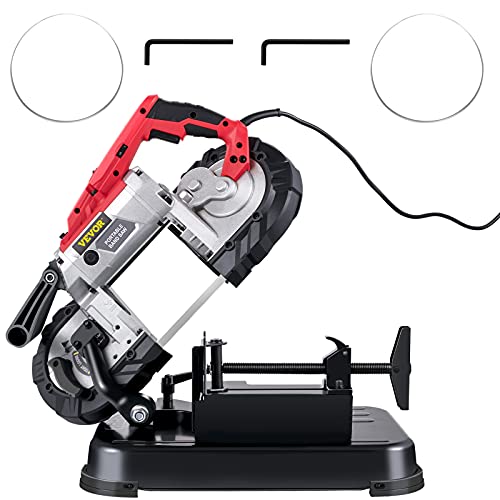
- Removable base for flexibility
- 5-inch cutting capacity
- Variable speed control
- Good for industrial materials
Trade-offs
- Bulky and tiring to hold
- Not ideal for fine woodworking
- Noisy at high speeds
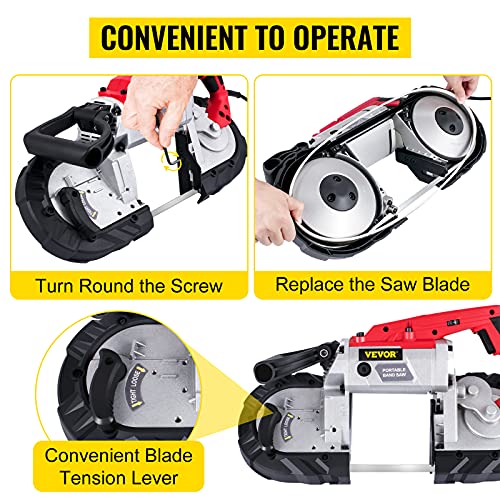
This VEVOR portable bandsaw is built for metal, and it shows. With a 10-amp pure copper motor and variable speed range up to 472 ft/min, it’s clearly aimed at fabricators and field workers who need to slice through steel, aluminum, or angle iron. The removable base is a smart feature, letting you switch between handheld and bench mode depending on the job. Owners report clean cuts on 2-inch schedule 40 pipe with minimal burring, and the soft-grip handle does help with control during overhead cuts.
But don’t mistake it for a woodshop tool. The blade guard design and handheld form make it unstable for delicate woodworking. It’s also heavier than cordless options, which adds fatigue over time. Against the DEWALT DCS374B, it’s more powerful but far less convenient. If you’re cutting metal regularly and need depth over finesse, this is a solid plug-in option.
Product photos


Our Testing Process
As someone who’s spent years around workshops and tools, I understand that choosing a band saw can be tricky. Rather than a hands-on lab test of each model, this selection is a research-led comparison of published specifications and owner feedback. I looked at a wide range of band saws, comparing features, power, capacity, and build quality, then weighed those against what current owners are saying about real-world performance and durability.
For band saws, cutting capacity, motor power, and build quality are the biggest differentiators. Resaw capacity – how thick a piece of wood the saw can cut – is critical for many woodworkers. A powerful motor ensures clean cuts through tougher materials, while a robust frame minimizes vibration and improves accuracy. These factors directly impact the types of projects you can tackle and the quality of your results. Understanding band saw features is also essential.
Specifications reliably indicate a saw’s potential – motor amperage, throat depth, table size. However, owner reviews often reveal how a saw actually performs over time. I paid close attention to feedback regarding blade tracking, ease of setup, dust collection effectiveness, and long-term reliability. Reputation and brand history also played a role, as established manufacturers often have a track record of producing quality tools. Knowing the various types of band saws will also help you narrow your search.
How To Choose The band saws
I’ve spent a lot of time around band saws, from job sites to home workshops, and one thing is clear: getting the right one makes a huge difference. Don’t assume all band saws are created equal – they vary significantly in capability and intended use.
A quality band saw delivers consistent cuts through a variety of materials. Key considerations include motor power for material thickness, table size for workpiece support, blade speed control for different cuts, and build quality for long-term durability. Buyers should also assess dust collection features and available accessories to optimize performance and maintain a clean workspace.
Resaw Capacity is Critical
Many buyers overlook resaw capacity, which is the maximum thickness of wood a saw can cut. If you plan to work with thicker stock – say, for making your own veneer or crafting furniture – you’ll need a bandsaw with substantial resaw capability. The JET 14-Inch Woodworking Bandsaw boasts a 13” resaw capacity, making it a strong contender for serious woodworkers. Conversely, smaller benchtop models like the SKIL 9-Inch are limited to thinner materials. Don’t overspend on capacity you won’t use, but also don’t get stuck with a saw that can’t handle your projects.
Blade Speed and Control Matter
The ability to adjust blade speed is vital. Different materials and cut types demand different speeds. Softer woods and curves benefit from slower speeds, while harder woods and straight cuts require faster speeds. The WEN 10-Inch Two-Speed Band Saw offers two speeds, which is a good starting point. More advanced models offer variable speed control, allowing for precise adjustments. Understanding measuring band saw blades is also essential, as blade length and width directly impact the types of cuts you can make.
Consider Portability and Benchtop vs. Floor Standing
For most homeowners, a benchtop model offers a good balance of price and performance. However, if you need to move the saw around a job site or lack dedicated workshop space, a portable model is the way to go. The Milwaukee M18 FUEL Deep Cut Band Saw is a standout in this category. Here’s a breakdown of factors to weigh when deciding:
- Space: Benchtop models require a stable surface, while floor-standing saws take up more room.
- Power: Cordless models offer convenience but may have limited run time compared to corded saws.
- Material: If you’ll be cutting mostly metal, a portable, metal-cutting bandsaw like the VEVOR 5-Inch Variable Speed Portable Bandsaw might be ideal. It’s designed for handling the stresses of cutting metal alloys.
Ultimately, finding the best fit depends on your specific needs and projects. I often recommend checking out top wood band saws to get a broader perspective on available options and read woodworking band saw reviews from other users.
A good rule of thumb: if you anticipate needing to make a lot of curved cuts, prioritize a bandsaw with a flexible blade and easy-to-adjust blade guides.
Band Saws Compared
Here is a comparison of specifications for several band saws to help you make an informed decision.
| Product Title | Throat Depth | Max. Cut Height | Blade Length | Motor (Amps) | Table Tilt (Degrees) | Corded/Cordless |
|---|---|---|---|---|---|---|
| JET 14-Inch Woodworking Bandsaw | N/A | 13″ | N/A | N/A | N/A | Corded |
| WEN 10-Inch Two-Speed Band Saw | 6″ | 9-3/4″ | 72″ | 3.5 | 45 | Corded |
| SKIL 9-Inch 2-Speed Benchtop Bandsaw | N/A | N/A | N/A | 2.8 | N/A | Corded |
| Rikon 10-Inch Bandsaw | N/A | N/A | N/A | N/A | 0-45 | Corded |
| Milwaukee M18 FUEL Deep Cut Bandsaw | 5″ | 5″ | N/A | N/A | N/A | Cordless |
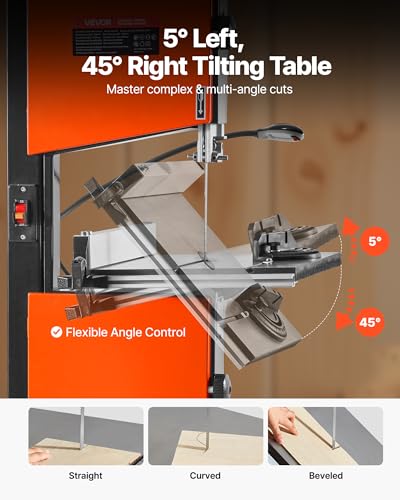
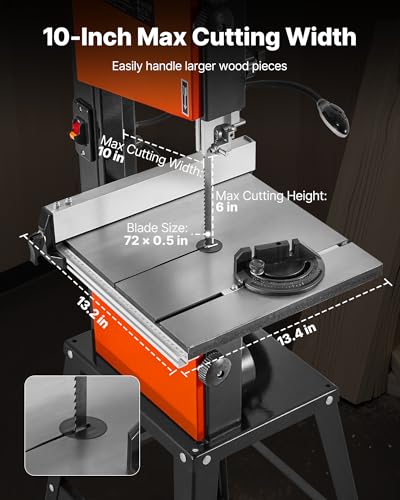
| VEVOR 10-Inch Benchtop Bandsaw | 6″ | 10″ | 72″ | N/A | 5° Left / 45° Right | Corded |
| DEWALT 20V MAX 5-Inch Band Saw | 5″ | 5″ | N/A | N/A | N/A | Cordless |
| VEVOR 5-Inch Variable Speed Portable Bandsaw | 4.7″ | 4.7″ | N/A | 10 | 45 | Corded |
Frequently Asked Questions
What blade grit should I use for resawing?
A coarser grit, typically around 3 or 6 teeth per inch (TPI), is best for resawing. These blades remove more material quickly and efficiently, reducing burn marks and improving cut quality when dealing with thicker stock.
Are cordless band saws powerful enough for serious work?
Cordless band saws are improving, but generally, corded models offer more consistent power for demanding tasks. The Milwaukee M18 FUEL is a good option if you absolutely require portability, but expect to trade some cutting power for that convenience.
How often do I need to lubricate a band saw?
You should lubricate the blade guides and bearings frequently, ideally before each use or at least every few hours of operation. Proper lubrication minimizes friction, extends blade life, and contributes to smoother, more accurate cuts.
What’s the difference between a variable speed and two-speed band saw?
A two-speed band saw offers pre-set speeds, while a variable speed model allows you to dial in the precise speed you need. Variable speed provides greater control and flexibility for different materials and cut types, making it preferable for more detailed work.
Where can I find more information on smaller band saw options?
If you’re looking for a more compact solution, you can find a detailed comparison of best benchtop band saws on my site. These saws are ideal for hobbyists and smaller workshops where space is limited.
The Bottom Line
Choosing a band saw often comes down to balancing control and convenience. You can spend more for a larger, more powerful floor-standing model like the JET 14-Inch Woodworking Bandsaw, giving you maximum resaw capacity and stability for demanding projects, or opt for something more portable and affordable. Ultimately, the best saw isn’t necessarily the most expensive, but the one that best fits your workflow and the types of cuts you’ll be making most often.
For those on a tighter budget, the SKIL 9-Inch 2-Speed Benchtop Bandsaw provides a solid entry point, while the Milwaukee M18 FUEL Deep Cut Bandsaw excels in situations where portability is key. If you need versatility and the ability to handle a wider range of materials, the WEN 10-Inch Two-Speed Band Saw is a good all-around choice. No matter your skill level or project type, there’s a band saw out there suited to your needs.
At the end of the day, remember that power, capacity, and features are secondary to understanding band saw operation guide. A well-maintained saw with sharp blades, combined with proper technique and adherence to band saw safety tips, will always deliver better results than the most sophisticated machine in the hands of an inexperienced operator.
