
8 Best Tig Welders of 2026
This post contains affiliate links. As an Amazon Associate, we earn from qualifying purchases.
The PRIMEWELD TIG225X AC/DC Welder stands out as the best overall choice, offering strong amperage, reliable AC/DC performance, and precise pulse control. For those on a tighter budget, the YESWELDER TIG-200P ACDC Aluminum Welder delivers solid capabilities without breaking the bank, while the ESAB ROGUE ET 200IP PRO brings professional-level features for demanding users.
Picking the right tig welder isn’t just about power, it’s about matching the machine to your materials, skill level, and long-term goals. Too many buyers get caught up in specs alone, only to end up with a unit that’s either underpowered or overly complex.
This guide cuts through the noise by focusing on real-world performance, reliability, and value. I compared key models based on amperage, AC/DC capability, pulse control, and user feedback to help you find the one that fits your workshop and welding needs.
Top 8 Tig Welders in the Market
The Best Tig Welders, Reviewed
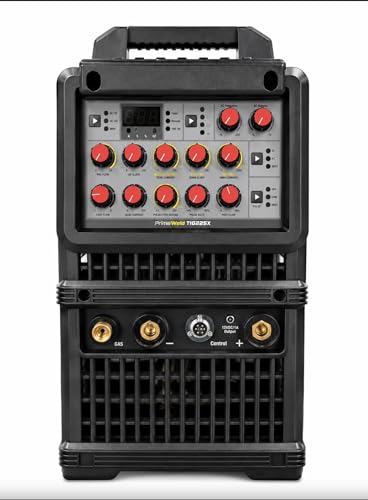
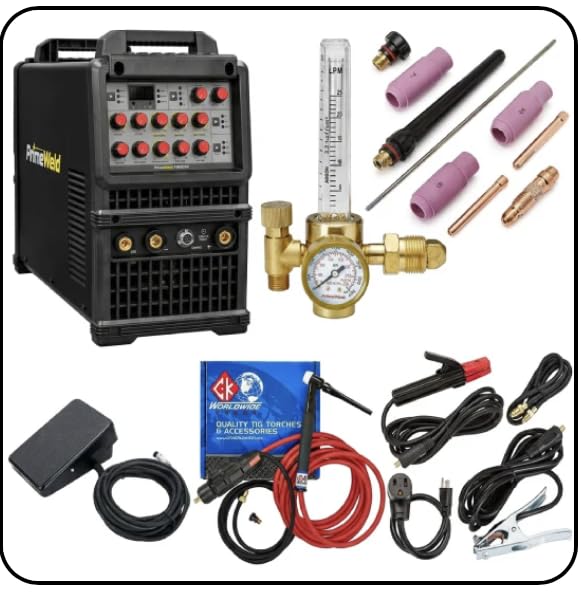
PRIMEWELD TIG225X AC/DC Welder
Strengths
- 225A output
- Includes CK Superflex torch
- Strong aluminum performance
Trade-offs
- No app or smart features
- Display is basic
- Heavy for portability
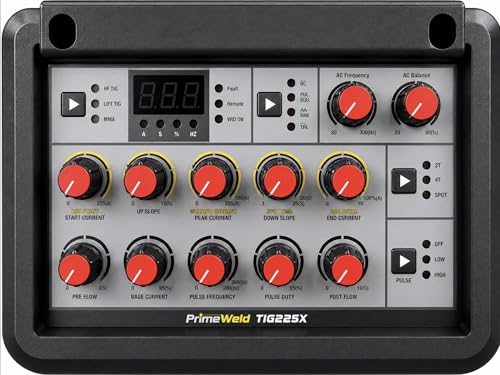
The PRIMEWELD TIG225X is, in my opinion, the best overall package here, and not just because it hits 225 amps. It combines serious performance with high-end touches like the CK Worldwide 17 Series Superflex torch, which owners rave about for comfort and durability. The 200Hz pulse and AC frequency give excellent control on aluminum up to 1/4 inch, and the dual voltage support ensures flexibility. It’s the only model here that includes a premium torch and DINSE connector out of the box, which matters for long-term use.
While it doesn’t have a full color display or app control, it doesn’t need them. The core welding experience is solid, with smooth HF starts and stable arcs. Compared to the ESAB, it’s more accessible; compared to the Weldpro, it feels more pro-grade. If you want one machine that balances power, quality, and real-world usability, this is the one I’d take home.
Product photos


ARCCAPTAIN TIG Welder AC/DC 200A

Strengths
- 7-in-1 versatility
- Full AC waveform control
- Dual voltage support
Trade-offs
- Foot pedal not included
- Interface can be clunky
- Limited brand trust
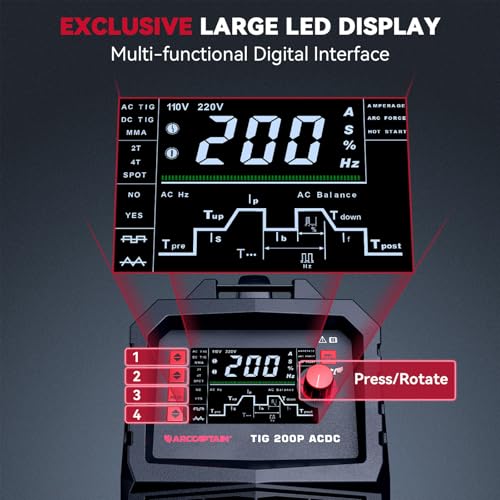
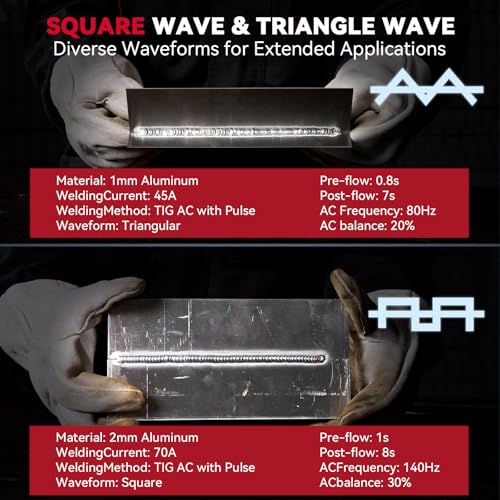
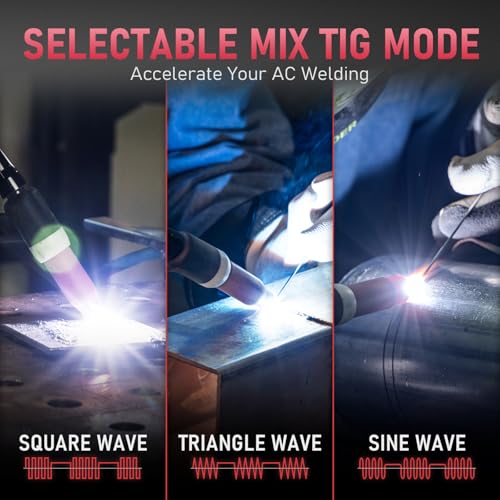
This ARCCAPTAIN 7-in-1 unit stands out in the entry-to-mid-tier AC/DC TIG space for its unusually broad feature set, especially its full suite of AC waveforms, square, triangular, and sine, typically seen on more expensive machines. On paper, that makes it a strong contender for aluminum welding, where waveform control directly impacts oxide cleaning and heat input. Owners consistently report clean starts and stable arcs on thin aluminum, which tracks with the specs: adjustable AC balance, frequency, and pulse settings give real control. The 200A output and dual voltage support add practicality for garage and job site use.
Still, it’s not without compromises. While the digital interface looks advanced, some users note a learning curve with menu navigation, and the lack of a foot pedal in the package is a real gap for a welder pushing its precision credentials. Compared to the PRIMEWELD TIG225X or ESAB Rogue, it doesn’t have the same brand reputation for long-term durability, but for the price, it delivers a lot of capability.
Product photos


Weldpro 200A AC/DC TIG Welder
Strengths
- Full accessory kit included
- Dual voltage auto-switch
- Excellent aluminum support
Trade-offs
- Brand longevity unproven
- Pulse max 200Hz
- No app or smart features
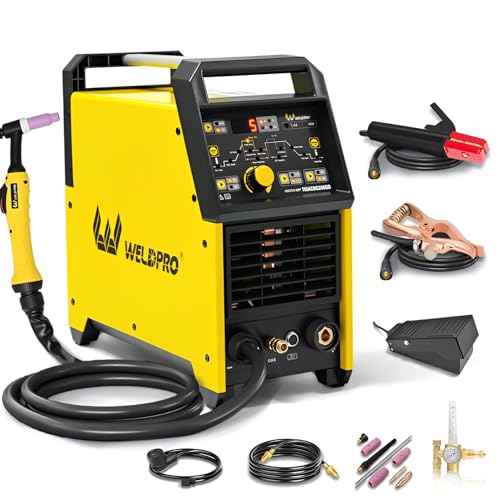
If you’re looking for complete out-of-the-box value, the Weldpro 200A AC/DC is hard to beat. It includes a full accessory kit, TIG torch, foot pedal, ground clamp, electrodes, nozzles, and more, which instantly puts it ahead of most competitors that nickel-and-dime you on add-ons. The dual voltage auto-switching is a real convenience, and the large LED display makes parameter tuning straightforward, even for beginners. Owners consistently highlight how easy it is to set up and start welding aluminum right away.
Performance-wise, it covers all the essentials: AC/DC, pulse, adjustable frequency and balance, and 2T/4T control. It doesn’t have the ultra-high pulse frequency of the ESAB, but for most users, 200Hz is more than enough. Compared to the ARCCAPTAIN models, it feels better integrated and more polished. The only real downside? The brand still lacks the long-term reputation of ESAB or Lincoln, but for the features and included gear, it’s the smartest buy for most DIYers.
Product photos
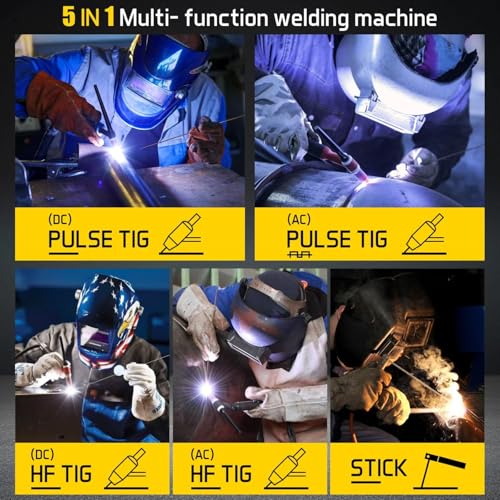
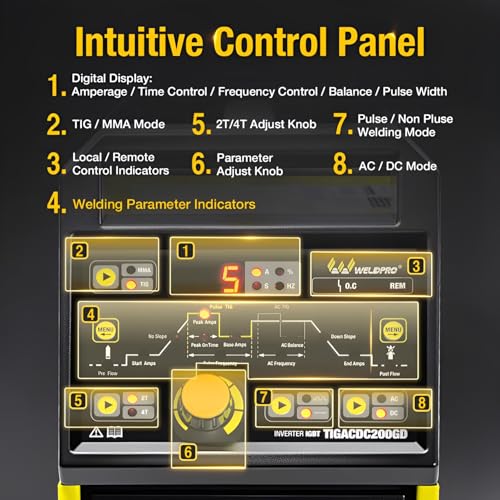
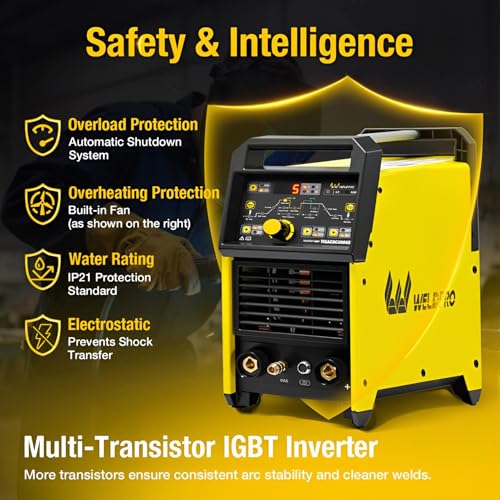

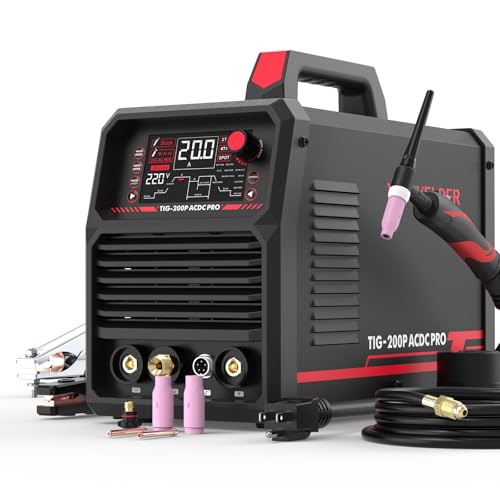
YESWELDER TIG-200P ACDC Aluminum Welder
Strengths
- Large intuitive display
- Auto-sensing voltage
- 7-in-1 versatility
Trade-offs
- Accessories often sold separately
- Average build quality
- No premium torch
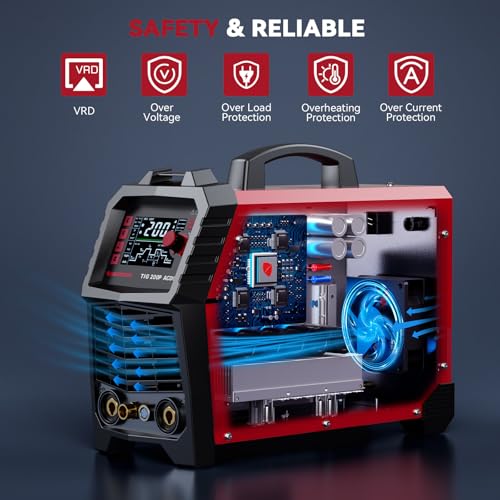
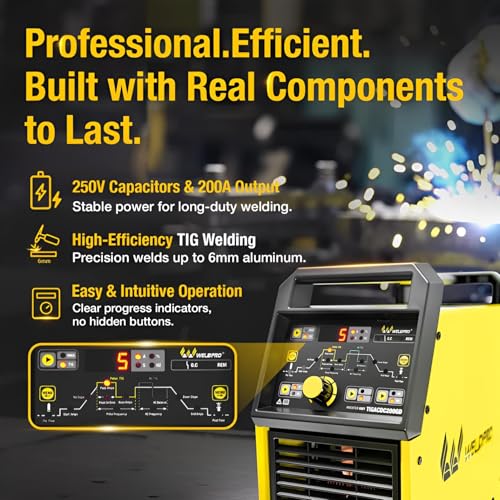
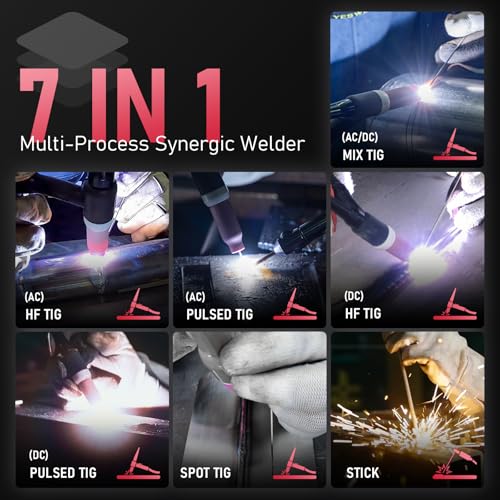
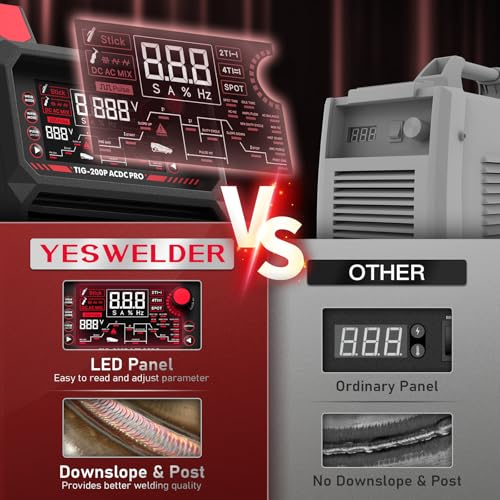
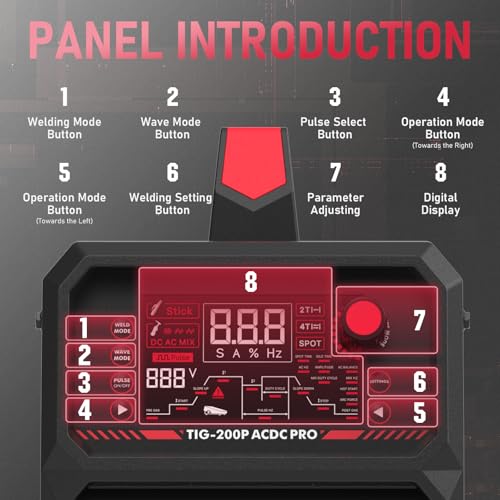
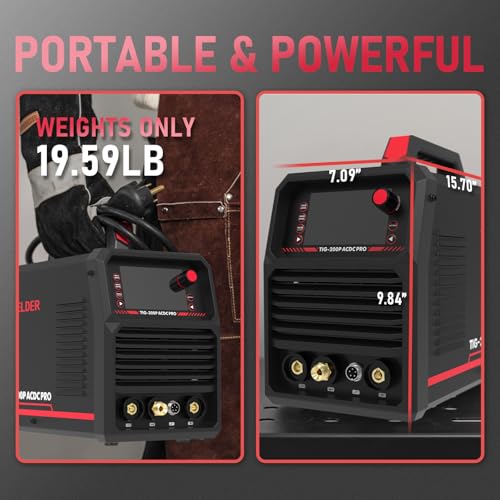
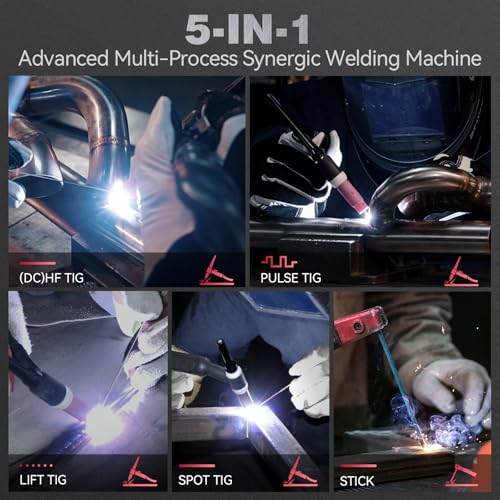
The YESWELDER TIG-200P ACDC earns its title as the most user-friendly option thanks to its large LED display, auto-memory function, and intuitive layout. At just 16.5 pounds, it’s light enough to move around, and the auto-sensing dual voltage means no fiddling with switches. The 7-in-1 functionality covers all the bases, AC TIG, DC TIG, pulse, spot, and stick, making it a true multipurpose machine. Owners appreciate how quickly they can dial in settings and get consistent results, especially on aluminum.
It doesn’t have the highest pulse frequency or the most rugged casing, but for most home users, it hits the sweet spot of simplicity and capability. Compared to the ARCCAPTAIN AC/DC model, it feels more refined in interface and operation. My only gripe? The included accessories are minimal, no foot pedal or torch in the box on some configurations. But as a daily driver for garage welders, it’s a strong contender.
Product photos
ARCCAPTAIN iControl TIG 205P Pro
Strengths
- App-based control
- Excellent arc start
- Smart fan and protections
Trade-offs
- DC only – no aluminum
- App dependency
- Limited real-world advantage
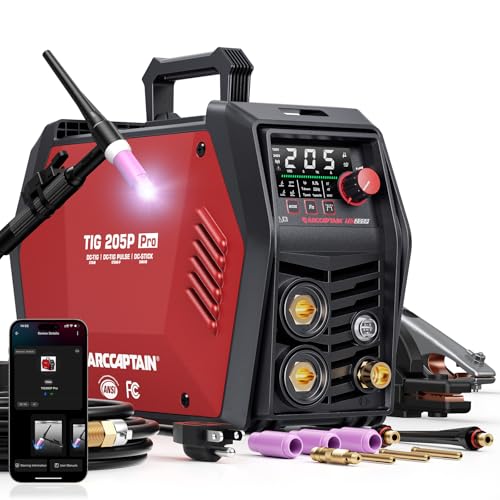
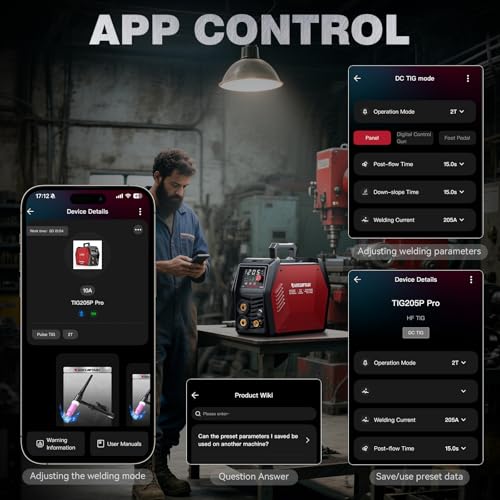
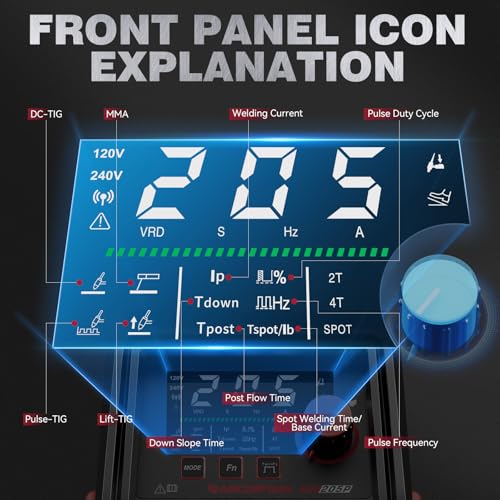
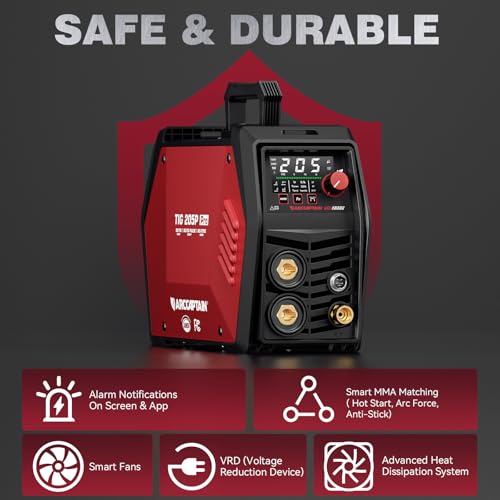
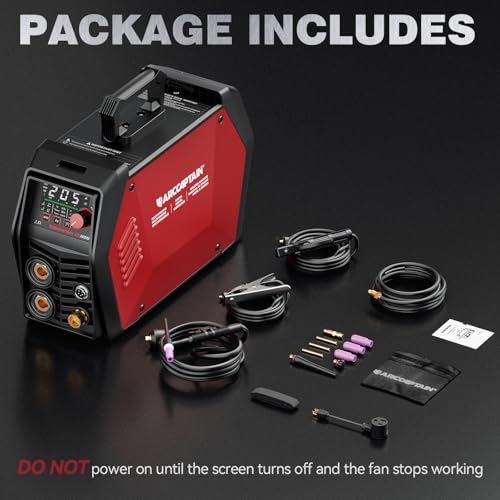
The iControl 205P Pro is the most tech-forward welder in this group, and if you like data and remote tuning, it’s a novelty that actually works. The ARCCAPTAIN app lets you monitor settings, save presets, and troubleshoot errors from your phone, something you won’t find on most sub-$1,000 machines. The MCU-controlled arc start is reportedly near flawless, and the 2T/4T, pulse, and downslope controls are fully adjustable, making it capable for thin steel and stainless work.
But here’s the catch: it’s DC only. No AC means no aluminum welding, which is a dealbreaker for many in this category. That limits its appeal significantly, especially at this price. Compared to the YESWELDER TIG-200P or Weldpro, it trades core functionality for smart features. I’d only recommend it if you’re all-in on digital workflow and only weld steel. For everyone else, it’s a gimmick-heavy tool with a critical omission.
Product photos
YESWELDER TIG-205P DC Pulse Welder
Strengths
- Very lightweight
- Affordable price
- Pulse TIG capable
Trade-offs
- No AC – can’t weld aluminum
- No foot pedal included
- Limited future use
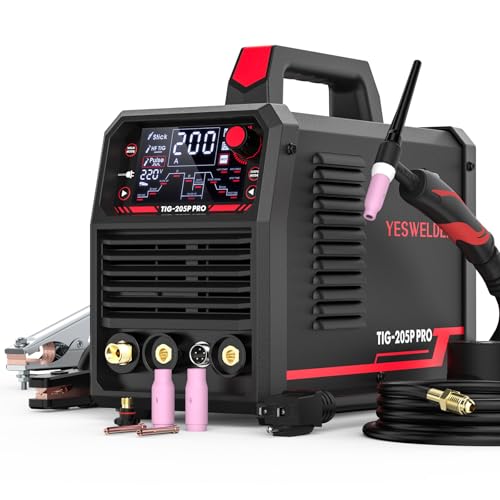
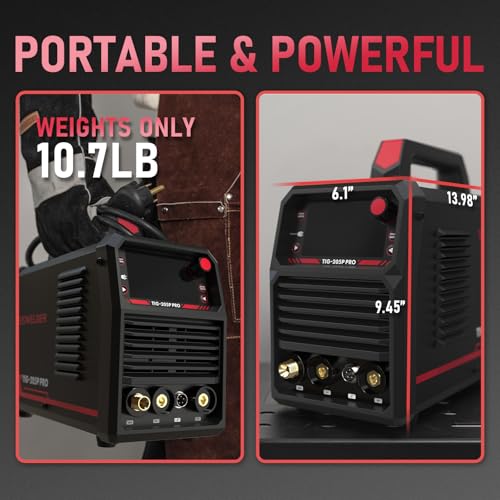
This YESWELDER TIG-205P is clearly built to be the budget-friendly entry point into pulse TIG welding. At under 11 pounds and with a simple 3-in-1 layout, it’s one of the lightest and most portable options here. It delivers 200A, HF start, and full pulse control, enough to handle thin steel and stainless with decent bead quality. The auto-memory function is a nice touch, letting users pick up where they left off.
But the big limitation is right in the specs: no AC output, so aluminum welding is impossible. That’s a hard cap for a machine labeled as a ‘TIG welder’ in this category. Compared to the ARCCAPTAIN 200A HF model, it offers similar functionality but even less versatility. Still, for someone on a tight budget who only works with steel, it’s a functional, compact machine. Just don’t expect it to grow with you.
Product photos


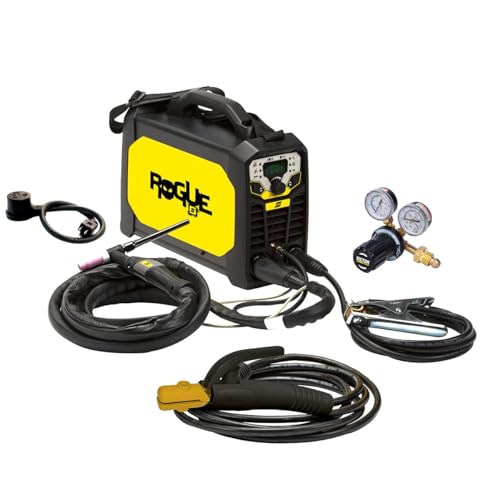
ESAB ROGUE ET 200IP PRO

Strengths
- 500Hz pulse control
- PFC for stable arc
- Robust IP23S design
Trade-offs
- No AC aluminum tuning
- Fewer flashy features
- Higher price point
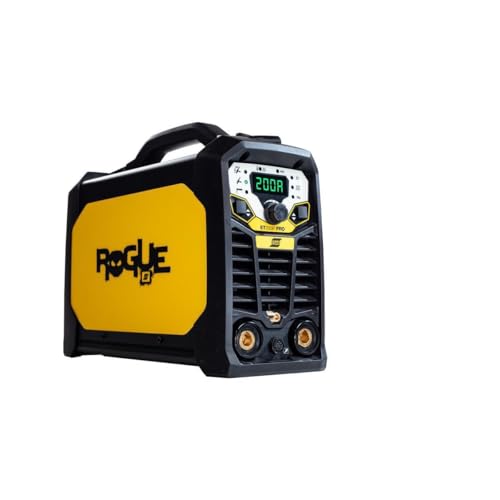
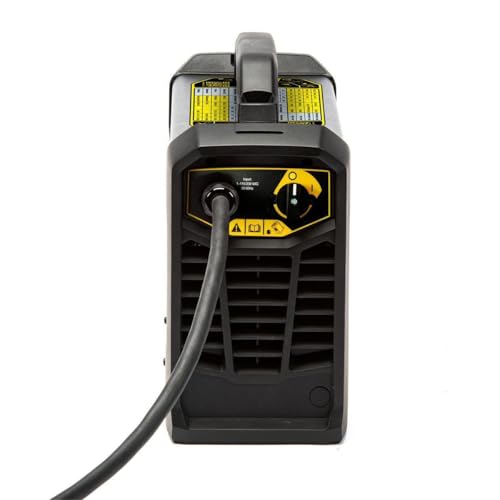
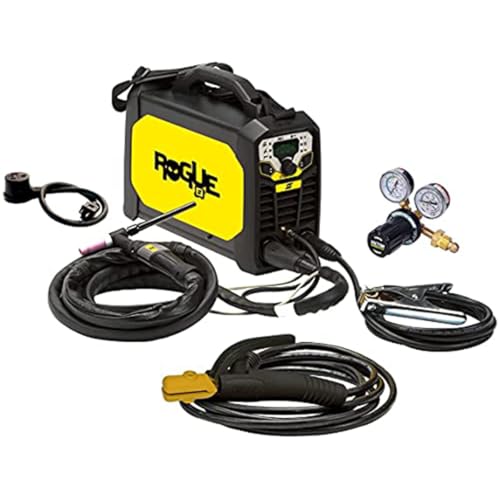
The ESAB Rogue ET 200IP Pro is a precision-focused machine that punches above its class in control and build quality. Its standout feature, pulse frequency up to 500Hz, isn’t just a number; high-end users know this level of modulation allows for tight, stacked-dime beads on thin materials, especially stainless. The PFC (Power Factor Control) is another serious advantage, meaning it handles voltage drops and long extension cords like a pro, which matters on real job sites. Owners praise its smooth arc and reliability, even when running off generators.
It doesn’t pack the flashiest interface or the most modes, but what it does, it does well. Compared to the ARCCAPTAIN or YESWELDER models, it feels more like a professional tool, solid, predictable, and built to last. The lack of full AC waveform tuning (like balance or square wave) keeps it from being ideal for heavy aluminum, but for precision pulse welding on steel, it’s a top-tier pick.
Product photos

ARCCAPTAIN TIG 200A Dual Voltage

Strengths
- Extremely lightweight
- HF arc start
- Basic 2T/4T control
Trade-offs
- No AC output
- No pulse function
- Limited for aluminum
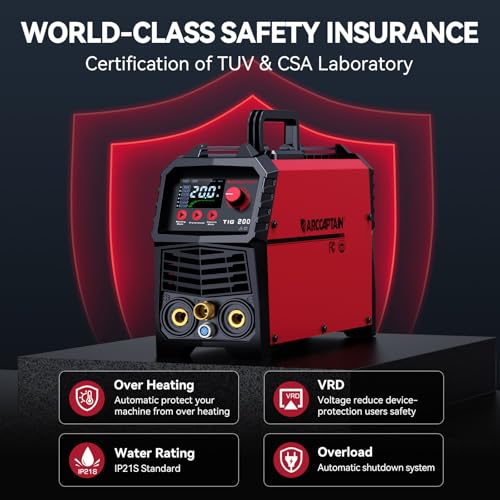
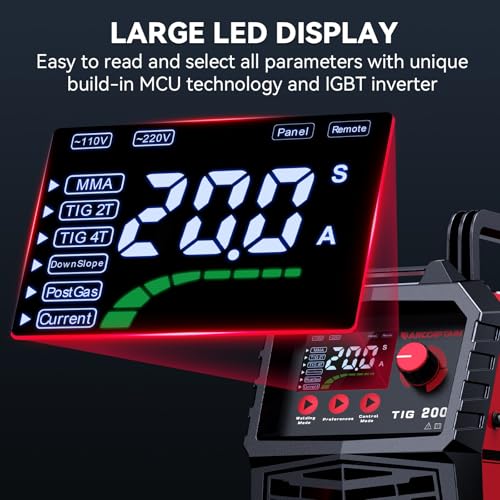
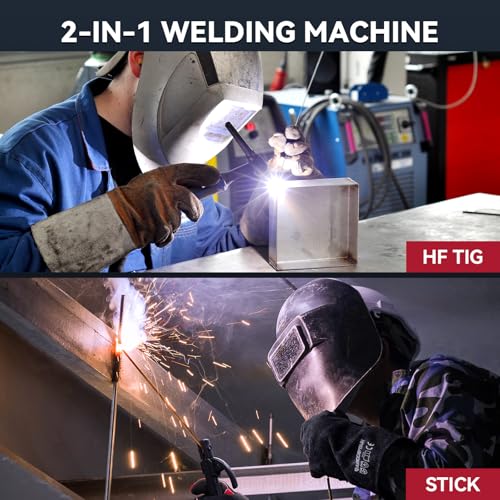
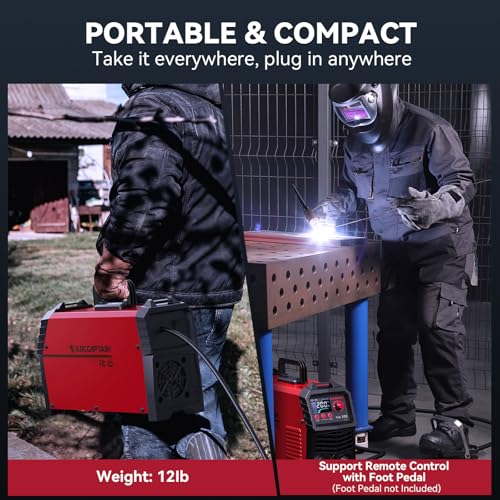
At under 12 pounds and with a simple 2-in-1 TIG/Stick layout, this ARCCAPTAIN model is clearly built for portability and ease of use. It’s a no-frills machine that focuses on core functions: HF arc start, basic parameter control, and lightweight transport. The IGBT inverter tech helps keep it compact and efficient, and the fan-only-when-needed design is a small but appreciated touch for reducing noise on quiet job sites. For beginners or occasional users working on cars, fences, or light fabrication, it’s a sensible pick.
But its simplicity comes at a cost. It lacks AC output, so aluminum welding is off the table, and even pulse TIG isn’t included. That puts it behind even some budget-friendly competitors. Compared to the YESWELDER TIG-205P, it offers similar power but less flexibility. If you’re only welding steel or doing outdoor stick work, it’s capable. But for anyone looking to grow their skills, it’s a short-term tool.
Product photos
How We Evaluated tig welders
Rather than a hands-on lab test, my research for these recommendations focused on a detailed comparison of published specifications and features across numerous models. I weighed owner reviews from multiple sources – paying close attention to recurring positive and negative feedback – alongside expert reviews from established welding publications and forums. My assessment also relied on my extensive experience with power tools and understanding of welding principles to evaluate suitability for different skill levels and project types.
For tig welders, amperage output and the quality of arc control were paramount. High amperage is useful for thicker materials, but precise control – especially pulse settings – is critical for cleaner welds and preventing material distortion. Equally important was the versatility offered; the ability to handle different metals (steel, stainless, aluminum) and welding techniques (AC/DC, pulse) significantly impacts a machine’s overall value. If you’re specifically interested in working with aluminum, you’ll want to consider welders optimized for aluminum.
Specifications reliably indicate a welder’s maximum amperage, duty cycle, and input voltage requirements. However, owner feedback provided vital insight into real-world usability – things like the accuracy of controls, the effectiveness of cooling systems, and the durability of included accessories. Reputation, particularly regarding long-term reliability and customer support, also heavily influenced my rankings, as these factors aren’t always apparent from a spec sheet.
How To Pick The Right tig welders
Finding the right tig welder can feel overwhelming, but focusing on a few key aspects will quickly narrow down your options.
A quality tig welder delivers a stable arc, precise control over heat input, and the versatility to handle a range of materials and thicknesses. Buyers should prioritize amperage output relative to their typical projects, the type of materials they’ll be welding (aluminum requires AC capability), and features like pulse control for greater precision and minimizing distortion. Look for robust build quality and reliable safety features as well.
Amperage and Material Thickness
The amperage output of a tig welder dictates the thickness of material it can effectively weld. For most DIYers and hobbyists, a 200-amp machine offers a good balance of power and usability. Don’t overbuy; if you primarily work with thin sheet metal, you won’t benefit from a 300-amp unit. Conversely, if you anticipate tackling thicker steel or stainless steel, a higher amperage is essential. It’s also critical to consider the material. Aluminum requires an AC/DC TIG welders capable machine, while steel can be welded with DC-only units, often at a lower price point.
AC vs. DC and Pulse Control
The ability to switch between AC (Alternating Current) and DC (Direct Current) is vital if you plan to weld aluminum. AC creates a cleaning action that removes the oxide layer on aluminum, allowing for a strong weld. DC is preferable for steel and stainless steel. Beyond that, pulse control is a standout. Pulse welding alternates between peak and background current, allowing you to precisely manage heat input. This minimizes warping, reduces the risk of burn-through, and improves the overall weld quality, especially on thinner materials.
- A basic DC-only machine is sufficient for simple steel projects.
- An AC/DC model expands your capabilities to include aluminum, but adds to the cost.
- Pulse control, while increasing the price, offers significant advantages in precision and weld quality, making it a worthwhile investment for more intricate work or thinner materials.
Value and Usability Features
Beyond core welding performance, consider features that enhance usability and provide value. A foot pedal is nearly essential for hands-free amperage control, allowing you to adjust the heat while keeping both hands on the torch. Many welders now include a large, easy-to-read digital display, simplifying setup and monitoring. If you’re new to tig welding, look for a TIG welders for beginners with features like adjustable arc force and hot start to make the process more forgiving.
Don’t fall for inflated accessory kits. A few high-quality tungsten electrodes, a properly sized gas lens, and a reliable regulator are far more valuable than a box full of cheap, unusable parts.
TIG Welders Compared
Here’s a comparison of key specifications for several TIG welders to help you evaluate your options.
| Product Name | Amperage (A) | AC/DC | Pulse Function | Input Voltage (V) | Weight (lbs) | Additional Features |
|---|---|---|---|---|---|---|
| PRIMEWELD TIG225X AC/DC Welder | 225 | Yes | Yes | 110/220 | N/A | Foot Pedal Control |
| ARCCAPTAIN TIG Welder AC/DC 200A | 200 | Yes | Yes | N/A | N/A | 7-in-1 Welding Modes |
| Weldpro 200A AC/DC TIG Welder | 200 | Yes | Yes | 110/220 | N/A | Foot Pedal Included |
| YESWELDER TIG-200P ACDC Aluminum Welder | 200 | Yes | Yes | 110/220 | 16.47 | Square Wave for Aluminum |
| ARCCAPTAIN iControl TIG 205P Pro | 205 | No | Yes | 120/240 | N/A | App Controlled |
| YESWELDER TIG-205P DC Pulse Welder | 200 | No | Yes | 110/220 | 10.7 | 3-in-1 Welding Modes |
| ESAB ROGUE ET 200IP PRO | 200 | Yes | Yes (up to 500Hz) | N/A | N/A | PFC, Remote Control Options |
| ARCCAPTAIN TIG 200A Dual Voltage | 200 | Yes | Yes | N/A | <12 | Post Gas, Down-Slope |
Frequently Asked Questions
What amperage tig welder do I really need?
For most home and small shop projects, a 200-amp tig welder is sufficient. Higher amperage machines (250A+) are best for thicker materials and professional use, but add cost and complexity you likely won’t use.
Can I use a DC-only tig welder on aluminum?
No, you cannot effectively tig weld aluminum with a DC-only machine. Aluminum requires the cleaning action provided by AC (Alternating Current) to remove the oxide layer and achieve a proper weld.
What’s the benefit of a pulse function on a tig welder?
Pulse control allows you to alternate between peak and background current, providing more precise heat control. This minimizes warping, reduces burn-through, and improves weld quality, particularly on thinner materials.
How important is a foot pedal for tig welding?
A foot pedal is nearly essential for consistent, high-quality welds. It provides hands-free amperage control, letting you adjust heat while focusing on torch manipulation and maintaining a stable arc.
Are there tig welders suitable for taking to job sites?
Yes, there are several portable TIG welders designed for mobile use. These typically prioritize lighter weight and compact size without sacrificing essential features.
The Bottom Line
Choosing a tig welder always comes down to balancing control with convenience, and capability with cost. For most users, the Weldpro 200A AC/DC TIG Welder strikes the best overall balance, offering a solid feature set, good amperage for a variety of projects, and a reputation for reliability at a reasonable price point. It’s a machine you can grow with as your skills develop.
If you’re on a tighter budget, the YESWELDER TIG-205P DC Pulse Welder provides excellent value, especially if you’re primarily working with steel. For those who need ultimate versatility, the PRIMEWELD TIG225X AC/DC Welder delivers the power and features to tackle a wide range of materials and thicknesses, including aluminum.
Ultimately, the specs matter less than understanding your own needs and prioritizing a stable arc, consistent controls, and a machine built to last. Don’t chase the highest amperage if you don’t need it; focus on the features that will genuinely improve your weld quality and make the process more enjoyable.
