
9 Best Woodworking Lathes of 2026
This post contains affiliate links. As an Amazon Associate, we earn from qualifying purchases.
The VEVOR 2 HP Wood Lathe is the overall best choice for serious woodturners who need power and capacity, offering smooth variable speed and a solid build for larger projects. For those just starting out or working on smaller pieces, the WEN Mini Benchtop Lathe delivers surprising performance at a budget-friendly price. If you’re looking for proven durability and precision, the JET 16″ x 40″ EVS Lathe stands out as a top-tier option for pros and serious hobbyists.
Most people shopping for a wood lathe quickly realize it’s not just about spinning wood, it’s about control, consistency, and having a machine that won’t shake itself apart at high speeds. The wrong lathe can turn a rewarding project into a frustrating battle with vibration, limited capacity, or underpowered performance.
This guide cuts through the noise by focusing on real-world specs and feedback from actual users. I looked at motor strength, build quality, speed control, and long-term reliability to identify the models that deliver where it matters most. These picks are based on what woodworkers say after months of use, not just brochure claims.
Top 9 Woodworking Lathes in the Market
The Best Woodworking Lathes, Reviewed
VEVOR 2 HP Wood Lathe
Strengths
- 2 HP brushless motor
- 40-inch bed
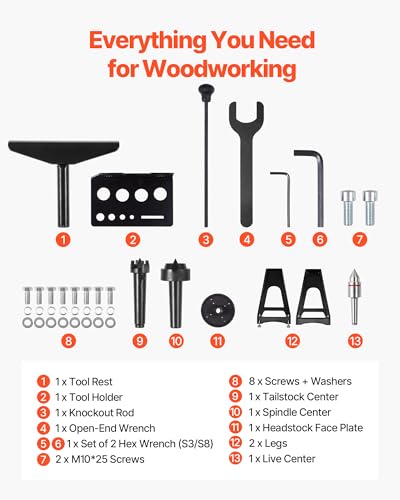
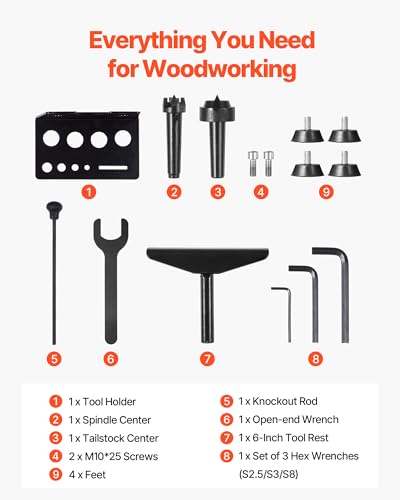
- Full accessory kit
Trade-offs
- Bulky footprint
- No low-RPM fine control
- Assembly takes time
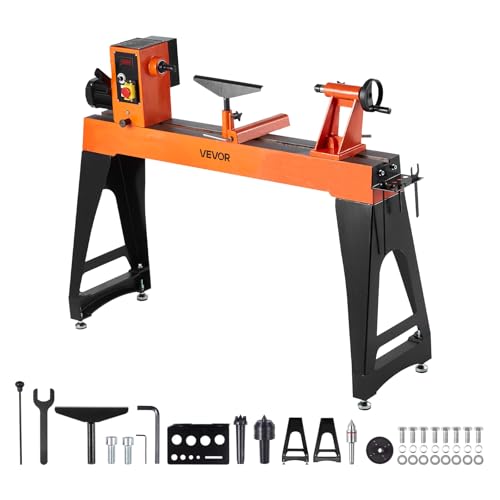
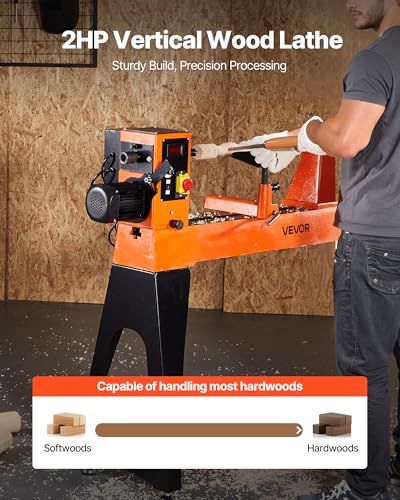
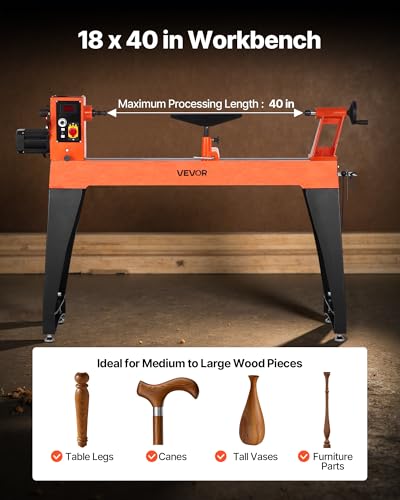
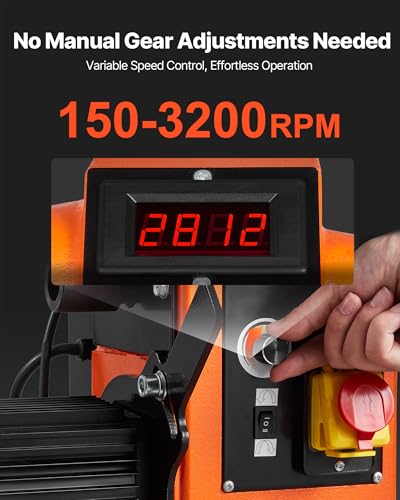
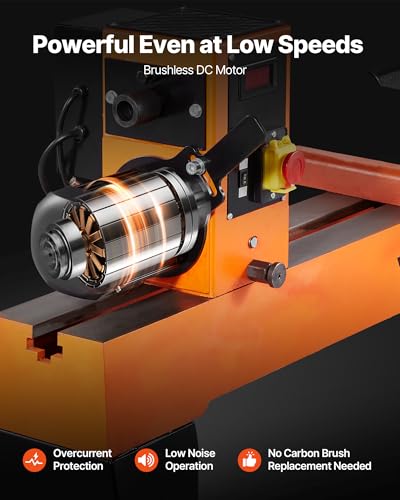
With a 2 HP brushless motor and an 18 x 40 inch bed, this VEVOR model is the most capable all-in-one option here for woodworkers who want pro-level size without a pro-level price tag. The brushless motor runs cool and quiet, and the variable speed down to 150 RPM handles large bowls better than most lathes under $1,000. The cast iron body and adjustable legs add to its stability, especially when turning off-center pieces.
Owners report it holds up well under daily use, and the included accessories actually feel useful, not just filler. It’s not as refined as the JET JWL-1640EVS, but it offers 90% of the capability at a fraction of the cost. For a small shop or serious hobbyist, this is the smarter buy over smaller benchtop models that you’ll outgrow fast.
Product photos
JET 12″ x 21″ Lathe

Strengths
- Ratchet belt tension
- Spindle lock
- 24-position indexing
Trade-offs
- No digital RPM readout
- Heavy for benchtop
- Premium price
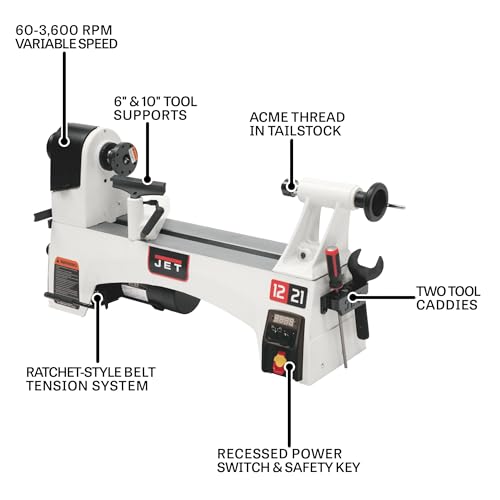
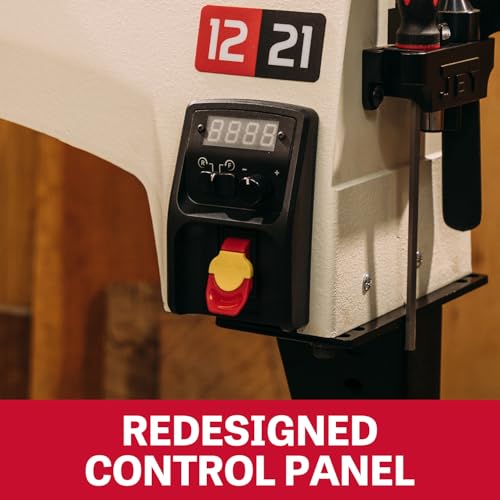
This is the lathe I’d choose if I were running a small woodshop and needed one machine to handle everything from table legs to platters. The 1 HP motor delivers strong torque, and the three speed ranges give excellent control across material types and diameters. The ratchet-style belt tension system is a standout, no more struggling with tension adjustments.
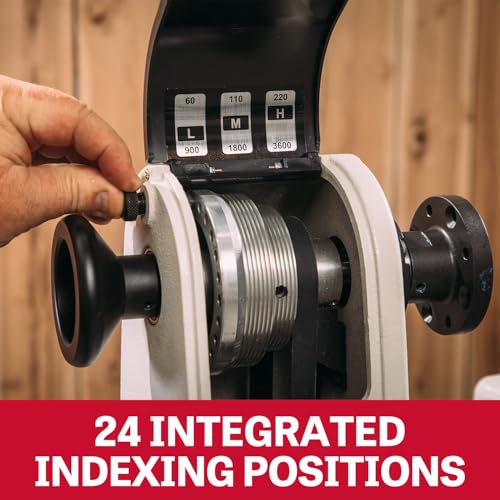
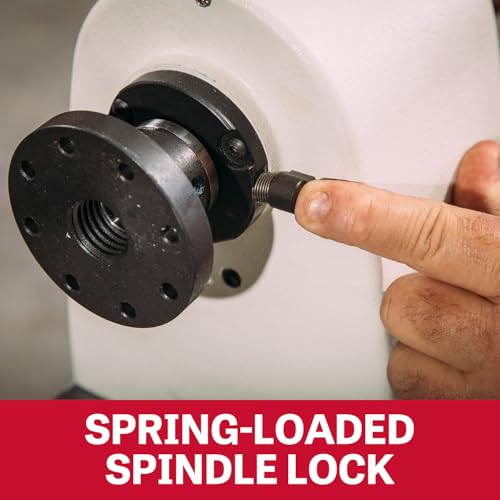
The integrated spindle lock and 24-position indexing make tool changes and repeat work faster and safer. Owners consistently rate it as one of the most reliable mid-pro lathes on the market. It’s more capable than the 1015VS and more refined than the VEVOR 2 HP, with better support than most non-JET brands. For professionals or serious enthusiasts, this is the benchmark.
Product photos

WEN Mini Benchtop Lathe
Strengths
- Soft-start motor
- Compact and light
- Variable speed
Trade-offs
- MT1 taper
- Weak tool rest
- Not for dense woods
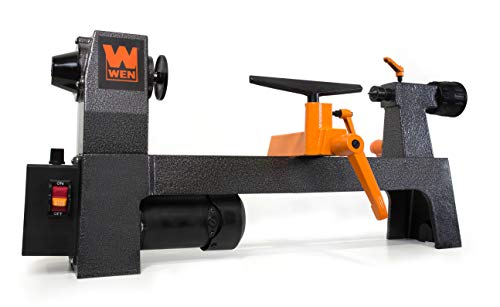
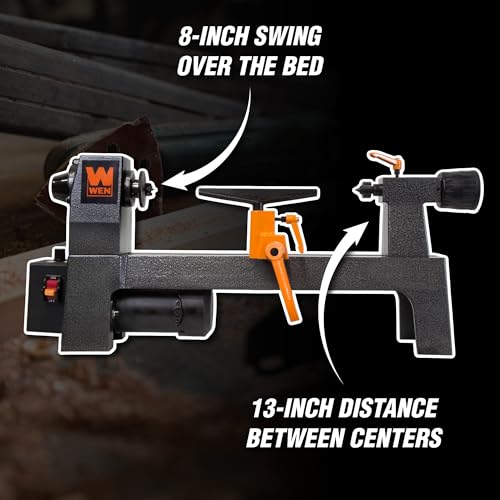
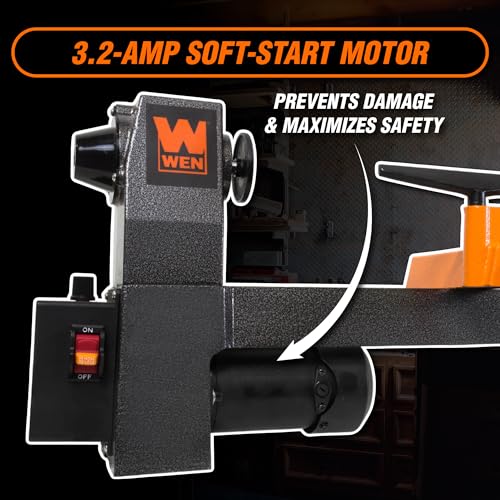
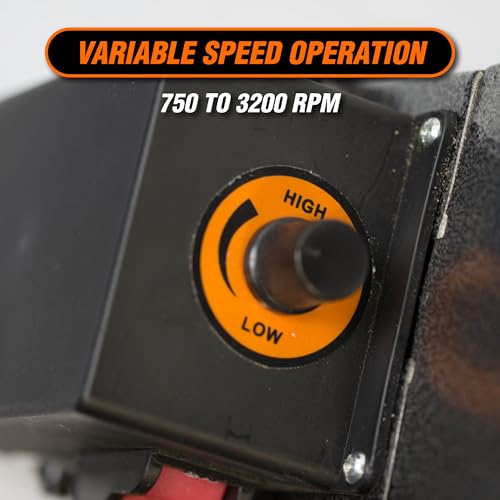
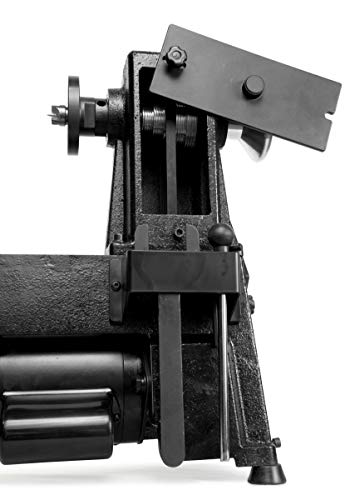
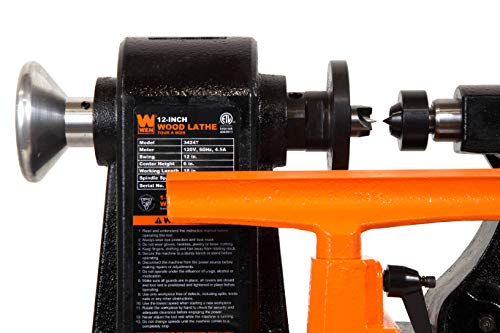
The WEN LA3421 is the bare-bones lathe that somehow works. It’s not powerful, and the 3.2-amp motor struggles with anything beyond basswood or pine, but the soft-start feature genuinely improves safety and motor life. The variable speed (750–3200 RPM) is useful for learning how tool engagement changes with RPM, and the MT1 taper, while limited, still allows for basic accessory use.
It’s best viewed as a training tool or a space-saving option for apartment-based crafters. Owners say it’s surprisingly stable for its size, but the tool rest feels flimsy under pressure. Compared to the CXRCY, it’s from a more trusted brand and has better long-term support. For the price, it’s hard to beat as a starter lathe, if you keep projects small.
Product photos

JET 10″ x 15″ Lathe
Strengths
- 24-position indexing
- Smooth speed ranges
- JET build quality
Trade-offs
- Smaller swing
- 15.5″ between centers
- No spindle lock
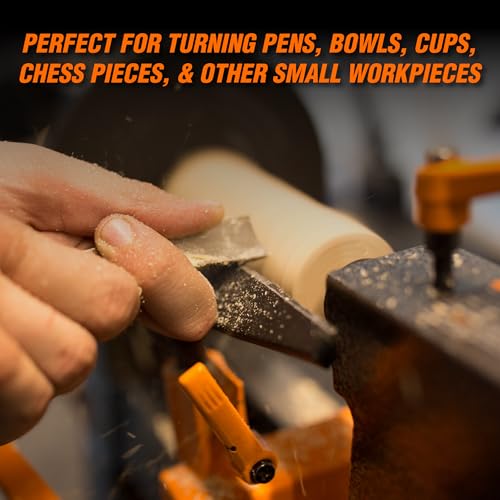
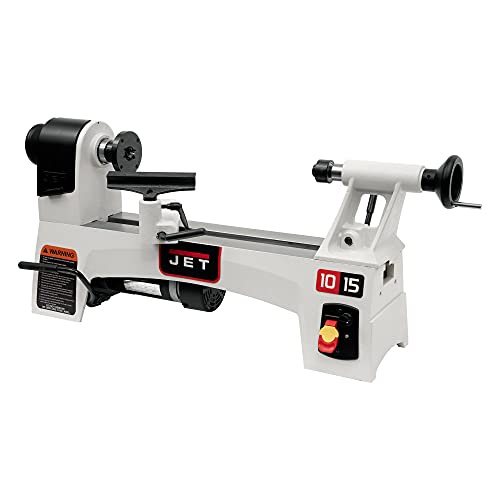
The JET JWL-1015VS hits a sweet spot between size, price, and precision. Its three speed ranges cover everything from delicate pen work to small bowls, and the 24-position indexing is a real help for segmented turning. The wider bed ways improve rigidity over older JET models, and the belt tensioning system is easier to access, small things that matter after hours of use.
It’s not the most powerful, but the 1/2 HP motor is sufficient for its 10-inch swing. Owners appreciate JET’s customer support and parts availability, which isn’t always true for budget brands. Compared to the WEN LA3424, it’s more refined and tunable, though the WEN offers more between-centers length. For mid-tier performance with pro-level support, this is a strong contender.
Product photos
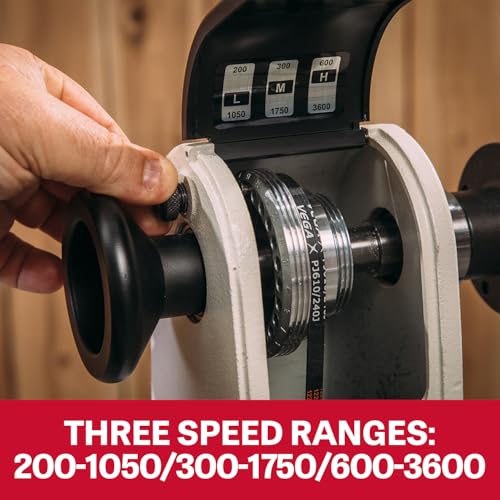
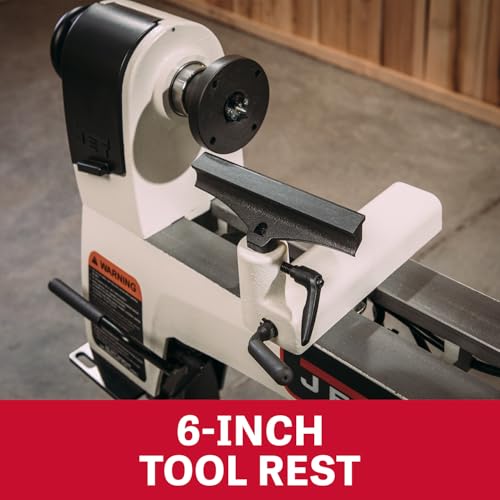
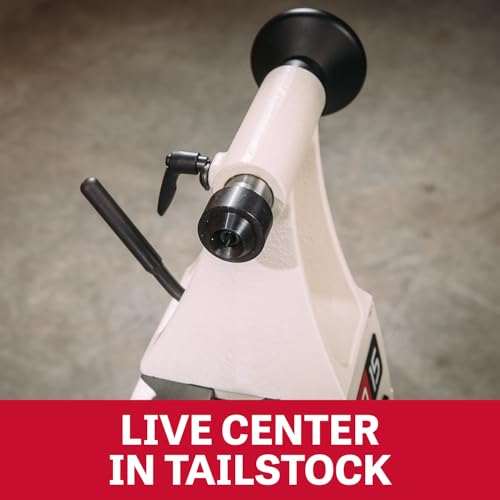
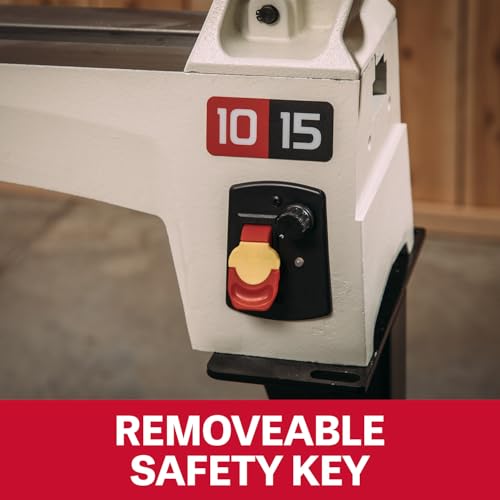

VEVOR 1 HP Brushless Lathe
Strengths
- Brushless motor
- Cast iron body
- Variable speed
Trade-offs
- No indexing
- Limited swing capacity
- Not for heavy stock
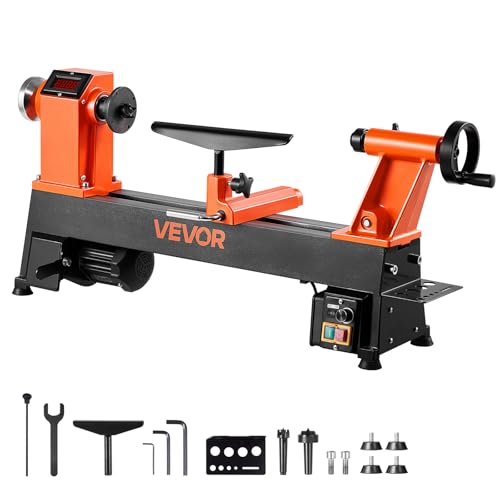
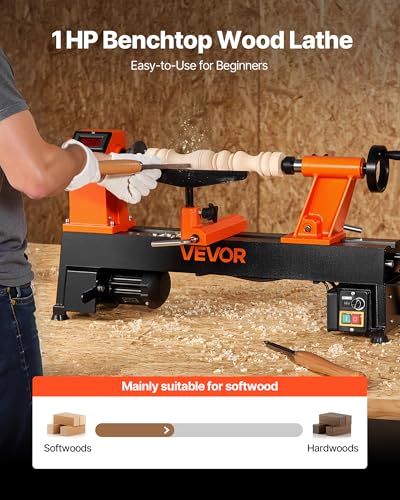
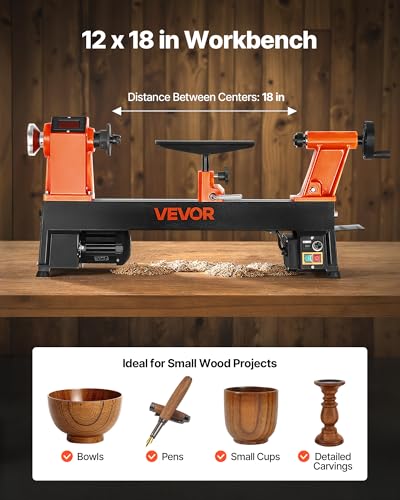
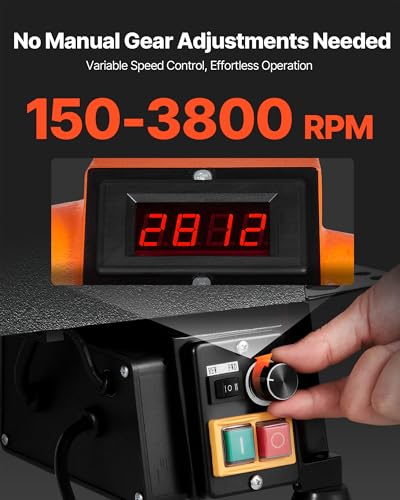
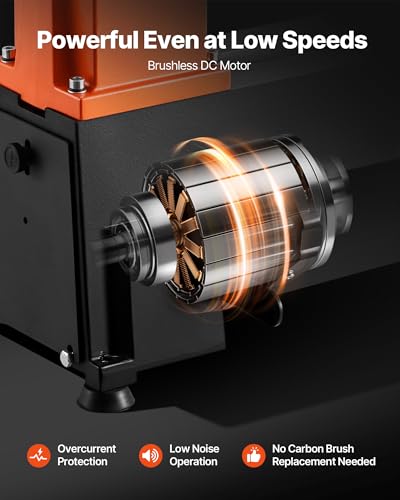
On paper, the VEVOR 1 HP brushless DC motor setup stands out in the entry benchtop category. Brushless motors aren’t common at this price, and owners consistently report smoother speed transitions and less heat buildup compared to traditional brushed models. The 12 x 18 inch capacity fits a range of beginner projects, and the variable speed from 150 to 3800 RPM gives decent flexibility for both spindle and small bowl work.
The cast iron construction helps with vibration damping, which is critical at higher RPMs, and reviewers often highlight how stable it feels for its size. While it lacks some of the precision touches of pricier lathes, like digital readouts or indexing, it covers the fundamentals well. Compared to the WEN LA3424, it offers finer speed control but doesn’t match the WEN’s proven track record for reliability over time.
Product photos
WEN 12″ x 18″ 5-Speed Lathe
Strengths
- MT2 tapers
- Durable motor
- 5 reliable speeds
Trade-offs
- No variable speed
- Manual gear changes
- Basic finish on bed
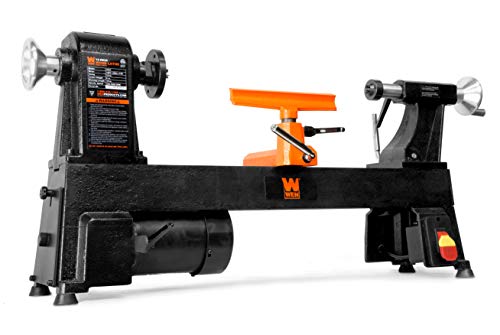
The WEN LA3424 is the kind of lathe I often recommend to DIYers stepping up from mini models. Its 5 fixed speeds are well-spaced, and while it doesn’t offer infinite variability, that simplicity means fewer failure points. The 4.5-amp motor delivers solid torque for medium-density woods, and the MT2 tapers on both headstock and tailstock open the door to a wide range of accessories, something many budget lathes cut corners on.
Owners praise its durability over years of intermittent use, and the included tool rest is sturdier than average. It’s not as smooth as the VEVOR with brushless power, but it’s more predictable under load. For turning chair legs, pepper mills, or small bowls, it strikes a smart balance. I’d pick this over the CXRCY or WEN mini lathe if you’re serious about growing your skills.
Product photos


JET 16″ x 40″ EVS Lathe
Strengths
- 40-inch bed length
- Low 40 RPM start
- Industrial components
Trade-offs
- Large footprint
- Heavy setup
- High cost of entry
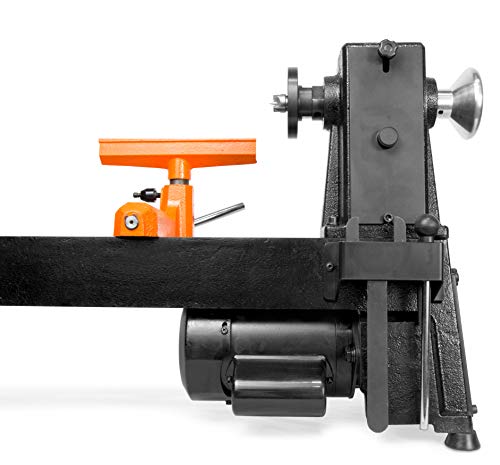
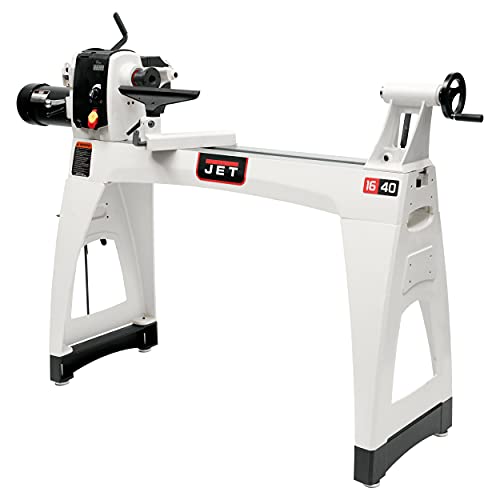
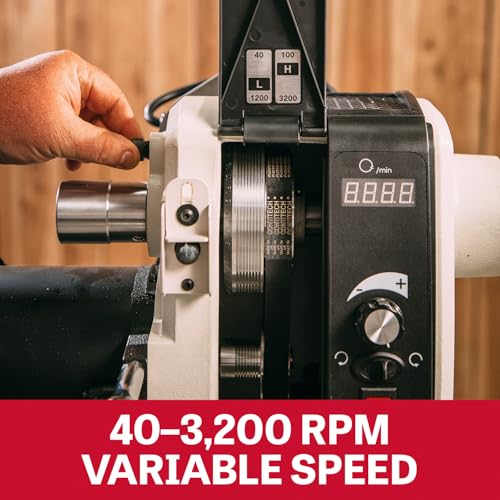
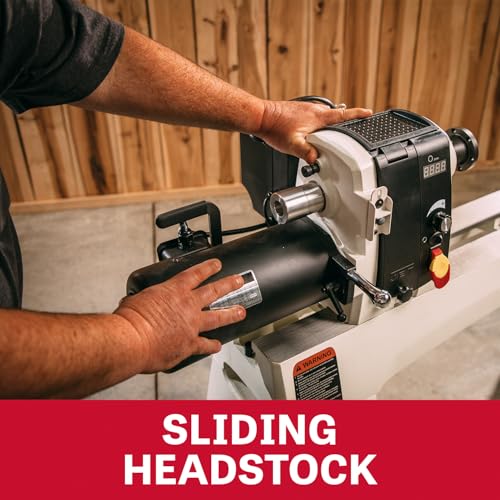
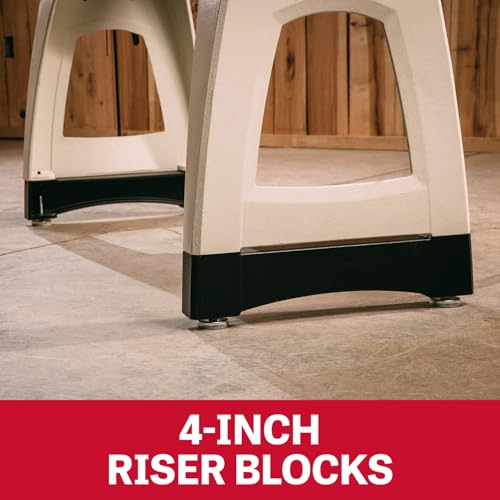
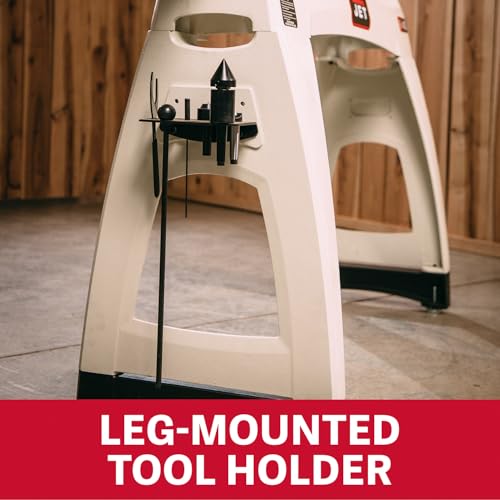
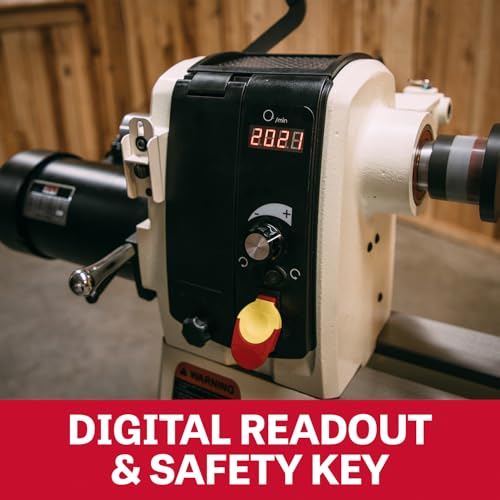
When you’re turning long bedposts, architectural columns, or segmented bowls, the JET JWL-1640EVS earns its keep. The 1.5 HP motor and 40-inch bed give serious reach, and the infinitely variable speed down to 40 RPM is a standout for large, unbalanced blanks. That low end lets you sneak up on center without jerking or chatter, something smaller lathes simply can’t do.
The build quality is industrial-grade: enclosed inverter, spindle lock, and anti-rotation tailstock quill are all thoughtful touches pros appreciate. Reviewers note it’s overkill for garage hobbyists, but for serious woodturners or small shops, it’s a long-term investment. Compared to the VEVOR 2 HP model, it’s more refined and better supported, even if the VEVOR has a slightly higher peak power rating.
Product photos
12″ x 20″ 3/4HP Wood Lathe
Strengths
- Cast iron bed
- 5-year warranty
- Stainless steel components
Trade-offs
- No variable speed
- Manual gear shifts
- No spindle lock
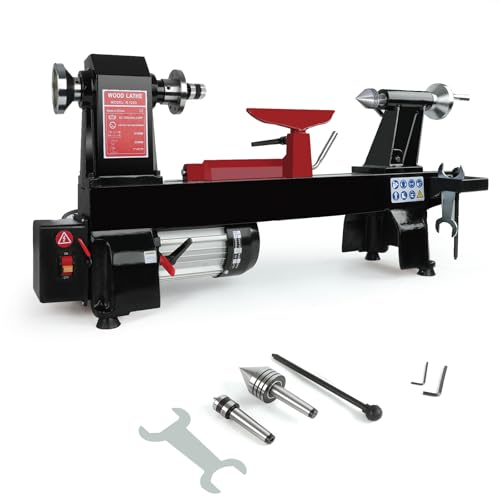
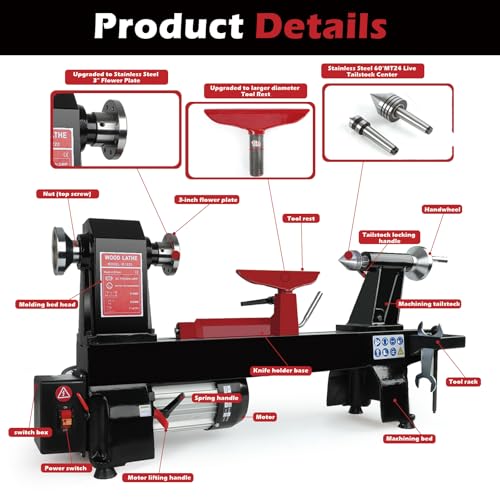
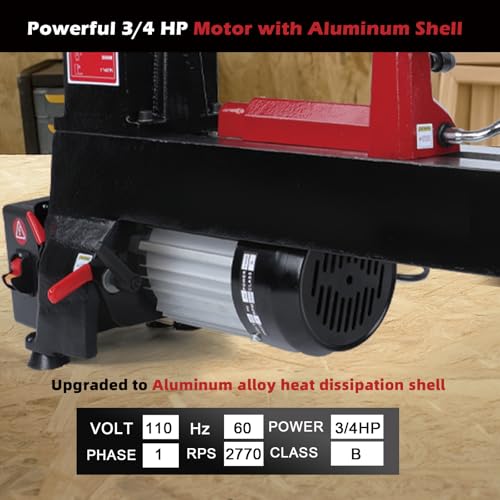
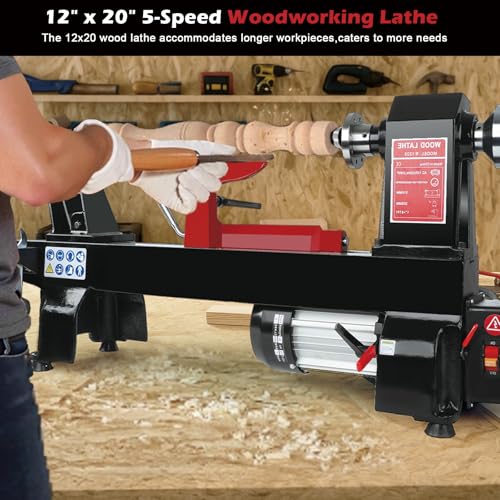
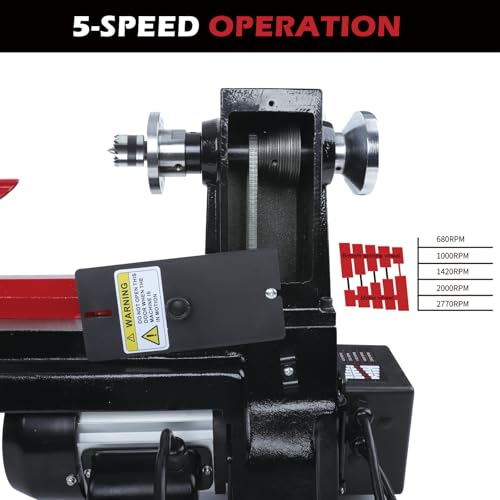
This lathe impresses with its attention to material quality, stainless steel live centers, a thickened tool rest, and a full cast iron bed are rare at this level. The 3/4 HP motor delivers consistent power across its 5 fixed speeds, and the aluminum heat-dissipating housing actually makes a difference during longer sessions. Owners report fewer thermal shutdowns than comparable models.
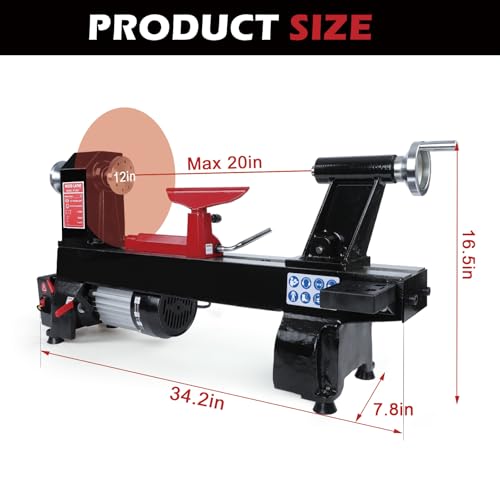
The 20-inch between centers gives more room than most 12-inch lathes, and the M33x3.5 thread is standard for many faceplates and chucks. The 5-year warranty is a standout, most brands offer 1–2 years. Compared to the WEN LA3424, it’s heavier, better built, and more precise, though it lacks variable speed. If you value longevity and stability over fine tuning, this is a smart pick.
Product photos
CXRCY 8″ x 12″ Mini Lathe
Strengths
- Compact size
- Variable speed
- Beginner kit included
Trade-offs
- Weak motor
- MT1 taper
- Vibration at speed
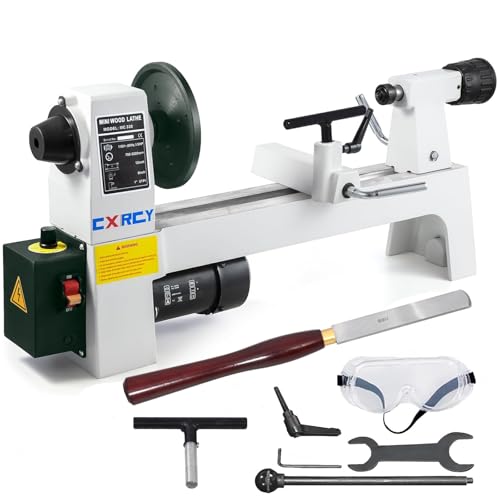
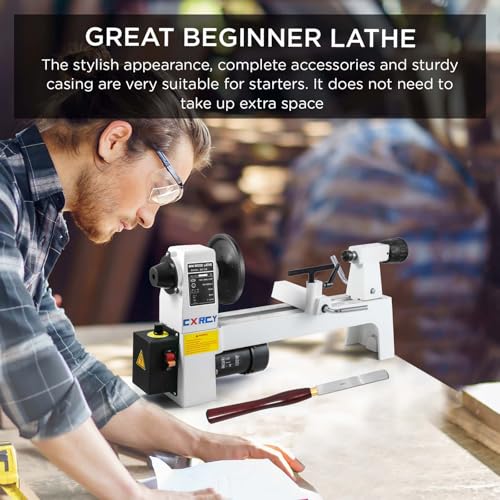
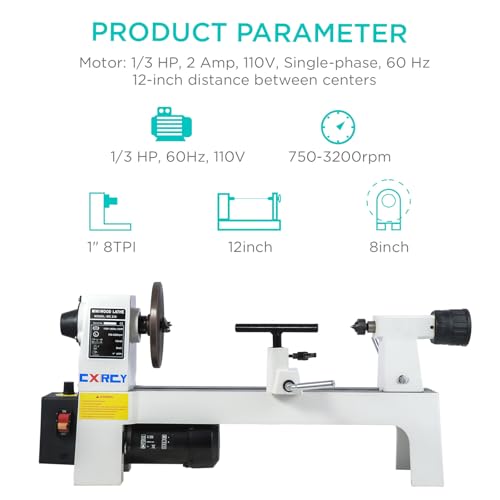
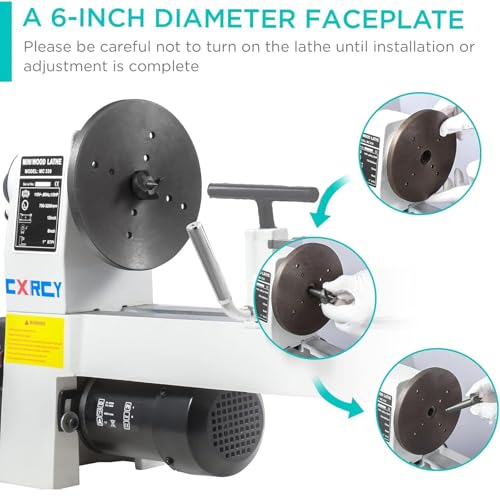
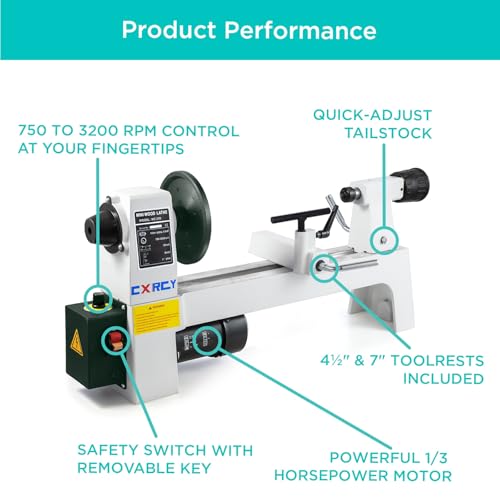
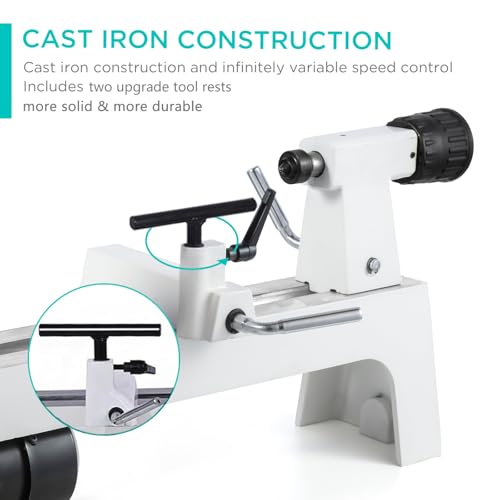
This mini lathe is clearly built for first-timers dipping a toe into woodturning. The 1/3 HP motor and 8-inch swing limit it to pens, small rings, and tiny vessels, fine for learning, but don’t expect it to handle maple or walnut with confidence. The infinitely variable speed (750–3200 RPM) is a plus at this size, and the dual tool rests offer some flexibility in positioning.
Still, owners report noticeable vibration when pushing beyond softwoods, and the MT1 taper is less durable than MT2 found on better models. It’s similar in role to the WEN LA3421 but feels less rigid. For a beginner on a tight budget, it’s functional, but I’d only recommend it for light, occasional use. The included safety goggle is a nice touch, though.
Product photos
How We Picked These woodworking lathes
Rather than a hands-on lab test, my research for these recommendations focused on a detailed comparison of published specifications and features across numerous models. I weighed owner reviews from a variety of sources – including major retailers and dedicated woodworking forums – alongside assessments from reputable tool review websites. My goal was to build a ranking based on what real users and experts say about performance and reliability, combined with my own understanding of what makes a good lathe.
For woodworking lathes, stability and power were the most significant factors in my evaluation. A solid, vibration-free build is critical for accurate cuts and a good finish, especially with larger pieces. Sufficient power (measured in horsepower and RPM ranges) determines what types of wood and projects the lathe can handle effectively. Beyond that, the availability of useful features like indexing and a robust tailstock played a large role in separating the top contenders.
Specifications reliably indicate a lathe’s capacity (swing and distance between centers) and motor strength. However, I placed more weight on owner feedback to assess real-world durability, ease of use, and the accuracy of advertised features. Reputation matters a great deal in this category; consistent positive reviews regarding build quality and minimal vibration often indicate a well-made machine. You can find further details in our wood lathe comparisons.
How To Choose The woodworking lathes
Choosing the right wood lathe can feel overwhelming, but focusing on a few key areas will quickly narrow down your options.
A good wood lathe delivers consistent power, minimizes vibration, and offers the capacity to handle the size and type of projects you envision. Buyers should prioritize build quality (especially the bed and motor), variable speed control, and tool rest functionality when evaluating models. Stability is paramount for safety and precision.
Motor Power and Drive System
The motor is the heart of any lathe, and choosing the right power level is crucial. Don’t automatically assume you need the biggest motor available. For pen turning and smaller projects, a fractional horsepower (like 1/3 or 1/2 HP) will be sufficient, and you might even find excellent options among best benchtop wood lathes. However, if you plan to tackle larger pieces like bowls, table legs, or furniture components, a 1 HP or greater motor is a must. Brushless DC motors are increasingly common, offering quiet operation and eliminating the need for carbon brush replacement – a definite advantage for long-term maintenance.
Capacity and Build Quality
Lathe capacity is defined by its swing (maximum diameter of the workpiece) and distance between centers (maximum length of the workpiece). Consider the types of projects you’ll be making. A mini lathe might be fine for pens, but you’ll quickly outgrow it if you want to turn bowls. More importantly, pay attention to the build quality. A heavy-duty cast iron bed is essential for minimizing vibration, and the spindle bearings should be robust and well-maintained. Many professionals swear by the build quality of JET lathes, and for good reason.
Features and Accessories
Beyond the basics, consider the features that will enhance your workflow. Variable speed control is essential, allowing you to adjust the speed to suit different wood types and cutting tools. A robust tool rest system is also vital, providing stable support for your chisels. Here’s what I look for in accessories:
- A faceplate (often included) is necessary for turning bowls and other non-spindle work.
- A chuck (sold separately) offers a more secure and versatile way to hold workpieces.
- A thorough set of turning tools is a must-have, and investing in high-quality tools will make a significant difference in the quality of your finished projects. Examining top woodturning lathes will give you an idea of what’s common.
Don’t skimp on the tool rest. A wobbly or poorly positioned tool rest is a recipe for disaster, and makes precise cuts almost impossible.
Woodworking Lathes Compared
Here’s a comparison of key specifications for several woodworking lathes to help you find the right tool for your needs.
| Product Name | HP | Max RPM | Swing | Distance Between Centers | Speed Ranges/Settings |
|---|---|---|---|---|---|
| VEVOR 2 HP Wood Lathe | 2 | 3200 | 18″ | 40″ | 150-3200 RPM |
| JET 12″ x 21″ Lathe | N/A | 3600 | 12″ | 21″ | 60-3600 RPM |
| WEN Mini Benchtop Lathe | N/A | 3200 | 8″ | 13″ | 750-3200 RPM |
| JET 10″ x 15″ Lathe | N/A | 3600 | 10″ | 15.5″ | 200-3600 RPM |
| VEVOR 1 HP Brushless Lathe | 1 | 3800 | 12″ | 18″ | 150-3800 RPM |
| WEN 12″ x 18″ 5-Speed Lathe | N/A | 3400 | 12″ | 18″ | 520/900/1400/2150/3400 RPM |
| JET 16″ x 40″ EVS Lathe | N/A | 3200 | 16″ | 40″ | 40-3200 RPM (Variable) |
| 12″ x 20″ 3/4HP Wood Lathe | 0.75 | 2770 | 12″ | 20″ | 680/1000/1420/2000/2770 RPM |
| CXRCY 8″ x 12″ Mini Lathe | N/A | 3200 | 8″ | 12″ | 750-3200 RPM |
Frequently Asked Questions
What lathe horsepower do I really need?
Generally, a 1/2 to 1 HP motor is sufficient for beginners and smaller projects like pen turning. However, if you plan to work with larger pieces or harder woods, a 1 HP or greater motor will provide the power and stability you need for consistent results.
How important is the lathe bed material?
A cast iron bed is absolutely crucial for minimizing vibration and providing a stable platform for turning. It’s the single biggest contributor to a smooth, accurate cut, and it’s a key indicator of overall lathe quality.
What’s the difference between variable speed and stepped speed?
Variable speed allows for precise adjustments across the entire RPM range, giving you maximum control for different wood types and projects. Stepped speed lathes have pre-set speeds, limiting your flexibility, but they are often more affordable; you can find information about top midi lathes with both options.
Do I need to buy a chuck, or is the faceplate enough?
A faceplate is essential for bowl turning and other projects where the workpiece isn’t held between centers. However, a chuck provides a more secure and versatile grip, especially for spindle turning and hollowing, and will significantly expand your capabilities.
What should I look for in a tool rest?
The tool rest should be solid, adjustable, and lock securely in place. A wobbly or poorly positioned tool rest will make accurate cuts difficult and can be a safety hazard; look for models with robust locking mechanisms and sufficient length to support your turning tools comfortably.
The Bottom Line
Buying a woodworking lathe often comes down to balancing control and convenience. If you’re serious about turning and want a machine that will grow with your skills, the VEVOR 2 HP Wood Lathe represents the best overall value. It provides the power and capacity to tackle a wide range of projects, and the robust build quality ensures stability even with larger workpieces.
For those just starting out or working on smaller projects, the WEN Mini Benchtop Lathe or the CXRCY 8″ x 12″ Mini Lathe are excellent choices. If you’re looking for something versatile without breaking the bank, consider the WEN 12″ x 18″ 5-Speed Lathe; it’s a solid performer for hobbyists. And for those wanting a truly professional-grade machine, the JET 16″ x 40″ EVS Lathe is a top contender, though it comes with a higher price tag.
Ultimately, horsepower and swing aren’t everything. Prioritize a lathe with a heavy, stable bed and a well-designed tool rest system. A machine that minimizes vibration and supports accurate cuts will deliver far better results than one with flashy specs but a shaky foundation – especially if you’re considering best starter wood lathes.
