8 Best Woodworking Saws for Fine Cuts 2026
This post contains affiliate links. As an Amazon Associate, we earn from qualifying purchases.
The SUIZAN Flush Cut Saw 6″ stands out as the best overall for fine cuts, delivering exceptional precision and clean results in hardwoods and softwoods alike. For those on a budget, the WORKPRO 6″ Japanese Pull Saw offers strong performance at a lower price, while the JORGENSEN RYOBA Double Edge Saw gives unmatched versatility with dedicated rip and crosscut edges.
Woodworkers know that a ragged cut can ruin an otherwise perfect joint. Choosing the wrong saw leads to tear-out, wasted material, and frustration, especially when working with expensive hardwoods or delicate joinery.
This guide cuts through the noise, focusing on blade steel, tooth design, and real-world usability. I looked at specs and owner feedback to find saws that deliver clean, controlled cuts without breaking the bank. These picks reflect what actually works in the shop, not just what sounds good on the box.
Top 8 Woodworking Saws For Fine Cuts in the Market
The Best Woodworking Saws For Fine Cuts, Reviewed
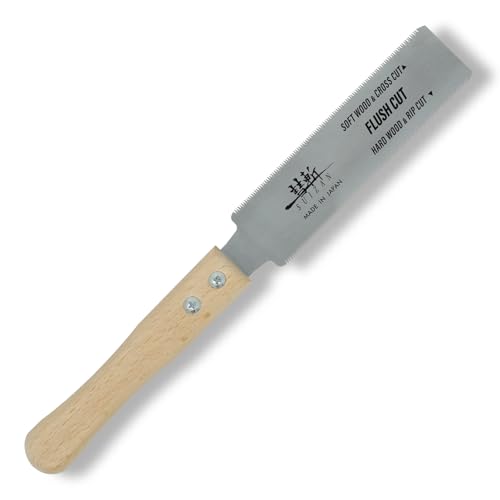
SUIZAN Flush Cut Saw 6″
Strengths
- Made in Japan craftsmanship
- Replaceable blade
- Ultra-fine kerf and TPI
Trade-offs
- Higher price point
- Harder to find in stock
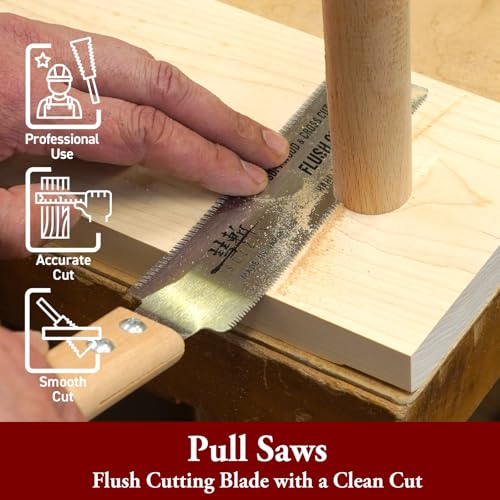
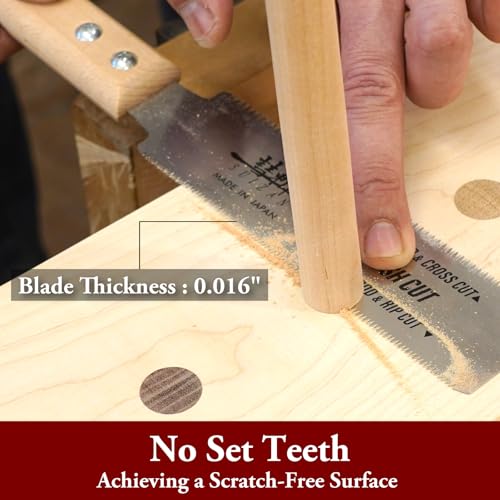
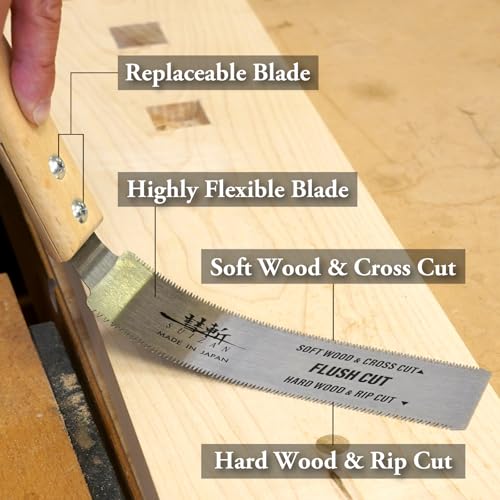
SUIZAN’s 6-inch Ryoba is the one I’d recommend as the best overall for serious DIYers and pros alike. It’s made in Japan by craftsmen with generational experience, and that shows in the fit, finish, and blade consistency. The 17 TPI (hardwood) and 20 TPI (softwood) teeth are finely tuned, and the kerf width is just 0.45mm, meaning minimal material loss and ultra-clean cuts.
The replaceable blade is a major advantage over most competitors, and owners consistently report years of service with simple blade swaps. While pricier than others here, it’s built to last and perform at a level that justifies the cost for anyone doing fine furniture or cabinetry. Among Japanese pull saws, this one hits the sweet spot of precision, durability, and authenticity.
Product photos


RUITOOL Japanese Hand Saw 6″
Strengths
- Low-cost entry
- Sharp out of the box
- Dual TPI functionality
Trade-offs
- No blade replacement
- Handle finish may degrade
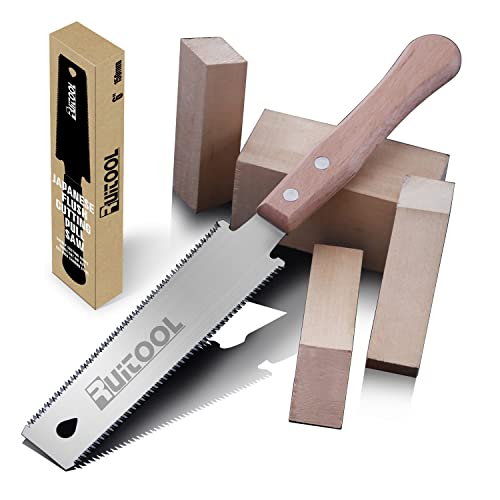
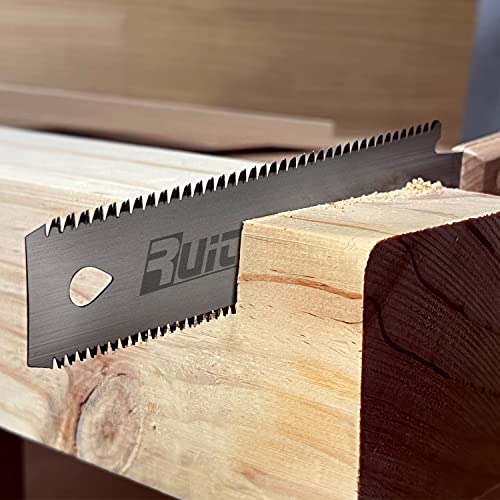
At its core, the RUITOOL 6-inch double-edge saw is a budget-friendly entry into Japanese pull-saw territory. It uses SK5 steel with HRC60–63 hardness, which aligns with higher-end models, and the 14/17 TPI split gives you flexibility for both softwood rip cuts and hardwood crosscuts. The 3-edge tooth grind helps with chip removal, and owners say it starts sharp, though how long it stays that way is less certain.
It doesn’t offer a replaceable blade or premium fit-and-finish, but for under $20, it’s a functional tool that won’t hold back a beginner. If you’re just getting into trim work or need a spare saw for odd jobs, this gets the job done. It won’t impress a seasoned cabinetmaker, but it’s honest for the price.
Product photos



JORGENSEN 7.25″ Pull Saw
Strengths
- Excellent crosscut performance
- Lightweight, low fatigue
- Soft non-slip handle
Trade-offs
- Single edge only
- Blade not replaceable
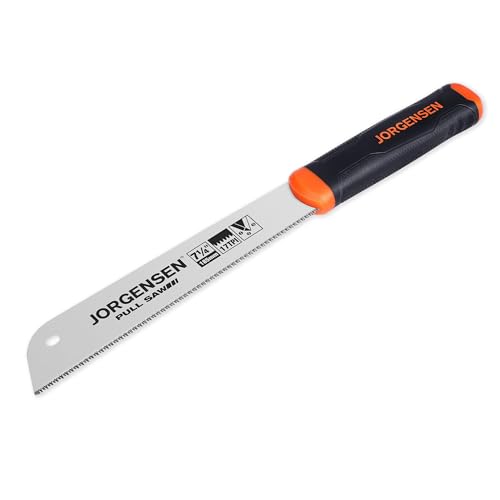
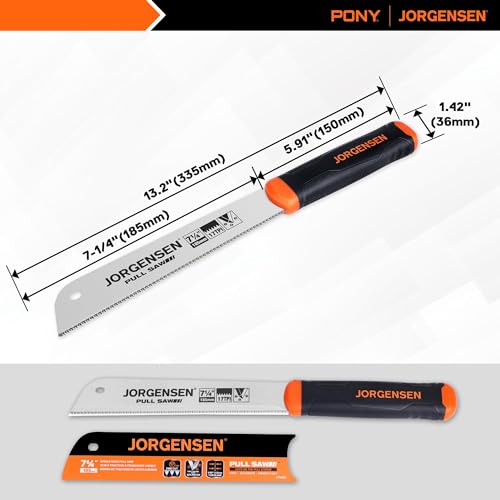
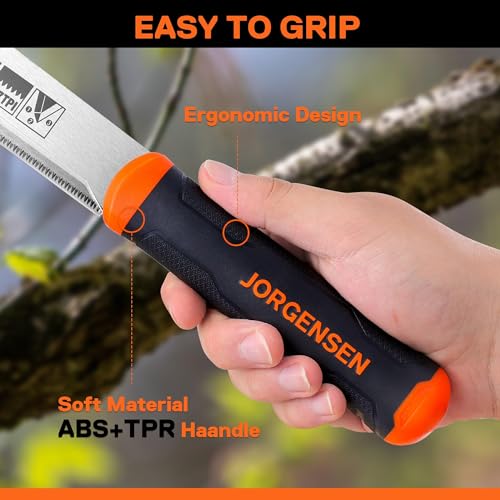
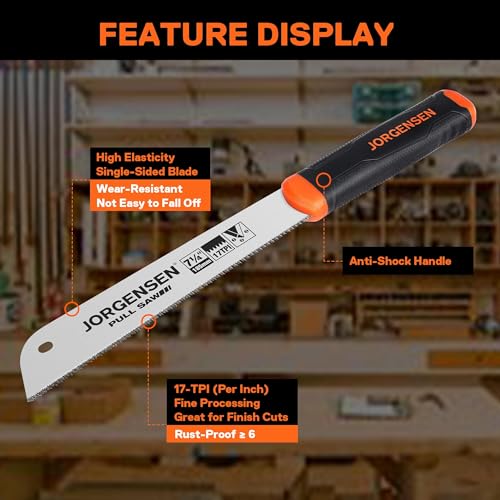
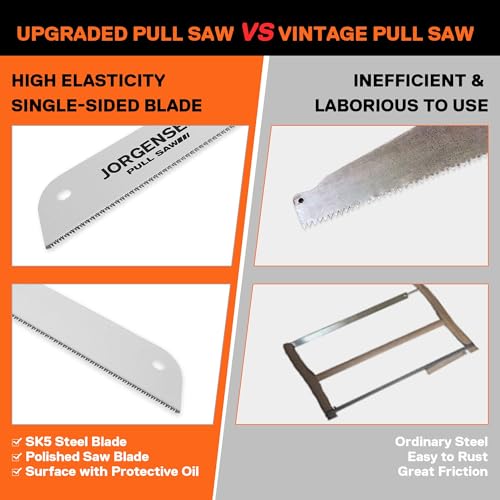
This 7.25-inch single-edge pull saw is built for precision crosscuts and clean flush trimming, and it shows in the details: a 17 TPI triple-ground blade, HRC58–66 hardness, and a thinner profile that slices with minimal effort. The single-edge design means you’re not switching between rip and crosscut teeth, but the consistency pays off in smoother finishes, especially on hardwoods and tenon work.
The soft-grip handle reduces fatigue, and the lightweight build makes it easy to control with one hand, a plus for overhead or detail work. Reviewers note it cuts cleaner than many double-edged models when used for cross-grain tasks. If you’re doing fine joinery and want a dedicated crosscut saw, this is a smarter pick than a dual-purpose Ryoba.
Product photos

JORGENSEN 5″ Flush Cut Saw
Strengths
- Compact 5-inch blade
- Fine 25 TPI side
- Stiff, controlled cut
Trade-offs
- No replaceable blade
- Shorter reach limits some tasks
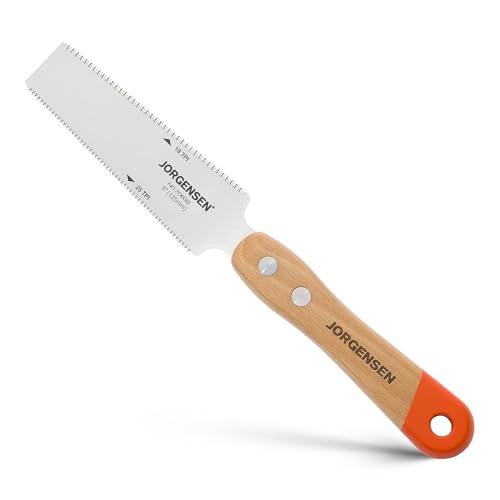
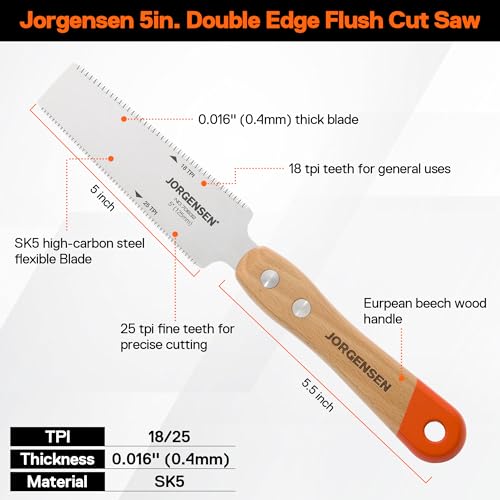
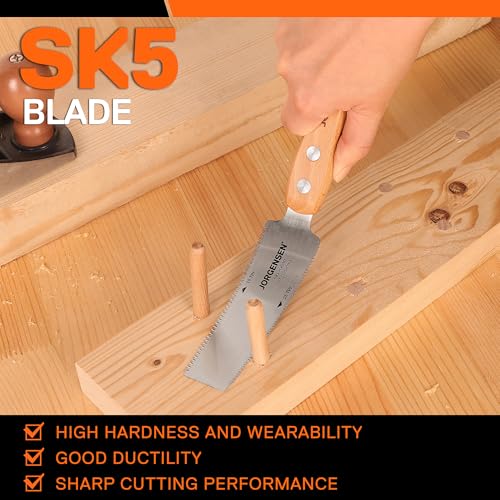
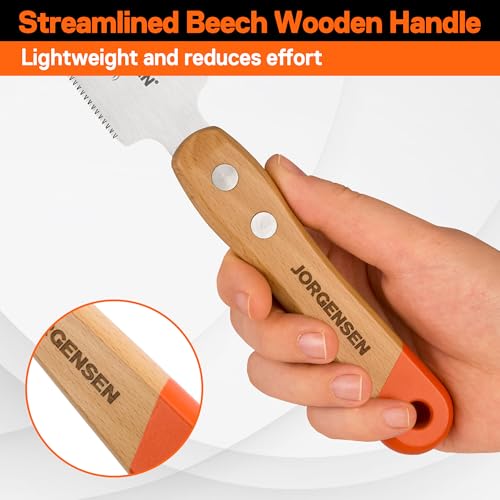
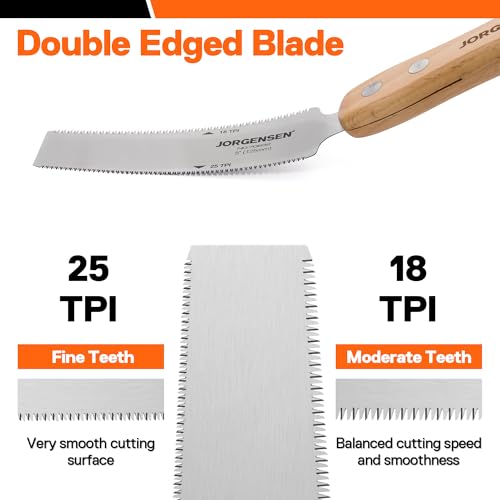
The 5-inch blade on this JORGENSEN model makes it one of the most maneuverable options here, ideal when you’re cutting in tight corners or doing delicate flush trimming where a longer saw would get in the way. The 25 TPI fine-tooth side is especially good for clean finishes on hardwoods, while the 18 TPI side handles faster cuts without tearing.
Owners highlight its stiffness and control, noting it’s less prone to wobble than some longer, thinner blades. The SK5 steel holds up well, and the fixed blade is securely mounted. It’s not replaceable, which is a downside over time, but for its niche, tight-space precision, this saw excels. Compared to the 7-inch models, it sacrifices speed for accuracy, and that trade-off makes sense in the right context.
Product photos
JORGENSEN RYOBA Double Edge Saw
Strengths
- Replaceable blade
- Dual-purpose teeth
- Ergonomic soft-grip handle
Trade-offs
- Slightly heavier than rivals
- Blade change requires a tool
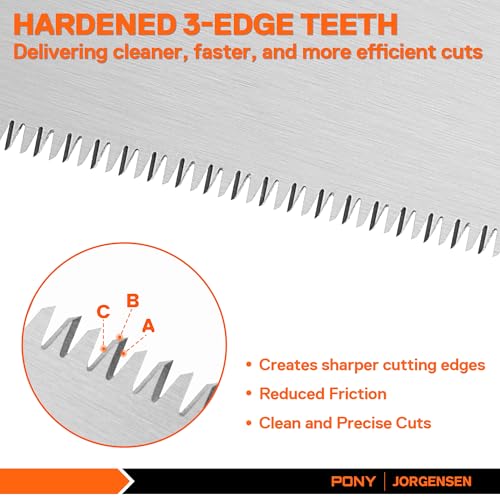
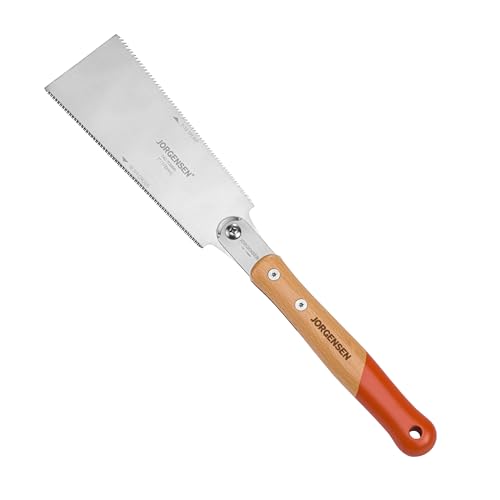
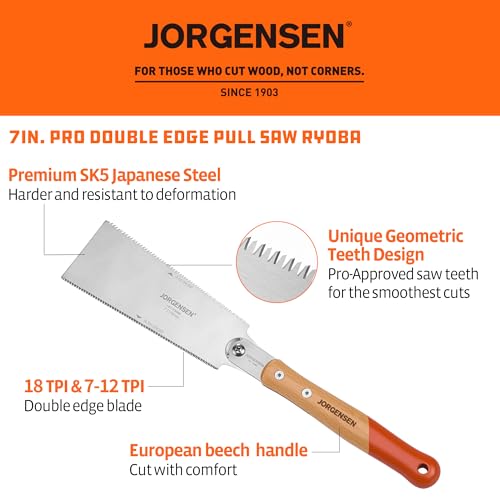
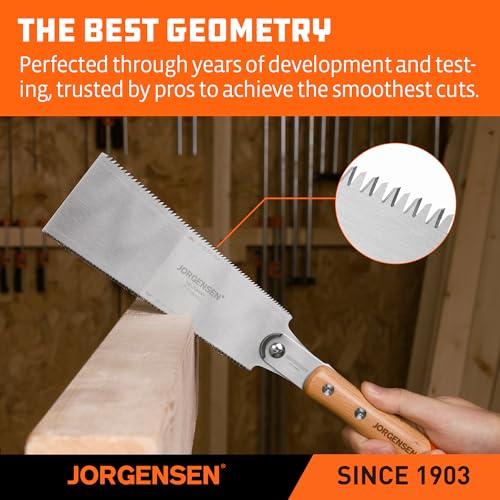
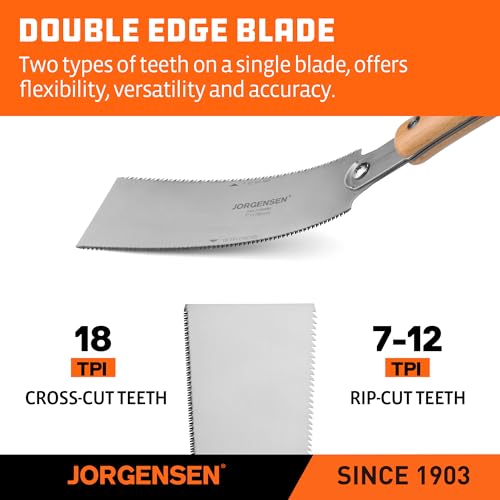
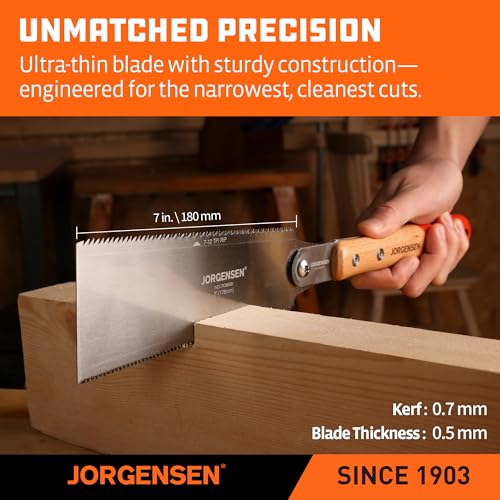
JORGENSEN’s 7-inch Ryoba stands out in this lineup mainly for its replaceable blade, a rare and valuable feature at this price point. That alone makes it a smarter long-term investment than most fixed-blade competitors. The 18 TPI side handles hardwoods cleanly, while the 7–12 TPI variable tooth side tackles rip cuts with speed and reduced effort. SK5 steel and triple-ground teeth are standard across these Japanese-style saws, but here the blade retention system feels more robust, based on owner feedback.
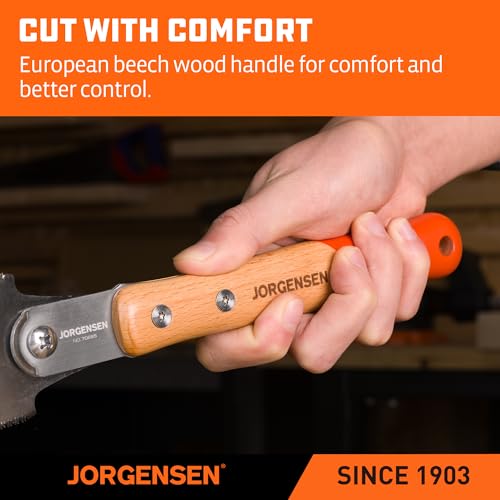
The beechwood handle is shaped for comfort, and reviewers note it works well for both one- and two-handed control. It’s not quite as refined as the SUIZAN models, but it’s close. For woodworkers who want pro-level performance without the pro-level price, this is a strong contender, especially if you go through blades frequently.
Product photos
WORKPRO 6″ Japanese Pull Saw
Strengths
- Affordable price
- Gold corrosion-resistant coating
- Non-slip beech handle
Trade-offs
- Softer tooth hardness
- No blade replacement option
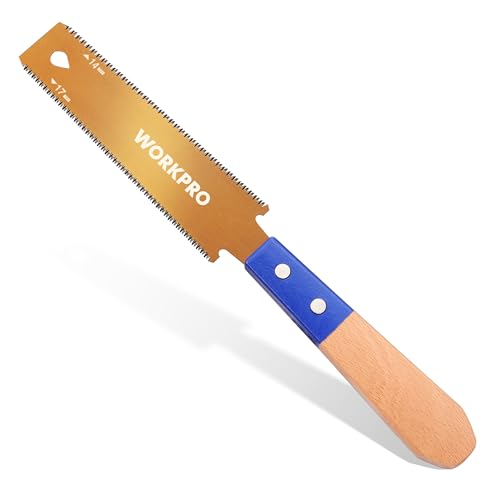
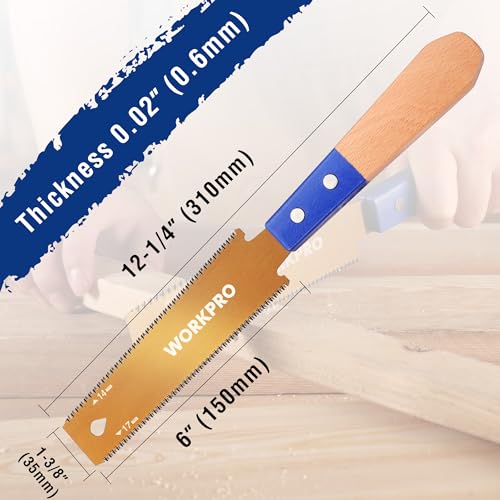
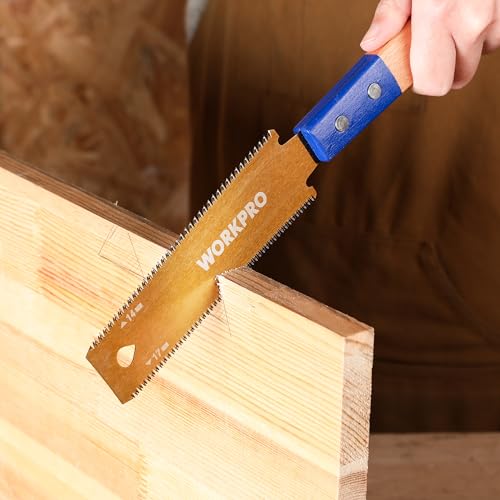
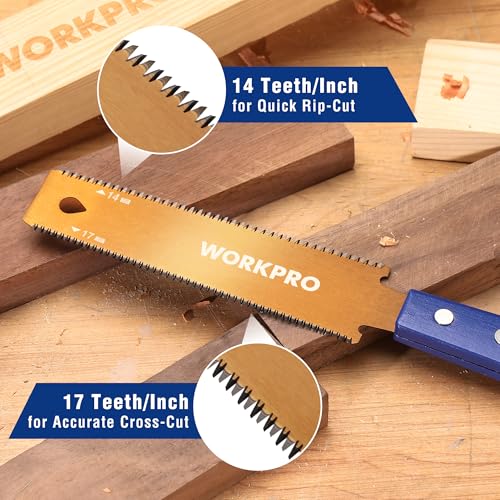
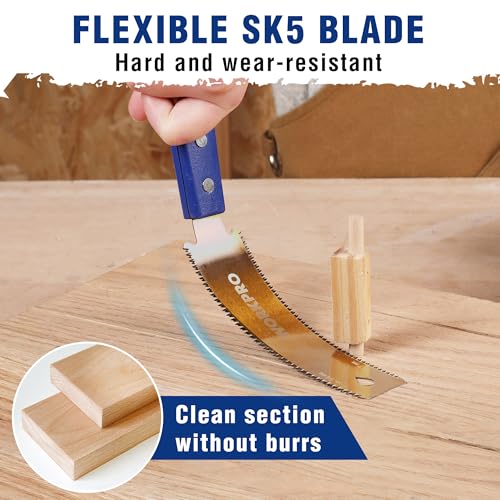
The WORKPRO 6-inch pull saw punches above its weight, especially if you’re assembling a starter set on a budget. The 14/17 TPI dual blade covers both rip and crosscut needs, and the gold-toned coating adds a measure of rust resistance, a small but meaningful touch. On paper, the HRC 55 tooth hardness is a bit softer than top-tier models, but owners report it still delivers clean cuts without frequent snagging or tearing.
It’s part of their Artisan Series, which nods to Japanese craftsmanship, though it’s clearly optimized for value. It won’t match a SUIZAN for finesse, but for weekend projects like shelving, trim, or light furniture repair, it’s more than capable. I’d pick this over the no-name brands any day, and it’s a solid choice if you’re buying multiple saws for a workshop or gifting to a new woodworker.
Product photos

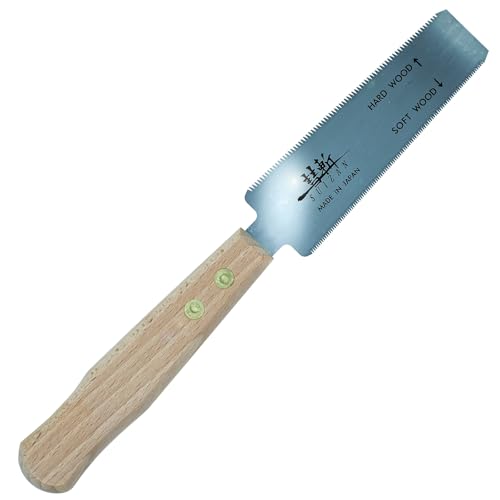
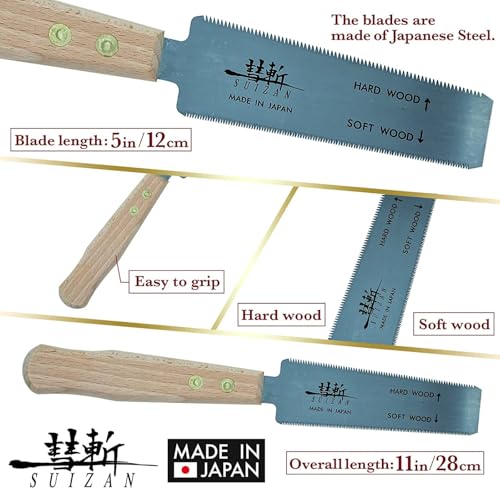
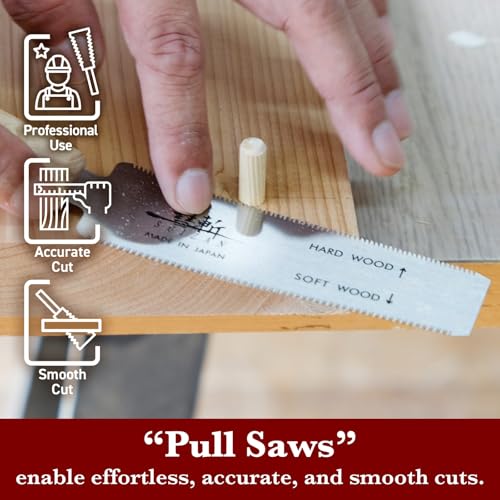
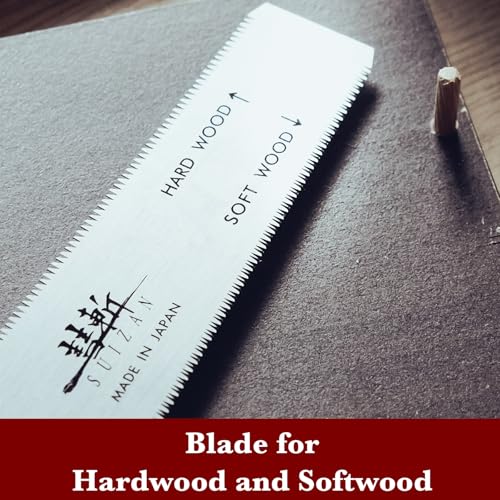
SUIZAN Flush Cut Saw 5″
Strengths
- Excellent for tight spaces
- Precision Japanese build
- Light and maneuverable
Trade-offs
- No blade replacement
- Limited reach for larger cuts
If space is tight and control is critical, this 5-inch SUIZAN is the most compact precision tool in the lineup. It’s essentially the little brother of their 6-inch model, same Japanese craftsmanship, same SK5 steel, but trimmed down for detail work. The 20 TPI softwood side and 17 TPI hardwood side deliver clean cuts, and the thin kerf prevents tear-out on delicate edges.
It’s not replaceable, which is a step down from the 6-inch version, but for its size, it’s remarkably rigid. Owners love it for dovetails, inlays, and flush-trimming tenons where a longer saw would be clumsy. It’s not meant to replace a full-size Ryoba, but as a specialist tool, it’s hard to beat.
Product photos

SS SHOVAN 6″ Double Edge Saw

Strengths
- Sharp SK5 blade
- Dual TPI options
- Ergonomic wooden handle
Trade-offs
- No replaceable blade
- Blade coating may wear
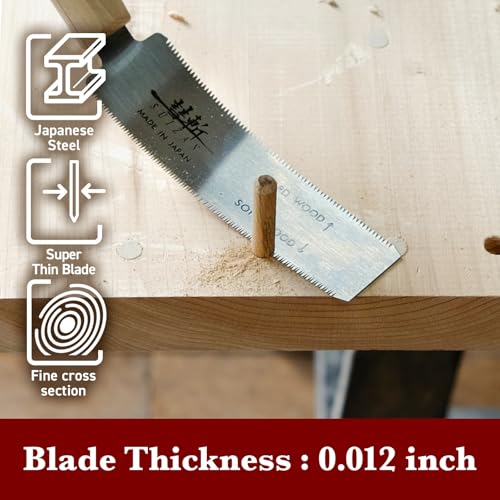
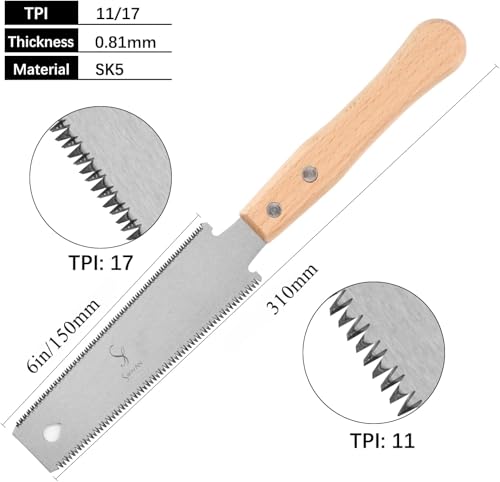
This 6-inch double-edge pull saw leans into classic Japanese design with a beechwood handle and SK5 steel blade hardened to HRC60-63, which on paper means it should hold a sharp edge through repeated fine cuts. Owners consistently report clean performance on cross and rip cuts, thanks to the 11 TPI and 17 TPI dual-sided teeth. The pull-cut action reduces binding, and for light joinery or flush trimming, it delivers where precision matters more than speed.
What stands out is the ergonomic handle, it’s frequently cited as comfortable for extended use, especially for those with smaller hands. While it doesn’t have a replaceable blade like some premium models, the build quality suggests long-term reliability for casual to moderate use. Compared to budget no-name saws, this one earns its place in a well-stocked DIYer’s kit.
Product photos


How We Picked These woodworking saws for fine cuts
Rather than a hands-on lab test, this research-led comparison focused on detailed specifications and owner feedback to rank these saws. I examined blade materials, tooth counts (TPI), blade thickness, and handle ergonomics, then weighed those against what users report about cut quality, ease of use, and long-term durability. Reputable expert reviews from woodworking publications were also considered to provide additional context.
For woodworking saws intended for fine cuts, blade sharpness and control are paramount. I prioritized saws with high-quality steel – particularly SK5 – and a higher TPI for cleaner, more precise results. The ability to make both rip and cross cuts, offering versatility, also factored heavily into the rankings. Ergonomics weren’t overlooked; a comfortable grip is crucial for maintaining control during detailed work, and I considered how well each saw addressed this.
Published specifications reliably indicate blade material and tooth count, giving a good initial sense of a saw’s potential. However, owner feedback proved essential in understanding real-world performance. Reports on sharpness retention, how well the saw handles different wood types, and the overall feel during use were key. For broader cutting options, you might also explore a woodworking miter saw features to complement these hand tools.
How To Pick The Right woodworking saws for fine cuts
Finding the right saw for fine cuts can dramatically improve the quality of your work. It’s not just about teeth per inch; a lot comes down to understanding how these tools are designed and what features will actually benefit your projects.
A quality woodworking saw balances blade steel, tooth geometry, and handle ergonomics. Look for saws utilizing SK5 or similar high-carbon steel for tooth retention. Consider both TPI (teeth per inch) and the tooth pattern – rip, crosscut, or a combination. Finally, a comfortable and secure grip is essential for control and precision.
Blade Steel & Tooth Configuration
The heart of any saw is its blade. While many manufacturers tout “Japanese steel,” understanding what that means is crucial. SK5 high-carbon steel is a common standard, offering a good balance of hardness and flexibility. However, it’s not just the steel itself, but how it’s treated. Look for blades that have been hardened (often through a high-frequency process) to achieve a Rockwell hardness (HRC) of 60 or above. This ensures the teeth will stay sharp longer. Equally important is the tooth configuration: a higher TPI (17-25) is best for fine crosscuts, while a lower TPI (8-14) excels at rip cuts. Some saws, like the JORGENSEN RYOBA Double Edge Saw, offer both on a single blade, providing versatility.
Pull vs. Push Saws & Cutting Action
Japanese pull saws, like those from SUIZAN and WORKPRO, represent a fundamentally different approach than traditional Western push saws. Pull saws cut on the pull stroke, requiring less force and often resulting in cleaner cuts with minimal tear-out. This is because the blade is under tension during the cut, rather than compression. If you’re accustomed to push saws, there’s a learning curve, but many woodworkers find the control and precision well worth the effort. Consider how often you’ll be making angled crosscuts tool, and if a pull saw’s thinner blade will be advantageous in tight spaces.
- For rough cuts and fast material removal, a lower TPI (10-14) is sufficient.
- A medium TPI (15-18) offers a good compromise for general-purpose woodworking.
- For exceptionally fine cuts, especially in delicate veneers or hardwoods, a high TPI (20+) is essential, but remember it will cut slower. A saw with a dual-edged blade, offering both rip and crosscut options, can be a great value.
Handle Ergonomics & Overall Value
Don’t underestimate the importance of a comfortable handle. You’ll be holding this tool for extended periods, so a good grip is essential for control and minimizing fatigue. Many Japanese saws feature wooden handles, often beechwood, which provides a natural feel. Look for handles with a slight contour or texturing to enhance grip. Beyond comfort, consider the overall value. The WORKPRO 6″ Japanese Pull Saw is a compelling option if you’re looking for a well-featured saw at a reasonable price, and it’s a great starting point to explore table saw woodworking uses. A good saw doesn’t have to be the most expensive, but investing in quality materials and construction will pay dividends in the long run.
Don’t force the cut. Let the saw do the work. A sharp blade and proper technique are far more effective than brute force.
Woodworking Saws for Fine Cuts Compared
Here’s a comparison of the specifications for various woodworking saws designed for making fine cuts.
| Product Name | Blade Length | TPI (Hardwood/Softwood) | Steel Type | Blade Type | Handle Material |
|---|---|---|---|---|---|
| SUIZAN Flush Cut Saw 6″ | 6″ (150mm) | 17/20 | Japanese | Pull | N/A |
| RUITOOL Japanese Hand Saw 6″ | 6″ | 17/14 | SK5 | Pull | N/A |
| JORGENSEN 7.25″ Pull Saw | 7.25″ | 17 | SK5 | Pull | Soft Grip |
| JORGENSEN 5″ Flush Cut Saw | 5″ | 18/25 | SK5 | Double Edge | Beech Wood |
| JORGENSEN RYOBA Double Edge Saw | N/A | 18/7-12 | SK5 | Double Edge | Beech Wood |
| WORKPRO 6″ Japanese Pull Saw | 6″ | 17/14 | SK5 | Pull | Beech Wood |
| SUIZAN Flush Cut Saw 5″ | 5″ | N/A | Japanese | Pull | N/A |
| SS SHOVAN 6″ Double Edge Saw | 6″ | 11/17 | SK5 | Double Edge | Beech Wood |
Frequently Asked Questions
What TPI is best for extremely fine cuts in hardwoods?
A TPI of 20 or higher is generally best for extremely fine cuts in hardwoods. Higher tooth counts create smaller kerfs and reduce tear-out, but remember that cutting speed will decrease as the TPI increases.
Are pull saws really easier to control than traditional push saws?
Yes, pull saws typically offer more control due to the blade being under tension during the cut. This tension minimizes blade deflection and allows for a straighter, cleaner cut, though there’s a learning curve if you’re used to pushing.
What does “SK5 steel” actually mean when comparing blades?
SK5 steel is a high-carbon steel commonly used in saw blades, known for its good balance of hardness and flexibility. It’s a reliable indicator of blade quality and ability to hold an edge, though the heat treatment process is also crucial for performance.
Can I use a double-edged saw for all my woodworking cuts?
While versatile, a double-edged saw is a compromise; it can handle both rip and crosscuts, but won’t perform as optimally as a saw specifically designed for one or the other. For precise work and longer fine crosscuts, a dedicated crosscut saw is still preferable.
How important is the handle material for a fine-cut saw?
Handle material is quite important, as comfort and grip are essential for control during detailed work. Wooden handles, like beechwood, offer a natural feel, while soft-grip handles can reduce fatigue during extended use.
The Bottom Line
Choosing a woodworking saw for fine cuts really comes down to balancing control with convenience. While fancier, more expensive options exist, the quality of the cut ultimately depends more on the blade and your technique than a hefty price tag. For most woodworkers, the JORGENSEN RYOBA Double Edge Saw offers the best overall combination of features, versatility, and value – its dual-edged blade is a significant advantage.
If you’re just starting out, or looking for a budget-friendly option, the WORKPRO 6″ Japanese Pull Saw is a fantastic choice. For those who prioritize the precision of a pull saw, the SUIZAN Flush Cut Saw 6″ delivers excellent performance. And if you’re planning on tackling a lot of angled cuts, be sure to review some accurate miter saw use techniques to get the most out of your projects.
Ultimately, the most important factors aren’t the specific specs, but a sharp blade, a comfortable grip, and a willingness to practice proper cutting form. Don’t get caught up chasing the highest TPI or the most exotic steel; focus on developing a feel for the tool and understanding how to let it do the work.
