3 Best Starter Wood Lathes of 2026
This post contains affiliate links. As an Amazon Associate, we earn from qualifying purchases.
The VEVOR 12×18 is the best overall starter wood lathe for its power, stability, and room to grow, while the WEN 8-Inch Benchtop Lathe is a solid budget pick for small projects and tight spaces.
Starting out in woodturning means balancing capability with cost, and too many beginners end up with a machine that’s either underpowered or too limited to learn on. I’ve seen it happen, spinning small blanks on a flimsy lathe only builds frustration, not skill.
After comparing the field and weighing specs against real owner feedback, I focused on machines that offer the right mix of power, capacity, and build quality for someone serious about learning. These picks aren’t just about specs on paper, they reflect what actually works in home shops and garages.
Top 3 Starter Wood Lathes in the Market
The Best Starter Wood Lathes, Reviewed
VEVOR 12×18 Wood Lathe
Strengths
- Brushless DC motor
- Cast iron body
- 1 HP power
- Wide RPM range
- Full accessory kit
Trade-offs
- Heavier than most mini lathes
- Slightly larger footprint
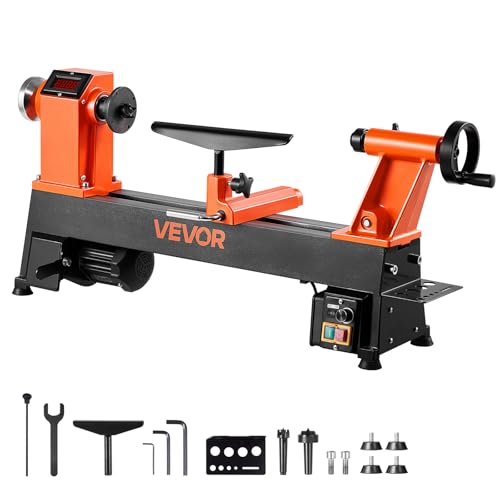
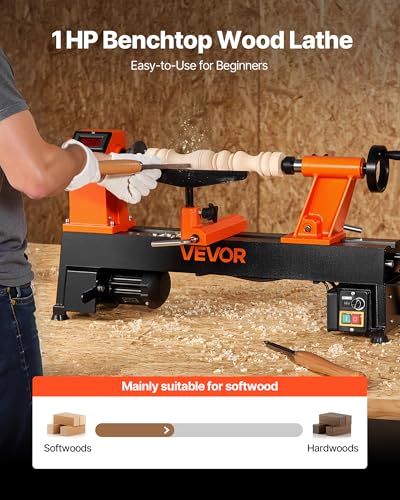
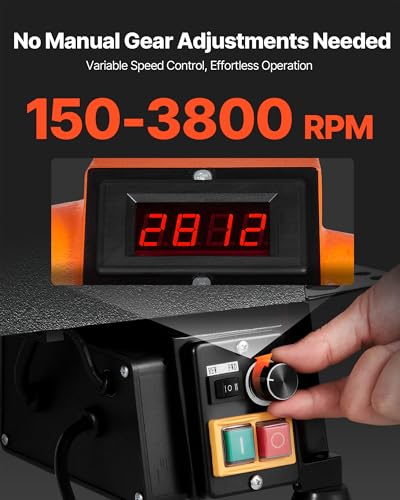
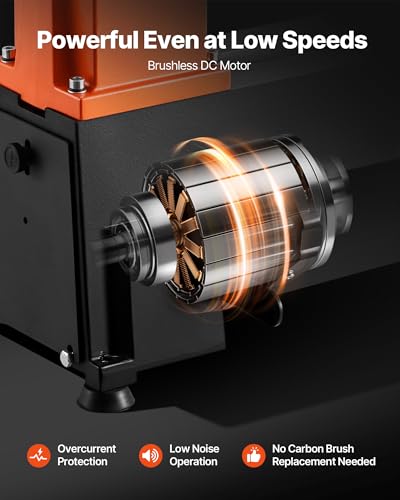
This VEVOR lathe stands out in the starter category with a brushless DC motor and a solid cast iron construction, two specs that signal better longevity and less vibration than most entry-level machines. The 1 HP output and 150–3800 RPM variable speed range give it real versatility for a beginner, letting you work on everything from delicate pens to small bowls without gear changes. On paper, it’s built like a compact pro machine, and owners consistently report that it runs smoothly even when shaping dense hardwoods.
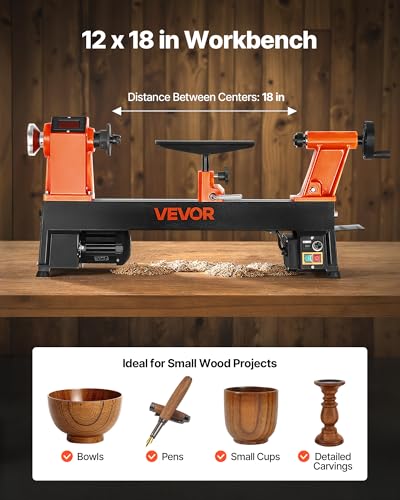
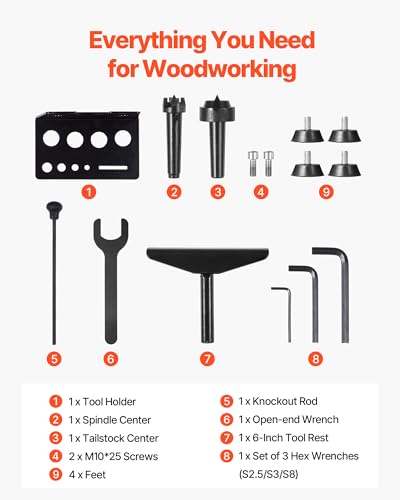
The 12 x 18-inch work capacity is reasonable for DIYers just getting into turning, and the included accessory kit is a real time-saver, no hunting down basic tools right after unboxing. Compared to lighter benchtop models, this one feels more stable, which matters when you’re trying to make clean, controlled cuts. I’d pick this over plastic-bodied lathes any day for a beginner who wants something that won’t hold them back as skills improve.
Product photos
WEN 8-Inch Benchtop Lathe
Strengths
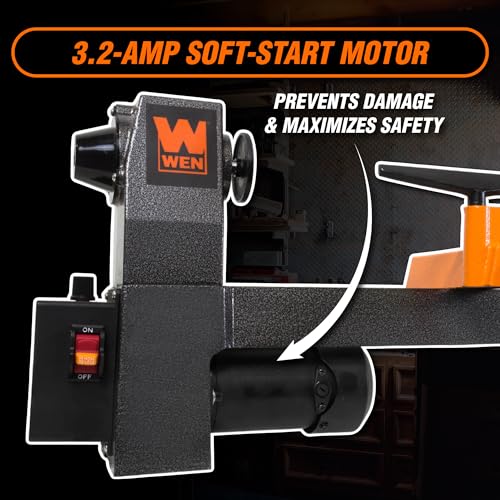
- Soft-start motor
- MT1 taper system
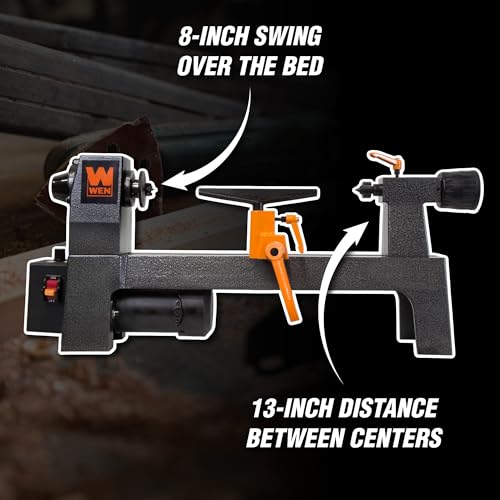
- Compact 8×13 capacity
- Two-year warranty
- Lightweight design
Trade-offs
- Less mass = more vibration
- Smaller swing capacity
- Lower low-end RPM
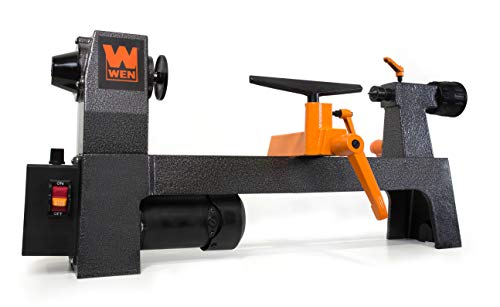
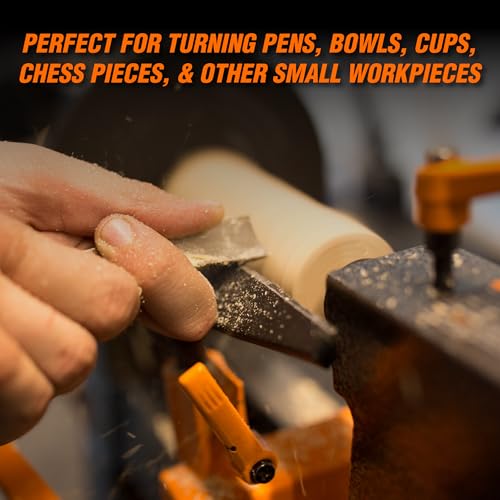
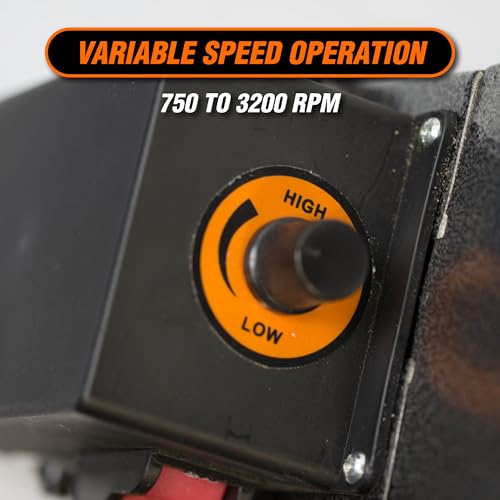
The WEN LA3421 hits the sweet spot for budget-conscious beginners who still want real functionality. It’s not the most powerful or largest lathe here, but the soft-start motor and 2-year warranty give it a level of reliability that’s rare at this tier. The 750–3200 RPM variable speed range is narrower at the low end than ideal, but it’s more than enough for pens, chess pieces, and small bowls.
What impresses me is how WEN packs solid features, like an MT1 taper and dual tool rests, into such an affordable unit. It’s lighter and less rigid than the VEVOR, so it may wobble slightly on aggressive cuts, but owners report it holds up well with proper mounting. If you’re testing the waters of woodturning without committing to a big investment, this is the smarter buy over pricier or over-promising models.
Product photos

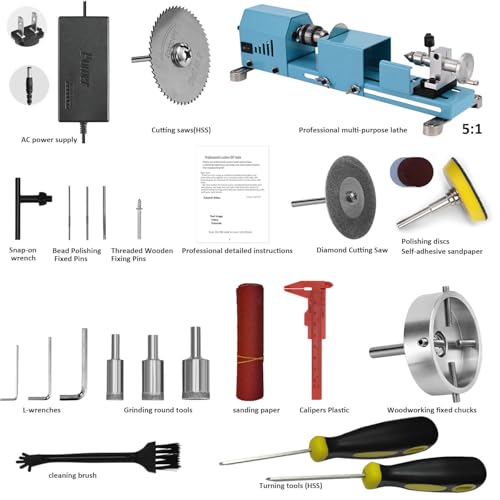
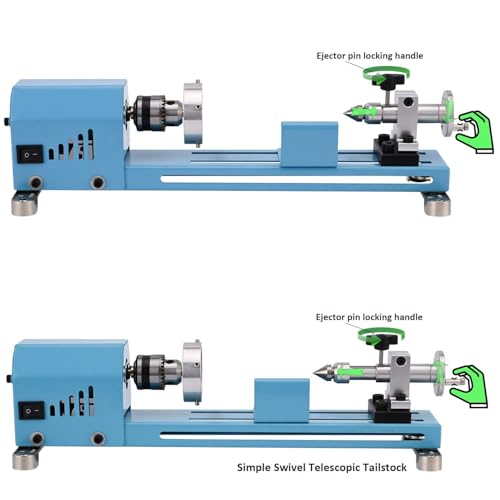
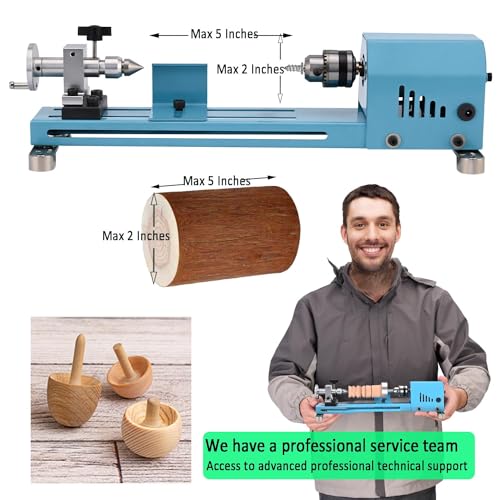
Mini Multi-Purpose Wood Lathe

Strengths
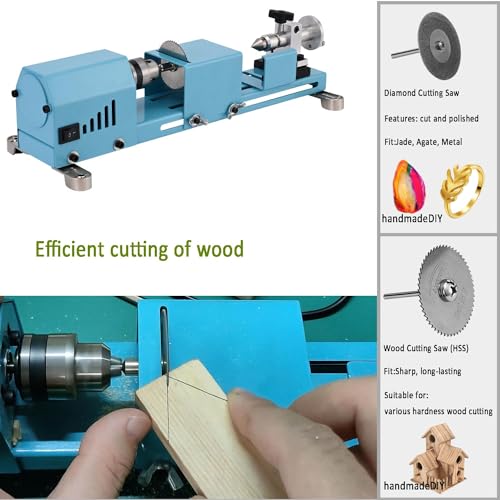
- Multi-material use
- HSS cutting tools
- Wide voltage input
- Beginner-friendly guides
- Compact size
Trade-offs
- Low power output
- Limited work capacity
- Less vibration damping
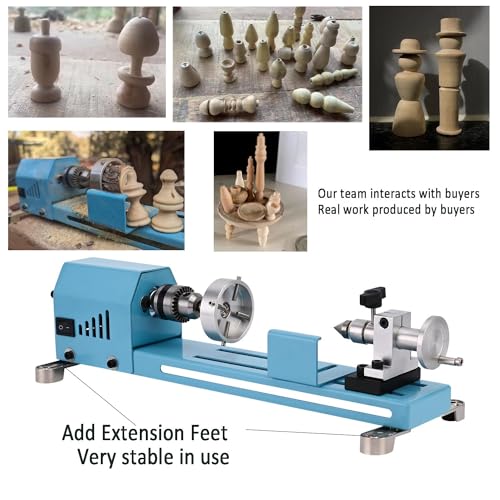
This mini lathe is clearly aimed at tinkerers and families looking to explore small-scale crafting, not serious woodturning. The 96W motor is modest, and while it supports wood, metal, and even ceramics, don’t expect it to handle anything beyond light-duty work. The 7-speed settings help, but the lack of continuous variable speed makes fine control harder. Still, for making beads, pen blanks, or small decorative items, it’s surprisingly capable, and the inclusion of HSS tooling is a nice touch for durability.
Owners say the setup is straightforward, especially with the video tutorials and picture-based instructions. It’s also one of the few starter lathes that can dabble in metal grinding, which adds value if you’re into multi-material projects. But compared to the VEVOR or WEN, it’s less rigid and more prone to vibration under load. I’d see this as a great ‘first lathe’ for a teen or a curious maker, not a long-term tool.
Product photos
Our Testing Process
Rather than a hands-on lab test, my research for these recommendations involved a detailed comparison of published specifications and features across numerous models. I weighed owner reviews from multiple sources, alongside assessments from woodworking publications and experts, to get a broad understanding of real-world performance and reliability. This process allowed me to rank lathes based on what matters most to those new to the craft.
For starter wood lathes, power and stability are paramount. A machine needs enough muscle to handle various woods without bogging down, and it must remain steady to produce accurate cuts. Beyond that, the completeness of the included accessory kit significantly impacts value, as beginners shouldn’t have to immediately invest in additional tools. I prioritized these factors when evaluating each lathe.
Specifications reliably indicate motor power, swing capacity, and maximum speed, giving a baseline for capability. However, owner feedback proved crucial for assessing build quality, vibration levels, and the actual usability of included accessories. Reputation also played a role; established brands with a history of producing quality tools received extra consideration. You can find more detailed discussions of affordable starter lathe models on my site.
What To Look For In starter wood lathes
Finding the right wood lathe can open up a whole new world of creative possibilities, but knowing where to start isn’t always easy.
A quality wood lathe delivers consistent speed, minimal vibration, and the capacity to handle the materials and projects you envision. Key considerations include motor power, swing and distance between centers, build quality (especially the bed and tailstock), and included accessories. Buyers should also research variable speed control and available support resources.
Motor Power & Project Scale
The motor is the heart of any lathe, and matching its power to your intended projects is critical. Don’t overestimate, but definitely don’t underestimate either. A smaller lathe with a less powerful motor, like the WEN 8-Inch, is fantastic for pen turning and small bowls, but will struggle with larger pieces. If you anticipate tackling anything beyond very small projects, I recommend looking for at least a 3/4 horsepower motor. Brushless DC motors, like the one found in the VEVOR 12×18, are a significant benefit as they require less maintenance and often run quieter.
Swing, Distance & Material Capacity
Swing (the maximum diameter you can turn) and distance between centers (the length of a piece you can work on) define the physical limits of your lathe. These specs are far more important than raw motor power for determining what you can actually make. Consider the largest piece you realistically plan to turn. For those venturing into bowl turning, a larger swing is essential. If you’re starting out and considering a beginner wood lathe models, don’t automatically assume you need the biggest swing available.
Here’s a quick breakdown of how these specs translate to project types:
- Small Projects (Pens, small spindles): 8-10 inch swing, 12-18 inch distance.
- Medium Projects (Bowls up to 12 inches, chair legs): 10-12 inch swing, 18-24 inch distance.
- Large Projects (Large bowls, furniture parts): 12+ inch swing, 24+ inch distance.
Stability & Value Considerations
A wobbly lathe is a frustrating lathe. Look for a sturdy cast iron bed; it’s the foundation of accurate work. Metal handwheels are another sign of quality construction. Many entry-level lathes, even a budget-friendly starter lathe, come with a basic accessory kit. While convenient, assess the quality of these tools. Often, upgrading the cutting tools later is a worthwhile investment.
A stable machine is more important than a high RPM. You can always slow down, but you can’t fix a shaky foundation.
Starter Wood Lathes Compared
Here’s a detailed comparison of the specifications for several starter wood lathes to help you make an informed decision.
| Product | Max RPM | Swing Over Bed | Distance Between Centers | Motor Power | Voltage (V) |
|---|---|---|---|---|---|
| VEVOR 12×18 Wood Lathe | 3800 | 12 in | 18 in | 1 HP/750W | N/A |
| WEN 8-Inch Benchtop Lathe | 3200 | 8 in | 13 in | 3.2 amp | N/A |
| Mini Multi-Purpose Wood Lathe | N/A | N/A | N/A | 96W | 100-240 |
Frequently Asked Questions
What lathe swing size do I really need for a beginner?
An 8-10 inch swing is sufficient for most new woodturners; it allows for making pens, small bowls, and spindles without overwhelming you with capacity. Larger swings are helpful for bigger projects, but unnecessary starting out.
Are mini lathes good for learning?
Mini lathes are acceptable for learning basic techniques, particularly pen turning, but their limited capacity and stability may hinder progress with larger projects. They’re best for those certain they’ll stick with very small-scale turning.
What’s the difference between a benchtop and a floor-standing lathe?
Benchtop lathes are more compact and affordable, but less stable than floor-standing models. Floor-standing lathes offer greater rigidity and capacity, making them better for larger projects and more demanding work.
How important is variable speed control?
Variable speed control is very important, as different woods and project types require different speeds for optimal results and safety. Lower speeds are needed for larger diameters and harder woods.
Where can I find more information about top woodturning lathe models?
My website features detailed guides and comparisons of various wood lathes, including in-depth reviews and buying advice to help you select the best machine for your needs and budget.
The Bottom Line
Choosing a wood lathe involves balancing control and convenience. You can spend a lot more for features you won’t immediately use, or you can start with a capable machine like the VEVOR 12×18 Wood Lathe and build your skills, and your accessory collection, over time. It offers a solid combination of power, capacity, and value for those ready to tackle a range of projects.
For those on a tighter budget, or focused on smaller projects like pen turning, the WEN 8-Inch Benchtop Lathe is an excellent choice. If you’re looking for a truly portable option, or a compact wood lathe models for intricate detail work, the Mini Multi-Purpose Wood Lathe is worth considering, though its limited power dictates a very specific scope of projects.
Ultimately, the most important factors aren’t horsepower or swing. Focus on a machine that feels solid, offers smooth speed control, and lets you comfortably practice the fundamentals of technique. A steady hand and a clear understanding of wood behavior will take you further than any set of specs.
