
8 Best Tree Cutting Hand Saws of 2026
This post contains affiliate links. As an Amazon Associate, we earn from qualifying purchases.
The Corona 13″ RazorTOOTH is the best overall tree cutting hand saw for serious cutting, thanks to its aggressive blade and durable SK5 steel. For budget-conscious users, the REXBETI 11 Inch Folding Saw delivers solid performance in a compact, portable design. If you need versatility for finer work, the 10.5″ Japanese Pull Saw offers exceptional control and clean cuts.
Most people don’t realize how much difference the right hand saw makes until they’re wrestling with a thick branch and a flimsy blade. A poor choice leads to fatigue, rough cuts, and frustration, especially when you’re deep into yard work or off-grid.
This guide cuts through the noise by focusing on what actually matters: blade steel, tooth design, and real-world usability. I looked at specs, owner feedback, and brand reputation to find the saws that deliver reliable performance where it counts.
Top 8 Tree Cutting Hand Saws in the Market
The Best Tree Cutting Hand Saws, Reviewed
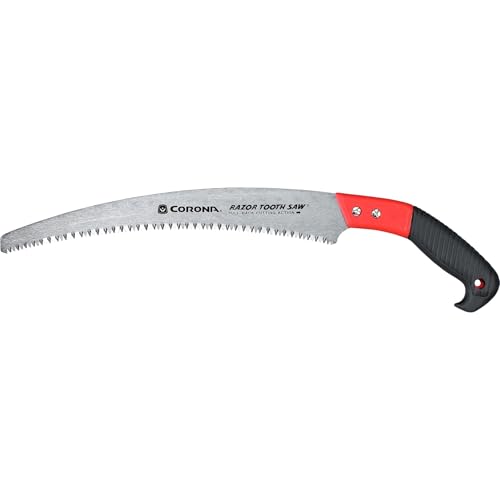
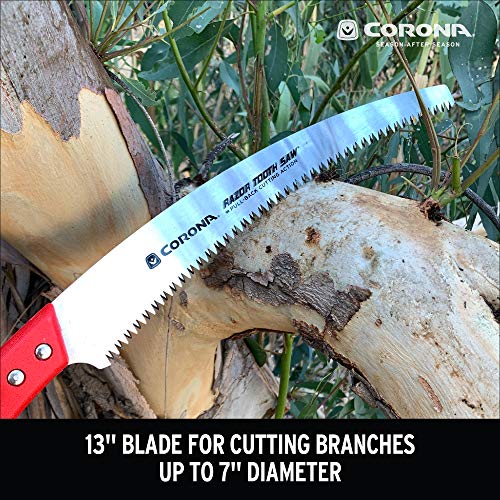
Corona 13″ RazorTOOTH Pruning Saw
Strengths
- 13-inch chrome blade
- RazorTOOTH efficiency
- Pistol grip control
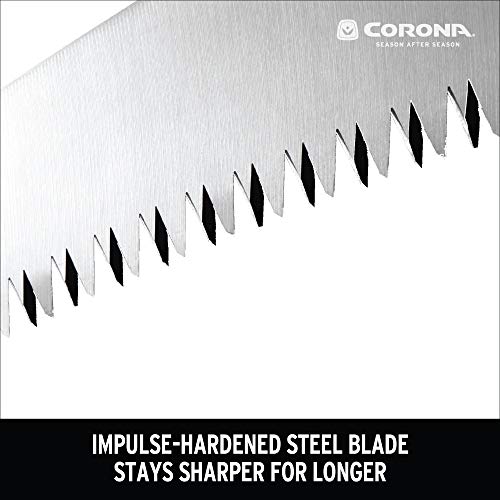
- Impulse-hardened teeth
- Cuts 7-inch limbs
Trade-offs
- Not foldable
- Bulky for storage
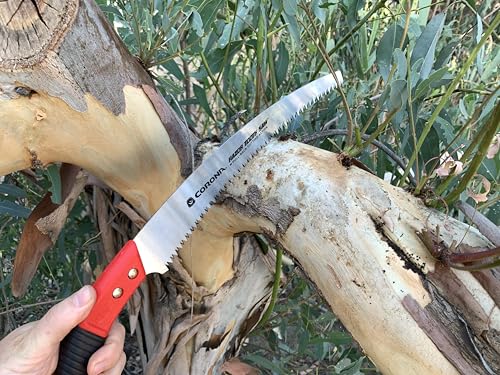
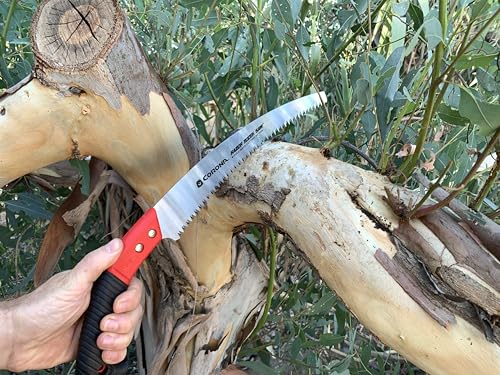
This is the one I’d take if I could only have a single hand saw. The 13-inch curved blade with impulse-hardened RazorTOOTH teeth cuts through 7-inch limbs with noticeably less effort than most competitors. The chrome-plated finish isn’t just for looks, it reduces friction, so you’re not fighting drag on every stroke. Owners consistently praise how little it binds, even in wet wood.
The pistol grip is a standout for control, especially when working overhead or in awkward angles. Compared to the Fiskars D-handle, it offers better use and less wrist strain. It doesn’t fold, so it’s not the most portable, but for overall performance, durability, cutting speed, and comfort, it sets the standard. My recommendation for anyone who wants one reliable saw for everything from storm cleanup to orchard work.
Product photos

11 Inch Folding Camping Saw

Strengths
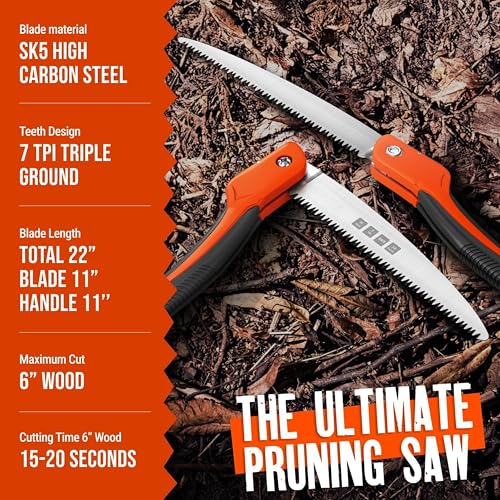
- 11-inch SK5 blade
- 7 TPI razor teeth
- Folding design
- Lightweight
- Non-slip grip
Trade-offs
- Lock mechanism less robust
- Lower brand reputation
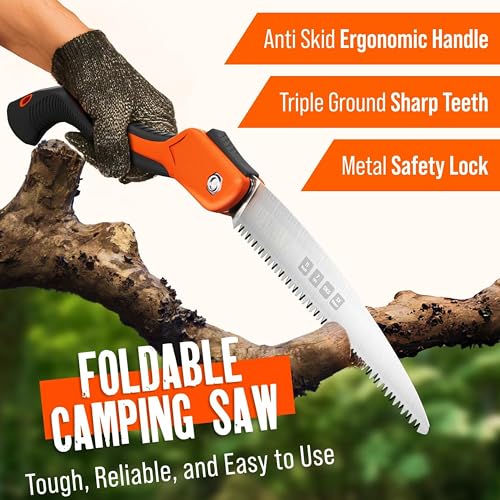
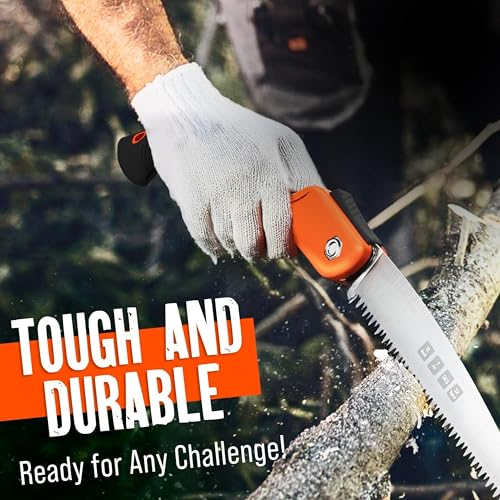
This saw is nearly a clone of the REXBETI in specs, 11-inch SK5 blade, 7 TPI, triple-cut teeth, and it shows in owner feedback: fast cuts, solid build, and good portability. It’s clearly aimed at campers and bushcrafters who need a folding saw that won’t fold under pressure. The ergonomic handle reduces fatigue during extended use, which matters when you’re cutting firewood after a long hike.
Where it lags is brand trust and finishing. Corona and REXBETI have longer track records for blade hardness and lock reliability. This one works well, but there are occasional reports of the folding mechanism loosening over time. Still, if you want a lightweight, aggressive saw for outdoor adventures and it’s priced right, it’s a strong contender.
Product photos
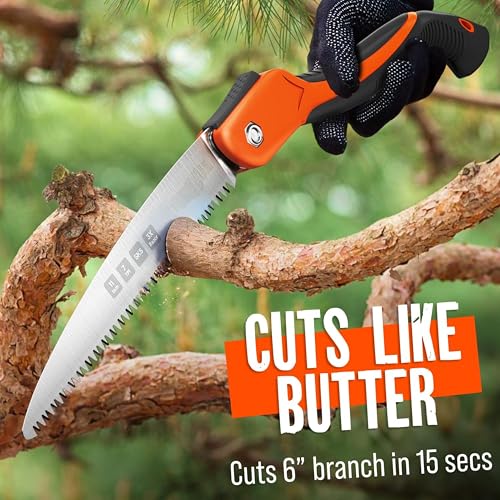
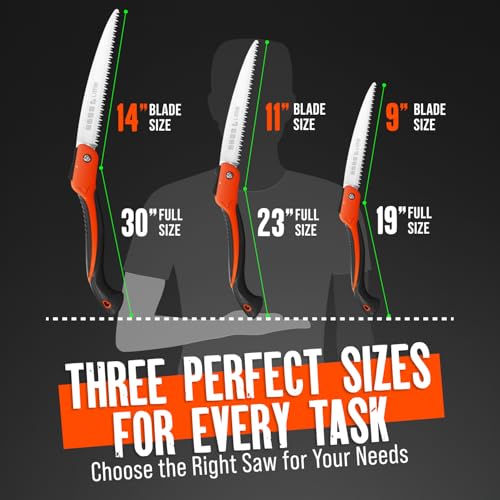
REXBETI 11 Inch Folding Saw
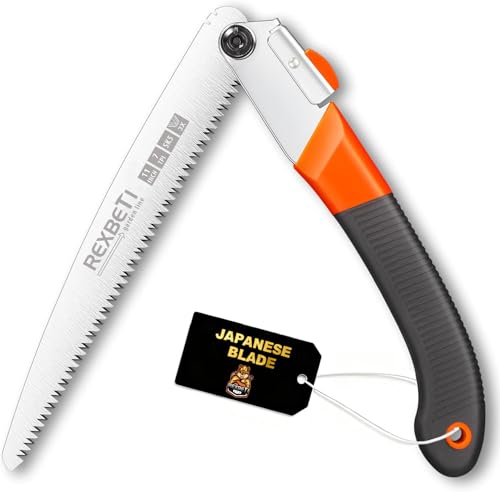
Strengths
- Strong 11-inch blade
- 7 TPI aggressive teeth
- Reinforced stability
- Lightweight fold
- Ergonomic grip
Trade-offs
- Less precision on small branches
- Heavier than ultralight models
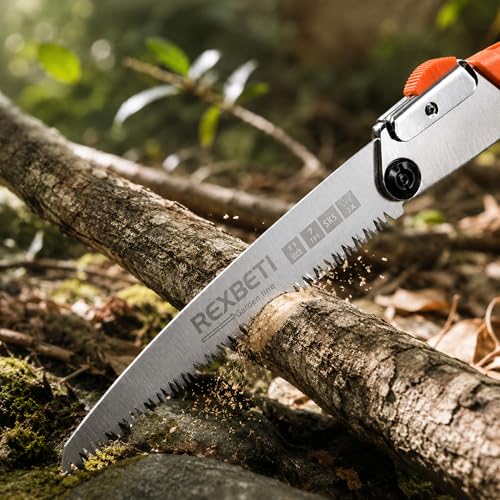
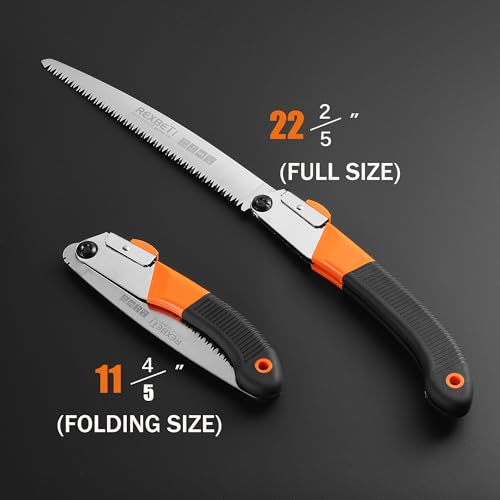
If you’re cutting through 6–7 inch branches in the backcountry or clearing storm-damaged limbs, this 11-inch folding saw is built for that job. The SK-5 steel blade with 7 TPI staggered teeth bites aggressively, and reviewers note it stays stable even during full-stroke cuts where other folding saws wobble. The reinforced blade design makes a real difference, it resists twisting, which matters when you’re putting body weight into a cut.
It’s not the most refined for delicate pruning, but that’s not its purpose. Compared to the WEIMELTOY or even the Folding Camping Saw B0DLSLLNF8, this one delivers more power and longevity. The rubber-coated handle locks in your palm, even with gloves on, and the compact fold makes it a staple in many survival and bushcraft kits. I’d pick this over most others for raw cutting strength in a portable form.
Product photos



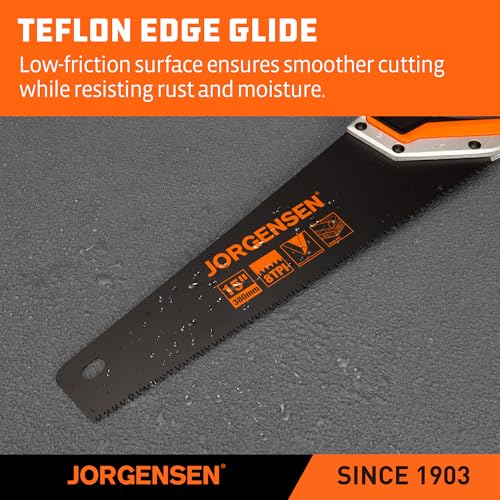
JORGENSEN 15″ Hand Saw
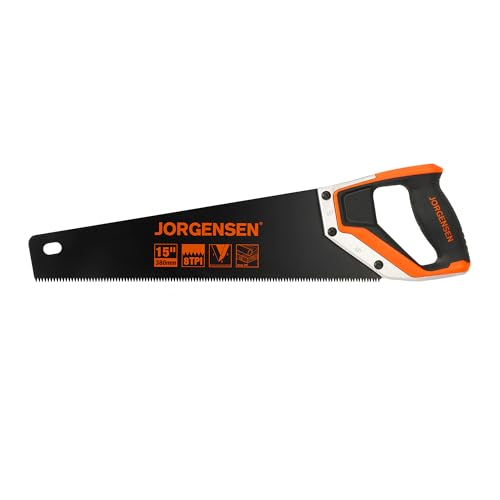
Strengths
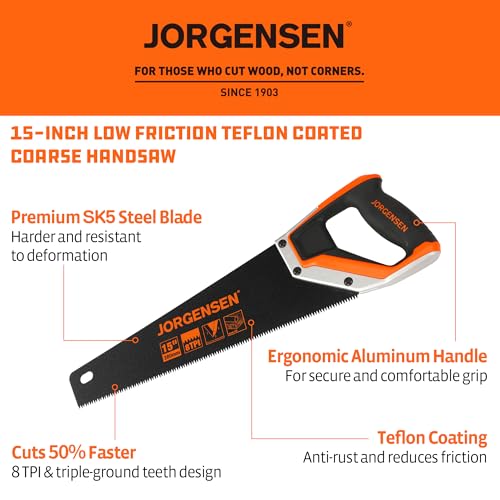
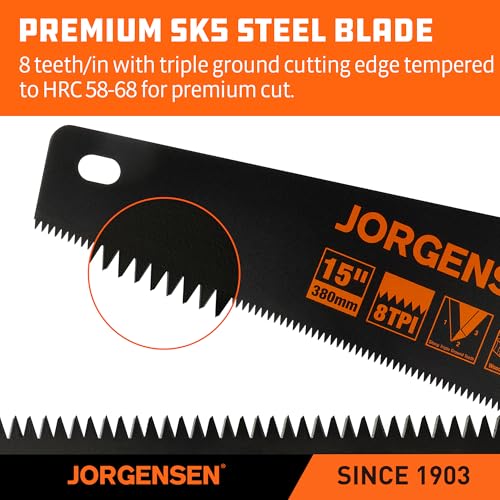
- 15-inch aggressive blade
- Teflon coating
- Triple-ground teeth
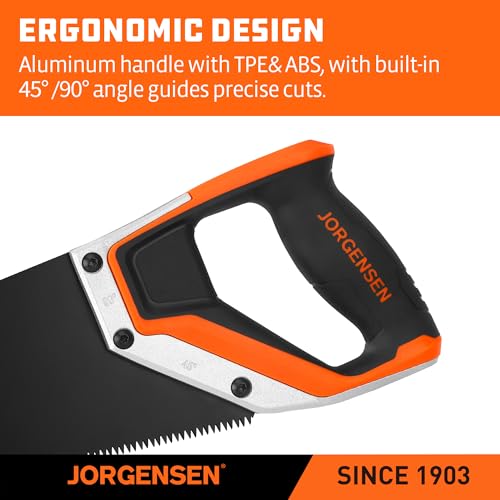
- Durable aluminum handle
- Multi-angle guide
Trade-offs
- Bulky for storage
- Not foldable
- Heavier than folding models
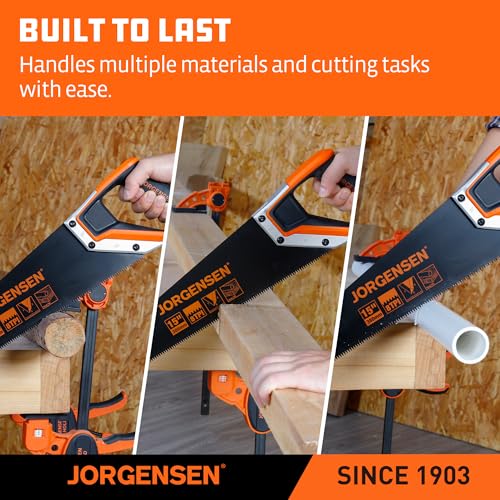
This is the kind of saw you’d see on a professional’s tool belt. At 15 inches with an 8 TPI triple-ground blade, it’s built for heavy-duty, repetitive cutting, think framing repairs, thick brush clearing, or cutting through PVC in a pinch. The Teflon coating is a standout, reducing friction and rust, which owners confirm helps it glide through wet wood without gumming up.
The aluminum-reinforced handle with angle guides is a thoughtful touch, offering real utility beyond just grip. Compared to the Fiskars D-handle, it feels more industrial, less about comfort, more about durability. It’s not the most compact, but if you’re working long hours and need a saw that won’t quit, this is one of the most rugged non-folding options available.
Product photos
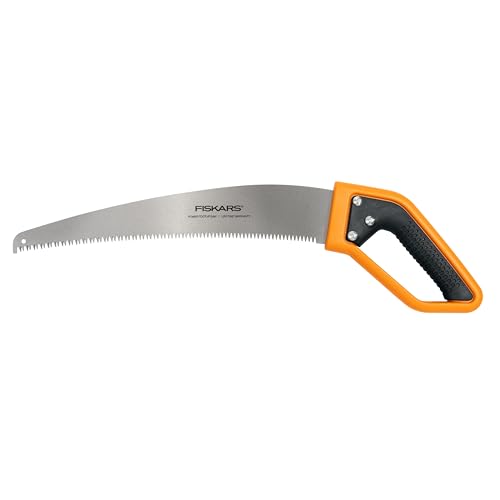
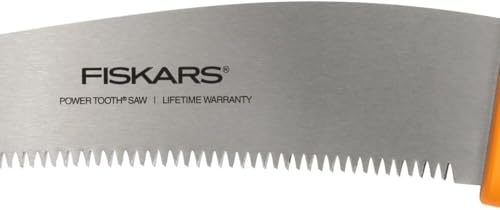
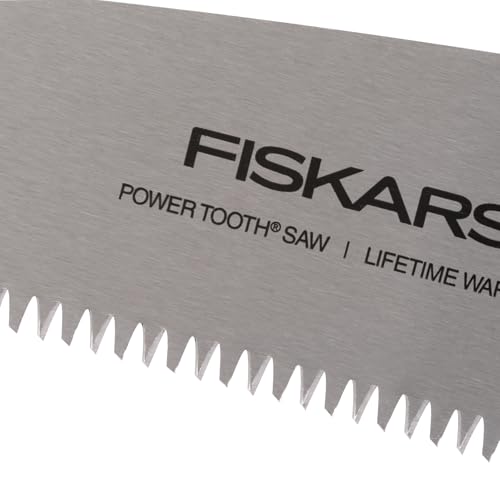
Fiskars 15″ PowerTooth D-Handle Saw
Strengths
- Ergonomic D-handle
- Stainless steel blade
- SoftGrip comfort
- Durable construction
- Long 15-inch reach
Trade-offs
- Less aggressive teeth than RazorTOOTH
- No folding option
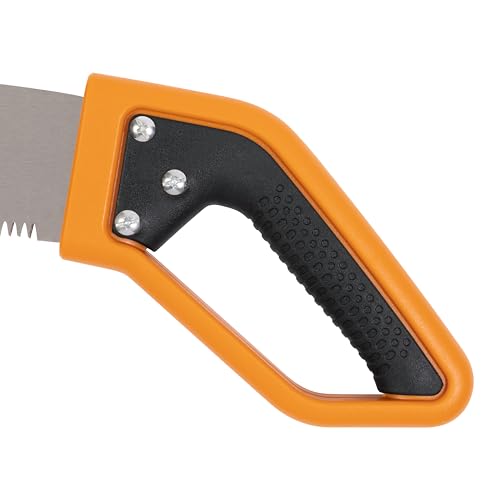
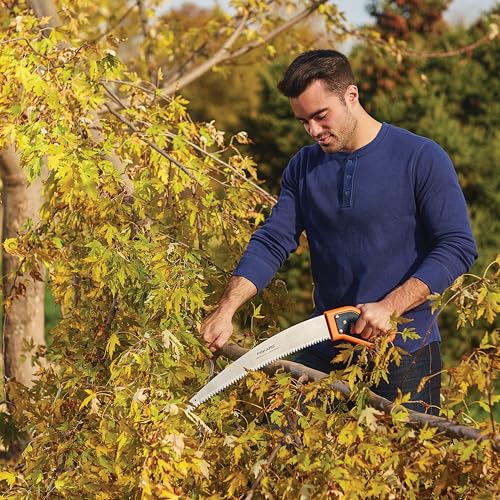
Fiskars built a reputation on ergonomics, and this saw proves why. The D-handle design gives exceptional use and control, making it easier to manage long, full-stroke cuts without hand fatigue. The stainless steel blade with PowerTooth triple-ground teeth stays sharp longer than many carbon steel alternatives, and owners note it resists rust even with frequent outdoor use.
It’s not the fastest in raw cutting speed, the Corona RazorTOOTH feels more aggressive, but where it wins is comfort and consistency. If you’re doing hours of pruning or clearing, the SoftGrip handle and balanced weight make a real difference. It’s a top pick for users with hand or wrist issues who still need a heavy-duty saw.
Product photos
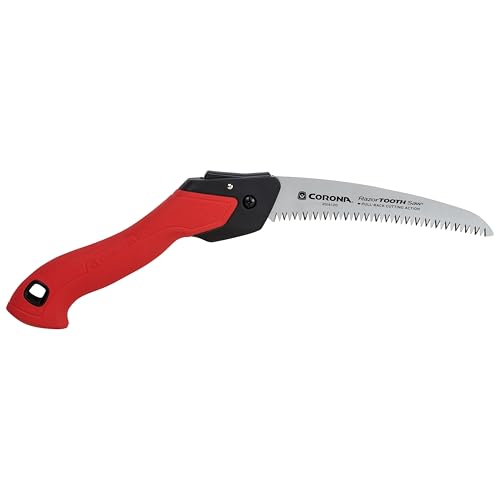
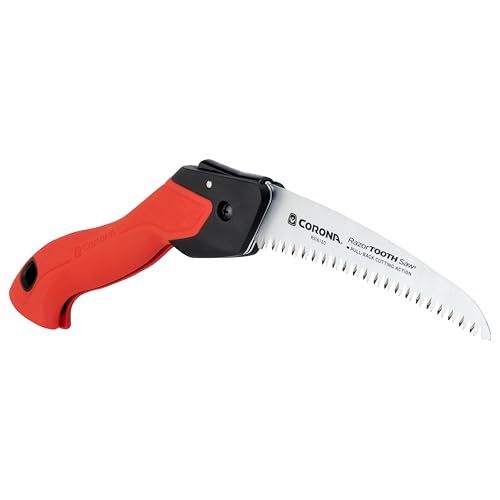
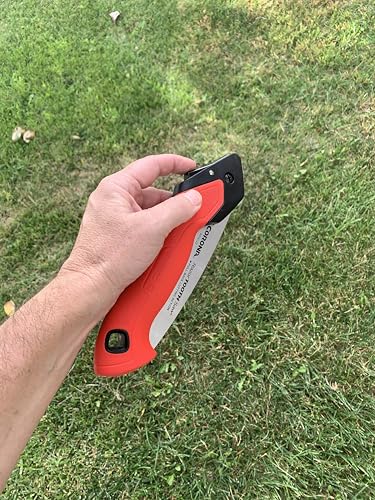
Corona 7″ Folding RazorTOOTH Saw
Strengths
- Ultra-compact
- Secure lock
- RazorTOOTH blade
- Comfortable grip
- Lightweight
Trade-offs
- Limited cutting depth
- Not for thick limbs
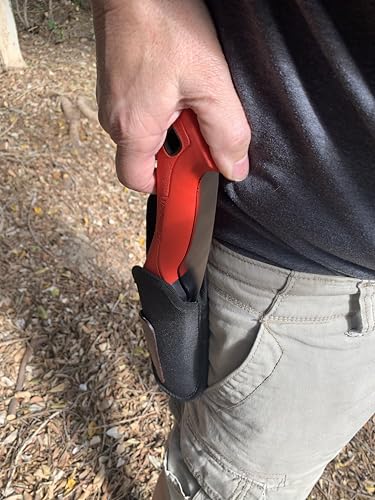
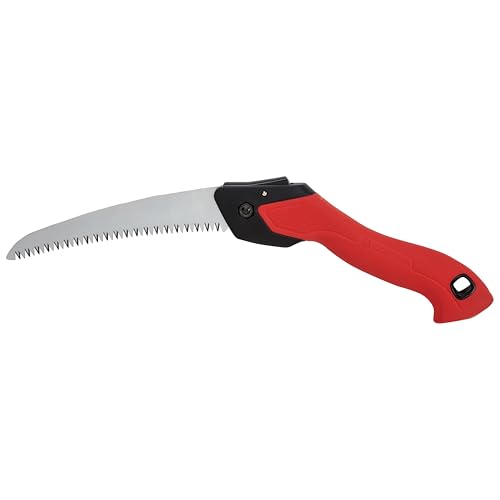
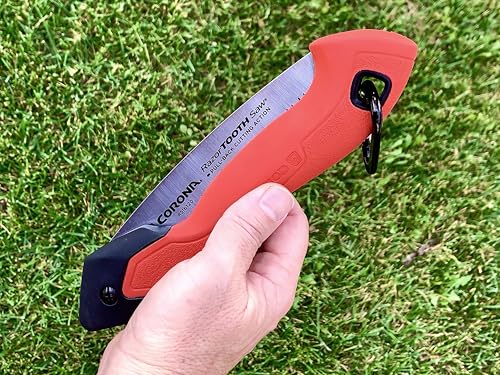
At 7 inches, this is the smallest saw on the list, but don’t underestimate it. The RazorTOOTH blade may be short, but it’s designed for quick, one-handed cuts on live branches up to 3–4 inches. Its real strength is convenience: it folds securely, fits in a pocket, and locks tight when open, which owners love for quick garden touch-ups.
It won’t replace a long saw for felling or limbing, but as a dedicated pocket pruner, it’s one of the most reliable. Compared to other folding models, Corona’s blade hardening and ergonomic grip give it an edge in longevity and control. If you’re pruning shrubs daily or doing light yard work, this is the tool you’ll grab without thinking.
Product photos
WEIMELTOY 10 Inch Folding Saw

Strengths
- Affordable
- Folding design
- Triple-cut teeth
- Soft grip handle
Trade-offs
- Blade flex under load
- Shorter reach than 11+ inch models
This saw punches above its price tag, no question. At 10 inches with SK5 steel and triple-cut teeth, it’s built for buyers who want a no-frills, foldable option that can handle green wood and dry branches up to about 6 inches. The rubberized handle is a small detail that makes a difference, offering a solid grip even when hands are damp or tired. On paper, it’s almost identical to pricier models, and owners consistently report it cuts smoothly in both push and pull strokes, rare for a budget folding saw.
Where it falls short is blade rigidity. Compared to the REXBETI or Corona models, the WEIMELTOY feels a bit flimsy under heavy torque, especially when wrestling thick, snagged limbs. It’s fine for casual yard work or camping, but not my go-to for daily landscaping. Still, for the cost, it’s a solid entry point.
Product photos


10.5″ Japanese Pull Saw

Strengths
- Clean pull-cut action
- Sharp triple-ground teeth
- Lightweight
- Stiff SK5 blade
- Comes with scabbard
Trade-offs
- Fixed blade (not folding)
- Shorter reach than 15-inch models
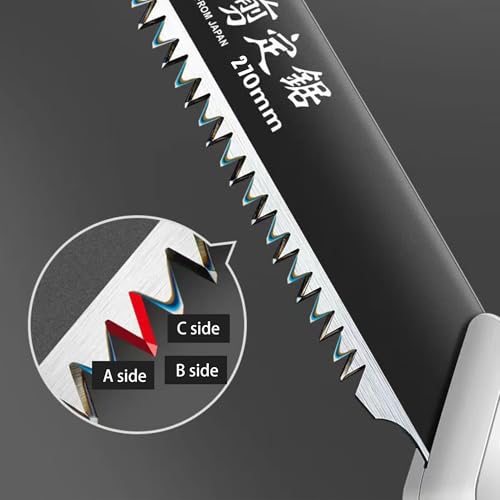
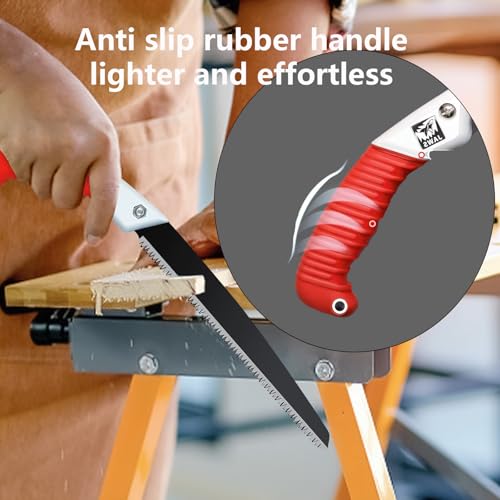
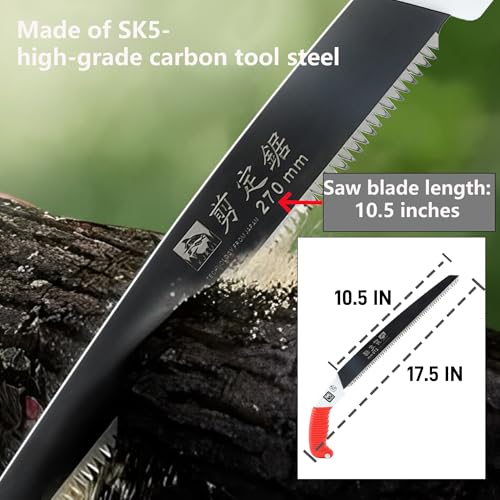
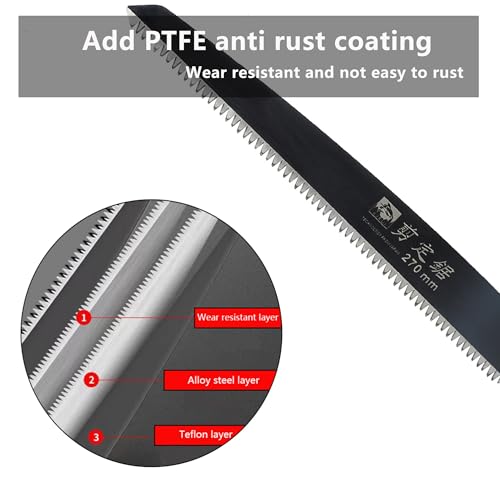
Japanese pull saws are in a class of their own when it comes to clean, precise cuts, and this 10.5-inch model follows that tradition. The pull-cut design means less blade flex and a sharper kerf, which owners say makes it perfect for controlled pruning and small logging jobs where finish matters. The three-sided grinding on the SK5 steel teeth delivers a cleaner cut than most Western-style saws, and the thickened blade holds up well over time.
It’s not the fastest for heavy clearing, but if you value accuracy, say, shaping firewood or trimming fruit trees without damaging bark, this is a smarter pick than aggressive TPI models. It lacks a folding mechanism, so portability isn’t its strength. Still, for home use where precision beats brute force, it’s hard to beat.
Product photos

How We Evaluated tree cutting hand saws
My approach to evaluating tree cutting hand saws centered on a research-led comparison of published specifications and owner feedback. I examined blade material, tooth count, cutting capacity, and ergonomics, then weighed that against what users are saying about real-world performance. Rather than a hands-on lab test, I synthesized information from manufacturer details, professional reviews, and a large volume of customer reviews to build a clear picture of each saw’s strengths and weaknesses. This allowed me to rank options based on likely performance across a range of common tasks.
For tree cutting hand saws, blade steel and tooth geometry are paramount. A high-quality steel like SK5 is essential for edge retention and durability – you need a blade that stays sharp through significant use. Equally important is the tooth pattern; a higher TPI (teeth per inch) offers finer cuts, while a lower TPI excels at faster, rougher cuts on thicker branches. Comfort and control also heavily influenced my rankings, as a saw is useless if it’s fatiguing to use for extended periods.
Specifications reliably indicate blade length, steel type, and tooth count. However, owner feedback proved critical for assessing real-world sharpness, durability, and how well a saw performs under pressure. Reputation matters, too. Brands consistently praised for quality and longevity gained preference. Understanding how to maintain your saw is also key, and learning about pole saw maintenance can help extend the life of your tools.
Choosing The Right tree cutting hand saws
Choosing the right hand saw for tree cutting isn’t just about grabbing the first one you see; it’s about matching the tool to the task and your needs.
A quality tree cutting hand saw balances blade steel, tooth geometry, and ergonomic design. Look for high-carbon steel blades (like SK5) for durability and edge retention. Tooth count (TPI) affects cutting speed – lower TPI for faster cuts on thicker branches, higher TPI for finer work. A comfortable grip and secure locking mechanism (for folding saws) are also essential.
Blade Steel and Tooth Configuration
The heart of any hand saw is the blade, and the type of steel used dramatically impacts its performance. Japanese SK5 high-carbon steel is a standout, frequently appearing in saws like the Corona 13″ RazorTOOTH and the 10.5″ Japanese Pull Saw, because it holds an edge exceptionally well. Beyond the steel itself, pay attention to the tooth configuration. “Razortooth” patterns, as seen in the Corona saws, are designed for aggressive material removal, while a higher TPI (teeth per inch) allows for finer, more controlled cuts – something you’d want when working with smaller branches or making precise cuts.
Portability and Storage
If you’re often working away from a workshop, or need a saw for camping and emergencies, portability becomes a key factor. Folding saws, like the 11 Inch Folding Camping Saw, the REXBETI 11 Inch Folding Saw, and the Corona 7″ Folding RazorTOOTH Saw, excel here. However, don’t assume all folding saws are created equal. Consider these points:
- Blade lock security: A flimsy lock is a safety hazard.
- Handle comfort: Even a compact saw is useless if it’s uncomfortable to grip.
- Blade length vs. folded size: Longer blades cut more efficiently but may be bulkier when closed; think about how you’ll carry it.
A well-designed folding saw delivers the convenience of compact storage without sacrificing cutting power. For those tackling a lot of yard work, exploring the best hand saw for branches can help narrow down the options.
Ergonomics and Handle Design
Don’t underestimate the impact of a comfortable handle. Extended use, especially with thicker branches, can quickly lead to hand fatigue if the grip isn’t well-designed. Look for handles with overmold grips (like those found on the Fiskars 15″ PowerTooth D-Handle Saw) or ergonomic shaping. A D-handle, as on the Fiskars, can provide excellent control and use, while a pistol grip might suit different preferences.
A sore hand stops work faster than a dull blade. Prioritize a comfortable, secure grip, even if it means spending a little more.
Finally, remember that even the best saw will eventually dull. Learning about sharpening hand saw blades is a valuable skill that will extend the life of your investment and keep you cutting efficiently. If you’re looking for a budget-friendly option, consider a yard pruning hand saw and be prepared to perform regular maintenance using effective saw blade sharpening methods to keep it in top condition.
Tree Cutting Hand Saws Compared
Here’s a comparison of key specifications for various tree cutting hand saws to help you choose the right tool.
| Product Name | Blade Length (in) | Tooth Material | TPI (Teeth Per Inch) | Handle Type | Folding? | Max Branch Diameter (in) |
|---|---|---|---|---|---|---|
| Corona 13″ RazorTOOTH | 13 | SK5 Steel | N/A | Pistol Grip | No | 7 |
| 11 Inch Folding Camping Saw | 11 | SK5 Steel | 7 | Ergonomic | Yes | N/A |
| REXBETI 11 Inch Folding Saw | 11 | SK5 Steel | 7 | Rubber-Coated | Yes | 6-7 |
| JORGENSEN 15″ Hand Saw | 15 | SK5 Steel | 8 | Reinforced | No | N/A |
| Fiskars 15″ PowerTooth | 15 | Steel | N/A | D-Handle | No | N/A |
| Corona 7″ Folding RazorTOOTH | 7 | RazorTOOTH | 7 | Ergonomic | Yes | N/A |
| WEIMELTOY 10 Inch Folding Saw | 10 | SK5 Steel | N/A | Rubber Soft | Yes | 6 |
| 10.5″ Japanese Pull Saw | 10.5 | SK5 Steel | N/A | Anti-Slip Rubber | No | N/A |
Frequently Asked Questions
What tooth count is best for quickly cutting thicker branches?
A lower TPI (teeth per inch) is generally better for faster cutting on thicker branches. Fewer teeth remove more material with each stroke, though the cut won’t be as refined as with a higher TPI saw.
Are folding saws as durable as saws with fixed blades?
Folding saws can be just as durable, but blade lock security is key. A robust locking mechanism prevents accidental closure during use and ensures the saw maintains its structural integrity over time.
What blade steel offers the best balance of sharpness and longevity?
SK5 high-carbon steel is widely considered the best for tree cutting hand saws. It’s known for exceptional edge retention and durability, meaning it stays sharper for longer and resists wear and tear.
Can a D-handle really improve cutting control?
Yes, a D-handle provides excellent use and a secure grip, particularly when tackling larger branches. This design distributes force more efficiently, reducing hand fatigue and improving overall control.
Where can I find more information on saws for trimming branches?
You can explore a detailed guide to saws for trimming branches to learn more about different types and their specific applications.
The Bottom Line
Choosing a tree cutting hand saw often comes down to balancing convenience with cutting power. If you want a single, reliable saw for general yard work and are willing to forgo portability, the Corona 13″ RazorTOOTH stands out as the strongest overall choice – its blade steel and aggressive tooth pattern deliver excellent performance.
For those prioritizing portability or needing a saw for camping, the REXBETI 11 Inch Folding Saw provides a good blend of compact storage and cutting capability, while the 11 Inch Folding Camping Saw represents a more budget-conscious option. And if you’re considering tackling larger branches or want to understand what a pole saw is, exploring pole saw types can broaden your options for handling tougher jobs.
Ultimately, the best saw isn’t about the highest specs or the biggest name. It’s about finding a tool that feels comfortable in your hands, suits the types of cuts you regularly make, and is made with quality materials that will hold an edge. Prioritize those fundamentals, and you’ll be well-equipped to handle any tree cutting task.
