
7 Best Trash Compactors of 2026
This post contains affiliate links. As an Amazon Associate, we earn from qualifying purchases.
The Joseph Joseph Titan is the overall best trash compactor for most homes, combining smart design with reliable performance. For budget-conscious buyers, the Waste Smasher delivers solid value, while the NEWRTY 360L stands out as the top pick for larger wheelie bin setups.
Most people buy a trash compactor hoping to cut down on overflowing bins and endless trips to the curb, only to end up with a flimsy tool that breaks or barely works. The real challenge isn’t just finding one that fits your bin, it’s choosing a model that actually handles daily use without hassle.
In this guide, I break down the top options based on build quality, compaction power, and real user feedback. These picks weren’t chosen from marketing blurbs, but from analyzing specs and digging into what owners say about durability and ease of use. Whether you need something for a small kitchen or a heavy-duty outdoor bin, I’ll help you find the right fit.
Top 7 Trash Compactors in the Market
The Best Trash Compactors, Reviewed
Joseph Joseph Titan Trash Compactor
Strengths
- Odor-filtering lid
- Foot pedal compaction
- Durable 10-year build
Trade-offs
- Fixed bin design
- Higher upfront cost
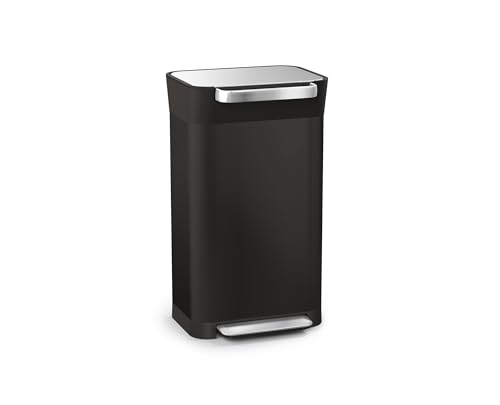
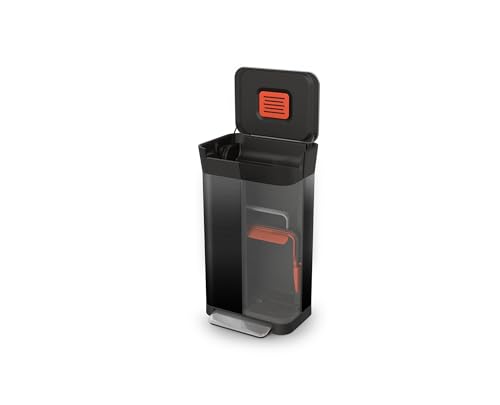
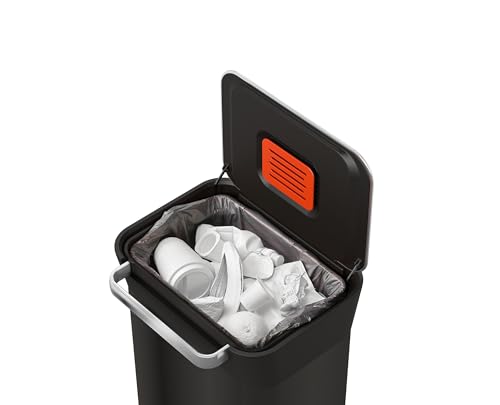
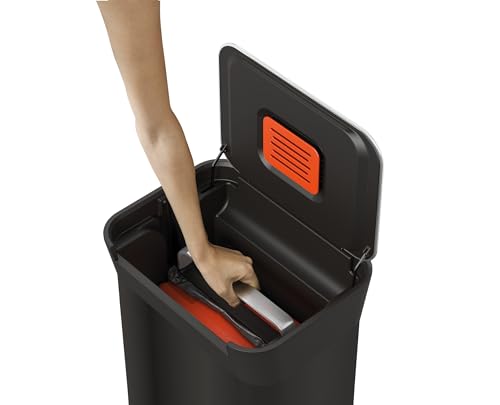
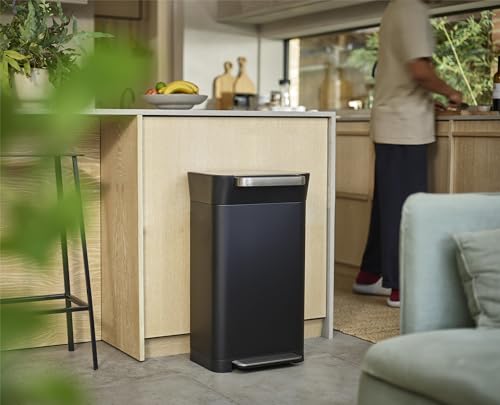
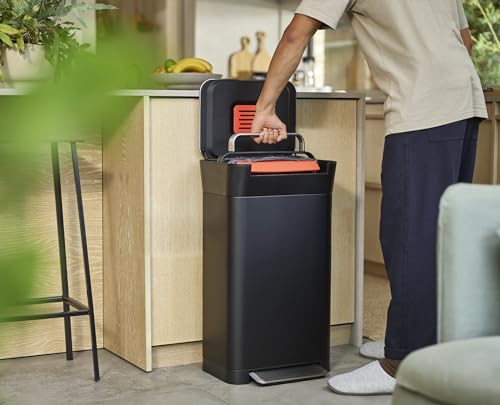
This isn’t just a compactor, it’s a complete bin system that integrates compaction, odor control, and liner protection into one smart design. The foot pedal mechanism delivers up to 3x compaction, which means you’re truly getting 90L of equivalent capacity from a 30L footprint. That’s a big deal for households tired of taking out the trash every few days.
Owners praise how clean and hygienic it feels, only the liner touches the waste, so your hands and the bin stay clean. The carbon odor filter is a small but meaningful touch, especially in kitchens. And with a 10-year guarantee and 100,000-cycle testing, the build quality feels trustworthy. While it’s pricier than standalone tampers, it replaces the entire trash can, making it the most complete solution on this list. For most households, this is the smarter buy.
Product photos
Waste Smasher Hand-Held Compactor

Strengths
- Dishwasher safe
- Budget priced
- Space-saving hook
Trade-offs
- Plastic construction
- Less durability
- Limited pressure
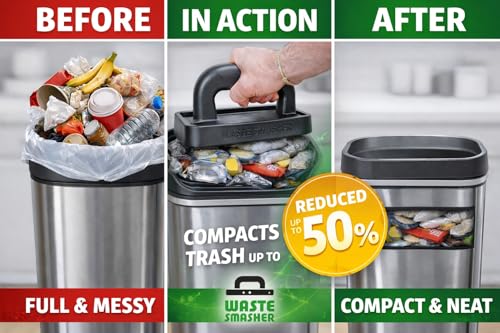
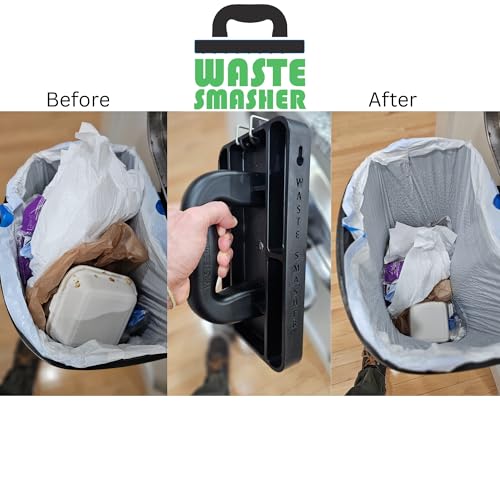
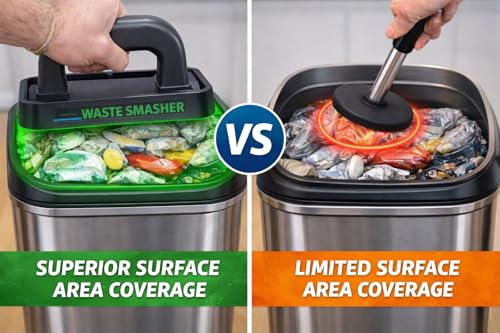
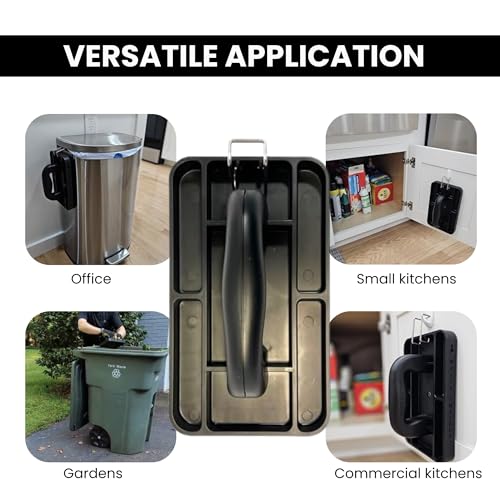
This is the most budget-friendly option here, and it shows, it’s made from recycled plastic, not metal. But don’t dismiss it too quickly. For light kitchen use, it does the job. The ergonomic grip and built-in hook make it convenient to store right on the bin, and being dishwasher safe is a real perk for hygiene.
It claims up to 50% volume reduction, which matches what most owners report for soft waste like paper and food scraps. But it’s not built for heavy loads or frequent use, if you’re crushing cans or cardboard daily, this likely won’t last. Still, for renters or those testing the idea of compaction without investing much, it’s a low-risk starting point. Just don’t expect it to replace a metal unit long-term.
Product photos

BINGOX Manual Wheelie Bin Compactor
Strengths
- High-pressure compaction
- Adjustable height
- Padded grip handle
Trade-offs
- No mounting option
- Slight wobble at full extension
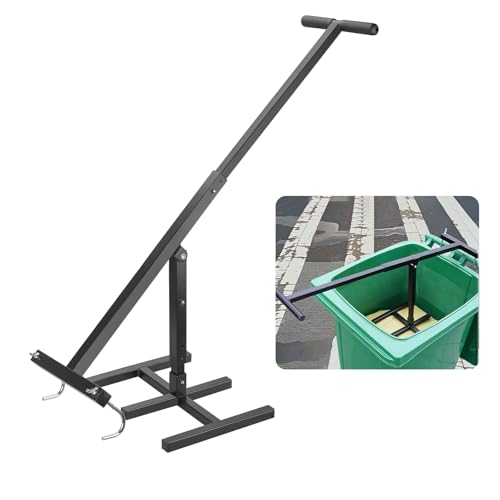
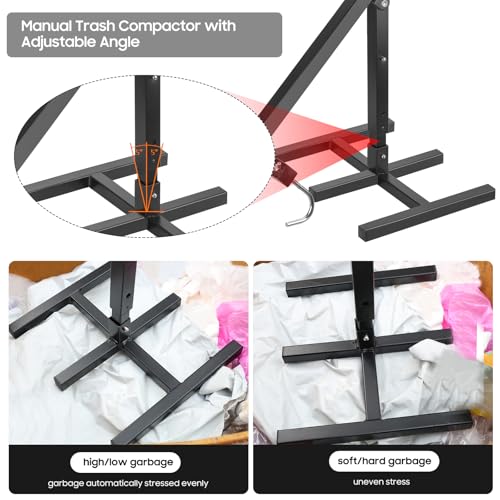
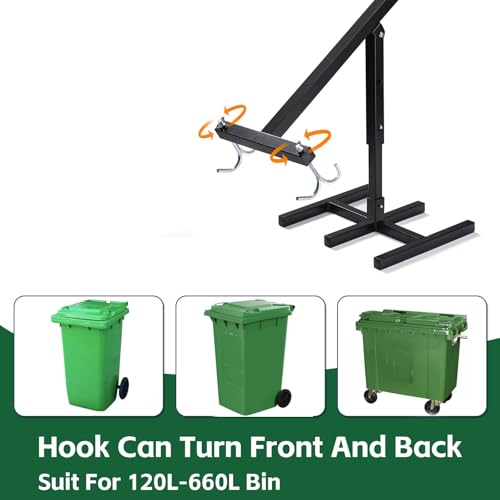
This is a solid performer for outdoor waste management, especially if you’re dealing with 120–660L wheelie bins. The rustproof iron construction and 100kg of applied pressure mean it can crush down cardboard, yard waste, and mixed trash effectively. The 35.4-inch handle gives good use, and the padded grip reduces hand fatigue, a detail that matters when you’re compressing full bins weekly.
It adjusts slightly more than some competitors, from 9.8 to 15.75 inches, giving it an edge in versatility. Owners note it’s easy to store thanks to its freestanding design, and the touchless operation keeps things clean. While it doesn’t bring anything revolutionary, it hits all the right notes for durability and function. Between this and the Heavy Duty Iron model, I’d lean toward this one for slightly better adjustability and comfort.
Product photos
NEWRTY 360L Wheelie Bin Compactor
Strengths
- 3-position height lock
- Wide rotating plate
- Hook-to-bin stability
Trade-offs
- Limited to 360L bins
- No compatibility with smaller cans
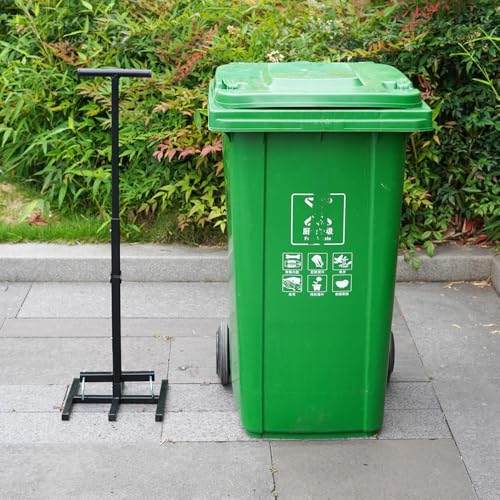
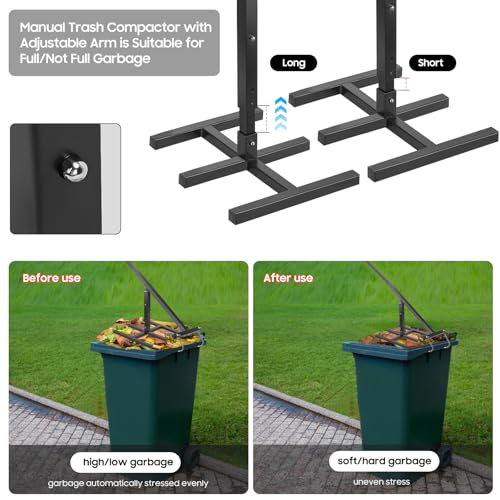
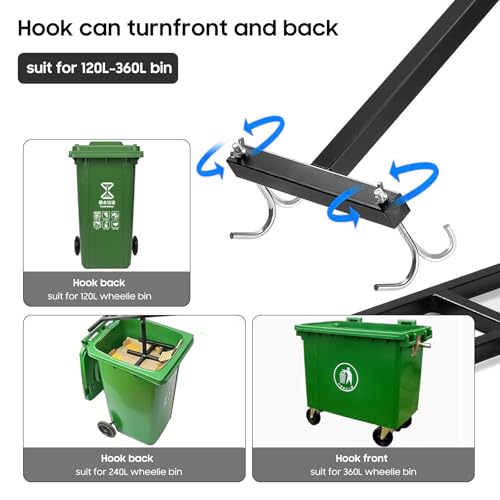
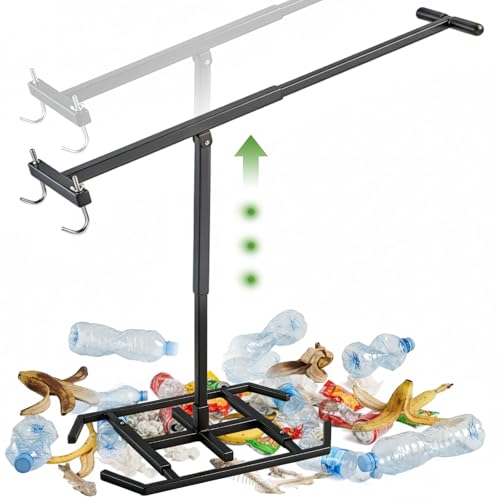
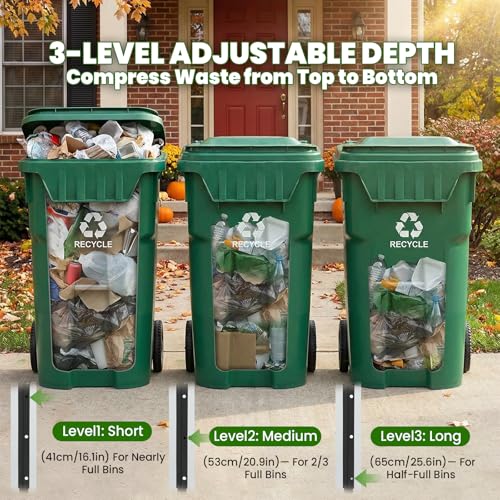
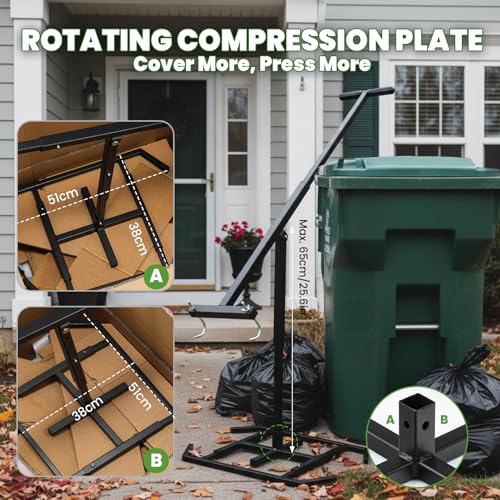
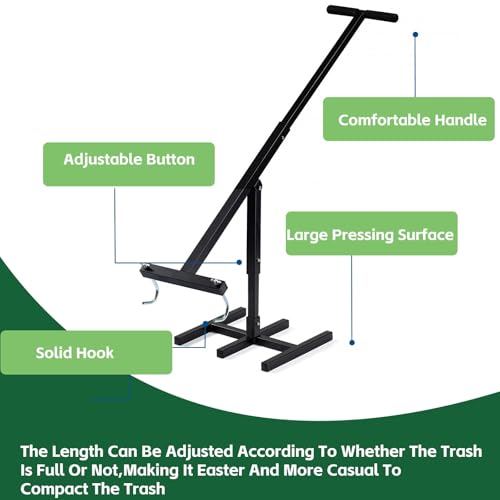
The standout here is the 3-level adjustable lever with spring-ball locking, a thoughtful upgrade over simple telescoping designs. It lets you keep compacting as the bin fills, which solves a common frustration with fixed-length tampers. The 38×51cm rectangular plate covers more surface area than round tampers, so it’s more effective on bulky items like flattened boxes or yard waste.
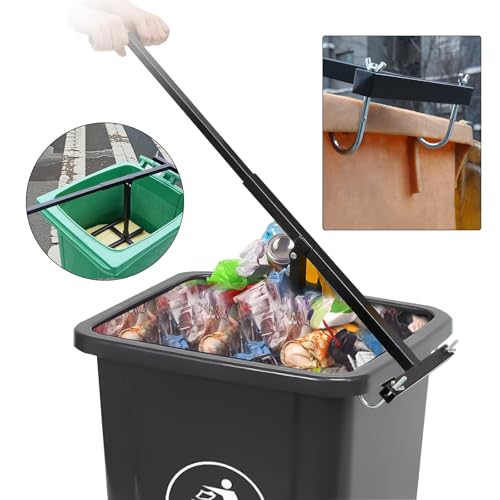
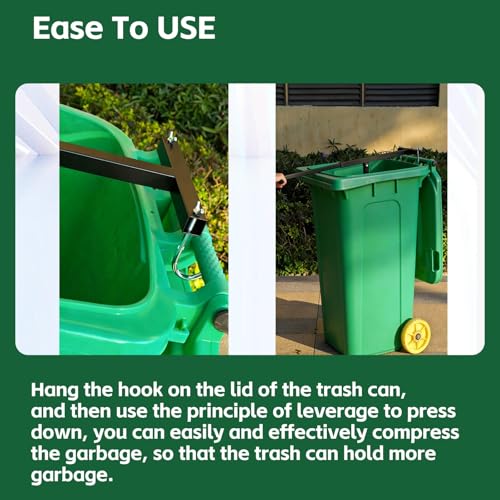
It’s specifically made for 360L bins, so it’s not as universally compatible as some others, but that focus pays off in stability. The hook secures firmly to the bin rim, and the anti-slip handle makes pressing smooth. Owners note it’s easy to hang after use, thanks to its flat profile. Among adjustable models, this one feels the most refined, especially if you hate fighting a wobbly compactor at the bottom of a full bin.
Product photos

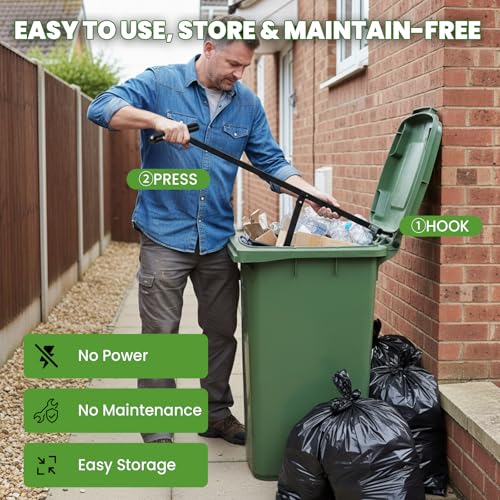
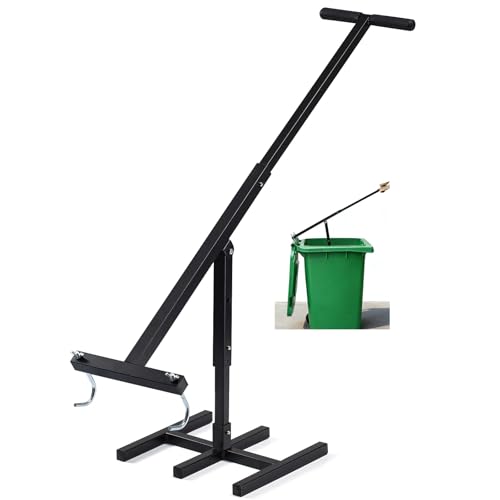
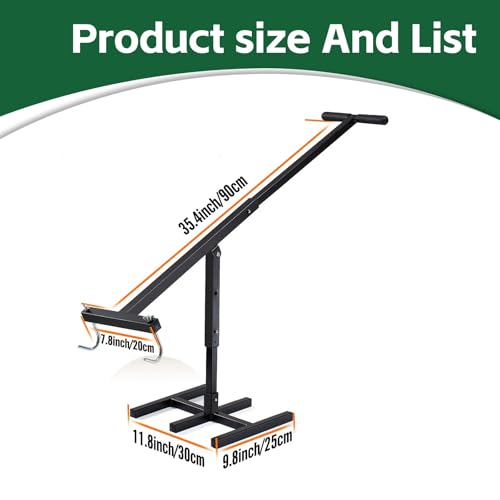
Heavy Duty Iron Touchless Compactor
Strengths
- Heavy-duty iron build
- Long handle for hygiene
- Fits large bins
Trade-offs
- Bulky for indoor storage
- Higher price point
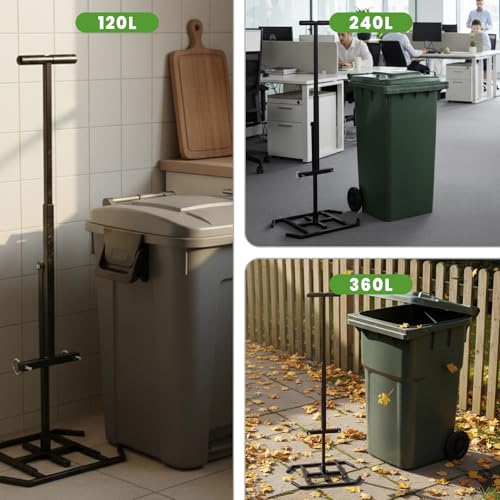
If you’re managing large bins, especially outdoors or in a commercial setting, this forged iron compactor is built like a workhorse. The industrial-grade construction and rust-resistant finish mean it’s designed to survive harsh conditions, and reviewers in property management and landscaping note it holds up after repeated use. The wide pressing plate and long handle keep you completely clear of mess and odors, which matters when dealing with full dumpsters.
It adjusts between 11.8 and 15.5 inches, so you can fine-tune it for different waste densities. While it’s overkill for a kitchen, it excels where volume and durability are key. Compared to lighter models, this one delivers more consistent use, especially in 32–175 gallon bins. I’d pick this over plastic or shorter models if you’re emptying bins less often and need something that won’t bend under pressure.
Product photos
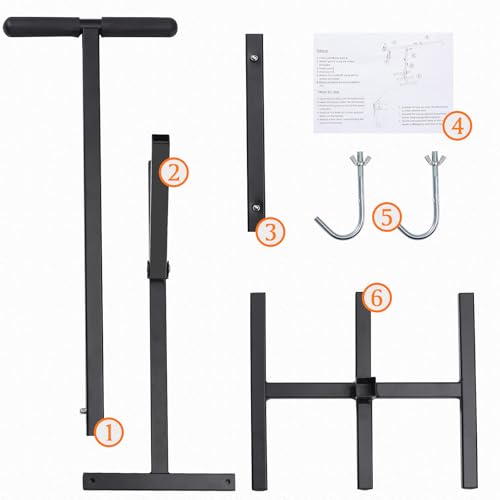
All-Metal Manual Trash Tamper
Strengths
- Detachable for storage
- All-metal build
- Ergonomic standing use
Trade-offs
- Shorter reach than full-size models
- Assembly required
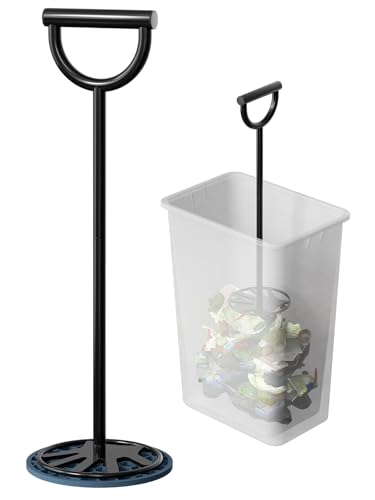
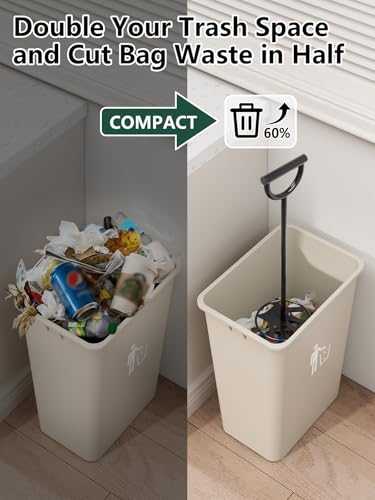
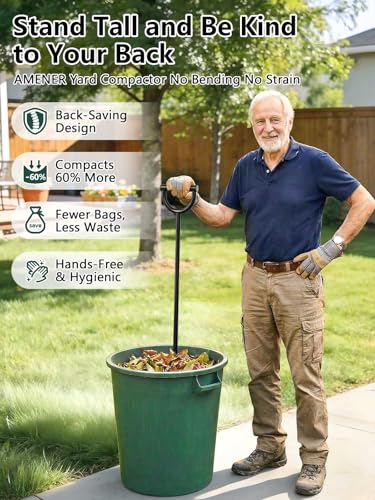
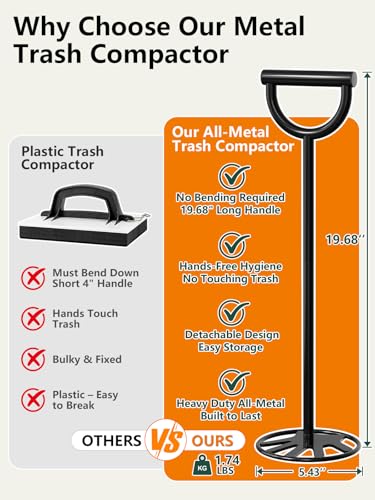
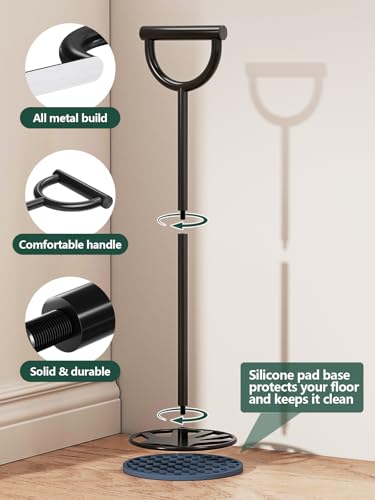
This model is nearly identical in concept to the 30-inch all-metal compactor, but with a slightly shorter 19.68-inch rod and a detachable design. That makes it more versatile for storage, you can take it apart and tuck it into a cabinet. The all-metal build again promises longevity, and the silicone base keeps it stable when standing upright.
What sets it apart is the emphasis on ergonomics for users with mobility issues. You can compact trash while standing straight, which is a real benefit for those with back or knee problems. It doesn’t offer more power than others, but the focus on accessibility gives it a clear niche. Compared to bulkier models, this one strikes a good balance between function and space-saving design.
Product photos
30″ All-Metal Kitchen Compactor
Strengths
- All-metal construction
- No bending required
- Easy to clean
Trade-offs
- Limited reach for deep bins
- Not ideal for heavy outdoor use
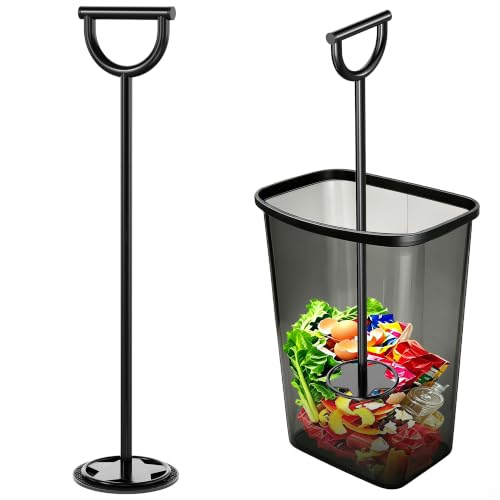
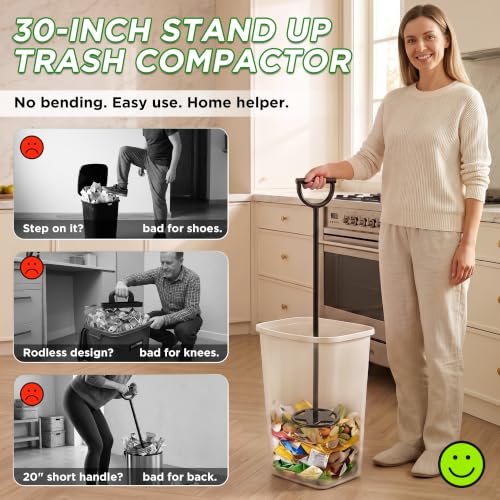
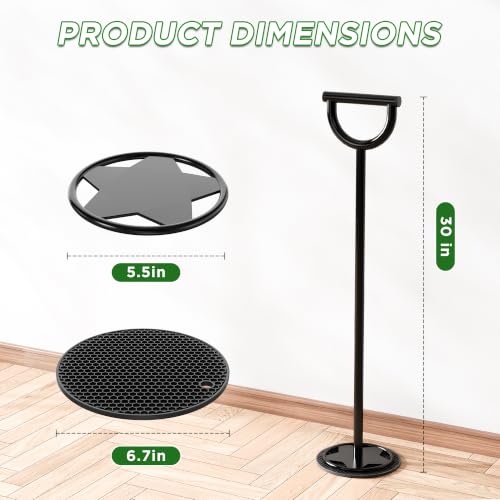
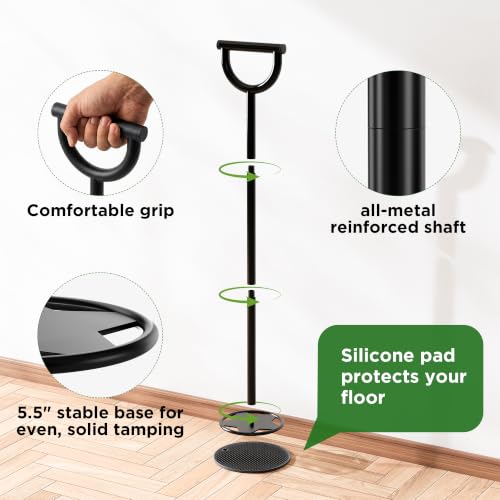
This manual compactor stands out for everyday kitchen use because of its simple, upright design that lets you compress trash without bending or stepping on the bag. At 30 inches tall, it hits the sweet spot for most users who want to save their back and keep things hygienic. The all-metal build suggests it should hold up well over time, and owners consistently report it handles typical household waste like cans, packaging, and food scraps without issue.
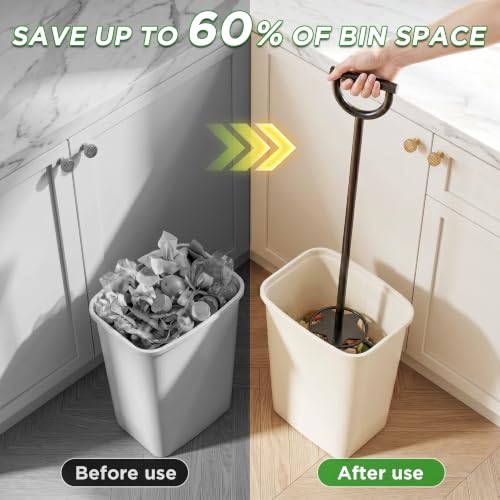
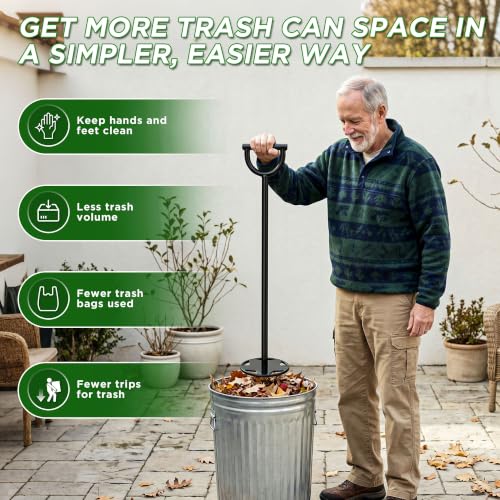
Where it really shines is convenience, you can just rinse it off after use and stand it upright on its silicone base. It’s not the most powerful compactor here, but for most kitchens, that extra 50% volume reduction is enough to cut down on bag use and trips to the bin. It won’t work as well for large outdoor carts, but that’s not what it’s built for.
Product photos
How We Picked These trash compactors
Rather than a hands-on lab test, my research for these recommendations involved a detailed comparison of published specifications and features across numerous models. I weighed owner reviews from multiple sources – including major retailers and dedicated review sites – alongside assessments from reputable experts in home organization and waste management. This allowed me to build a ranking based on real-world feedback and objective data, looking at how well each compactor performs its core function.
For trash compactors, the most important factors ultimately came down to build quality and compaction effectiveness. A robust construction, especially for outdoor or heavy-duty use, ensures longevity and consistent performance. Equally critical is the ability to genuinely reduce trash volume; a compactor that doesn’t significantly minimize waste isn’t providing much value. I also considered ergonomics and ease of use, as a difficult-to-operate compactor won’t get used regularly. You’ll find many of the top garbage compactor units address these points.
Specifications reliably reveal construction materials and size limitations, but owner feedback was essential for gauging real-world durability and ease of use. Reviews helped me identify potential issues like flimsy handles or difficulty with certain bag types. Reputation played a role, too; brands consistently praised for quality and customer service received more consideration. Ultimately, the goal was to identify models offering the best blend of features, performance, and value, as detailed in our guide to recommended home compactor models.
How To Choose The trash compactors
Choosing the right trash compactor can significantly reduce the frequency of trips to the curb, lower waste disposal costs, and even lessen your environmental impact.
A good trash compactor efficiently reduces waste volume, is built to withstand regular use (especially for manual models), and suits the type and amount of trash generated. Key considerations include compaction force, bin compatibility, and ease of use. Look for durable materials and designs that prioritize hygiene and convenience.
Compaction Method & Force
The way a compactor works is the biggest differentiator. You’ll find everything from hand-held units to foot-pedal operated models and larger, manually-used options for wheelie bins. Hand-held compactors, like the Waste Smasher, are best for smaller volumes and quick compressions, but require more effort. Lever-action models, such as the NEWRTY 360L, offer greater force and are better suited for larger bins. What you need depends on your typical trash volume. Don’t overestimate your needs; a massive compactor for minimal waste is overkill, but undersizing means more frequent use and potentially less effective compaction.
Build Quality and Durability
This is where price and longevity intersect. Cheaper plastic models, while budget-friendly, are prone to cracking and breaking, especially with consistent use. Look for models constructed from heavy-duty materials like forged iron (as seen in the Heavy Duty Iron Touchless Compactor) or robust, recycled plastics. A long warranty is a good sign, but also pay attention to owner reviews mentioning how well the compactor holds up over time. I’ve seen too many inexpensive units end up in landfills themselves after only a few months.
Usability & Bin Compatibility
Don’t overlook how easy a compactor is to actually use. Consider your physical limitations; if bending over is difficult, a model with a long handle (like the 30″ All-Metal Kitchen Compactor) is a must. Also, carefully check bin compatibility. Some are designed for standard kitchen cans, while others, like the BINGOX, are specifically for larger wheelie bins.
Here’s what to think about when it comes to maximizing usability: * Handle Length: A short handle means more bending. * Footprint: Some models take up significant space when stored. * Lever Action: Smooth, multi-position levers (like on the NEWRTY) offer more control and efficiency. They allow you to adjust the compression force based on the type of waste.
A practical rule of thumb: Always measure your bin’s dimensions before purchasing a compactor, and confirm the model is compatible or adjustable to fit securely.
If you’re still unsure about which type is right for you, exploring different kitchen trash compactor models can give you a better idea of the available options and their features. Ultimately, the best compactor is the one that fits your needs, your space, and your budget. Many homeowners find the various best home trash compactors available offer a solid return on investment, both financially and in terms of convenience. And, don’t forget to compare top-rated kitchen compactors to see what other users are saying about their experiences with different brands and models, as well as assessing the overall quality of compact garbage units for kitchens.
Trash Compactors Compared
Here’s a comparison of key specifications for different trash compactors to help you choose the right one.
| Product Title | Capacity (Gallons) | Power Source | Material | Height Adjustability | Compression Ratio | Special Features |
|---|---|---|---|---|---|---|
| Joseph Joseph Titan Trash Compactor | 8-24 | Manual | Plastic | N/A | 66% | Odor Filter, Anti-Tear |
| Waste Smasher Hand-Held Compactor | N/A | Manual | Recycled Plastic | N/A | 50% | Dishwasher Safe |
| BINGOX Manual Wheelie Bin Compactor | 120-660 L | Manual | Iron | 9.8-15.75 in | N/A | 100kg Pressure |
| NEWRTY 360L Wheelie Bin Compactor | 360 L | Manual | Metal | 3 Positions | N/A | Adjustable Lever |
| Heavy Duty Iron Touchless Compactor | 120-660 L | Manual | Iron | 11.8-15.5 in | N/A | Long Handle |
| All-Metal Manual Trash Tamper | N/A | Manual | Metal | N/A | N/A | Hands-Free |
| 30″ All-Metal Kitchen Compactor | N/A | Manual | Metal | N/A | 50% | No-Bend Design |
Frequently Asked Questions
What compaction ratio should I expect from a manual trash compactor?
Most manual compactors offer a compaction ratio between 50% and 66%, meaning they can reduce the volume of your trash by that percentage. However, the actual ratio depends on the type of waste – softer materials compress more easily than rigid ones.
Are trash compactors suitable for all types of waste?
While effective for many materials, trash compactors aren’t ideal for everything. Avoid compacting hazardous waste, liquids, or very dense items like concrete or large metal objects. These can damage the compactor or pose a safety risk.
How do I determine the right size compactor for my needs?
Consider your household size and typical waste generation. For smaller households, a handheld or kitchen-sized compactor may suffice. Larger families or those with significant waste may benefit from a wheelie bin compactor.
What materials are the most durable for a trash compactor?
Forged iron and heavy-duty, recycled plastics are the most durable materials. These materials withstand repeated use and resist cracking or breaking, extending the compactor’s lifespan. Avoid models constructed entirely of flimsy plastic.
Can a trash compactor help with odor control?
Some models, like the Joseph Joseph Titan, include features like odor filters to help minimize unpleasant smells. Proper bag sealing and regular cleaning are also essential for controlling odors, regardless of the compactor type. If you’re also concerned about keeping your car tires properly inflated, you might consider investing in portable car air compressors.
The Bottom Line
Choosing a trash compactor really comes down to balancing convenience with effort. If you’re willing to put in a little muscle, you can save a lot of money and get excellent compaction with a manual model like the NEWRTY 360L. However, if ease of use is paramount, and you don’t mind the added cost, a model like the Heavy Duty Iron Touchless Compactor offers a good blend of power and ergonomics.
For those with specific needs, we’ve got you covered. If you’re dealing with large wheelie bins, the BINGOX Manual Wheelie Bin Compactor is a clear winner. If you want a compact solution for kitchen scraps, the Waste Smasher Hand-Held Compactor is a great choice, and don’t forget to look into specialized trash compactor bags to maximize efficiency.
Ultimately, the most important things aren’t the highest compression ratios or fanciest features. Instead, focus on build quality, how well the compactor fits your existing bins, and whether it’s something you’ll actually use consistently. A well-made, regularly-used compactor will always outperform a high-spec model that sits unused in the garage.
