
9 Best Sanding Tools of 2026
This post contains affiliate links. As an Amazon Associate, we earn from qualifying purchases.
The SKIL 5″ Random Orbital Sander stands out as the best overall sanding tool for most users, delivering reliable power and solid dust control. For tight budgets, the SKIL Corded Detail Sander offers strong performance on detailed work without the cost. And if you need precision in awkward spaces, the POWERTEC 21 Profile Sander is our top versatility pick.
Most people struggle to find a sander that actually handles their specific project well, whether it’s smoothing a hardwood floor or getting into tight corners on a cabinet. Too often, a tool either lacks power, creates a mess, or just can’t reach where it’s needed.
This guide cuts through the noise by focusing on real-world performance, based on specs, owner feedback, and years of working with tools in home workshops. I looked at power, dust collection, ease of use, and adaptability to help you pick the right sander for the job, not just the one with the flashiest branding.
Top 9 Sanding Tools in the Market
The Best Sanding Tools, Reviewed
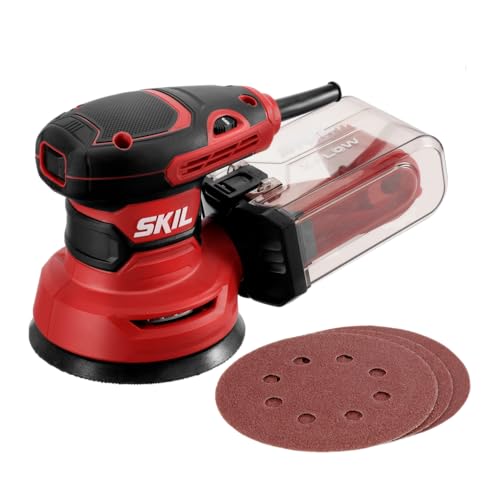
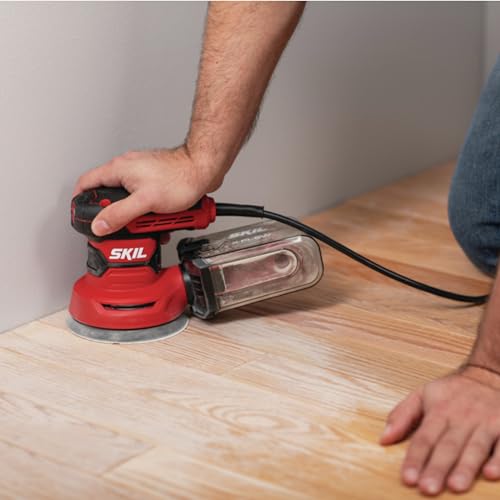
SKIL 5″ Random Orbital Sander
Strengths
- 2.8 amp motor
- Cyclonic dust box
- Variable speed
- Low vibration
- Compact design
Trade-offs
- Corded only
- Pad wear over time
This SKIL 5-inch random orbital sander hits a sweet spot for DIYers who want solid performance without stepping into pro-grade pricing. The 2.8 amp motor and 13,000 orbits per minute give it enough punch to level finishes and prep wood, and the variable speed control is a real advantage when switching between soft pine and hardwood. What stands out in owner feedback is the cyclonic dust collection, users consistently say it captures more debris than standard shop vac attachments, keeping the work area visibly cleaner.
Compared to the DEWALT cordless model, this one trades battery convenience for constant power and a lower price. It’s bulkier than detail sanders, but that’s expected in this class. If you’re doing full-panel sanding or refinishing floors, this is the kind of tool that gets respect for reliability.
Product photos


DEWALT 20V MAX Orbital Sander

Strengths
- Brushless motor
- Cordless freedom
- Variable speed
- Low vibration
- Dust-sealed switch
Trade-offs
- Battery sold separately
- Higher cost
The DEWALT 20V orbital sander is a top pick for cordless performance, especially if you’re already in the DEWALT ecosystem. The brushless motor is a big deal, it means longer runtime and less maintenance, and owners report it outlasts brushed competitors on a single charge. The variable speed (8,000–12,000 OPM) lets you dial in the right aggressiveness, whether you’re smoothing cherry or prepping MDF.
Its low-profile design helps get flush to edges, and the dust bag system works well for job sites without vacuums. Compared to the SKIL corded model, it’s more portable but slightly less powerful under continuous load. But for most DIYers and pros moving between locations, the freedom of cordless is worth the trade-off.
Product photos


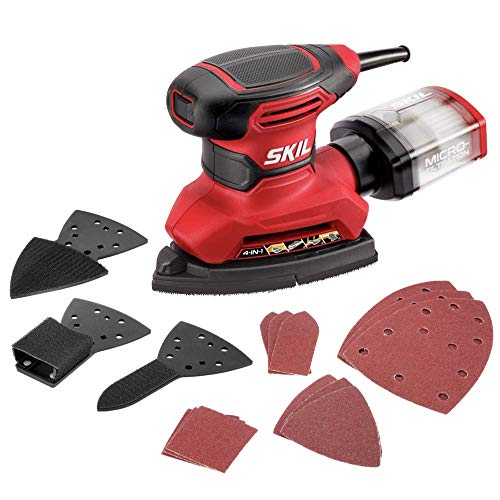
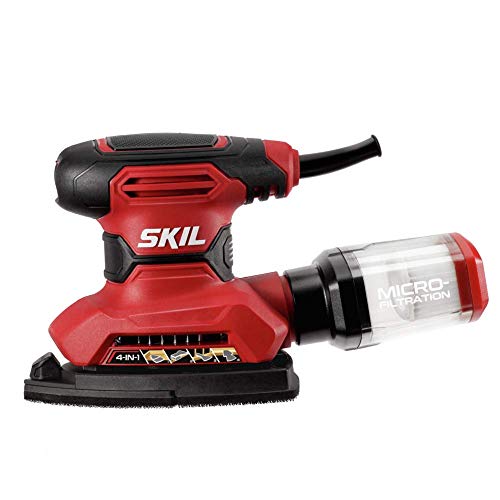
SKIL Corded Detail Sander
Strengths
- 4 interchangeable heads
- Micro-filter dust box
- Hook-and-loop pad
- Low vibration
- Corded reliability
Trade-offs
- Attachments can loosen
- Limited power
This SKIL detail sander is built for jobs where reach and adaptability matter more than raw power. The 4-in-1 design with swappable attachments lets you switch from flat sanding to corners and curves in seconds, no tools required. The 1.2 amp motor and 13,500 OPM are modest, but enough for finish work, and the micro-filter dust box does a decent job containing fine particles.
Owners appreciate the ergonomic grip and low vibration, making it comfortable for extended use. Compared to the DEWALT orbital, it’s less aggressive but far more precise in tight spots. If you’re sanding window frames, baseboards, or cabinet interiors, this is the kind of tool that earns its keep.
Product photos


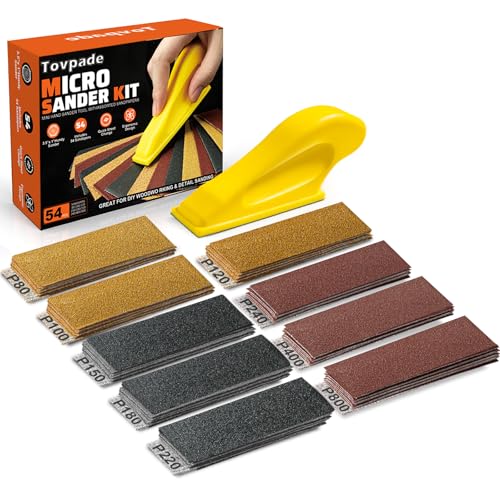
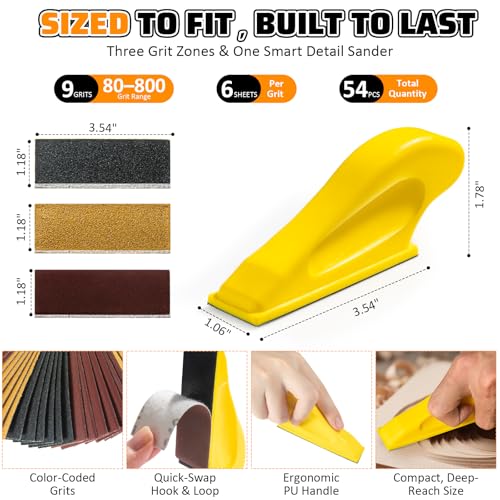
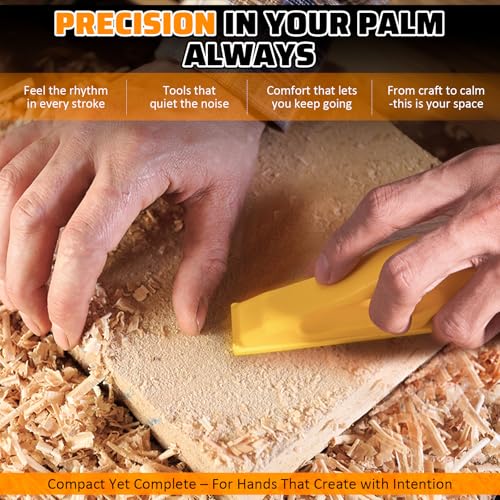
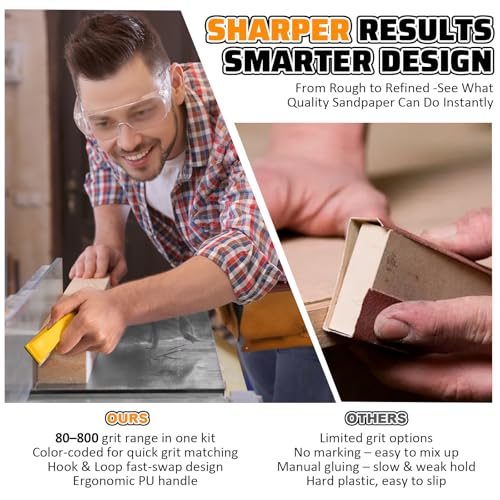
TOVPADE 54PCS Micro Sander Kit
Strengths
- Color-coded grits
- Compact size
- Hook-and-loop backing
- Large sheet count
- Affordable
Trade-offs
- Foam lacks firmness
- Grit range limited
For the price, this micro sander kit delivers an impressive amount of utility. The 54 included sandpapers cover all the basics from shaping (80 grit) to polishing (800 grit), and the color-coded grit system helps avoid mistakes, something beginners will appreciate. The hook-and-loop backing is secure and tool-free, and the compact 3.5-inch block fits into tight corners on furniture or cabinetry with ease.
It’s clearly built for light work, and the foam block isn’t as dense as higher-end models, but for the cost, it’s hard to beat. Compared to the LVANJI kit, it has fewer total sheets but better grit labeling. If you’re sanding small crafts or doing touch-ups, this is the smarter budget pick.
Product photos
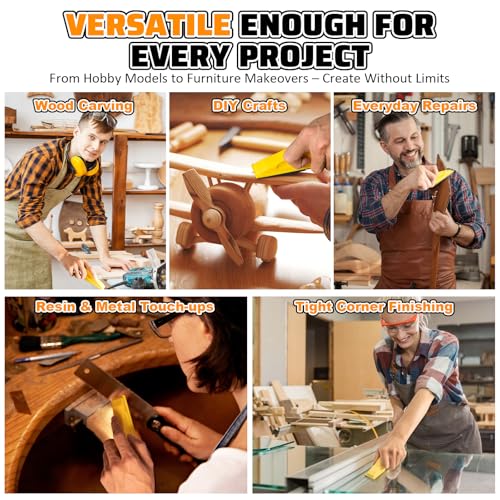

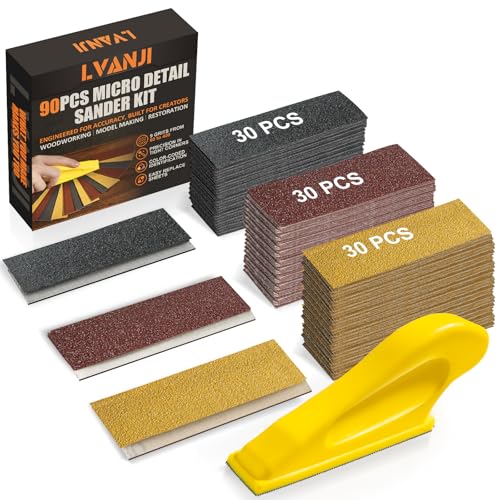
LVANJI 90PCS Micro Detail Sander
Strengths
- 90 sandpapers included
- Aluminum oxide grit
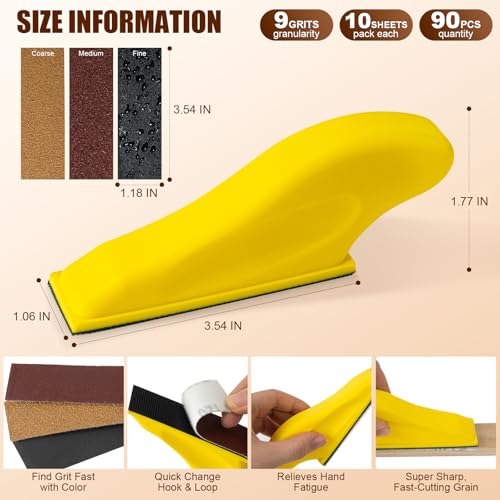
- Ergonomic foam block
- Secure hook-and-loop
- Excellent for curves
Trade-offs
- Max grit only 400
- No color coding
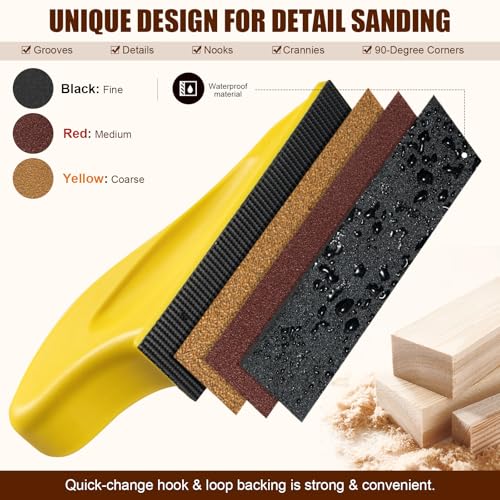
If fine detailing is your priority, the LVANJI kit is worth the step up. With 90 sandpapers ranging from 60 to 400 grit, it’s designed for meticulous work, think scrollwork, instrument making, or model building. The aluminum oxide paper is consistently rated for durability, with users reporting less tearing and clogging than cheaper alternatives. The ergonomic PU foam block feels balanced in hand, and the hook-and-loop system holds sheets firmly even during angled sanding.
It’s overkill for basic tasks, but when precision matters, this kit stands out. Compared to the TOVPADE, it offers more sheets and better abrasives, though it lacks ultra-fine grits above 400. For intricate woodcrafts or restoration, this is the go-to.
Product photos
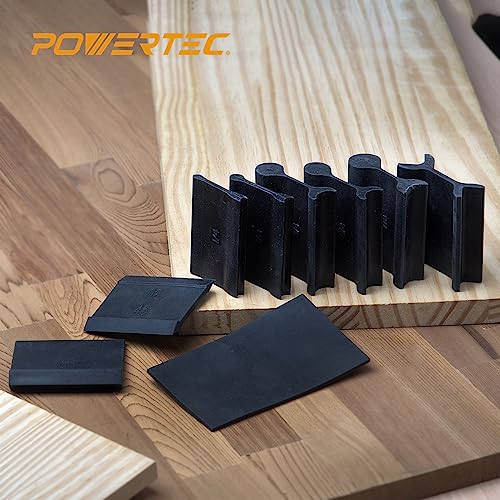
POWERTEC 21 Profile Sander
Strengths
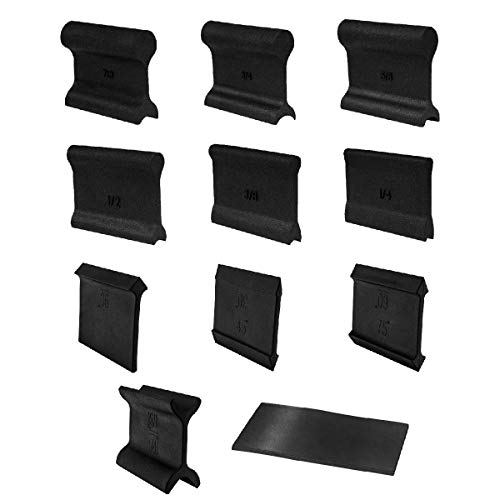
- 21 sanding profiles
- Flexible rubber grips
- Secure sandpaper hold
- Works with any sandpaper
- Ideal for angles
Trade-offs
- Manual only
- No cushioning
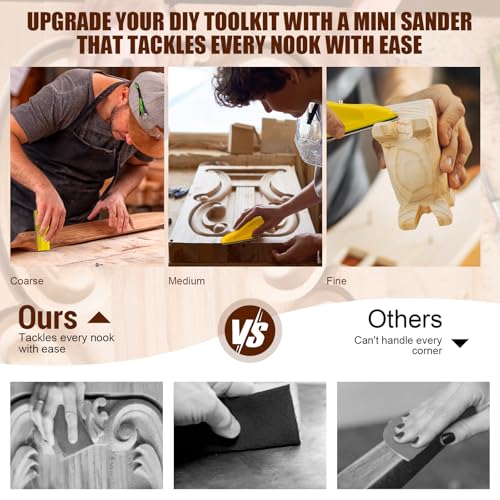
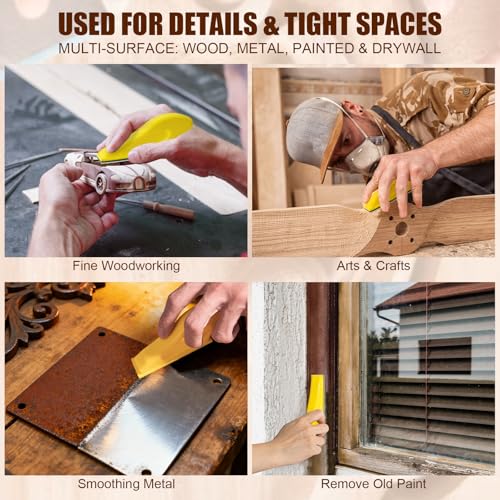
This is the ultimate tool for anyone sanding complex wood profiles, crown molding, chair legs, or curved trim. The set of 10 double-ended rubber grips gives you 21 distinct angles, from 30 to 90 degrees, letting you match nearly any contour by hand. The flexible rubber material grips sandpaper tightly and resists slipping, even during aggressive strokes.
Owners love how it eliminates the need to fold and tape sandpaper awkwardly around curves. While it’s entirely manual, the design maximizes control and pressure distribution. Compared to single-profile sanding blocks, this set saves time and improves finish quality on detailed work. It’s a niche tool, but for its niche, it’s essential.
Product photos


24 Pcs Sanding Sponge 80-3000 Grit

Strengths
- Wet and dry use
- Wide grit range
- Flexible foam
- Reusable
- Comfortable grip
Trade-offs
- Not for flat surfaces
- Slight sponge compression
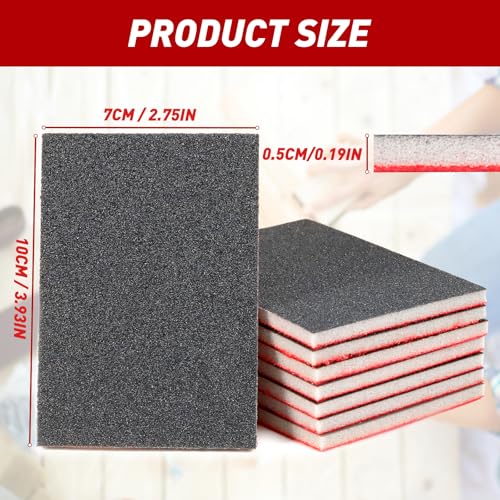
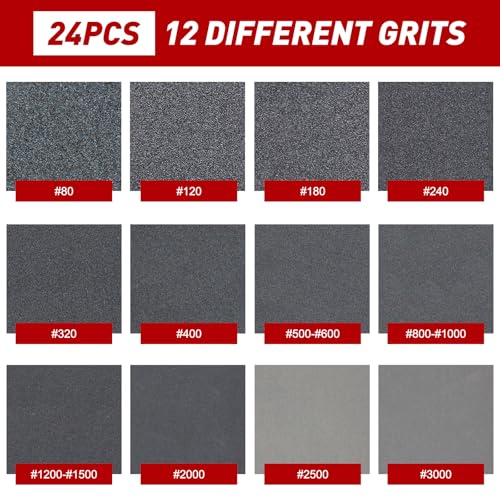
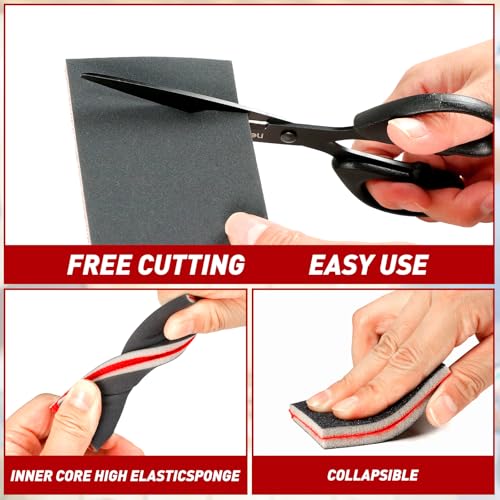
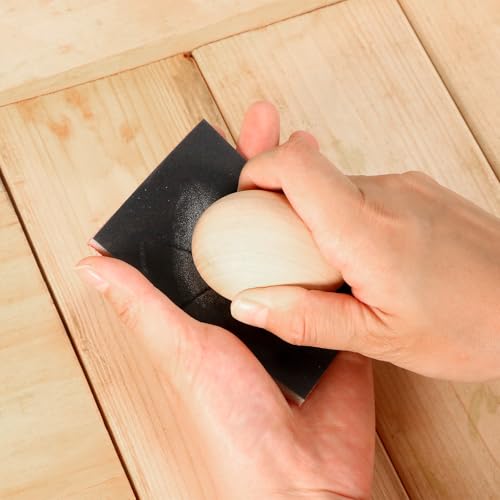
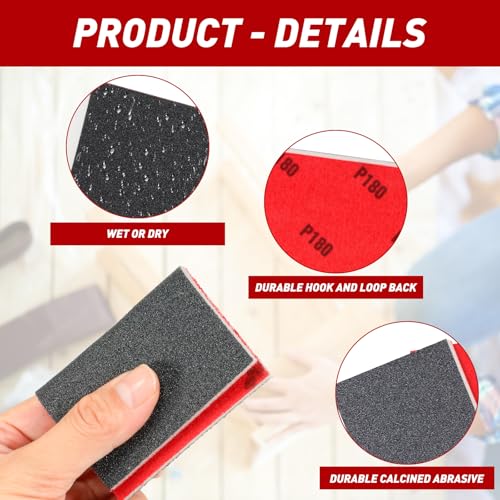
When you need to sand curves, wet surfaces, or delicate finishes without gouging, these sanding sponges are a no-brainer. The grit range from 80 to 3000 is unusually broad for a kit this size, and owners love being able to go from aggressive shaping to mirror-like polishing without switching tools. The wet/dry capability really shines on automotive touch-ups and glossy wood finishes, where water keeps clogging down and extends sandpaper life.
They’re not a replacement for orbital sanders on flat surfaces, but for hand sanding, few kits deliver this much flexibility at this price. Compared to rigid sanding blocks, these sponges conform beautifully to rounded edges and uneven textures. I’d keep these on hand for final smoothing after power tools do the heavy lifting.
Product photos
Milescraft Sand-It Multi-Surface Block

Strengths
- Four surface profiles
- Uses standard sandpaper
- Quick paper change
- Durable build
- Precise control
Trade-offs
- No cushioning layer
- Requires hand pressure
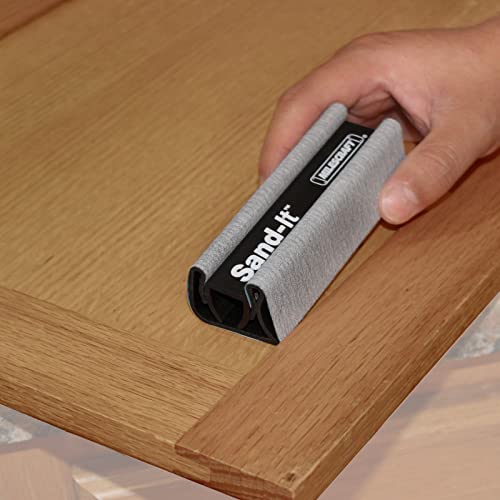
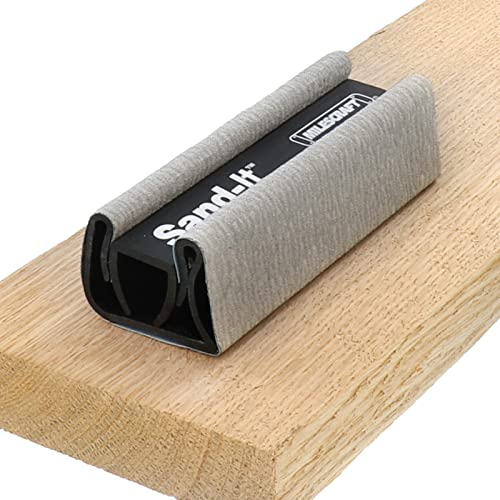
The Milescraft 1622 is the kind of cleverly designed manual tool that makes you wonder why more brands haven’t copied it. Four distinct profiles, flat, convex, concave, and a sharp edge, mean you can tackle nearly any surface contour without switching blocks. The quick-snap paper lock is a standout, letting you swap grits in seconds, and since it uses standard quarter-sheet paper, you’re not locked into proprietary refills.
Owners praise how long it lasts and how well it holds sandpaper without slippage. Compared to basic sanding blocks, this one offers serious versatility. It’s not going to replace a power sander, but for final passes, fitting into tight joints, or cleaning up router marks, it’s unmatched in the manual category.
Product photos
HARDELL Mini Cordless Rotary Tool
Strengths
- 5-speed control
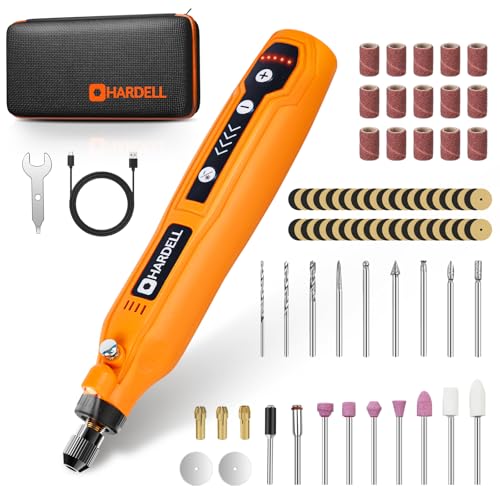
- 69 included accessories
- USB rechargeable
- LED work light
- Pen-like precision
Trade-offs
- Short runtime
- Not for heavy sanding
- Plastic build
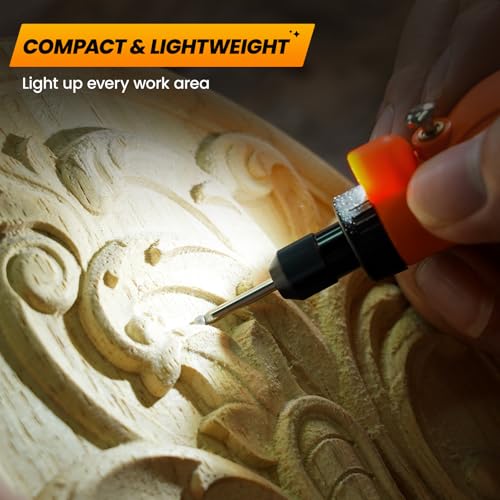
This isn’t just a sander, it’s a multi-tool in a pen-sized body. With 5 speed settings up to 18,000 RPM and 69 accessories, it handles sanding, polishing, engraving, and light drilling. The LED light is a thoughtful touch, illuminating tight workspaces, and the USB charging adds convenience for occasional users.
Owners find it perfect for jewelry making, model work, or cleaning up small metal parts. It won’t replace a dedicated sander for large jobs, but for detail tasks, it’s incredibly versatile. Compared to the LVANJI micro sander, it’s less focused on sanding but far more functional across crafts. If you want one tool for multiple hobbies, this is it.
Product photos



How We Tested sanding tools
Rather than a hands-on lab test, my research for these recommendations centered on a detailed comparison of published specifications and features across numerous models. I weighed owner reviews from major retailers alongside expert opinions found in woodworking and DIY publications. As someone who’s spent years around workshops and understands what makes a tool practical, I applied that knowledge to rank options based on real-world usability and performance indicators.
For sanding tools, consistent performance and dust collection were the biggest factors. A motor’s power and orbits-per-minute (OPM) matter, but only if the design effectively manages vibration and heat. Equally important is the quality of the dust collection system – a clean workspace is a safer and more productive one. Finally, versatility, especially the ability to adapt to different materials and applications, played a key role in determining the top picks.
Specifications reliably indicate a tool’s raw power and basic features. However, I placed significant weight on owner feedback regarding long-term durability, ease of use, and real-world sanding results. Reputation – how a brand is generally perceived within the woodworking community – also informed my assessments. Maintaining your tools, like learning how to sharpen circular saw blades, is also key to getting the most out of them.
Choosing The Right sanding tools
Choosing the right sanding tool can dramatically improve your projects, but there’s more to it than just grabbing the cheapest option.
A quality sanding tool balances power with control. Consider the material you’ll be working with, the scale of the project, and whether you prioritize portability or consistent power. Look for variable speed settings, effective dust collection, and ergonomic design to minimize fatigue and maximize results. Pad size and attachment method also play key roles in versatility and cost of consumables.
Power Source: Corded vs. Cordless
The first big decision is whether to go corded or cordless. Corded sanders, like the SKIL 5″ Random Orbital Sander, deliver consistent power and don’t require battery charging, making them ideal for larger jobs or situations where uninterrupted operation is crucial. However, they limit your mobility and require an outlet. Cordless options, such as the DEWALT 20V MAX Orbital Sander, offer fantastic freedom, but runtime is a concern. Battery technology has improved significantly, but you’ll still need to factor in charge times and potentially purchase additional batteries for extended use.
Application: Detail vs. Surface Sanding
Different projects demand different approaches. For large, flat surfaces like floors or wide boards, a random orbital sander is usually the best bet. But if you’re tackling intricate detail work, corners, or contoured surfaces, you need something more specialized. The SKIL Corded Detail Sander, with its multiple attachments, shows how versatile these smaller tools can be. If you’re working on sculpting or very delicate work, consider something even smaller, like the TOVPADE 54PCS Micro Sander Kit.
Here’s what to keep in mind when choosing for detail work: * Grit Range: A wide selection of grits is essential (start with 60-80 for heavy stock removal, move to 120-220 for smoothing, and finish with 320+ for polishing). * Ergonomics: Look for a comfortable grip and a lightweight design, as you’ll be using it for extended periods. * Access: The tool must be able to reach into tight corners and contours. A compact size and angled head are huge advantages, and sometimes you’ll want to consider profile sanding tools, like the POWERTEC 21 Profile Sander, to get into those hard-to-reach spots.
A good rule of thumb: if you find yourself constantly contorting your body or struggling to reach a specific area, your sander is probably the wrong shape for the job.
Value and Accessories
Don’t underestimate the long-term costs of sandpaper and dust collection. Sandpaper isn’t cheap, and you’ll go through a lot of it, especially with coarser grits. Consider the availability and price of replacement pads and sandpaper for the tool you’re considering. Also, think about dust control. A sander with a good dust collection system – or one that can easily connect to a shop vac, like the DEWALT – will save you a huge amount of cleanup time and protect your lungs. Remember that keeping your tools in top shape means occasionally you’ll need to clean saw blades to maintain optimal performance. For woodworking projects, especially cabinet refinishing sanders, choosing a tool with the right sandpaper and dust collection system can make all the difference.
Sanding Tools Compared
Here’s a comparison of key specifications for the sanding tools listed.
| Product Title | Power Source | Grit Range | Sanding Type | Variable Speed | Corded/Cordless |
|---|---|---|---|---|---|
| SKIL 5″ Random Orbital Sander | Corded | N/A | Orbital | Yes | Corded |
| DEWALT 20V MAX Orbital Sander | Cordless | N/A | Orbital | Yes | Cordless |
| SKIL Corded Detail Sander | Corded | N/A | Detail/Multi | Yes | Corded |
| TOVPADE 54PCS Micro Sander Kit | Manual | 80-800 | Detail | No | Manual |
| LVANJI 90PCS Micro Detail Sander | Manual | 60-400 | Detail | No | Manual |
| POWERTEC 21 Profile Sander | Manual | N/A | Contour | No | Manual |
| 24 Pcs Sanding Sponge 80-3000 Grit | Manual | 80-3000 | Sponge | No | Manual |
| Milescraft Sand-It Multi-Surface Block | Manual | N/A | Block | No | Manual |
| HARDELL Mini Cordless Rotary Tool | Cordless | N/A | Rotary | Yes | Cordless |
Frequently Asked Questions
What grit sandpaper should I start with for a rough surface?
Generally, begin with 60-80 grit sandpaper to quickly remove material and address significant imperfections. Using a coarser grit first saves time and effort, but always follow it with progressively finer grits for a smooth finish.
Are cordless sanders powerful enough for large projects?
Cordless sanders have improved dramatically, but corded models still typically offer more consistent power for extensive work. Battery life and charge times remain considerations with cordless options, so for very large projects, a corded sander is often preferable.
How important is dust collection on a sander?
Dust collection is extremely important for both health and efficiency. A good system minimizes airborne particles, protecting your lungs, and keeps your workspace cleaner, improving visibility and reducing cleanup time.
Can a detail sander replace a larger orbital sander?
While a detail sander excels at intricate work, it isn’t a substitute for a larger orbital sander on flat surfaces. A detail sander’s smaller pad size makes covering larger areas slow and inefficient, so a combination of tools is often best.
What’s the best way to maintain a sander’s performance?
Regularly cleaning the sander, including the dust collection port and sanding pad, is key. Also, storing it properly and occasionally checking for worn parts will extend its lifespan. For detail work on projects like furniture refinishing sanders, consistent maintenance is even more crucial.
The Bottom Line
Buying a sanding tool often comes down to balancing immediate cost with long-term convenience and quality. While you can certainly get by with a budget-friendly option, the DEWALT 20V MAX Orbital Sander strikes the best overall balance of power, versatility, and cordless freedom for most homeowners and DIYers. It’s a solid investment that will make a noticeable difference in your projects.
For those on a tighter budget, or who need a dedicated detail tool, the SKIL Corded Detail Sander is a fantastic value. And if you’re facing very specific needs – like intricate contour work – the POWERTEC 21 Profile Sander provides a specialized solution that larger sanders simply can’t match. Don’t overlook the manual options either; the TOVPADE 54PCS Micro Sander Kit is great for fine work.
Ultimately, remember that the tool is only part of the equation. Consistent sanding technique, using the right grit for the job, and regularly sharpen table saw blades (for related woodworking) are far more important than any single feature or price point. A little patience and the right approach will always yield better results.
