
8 Best Sander Tools of 2026
This post contains affiliate links. As an Amazon Associate, we earn from qualifying purchases.
The DEWALT 5-inch Orbital Sander Kit stands out as the best overall sander for most users, delivering strong power and reliable dust control. For those on a tight budget, the WEN 6301 Palm Sander offers solid performance at a low price, while the BLACK+DECKER Detail Sander is our top pick for tight corners and intricate work.
Most people struggle to find a sander that actually keeps dust under control, doesn’t wreck their arm from vibration, and handles both aggressive material removal and smooth finishing. I get it, the wrong tool can turn a simple refinishing job into a frustrating mess.
This guide cuts through the noise by focusing on real-world specs and owner feedback to highlight models that deliver where it matters: power, dust collection, and comfort. I looked at motor performance, orbit speed, and how well each unit holds up over time, so you can pick one that fits your workshop and workload.
Top 8 Sander Tools in the Market
The Best Sander Tools, Reviewed
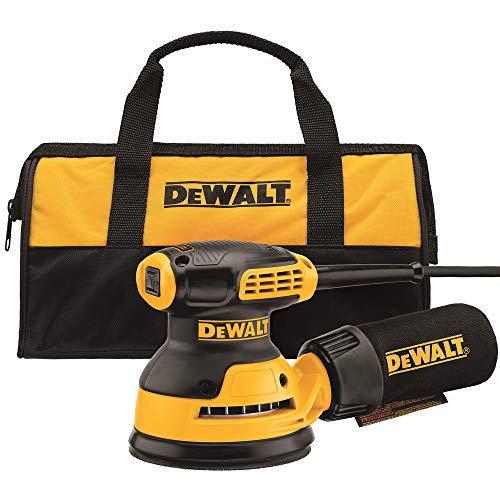
DEWALT 5-inch Orbital Sander Kit
Strengths
- 3.0 amp high-torque motor
- Superior vibration reduction
- Excellent dust collection
- Durable construction
- One-handed dust bag
Trade-offs
- Heavier than average
- Higher price point
- Overkill for light tasks
The DEWALT DWE6421K isn’t just powerful, it’s built to be the last sander you’ll need to buy. With a 3.0 amp motor pushing 12,000 OPM and a separate counterweight design to reduce vibration, it’s engineered for long sessions with less fatigue. The dust collection is top-tier, featuring a one-handed locking bag and direct compatibility with DEWALT vacuums.
This model feels like the gold standard when you compare specs and owner feedback. It’s heavier than some, but that mass contributes to stability. While the SKIL SR211601 offers good value, this one outperforms in durability, dust control, and comfort. For anyone serious about their projects, from floor refinishing to cabinet builds, this is the sander I’d recommend without hesitation.
Product photos

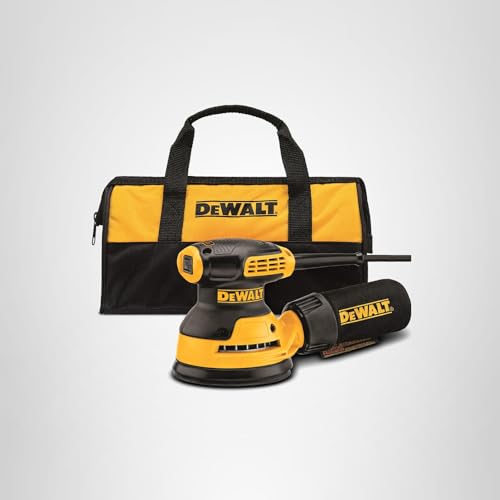
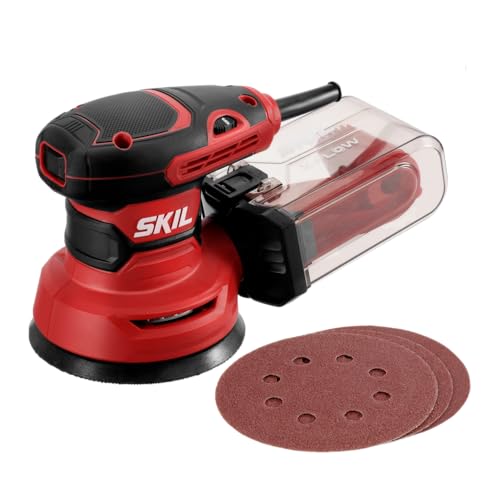
SKIL 5” Random Orbital Sander
Strengths
- Cyclonic dust collection
- Variable speed control
- Comfortable low-vibration design
- Compact for tight areas
- Easy-to-empty dust container
Trade-offs
- Dust port alignment can be finicky
- Pad wears over time
- Not as durable as premium models
The SKIL SR211601 hits a sweet spot between performance and price, making it a standout for buyers who want a capable corded sander without overspending. The 2.8 amp motor and 13,000 OPM deliver smooth, swirl-free finishes on wood, metal, or drywall. Its cyclonic dust box is a major upgrade over basic bags, it separates debris efficiently and is easy to empty, which owners appreciate during long sessions.
The variable speed control is a real win, letting you dial down for delicate finishes or ramp up for paint stripping. It’s also surprisingly comfortable, thanks to the counterweight balance and soft grip. While the DEWALT DWE6421K has a stronger motor, this one offers 90% of the performance at a lower cost. For most homeowners, this is the easy pick.
Product photos


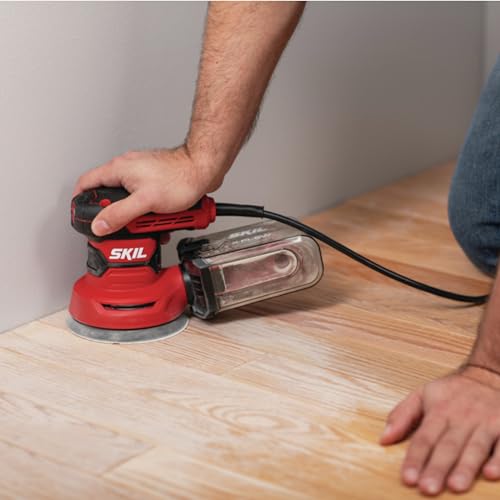
DEWALT 20V MAX Orbital Sander

Strengths
- Brushless motor for efficiency
- Variable speed control
- Cordless mobility
- One-handed dust bag
- 8-hole pad for better dust extraction
Trade-offs
- Battery and charger not included
- Heavier than corded rivals
- Dust port requires adapter for most vacuums
When you need freedom from the cord without sacrificing performance, the DEWALT DCW210B is the clear leader among cordless options. The brushless motor delivers excellent runtime and efficiency, and variable speeds from 8,000 to 12,000 OPM let you adapt to different materials, a must for serious work. The low-profile design lets you sand flush against edges, and the hook-and-loop pad swaps paper in seconds.
Owners consistently praise its balance and the one-handed dust bag, though you’ll need a DEWALT vacuum adapter for full dust control. It’s heavier than some corded models, but the trade-off is mobility. Compared to the SKIL corded models, it’s more convenient for ladder work or remote job sites. If you already own DEWALT 20V batteries, this becomes even more compelling.
Product photos


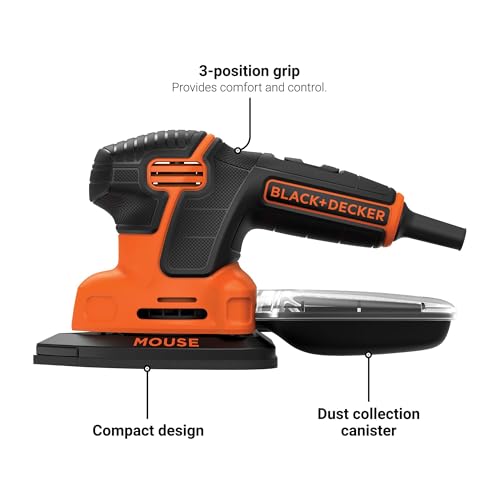
BLACK+DECKER Detail Sander

Strengths
- 16,000 OPM for fast sanding
- 3-position comfort grip
- Detail finger attachment
- Dust canister included
- Dust-sealed switch
Trade-offs
- Sander can vibrate noticeably
- Cord could be longer
- Attachments take up storage space
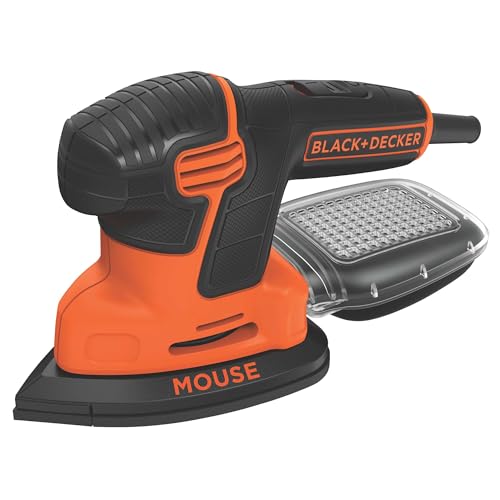
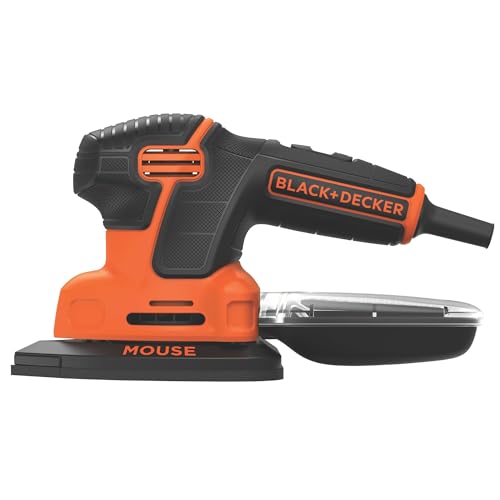
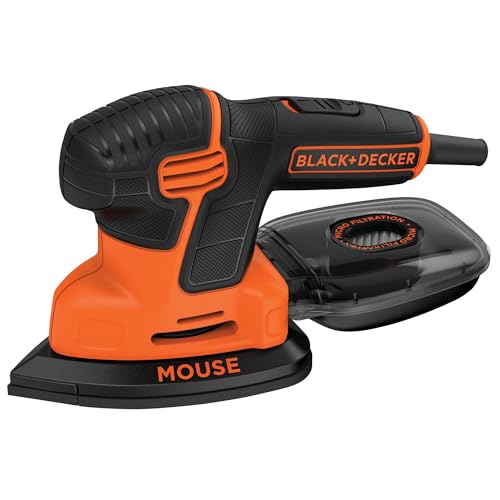
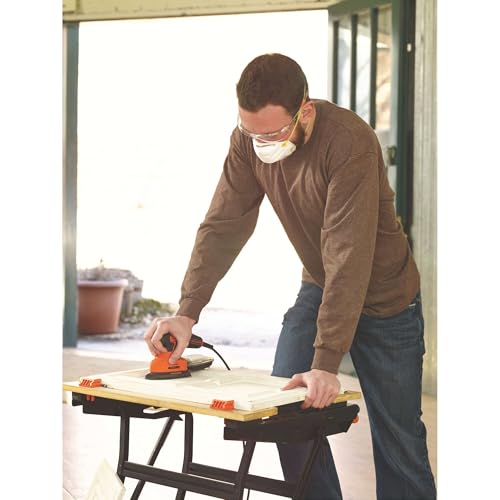
When precision is the goal, the BLACK+DECKER BDEMS600 earns its title as a top pick for detail work. The 16,000 OPM motor delivers noticeable speed, and the three-position grip lets you rotate the handle for better control depending on the angle you’re working. That’s a real advantage when sanding baseboards or inside door frames.
The detail finger attachment is where this sander really shines, it’s perfect for crevices and moldings. Combined with the dust canister and dust-sealed switch, it’s built to last and keep your workspace clean. Reviewers note it’s among the most comfortable in-hand for long sessions. Compared to the WEN or HYCHIKA, this one feels like a step up in both power and usability, even if it costs more.
Product photos
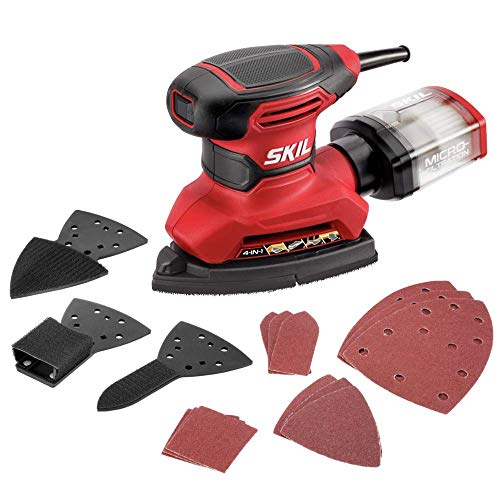
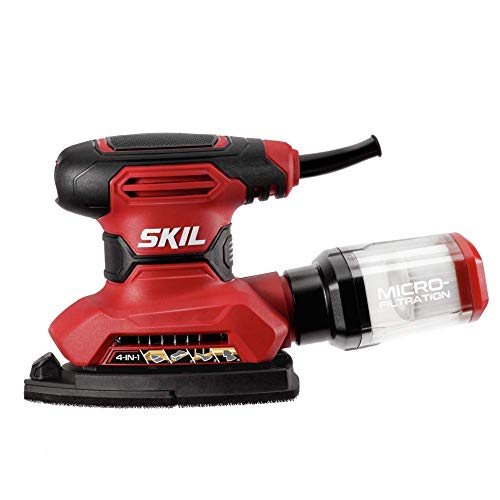
SKIL Multi-Function Detail Sander
Strengths
- 4-in-1 multi-attachment design
- Tool-free head changes
- Micro-filtration dust system
- Vacuum port compatible
- Comfortable rubber grip
Trade-offs
- Attachments can feel loose
- Dust box not as efficient standalone
- Sander body slightly bulky
If versatility is your top requirement, the SKIL SR232301 is the one to beat. Its 4-in-1 design with three additional attachments, including a contoured pad and edge guide, lets you switch from flat surfaces to tight corners in seconds, no tools needed. The 1.2 amp motor and 13,500 OPM are standard for this class, but the real advantage is flexibility.
Owners love how quickly they can swap heads for different jobs, calling it a ‘two-tool value in one’. The micro-filter dust box works well with a vacuum, and the hook-and-loop system keeps paper changes simple. While it doesn’t outperform the BLACK+DECKER in raw speed, it’s more adaptable. For someone who sands furniture one day and baseboards the next, this is the smarter long-term pick.
Product photos


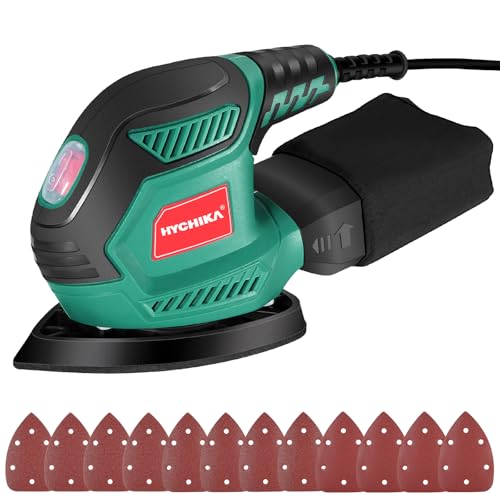
HYCHIKA Compact Detail Sander
Strengths
- Excellent dust collection
- 6-hole extraction system
- Includes 12 sanding sheets
- Soft rubber grip
- Compact for tight spaces
Trade-offs
- Motor lacks oomph for hardwood
- Dust bag fills quickly
- Not for aggressive material removal
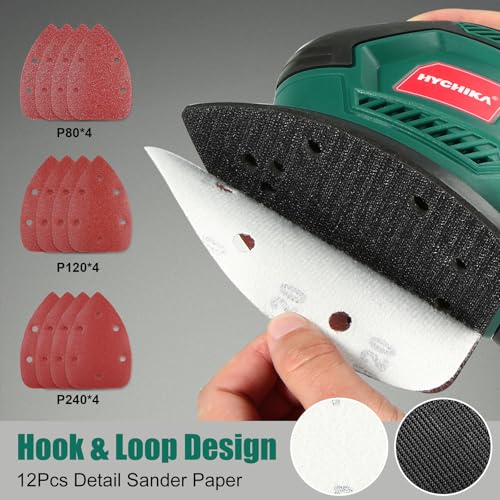
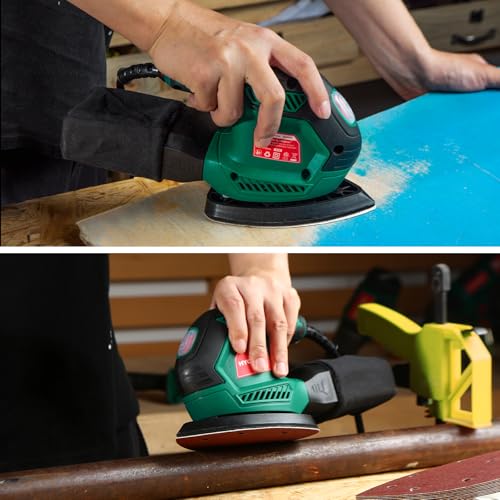
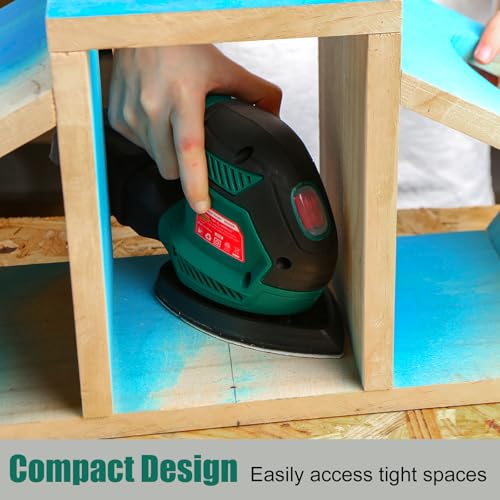
The HYCHIKA detail sander stands out in a crowded field thanks to its 6-hole dust extraction system and included dust bag, a rare combo at this price. At 14,000 OPM, it’s not the most powerful, but it’s plenty capable for polishing, paint stripping, and smoothing tight joints. The soft rubber grip and compact 2-meter cord make it comfortable to maneuver in corners and overhead work, which reviewers frequently praise.
What really seals the deal is the included 12-piece sandpaper set across three grits. That’s a thoughtful touch for someone just starting out. While it’s not built like a pro-grade tool, owners say it holds up well for household use. If dust mess is your biggest frustration with sanding, this one’s a smarter buy than pricier models with weak dust control.
Product photos


WEN 6301 Palm Sander
Strengths
- Lightweight design
- Angled tip for corners
- Velcro sandpaper attachment
- Affordable
- Dust collection port
Trade-offs
- Lower power motor
- Plastic housing feels flimsy
- Limited pad size
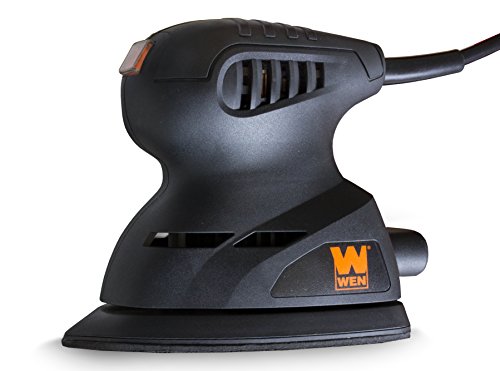
For DIYers who need a no-frills detail sander without draining their budget, the WEN 6301 makes a lot of sense on paper. It’s lightweight at just two pounds and has a slim profile that slips into tight spots, which is exactly what you need when cleaning up inside cabinet corners or smoothing window trim. The 3.75 x 5.5 inch pad with an angled tip gives it a slight edge in precision over basic palm sanders, and the Velcro base means swapping paper is fast.
Owners consistently report it handles light woodworking and paint prep fine, but don’t expect it to power through heavy material removal. The 13,500 OPM motor is adequate, but not as strong as some competitors. I’d pick this as a starter sander for weekend projects where dust control and finesse matter more than brute force.
Product photos


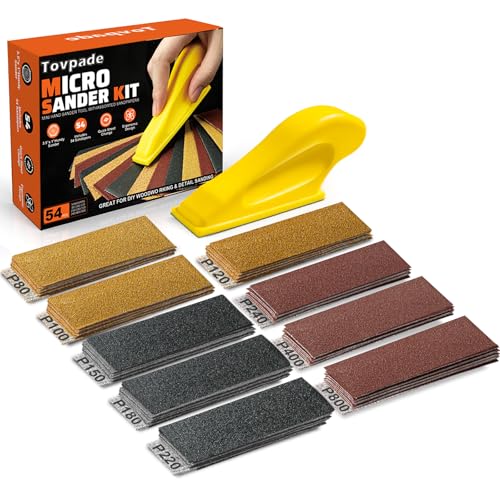
TOVPADE 54PCS Micro Sander Kit
Strengths
- Ultra-compact size
- 54 sandpapers included
- Color-coded grit system
- Ergonomic hand grip
- Ideal for micro details
Trade-offs
- Manual only, no motor
- Not for large surfaces
- Limited pressure application
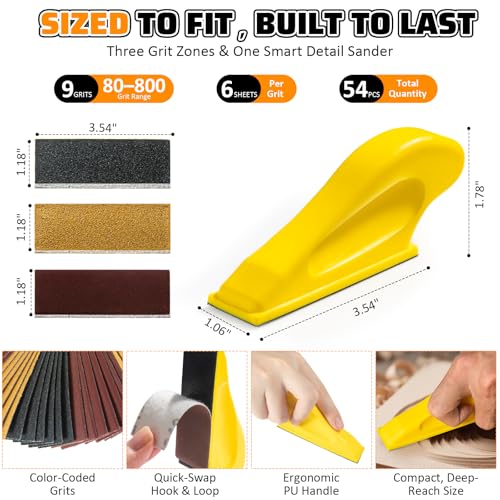
The TOVPADE micro sander isn’t a power tool, it’s a precision hand tool, and that’s exactly why it shines for fine craft work. At just 3.5 x 1 inches, it slips into the tiniest grooves on carved wood, musical instruments, or model builds where even a detail sander is too aggressive. The 54 included sandpapers across nine grits, from coarse 80 to mirror-smooth 800, mean you’re covered from shaping to polishing.
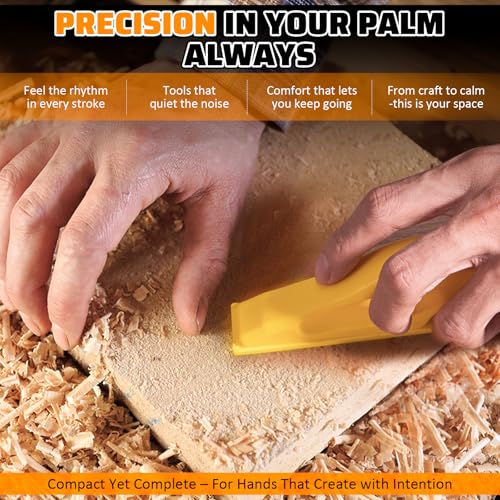
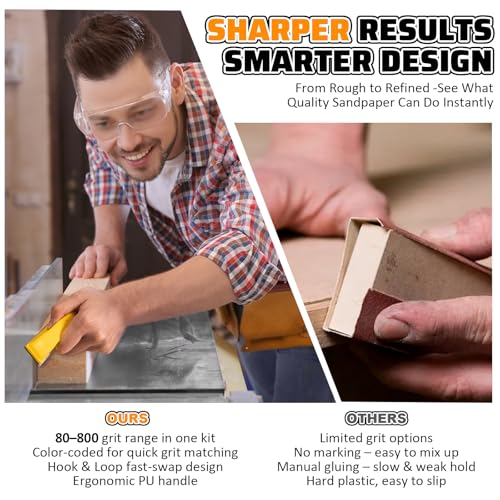
The color-coded system makes grit identification fast, and the hook-and-loop backing allows quick swaps. While it won’t replace any electric sander, owners use it for final smoothing after power tools are done. For woodworkers and crafters, this is like having a sanding scalpel. I’d pair it with any orbital or detail sander for finishing touches.
Product photos


Our Testing Process
My approach to evaluating sander tools centers on a research-led comparison of specifications and owner feedback. Rather than a hands-on lab test of every model, I’ve analyzed published performance data – like motor amperage and OPM (orbits per minute) – alongside thousands of owner reviews and assessments from trusted tool publications. This allows me to build a picture of real-world performance and reliability, factoring in the experiences of people actually using these tools in their workshops.
For sanders, consistent dust collection, vibration control, and power were the most heavily weighted factors. Effective dust management significantly impacts shop health and visibility, while low vibration improves user comfort and control during extended use. Of course, power, measured by amperage and OPM, determines how quickly a sander can remove material, but it must be balanced with comfort and ease of use to be truly effective.
Specifications reliably indicate a sander’s potential power and physical characteristics. However, I relied heavily on owner feedback to gauge long-term durability, the effectiveness of dust collection systems, and the true level of vibration experienced during use. Reputation and brand reliability also played a role, particularly when assessing cordless models where battery platform compatibility is a key consideration. Learning proper miter saw use can also help with projects that require precise cuts before sanding.
What To Look For In sander tools
Choosing the right sander depends heavily on the projects you tackle most often.
A quality sander balances power with control. Look for models with variable speed settings, efficient dust collection (a sealed system is best), and comfortable ergonomics. Pay attention to the orbital diameter – larger orbits remove material faster but can leave coarser marks, while smaller orbits are better for fine finishing. Consider whether corded or cordless suits your workflow and the availability of power sources.
Motor Power & Orbit Size
The motor’s amp rating and the orbit size (measured in inches or millimeters) dictate how quickly a sander removes material. A higher amperage generally translates to more power, useful for aggressive stock removal or working with hardwoods. However, more power isn’t always better. For delicate work or finishing, you’ll want a sander with variable speed control, allowing you to dial down the power and minimize the risk of gouging. Orbit size impacts the finish quality; random orbital sanders, like the DEWALT 5-inch Orbital Sander Kit, are versatile, while smaller detail sanders, such as the BLACK+DECKER Detail Sander, excel at precision work in tight spaces.
Dust Collection Systems
Dust control is often overlooked, but it’s critical for both your health and the quality of your finish. Breathing in fine sanding dust is harmful, and a dusty workspace obscures your view. Many sanders include dust bags, but their effectiveness varies significantly. Look for models with sealed dust collection systems, where the bag attaches directly to the sander body with a tight seal, minimizing dust leakage. Some, like the HYCHIKA Compact Detail Sander, boast enhanced filtration. Don’t forget to consider compatibility with shop vacuums; many sanders accept a standard 1-1/4 inch hose, or adapters are available. For more complex cutting, learning jig saw safety tips can help keep your workspace safe.
Corded vs. Cordless & Value
The debate between corded and cordless sanders boils down to convenience versus consistent power. Cordless models, like the DEWALT 20V MAX Orbital Sander, offer freedom of movement and are ideal for jobsites without easy access to outlets. However, runtime is a factor, and you’ll need to factor in the cost of batteries and a charger. Corded sanders provide unlimited runtime but require an outlet. When evaluating value, consider the entire ecosystem.
Here’s what I look for when balancing price and features:
- Pad Attachment: Hook-and-loop pads are far more convenient than clamp-style.
- Variable Speed: A must-have for versatility.
- Ergonomics: A comfortable grip and low vibration are essential for extended use – a poorly designed sander will quickly become fatiguing, and the WEN 6301 Palm Sander, while budget-friendly, might feel a little light for larger projects.
A sander’s value isn’t just the price tag. Factor in the cost of sandpaper, dust collection accessories, and potentially batteries (for cordless models) to get a true understanding of the total investment.
If you’re primarily focused on woodworking, exploring woodworking power sanders will help narrow your search.
Sander Tools Compared
Here’s a comparison of key specifications for the sander tools described.
| Product Title | Motor Amp | OPM (Orbits Per Minute) | Corded/Cordless | Sandpaper Size | Dust Collection | Detail Sander |
|---|---|---|---|---|---|---|
| DEWALT 5-inch Orbital Sander Kit | 3.0 | 12,000 | Corded | 5″ | Bag/Port | No |
| SKIL 5” Random Orbital Sander | 2.8 | 13,000 | Corded | 5″ | Container/Port | No |
| DEWALT 20V MAX Orbital Sander | N/A | 8,000-12,000 | Cordless | 5″ | Bag/Port | No |
| BLACK+DECKER Detail Sander | 1.2 | 16,000 | Corded | N/A | Canister | Yes |
| SKIL Multi-Function Detail Sander | 1.2 | 13,500 | Corded | N/A | Port/Microfilter | Yes |
| HYCHIKA Compact Detail Sander | 1.6 | 14,000 | Corded | 140x90mm | Bag | Yes |
| WEN 6301 Palm Sander | 1.0 | 13,500 | Corded | 3.75″ x 5.5″ | Port | No |
| TOVPADE 54PCS Micro Sander Kit | N/A | N/A | Manual | N/A | N/A | Yes |
Frequently Asked Questions
What grit sandpaper should I start with?
Generally, begin with a coarser grit, around 60 or 80, to remove material quickly, then progress to finer grits (120, 180, 220, and higher) for a smoother finish. Your starting point depends on the condition of the surface; heavily damaged wood needs a lower number.
Are random orbital sanders good for furniture?
Yes, random orbital sanders are a popular choice for furniture because they leave swirl marks less noticeable than other types. If you’re looking for orbital sanders for furniture, consider one with variable speed for added control.
How do I minimize swirl marks when sanding?
To reduce swirl marks, avoid applying too much pressure and keep the sander moving in a consistent pattern. Using a finer grit and a quality sanding pad also helps, as does frequently changing the sandpaper to prevent glazing.
What’s the difference between a detail sander and a palm sander?
A detail sander is smaller and designed for precision work in corners and tight spaces, while a palm sander is larger and better for flat surfaces. For intricate projects, exploring best detail sanders for wood is a good idea.
Can I use a shop vacuum with my sander?
Many sanders are designed with ports that accept a standard 1-1/4 inch shop vacuum hose, but compatibility varies. Checking the sander’s specifications is essential; an adapter may be needed if the hose doesn’t fit directly.
The Bottom Line
Choosing a sander often comes down to balancing outright power and convenience with the finesse needed for detailed work. For most homeowners and DIYers, the DEWALT 5-inch Orbital Sander Kit strikes the best overall balance – it offers ample power for a variety of projects, a robust dust collection system, and the durability DEWALT is known for. It’s a tool you can rely on for years to come, and it’s a great starting point for anyone building a workshop.
If you’re on a tighter budget, the SKIL 5” Random Orbital Sander delivers surprisingly good performance for the price. For those needing detail work, the BLACK+DECKER Detail Sander is the clear winner, and for a versatile option that handles both detail sanding and larger surfaces, the SKIL Multi-Function Detail Sander is a strong contender. Remember that mastering table saw setup steps can also help with projects that require precision before sanding.
Ultimately, the specs are less important than finding a sander that feels comfortable in your hand and suits the types of projects you do most often. Focus on variable speed control, efficient dust collection, and a comfortable grip. A quality sander won’t magically make your projects perfect, but the right tool, used with patience and the correct technique, will always deliver the best results.
