
9 Best Tile Cutting Tools of 2026
This post contains affiliate links. As an Amazon Associate, we earn from qualifying purchases.
The VEVOR 48-inch Manual Tile Cutter stands out as the overall best choice for clean, precise straight cuts, especially on larger tiles. For budget-conscious DIYers, the VEVOR 17-Inch Manual Tile Cutter offers solid performance at a lower price, while the DEWALT 20V MAX XR Cut Off Tool delivers the most versatility for complex cuts and on-the-go jobs.
If you’ve ever spent hours measuring and re-measuring only to crack a tile on the final score, you know how frustrating the wrong tool can make a simple job. Tile work demands precision and the right tool can mean the difference between a pro finish and a pile of wasted material.
In this guide, I break down the top tile cutting tools based on specs, real-world feedback, and the kind of durability that holds up over multiple projects. These picks reflect what actually works in garages and job sites, not just what looks good on paper.
Top 9 Tile Cutting Tools in the Market
The Best Tile Cutting Tools, Reviewed
VEVOR 48-inch Manual Tile Cutter

Strengths
- Laser positioning
- 48-inch capacity
- Tungsten carbide wheel
Trade-offs
- Heavy and bulky
- Not portable
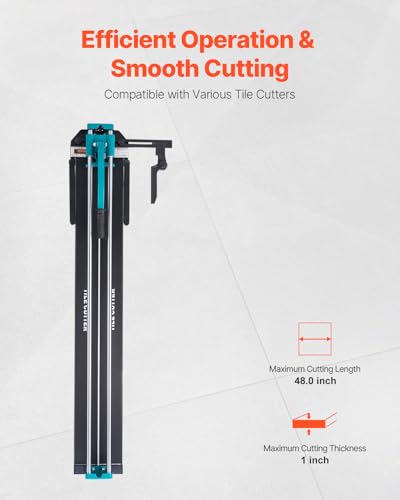
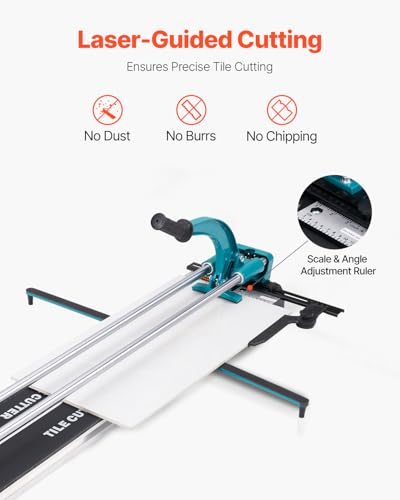
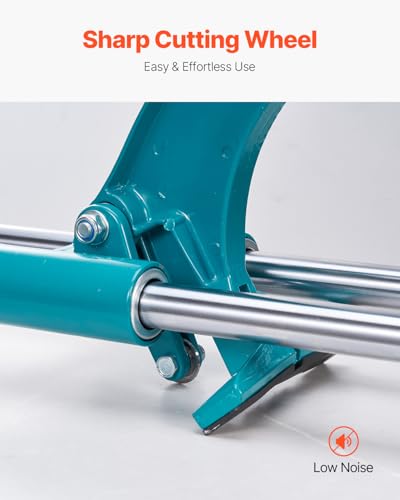
This 48-inch VEVOR is the most capable manual tile cutter in this group, and for large-format tile jobs, it’s my top pick. The infrared laser guide is a standout for alignment, no more guessing where the score line lands. Combined with double rails and a tungsten carbide wheel, it delivers straight, clean breaks with minimal chipping, even on dense porcelain. Owners consistently report it handles 1-inch thick tiles without issue, which is rare at this price point.
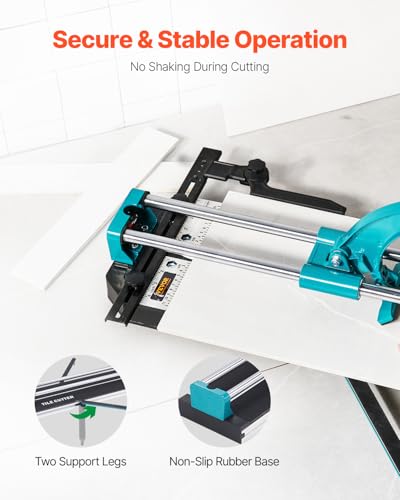
It’s bulky, sure, but the anti-skid feet and stable base keep it planted during forceful scoring. For DIYers doing a full bathroom or kitchen, this is the tool that saves hours and cuts down on wasted tile.
Product photos
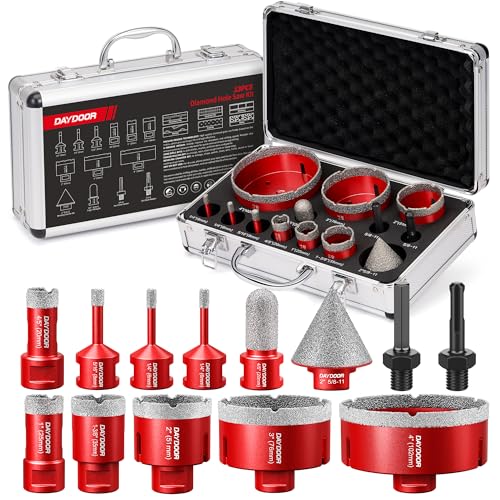
DAYDOOR Diamond Hole Saw Kit
Strengths
- Vacuum-brazed diamonds
- Includes specialty bits
- Universal adapters
Trade-offs
- Coating wears quickly
- Storage case not rugged
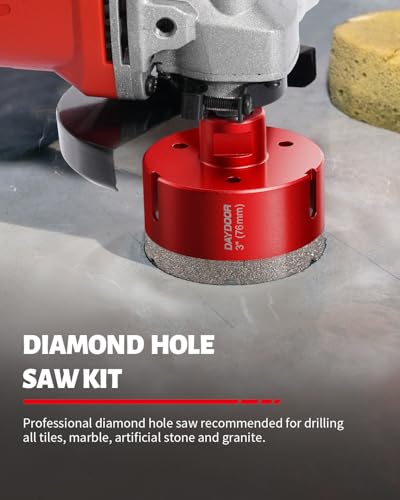
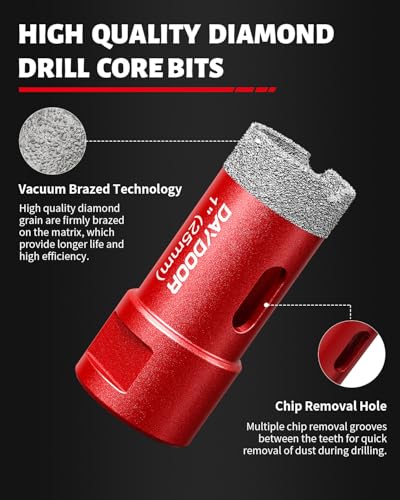
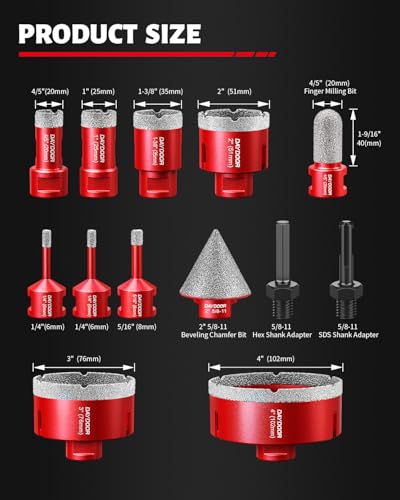
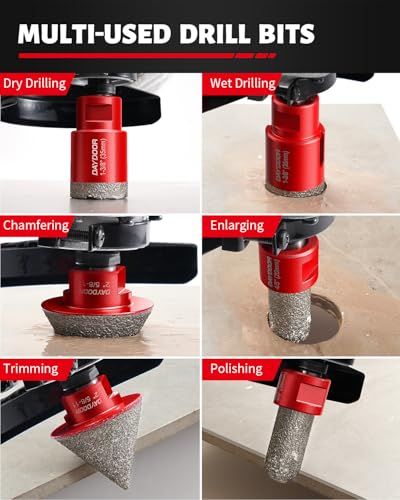
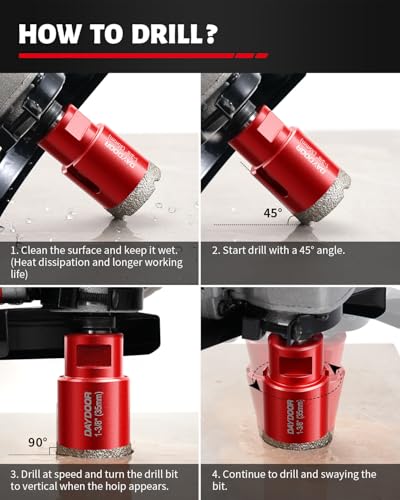
Hole cutting in tile and stone is where most DIYers mess up, chipping, cracking, overheating bits, and this DAYDOOR kit tackles those issues head-on. The vacuum-brazed diamond edges are a big upgrade over electroplated bits, offering longer life and cleaner cuts in porcelain and granite. Owners praise how well the U-grooves evacuate debris and manage heat, especially when used with water. The inclusion of a finger milling bit and beveling chamfer bit makes this more than just a hole saw set, it’s a full finishing system.
The 13-piece range covers nearly every common plumbing and electrical cutout, and the universal adapters add real versatility. My only gripe? The red coating wears off fast, but that doesn’t affect performance.
Product photos
Goldblatt 2-Piece Glass Tile Nippers
Strengths
- Durable carbon steel
- Soft-grip handles
- Flat-faced jaws
Trade-offs
- Limited thickness capacity
- Not for large cuts
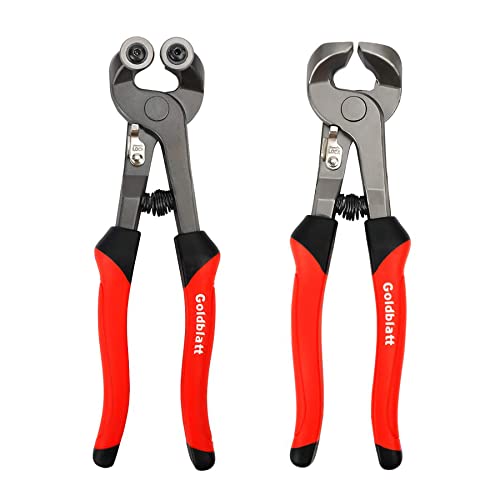
When you need to nip, shape, or clean up small edges, especially on glass or mosaic tile, these Goldblatt nippers stand out in a sea of flimsy pliers. The drop-forged carbon steel and heat-treated jaws give them serious bite, and the scissor-like action makes quick work of tight corners or broken tile edges. From what owners report, the flat-faced jaws deliver cleaner breaks than pointed nippers, and the soft-grip handles actually help reduce hand fatigue over long sessions.
The two-piece set covers the basics well: one for harder materials like glass and stone, another for softer ceramics. But don’t expect them to cut through anything thicker than 3/8 inch. They’re not for full tile shaping, just precision work.
Product photos


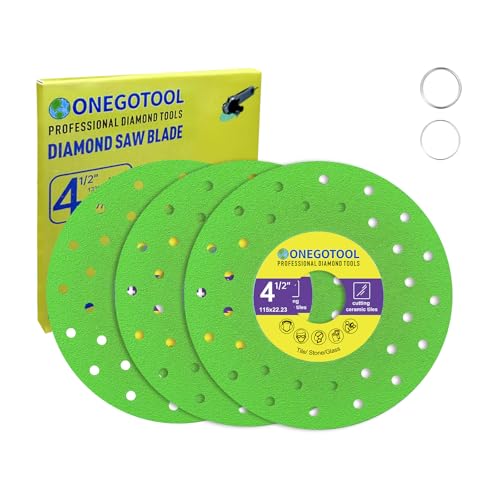
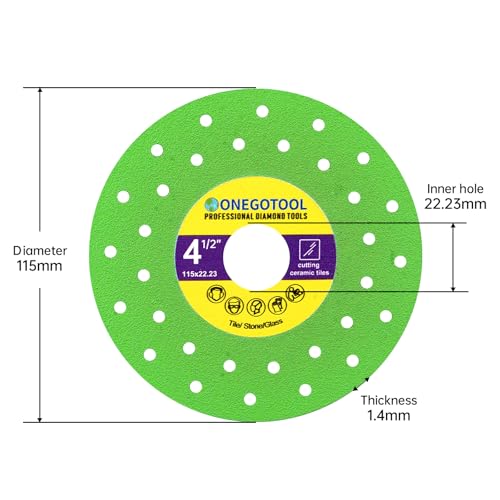
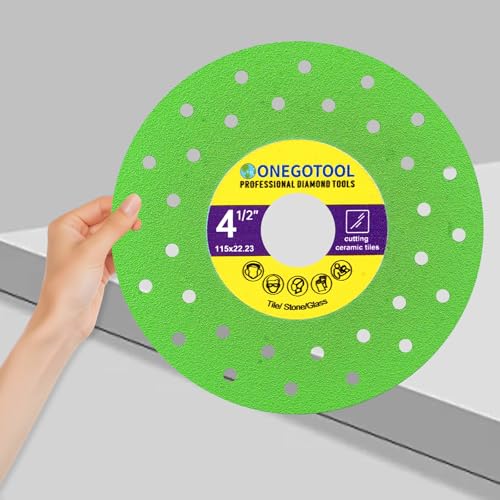
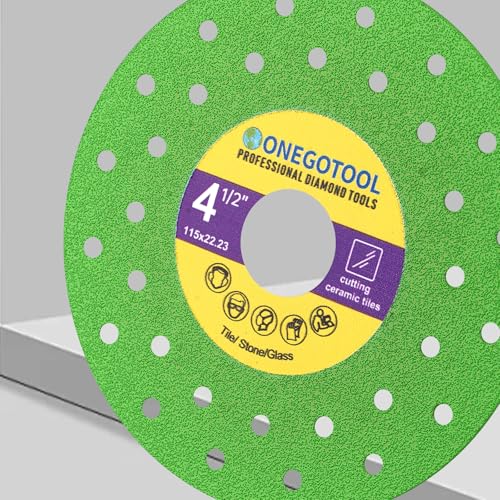
ONEGOTOOL 4-1/2″ Diamond Tile Blade
Strengths
- Low cost
- Thin kerf
- Smooth cutting
Trade-offs
- Shorter lifespan
- Not for granite
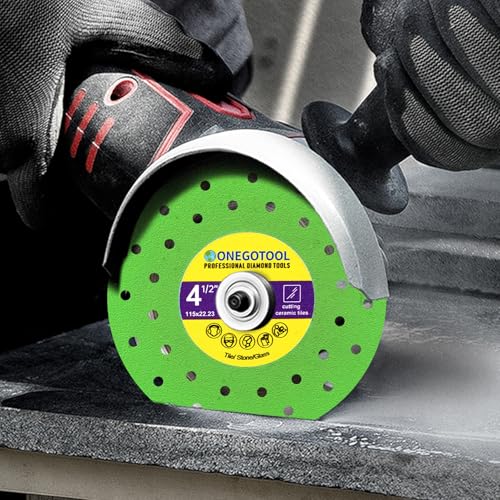
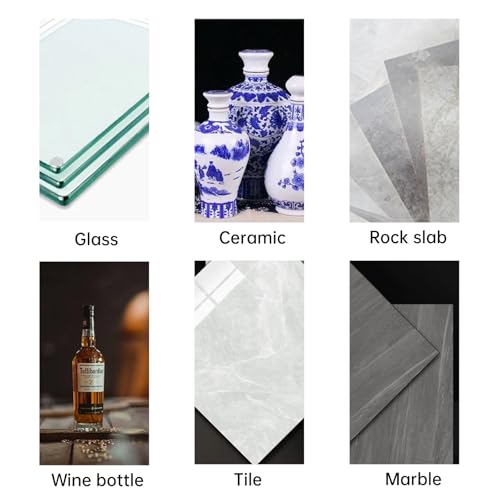
This 3-pack is the budget play, and it works fine if you’re cutting a few tiles and don’t want to invest in premium blades. The ultra-thin 0.05-inch profile helps reduce waste and delivers decent precision, and the one-piece molded design feels more durable than some flimsy competitors. Owners say they cut smoothly on ceramic and thinner porcelain, especially when used with water.
But they don’t last long under continuous use, and the diamond layer wears faster than higher-end blades. If you’re doing more than a weekend project, I’d go with the ZORUNNA pack instead.
Product photos
5Pcs Diamond Saw Blades for Grinder
Strengths
- Ultra-thin kerf
- Wet/dry compatible
- Multi-pack value
Trade-offs
- Limited life under heavy load
- Not for thick masonry
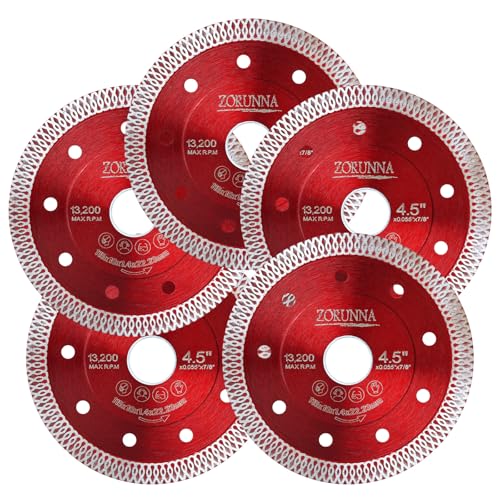
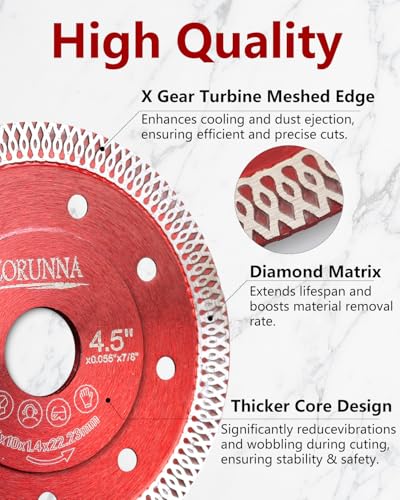
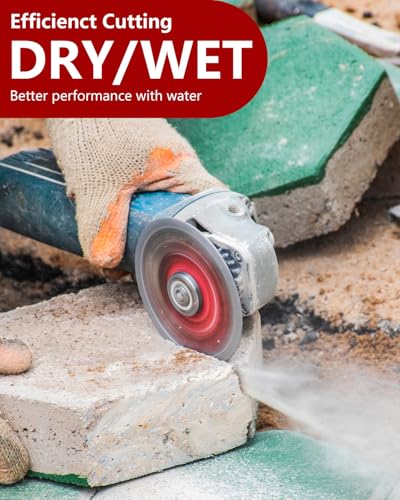
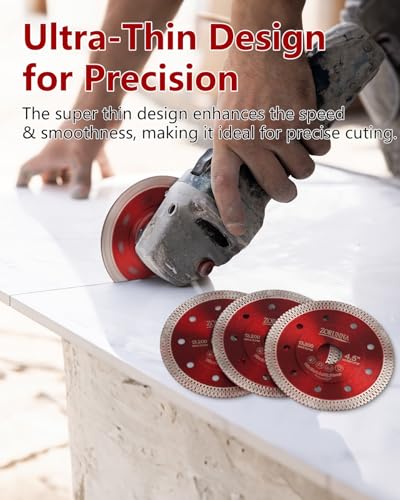
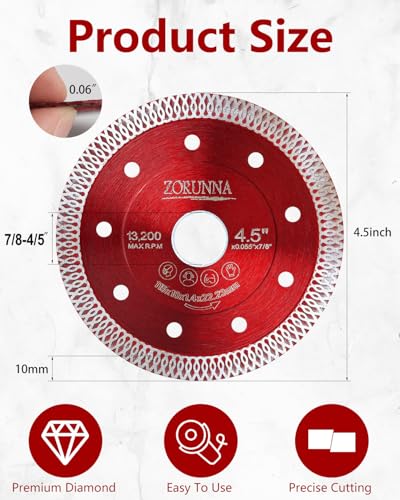
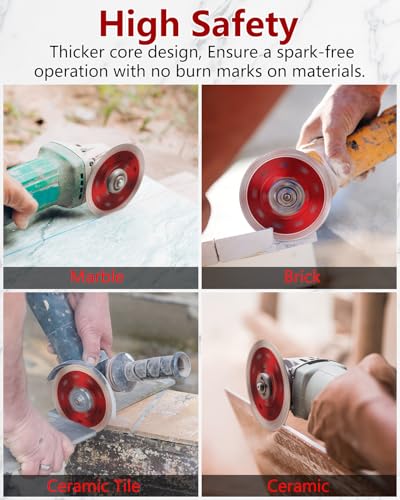
If you’re running a lot of tile cuts and don’t want to swap blades every other job, this ZORUNNA multi-pack delivers serious value. The ultra-thin design and X-teeth turbo rim help reduce chipping, especially on dense materials like porcelain and granite, and owners consistently report clean, fast cuts in both wet and dry conditions. With a max RPM of 13,200, they’re built to keep up with aggressive grinding, and the thicker core does seem to cut down on wobble, something many angle grinder users complain about with cheaper blades.
Still, don’t expect miracles on thick stone or continuous heavy use. Some reviewers note the edges dull faster when used dry for long stretches, which is typical for value-oriented diamond blades. But for DIYers tackling a bathroom backsplash or floor project, these punch above their price point.
Product photos
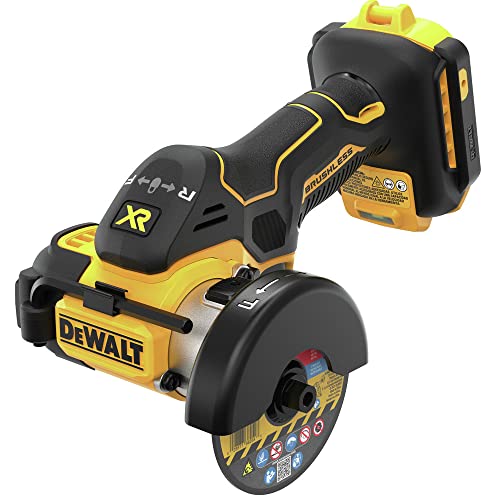
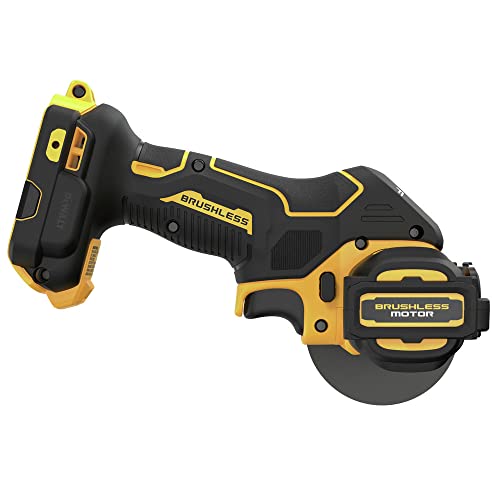
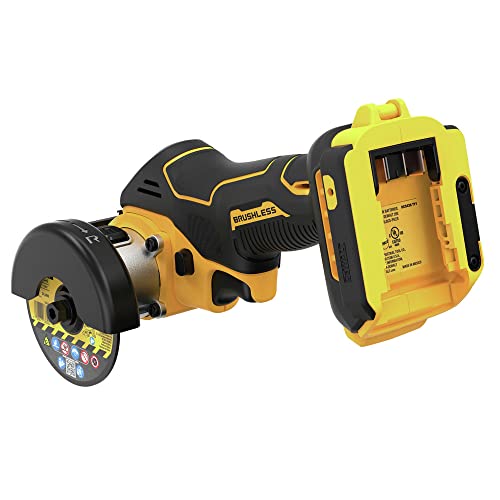
DEWALT 20V MAX XR Cut Off Tool

Strengths
- Brushless power
- Multi-wheel included
- LED work light
Trade-offs
- Bare tool only
- Dust management add-on
This DEWALT cut-off tool is a powerhouse in a compact body. The brushless motor gives it serious torque for a cordless unit, and it comes ready with three wheels, bonded abrasive, multi-material, and a dedicated diamond tile wheel, so you’re set for more than just tile. The LED light is a small touch, but it makes a difference in dim corners or under sinks. And I like that the dust shroud has tool-free depth adjustment and AirLock compatibility, because managing dust is half the battle with tile cutting.
It’s not a replacement for a wet saw, but for quick cuts in tile, metal, or even thin concrete, it’s hard to beat the portability. Just remember: it’s bare tool only, so you’ll need a 20V DeWalt battery.
Product photos


Rizom Glass Cutting Tool Kit

Strengths
- Oil-feed cutter
- Multiple wheel sizes
- Ergonomic handles
Trade-offs
- Not for tile cutting
- Limited heavy use
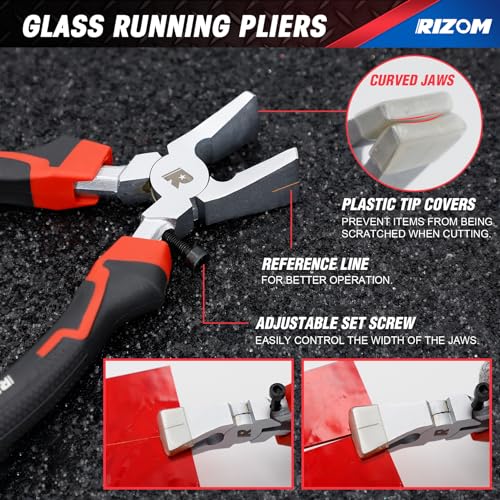
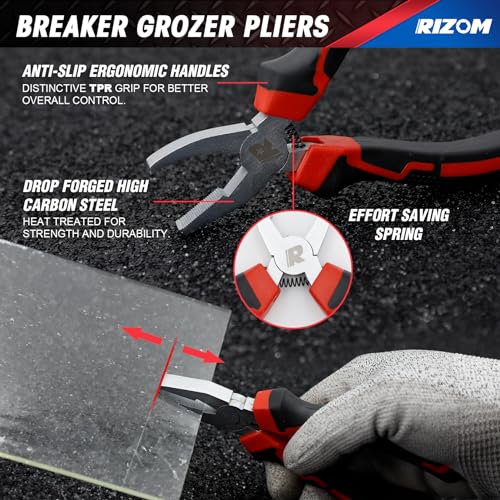
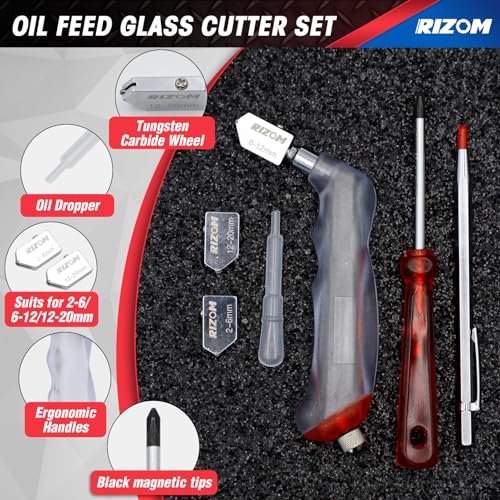
This kit is built for crafters and stained glass artists, not tile installers. The automatic oil-feed glass cutter is the standout, owners love how it maintains lubrication for smoother scoring, especially on thicker glass up to 20mm. The three interchangeable cutter heads let you match the wheel to the glass thickness, which reduces breakage and improves control. Pair that with the curved-jaw running pliers, and you’ve got a system that makes clean breaks without jagged edges.
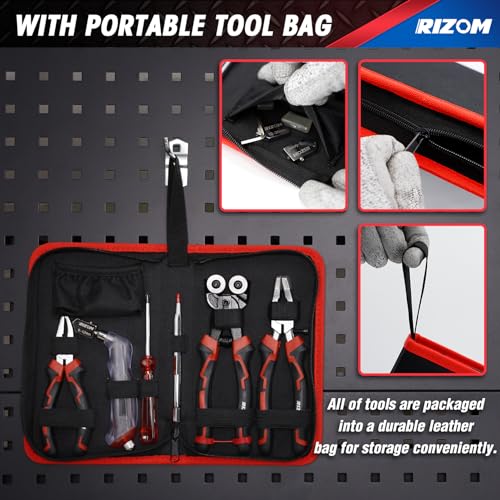
It’s not going to help you cut floor tile, but for mosaic work or custom glass pieces, it’s a solid starter kit. The canvas bag keeps everything organized, and replacement parts are included.
Product photos
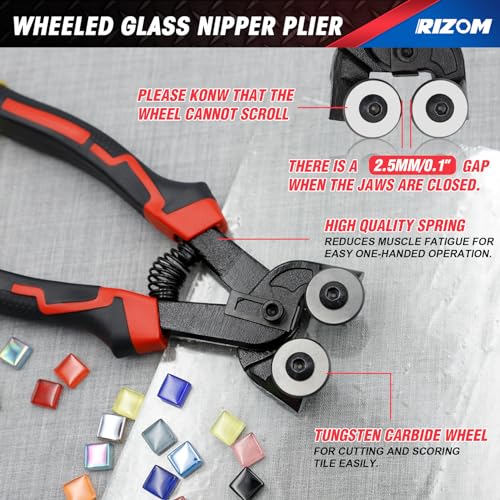
VEVOR 17-Inch Manual Tile Cutter

Strengths
- Compact and light
- Precise scoring
- Angle measurement
Trade-offs
- Limited thickness
- Small cutting length
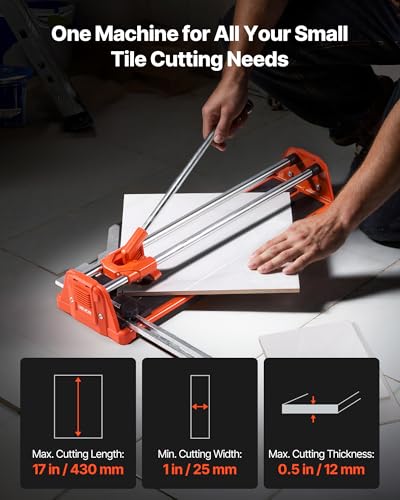
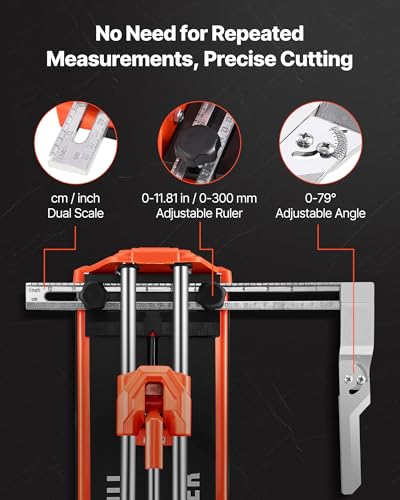
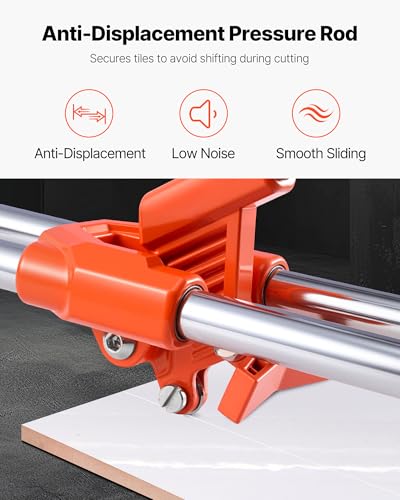
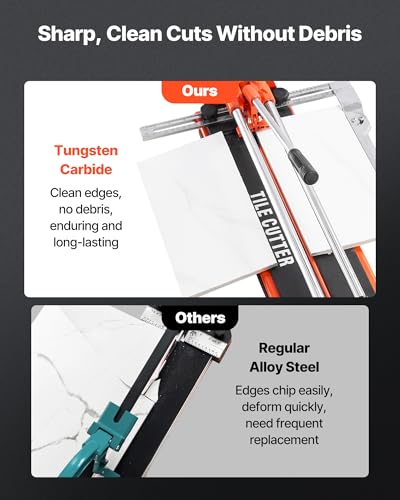
If you’re working in tight spaces or just need to cut a few wall tiles for a backsplash, this compact VEVOR 17-incher is a smart buy. It’s lightweight and easy to store, but still packs double rails and a tungsten carbide wheel for clean scoring. The anti-displacement pressure rod and non-slip base keep it steady, even on slick countertops, and the angle rulers help with diagonal cuts.
It won’t handle anything over 12mm thick, so skip it for floor tiles or slabs. But for small jobs, it’s accurate and intuitive, even beginners get clean breaks fast.
Product photos

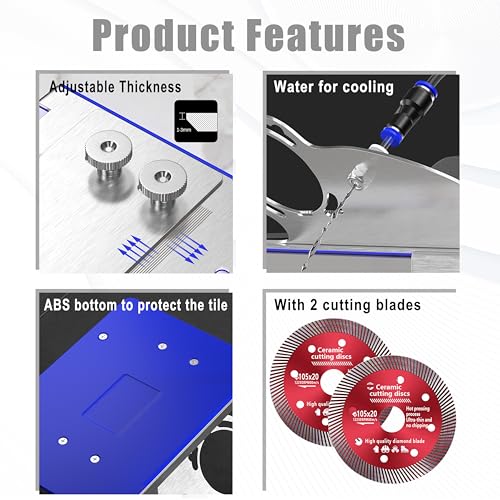
45 Degree Tile Chamfering Tool

Strengths
- Stainless steel build
- Adjustable angle guide
- Water cooling compatible
Trade-offs
- Grinder not included
- Narrow compatibility
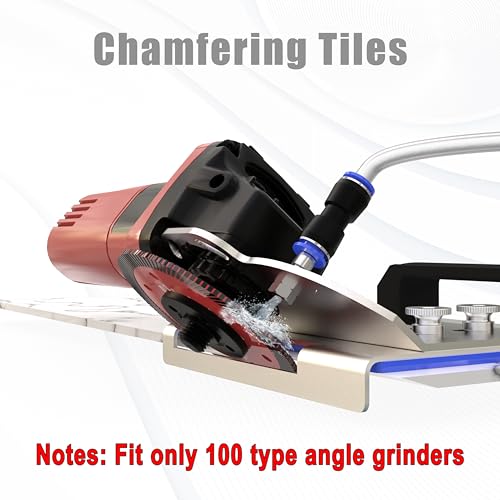
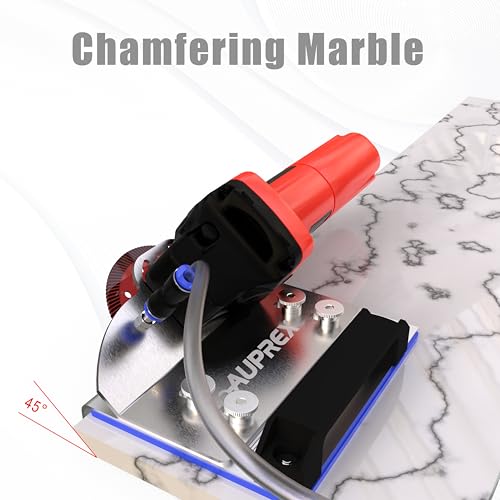
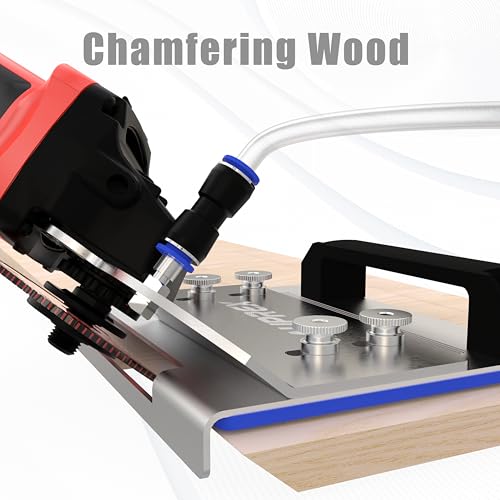
Beveled tile edges give a high-end finish, and this chamfering jig makes it possible without a dedicated wet saw attachment. Mount it on a 100-type angle grinder, and you’ve got a stable, adjustable guide for consistent 45-degree cuts. The stainless steel build resists rust, and the four locking nuts minimize vibration, owners say it holds alignment well even during long runs. The included tube connector for water cooling is a nice touch for preventing overheating.
It’s a niche tool, but if you’re installing tile in showers or stair edges where safety and aesthetics matter, it pays off. Just make sure your grinder fits the 45mm spindle max.
Product photos

How We Chose These tile cutting tools
Rather than a hands-on lab test, my research for these recommendations involved a detailed comparison of published specifications and features across numerous models. I then weighed owner reviews from major retailers alongside expert opinions found in trade publications and established tool review sites. My assessment was guided by over 15 years of experience with power tools and home renovation projects, applying practical knowledge to discern which tools offer the best combination of performance and value.
For tile cutting tools, cutting quality and durability were the primary factors. A clean cut, without chipping or cracking, is essential, so I prioritized blades and tools with positive feedback regarding edge finish. Equally important is longevity; frequent replacements drive up the overall cost, so I favored tools constructed with robust materials and designed for sustained use. The ability to handle a variety of tile types – porcelain, ceramic, glass, and natural stone – also heavily influenced my rankings.
Specifications reliably indicate a tool’s potential cutting depth, blade size, and motor power (for powered tools). However, real-world performance and build quality are best revealed through owner feedback. I paid close attention to comments regarding ease of use, stability, and how well a tool held up over time. Learning about common issues or shortcomings from those who actually use the tools was critical in differentiating between marketing claims and genuine performance. You can learn more about advanced methods like cutting tile with a wet saw for particularly challenging projects.
What To Look For In tile cutting tools
Finding the right tile cutting tool depends heavily on the scope of your projects and the types of tile you plan to work with. It’s not a one-size-fits-all situation.
A good tile cutting tool balances precision with durability. Key considerations include the material being cut (porcelain, ceramic, glass, stone), the type of cuts needed (straight, angled, holes), and the user’s experience level. Look for tools with stable bases, sharp cutting wheels or blades, and features that minimize chipping and breakage. Prioritize safety features like guards and ergonomic handles.
Cutting Method Matters
The first thing to decide is how you want to cut tile. Snap cutters are inexpensive and great for straight cuts on softer tiles, but they struggle with porcelain or complex shapes. Wet saws offer the cleanest, most precise cuts on all tile types, but they’re messy and require a water source. Diamond blades mounted on angle grinders give you versatility, while specialized tools like glass nippers excel at detail work and mosaics. For large-format tiles, consider a manual bridge saw. Don’t underestimate the importance of choosing the right method for the job; forcing the wrong tool will lead to frustration and broken tiles.
Blade or Wheel Quality is Paramount
Whether it’s a diamond blade or a carbide cutting wheel, the quality of the cutting element is the single biggest factor in achieving clean, professional-looking results. Cheap blades dull quickly, chip the tile, and can even bind up, creating a safety hazard. For general purpose cutting, a continuous rim diamond blade is a good starting point. However, if you’re working with particularly hard materials like porcelain or granite, you’ll want to invest in a blade specifically designed for those applications. Understanding diamond saw blade uses is vital for selecting the right blade.
- A blade with a higher diamond concentration will last longer but may cut slower.
- Continuous rim blades are best for smooth, chip-free cuts on harder tiles.
- Segmented rim blades excel at faster cutting on softer materials, but may leave a rougher edge – and are a good choice if you’re looking at blades for tile and stone.
Value & Usability Considerations
Don’t just focus on the initial price. Consider the long-term cost of ownership. A more expensive, well-built tool will likely last longer and require fewer replacement parts. Also, think about the features that will make your life easier. Look for tools with adjustable depth settings, built-in dust ports (especially with power tools), and ergonomic handles that reduce fatigue. If you’re planning to tackle a lot of tile work, a cordless model like the DEWALT 20V MAX XR Cut Off Tool can provide greater freedom and convenience. If you’re doing a lot of tile work, be sure to check out our tile saw buying guide for more options.
A dull blade is more dangerous than a sharp one. Always use a blade or wheel that’s in good condition, and replace it when it starts to show signs of wear.
Tile Cutting Tools Compared
This table provides a specification overview of various tile cutting tools available for comparison.
| Product Name | Cutting Type | Max Cut Length | Max Cut Thickness | Power Source | Key Features |
|---|---|---|---|---|---|
| VEVOR 48-inch Manual Tile Cutter | Manual | 48 inches | 1 inch | None | Laser guide, ball-bearing head |
| DAYDOOR Diamond Hole Saw Kit | Rotary | N/A | N/A | Drill | 13-piece kit, diamond-coated bits |
| Goldblatt 2-Piece Glass Tile Nippers | Manual | N/A | 3/8 inch | None | Carbon steel jaws, safety lock |
| ONEGOTOOL 4-1/2″ Diamond Tile Blade | Rotary | N/A | N/A | Angle Grinder | Thin blade, low cutting resistance |
| 5Pcs Diamond Saw Blades for Grinder | Rotary | N/A | N/A | Angle Grinder | X-teeth turbo mesh rim, wet/dry cutting |
| DEWALT 20V MAX XR Cut Off Tool | Rotary | N/A | N/A | Battery | Brushless motor, multiple wheel options |
| Rizom Glass Cutting Tool Kit | Manual | N/A | 20mm | None | Multiple cutter heads, oil feed system |
| VEVOR 17-Inch Manual Tile Cutter | Manual | 17 inches | 0.5 inch | None | Scale & angle rulers, anti-displacement design |
| 45 Degree Tile Chamfering Tool | Rotary | N/A | N/A | Angle Grinder | Stainless steel, adjustable, cooling connector |
Frequently Asked Questions
What’s the best tile cutter for a beginner?
A manual snap cutter is generally the best choice for beginners because they’re affordable, easy to use, and require no special skills. However, understand these cutters are limited to straight cuts on softer tiles like ceramic.
Can I use a tile cutter on porcelain tile?
Yes, but porcelain is very hard and requires a diamond blade, either on a wet saw or an angle grinder. Attempting to cut porcelain with a snap cutter will likely result in cracked or broken tiles.
How often should I replace a diamond blade?
Blade life depends on the material you’re cutting and usage frequency; however, a good rule of thumb is to replace it when you notice increased cutting time or chipping. Frequent use through hard materials will necessitate more frequent changes.
Are wet saws really necessary?
While not always necessary, wet saws deliver the cleanest, most precise cuts, especially on difficult materials like porcelain and glass. If you want professional-quality results or are working with expensive tile, investing in one of the best wet tile saws is worthwhile.
What’s the difference between a continuous rim and segmented diamond blade?
A continuous rim blade provides smooth, chip-free cuts on harder tiles, while a segmented rim blade cuts faster through softer materials but may leave a rougher edge. Selecting the right blade type is crucial for achieving the desired finish and cut quality.
The Bottom Line
Choosing a tile cutting tool always comes down to balancing control and convenience. If you want the absolute cleanest cuts on any tile type, and are willing to deal with the mess, the DEWALT 20V MAX XR Cut Off Tool paired with a quality diamond blade is the strongest overall performer – offering power and versatility. It won’t be the cheapest option upfront, but the precision and time savings are significant for larger projects.
For those on a tighter budget, or tackling smaller jobs with softer tiles, the VEVOR 48-inch Manual Tile Cutter is a fantastic choice. It delivers surprisingly accurate straight cuts and requires no power, making it ideal for quick repairs or simple installations. If you need detail work or are working with glass, the Goldblatt 2-Piece Glass Tile Nippers offer a simple, affordable solution for mosaics and intricate designs.
Ultimately, remember that a sharp blade and a steady hand are more important than any fancy feature. Understanding proper wet saw techniques or mastering the simple mechanics of a snap cutter will yield better results than an expensive tool used incorrectly. Prioritize safety, take your time, and choose the method that best suits your skill level and the demands of your project.
