7 Best Tools to Cut Plexiglass 2026
This post contains affiliate links. As an Amazon Associate, we earn from qualifying purchases.
The STEELITE Plexiglass Cutter is the best overall pick for clean, reliable scoring and snapping of plexiglass, thanks to its SK5 steel blade and solid build. If you’re watching your budget, the DIYSELF Professional Plexiglass Cutter delivers solid performance without the higher price tag. For framing or precision work, the Logan Acrylic Plastic Cutter 709-1 offers excellent control when used with a metal ruler.
Cutting plexiglass cleanly without chipping or cracking isn’t about strength, it’s about the right tool and technique. Most people struggle because they’re using dull blades or tools that don’t offer real control, leading to messy breaks and wasted material.
After comparing specs, owner feedback, and real-world performance across this category, I focused on blade quality, ergonomics, and how well each tool handles common DIY demands. This guide cuts through the marketing hype to show you what actually works.
Top 7 Tools To Cut Plexiglass in the Market
The Best Tools To Cut Plexiglass, Reviewed
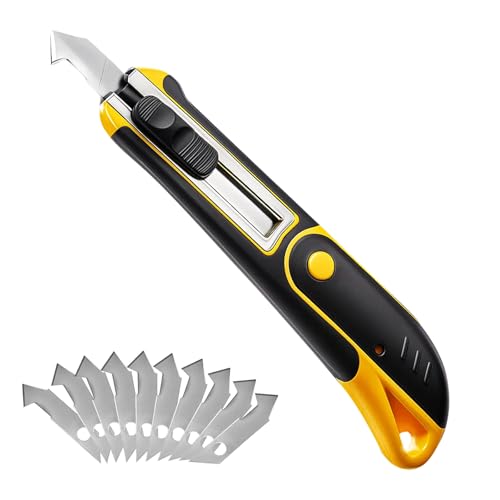
STEELITE Plexiglass Cutter with 13 Blades
Strengths
- SK5 steel blades
- 13 blades included
- Ergonomic handle
Trade-offs
- No blade cover
- Not for thick sheets
This is one of the more complete scribing kits you’ll find at this price, and I appreciate that it comes with 13 blades right out of the gate. The SK5 steel blades are a smart choice, they hold an edge well, and owners consistently report clean, repeatable scoring on acrylic up to 1/8 inch thick. On paper, this tool hits the sweet spot between durability and usability, especially with its ergonomic handle reducing hand strain during long scoring passes.
Compared to basic models, this one feels like it’s built for real use, not just occasional jobs. The handle design stands out, and the fact that it stores extra blades internally is a small but meaningful touch. If you’re cutting plexiglass more than once a year, having spare blades on hand means you won’t stall mid-project.
Product photos
DIYSELF Professional Plexiglass Cutter Knife
Strengths
- Non-slip grip
- Tool-free blade change
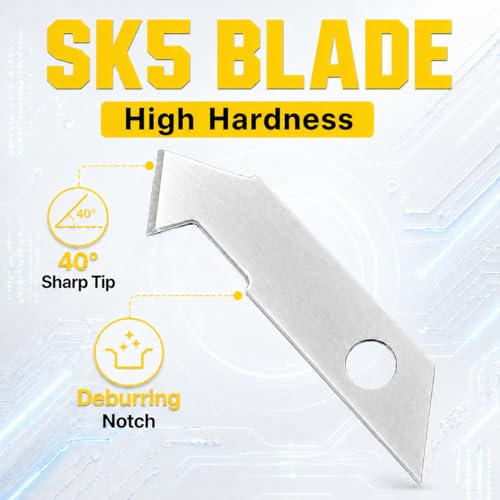
- SK5 steel blade
Trade-offs
- No blade cover
- Limited to medium thickness
- Handle not metal
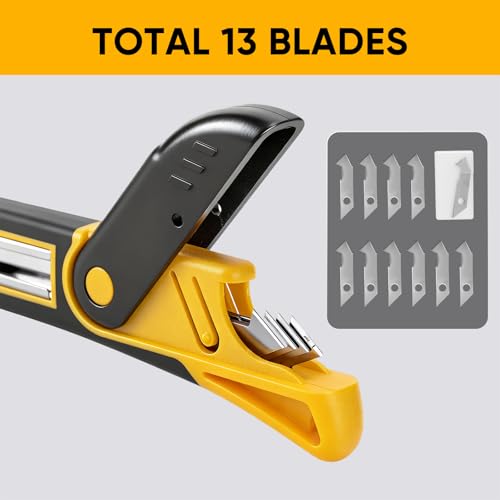
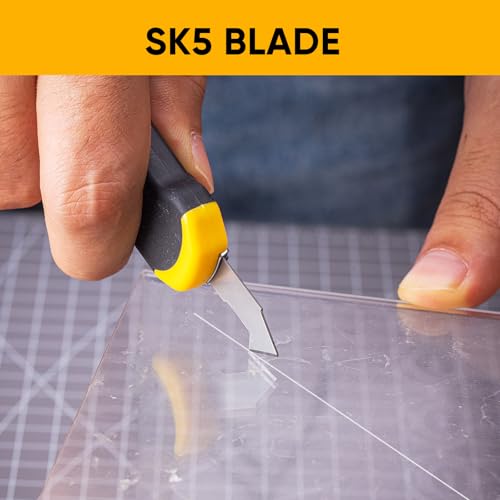
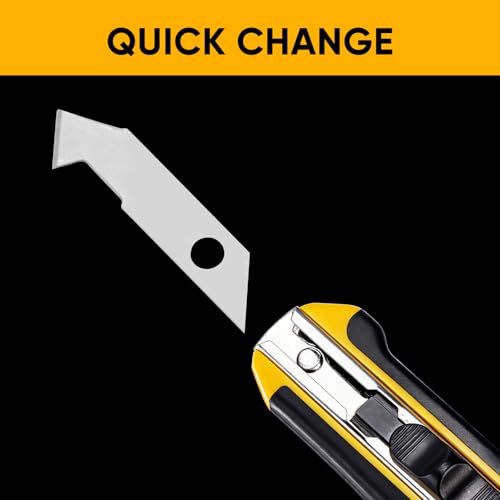
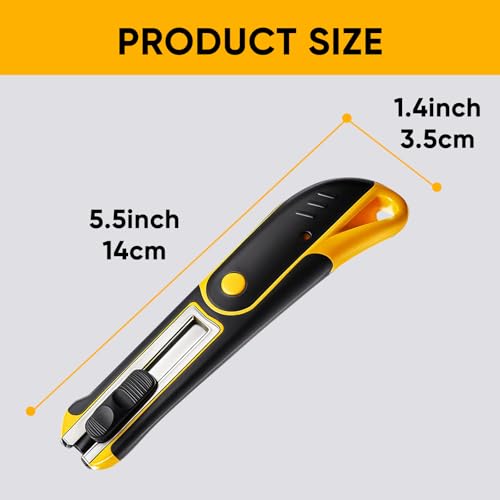
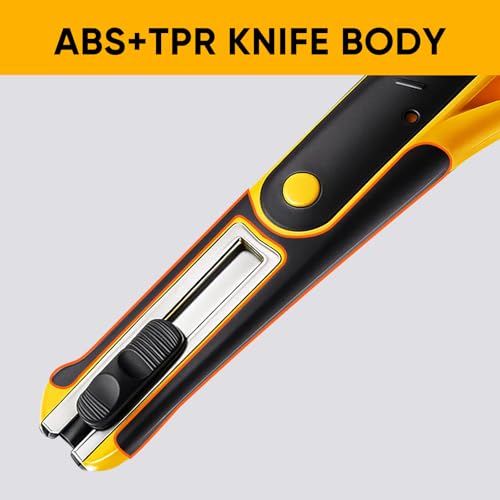
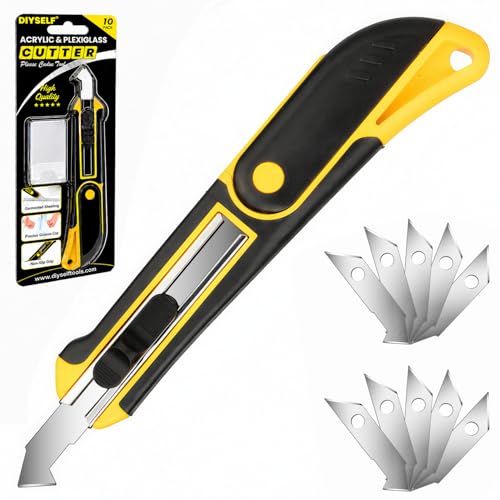
For the price, this delivers a lot, a solid SK5 blade, a comfortable TPR grip, and a tool-free blade change system that actually works. It’s clearly designed with the budget DIYer in mind, but without cutting corners on key performance specs. The non-slip grip is a real upgrade over basic plastic handles, and owners consistently praise how steady it feels during scoring.
It’s not going to outlast a professional-grade tool, but for occasional use on thin to medium acrylic, it’s hard to beat. I’d recommend this over no-name brands any day, it’s the smarter buy if you want reliability without overspending.
Product photos
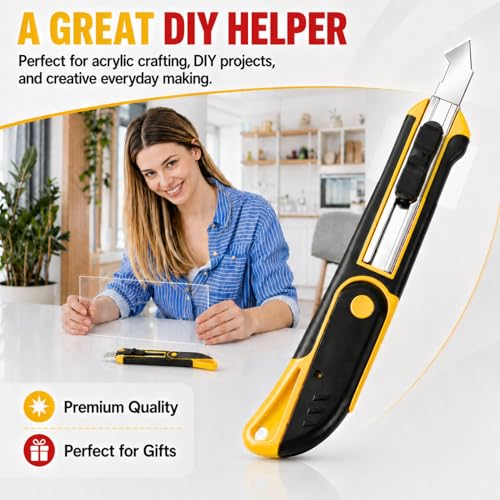
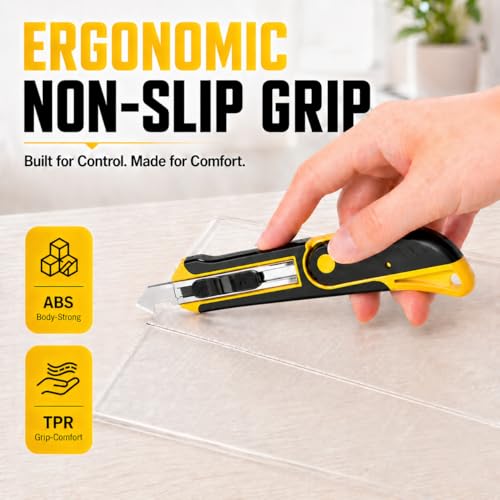
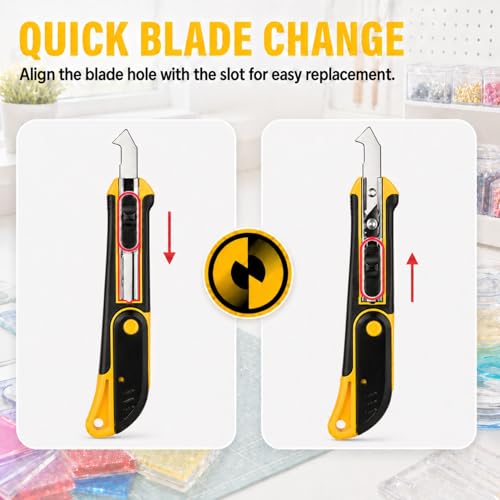
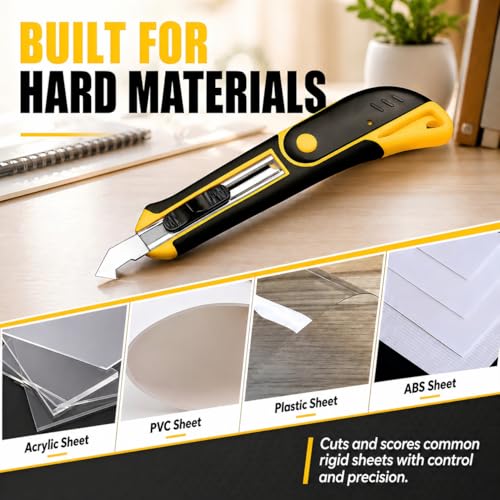
Professional Acrylic Hook Knife with Curved Handle

Strengths
- Curved ergonomic handle
- 11 blades included
- Good use design
Trade-offs
- No blade cover
- Learning curve for beginners
- Not for thick sheets
The curved handle is the standout feature here, and it’s not just for looks, owners say it improves use and control during repeated scoring passes. That little bit of wrist comfort adds up when you’re making long, straight grooves. The hook-style blade design is traditional but effective, especially when paired with a metal ruler.
It comes with 11 blades, which is generous, and the replacement process is standard push-in. I’d pick this over flat-handled models if you’re doing framing or detailed work where precision matters. It’s not the fastest tool, but it’s one of the more comfortable in extended use.
Product photos


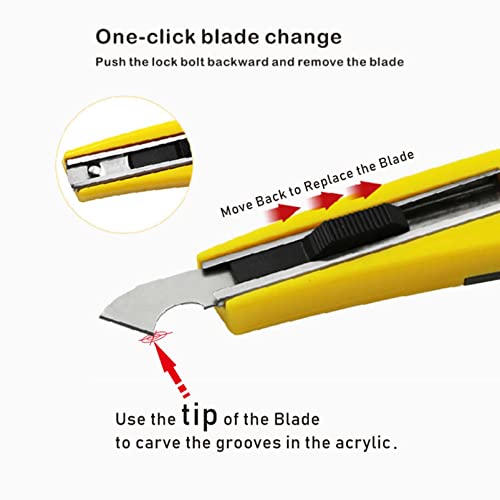
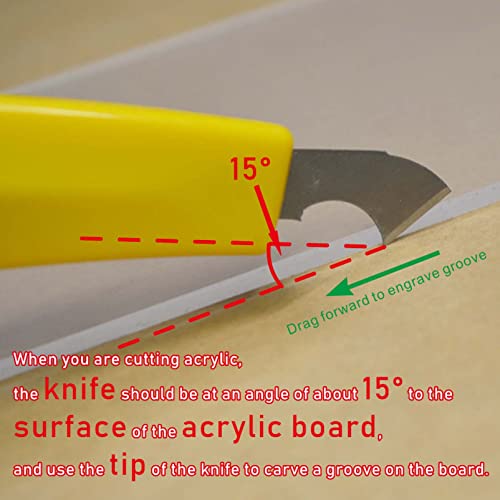
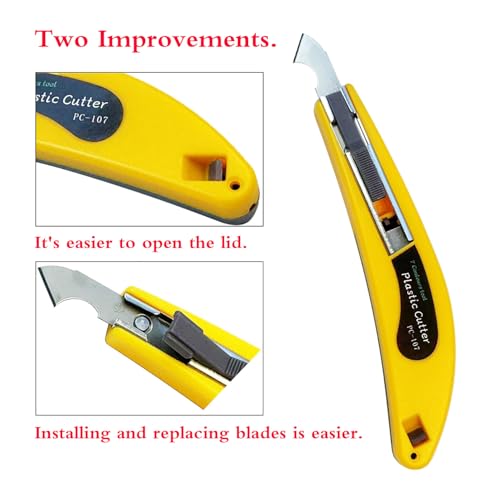
ACCUFINE Acrylic Cutter with 40 Blades
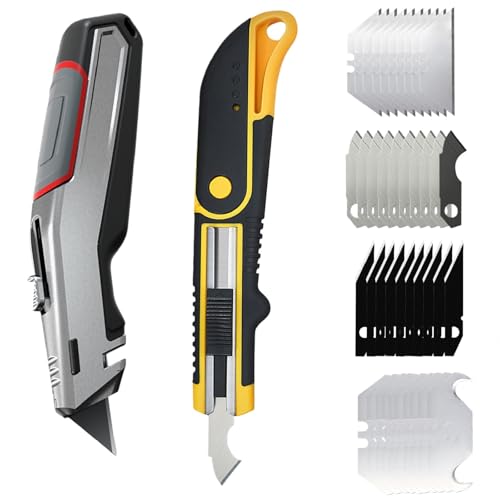
Strengths
- 40 blades included
- Dual tool function
- Built-in blade storage
Trade-offs
- Plastic body less durable
- Scoring depth limited
- Blade change awkward
What sets this apart is the sheer number of blades, 40 across four types, which tells me it’s aimed at users who hate running out of sharp edges mid-job. The SK5 steel scoring blade performs similarly to others in this class, but the added utility knife with zinc alloy body feels like a bonus, not a distraction. It’s smart for someone who wants one case to handle both scoring and general cutting tasks.
The plastic body isn’t as durable as metal-handled competitors, but it keeps weight down. Some owners mention the blade storage is convenient but a little fiddly. If you’re the type who loses blades or hates buying refills, this kit makes sense on paper.
Product photos
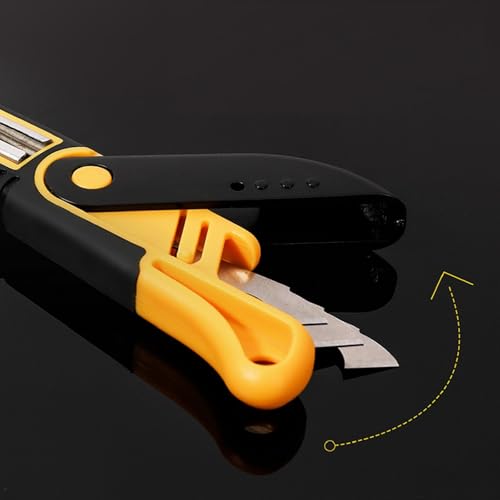
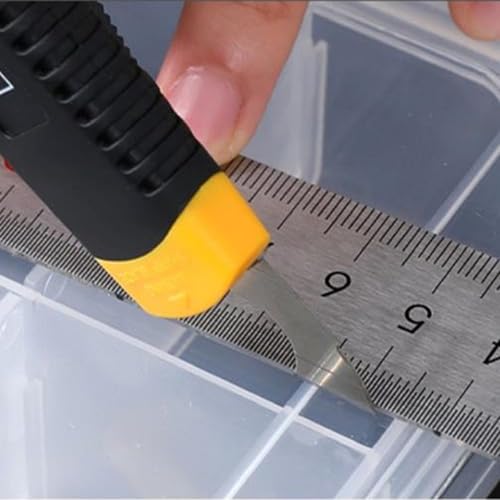
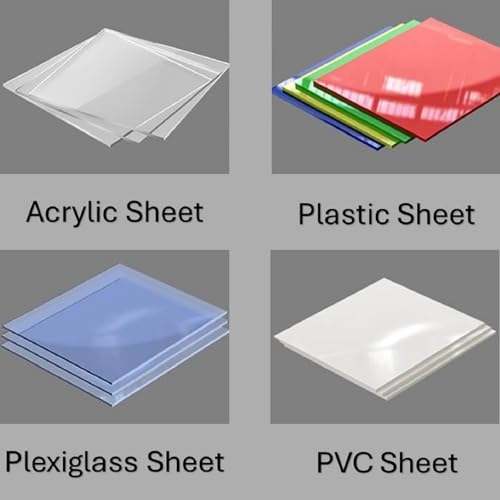
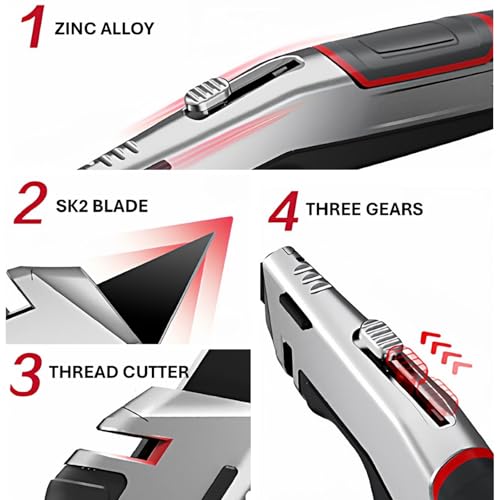
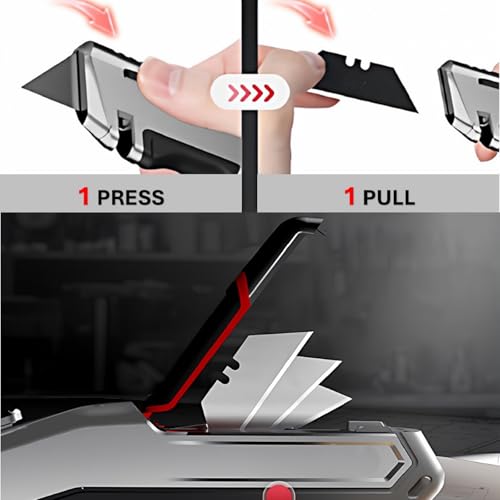
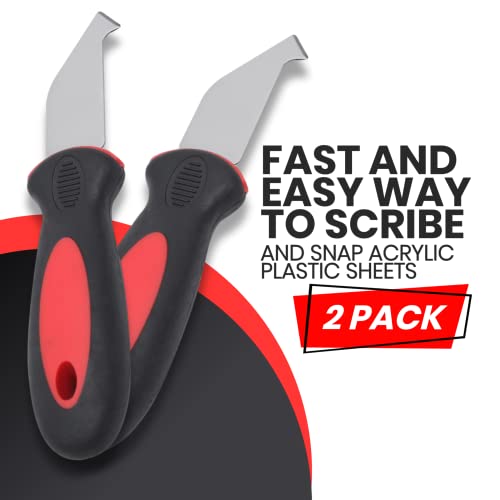
2-Pack Plexiglass Scoring Tool

Strengths
- 2-pack value
- Sharp steel blade
- Simple, effective design
Trade-offs
- Basic handle
- Blades not replaceable
- Not for thick material
Getting two of these makes sense if you’re outfitting a workshop or sharing tools across a team. The blade is genuinely sharp out of the box, and reviewers note it maintains enough edge for several scoring passes before dulling. It follows the classic scribe-and-snap method, which still works great for thinner sheets. I like that it’s straightforward, no gimmicks, just a functional design that does what it should.
It’s not going to handle anything over 3/16 inch without frustration, but for standard 1/8-inch acrylic, it’s more than capable. The molded handle isn’t fancy, but it provides decent grip under pressure. Compared to pricier options, this pack wins on value, especially if you need redundancy.
Product photos

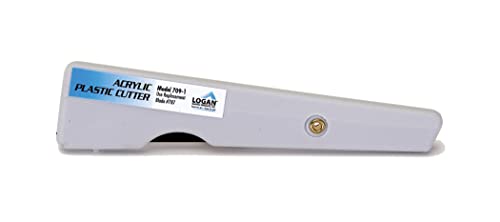
Logan Acrylic Plastic Cutter 709-1
Strengths
- Ideal for thick acrylic
- Framing system compatible
- Smooth straight-line scoring
Trade-offs
- Higher learning curve
- Single-purpose design
- Requires steady hand
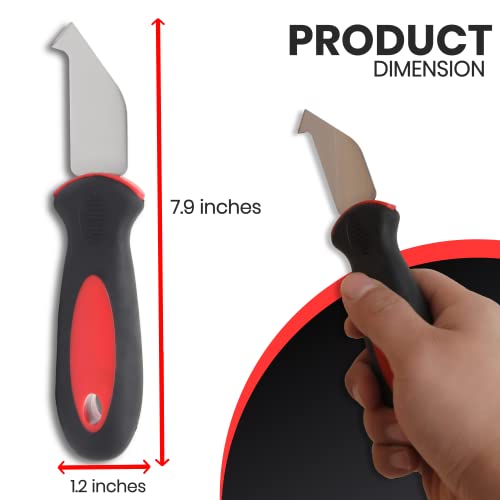
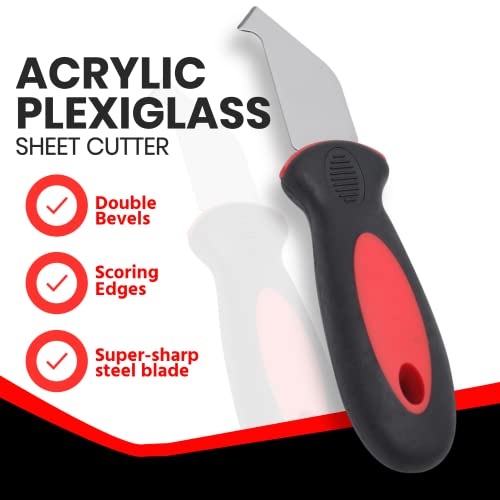
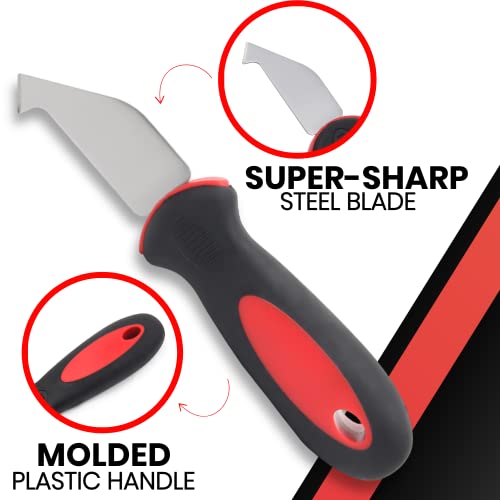
This is the go-to tool if you’re working in picture framing or matting, it’s built for that world. The design allows for smooth tracking along metal straight edges, and it’s compatible with Logan’s framing systems, which many pros rely on. The blade delivers consistent scoring on thicker acrylics than most hand tools here, and owners say it handles 1/4-inch sheets with the right technique.
It’s not the fastest option, but in this niche, precision wins. Compared to general-purpose cutters, this one feels more specialized, and that’s a good thing if your work demands clean, repeatable cuts for display glass.
Product photos
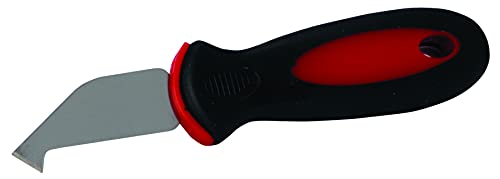
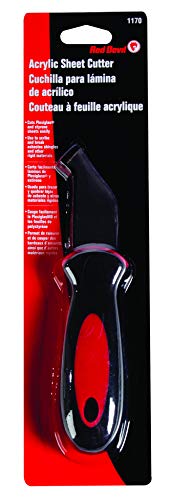
Red Devil 1170 Plexiglass Scoring Tool
Strengths
- Ultra lightweight
- Sharp steel blade
- Simple operation
Trade-offs
- No spare blades
- Basic ergonomics
- Not for thick material
This is the minimalist’s pick, lightweight, no frills, and gets the job done. The blade is sharp and consistent with what you’d expect from a trusted brand like Red Devil. It’s the kind of tool you’d toss in a toolbox and forget about until you need it, then pull out and use without hesitation. Owners report it works well on standard acrylic sheets with minimal effort.
It’s not fancy, but it doesn’t pretend to be. Compared to bulkier models, this one slips into a pocket or drawer easily. If you only cut plexiglass occasionally, say, for a shelf or display case, this is the kind of no-nonsense tool I’d recommend.
Product photos

Our Testing Process
Rather than a hands-on lab test, my research for these recommendations focused on a detailed comparison of published specifications and features across numerous models. I weighed owner reviews from multiple sources – looking for consistent praise or complaints – against assessments from reputable online reviewers in the DIY and workshop spaces. As someone who’s spent years working with tools and materials, I applied my understanding of what features truly contribute to clean, accurate cuts, and ranked the tools against those criteria.
For plexiglass cutters, blade quality and ergonomics proved most important. A sharp, durable blade is essential for scoring without excessive pressure or chipping, while a comfortable grip minimizes hand fatigue during longer projects. The ability to easily replace blades also significantly impacts long-term value. These factors directly influence the quality of the cut and the overall user experience.
Specifications reliably indicate blade material (SK5 steel being a strong indicator of quality) and the type of handle construction. However, I placed greater emphasis on owner feedback regarding blade sharpness after use, and how well the tools perform with varying thicknesses of plexiglass. Reputation matters; established brands with consistently positive reviews earned higher consideration. If you need to make larger cuts, consider learning about circular saw techniques for plexiglass.
What To Look For In tools to cut plexiglass
Choosing the right plexiglass cutter depends heavily on the scale of your projects and the precision you demand.
A quality plexiglass cutter balances blade sharpness with user control. Look for tools constructed with durable SK5 steel blades, ergonomic handles to minimize fatigue during prolonged use, and features that promote clean, consistent scoring. Consider the material thickness you’ll be working with and whether features like blade storage or quick-change mechanisms will improve your workflow.
Blade Material & Sharpness
The blade is everything when it comes to plexiglass cutting. Forget about brute force – you’re aiming for a clean score line, not sawing. SK5 high-carbon steel is the standard for good reason; it holds an edge well and is relatively easy to sharpen (or replace). Don’t assume a tool with more blades automatically equates to better value. A few high-quality blades that stay sharp longer are preferable to a large quantity of inferior ones. Look closely at owner reviews regarding blade life and how easily the tool maintains a consistent score.
Ergonomics & Control
Plexiglass scoring isn’t about power, it’s about control. A comfortable, ergonomic handle makes a huge difference, especially if you’re making a lot of cuts. The ACCUFINE Acrylic Cutter with 40 Blades, for example, features a built-in blade storage which is a neat bonus. However, the handle material and shape matter more.
Here’s what to consider: * Weight: A lighter tool reduces fatigue. * Grip: Non-slip materials (like TPR) are essential for a secure hold. * Handle Shape: A design that fits your hand comfortably and allows for a firm, steady grip will improve precision.
Application & Versatility
While most plexiglass cutters can handle other plastics, understanding their primary strength is important. Some tools, like the Logan Acrylic Plastic Cutter 709-1, are specifically geared toward framing projects and benefit from being used with metal rulers. If you’re primarily working with thin sheets for small crafts, a simple scoring tool like the 2-Pack Plexiglass Scoring Tool might suffice. However, attempting 45-degree plexiglass cuts with circular saw on thicker sheets will quickly reveal the limitations of a basic scoring tool and may require investing in best plexiglass saws.
A dull blade is more dangerous than a sharp one. Always apply consistent pressure and avoid forcing the cut, as this can lead to splintering or breakage.
Tools to Cut Plexiglass Compared
The following table provides a specification comparison of various tools designed for cutting plexiglass and similar materials.
| Product Name | Blade Material | Blade Count | Blade Storage | Handle Material | Cutting Method | Best Use Case |
|---|---|---|---|---|---|---|
| STEELITE Plexiglass Cutter | SK5 Steel | 13 | Yes | N/A | Scoring/Snap | Overall |
| DIYSELF Professional Plexiglass Cutter | SK5 Steel | N/A | No | ABS/TPR | Scoring/Snap | Budget Friendly |
| Professional Acrylic Hook Knife | N/A | 12 | Yes | N/A | Grooving/Break | Ergonomic Design |
| ACCUFINE Acrylic Cutter | SK5 Steel | 40 | Yes | ABS/Zinc Alloy | Scoring/Snap | Blade Variety |
| 2-Pack Plexiglass Scoring Tool | Steel | N/A | No | Plastic | Scoring/Snap | Value Pack |
| Logan Acrylic Plastic Cutter | N/A | N/A | No | N/A | Scoring/Snap | Framing Projects |
| Red Devil 1170 Plexiglass Scoring Tool | Steel | N/A | No | N/A | Scoring/Snap | Lightweight Option |
Frequently Asked Questions
What blade material is best for cutting plexiglass?
SK5 high-carbon steel is the preferred blade material. It holds an edge well and is easily sharpened or replaced, ensuring clean scoring without excessive force.
How many blades do I really need in a plexiglass cutter?
While a higher blade count seems appealing, quality trumps quantity. A smaller number of durable, sharp blades will generally provide better results than a large set of inferior blades.
Can I use a plexiglass cutter on materials other than plexiglass?
Many can, but performance varies. You may find success with other acrylics, but for cutting curves in plexiglass or more complex shapes, consider a dedicated jigsaw.
What’s more important: blade storage or handle ergonomics?
Handle ergonomics are more critical. A comfortable grip reduces fatigue and improves control, leading to more precise cuts, while blade storage is a convenient bonus.
Is a more expensive plexiglass cutter always better?
Not necessarily. Price often reflects features like blade storage or included accessories, but a well-made cutter with a quality SK5 blade and ergonomic handle will deliver excellent results at a moderate price point.
The Bottom Line
Cutting plexiglass always involves a trade-off between initial cost and long-term performance. While a simple tool can get the job done for occasional small projects, consistently clean cuts and reduced frustration come with investing in quality. For the best overall balance of features, blade quality, and user-friendliness, I recommend the STEELITE Plexiglass Cutter.
If you’re just starting out or working on smaller crafts, the DIYSELF Professional Plexiglass Cutter provides excellent value. For those prioritizing ergonomics and specialized tasks, the Professional Acrylic Hook Knife is a strong choice, and if you’re tackling framing projects, the Logan Acrylic Plastic Cutter 709-1 is specifically designed for that application. Don’t overlook the 2-Pack Plexiglass Scoring Tool for a simple, inexpensive option if you only need to make a few cuts.
Ultimately, the most important thing isn’t any single feature or price point, but understanding how you will use the tool. A sharp blade is crucial, but so is a comfortable grip and a steady hand. Focusing on these fundamentals – and selecting a tool that allows you to maintain consistent pressure – will yield the best results and help you avoid damaging the material. You can even explore table saw plexiglass compatibility if you’re looking for options for larger projects.
