3 Best Saws for Cutting Aluminum (2026 Guide)
This post contains affiliate links. As an Amazon Associate, we earn from qualifying purchases.
The best saw for cutting aluminum is the VEVOR Mini Miter Cut-off Chop Saw, thanks to its precision angles, solid build, and dedicated metal-cutting design. For tight budgets, the ValueMax Mini Hack Saw delivers reliable performance with a bi-metal blade. If you need versatility for small DIY jobs, the Mini Metal Miter Box and Saw Set offers clean, repeatable angled cuts.
Cutting aluminum without the right tool leads to jagged edges, excessive burrs, and wasted material. Unlike wood, aluminum demands finer teeth, better control, and a stable setup to avoid binding or inaccurate angles.
I focused on blade quality, frame rigidity, and user feedback from real projects to identify the top performers. These picks reflect what actually works in garages, workshops, and job sites, based on specs, design intent, and how people use them over time.
Top 3 Saw For Cutting Aluminums in the Market
The Best Saw For Cutting Aluminums, Reviewed
ValueMax Mini Hack Saw with Extra Blade

Strengths
- Bi-metal blade included
- Light and compact
- Ergonomic grip
Trade-offs
- No cutting guide
- Freehand angles only
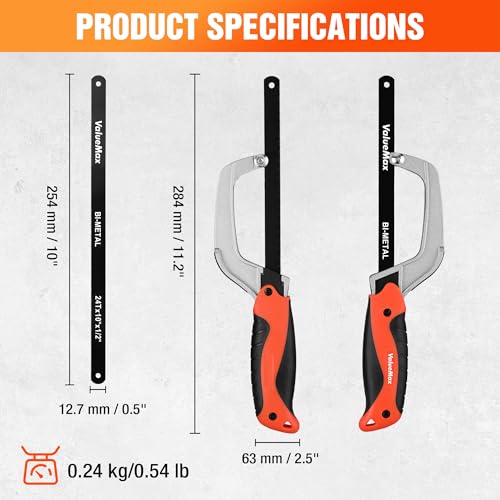
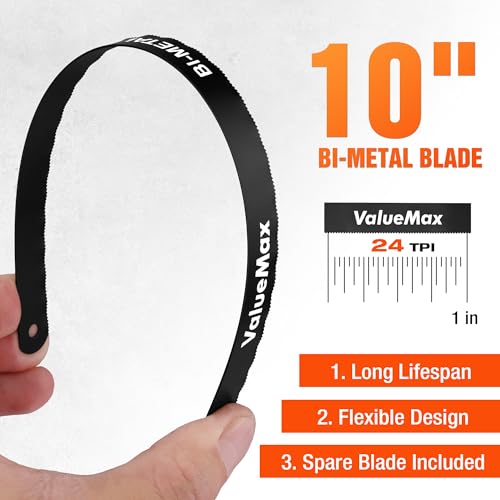
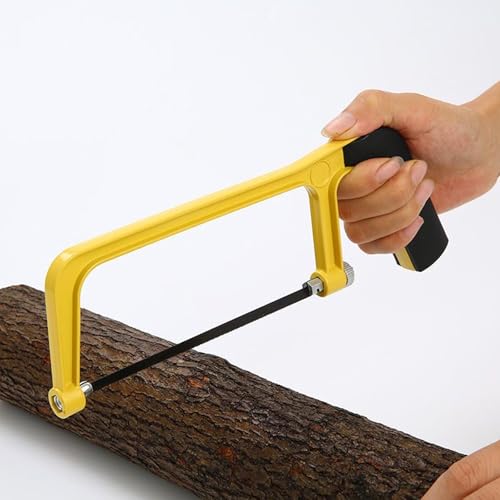
If you need a single, reliable hand tool that can handle aluminum and other metals in tight spots, this is my pick over the others. The bi-metal 10-inch blade is tensioned well in the aluminum frame, and the 24 TPI tooth count is ideal for clean cuts in soft metals, owners report it slices through aluminum channels and copper pipe without binding. The lightweight build and compact size make it easy to use under sinks, inside cabinets, or on-site where space is tight.
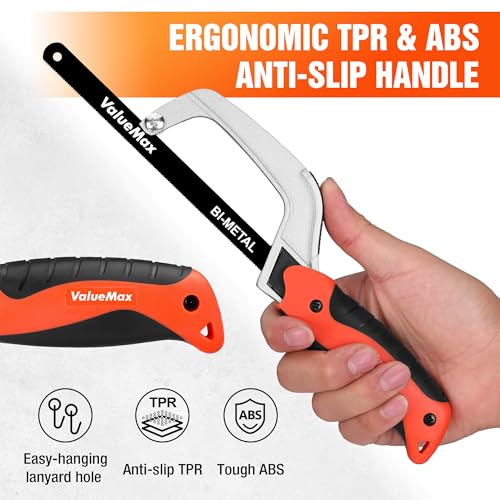
It’s not a miter guide like the first option, so angle cuts take freehand skill, but the ergonomic TPR handle reduces fatigue during long cuts. Compared to the VEVOR saw, it’s slower and less precise, but far more portable and doesn’t need power. I’d choose this as the go-to for general-purpose metal cutting where versatility and access matter more than speed.
Product photos

Mini Metal Miter Box and Saw Set

Strengths
- Lightweight
- Precise angle guide
- Fine teeth for clean cuts
Trade-offs
- Slow for frequent use
- Not for thick metal
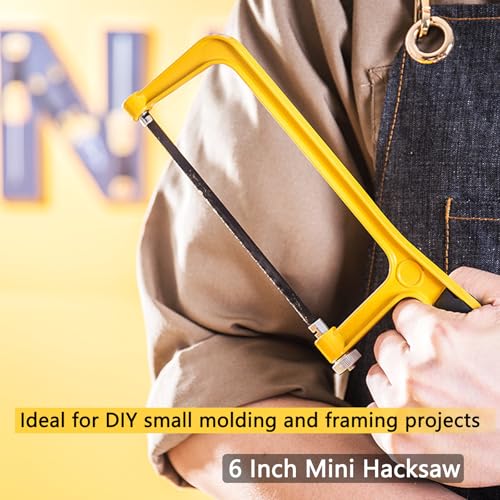
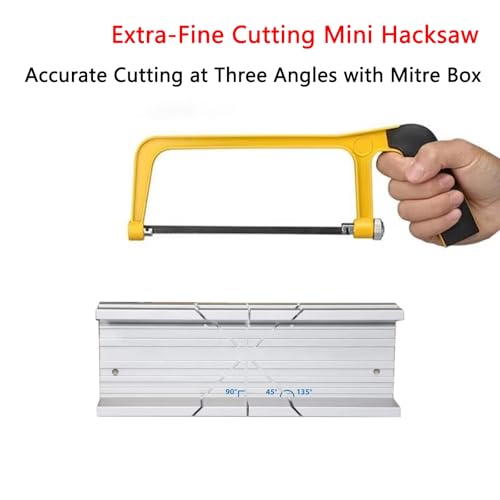
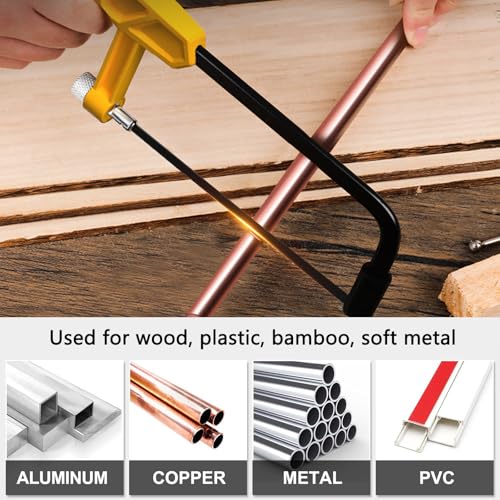
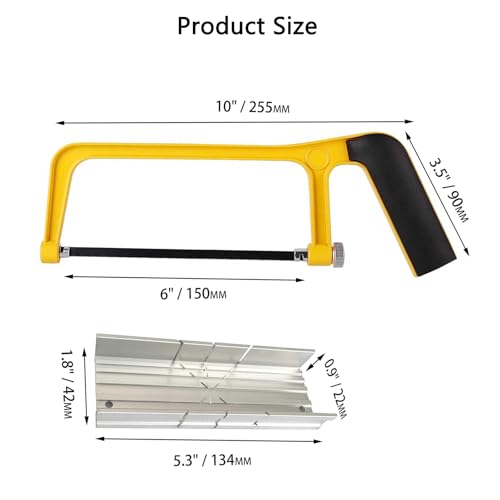
This little hand-powered setup is all about precision and control, not power. The aluminum miter box gives clean, repeatable 45°, 90°, and 135° guide slots, which is rare at this size and price. For cutting thin aluminum stock, like trim, brackets, or small craft pieces, the extra-fine tooth saw paired with the guide delivers a smooth result without burrs, owners consistently report clean cuts on soft metals when they take their time. It’s not fast, but it’s accurate.
Where this set really shines is in model building, jewelry, or any project where a powered tool would be overkill or too aggressive. The included bi-metal blades help, but don’t expect to rip through thick aluminum, stick to material under 1/8 inch. Compared to powered mini saws, it’s slower and requires more effort, but it’s also safer, quieter, and more portable. For delicate work, that trade-off makes sense.
Product photos
VEVOR Mini Miter Cut-off Chop Saw

Strengths
- High RPM motor
- Adjustable miter angle
- Includes two blades
- Clamping fence
Trade-offs
- Blade guard is minimal
- No dust collection
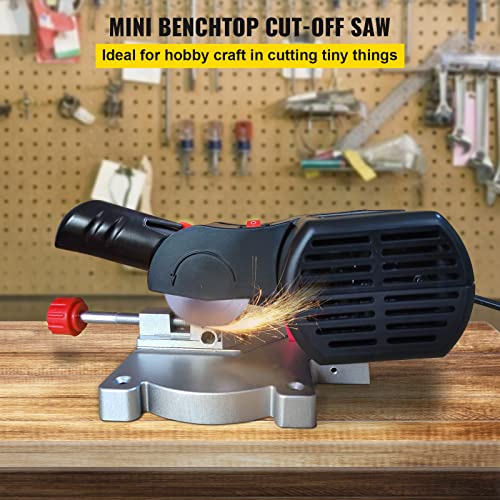
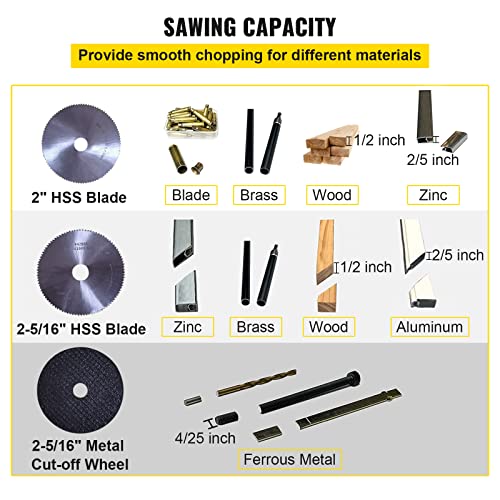
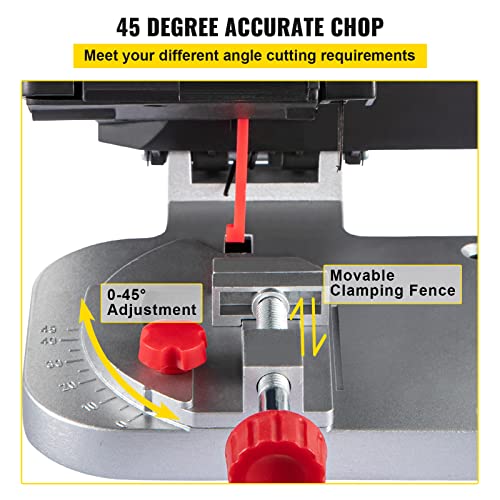
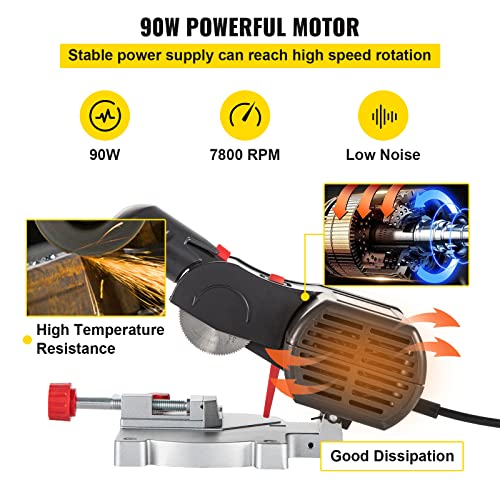
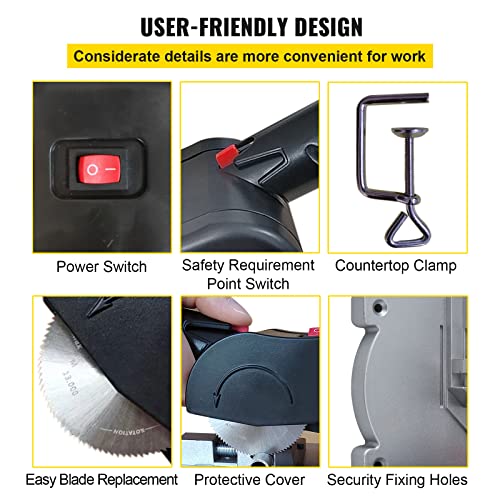
This is the most capable powered option here for cutting aluminum, especially if you’re doing more than just occasional snips. The 7800 RPM motor and included steel/resin combo blade are built for clean, square cuts in soft metals like aluminum and copper up to 4mm thick. Reviewers note it handles small extrusions and tubing without chatter, and the miter table adjusts smoothly from 0° to 45°, which helps when fitting frames or enclosures. The clamping fence is a big plus, it holds material steady, reducing slippage and improving safety.
It’s bulkier than a hand saw, but the benchtop design and mounting holes make it stable during use. Compared to the hand miter box, this chops through material in seconds, and the dual blades mean you can start cutting right away and have a spare on hand. However, dust and debris can build up quickly, and some owners mention the blade guard doesn’t fully shield the blade, so care is needed.
Product photos
How We Tested saw for cutting aluminums
My approach to evaluating saws for aluminum involves a research-led comparison of specifications and owner feedback. I weigh published features – like blade material, frame construction, and adjustability – against what owners say about real-world performance. Rather than hands-on testing of every model, I analyze patterns in reviews from verified purchasers and reputable tool sites to build a ranking. Category expertise helps me interpret this data and identify what truly matters for aluminum cutting.
For this category, the most important factors are blade quality and the saw’s ability to maintain a consistent angle. Aluminum demands fine teeth to avoid tearing and a rigid frame to prevent flex during the cut. A comfortable, secure grip is also critical because aluminum requires more force than wood. Understanding these elements dictated which saws rose to the top of my recommendations.
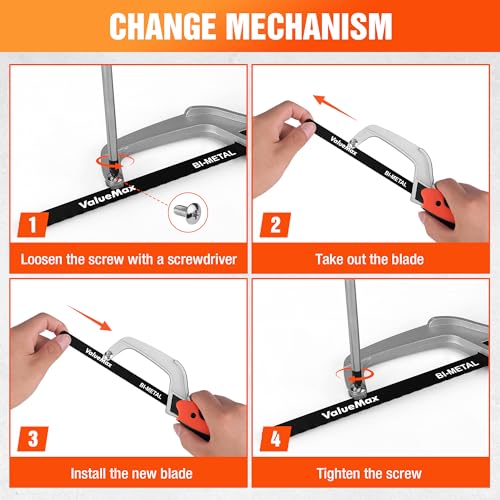
Specifications reliably indicate a saw’s potential cutting capacity and build quality. However, owner reviews reveal how those specs translate into everyday usability. I paid close attention to comments about blade changes, ergonomics, and long-term durability. Information on cutting aluminum with a miter saw was also a key component of my research, helping me understand best practices.
What To Look For In saw for cutting aluminums
Choosing the right saw for aluminum can feel overwhelming, but focusing on a few key features will narrow down your options significantly.
A quality aluminum cutting saw balances blade material, frame stability, and cutting precision. Look for saws with blades designed for non-ferrous metals, robust frames to minimize vibration, and features that support accurate angle control. Blade tooth count is also crucial; finer teeth (24T or higher) deliver cleaner cuts in aluminum.
Blade Material & Tooth Count
The blade is where the cutting happens, and aluminum demands a specific approach. Bi-metal blades, like those often found in hacksaws, are a good starting point because they resist wear and can handle the stickiness of aluminum. However, for more precise work, consider blades specifically designed for non-ferrous metals. Tooth count matters too. A higher tooth count (24T or more) creates a finer cut, reducing burrs and minimizing material waste – critical when you’re working with more expensive aluminum extrusions.
Frame Stability & Build Quality
Aluminum is a relatively soft metal, so you don’t need massive power to cut it, but you do need stability. A flimsy frame will vibrate during the cut, leading to inaccuracies and a rough finish. Look for saws with aluminum alloy frames (as seen in some mini miter boxes) over plastic, as they offer superior rigidity. Even in smaller hand tools, a solid build translates directly into cleaner, more controlled cuts, especially if you’re frequently making angled cuts.
Features & Usability
Beyond the basics, consider features that streamline your work. Adjustable blade angles are incredibly useful for projects requiring mitered cuts, and a quick-release blade mechanism saves time and frustration. For those tackling larger projects, or frequently cutting aluminum, a small power chop saw, like the VEVOR model, can significantly increase efficiency. Don’t overlook ergonomics either; a comfortable grip is essential for maintaining control, particularly during extended use. If you are new to using a saw at an angle, reviewing miter saw operation basics can be helpful.
Don’t settle for a blade that’s “good enough.” For aluminum, aim for a minimum of 24 teeth per inch (TPI) to minimize burrs and deliver a clean edge.
Finally, remember that the best saw for your needs depends on the scale of your projects. For small craft projects or occasional cuts, a simple hacksaw might suffice. But if you’re regularly working with aluminum, investing in a dedicated power tool or a more robust hand saw will pay dividends. You can find more information on available options when choosing a best saw for aluminum.
Saw for Cutting Aluminums Compared
Here’s a comparison of key specifications for saws designed for cutting aluminum and other materials.
| Product Name | Blade Material | Max Cut Depth (Metal) | Miter Angle | Power (Watts) | Blade Length |
|---|---|---|---|---|---|
| ValueMax Mini Hack Saw | Bi-Metal | N/A | N/A | N/A | 10 inch |
| Mini Metal Miter Box and Saw Set | Aluminum Alloy | N/A | 45°, 90°, 135° | N/A | N/A |
| VEVOR Mini Miter Cut-off Chop Saw | N/A | 4 mm | 0-45° | 90 | 2-5/16 inch |
Frequently Asked Questions
What blade tooth count is best for cutting aluminum?
A minimum of 24 teeth per inch (TPI) is ideal for aluminum. Finer teeth produce less burring and a cleaner edge, which is especially important when working with more costly aluminum stock. Understanding saw blades for aluminum will help you select the right one.
Are hacksaws sufficient for cutting aluminum, or is a power tool necessary?
Hacksaws can cut aluminum, but a power tool provides more precision and efficiency. For occasional, small projects, a hacksaw is adequate; however, frequent or larger cuts benefit significantly from a dedicated power saw like a mini chop saw.
What’s the advantage of an aluminum alloy frame in a saw?
Aluminum alloy frames offer superior rigidity compared to plastic, minimizing vibration during cuts. This stability translates to cleaner, more accurate results, particularly when making angled cuts with a miter box.
How does the cut angle affect the type of saw I should choose?
If you frequently need mitered cuts, prioritize a saw with adjustable blade angles. A mini miter box or a chop saw with a rotating table will provide the most versatility for these applications, and you will be able to achieve accurate cuts every time.
What’s the best way to prevent aluminum from “sticking” to the blade during cutting?
Aluminum’s tendency to stick can be reduced with a high-quality blade designed for non-ferrous metals and a slow, steady cutting pace. Also, applying a small amount of lubricant to the blade can further minimize friction and material buildup, consider your aluminum-cutting blade selection carefully.
The Bottom Line
Choosing a saw for aluminum often comes down to balancing initial cost against the quality of the cut and how often you’ll be using it. While a dedicated power tool like the VEVOR Mini Miter Cut-off Chop Saw offers speed and precision for frequent projects, the ValueMax Mini Hack Saw remains a surprisingly capable and affordable option for occasional use. Ultimately, the best choice depends on how much you value convenience and a flawlessly clean cut versus simplicity and budget.
For those tackling smaller, more detailed work, the Mini Metal Miter Box and Saw Set shines – offering angled cuts at a very accessible price point. If you need something more robust for regular tasks, the VEVOR is a clear step up. And if you’re wondering about using a larger saw for the job, reviewing miter saw metal cutting capability can help you understand the possibilities and limitations.
Don’t get too hung up on horsepower or fancy features. The most important thing is a sharp blade with a high tooth count and a frame that won’t flex under pressure. Prioritize those fundamentals, and you’ll be well-equipped to tackle aluminum cutting projects of any size.
