
5 Best Professional Wet Tile Saws of 2026
This post contains affiliate links. As an Amazon Associate, we earn from qualifying purchases.
The DEWALT 10-Inch Wet Tile Saw D24000S stands out as the best overall professional wet tile saw, combining strong 1.5 HP power, reliable 28-inch rip capacity, and solid build quality. For those on a tighter budget, the POWERTEC PRO 7-Inch Wet Tile Saw delivers impressive features like a laser guide and adjustable bevel for less, though with a smaller blade. If you’re working with large-format tile regularly, the DEWALT 10-Inch Wet Tile Saw with Stand offers unmatched cutting width.
Most people shopping for a professional wet tile saw are trying to avoid chipped edges, uneven cuts, or a machine that can’t keep up with a demanding job. It’s easy to overspend on features you don’t need or undershoot on power and capacity for your material.
This guide cuts through the noise by focusing on real-world performance, based on specs, owner feedback, and what matters most in the field. I looked at motor power, cutting capacity, durability, and practical features like water management and table stability to identify the models that deliver clean, consistent results where it counts.
Top 5 Professional Wet Tile Saws in the Market
The Best Professional Wet Tile Saws, Reviewed
DEWALT 10-Inch Wet Tile Saw with Stand

Strengths
- High cutting capacity
- Durable stainless rollers
- Smart accessory storage
Trade-offs
- Heavy at 91 lbs
- Higher price point
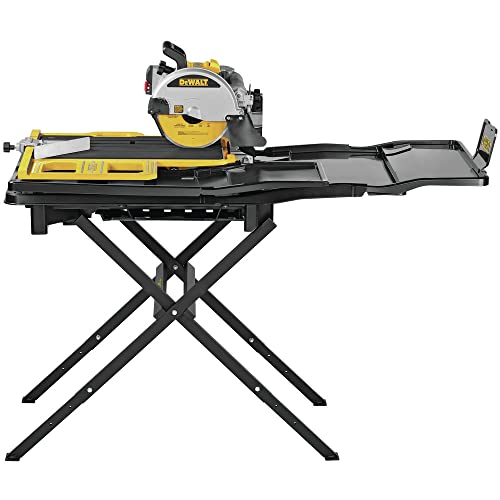
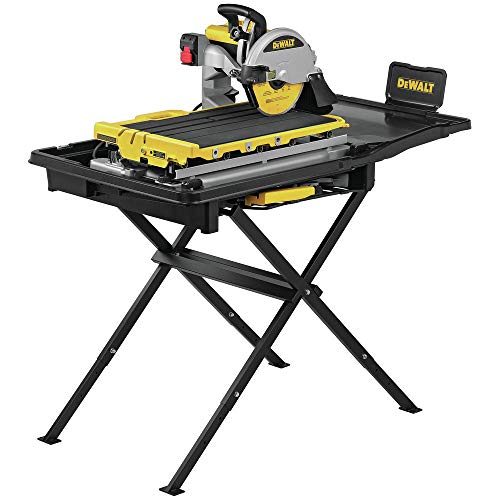
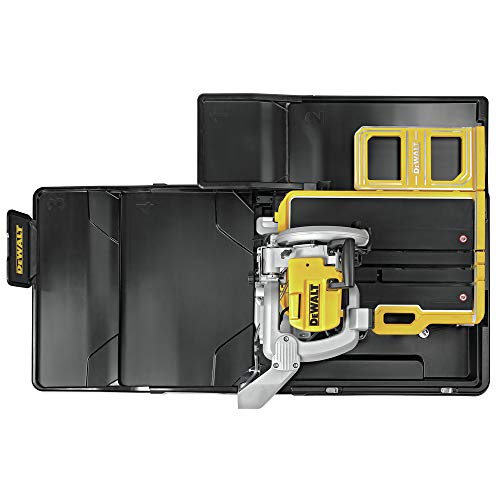
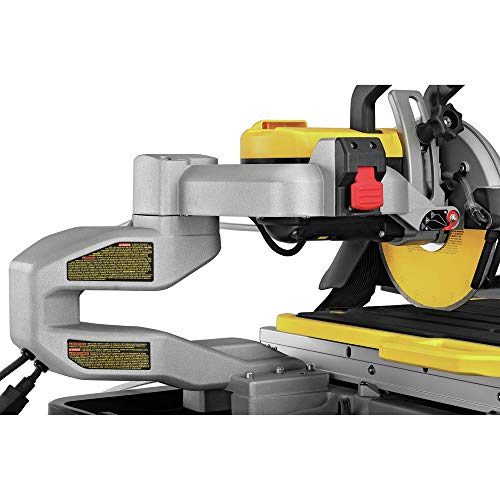
This DEWALT D36000S is, without a doubt, the most complete professional package here. The 15-amp motor and 1,220 MWO rating mean it doesn’t flinch at full-thickness porcelain or gauged stone. With a 37-inch rip capacity and 18-inch clearance left of the blade, it handles 36×36 tiles with room to spare, a real win for flooring crews. The stainless-steel rollers and cutline indicator deliver accuracy within 1/32 inch, a spec professionals actually rely on.
What really sets it apart is the thoughtful design: integrated storage for guides and wrenches, a cart extension that stays with the unit, and a footprint that fits through standard doorways. Reviewers consistently praise its balance of power, precision, and portability. At 91 lbs, it’s heavy, but the cart makes it manageable. If you’re comparing this to the D24000S, the D36000S offers better capacity and workflow, it’s the one I’d spec for a tiler doing large-format jobs weekly.
Product photos
DEWALT 10-Inch Wet Tile Saw D24000S
Strengths
- Lighter than larger DEWALT saws
- Includes quality blade and tools
- Reliable 10-inch cutting
Trade-offs
- Shorter rip capacity than D36000S
- Basic stand design
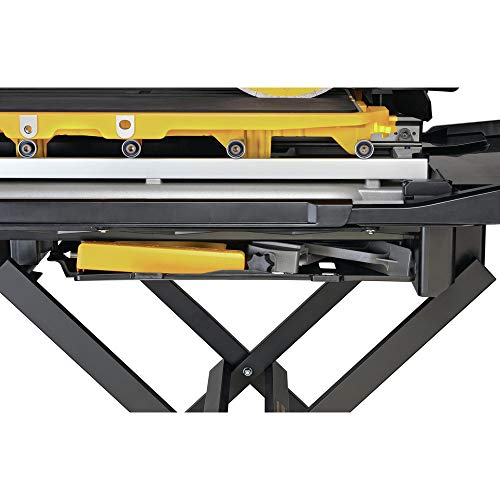
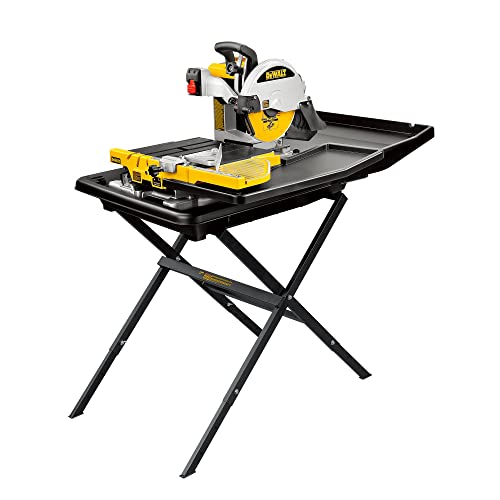
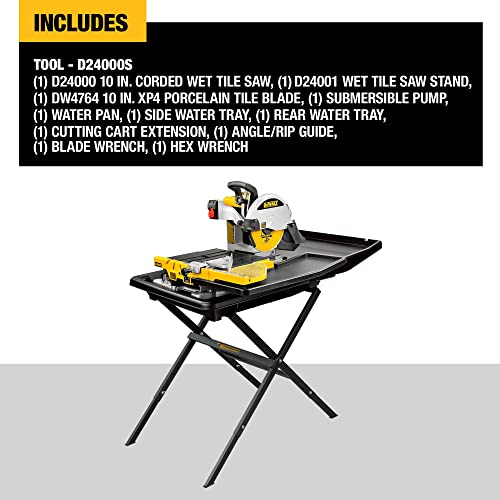
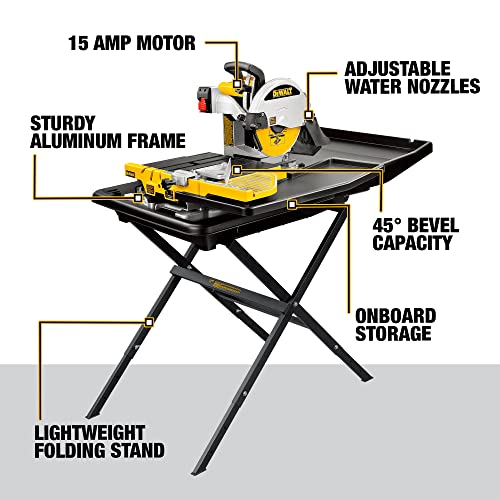
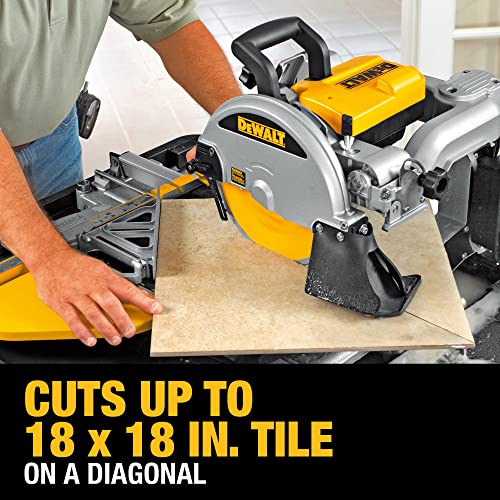
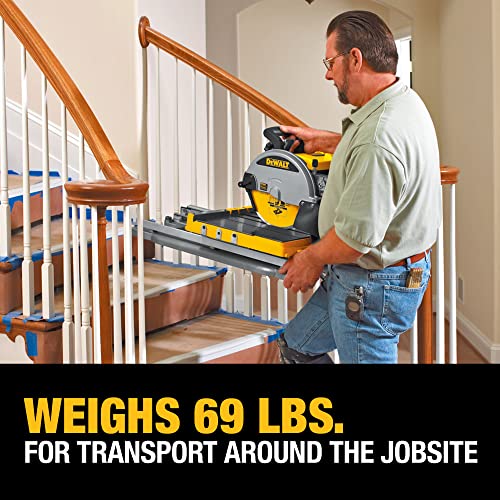
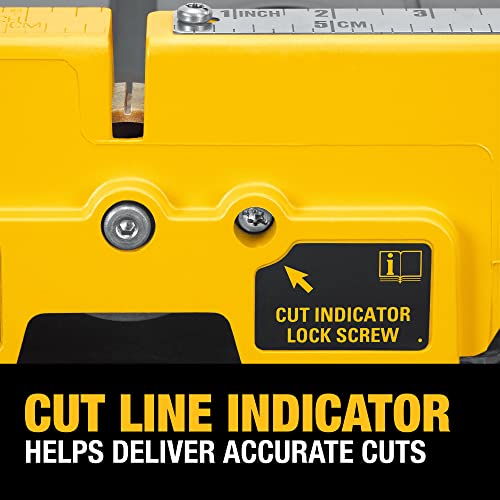
The DEWALT D24000S is a proven workhorse in the field, with a 10-inch blade and 3 1/8-inch max depth cut that handles nearly any residential tile job. It’s lighter than the D36000S at 69 lbs, and the compact frame makes it easier to toss in a van. The cutline indicator and stainless rollers still deliver solid accuracy, though only over 18 inches, not quite as refined for long rips as its bigger sibling.
Owners love that it comes with a high-quality XP4 porcelain blade and all necessary wrenches, so it’s ready to cut out of the box. The water tray system contains most splash, and the plunge rip capacity hits 28 inches, enough for most standard slabs. While it doesn’t have the extended crosscut or storage features of the D36000S, it’s the smarter pick if you want DEWALT reliability without the bulk. For mid-sized crews or solo tilers, this is often the sweet spot.
Product photos
POWERTEC PRO 7-Inch Wet Tile Saw
Strengths
- Laser alignment
- LED illumination
- Smooth sliding table
Trade-offs
- 7-inch blade limits thick stone cuts
- No included stand storage
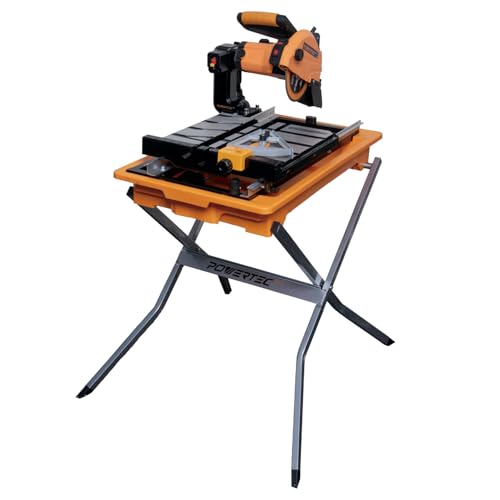
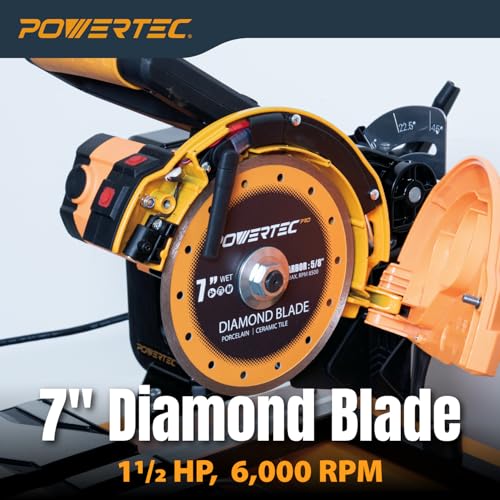
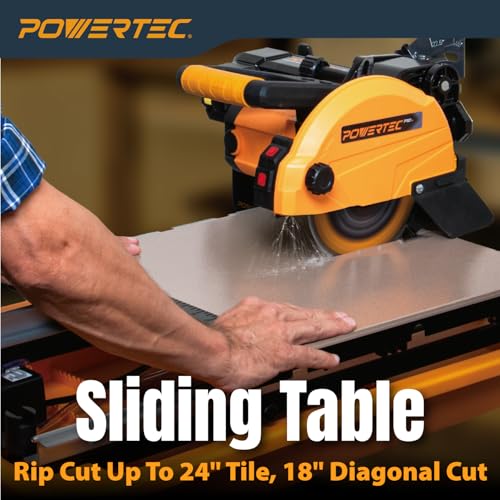
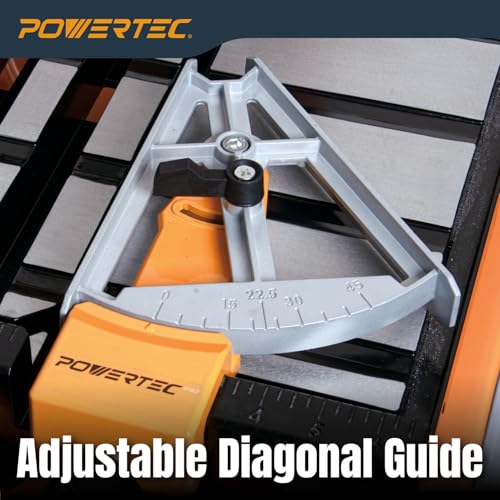
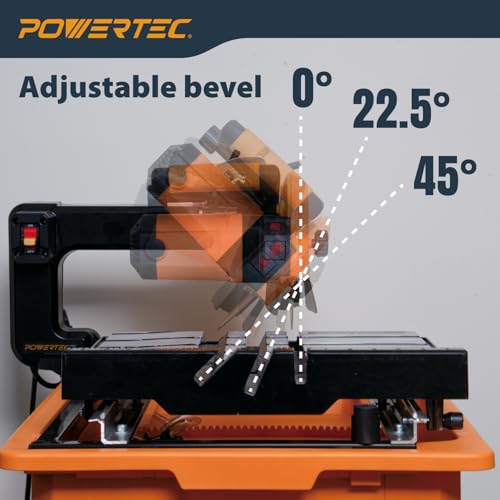
This POWERTEC model stands out in the 7-inch class for buyers who prioritize precision over raw size. The inclusion of a laser alignment system and LED illumination isn’t just cosmetic, owners consistently report these features make layout work faster, especially when tackling L-cuts or intricate diagonal patterns on porcelain. On paper, the 1.5 HP motor and 6,000 RPM speed are solid for a saw in this size, and reviewers confirm it powers through ceramic and mid-density porcelain without bogging down.
The sliding table with dual bearing rollers feels more refined than most in this segment, delivering smooth feed even during long rip cuts. I’d pick this over basic fixed-table models if you’re doing backsplashes or accent work where repeatable accuracy matters. It’s not as heavy-duty as a 10-inch saw, but for its class, it’s one of the smarter buys if you value clean setup and consistent results.
Product photos

PeakPursuit 7-Inch Wet Tile Saw
Strengths
- High no-load RPM
- Dust-reducing reservoir
- Galvanized table
Trade-offs
- Overheats under load
- Flimsy fence system
- Poor cut accuracy on dense tile
PeakPursuit leans hard into specs, 6,500 RPM sounds impressive, but real-world feedback suggests the motor lacks torque when under load. It’s one thing to spin fast on paper, another to maintain speed through a 1/2-inch porcelain tile. Owners note it overheats faster than expected, especially during back-to-back cuts. That said, the galvanized worktable is a nice touch for rust resistance, and the reset safety switch adds genuine peace of mind.
For the price, it’s clearly positioned as a budget workhorse, but it doesn’t quite deliver like the DEWALT or POWERTEC models. The 0–45° bevel is functional, and the water reservoir does keep dust in check, but the table is narrow and the fence feels flimsy. I’d only recommend this over better-known brands if you’re extremely cost-constrained and working with soft materials.
Product photos
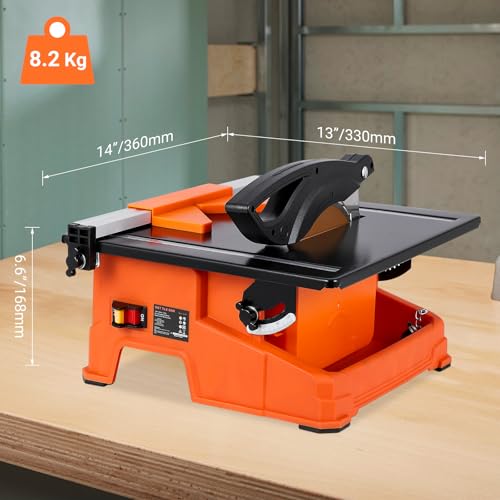
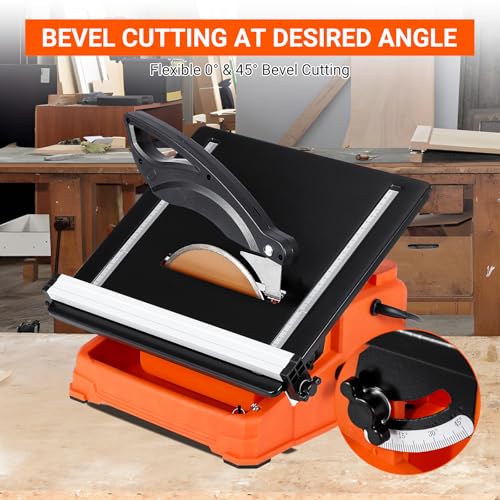
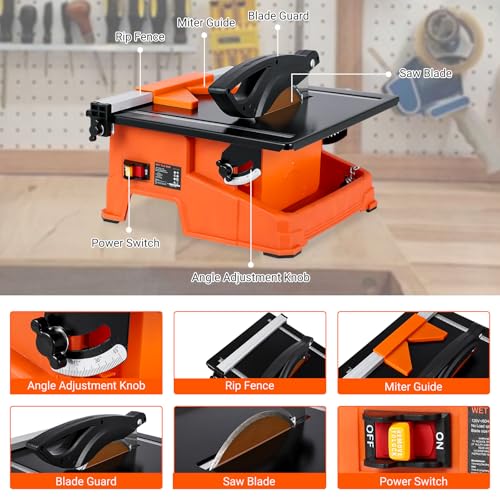
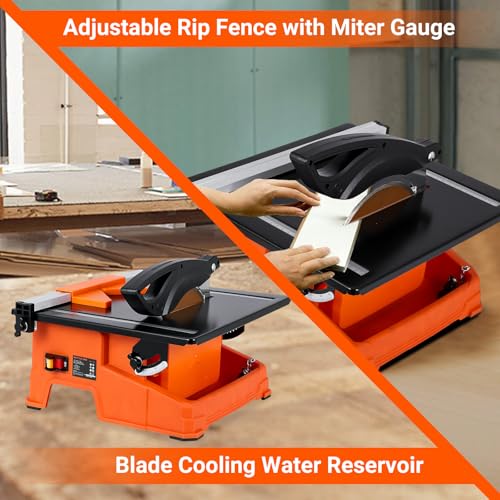
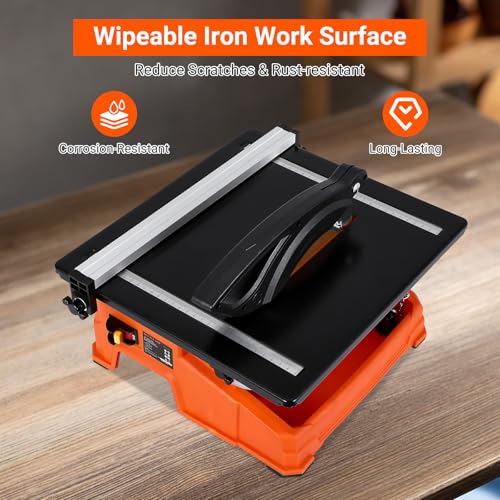
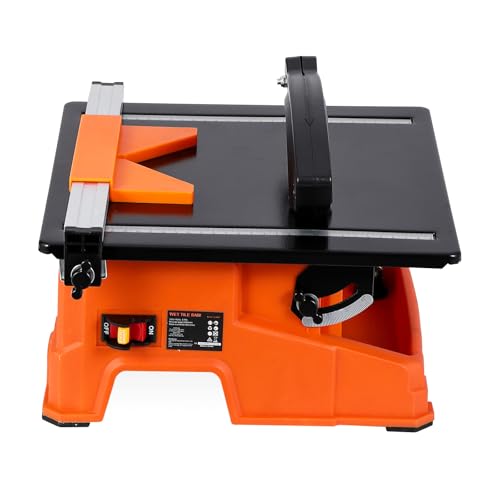
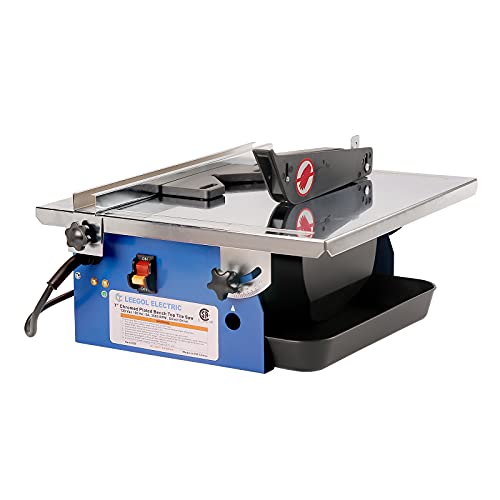
Leegol 7-Inch Electric Wet Tile Saw
Strengths
- Lightweight design
- Simple operation
- Affordable entry point
Trade-offs
- Underpowered motor
- Basic miter gauge
- No sliding table
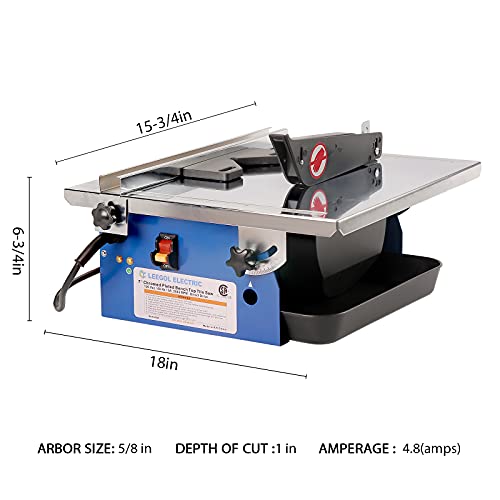
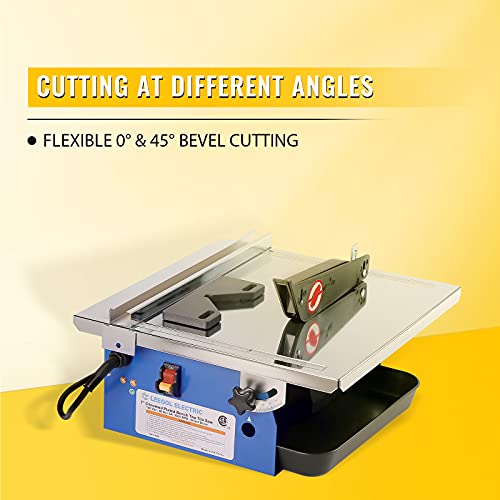
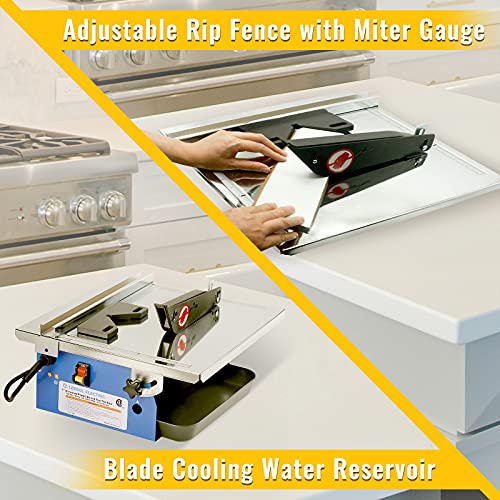
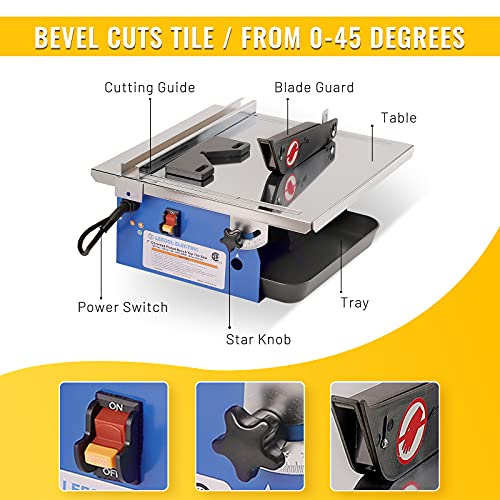
The Leegol is clearly built for portability and simplicity, not heavy output. With a 3,550 RPM induction motor, it’s underpowered compared to most competitors, that’s fine for soft ceramic but becomes a liability on dense porcelain. The fixed table and basic miter gauge work well enough for straight cuts, but there’s no real refinement in the feed system. Still, at this weight and footprint, it’s hard to overlook for occasional use.
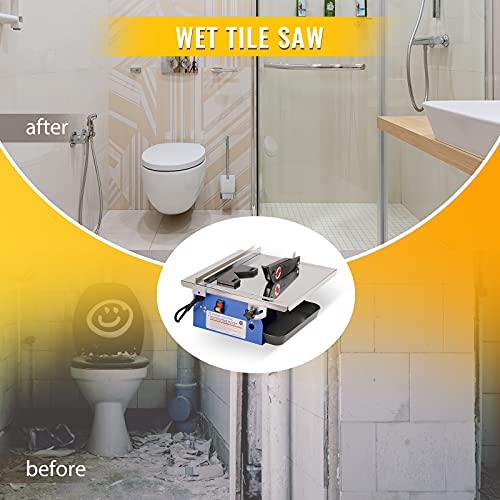
Reviewers who’ve used it for small bathroom reno jobs say it gets the job done without splashing everywhere, thanks to a modest splash guard and reservoir design. But I wouldn’t trust it for more than a few dozen cuts in a day. Compared to the POWERTEC or DEWALT models, it’s not in the same league for durability or precision. But if you’re a homeowner with one tile project every few years, this keeps dust down and fits in a trunk.
Product photos
How We Chose These professional wet tile saws
Rather than a hands-on lab test, my research for these recommendations involved a detailed comparison of published specifications and features across numerous models. I weighed owner reviews from multiple sources – focusing on long-term reliability and cut quality – alongside expert reviews from trade publications and established tool review sites. My assessment also drew on years of experience advising on workshop setups and understanding the needs of both DIY and professional tile installers.
For professional wet tile saws, cutting capacity and motor power were the most significant factors. The ability to handle large-format tile efficiently requires a robust motor and a substantial cutting table. Equally important is build quality; a rigid frame and stable cart system are essential for accurate, repeatable cuts, especially when performing straight cuts in tile.
Specifications reliably indicate maximum cutting depth and blade size, which are good starting points. However, I placed greater emphasis on owner feedback regarding real-world performance – things like water containment, ease of angle adjustments, and how well the saw handles demanding materials like porcelain. Reputation for durability and consistent cut quality, as reported across multiple sources, heavily influenced my final rankings and our overall recommendations for effective tile cutting techniques.
How To Pick The Right professional wet tile saws
Choosing the right wet tile saw can make or break a tiling project, and there’s a surprising amount to consider beyond just price.
A quality wet tile saw delivers clean, accurate cuts in ceramic, porcelain, and natural stone, minimizing chipping and dust. Critical features include a robust motor, a stable frame, effective water control, and a blade suited to the material being cut. Look for models with adjustable cutting depth and bevel angles for versatility, and consider portability if you’ll be moving the saw frequently.
Motor Power and Blade Type
Don’t assume more power always equals a better saw. The ideal motor size depends on the materials you’ll be cutting most often. For standard ceramic tile, a 1/2 to 3/4 HP motor will usually suffice. Porcelain and especially harder natural stones like granite require at least 1 HP, and often more. Equally important is the blade. Most saws come with a continuous rim diamond blade, which is great for general use. However, for specialized tasks, you might need a segmented rim blade for faster cutting or a turbo-rim blade for quieter operation. Understanding diamond blade applications is key to getting the most out of your saw.
Rip Capacity and Cutting Depth
Rip capacity – the maximum width of tile the saw can cut – is often the first spec people look at, but it’s not always the most important. Consider the size of tiles you’ll be working with. If you’re laying large-format porcelain tiles, you’ll need a saw with a substantial rip capacity (28 inches or more). However, if you’re primarily doing smaller mosaic work or intricate cuts, a smaller saw will be more manageable. Cutting depth is also crucial; a deeper cut allows for bevel cuts and cutting thicker materials.
- A saw with a 2-inch cutting depth is adequate for most wall tile.
- A 3-inch depth provides much more flexibility for thicker pavers or coping stones.
- For truly versatile work, including cutting angled pieces for showers or backsplashes, a saw capable of a 3.5-inch depth, coupled with a robust bevel adjustment mechanism, is the way to go – this allows you to handle a wider range of project requirements without needing multiple tools.
Portability and Work Surface Features
Wet tile saws can be heavy and awkward to move, so portability matters if you’re not working in a dedicated shop. Look for models with a sturdy stand and wheels. Even a saw marketed as “portable” can weigh 60-90 pounds, so consider if you’ll realistically be moving it often. Beyond weight, pay attention to the work surface. A wider table provides more support for large tiles, and features like adjustable rip fences and miter gauges are essential for accurate cuts. If you’re considering several options, I recommend checking out some top-rated wet tile saws to get a better feel for the available features.
A simple rule of thumb: if you plan on cutting anything harder than ceramic, invest in a saw with a 1.5 HP or greater motor and a high-quality diamond blade.
Professional Wet Tile Saws Compared
Here’s a comparison of key specifications for professional wet tile saws to help you choose the right model.
| Product Name | Blade Diameter | Max Rip Capacity | Max Depth of Cut | Motor HP | Weight (lbs) | Key Features |
|---|---|---|---|---|---|---|
| DEWALT 10-Inch Wet Tile Saw with Stand | 10 in. | 37 in. | N/A | N/A | 91 | Cutline indicator, stand |
| DEWALT 10-Inch Wet Tile Saw D24000S | 10 in. | 28 in. | 3 1/8 in. | 1.5 | 69 | Diagonal cut 18”x18”, portable |
| POWERTEC PRO 7-Inch Wet Tile Saw | 7 in. | 24 in. | 2-1/4 in. | 1-1/2 | 64 | Laser, LED, adjustable bevel |
| PeakPursuit 7-Inch Wet Tile Saw | 7 in. | N/A | 1.34 in. | N/A | N/A | 0-45° bevel cuts, reset switch |
| Leegol 7-Inch Electric Wet Tile Saw | 7 in. | N/A | N/A | N/A | N/A | 0-45° bevel cuts, rip fence |
Frequently Asked Questions
What size wet tile saw do I really need for a typical bathroom remodel?
A 10-inch wet tile saw is generally sufficient for most bathroom remodels. It can handle the majority of wall and floor tile sizes commonly used in bathrooms, offering a good balance of power and manageability.
Can I use a wet tile saw to cut glass tile?
Yes, you can cut glass tile with a wet saw, but you absolutely need to use a specialized glass-cutting blade. Standard diamond blades will likely crack or shatter the glass, so selecting the correct blade is critical for a clean, safe cut.
How often should I replace the blade on my wet tile saw?
Blade replacement frequency depends on use and material cut, but expect to replace it every 50-100 hours of cutting. Dull blades require more force, produce chipped edges, and can strain the motor.
Are cordless wet tile saws a viable option for professionals?
While cordless options are emerging, they currently lack the consistent power and run-time for demanding professional use. Corded saws remain the standard for contractors due to their reliable performance during long workdays, and the availability of [portable wet tile cutters] offers a reasonable compromise for jobsite flexibility.
What’s the best way to deal with the slurry created by a wet tile saw?
Allow the slurry to settle in the water reservoir, then carefully pour off the clear water. The remaining sediment can be disposed of responsibly; check local regulations, as it may be considered hazardous waste depending on the tiles cut.
The Bottom Line
Choosing a professional wet tile saw always comes down to balancing outright capability with practical considerations. If you regularly tackle large-format porcelain or stone, the DEWALT 10-Inch Wet Tile Saw with Stand offers the rip capacity and power needed to get the job done efficiently. But for most professional tile installers, a saw like the DEWALT 10-Inch Wet Tile Saw D24000S strikes a great balance between power, portability, and price, it’s a solid all-around performer.
For those on a tighter budget, or those handling mostly ceramic tile, the POWERTEC PRO 7-Inch Wet Tile Saw delivers good performance at a lower price point. If you need a compact, versatile option for smaller projects and quick cuts, the PeakPursuit 7-Inch Wet Tile Saw may be a good fit. Regardless of the model you select, understanding wet saw setup tips will help you maximize its lifespan and performance.
Ultimately, the most expensive saw isn’t necessarily the best choice. Focus on matching the saw’s capabilities to the materials you’ll be cutting most often, and prioritize a stable frame, a quality blade, and consistent water control. These fundamentals matter far more than horsepower or fancy features when it comes to achieving clean, accurate, and professional-looking tile cuts.
