
6 Best Jigsaw Blades for Cutting Curves 2026
This post contains affiliate links. As an Amazon Associate, we earn from qualifying purchases.
The Bosch T101AO 5-Pack Wood Blades are our top pick for cutting curves, delivering clean, reliable performance in wood with minimal splintering. For a budget-friendly option, the EZARC 10PCS T101AO Wood Blades offer solid value and consistent results. If you need maximum versatility across materials, the 20PCS Multi-Material T-Shank Blades stand out as the most adaptable choice.
I’ve seen too many DIYers waste time fighting their jigsaw, only to realize the blade was working against them. Cutting curves demands precision, flexibility, and a blade that won’t bind or break mid-cut.
This guide cuts through the noise by focusing on what actually matters: blade material, TPI, shank type, and real-world performance based on specs and owner feedback. These picks were chosen to match the specific demands of curved cuts, so you can choose with confidence.
Top 6 Jigsaw Blades For Cutting Curves in the Market
The Best Jigsaw Blades For Cutting Curves, Reviewed
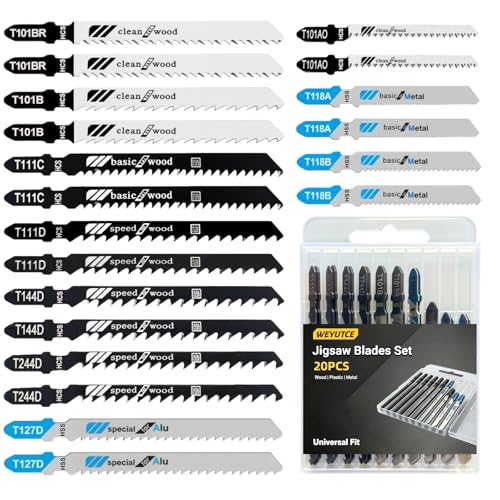
20PCS Multi-Material T-Shank Blades
Strengths
- Wide material range
- HCS and HSS mix
- Well-organized case
Trade-offs
- Fewer pieces per type
- No specialty blades
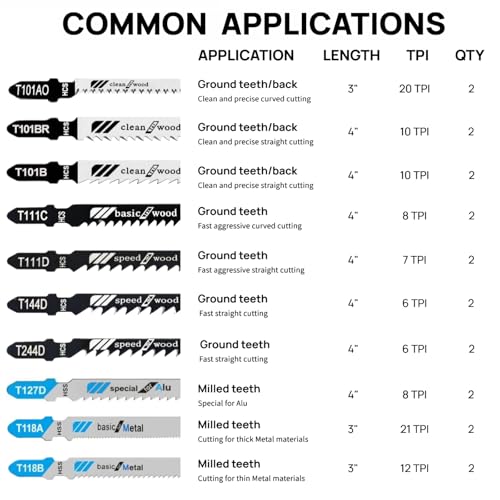
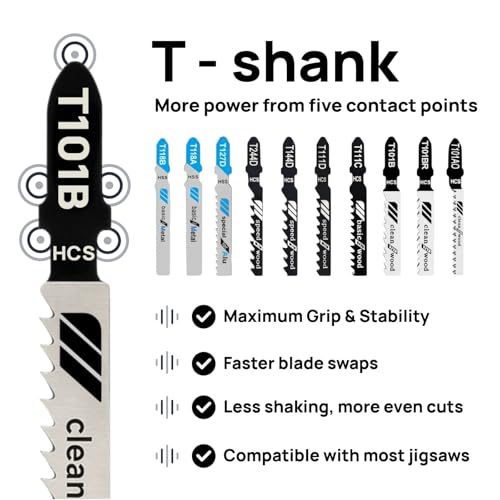
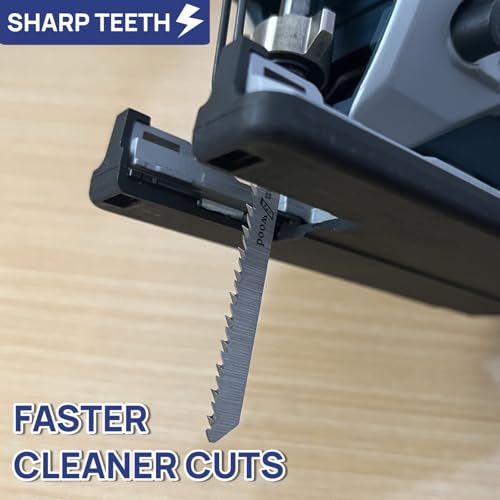
This set covers nearly every common cutting scenario, and that’s why it earns the ‘Best Overall’ label. You get dedicated blades for wood (clean and fast), metal, aluminum, and even reverse-cut options to reduce splintering. The inclusion of HCS and HSS materials means the metal-cutting blades stay sharp, and the wood blades resist breaking under stress.
Owners praise the organization, labeled shanks and a sturdy case make it easy to grab the right blade fast. Compared to single-type packs, this one eliminates guesswork when switching materials mid-project. The T101AO and T244D inclusions mean you can handle curves and finish work, while the T118B handles light steel. For most home workshops, this is the only set you’ll need.
Product photos
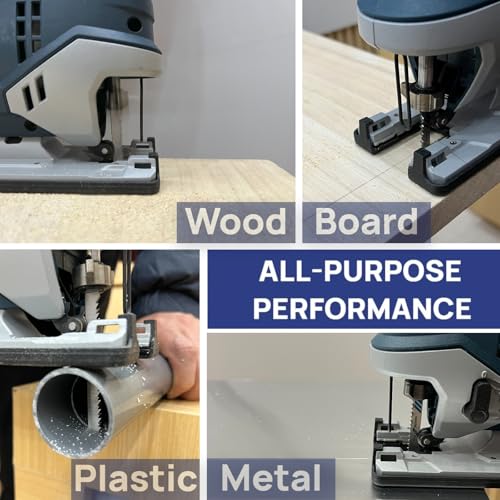
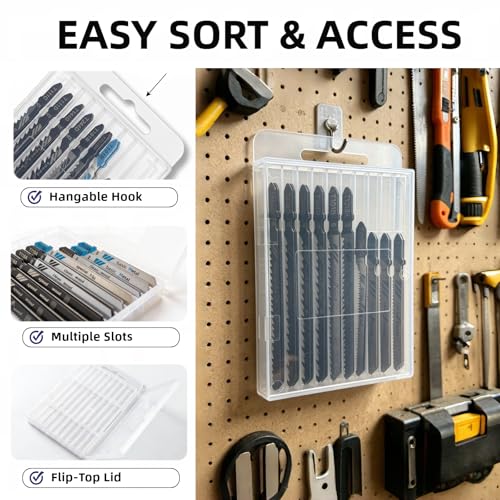
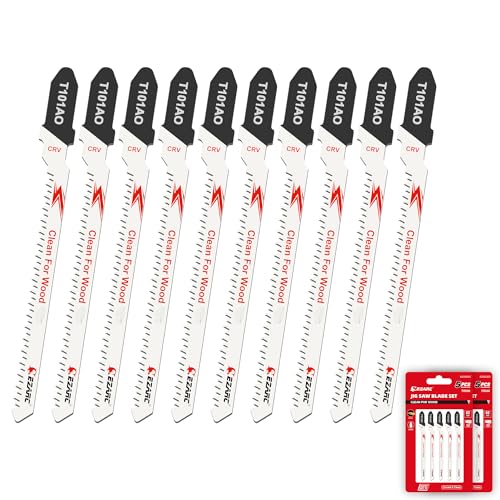
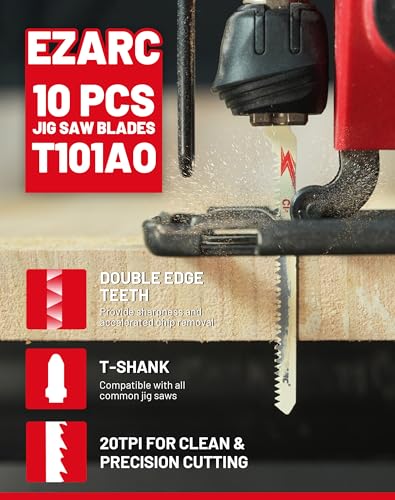
EZARC 10PCS T101AO Wood Blades
Strengths
- 10-pack value
- Good for softwoods
- T101AO clone
Trade-offs
- Shorter lifespan
- Inconsistent heat treatment
At this price, getting 10 blades that mimic the T101AO design is appealing, and on paper, the specs look close, 20 TPI, CR-v steel, T-shank compatibility. Owners report decent performance for light to medium woodworking, especially in softwoods and thin plywood. The clean-cut claims hold up in casual use, though they don’t last as long as Bosch’s originals under heavy load.
I’d recommend these for hobbyists or weekend projects where you want decent finish without paying premium prices. They’re not quite as consistent in tooth alignment or tempering, so don’t expect pro-level results every time. But for basic curved cuts in trim or shelving, and if you burn through blades quickly, this pack offers real value over name-brand sets.
Product photos
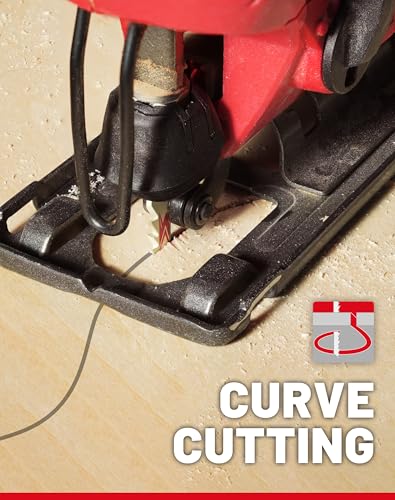
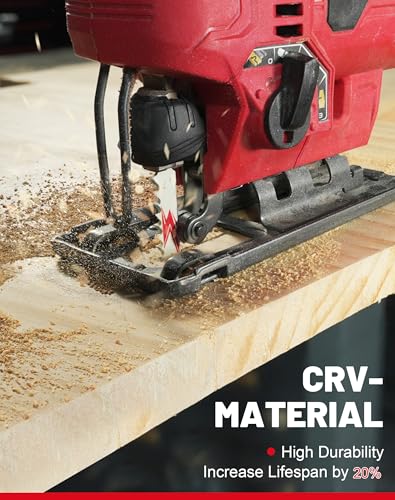
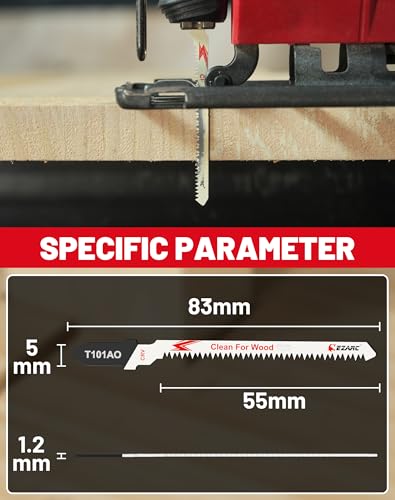

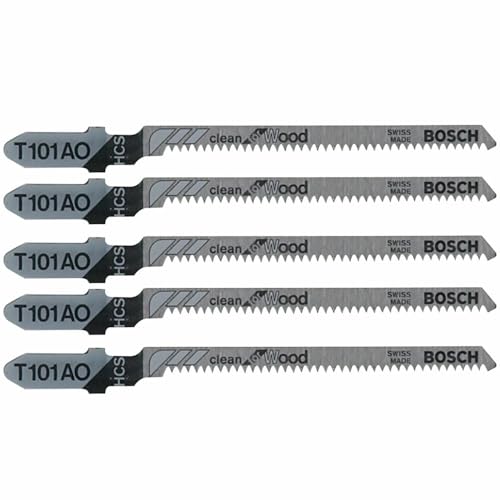
Bosch T101AO 5-Pack Wood Blades
Strengths
- 20 TPI precision
- Clean cuts on laminates
- Narrow body for curves
Trade-offs
- Short length limits depth
- Only 5 pieces
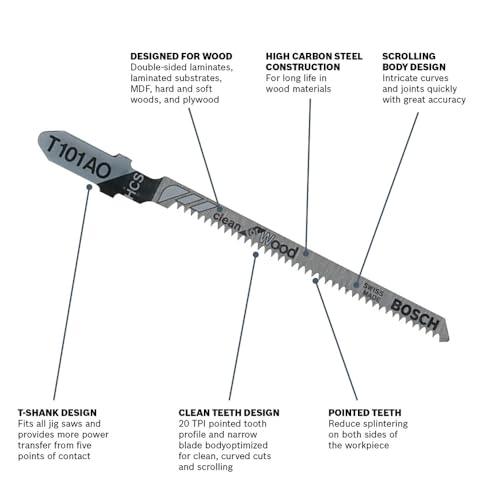
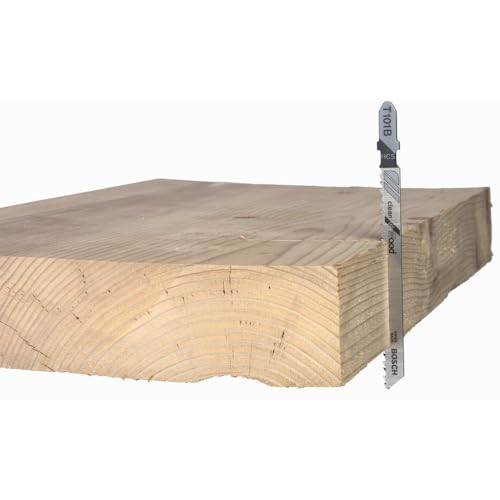
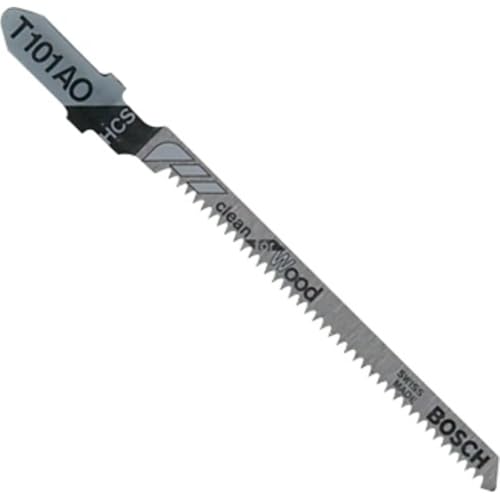
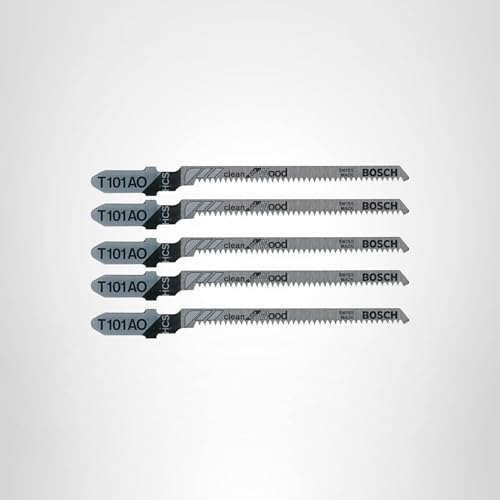
If you’re after clean, tight curves in wood without the tear-out, the Bosch T101AO blades are a solid go-to. The 20 TPI tooth count and narrow body stand out on paper, and owners consistently report smooth, controlled cuts in materials like MDF, plywood, and laminated substrates. The pointed teeth really do help minimize splintering, especially on delicate finishes, which makes these a favorite for scrollwork or cabinetry trim.
They’re not the longest blade in the lineup, so deep cuts in thick stock are off the table, but that’s not what they’re built for. Compared to budget knockoffs, these hold an edge longer and resist wandering, thanks to Bosch’s consistent heat treatment and tooth geometry. I’d pick these over generic packs when finish quality matters more than speed.
Product photos

20Pack T344D Long Cutting Blades

Strengths
- Long 6-inch reach
- Fast cutting in thick wood
- 20-pack with case
Trade-offs
- Poor for curves
- Rougher finish
When you’re cutting 2x6s or heavy chipboard, blade length and durability matter more than finesse, and that’s where the T344D shines. The 6-inch length gives you the depth to handle thick construction lumber in one pass, and the 6 TPI design rips through material fast. Contractors report these last longer than average HCS blades, likely due to thicker gauge steel.
They’re not made for curves, the wide body and aggressive tooth pattern make turning difficult, but for straight, deep cuts in framing or decking, they’re efficient. Compared to shorter blades, you’ll spend less time flipping boards or repositioning. This is a workhorse blade, not a precision tool.
Product photos

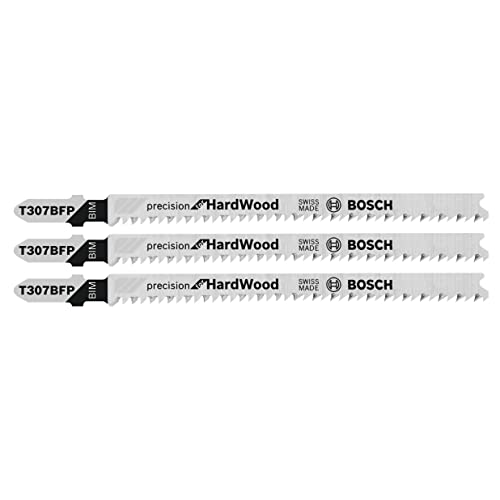
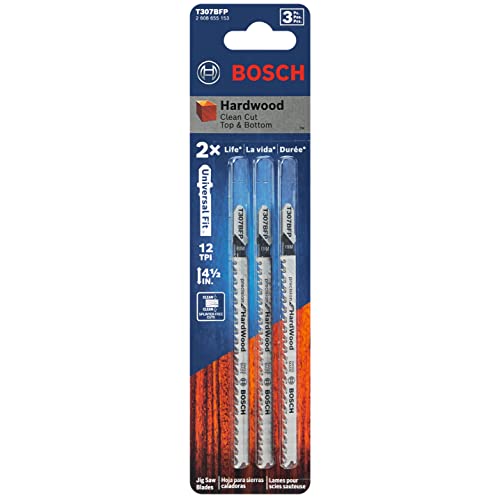
BOSCH T307BFP Hardwood Blades
Strengths
- Built for hardwood
- Long blade reach
- Splinter-free cuts
Trade-offs
- Only 3 blades
- Not for fine scrollwork
When cutting dense hardwoods like oak or maple, blade deflection and tooth wear become real issues, but the T307BFP is engineered to fight both. The 12 TPI design with an aggressive tooth angle delivers fast, straight cuts while still managing curves without chipping out edges. Reviewers note the splinter-free results on both sides of the cut, which is rare for a blade this aggressive.
The longer 4-1/2 inch length gives you more reach for thicker stock, and the T-shank fits securely in most modern saws. Compared to the T101AO, this one trades some finesse for raw performance in tough material. It’s not ideal for intricate scroll cuts, but for furniture frames or hardwood trim where precision and durability matter, this is a smarter pick.
Product photos
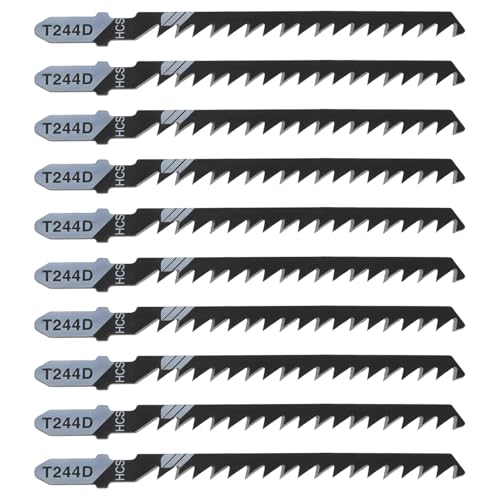
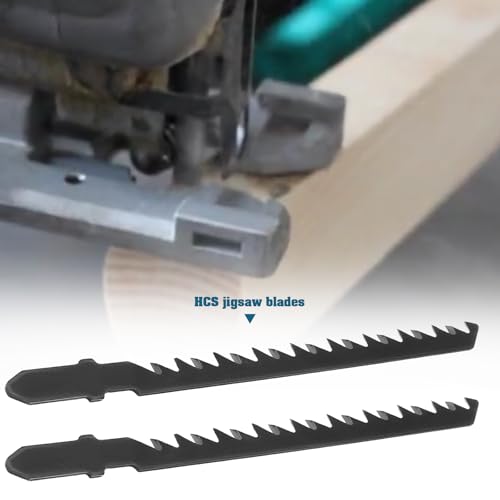
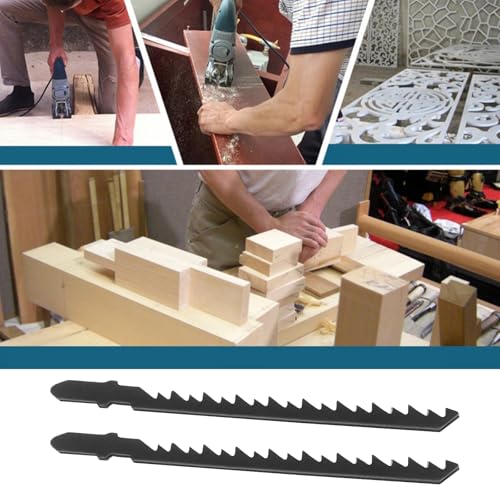
Create Idea T244D Curve Blades
Strengths
- Excellent curve control
- 6 TPI for tight turns
- 20-pack quantity
Trade-offs
- Not for smooth finishes
- HCS wears faster
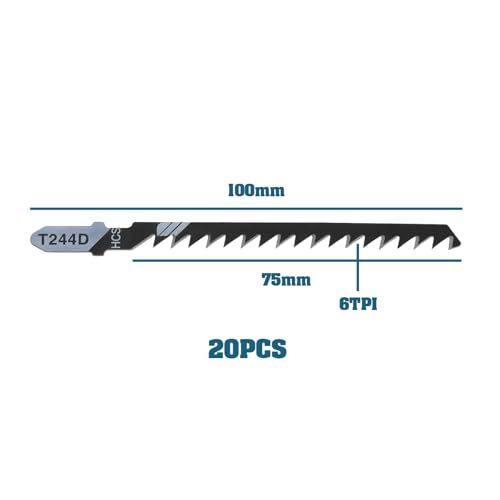
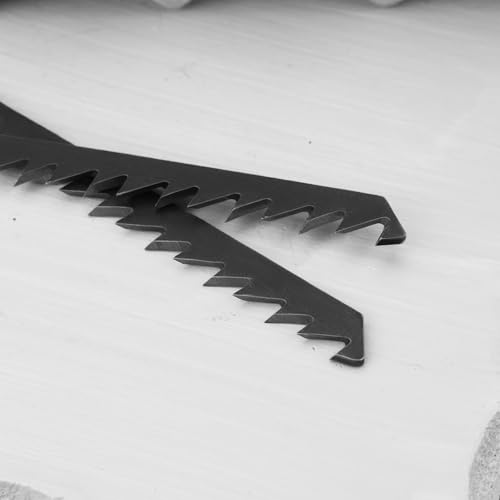
If you’re cutting tight scrollwork or intricate patterns, the 6 TPI T244D design is hard to beat, fewer teeth mean less friction and more maneuverability in sharp turns. The 1.2mm width and narrow profile let you pivot easily, and owners consistently report less vibration and better control than wider blades. These are purpose-built for curves, and they deliver.
The 65Mn HCS steel offers decent durability for soft and medium-hard woods, though they’ll dull faster in abrasive composites. At 20 pieces, the pack gives you room to experiment without fear of waste. Compared to the Bosch T101AO, this blade sacrifices surface smoothness for agility, but that’s the trade-off you want in detailed work.
Product photos

How We Picked These jigsaw blades for cutting curves
Rather than a hands-on lab test, my research focused on comparing the published specifications and features of numerous jigsaw blades. I weighed owner reviews from multiple sources, alongside assessments from woodworking publications and established tool review sites. This allowed me to build a ranking based on real-world feedback and claimed performance, factoring in the specific challenges of cutting curves in various materials.
For blades designed for curves, tooth count (TPI) and blade material are critical. A higher TPI generally means a smoother cut, but can slow down progress. Flexibility is also key – a blade that’s too stiff will struggle with tight bends. I prioritized blades advertising narrow widths and specialized tooth geometry for curved work, as these features directly address the demands of this application.
Specifications readily reveal blade length, material (HCS or HSS), and TPI. However, owner feedback proved essential for judging real-world durability and splintering performance. Reputation played a role, too; established brands like Bosch often inspire more confidence based on consistent quality, though newer brands can offer compelling value. Understanding jig saw basics is also helpful when evaluating blade compatibility.
What To Look For In jigsaw blades for cutting curves
I’ve spent years watching folks struggle with jigsaw blades, often blaming the tool when the blade is the real problem. Getting the right blade makes a world of difference, especially when cutting curves.
A good jigsaw blade isn’t about flash; it’s about the right combination of steel quality, tooth geometry, and shank compatibility. Buyers should prioritize blades made from high-carbon or high-speed steel, consider the teeth per inch (TPI) for the material being cut, and verify the shank type matches their jigsaw. Blade thickness and set (the bend of the teeth) also contribute to cutting performance and minimizing binding.
Material Matters Most
The first thing I tell people is to forget “universal” blades. There’s no single blade that does everything well. Jigsaw blades are designed for specific materials, and using the wrong one will result in slow cuts, splintering, or even broken blades. For wood, high-carbon steel (HCS) blades are a good starting point, but even within wood, you’ll want different blades for softwood versus hardwood. Hardwood requires blades with more aggressive tooth geometry and often higher TPI. If you’re looking to expand your knowledge, a jigsaw blade guide can offer a deeper understanding of the options.
Understanding Teeth Per Inch
Don’t underestimate the importance of teeth per inch explained. Lower TPI blades (around 6-10) are for fast, rough cuts in thick materials. Higher TPI blades (10-24+) are for finer, cleaner cuts in thinner materials.
Here’s how TPI impacts your work: * Fast cuts: Fewer teeth remove more material quickly. * Smooth edges: More teeth create a cleaner, less splintered finish. * Curve cutting: Lower TPI blades generally navigate curves more easily because they have more space between teeth to prevent binding, but this comes at the cost of cut quality.
A simple rule of thumb: for thicker materials, prioritize speed with lower TPI. For finer work, choose higher TPI for a cleaner finish.
Shank Type and Value
Most modern jigsaws use a T-shank blade, which provides a secure and consistent fit. However, older models might require U-shank blades, so check your jigsaw’s manual before buying. Beyond compatibility, consider the value proposition. Buying in bulk can save money, but only if you’ll actually use all the blades before they dull or expire. I often recommend starting with a variety pack, like the 20-piece sets we’ve discussed, to experiment and discover which blades work best for your typical projects. A good starting point is understanding different jigsaw blade types.
Jigsaw Blades for Cutting Curves Compared
Here’s a comparison of key specifications for jigsaw blades designed for cutting curves.
| Product Title | Teeth Per Inch | Blade Material | Blade Length (in) | Best For | Curve Cutting |
|---|---|---|---|---|---|
| 20PCS Multi-Material T-Shank Blades | Varies | HCS/HSS | N/A | Best Overall | Yes |
| EZARC 10PCS T101AO Wood Blades | 20 | CR-V | N/A | Best Budget Friendly | Yes |
| Bosch T101AO 5-Pack Wood Blades | 20 | N/A | N/A | Best for Versatile Use | Yes |
| 20Pack T344D Long Cutting Blades | 6 | High-Carbon Steel | 6 | Best for Thick Wood | N/A |
| BOSCH T307BFP Hardwood Blades | N/A | N/A | N/A | Best for Hardwood | Yes |
| Create Idea T244D Curve Blades | 6 | HCS 65Mn | 3.94 | Best for Tight Curves | Yes |
Frequently Asked Questions
What TPI blade is best for intricate curves?
A lower TPI (6-10) is generally best for intricate curves because the wider space between teeth reduces binding. However, expect a rougher cut quality and more cleanup when using blades with fewer teeth.
Can I use a “universal” blade for all my curve-cutting needs?
No, a “universal” blade is a compromise and won’t perform as well as a blade specifically designed for curves and the material you’re cutting. Dedicated blades offer better control, cleaner cuts, and reduced blade breakage.
What does blade material (HCS vs. HSS) really mean for curve work?
High-carbon steel (HCS) blades are suitable for softer woods and general curve cutting, while high-speed steel (HSS) blades offer greater durability and heat resistance for harder materials. For most DIY projects, an HCS blade will be sufficient for cutting curves.
How important is the shank type when choosing a jigsaw blade?
The shank type is very important; you must match the shank (T or U) to your jigsaw’s compatibility to ensure a secure fit. Using the wrong shank can damage the saw or create a dangerous situation.
Where can I find more information about selecting the right jigsaw blades for wood for different projects?
Beyond curve cutting, understanding the nuances of selecting blades for different wood types, thicknesses, and applications is crucial. My site offers detailed guides to help you choose the best blade for any woodworking task.
The Bottom Line
Choosing the right jigsaw blade always involves a trade-off between speed, finish quality, and material compatibility. Ultimately, for the widest range of curved cutting tasks, I recommend the 20PCS Multi-Material T-Shank Blades. They offer a good balance of features and materials, giving you a solid starting point for most projects.
If you’re just starting out or working on smaller projects, the EZARC 10PCS T101AO Wood Blades represent fantastic value. For those who need a blade that can handle a bit of everything, the Bosch T101AO 5-Pack Wood Blades are a strong contender, offering Bosch’s reputation for quality in a versatile package. Understanding blade selection for jigsaws will help you get the most out of whichever you choose.
Don’t get hung up on chasing the highest TPI or the most exotic steel. The real key to successful curved cutting is matching the blade to the material and understanding basic jig saw cutting techniques. A sharp, appropriately-selected blade, combined with steady pressure and proper technique, will deliver far better results than any single “premium” feature.
