
8 Best Hole Saw Kits for 2026
This post contains affiliate links. As an Amazon Associate, we earn from qualifying purchases.
The Milwaukee Hole Dozer Bi-Metal Saw Set stands out as the best overall choice for its durability and clean cutting across materials, while the HYCHIKA Bi-Metal Hole Saw Kit is a solid budget-friendly option that still delivers reliable performance. For those tackling deep cuts in tough materials, the Diablo Bi-Metal Hole Saw Set earns strong marks.
Most people don’t realize how quickly a poor-quality hole saw dulls or wobbles, leading to ragged holes and wasted time. I’ve seen too many DIYers struggle with kits that promise versatility but fall apart after a few uses.
That’s why I put together this guide, to cut through the hype and focus on kits that deliver real performance based on specs, owner feedback, and what actually works on the job site. These picks reflect what matters most: build quality, material compatibility, and smart design that makes the work easier.
Top 8 Hole Saw Kits in the Market
The Best Hole Saw Kits, Reviewed
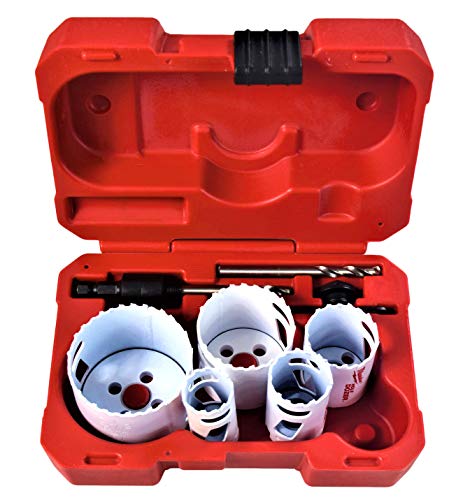
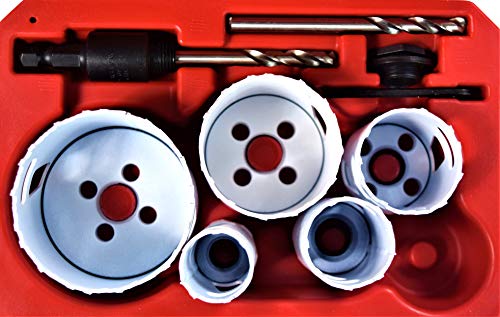
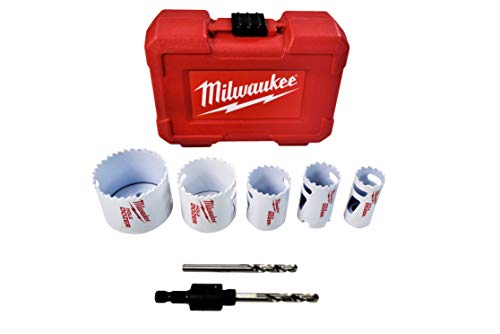
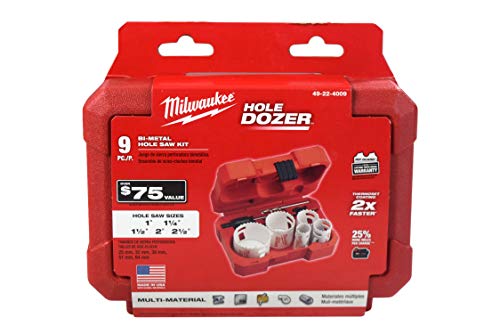
Milwaukee Hole Dozer Bi-Metal Saw Set
Strengths
- Cobalt-enhanced
- RIP GUARD teeth
- Fast plug removal
Trade-offs
- Fewer sizes
- Premium price
- Case not lockable
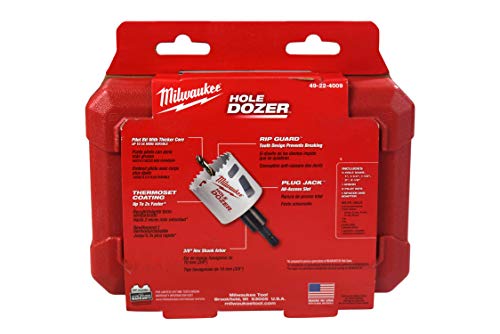
If you’re after the most balanced, well-engineered all-around hole saw kit, the Milwaukee Hole Dozer 9-piece is tough to beat. The bi-metal blades with 8% cobalt resist heat and wear far better than standard HSS, and the low-friction coating is not just marketing, it shows up in owner reports of faster cuts and cooler operation in wood. The RIP GUARD teeth are a real differentiator, surviving contact with nails without immediate damage.
The plug jack design makes debris removal faster than poking with a screwdriver, and the fact it handles stainless steel and aluminum cleanly sets it above basic kits. For general construction or remodeling, this is the kind of tool that reduces frustration and keeps you moving. My pick if you want one kit to cover 95% of jobs.
Product photos
Diablo Bi-Metal Hole Saw Set
Strengths
- Deep cutting
- Snap-Lock system
- Universal mandrel
Trade-offs
- Fewer blades
- Kit expensive
- Blades wear faster
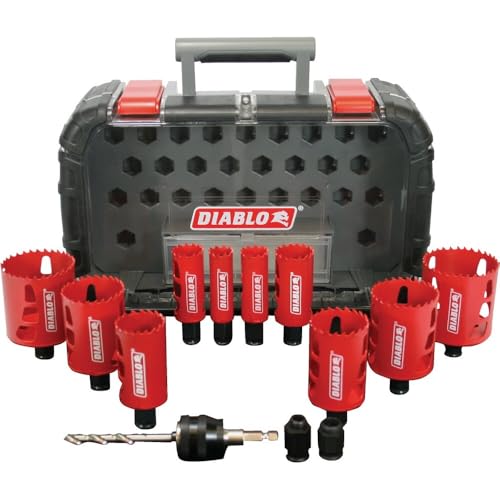
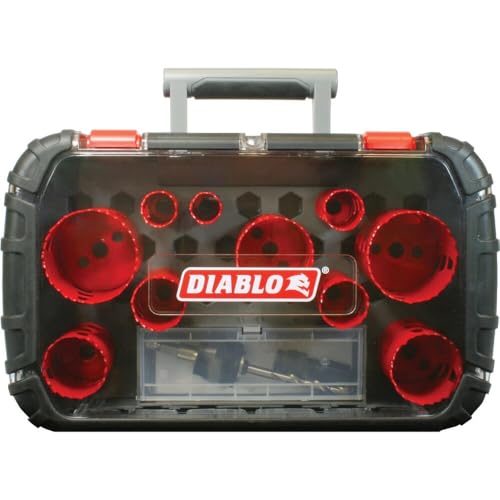
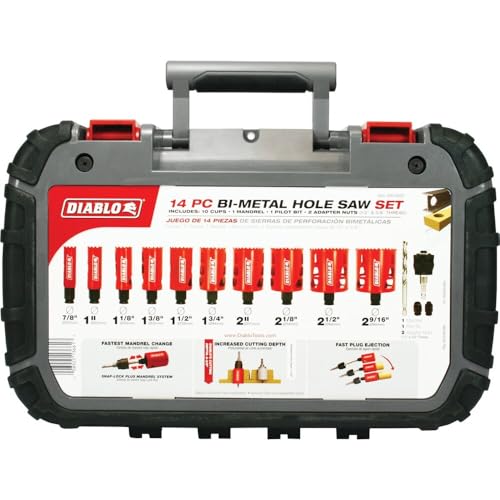
When depth matters, Diablo’s 2-3/8″ cutting depth is a real advantage. That’s 40% deeper than most standard hole saws, meaning fewer reaming passes in thick walls or stacked materials. The Snap-Lock Plus system is fast, no wrenching or threading, and the universal mandrel fits all Diablo cups from 5/8″ to 6″, which is a smart long-term play if you plan to expand.
The variable tooth design cuts with less vibration, and reviewers consistently note smoother operation, especially in wood and plastic. It’s not the fastest, but the plug ejection is tool-free and effective. If you’re running long electrical or HVAC jobs through thick framing, this kit saves real time.
Product photos
Milwaukee BIG HAWG Carbide Teeth Kit

Strengths
- Carbide teeth
- Cuts hard metal
- Long-lasting
Trade-offs
- Fragile on angle
- Expensive
- Needs steady feed
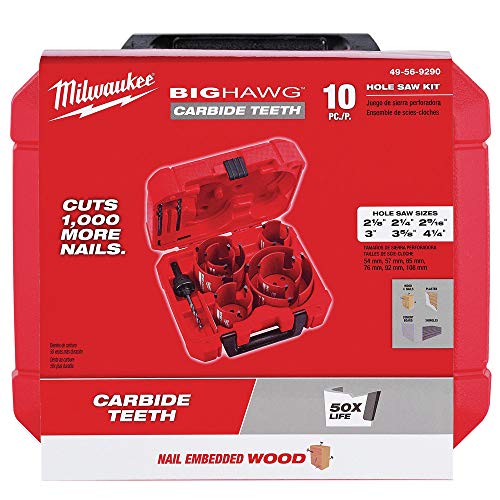
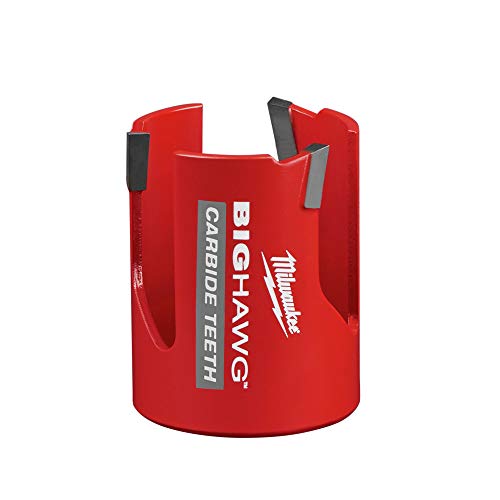
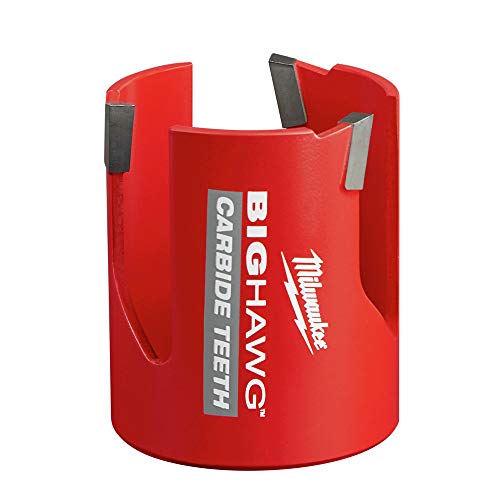
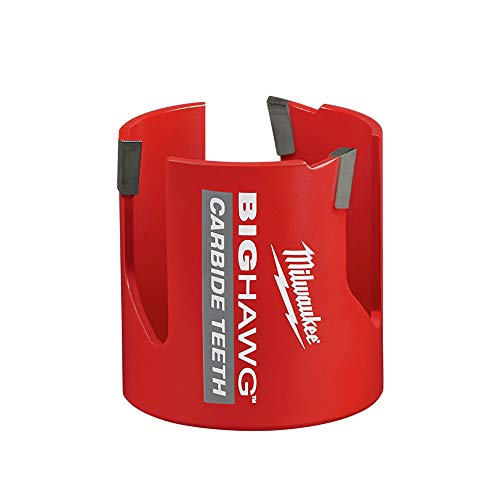
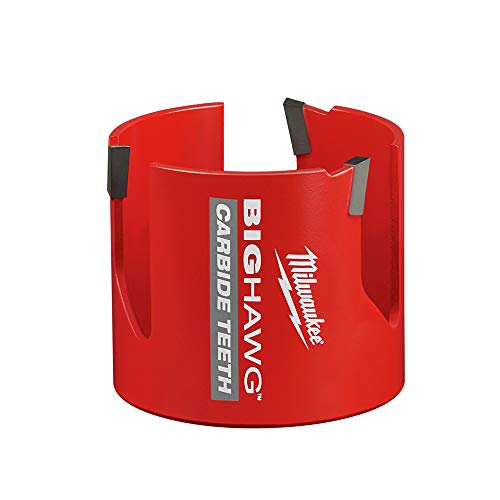
Milwaukee’s BIG HAWG with carbide teeth is built for punishment. Carbide tips mean it can chew through hard materials like thick metal, cast iron, and even some masonry where bi-metal bits would dull fast. On paper, this kit is a standout for industrial users or pros who face abrasive materials daily. Reviewers note fewer replacements and less downtime, which makes sense given carbide’s wear resistance.
The trade-off is cost and sensitivity to improper use, carbide is brittle under side load, so you need a steady hand and a solid drill. It won’t flex like bi-metal, and if you wobble, you risk chipping a tooth. But for straight, aggressive cuts in tough stuff, this is one of the few hole saw kits that doesn’t back down.
Product photos
KATA M42 Bi-Metal Hole Saw Kit
Strengths
- Sharp out of box
- Cobalt-like steel
- Solid case
Trade-offs
- Max 2.5″ diameter
- Not for masonry
- Ejection awkward
KATA’s M42 steel kit is clearly aimed at metal and hardwood work, and the specs reflect that, rust-resistant bi-metal blades with ultra-sharp serrations and a design focused on durability. The 1.5″ cutting depth is standard, but the real win is the aggressive tooth geometry that maintains sharpness longer on tough materials.
Owners praise the fit and finish, and the heavy-duty case keeps everything secure on job sites. It handles thin metal and dense wood better than budget kits, though it still struggles with stainless steel. The inclusion of two mandrels and four drill bits adds real utility. For a mid-tier price, it punches above its weight in build quality.
Product photos
HYCHIKA Bi-Metal Hole Saw Kit
Strengths
- Affordable
- Good tooth design
- Comes with extras
Trade-offs
- Shallow depth
- Not for hardwood
- No cobalt blend
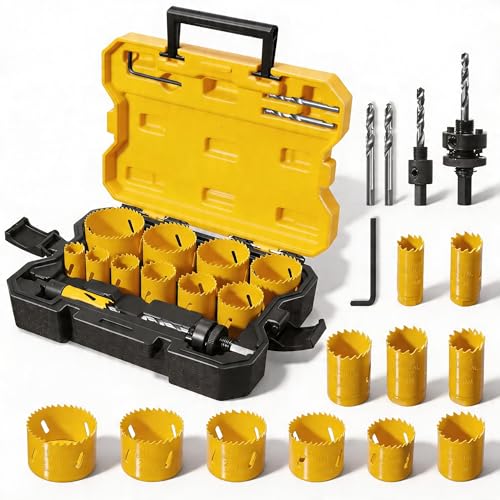
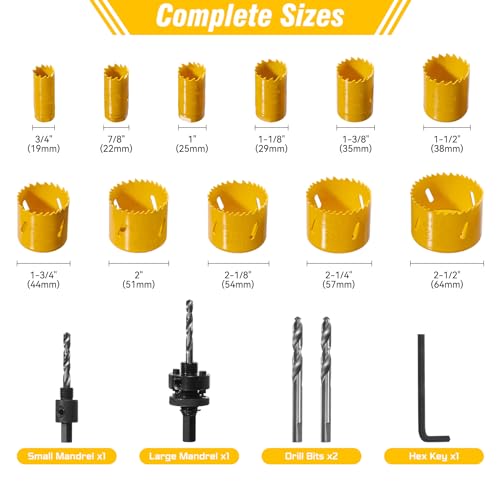
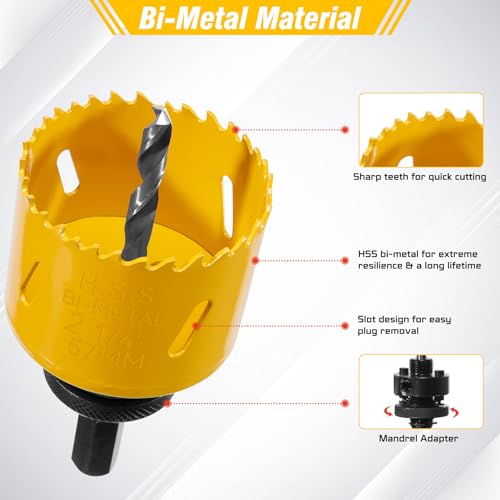
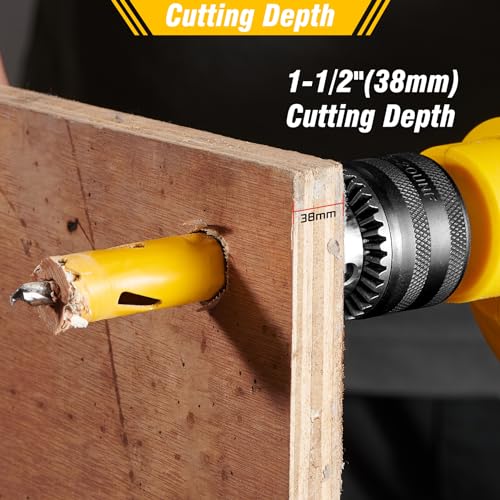
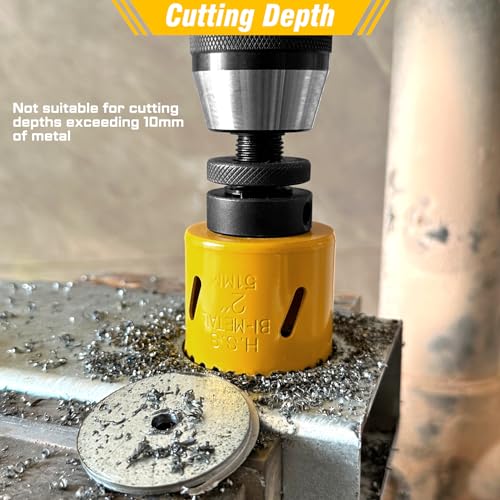
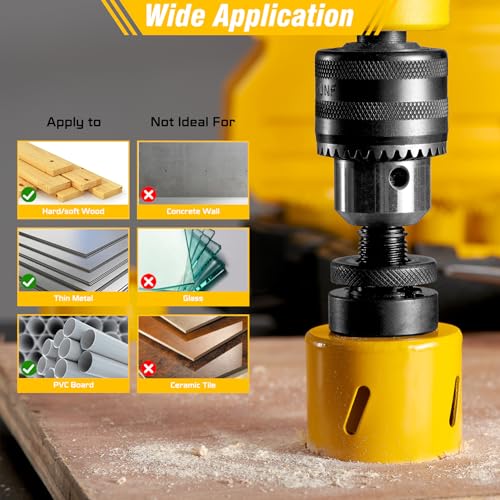
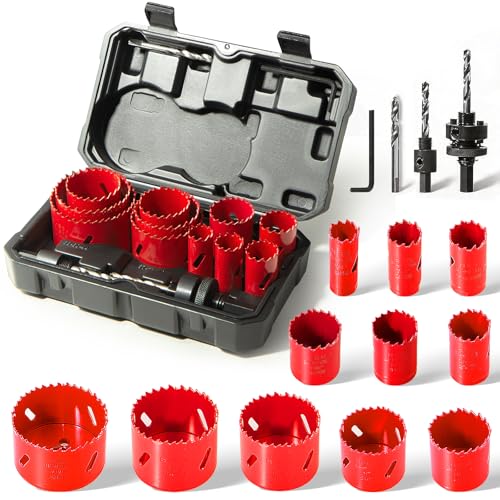
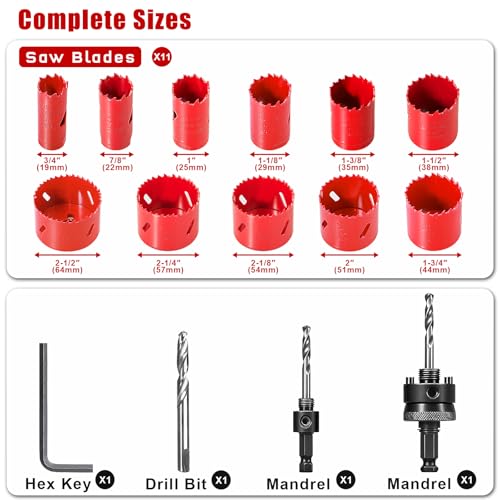
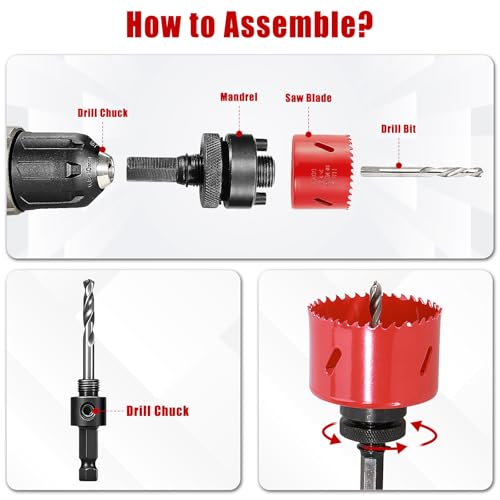
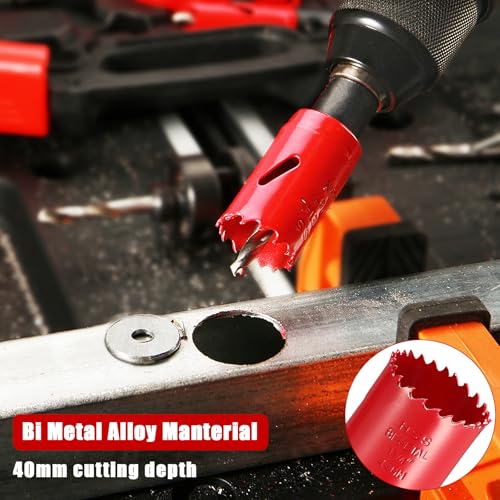
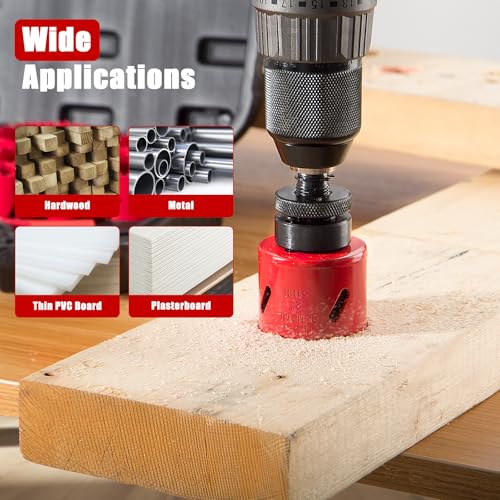
For DIYers who want a no-frills, affordable way to tackle basic cutting jobs, the HYCHIKA 17-piece kit delivers where it counts. The bimetal construction with 2mm-thick high-hardness steel gives these saws decent durability on soft metals, PVC, and drywall. Owners consistently report clean cuts on plywood and plastic, and the added chip removal grooves do help reduce heat during extended use.
It’s not built for heavy-duty tasks, and anyone expecting to cut through nail-embedded wood or stainless steel will be disappointed. But for patching holes, running electrical conduits, or simple remodeling, this set covers the most common sizes with reliable performance. The included mandrels and storage case add real value at this price point.
Product photos
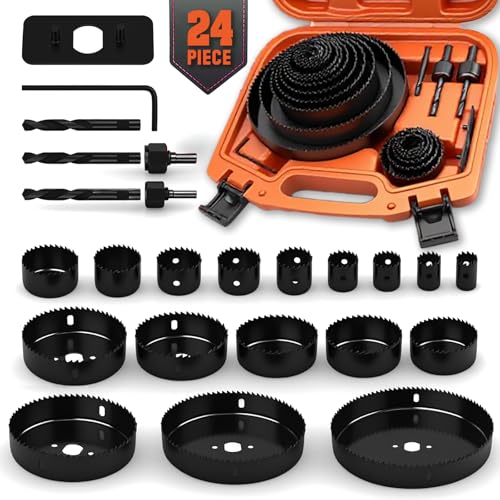
HORUSDY 24PCS Hole Saw Kit
Strengths
- Huge size range
- Good storage
- Beginner-friendly
Trade-offs
- Inconsistent sharpness
- No cobalt
- Shallow depth
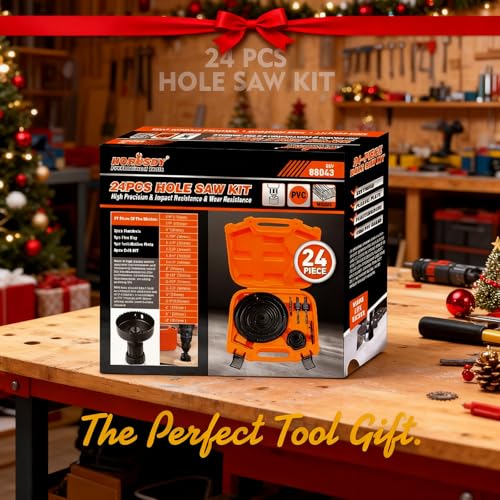
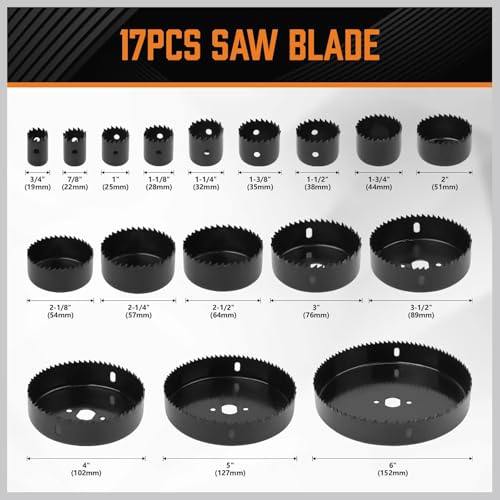
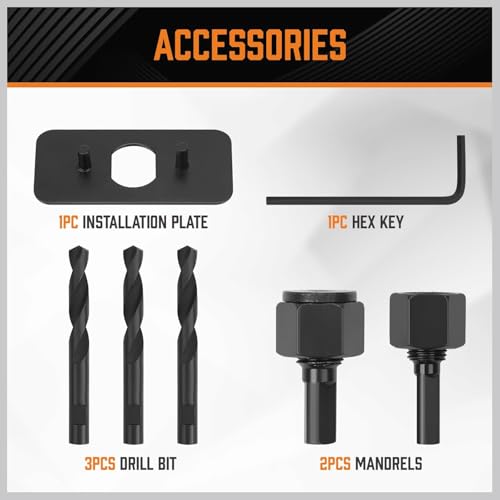
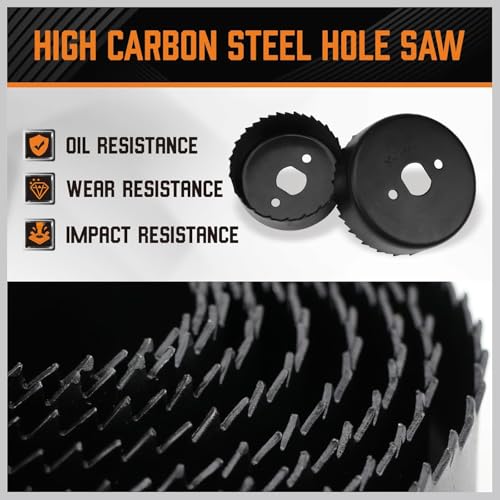
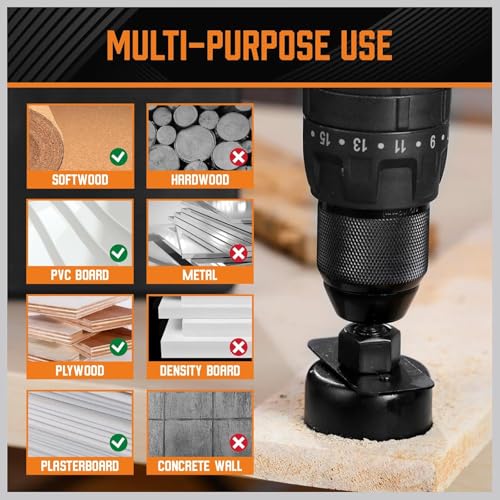
HORUSDY throws in everything but the kitchen sink, 17 blades up to 6″, plus accessories, all in a tidy case. The range is impressive, especially if you occasionally need large holes for ductwork or speaker mounts. The heat-treated carbon steel holds an edge decently on soft materials, and the installation plate helps align pilot bits, which beginners will appreciate.
But more pieces don’t always mean better quality. Owners report inconsistent cutting performance on harder woods, and the blades lack cobalt or advanced coatings. It’s a solid value, not a performance leader. If you need variety and portability without overspending, this kit covers a lot of ground.
Product photos
EZARC M42 Bi-Metal Hole Saw Kit

Strengths
- Fast cutting
- Cobalt-infused
- Good ejection
Trade-offs
- Limited depth
- No 3″+ sizes
- Arbor thread wears
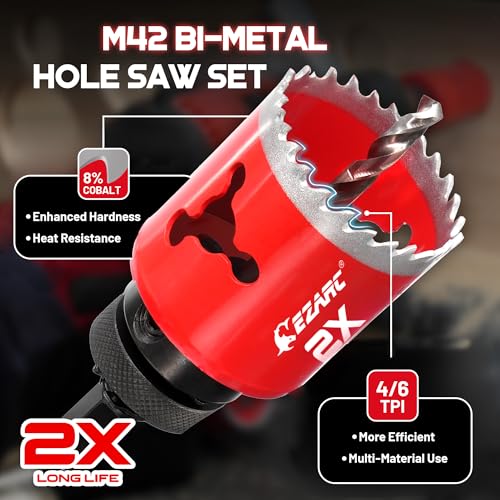
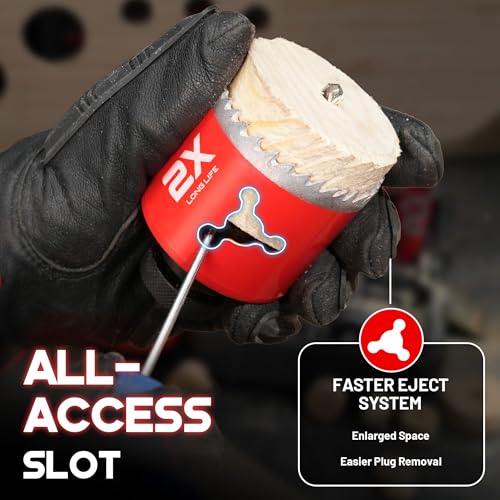
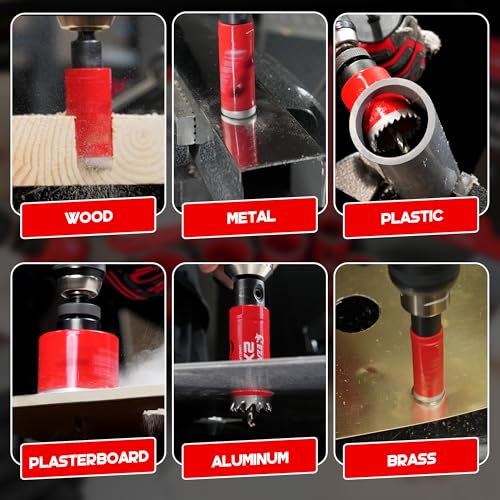
The EZARC kit stands out for speed, and the specs back it up, M42 steel with 8% cobalt and a 4/6 TPI variable tooth pitch means it cuts faster and stays cooler than most bi-metal kits. Owners confirm it powers through hardwood and thin metal with noticeably less drag, and the all-access eject slots make clearing plugs a one-push job.
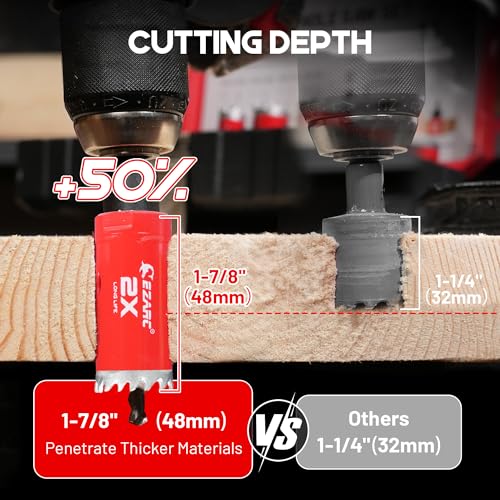
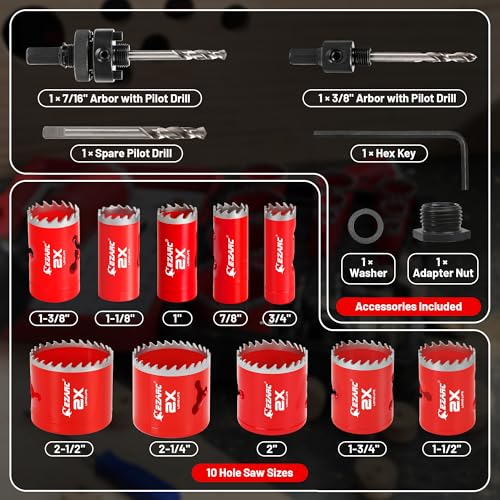
It’s not the deepest (1.89″), so stacking cuts are needed for thicker stock. But for cabinetry, furniture, or door installations where speed and clean edges matter, this kit delivers. The case is well laid out, and the inclusion of two arbors improves workflow. I’d lean here over others if you’re doing repetitive cuts and value efficiency.
Product photos
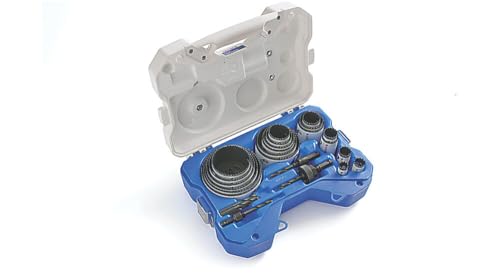
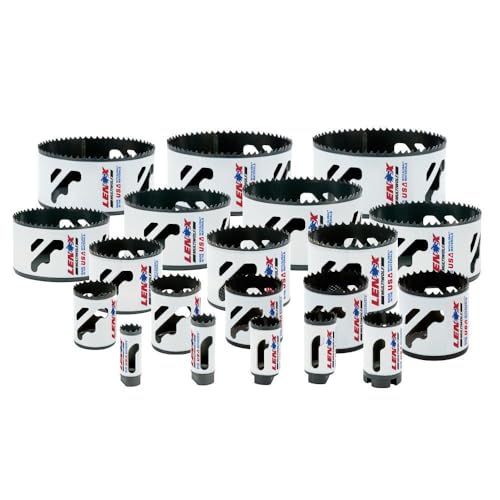
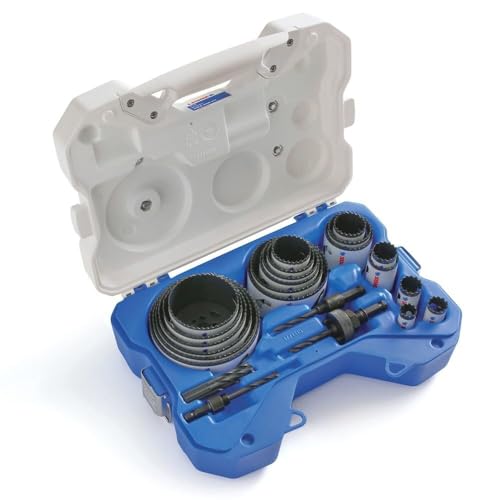
Lenox 26-Piece Bi-Metal Hole Saw Kit
Strengths
- Long blade life
- T2 coating
- Quick-change arbor
Trade-offs
- Bulkier case
- Some fit issues
- No cobalt
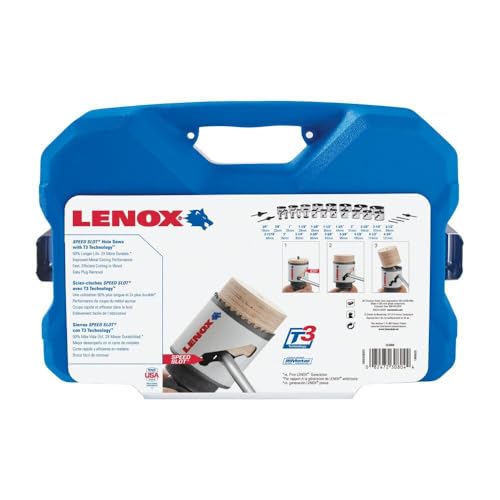
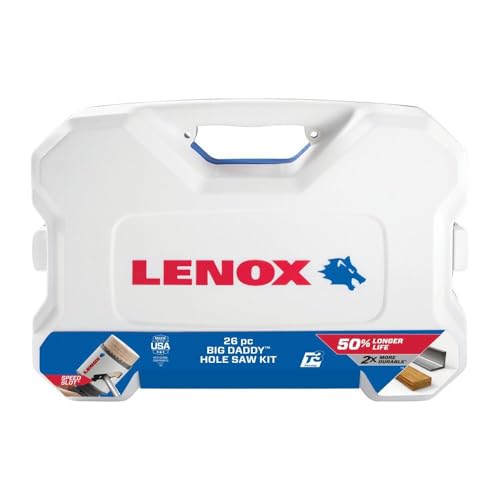
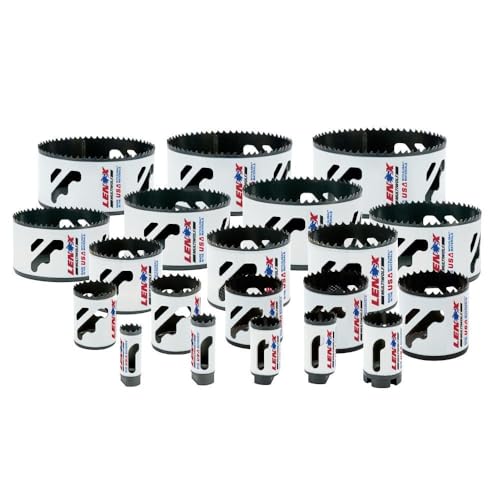
Lenox built this 26-piece kit for people who hate replacing blades. The T2 Technology and non-binding coating aren’t just buzzwords, owners report these saws lasting twice as long as generic sets, especially in abrasive materials like treated lumber or fiberglass. The taller design gives a bit more depth per pass, and the quick-change arbor saves time when swapping sizes.
It’s not flashy, and the case isn’t the sturdiest, but the focus is on longevity and consistent performance. If you’re the type who buys once and hates sharpening or tossing out dull bits, this kit makes sense. It won’t out-cut a carbide model, but it will outlast nearly every other bi-metal set on the list.
Product photos
How We Evaluated hole saw kits
Rather than a hands-on lab test, my research for these recommendations involved a detailed comparison of published specifications and features across numerous hole saw kits. I weighed owner reviews from major retailers against expert opinions found in trade publications and woodworking forums. As someone who’s spent years advising on power tool selection at PowerToolGuide.net, I applied my understanding of materials science and typical jobsite demands to rank each kit against a set of key criteria.
For hole saw kits, cutting speed, durability, and versatility were the biggest deciding factors. A kit that can quickly and cleanly cut a variety of materials – wood, metal, plastic – offers the most value. Durability is essential, as replacing hole saws frequently is costly and frustrating. Finally, a good kit needs to include a range of sizes and a reliable arbor system for quick changes.
Specifications reliably indicate the materials a kit should handle and the maximum cutting depth. However, I placed more weight on owner feedback regarding real-world performance, particularly how well the saws hold up to repeated use and how easily they cut through common materials. Reputation, especially from brands known for quality like Milwaukee and Diablo, also played a significant role; a history of producing reliable tools counts for a lot, and learning how to use a hole saw correctly is key to maximizing lifespan.
How To Choose The hole saw kits
Choosing the right hole saw kit can save a lot of headache, especially when dealing with different materials and project requirements.
A quality hole saw kit should prioritize bi-metal construction for durability, offer a range of sizes to suit various applications, and include features like quick-change mandrels and efficient chip removal. Look for sets with cobalt content in the teeth for increased wear resistance and consider the maximum cutting depth needed for your typical projects. The arbor system’s compatibility and ease of use are also key considerations.
Size Range and Material Compatibility
The first thing I tell people is don’t assume one kit does it all. Hole saw kits come in a huge range of sizes, and what you’ll need depends heavily on the projects you tackle. Consider the materials you work with most often. A kit marketed as “universal” might handle wood and thin metal adequately, but if you frequently cut thicker gauge metal or hard materials like hardwood or stainless steel, you’ll want a kit specifically designed for those tasks. Brands like Milwaukee and Diablo offer kits tailored toward specific applications – I’ve seen good feedback on the Diablo sets if you need to consistently cut deep holes. You should also check if the kit includes pilot bits for accurate starting and centering of the holes, and make sure those pilots are compatible with your drill.
Tooth Geometry and Construction
Bi-metal hole saws are the standard for a reason: they offer a good balance of durability and cutting speed. However, not all bi-metal saws are created equal. The amount of cobalt in the teeth is a significant indicator of quality. Higher cobalt content (8% or more, as seen in the EZARC kits) means increased wear resistance, which is crucial if you’re cutting abrasive materials. Beyond the metal itself, pay attention to the tooth design. Variable tooth pitch (like EZARC uses) can improve cutting performance in different materials.
Here’s what I look for in a good tooth design: * A simple, standard tooth is fine for softer woods. * A more aggressive tooth pattern is needed for plastics and thin metals. * A high-cobalt, finely pitched tooth is crucial for hard metals, stainless steel, and prolonged cutting life, because it minimizes heat buildup and chipping.
Arbor System and Usability
A frustrating arbor system can ruin a project faster than a dull blade. Look for kits with quick-change mandrels (like Diablo’s Snap-Lock Plus) that allow you to swap sizes without tools. Compatibility is also important; some kits have mandrels that only fit a limited range of hole saw sizes. I also recommend paying attention to plug ejection. A well-designed system (Milwaukee’s Plug Jack is a good example) makes removing the cut material much easier and faster. Don’t underestimate the value of a well-organized case, either. A case with clearly labeled slots, like those from HORUSDY, will save you time and frustration when you’re trying to find the right size. If you’re working with PVC, understanding the hole saw size for 2-inch PVC is vital for a clean cut.
Don’t skimp on the arbor. A solid, well-made arbor will keep the hole saw running true and prevent wobble, which leads to cleaner cuts and less strain on your drill.
I often recommend checking out the top hole saw kits to get a broader view of what’s available and what other users are saying. And, when considering options, remember that the best hole saw brands generally prioritize quality materials and thoughtful design.
Hole Saw Kits Compared
This table provides a specification comparison of various hole saw kits available for purchase.
| Product Title | Best For | Number of Saws | Max Cutting Depth | Material | Mandrels Included |
|---|---|---|---|---|---|
| Milwaukee Hole Dozer Bi-Metal Saw Set | Best Overall | N/A | N/A | Bi-Metal | N/A |
| Diablo Bi-Metal Hole Saw Set | Best for Deep Cuts | N/A | 2-3/8″ | Bi-Metal | N/A |
| Milwaukee BIG HAWG Carbide Teeth Kit | Best for Hard Materials | N/A | N/A | Carbide | N/A |
| KATA M42 Bi-Metal Hole Saw Kit | Best for Metal & Hard Wood | 11 | 1-1/2″ (38mm) | Bi-Metal | 2 |
| HYCHIKA Bi-Metal Hole Saw Kit | Best Budget Friendly | 11 | 40mm | Bi-Metal | 2 |
| HORUSDY 24PCS Hole Saw Kit | Best Value Set | 17 | 25mm | Carbon Steel | Included |
| EZARC M42 Bi-Metal Hole Saw Kit | Best for Fast Cutting | 10 | 1.89″ (48mm) | Bi-Metal | Included |
| Lenox 26-Piece Bi-Metal Hole Saw Kit | Best for Longevity | N/A | N/A | Bi-Metal | N/A |
Frequently Asked Questions
What’s the difference between bi-metal and carbide hole saws?
Bi-metal hole saws are a good all-around choice, offering a balance of durability and cost, while carbide hole saws are significantly more expensive but excel at cutting extremely hard materials like tile, concrete, and cast iron. Carbide teeth hold an edge much longer when working with abrasive materials, making them ideal for specialized tasks.
How can I prevent a hole saw from “walking” or drifting while cutting?
Using a center punch to create a dimple where you want the hole is the best first step. Also, start slowly with a low speed and firm, even pressure; a pilot bit helps immensely with accurate starting, and some kits include self-start bits for smoother initial cuts.
Are hole saw kits interchangeable between brands?
Generally, no. While the hole saw diameter is standardized, arbor sizes and attachment mechanisms vary between manufacturers. Using a hole saw with an incompatible arbor can be dangerous and will likely result in inaccurate cuts.
What should I look for in a kit if I frequently cut copper pipes?
For cutting copper, you need a kit with fine-tooth hole saws and a high cobalt content to prevent the saw from grabbing and deforming the pipe. Consider a kit specifically designed for hole saws for cutting metal, as these will have the appropriate tooth geometry and material composition.
What’s the best way to extend the life of my hole saws?
Proper lubrication is key. When cutting metal, use a cutting fluid designed for the material you’re working with. Avoid excessive speed and pressure, as this generates heat and wears down the teeth quickly. Store your hole saws in a dry environment to prevent rust and corrosion.
The Bottom Line
Choosing a hole saw kit often comes down to balancing upfront cost with long-term durability and frustration. While you can find affordable options, I consistently see the Milwaukee Hole Dozer Bi-Metal Saw Set recommended by professionals and serious DIYers as the best overall choice – it gives you a good mix of quality, size range, and features that will handle most jobs without breaking the bank or wearing out quickly.
For those with specific needs, the market offers excellent alternatives. If you regularly cut deep holes in a variety of materials, the Diablo Bi-Metal Hole Saw Set is a standout. And if you’re on a tighter budget, the HYCHIKA Bi-Metal Hole Saw Kit provides a surprisingly capable set for basic tasks. Remember to look into sharpening a hole saw to extend the life of your investment.
Ultimately, the specs on a kit are less critical than understanding what you’ll be cutting and how often. A high cobalt content, a robust arbor, and a comfortable grip are fundamentals that will make any project easier and more successful, regardless of the brand or price point. Don’t get lost in the details; focus on quality construction and a kit that fits your typical workload.
