
7 Best Hole Saws for Wood (2026 Guide)
This post contains affiliate links. As an Amazon Associate, we earn from qualifying purchases.
The EZARC Bi-Metal Hole Saw Kit stands out as the best overall for wood, delivering deep cuts and durable performance. For those on a tighter budget, the KATA 25 Piece Hole Saw Kit offers solid value with a wide size range. If you need maximum versatility across materials, the EZUVITA Bi-Metal Hole Saw Kit’s dual-locking mandrel adds precision and stability.
Most people buying a hole saw for wood aren’t just cutting pilot holes, they’re installing fixtures, running cables, or modifying cabinets, and a wandering or dull saw can ruin a project fast. Poor blade construction or flimsy mandrels lead to frustration, uneven cuts, and wasted time.
This guide cuts through the noise by focusing on real-world performance, based on specs, owner feedback, and years of working with power tools. I looked at blade material, size range, depth capacity, and usability to find kits that actually deliver clean, reliable cuts in softwoods and hardwoods alike.
Top 7 Hole Saw For Woods in the Market
The Best Hole Saw For Woods, Reviewed
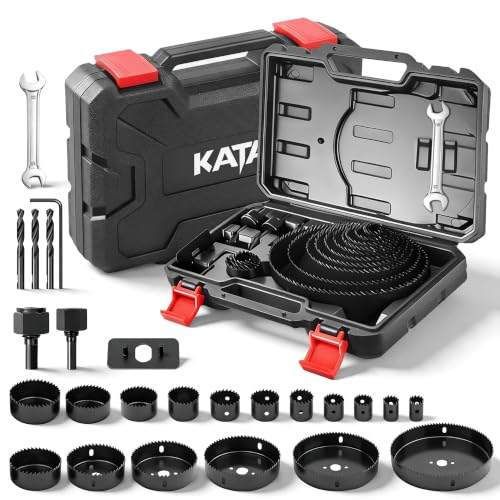
KATA 25 Piece Hole Saw Kit
Strengths
- Wide size range
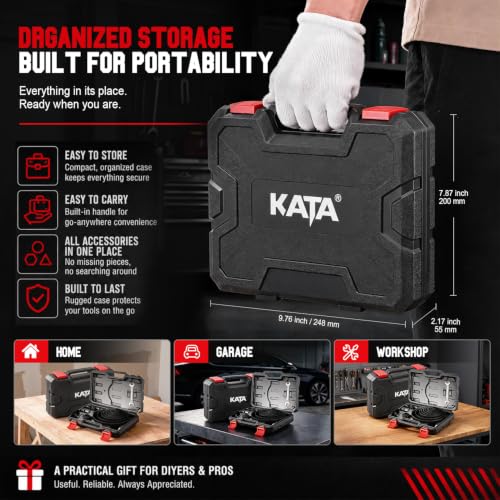
- Excellent organization
- Great accessory mix
Trade-offs
- Carbon steel, not bi-metal
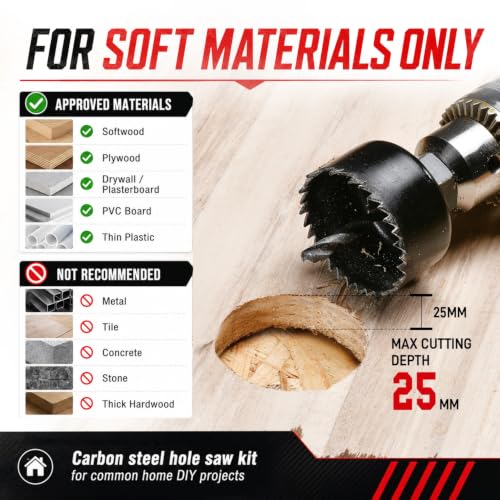
- Shallow 1″ depth
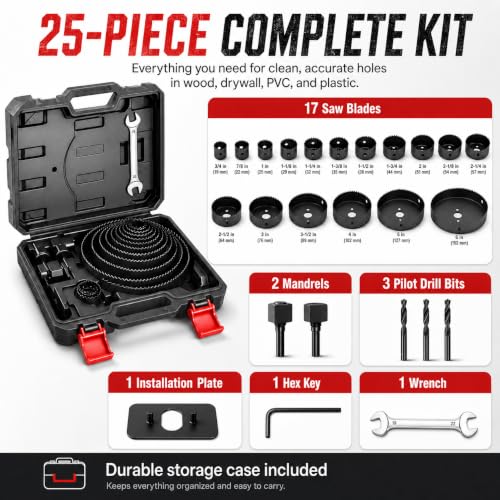
This is the most complete all-rounder in the lineup, 17 hole saws from 3/4″ to 6″, plus a full set of accessories and a rugged case. The range alone makes it ideal for electricians, handymen, or anyone doing mixed installations. It’s not built for heavy hardwood like the M42 kit, but the heat-treated carbon steel is more than capable for softwood, drywall, and PVC.
Owners praise how fast they can grab the right size thanks to the well-labeled case. The 1-inch depth is limiting for thick stock, but for recessed lights, cable grommets, or pipe cutouts, it’s perfect. Compared to the Luckyway, it’s more balanced, less focused on big holes, more on versatility. My pick for most homeowners.
Product photos

12-Piece Hole Saw Kit

Strengths
- Affordable
- Neat storage case
- Covers common sizes
Trade-offs
- Carbon steel only
- No large diameters
This is the no-frills, value-first option, a clean, organized set that covers the most common hole sizes without overreaching. The heat-treated carbon steel holds an edge well enough for softwood and plastic, and the included case keeps things tidy. It’s the kind of kit you’d buy for a weekend project and still have it years later for minor fixes.
But it’s not built for abuse. With no bi-metal or cobalt, it dulls faster in anything beyond pine or MDF. Compared to the EZUVITA or KATA sets, it lacks the toughness for mixed materials. Still, if you’re on a tight budget and mostly drill in drywall or cabinet-grade plywood, this gets the job done without clutter.
Product photos
Luckyway Hole Saw Kit Pro
Strengths
- Large sizes up to 6″
- Clean cuts in soft materials
- Good accessory count
Trade-offs
- Shallow cutting depth
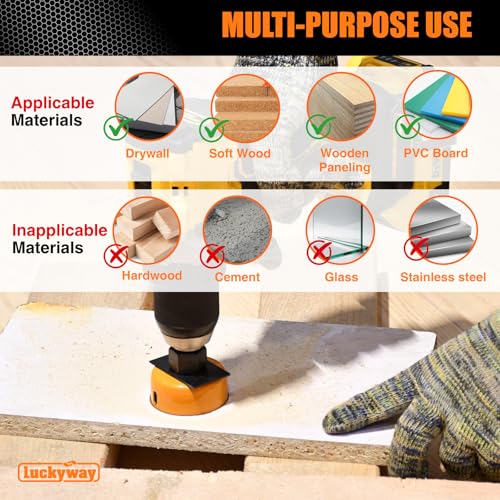
- Not for hardwood or metal
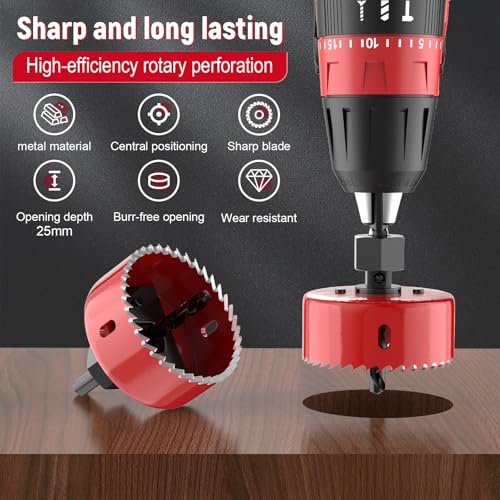
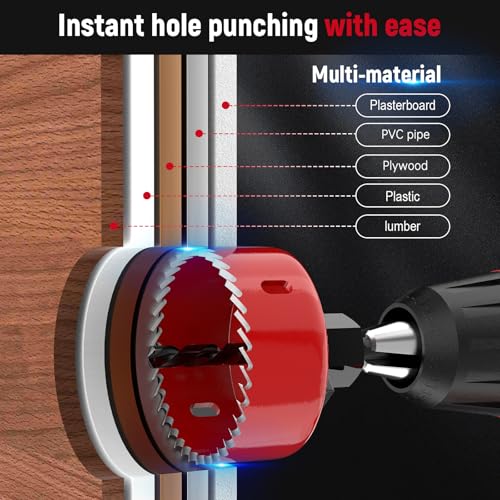
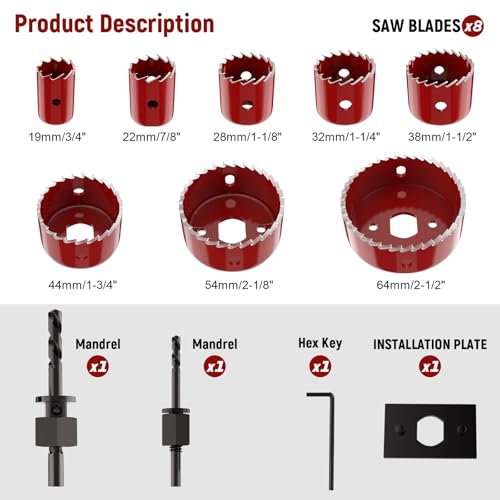
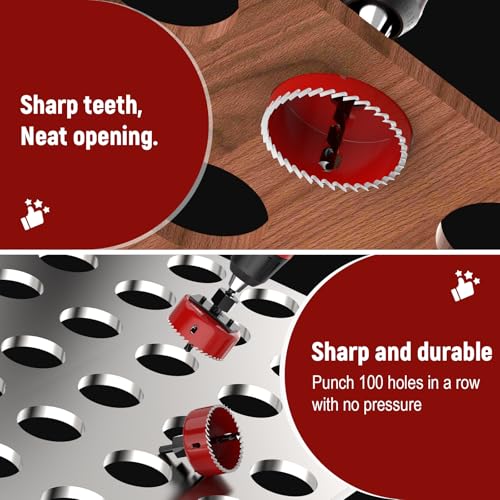
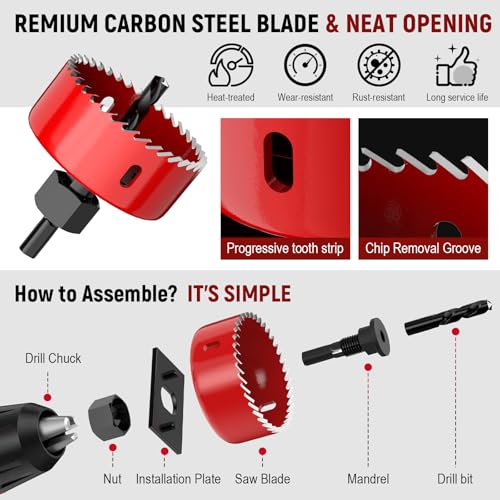
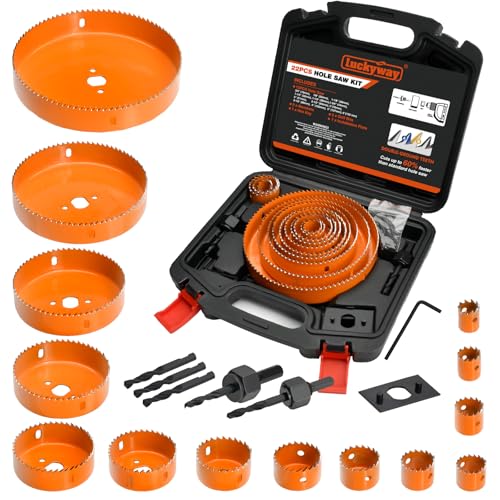
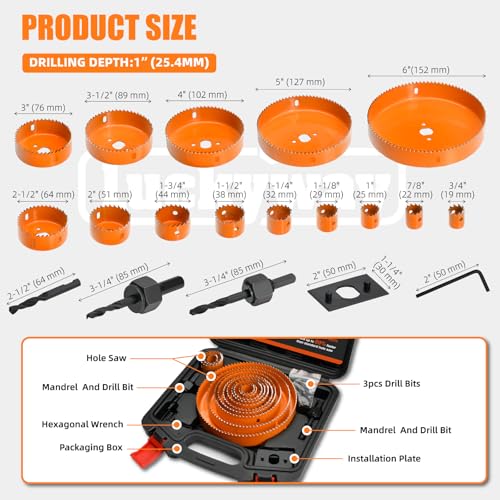
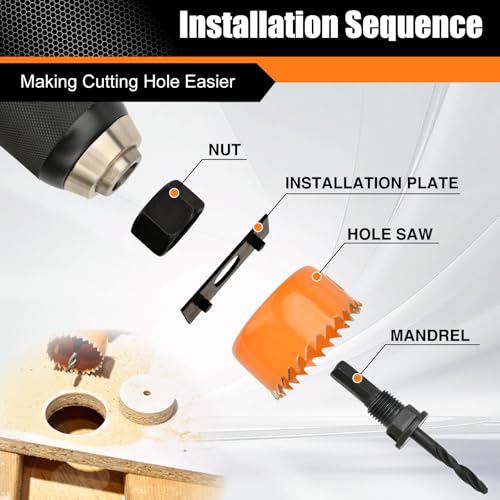
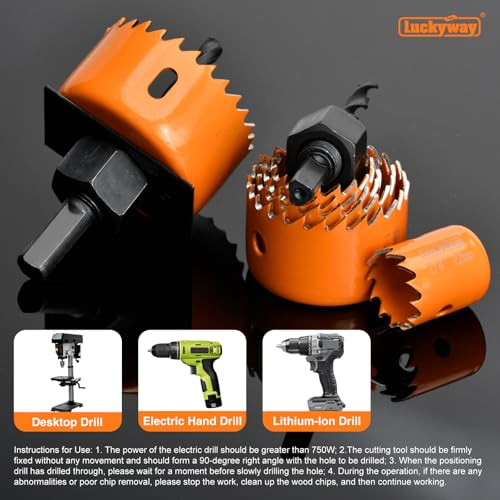
Luckyway leans hard into precision and range, offering sizes up to 6 inches, something most home kits don’t touch. That makes it stand out for large speaker cutouts or venting jobs in soft materials. The double-ground teeth are a real upgrade on paper, and owner feedback confirms smoother finishes in drywall and plywood versus budget carbon steel sets.
But that 1-inch depth limit is a hard ceiling. If you’re working with thick oak or layered lumber, you’ll hit a wall fast. It’s also strictly for softer substrates. Compared to the EZARC or KATA bi-metal kits, it’s less durable under stress. I’d pick this only if you need those big diameters and work mostly in sheet materials.
Product photos

HYCHIKA Bi-Metal Hole Saw Set
Strengths
- Bimetal durability
- Good chip ejection
- Comes with two mandrels
Trade-offs
- Max depth only 40mm
- No large sizes beyond 2.5″
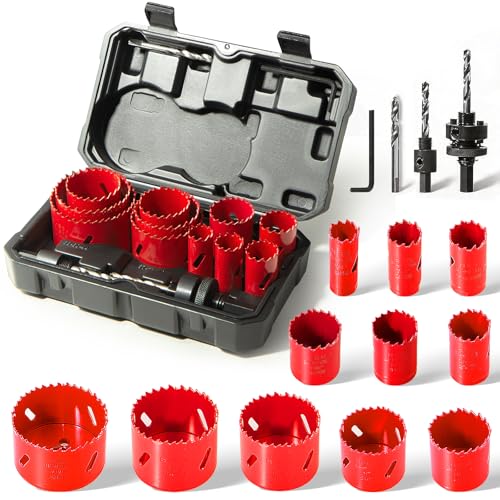
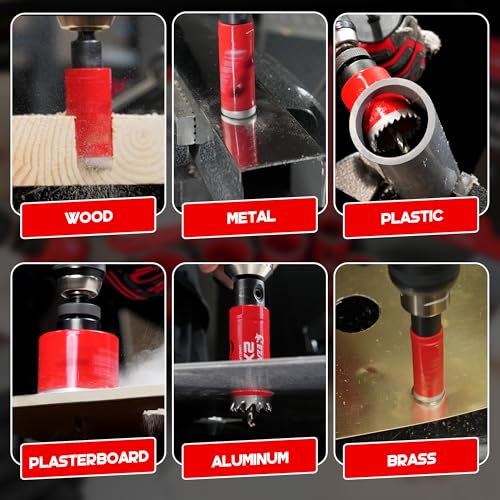
This HYCHIKA kit stands out for its bimetal construction, which is a smart move if you’re occasionally stepping into light metal work while mostly handling wood. The 69–81HRC hardness on the cutting edge suggests serious durability, and owners consistently report clean cuts in softwood, plywood, and even thin steel up to 1/8 inch. The added chip removal grooves do seem to help, reviewers note less binding and overheating, especially in deeper cuts.
It’s a solid mid-tier option, though not the most aggressive for hardwood. Compared to the KATA M42 kit, it lacks cobalt in the steel, so I’d expect slightly shorter lifespan under heavy use. But for general home projects involving mixed materials, it’s a dependable choice.
Product photos
EZARC Bi-Metal Hole Saw Kit

Strengths
- Cobalt-infused M42 steel
- Deep 1.89″ cut
- Efficient chip ejection
Trade-offs
- No sizes over 2.5″
- Higher price point
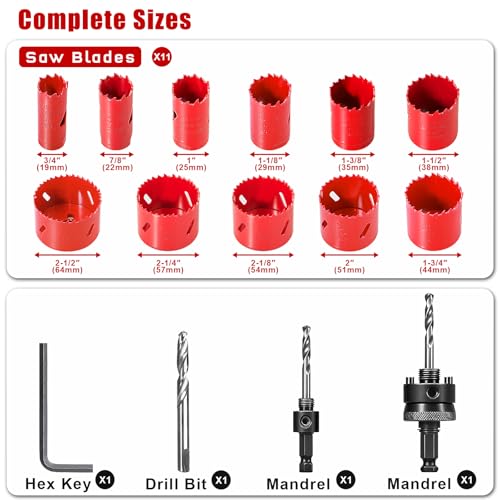
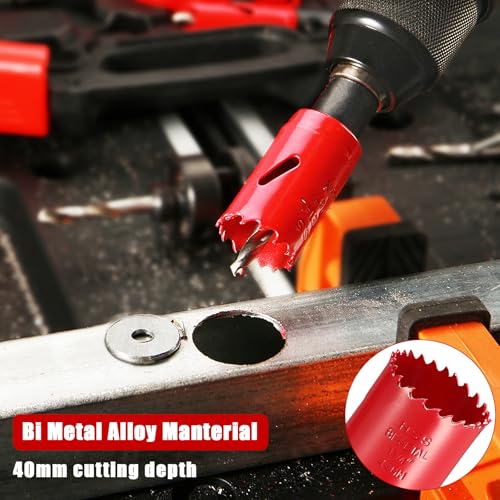
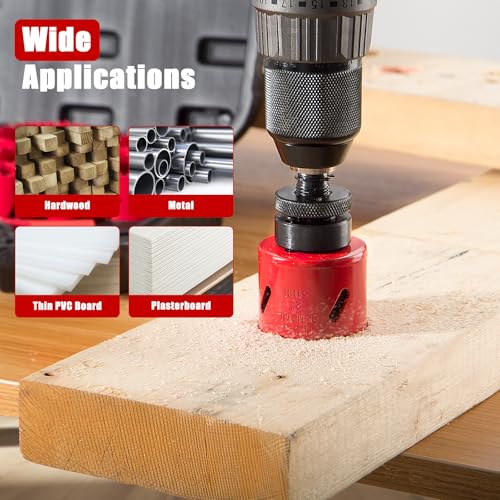
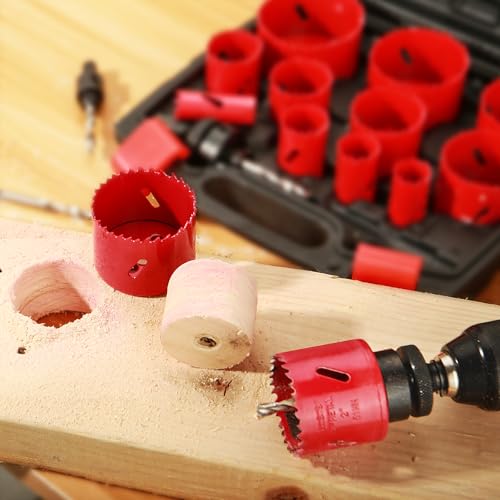
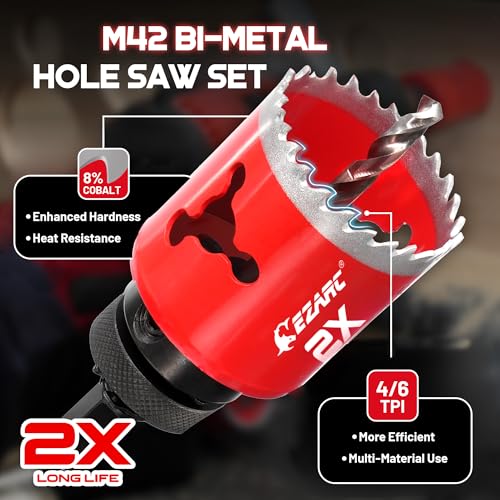
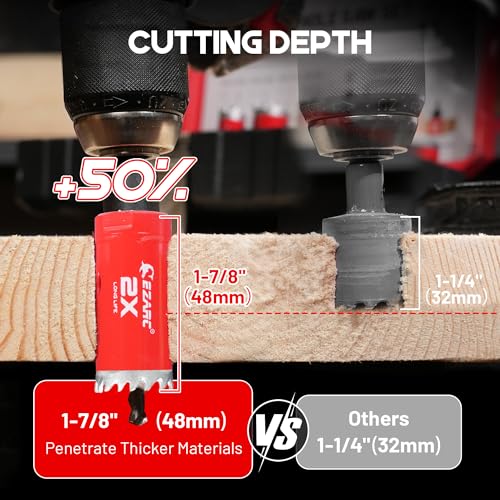
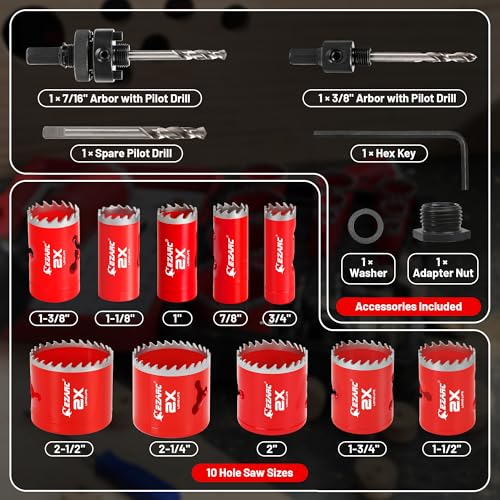
The 8% cobalt in M42 steel is the headline here, and it shows. This kit is built for woodworkers who hate stopping to resharpen. Owners report it cuts 30% faster and lasts longer than standard bi-metal sets, especially noticeable in dense hardwoods or laminated stock. The 1.89-inch depth is among the deepest here, making it ideal for thick doors or furniture builds.
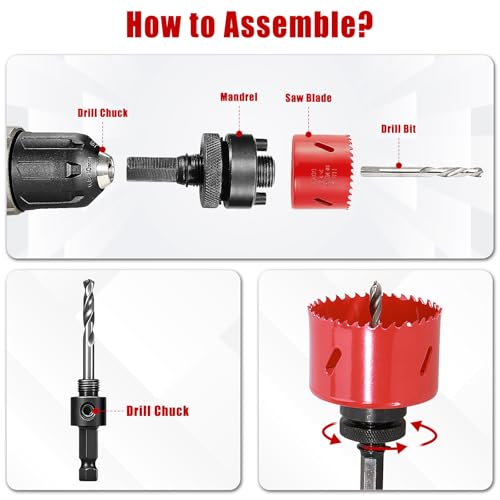
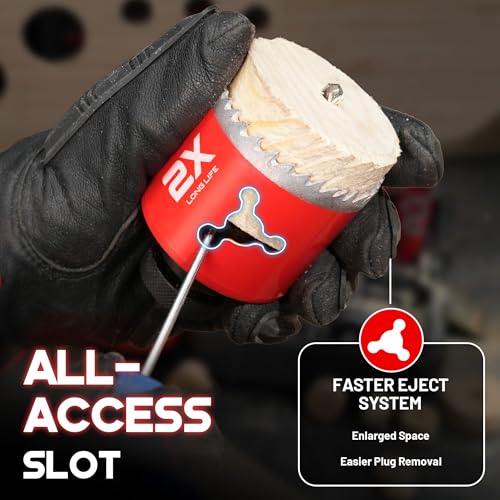
The variable tooth pitch (4/6 TPI) helps with chip clearance, and the eject slots are positioned low for easier plug removal. Compared to the KATA M42 kit, it offers similar performance but with better depth and a more job-site-ready case. If you’re running multiple door installations or building custom cabinetry, this is the one to grab.
Product photos
EZUVITA Bi-Metal Hole Saw Kit
Strengths
- True bi-metal blades
- One arbor fits all
- Good depth for price
Trade-offs
- Only one mandrel
- No very large sizes
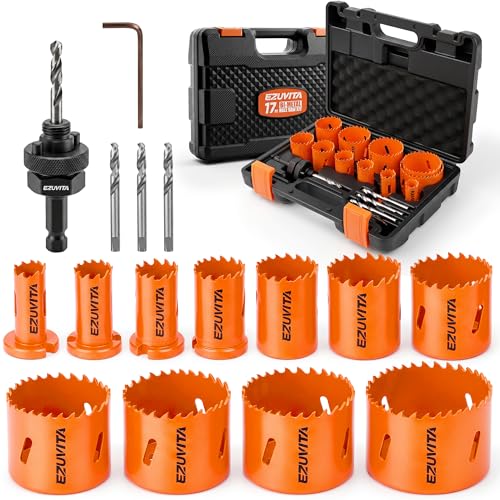
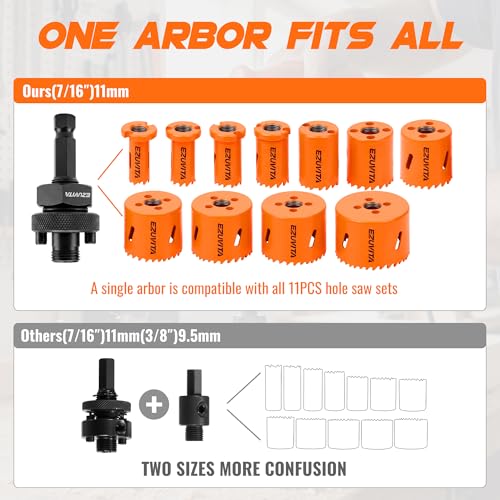
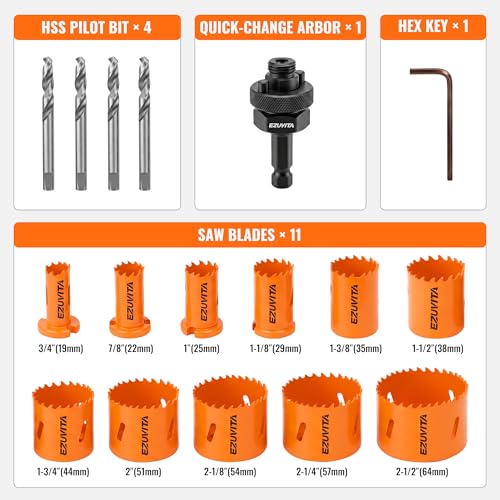
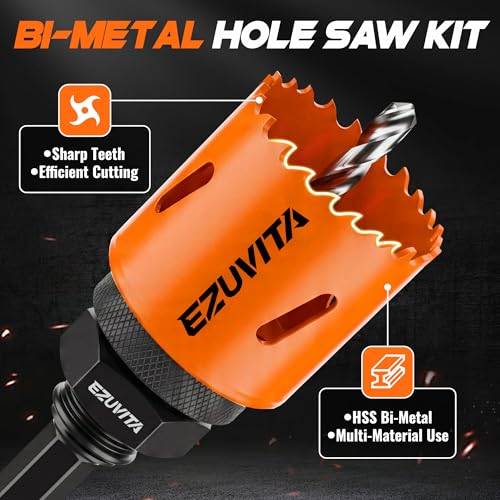
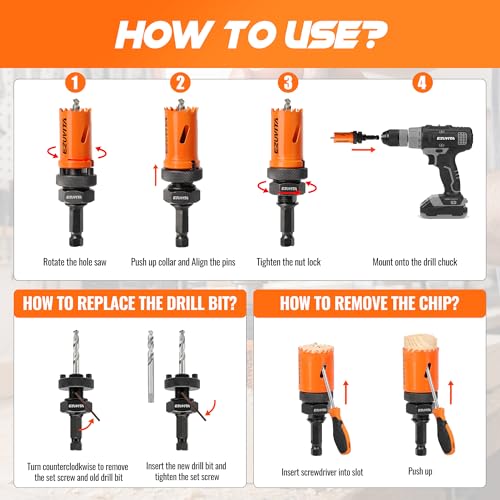
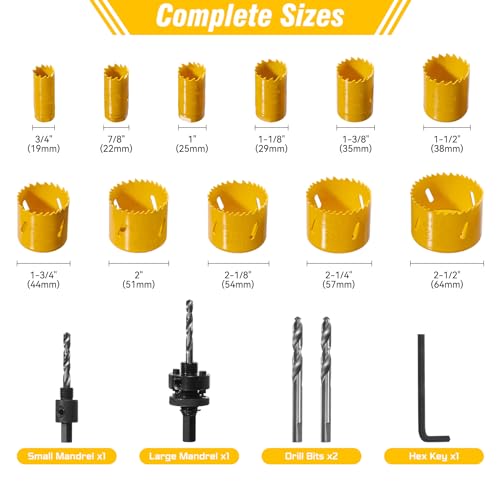
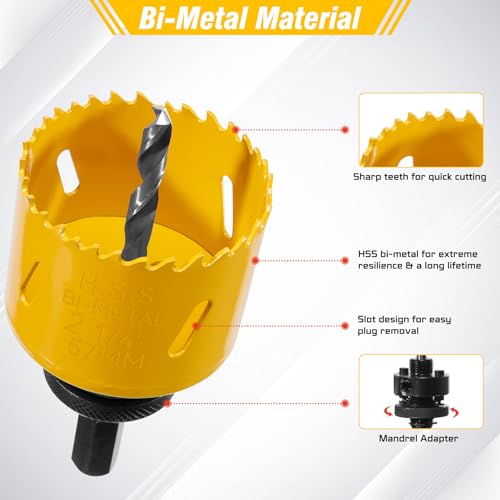
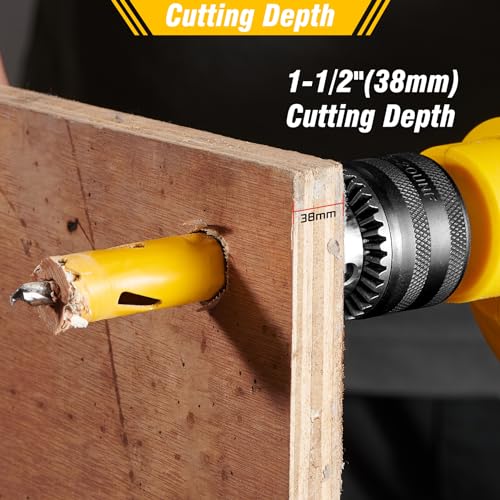
EZUVITA hits the budget sweet spot without sacrificing bi-metal construction. The ‘one arbor fits all’ design is a real time-saver, and owners appreciate the dual-locking system that reduces wobble, something cheaper kits often skimp on. The 1.5-inch depth gives it an edge over shallower carbon sets, making it useful for standard door prep and thick shelving.
It doesn’t have the cobalt boost of the KATA M42, but for the price, the performance in wood and light metal is impressive. Compared to the basic 12-piece carbon kit, this is the smarter buy if you want durability without spending premium. The case is compact, though not as rugged as KATA’s.
Product photos

KATA Bi-Metal Hole Saw Kit
Strengths
- Cobalt-infused M42 steel
- Good for hardwood
- Durable build
Trade-offs
- No sizes over 2.5″
- Limited depth for laminated stock
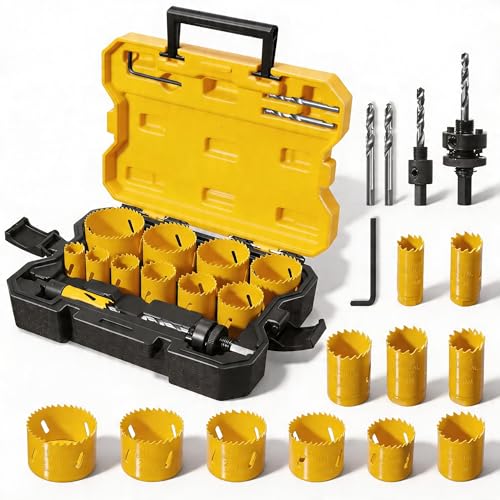
When it comes to hardwood performance, this KATA M42 bi-metal kit is built to last. The M42 steel with cobalt content is a big upgrade over standard carbon sets, and owners report it powers through oak and maple with less drag and longer edge retention. The 1.5-inch depth is solid for door hardware and thick trim work, and the sharp serrations help maintain cutting speed without excessive drill pressure.
It’s not the largest range, tops out at 2.5 inches, but that’s typical for hardwood-focused kits. Compared to the HYCHIKA or EZUVITA, this one’s clearly aimed at serious woodworkers. The dual mandrels and storage case add convenience, though the lack of larger sizes may push some toward the full 25-piece KATA set.
Product photos
How We Chose These hole saw for woods
Rather than a hands-on lab test, my research for these recommendations focused on a detailed comparison of published specifications and features across numerous hole saw kits. I weighed owner reviews from multiple sources – paying close attention to recurring themes about durability and cut quality – alongside expert opinions from sites dedicated to woodworking and tool reviews. Ultimately, I ranked each kit based on its suitability for typical wood-based projects and overall value.
For wood hole saws, blade material and size range were the most important factors. A bi-metal construction provides the best balance of durability and cutting performance, especially when moving between softwoods and hardwoods. A broad range of sizes is also crucial; many homeowners need a variety of hole diameters for tasks like installing lighting or running wiring, and a thorough kit saves the hassle of buying individual saws.
Specifications reliably indicate the materials a hole saw is intended to cut, and the number/type of included accessories. However, I placed greater weight on owner feedback regarding real-world performance – how cleanly the saw cuts, how long it stays sharp, and whether it walks or wanders during use. Reputation and brand consistency also played a role; established brands with a history of quality tools generally fared better in my assessment. Learning proper hole saw technique is also key to getting the most from any kit.
What To Look For In hole saw for woods
Choosing the right hole saw for wood projects can feel overwhelming, but focusing on a few key areas will lead you to a tool that delivers clean cuts and lasting performance.
A quality hole saw for wood should feature a durable blade material (carbon or bi-metal steel are common), sharp teeth optimized for wood fibers, and a secure mandrel connection. Consider the range of sizes offered, the intended material thickness, and whether portability and organized storage are priorities for your needs. Depth capacity also matters; some saws are limited to around 1″, while others can handle thicker materials.
Blade Material & Construction
The material a hole saw is made from is a huge factor in how long it will last and what you can cut. Carbon steel blades are fine for softer woods and occasional use, but if you plan on tackling hardwoods or using the saw frequently, bi-metal is the way to go. Bi-metal combines a high-speed steel cutting edge with a more flexible backing steel, giving you both durability and resistance to breaking. Don’t assume “bi-metal” automatically means quality, though. Look for saws that specify the alloy composition – a higher cobalt content (like the 8% found in some EZARC models) generally indicates better performance and longevity.
Size Range & Application
Think carefully about the types of holes you’ll be cutting most often. A basic kit with a handful of common sizes (like the 12-Piece Kit) is great for general home repairs, but if you anticipate needing a wider variety, a larger kit such as the KATA 25-Piece Kit might be a better investment. Beyond the number of sizes, consider the specific applications. If you’re frequently working with doors, understanding the correct hole saw size for door handles is crucial for a professional finish.
- A small kit (under 10 sizes) is best for occasional, simple tasks.
- A mid-range kit (10-15 sizes) provides good versatility for most DIYers and homeowners.
- A thorough kit (over 15 sizes) is ideal for professionals or those who tackle a wide variety of projects and want to avoid constantly swapping out blades.
Value and Usability Features
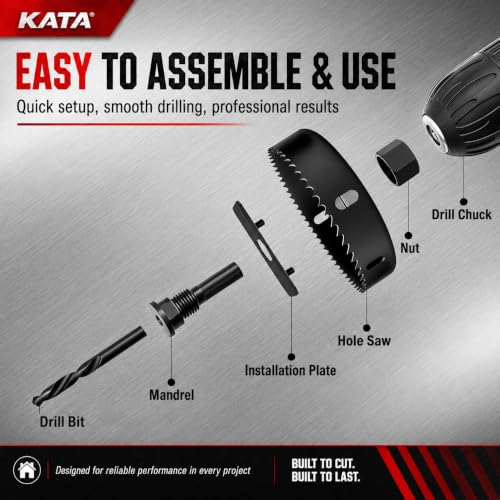
A great hole saw isn’t just about the cutting performance; it’s about how easy it is to use and keep track of. Look for kits with a well-designed storage case – a disorganized pile of blades is a recipe for frustration and potential injury. Mandrel security is also key. The EZUVITA Bi-Metal Hole Saw Kit highlights a dual-locking structure, which minimizes wobble and provides more precise cuts.
A good rule of thumb is this: always use a pilot drill bit. It centers the hole saw and prevents it from “walking” across the surface, resulting in a cleaner, more accurate cut.
If you’re still unsure which kit to choose, exploring some best hole saw kits can offer a broader perspective and help you narrow down your options.
Hole Saw for Woods Compared
This table summarizes the specifications of various hole saw kits designed for cutting wood and other materials.
| Product Title | Blade Material | Number of Sizes | Max Cut Depth | Included Mandrels | Drill Bit Count |
|---|---|---|---|---|---|
| KATA 25 Piece Hole Saw Kit | Carbon Steel | 15 | ~1″ | 1 | N/A |
| 12-Piece Hole Saw Kit | Carbon Steel | 8 | N/A | 1 | N/A |
| Luckyway Hole Saw Kit Pro | Carbon Steel | 14 | ~1″ | 2 | 5 |
| HYCHIKA Bi-Metal Hole Saw Set | Bi-Metal | 11 | 40mm (~1.6″) | 2 | 3 |
| EZARC Bi-Metal Hole Saw Kit | Bi-Metal | 10 | 48mm (~1.9″) | 2 | N/A |
| EZUVITA Bi-Metal Hole Saw Kit | Bi-Metal | 11 | 38mm (~1.5″) | 1 | 4 |
| KATA Bi-Metal Hole Saw Kit | Bi-Metal | 11 | 38mm (~1.5″) | 2 | 4 |
Frequently Asked Questions
What’s the difference between carbon steel and bi-metal hole saws?
Bi-metal hole saws are significantly more durable and resist breaking better than carbon steel, especially when cutting hardwoods or frequently changing materials. Carbon steel is suitable for softer woods and light-duty tasks, but bi-metal offers a longer lifespan and maintains its cutting edge for much longer.
Can a hole saw kit be used on materials other than wood?
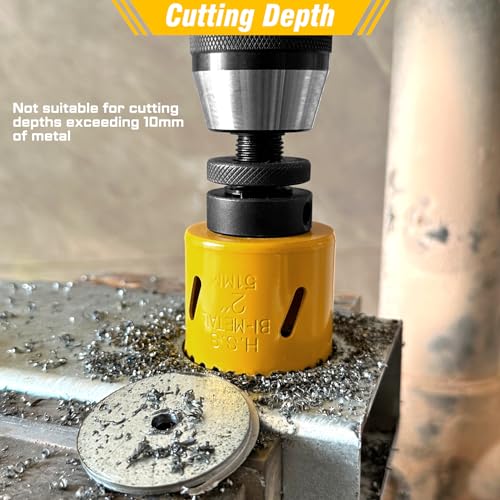
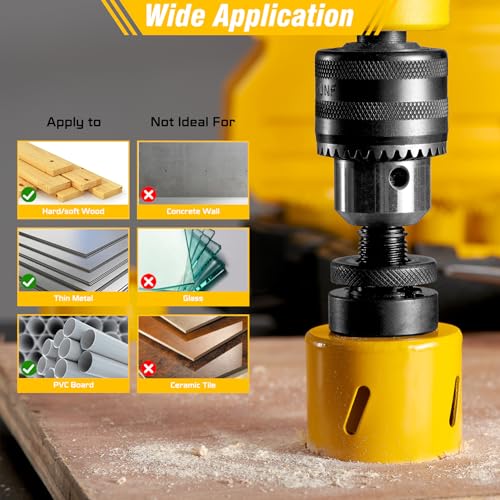
Some can, but it depends on the blade material and design. While these kits are geared toward wood, bi-metal hole saws can handle thin sheet metal, plastics, and even some non-ferrous metals, though dedicated metal-cutting hole saws are always preferable for those applications. Refer to the kit’s specifications for compatible materials.
How do I prevent the hole saw from wandering while cutting?
Always use a pilot drill bit that’s centered on the desired hole location. A pilot bit guides the hole saw and prevents it from “walking” across the surface, resulting in a cleaner, more accurate cut. Starting at a slow speed also helps maintain control.
What size hole saw kit should I buy if I’m a beginner?
A mid-range kit with 10-15 sizes offers the best balance of versatility and value for most DIYers. This provides enough options for common projects without being overwhelming, and you can always add specialized sizes later if needed. For more guidance, explore best hole saws overall.
What’s the best way to store a hole saw kit to protect the blades?
Look for kits that include a dedicated storage case with individual slots or compartments for each blade. This prevents the blades from rubbing against each other and dulling, and also keeps them organized for easy access. Disorganized kits lead to damage and frustration, so a good case is a worthwhile investment.
The Bottom Line
Choosing a hole saw kit really comes down to how much you want to spend versus how much you want to fuss with limitations. If you need a wide range of sizes and plan on tackling hardwoods, the EZARC Bi-Metal Hole Saw Kit offers a fantastic balance of quality, durability, and value. It’s a step up in price, but that investment pays off in longer blade life and cleaner cuts.
For those on a tighter budget, or for lighter-duty tasks, the 12-Piece Hole Saw Kit is a solid starting point. If you anticipate working with thicker materials frequently, the HYCHIKA Bi-Metal Hole Saw Set stands out due to its increased depth capacity. And if you value a secure connection and precision, the EZUVITA Bi-Metal Hole Saw Kit is worth a look.
Ultimately, though, remember that the best hole saw is the one you know how to use correctly. No matter which kit you choose, learning proper technique – including understanding sharpening a hole saw and maintaining blade sharpness – will make a far bigger difference in your results than any specific feature or price point.
