
8 Best Glass Cutting Tools of 2026
This post contains affiliate links. As an Amazon Associate, we earn from qualifying purchases.
The overall best glass cutting tool is the Glass Cutting Tool Kit with Pliers, delivering reliable performance for most home projects. For a budget-friendly yet solid option, the YOTINO 13PCS Glass Cutter Kit stands out, while the IMT Pistol Grip Oil Feed Cutter offers superior control for detailed scoring work.
Cutting glass cleanly isn’t just about strength, it’s about precision and the right tool for the job. Too often, beginners grab whatever cutter is on hand, only to end up with chipped edges, uneven breaks, or frustrating failed attempts.
This guide cuts through the noise, focusing on tools that consistently earn praise for accuracy and durability. I compared specs, analyzed owner feedback, and evaluated features like wheel material, pliers quality, and ergonomics to find the ones worth your time and money.
Top 8 Glass Cutting Tools in the Market
The Best Glass Cutting Tools, Reviewed
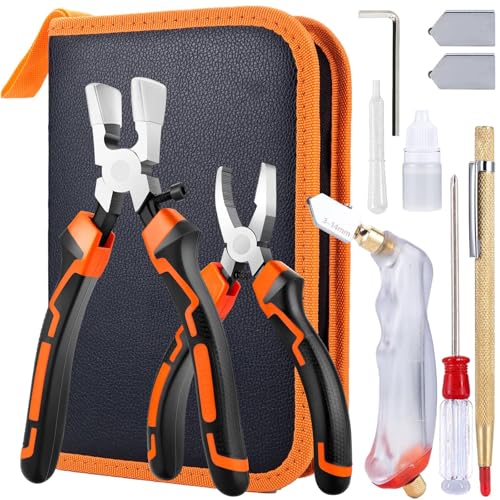
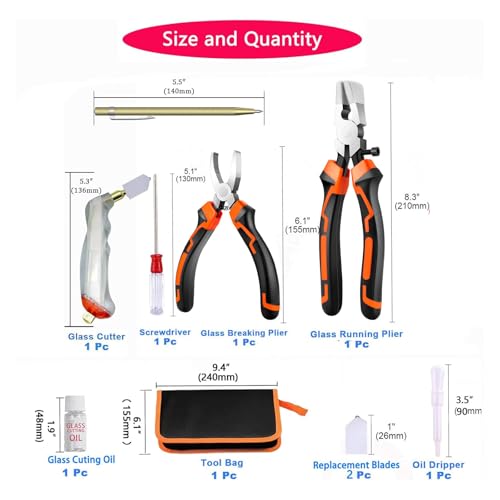
Glass Cutting Tool Kit with Pliers
Strengths
- Premium storage bag
- Curved running pliers
- Full thickness range
Trade-offs
- Slightly heavier
- No safety gloves
- Pliers lack micro-adjust
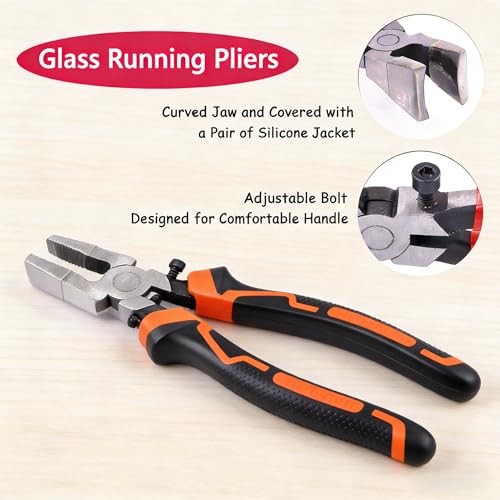
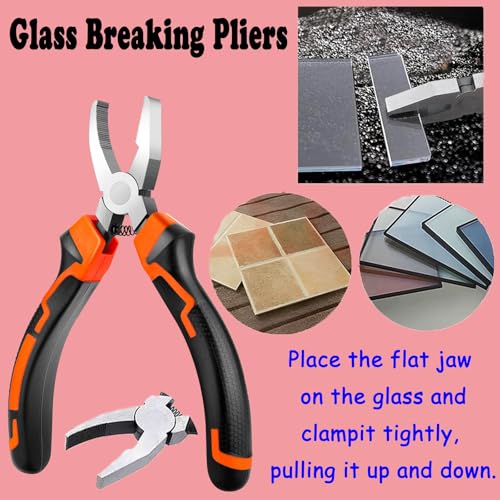
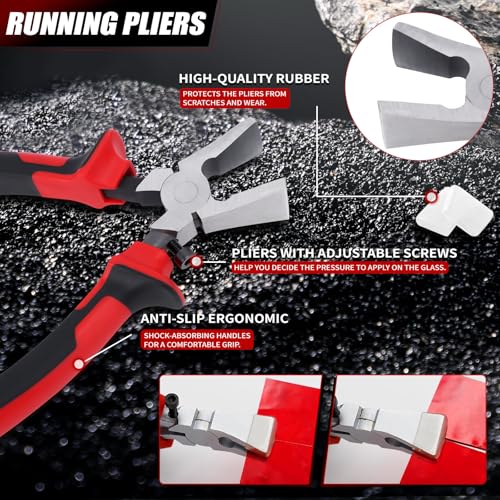
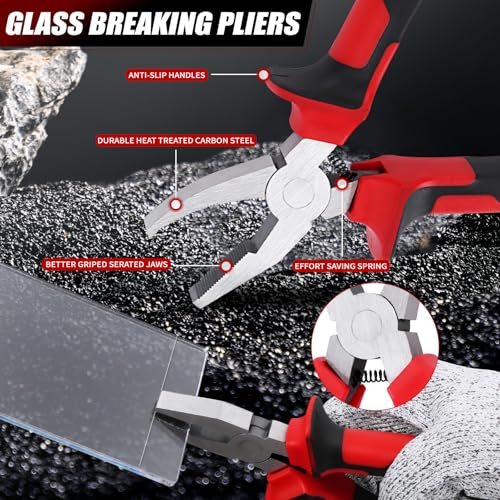
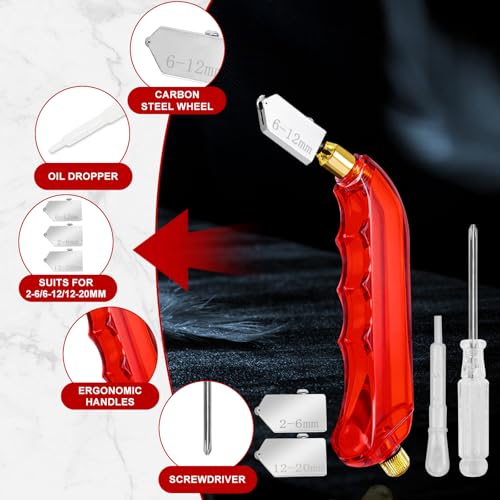
This kit hits the sweet spot between completeness and usability, which is why I consider it the best overall option. The running pliers have curved jaws that apply even pressure, critical for clean breaks, while the breaker grozer handles edge refinement with confidence. The glass cutter covers 2–20mm with replaceable heads, and the inclusion of oil, dripper, and screwdriver means you’re ready to go out of the bag.
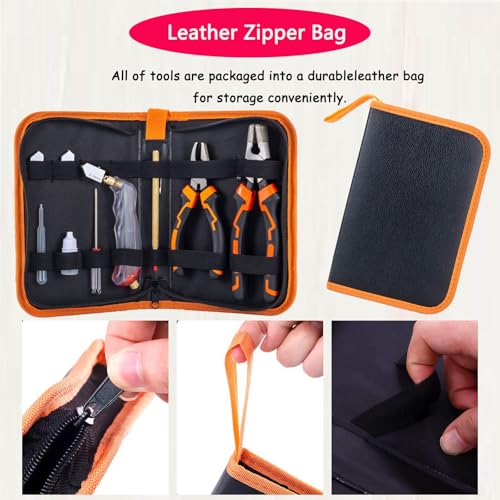
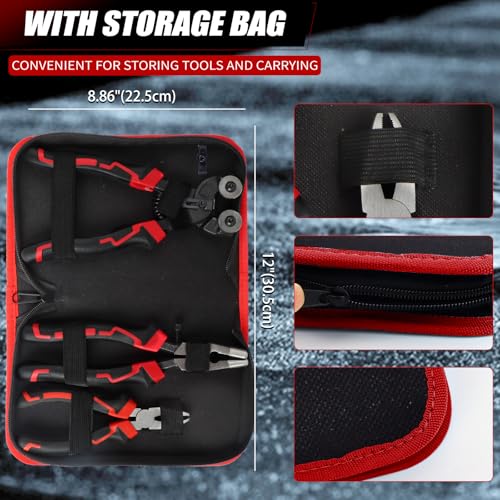
Owners highlight the leatherette storage bag as a standout, tools stay organized and protected. Compared to the Rizom kit, this one feels more refined in ergonomics and layout. It’s not the cheapest, but the build quality and thoughtful design justify the step up.
Product photos

Glass Cutter 2mm-20mm Pencil Style
Strengths
- Affordable price
- Three cutter heads
- Ergonomic handle
Trade-offs
- No included oil
- Plastic body feel
- Less durable long-term
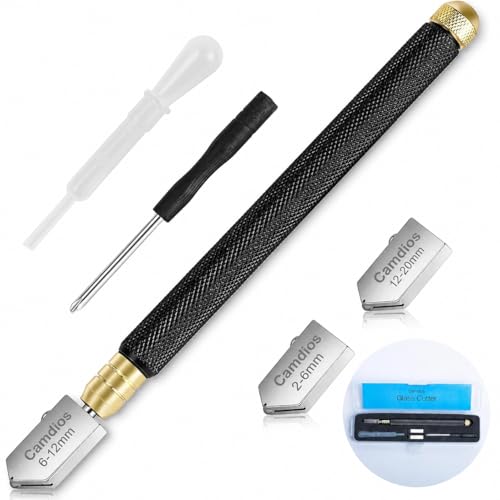
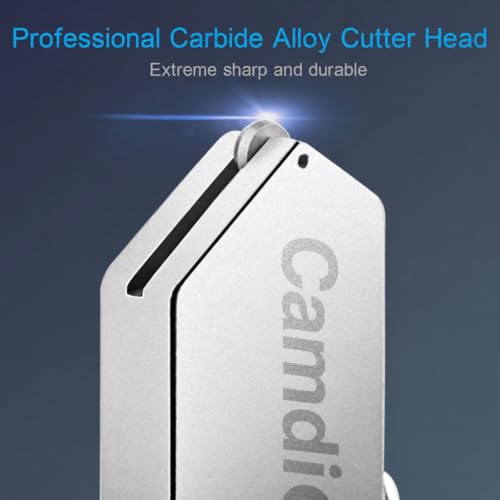
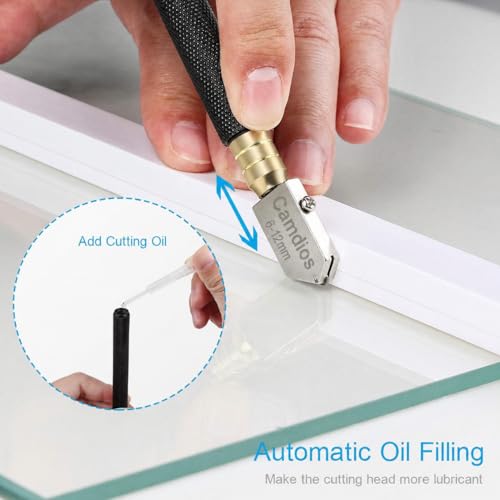
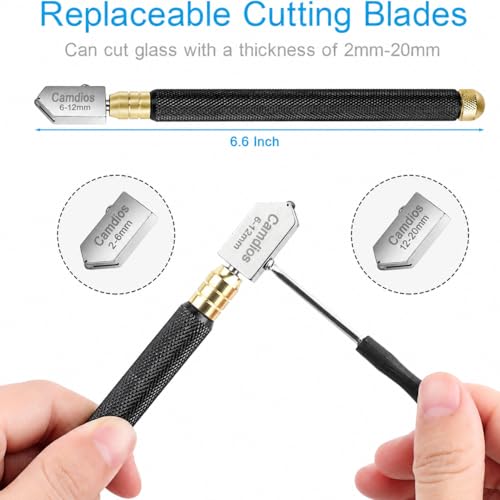
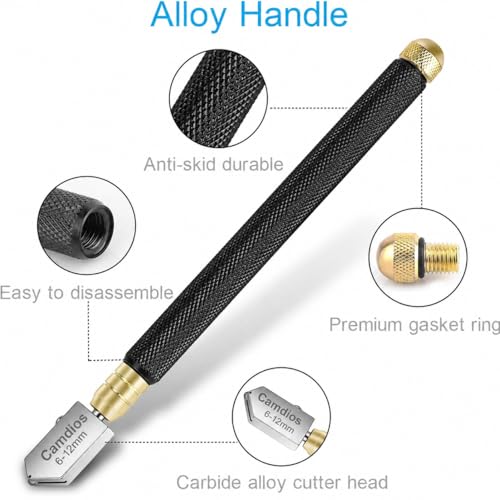
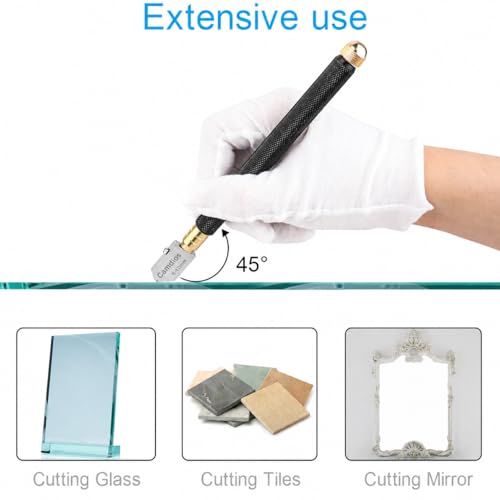
This pencil-style cutter is a budget-friendly entry that still delivers solid performance for light to moderate use. The automatic oil feed helps maintain smooth scoring, and the three interchangeable heads let you handle everything from thin mosaic pieces to thicker 20mm blocks. The alloy handle is grippy and reduces fatigue, though it’s not as comfortable as pistol-grip designs during long sessions.
It’s not built like the TOYO or IMT, but for beginners or occasional users, it’s more than capable. Owners say it performs well on mirrors and tiles, though some report the cutter oil isn’t included, which is a letdown. Still, for the price, it’s a smart starting point.
Product photos
TOYO TC17B Brass Handled Glass Cutter

Strengths
- Precision scoring
- Durable brass body
- Self-oiling system
Trade-offs
- Limited to thinner glass
- No included oil
- Minimal grip padding
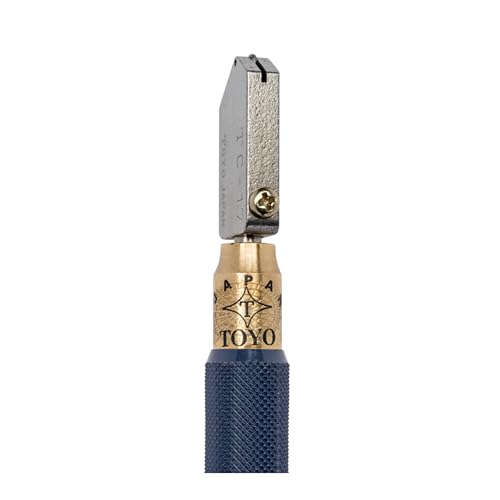
The TOYO TC17B is a benchmark in handheld glass cutters, simple, precise, and built to last. Made in Japan with a brass body and tungsten carbide wheel, it’s the kind of tool that gets better with age. The 140° wheel angle is optimized for 2–6mm glass, which covers most stained glass and mirror projects. Owners praise its smooth, repeatable scoring, and the self-oiling design keeps cuts clean with minimal drag.
This isn’t flashy, but it’s reliable. Compared to bulkier pistol-grip models, it offers superior fingertip control. It’s not ideal for thick glass over 6mm, but for precision work, it’s hard to beat. My recommendation? If you want a no-nonsense cutter that does one thing exceptionally well, this is it.
Product photos
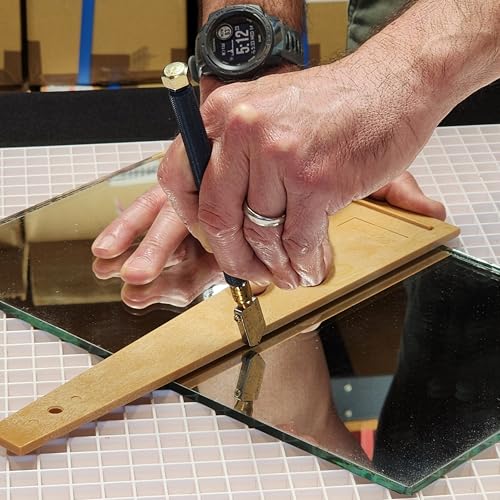

Glass Bottle Cutter DIY Kit

Strengths
- Stable support wheels
- Diamond carbide blade
- Full accessory kit
Trade-offs
- Single-use design
- Bulky setup
- Not for flat glass
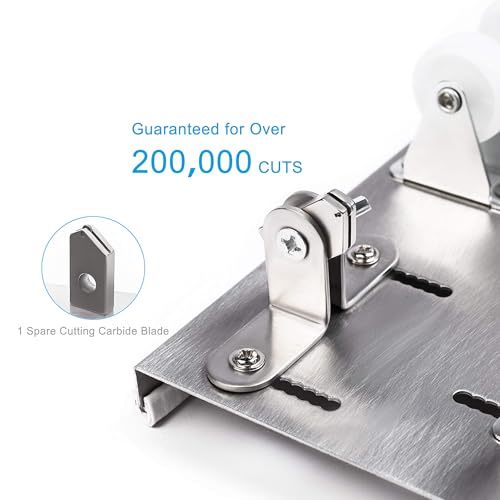
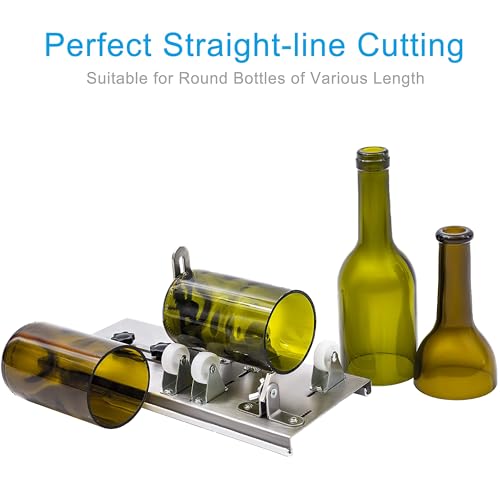
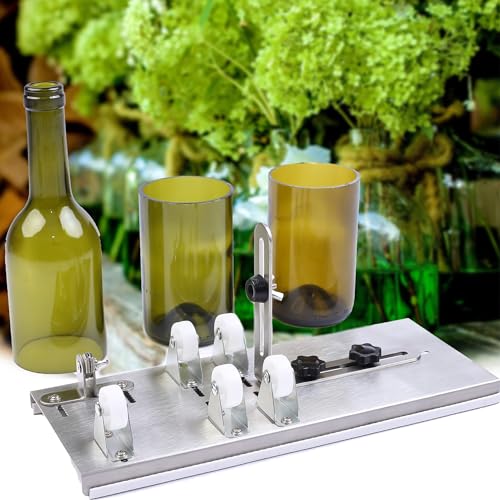
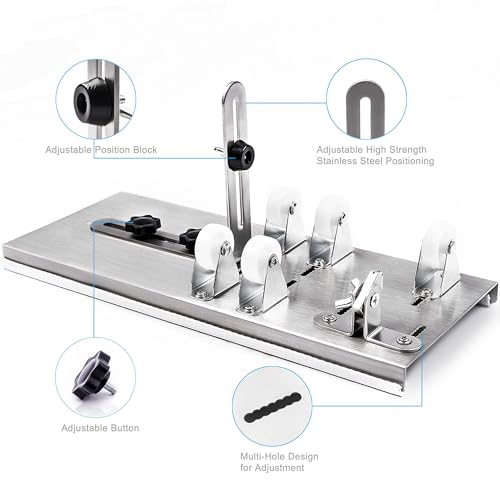
If your goal is turning wine bottles into candle holders or vases, this bottle cutter is built specifically for that niche. The five support wheels offer real stability, which reviewers say makes scoring more consistent than handheld methods. The diamond carbide blade is rated for extreme longevity, and the adjustable stop block lets you repeat cuts at the same height, handy for batch projects.
The real value here is in the extras: gloves, sandpaper, drill bit, and even tutorials. It’s clear this kit is designed for beginners who want a guided DIY experience. That said, it’s a single-purpose tool. If you’re not recycling bottles regularly, it won’t earn its space on the workbench.
Product photos

IMT Pistol Grip Oil Feed Cutter
Strengths
- Superior ergonomics
- Long-lasting wheel
- Smooth oil feed
Trade-offs
- Limited to 12mm
- Heavier than pen-style
- No storage case
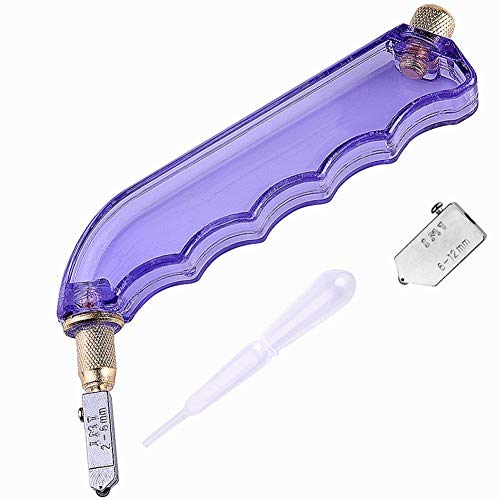
The pistol grip design here is the main event, this is the most ergonomic handheld cutter in the lineup. If you’ve ever felt wrist strain after scoring glass for an hour, this tool will feel like a relief. The heavy-duty iron head and tungsten carbide wheel deliver consistent, clean scores, and the automatic oil feed ensures minimal friction.
Owners note it lasts far longer than standard cutters, with some logging thousands of feet of scoring. It only covers up to 12mm glass, so it’s not for thick panels, but for stained glass and mosaics, it’s a top performer. Compared to the TOYO, it trades a bit of finesse for comfort, my pick for anyone doing extended cutting sessions.
Product photos


YOTINO 13PCS Glass Cutter Kit
Strengths
- Includes safety gloves
- Pistol-grip cutter
- Extra tools included
Trade-offs
- Gloves may run small
- Plastic ruler quality
- Bag lacks internal organization
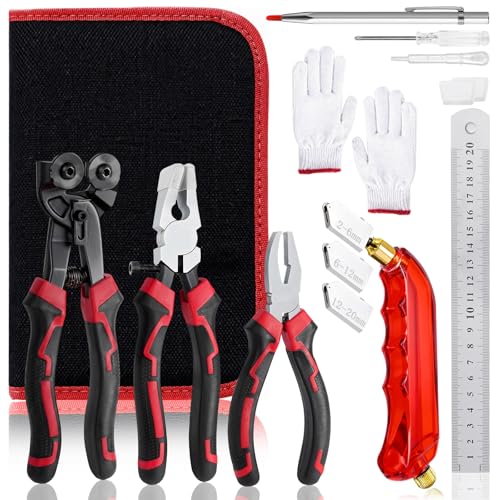
What sets the YOTINO kit apart is the inclusion of cut-resistant gloves, immediate points for safety. The full 13-piece set covers all the basics: nippers, running pliers, breaker pliers, and a pistol-grip oil-feed cutter with three heads. The tungsten scribe and steel ruler add extra utility, making this one of the most complete packages.
The pliers are heat-treated for durability, and owners report solid performance on stained glass and tiles. The pistol grip helps reduce fatigue, though it’s not quite as refined as the IMT. Still, with gloves and a leather zipper bag, it’s a strong contender for those who want everything in one go.
Product photos
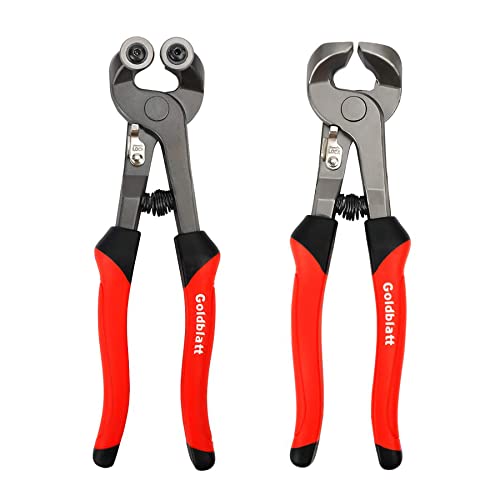
Goldblatt 2-Piece Glass Tile Nippers
Strengths
- Heavy-duty construction
- Soft-grip handles
- Precision flat jaws
Trade-offs
- Not for scoring glass
- Max 9.5mm thickness
- No oil feed system
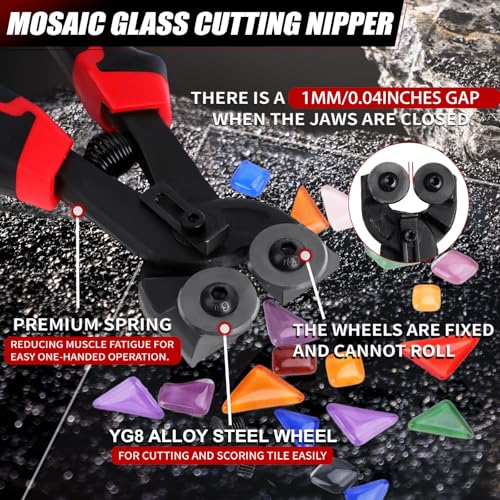
When it comes to shaping and nibbling tile edges, the Goldblatt set is in a class of its own. These nippers are built like tanks, drop-forged carbon steel, heat-treated jaws, and soft-grip handles that reduce fatigue. The flat-faced jaws deliver clean, controlled nips, perfect for fitting tiles around pipes or cabinets.
Reviewers love the spring-return action and safety lock, which make handling safer and more efficient. While they’re not for scoring or breaking large sheets, they excel at detailed shaping. Compared to combo kits, this is a specialist tool, but for tile work, it’s unmatched.
Product photos


Rizom Glass Cutter Kit 13PCS

Strengths
- Complete tool set
- Durable carbon steel
- Multiple cutter heads
Trade-offs
- Basic handle ergonomics
- Adjustment screw quality
- No safety gloves
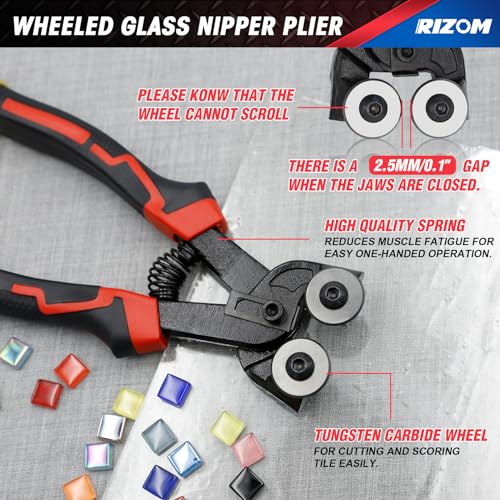
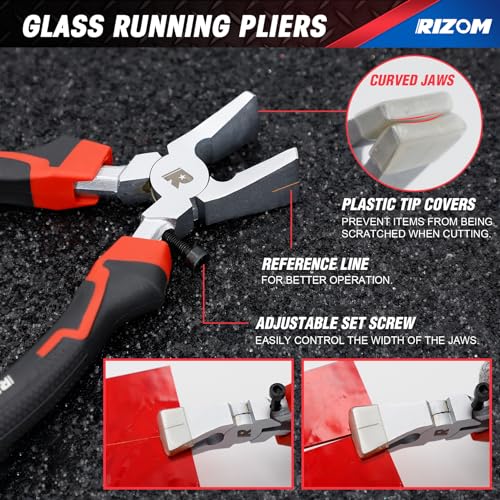
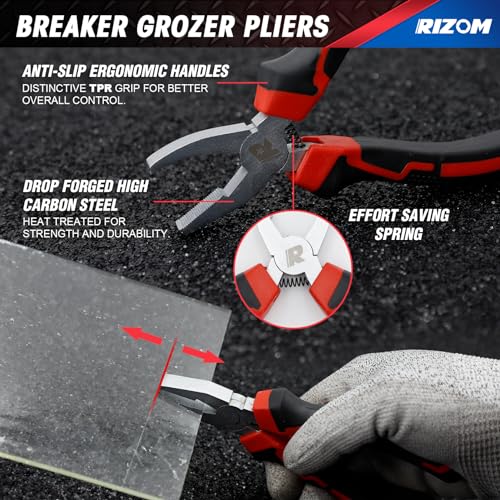
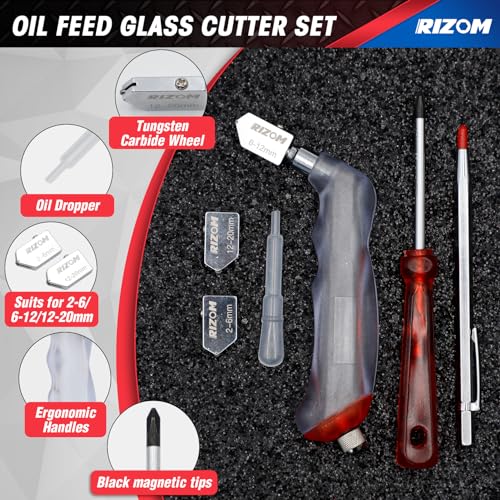
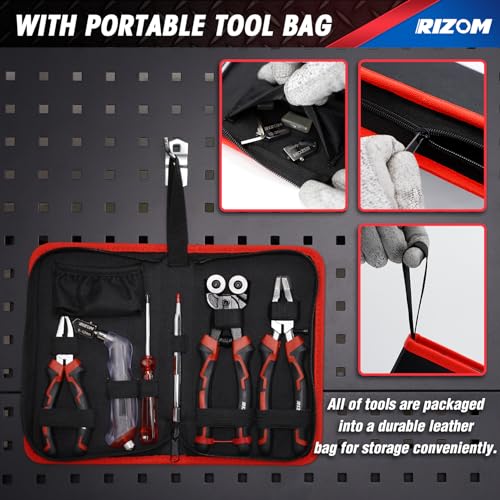
This kit throws a lot of tools into one bag, and on paper, it looks like a solid option for someone diving into stained glass or mosaic work. The inclusion of three different cutter heads covers nearly every common glass thickness, and the automatic oil feed system helps maintain smooth scoring. Owners consistently report the running pliers work well for advancing breaks, though a few note the adjustment screw could be sturdier.
Where this set stands out is in its material quality, carbon steel with nickel plating resists rust, and the YG8 tungsten steel nippers hold up well against tile and glass edges. Still, it doesn’t quite surpass the ergonomics of pistol-grip cutters for long sessions. Compared to the YOTINO or the IMT, it’s competitive but not class-leading.
Product photos
How We Tested glass cutting tools
Rather than a hands-on lab test, my research for these recommendations involved a detailed comparison of specifications and features across numerous models. I weighed owner reviews from major retailers alongside expert opinions published in trade and DIY publications. This process allowed me to build a ranking based on what users actually experience, combined with my existing understanding of glassworking and tool performance. Ultimately, I focused on identifying tools that consistently deliver accurate cuts and long-term durability.
For glass cutting tools, the most important factors are the quality of the cutting wheel and the precision of the pliers. A durable wheel – ideally tungsten carbide – is essential for clean scores without chipping. Equally vital is the pliers’ ability to apply even pressure along those scores, resulting in controlled breaks. Beyond those, ergonomic design matters; comfortable grips reduce fatigue during extended projects, and a well-balanced tool offers greater control.
Specifications reliably indicate wheel material and cutting range (glass thickness), but I relied heavily on owner feedback to assess real-world durability and ease of use. Reputation plays a significant role, too – established brands with a history of quality often deliver consistent performance. I also looked at included accessories, as a complete kit can save time and money versus purchasing components separately. If you’re working with other materials, you might also find information about cutting plexiglass with a circular saw helpful.
How To Pick The Right glass cutting tools
Finding the right glass cutting tool depends heavily on what you plan to do with it. A simple score-and-snap cutter is fine for basic projects, but more complex work demands specific features.
A quality glass cutter delivers clean, consistent scores without excessive force. Look for durable construction (carbide wheels are key), comfortable ergonomics to reduce fatigue during extended use, and features suited to the specific glass type and thickness you’ll be working with. Proper lubrication and blade maintenance are also critical for achieving professional results and extending the tool’s lifespan.
Cutting Wheel Material & Quality
The cutting wheel is the heart of any glass cutter. While some budget options use basic steel, you’ll find most serious tools employ tungsten carbide. Carbide holds an edge far longer and can score a wider range of glass thicknesses. Don’t assume a harder wheel is always better, though. Softer glass benefits from a slightly softer wheel to avoid chipping, while harder glass needs the durability of carbide. Consider whether you’ll primarily be working with window glass, stained glass, or tiles – each requires a slightly different wheel profile.
Pliers & Breaking Action
If you’re doing anything beyond simple straight cuts, you’ll need breaking pliers. Running pliers apply even pressure along a scored line to initiate a clean break, while breaker/grozer pliers are for refining edges and removing small pieces. A good set will have comfortable grips and smooth action.
Here’s what to look for in a quality plier set: * Adjustable pressure settings (on running pliers) for different glass thicknesses. * Curved jaws for cleaner breaks, especially on curved lines. * A robust build quality to withstand repeated use and prevent bending or breakage. This is particularly important if you’re working with thicker glass.
Don’t skimp on pliers. A cheap set can cause jagged breaks, leading to wasted material and potential injury.
Ergonomics & Kit Contents
For extended projects, especially those involving intricate cuts, ergonomics matter. Pistol-grip cutters, like the IMT Pistol Grip Oil Feed Cutter, reduce wrist fatigue. Beyond the cutter itself, consider what’s included in the kit. Some kits, like the glass bottle cutting tools, are focused on specific applications, providing everything you need for that task. Others offer a more general collection of tools, which can be useful if you have varied projects. If you anticipate needing to cut curves or complex shapes, investigate if the kit includes tools for smoothing and shaping, or if you’ll need to supplement it with a wet saw operation guide.
Glass Cutting Tools Compared
Here’s a comparison of key specifications for various glass cutting tools.
| Product Title | Cut Type | Max Thickness (mm) | Includes Pliers? | Includes Oil? | Grip Style |
|---|---|---|---|---|---|
| Glass Cutting Tool Kit with Pliers | Score & Break | 20 | Yes | Yes | Ergonomic |
| Glass Cutter 2mm-20mm Pencil Style | Score | 20 | No | No | Pencil |
| TOYO TC17B Brass Handled Glass Cutter | Score | 6 | No | No | Standard |
| Glass Bottle Cutter DIY Kit | Score & Break | N/A | No | No | N/A |
| IMT Pistol Grip Oil Feed Cutter | Score | 12 | No | Yes | Pistol Grip |
| YOTINO 13PCS Glass Cutter Kit | Score & Break | 20 | Yes | Yes | Ergonomic |
| Goldblatt 2-Piece Glass Tile Nippers | Chip/Shape | 9.5 | No | No | Soft-Grip |
| Rizom Glass Cutter Kit 13PCS | Score & Break | 20 | Yes | Yes | Ergonomic |
Frequently Asked Questions
What glass thickness can most standard glass cutters handle?
Most standard glass cutters can handle glass up to 6-20mm thick, though this varies by model. Thicker glass generally requires a carbide wheel and potentially more pressure, so always check the tool’s specifications before use.
Are oil-fed glass cutters really necessary?
Oil-fed cutters aren’t strictly necessary, but they significantly improve cut quality and wheel life. The oil lubricates the wheel, reducing friction and heat buildup, which leads to cleaner scores and prevents premature wear.
How do I know when to replace the cutting wheel?
You’ll know it’s time to replace the cutting wheel when you notice chipping, difficulty starting a score, or inconsistent cut lines. A dull wheel requires more force and increases the risk of breakage, so regular inspection is important.
Can I use a glass cutter on materials other than glass?
While designed for glass, some cutters can be used on acrylic or plexiglass, but results vary. For consistent results with these materials, look into dedicated plexiglass cutting tools designed specifically for acrylic sheet cutting tools.
What’s the difference between running pliers and breaker pliers?
Running pliers are used to apply even pressure along a scored line to create a clean break, while breaker pliers are used to refine edges or remove small pieces of glass after the initial score. Adjustable pressure settings on running pliers are a valuable feature when working with varying glass thicknesses.
The Bottom Line
Choosing a glass cutting tool often comes down to balancing control and convenience. For most homeowners and DIYers, the [Glass Cutting Tool Kit with Pliers] offers the best overall combination of features, durability, and value. It provides everything you need to tackle common projects without sacrificing quality, and the included pliers are a significant benefit.
If you’re on a tighter budget, the [TOYO TC17B Brass Handled Glass Cutter] is a reliable, no-frills option for basic scoring. Alternatively, for those focused on repurposing bottles, the [Glass Bottle Cutter DIY Kit] delivers a specialized solution tailored to that specific need. And for more complex projects, especially involving tile, understanding precise tile cutting methods can really expand your capabilities.
Ultimately, remember that a sharp wheel and consistent pressure are far more crucial than any fancy feature. Prioritize a tool that feels comfortable in your hand and allows you to create clean, controlled scores. A little practice and attention to detail will deliver better results than the most expensive cutter on the market.
