7 Best Frame Nailers of 2026
This post contains affiliate links. As an Amazon Associate, we earn from qualifying purchases.
The Metabo HPT NR90AES1 stands out as the best overall frame nailer for its rugged build, reliable performance, and smooth drive. For those on a budget, the NuMax SFR2190 delivers solid value without sacrificing core functionality. If you need maximum versatility across nail types, the 3PLUS HFN90SP handles multiple collation angles with ease.
Most people don’t realize how much a framing nailer’s design affects their speed, comfort, and final results. A poor choice can mean constant jams, inconsistent depth, or a tool that’s too heavy to use all day.
This guide cuts through the noise by focusing on real-world performance factors like nail compatibility, actuation modes, weight, and durability, based on specs, owner feedback, and my years of hands-on experience with power tools. I’ll help you pick the right one for your build style, whether you’re framing walls, securing trusses, or working with metal connectors.
Top 7 Frame Nailers in the Market
The Best Frame Nailers, Reviewed
Metabo HPT NR90AES1 Framing Nailer

Strengths
- Extremely lightweight
- Reliable feed mechanism
- Five-year warranty
Trade-offs
- Plastic collation only
- Magazine capacity average
- No LED or advanced features
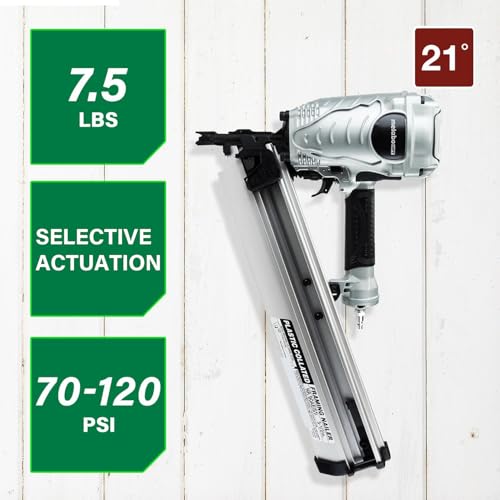
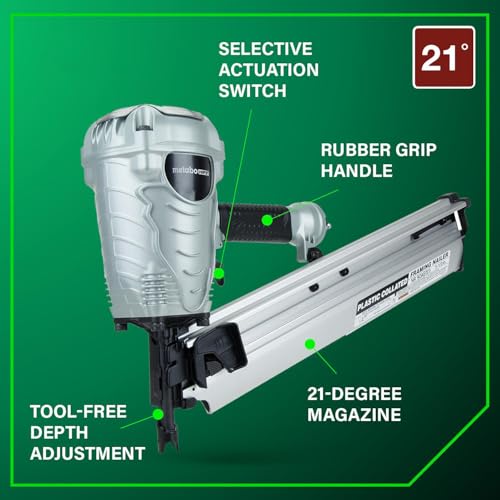
At just 7.5 pounds and backed by a seven-year Pro Preferred rating, the Metabo HPT NR90AES1 is the kind of pneumatic nailer that earns loyalty. It’s consistently praised in owner feedback for its balance, reliability, and smooth action, whether you’re laying subfloor or sheathing a roof. The tool-free depth adjustment and selective actuation switch make it easy to adapt on the fly, and the 21° plastic collation is widely available and feeds cleanly in most conditions.
It’s not flashy, but it doesn’t need to be. This is the workhorse model that shows up every day and performs. Compared to heavier competitors, it reduces fatigue over long shifts, and the five-year warranty adds real peace of mind. If I were outfitting a crew or buying my first serious framing nailer, this is the smarter buy over flashier or pricier options.
Product photos


Metabo HPT NR90ADS1 Framing Nailer

Strengths
- Optimized for paper collation
- Lightweight and balanced
- 30° magazine for tight spaces
Trade-offs
- Paper nails less common
- Magazine slightly narrower
- Requires clean nail strips
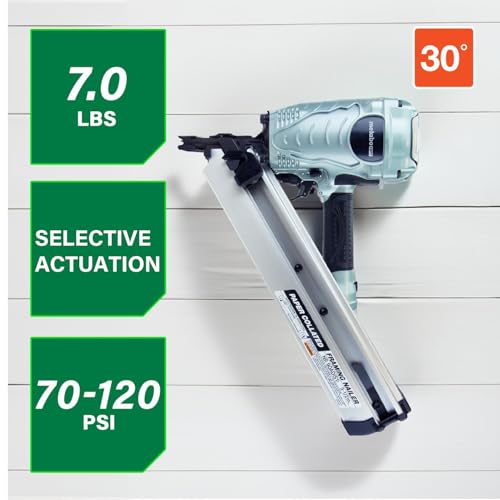
If you’re working with paper-collated nails, common in pre-bundled framing packages, the Metabo HPT NR90ADS1 is the standout. Its 30° magazine fits tight corners better than 21° models, and owners consistently report smooth, reliable feeding with paper strips. At only 7 pounds, it’s one of the lightest in class, and the selective actuation switch makes switching between precision and speed effortless.
It also shares the same five-year warranty and Pro Preferred reputation as its sibling model, but with a niche advantage: paper collation is often cheaper and easier to source in bulk. For production framing crews or anyone buying nails by the pallet, that matters. I’d pick this over the plastic-collated version if paper nails are your standard, it’s just more practical for high-volume builds.
Product photos


NuMax SFR2190 Pneumatic Framing Nailer

Strengths
- Affordable price point
- Durable steel components
- Dual firing modes
Trade-offs
- Heavier than competitors
- Stiff trigger
- Less ergonomic balance
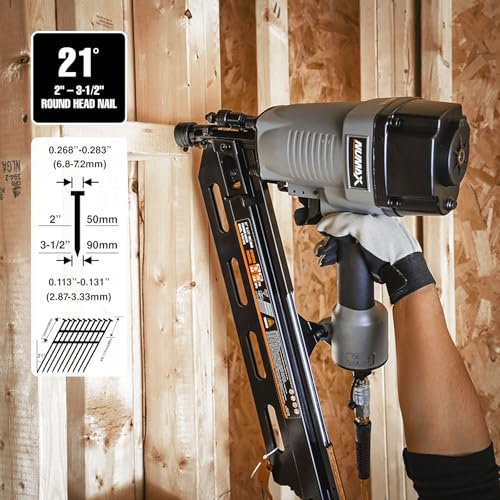
The NuMax SFR2190 is one of the most frequently recommended budget framing nailers, and for good reason. It delivers core features, dual firing modes, tool-free depth adjustment, and anti-dry fire protection, in a durable, no-nonsense package. The one-piece steel drive blade adds longevity, and owners report it holds up well even under regular weekend warrior use. For the price, it’s hard to beat.
That said, it’s not as refined as premium models. The balance is slightly off, and the trigger can feel stiff over time. It also lacks the ergonomic touches that reduce fatigue on long jobs. But if you’re building a shed or doing light home framing and don’t want to spend hundreds, this is the model I’d recommend. It gets the job done without frills.
Product photos


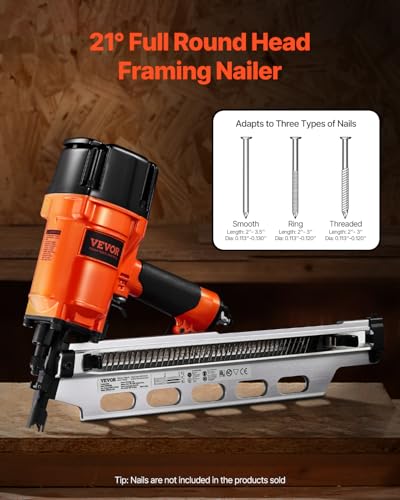
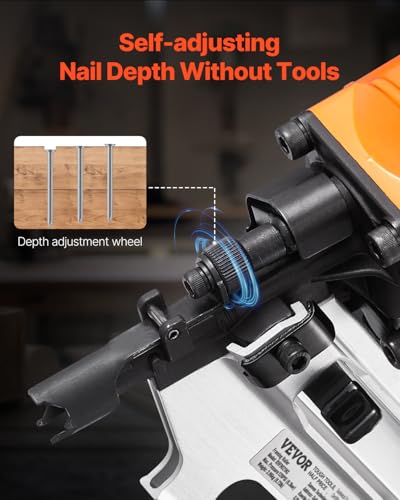
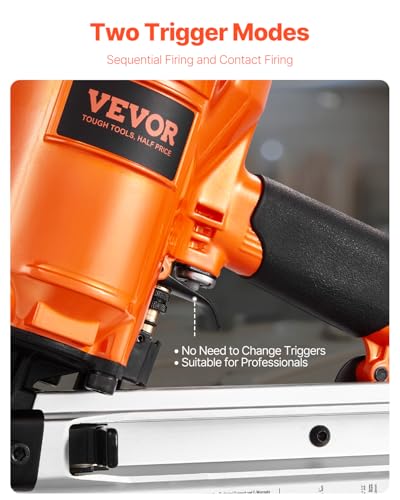
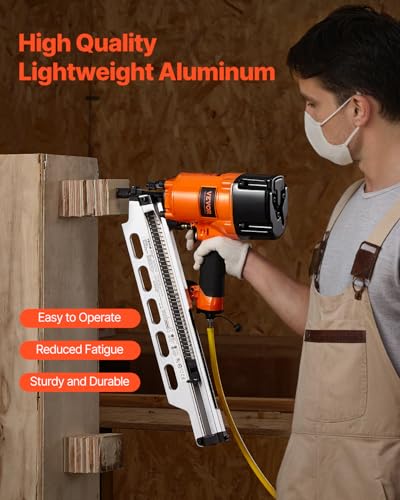
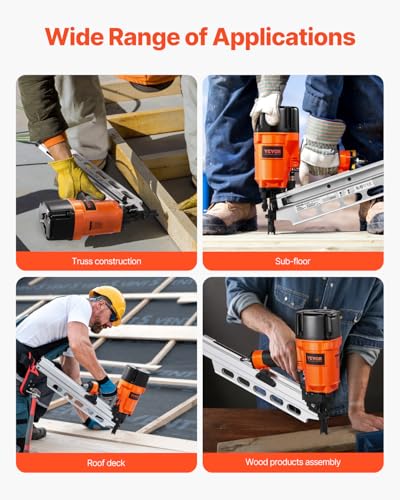
VEVOR 21 Degree Framing Nailer

Strengths
- Large 60-nail magazine
- Supports multiple nail types
- Open nose for easy clearing
Trade-offs
- Inconsistent long-term reliability
- Lower build quality
- Limited customer support
VEVOR is known for value, and this model delivers a surprising amount of feature for the cost, especially the 60-nail magazine and compatibility with smooth, ring, and threaded shank nails. That versatility makes it appealing for users working with oddball fasteners or in rural areas where specialty nails are hard to find. The open nose design also makes jam clearing easier, which owners appreciate.
But while the specs look strong, real-world feedback shows mixed durability. Some users report seal leaks or inconsistent firing after a few months. It’s not a tool I’d trust on a paid job, but for light-duty projects or as a backup, it’s a decent pick. I’d say it’s the smarter budget buy over no-name brands, but still not in the same league as Metabo HPT or BOSTITCH.
Product photos
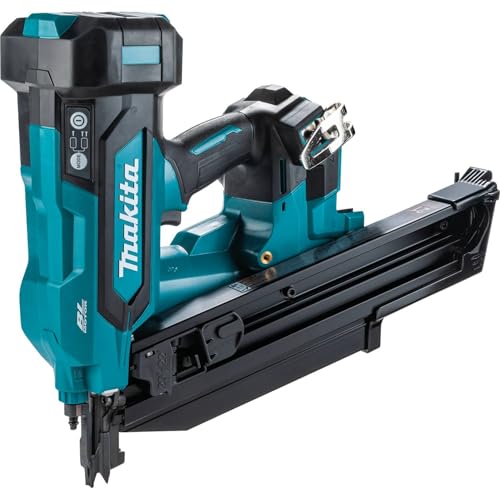
Makita XNB03Z Cordless Framing Nailer
Strengths
- True cordless freedom
- Strong battery life
- Built-in LED light
Trade-offs
- Heavy with battery
- Higher upfront cost
- Battery sold separately
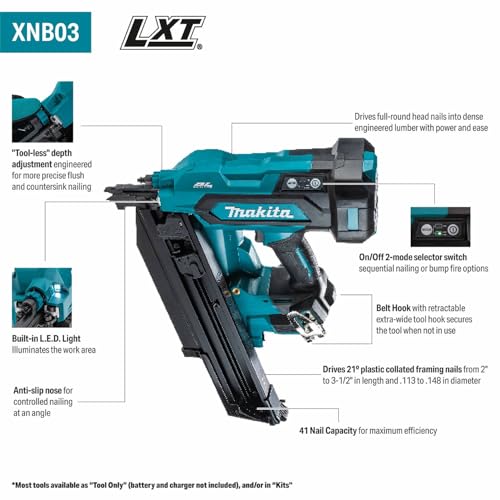
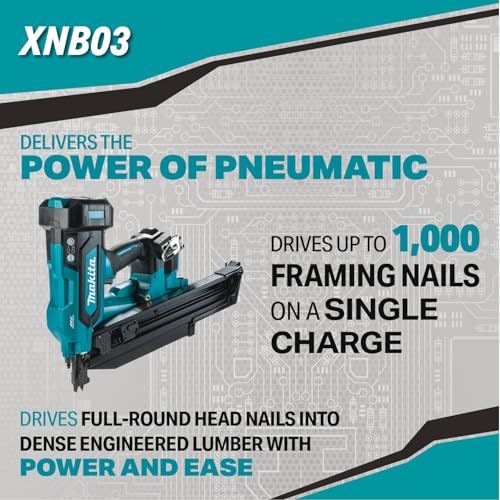
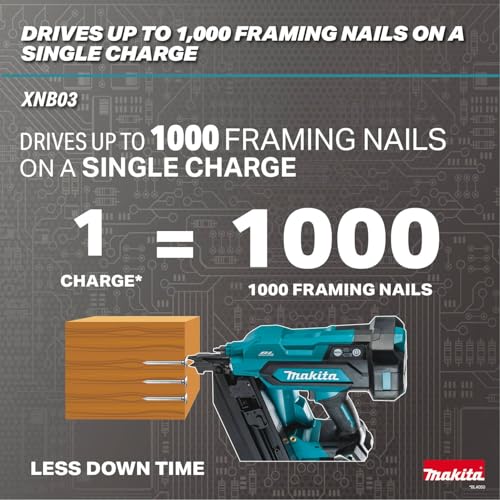
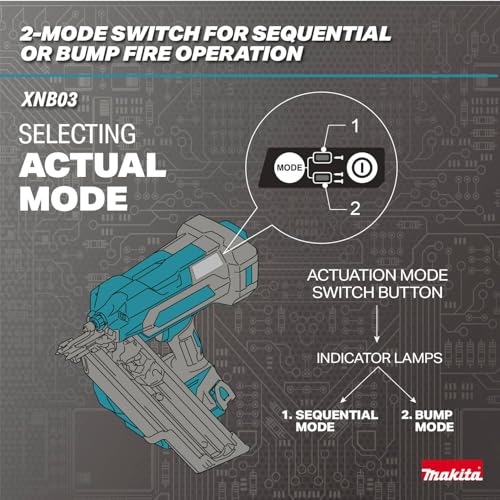
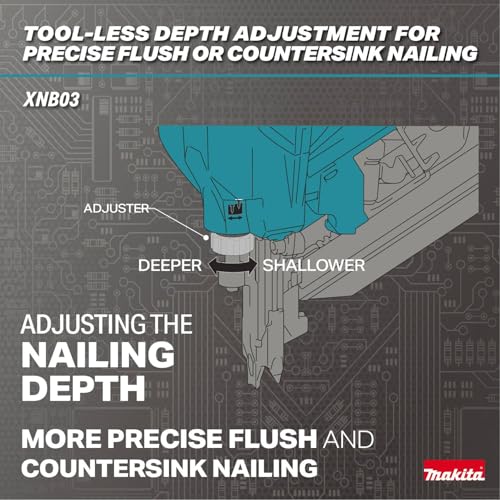
Cordless framing nailers have come a long way, and Makita’s XNB03Z is one of the few that delivers real performance without a hose. With enough power to drive full-round heads into dense engineered lumber, and a battery runtime that owners say supports full-day use on a single charge, it’s a serious contender for pros tired of lugging compressors. The 41-nail magazine and rear load design boost efficiency, and the built-in LED is a small but appreciated touch in dim interiors.
It’s also noticeably heavier than pneumatic options once you add the battery, pushing close to 12 pounds, and while most users report solid reliability, a few note occasional misfires under high-demand conditions. Still, the convenience of cordless operation outweighs those hiccups for me. If you value mobility and clean worksites, this is the model I’d pick over any pneumatic, especially for remodeling or upper-floor framing.
Product photos
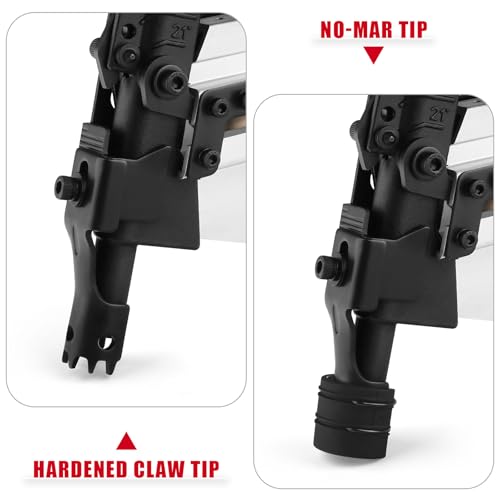
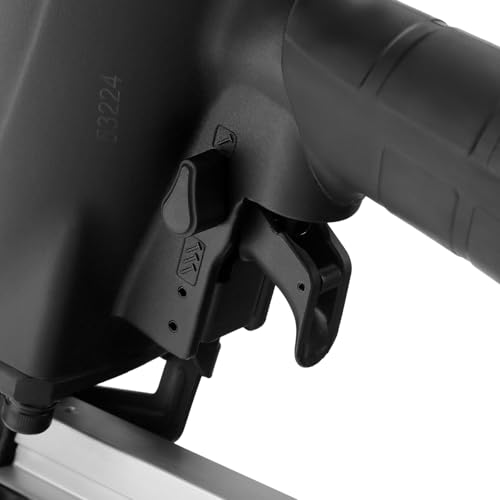
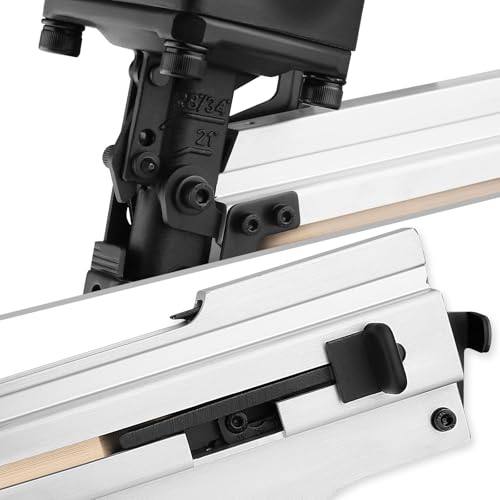
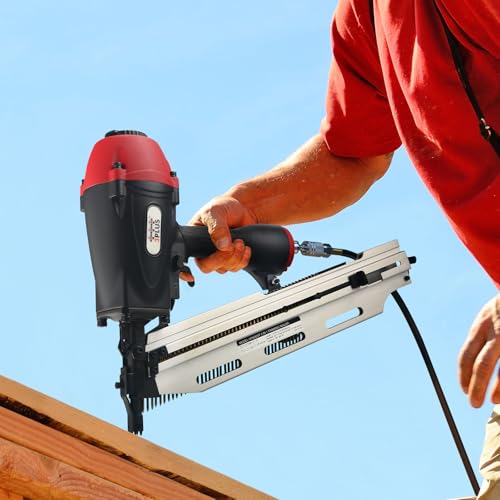
3PLUS HFN90SP 3-in-1 Air Framing Nailer

Strengths
- Multi-angle compatibility
- Tool-free depth adjustment
- Dual firing modes
Trade-offs
- Bulkier design
- Occasional jamming
- Lower build refinement
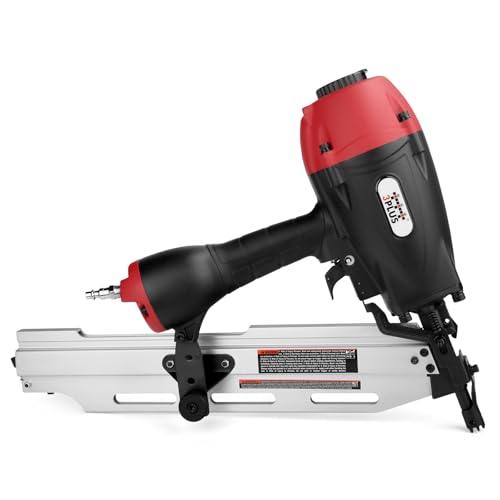
This 3-in-1 framing nailer stands out for its rare ability to handle 21, 28, and 34-degree nails through a quick magazine adjustment, a feature that’s extremely useful if you’re working on diverse job sites where different nail types are specified. On paper, that flexibility is a big win, especially for contractors juggling multiple framing methods or retrofitting older builds. Owners consistently report it performs reliably across angles, and the adjustable depth control plus dual firing modes add to its versatility.
Still, that adaptability comes with trade-offs. The tool is bulkier than single-angle nailers, and some users note occasional jams when switching between nail types without proper clearing. While the anti-dry fire mechanism and 360° exhaust are solid touches, it doesn’t match the refined ergonomics of top-tier models. I’d consider it a smart secondary tool if you regularly switch collation types, but not the one I’d grab first for speed or comfort on a long framing day.
Product photos
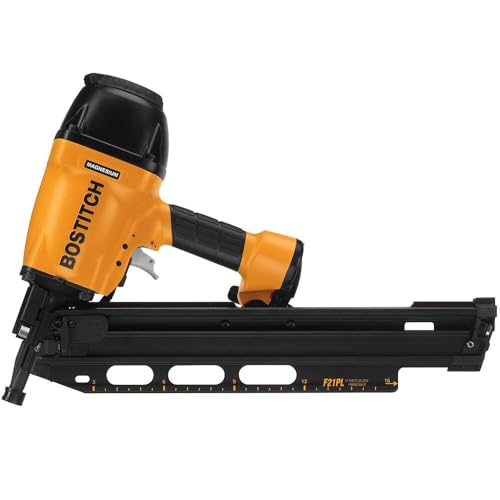
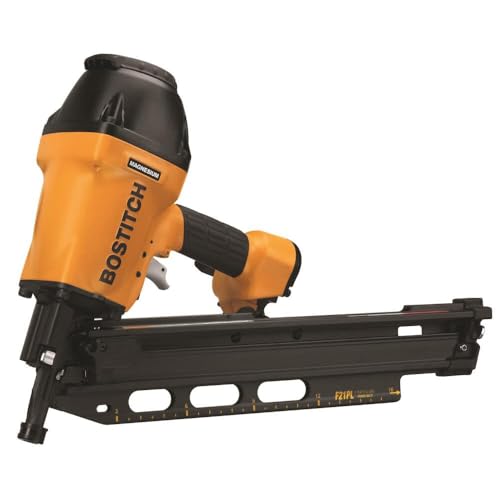
BOSTITCH F21PL Framing Nailer
Strengths
- Dual nosepiece for connectors
- Lightweight magnesium body
- Rafter hook included
Trade-offs
- Limited nail length range
- Niche-specific use
- Not for high-volume framing
The BOSTITCH F21PL is built for a very specific job, framing with metal connectors, and it nails that niche. The ability to swap nosepieces and drive shorter, thicker connector nails (down to 1-1/2″) is a rare feature, and owners working on hurricane ties or structural brackets consistently praise its precision. The magnesium body keeps it light, and the adjustable rafter hook is a small but smart addition for roofers and framers who need hands-free pauses.
But outside that specialty, it’s less compelling. It’s not designed for high-volume general framing, and its narrow nail range limits versatility. I wouldn’t recommend it as a primary framing nailer. Instead, it’s the tool I’d suggest keeping in the truck alongside your main gun, a dedicated problem-solver for connector work, not an all-rounder.
Product photos
How We Evaluated frame nailers
Rather than a hands-on lab test, my research for this guide involved a detailed comparison of published specifications and features across numerous models. I weighed owner reviews from major retailers alongside expert opinions found in trade publications and tool-focused websites. Applying my experience with construction and framing projects, I ranked each nailer based on a set of criteria focused on power, durability, ease of use, and value.
For frame nailers, consistent nail capacity, actuation mode flexibility, and build material are the biggest differentiators. A high-capacity magazine minimizes downtime, while the ability to switch between sequential and bump firing provides versatility on the jobsite. Ultimately, a robust, well-engineered build, often indicated by materials like magnesium or hardened steel, suggests a tool that will withstand repeated use and potential jobsite abuse.
Specifications reliably communicate nail size compatibility and operating pressure ranges, providing a baseline for performance expectations. However, I placed significant weight on owner feedback regarding long-term reliability, jamming issues, and the effectiveness of features like anti-dry fire mechanisms. For those considering a battery-powered option, you’ll find in-depth reviews of the best cordless framing nailers on my site as well.
How To Pick The Right frame nailers
Picking the right framing nailer can make or break a construction project, and there’s a lot more to it than just grabbing the cheapest option.
A quality framing nailer combines power with consistent performance and durability. Considerations should include nail type compatibility (plastic collated vs. paper), actuation mode (sequential vs. bump), weight balance for reduced fatigue, and the specific demands of the intended application – from basic framing to more specialized tasks like metal connector nailing. Prioritize models with adjustable depth control and anti-dry fire mechanisms for both precision and tool longevity.
Nail Type & Magazine Angle
The first thing I see people get wrong is mismatching the nailer to the nails they already have (or plan to use). Framing nailers aren’t universal; they’re designed for specific nail collations. The most common are 21-degree plastic collated, 30-degree paper collated, and occasionally 34-degree paper collated. While 21-degree is very popular, if you’re already invested in paper collated nails, like those often used for roofing, a nailer like the Metabo HPT NR90ADS1 will save you money and hassle. Don’t assume you can easily switch; buying a different nailer is often more practical than trying to adapt.
Actuation Mode & Depth Control
Sequential and bump firing are the two main actuation modes, and knowing when to use each is key. Sequential nailing – one pull of the trigger, one nail – is vital for precision work, especially when you’re close to finished surfaces. Bump firing, where you hold the trigger and “bump” the nose against the wood, is far faster, but less accurate. Look for nailers, like the NuMax SFR2190, that allow quick switching between these modes. Equally important is depth control. A tool-less depth adjustment is a huge time-saver, allowing you to quickly dial in the perfect countersinking or flush driving for different materials.
Here’s how I break down depth adjustment needs: * Rough Framing: You can get away with a less precise depth setting. * Trim Work/Finish: Requires very fine adjustment to avoid damaging the wood. * Metal Connectors: Demands precise depth to ensure a secure hold without crushing the connector, which is where models like the BOSTITCH F21PL really shine.
A framing nailer is only as good as its ability to consistently drive nails to the correct depth. Always test the depth adjustment on scrap material before starting your project.
Power Source & Value Proposition
Pneumatic nailers remain the industry standard for many professionals because of their raw power and reliability, but cordless options are rapidly closing the gap. If you have access to an air compressor, a pneumatic nailer will typically be more affordable and offer sustained power. However, cordless models, like the Makita XNB03Z, offer incredible convenience and portability. Think about your typical job site. If running air lines is a pain, the freedom of a cordless nailer might be worth the extra investment. When evaluating value, also consider features like rafter hooks and adjustable exhausts – small details that can significantly improve usability. For those looking for a broader overview of available options, checking out a framing nailers comparison can be incredibly helpful. You might also consider exploring top DeWalt framing nailers if you’re already invested in the DeWalt 20V MAX ecosystem.
Frame Nailers Compared
Here’s a specification comparison of several frame nailers to help you evaluate your options.
| Product | Nail Type | Nail Length Capacity | Magazine Angle | Mode of Operation | Weight (lbs) | Warranty (Years) |
|---|---|---|---|---|---|---|
| Metabo HPT NR90AES1 | Plastic Collated | 2 – 3.5 in | 21 | Sequential/Contact | 7.5 | 5 |
| Metabo HPT NR90ADS1 | Paper Collated | 2 – 3.5 in | 30 | Sequential/Contact | 7 | 5 |
| NuMax SFR2190 | Plastic Collated | 2 – 3.5 in | 21 | Single/Bump | N/A | N/A |
| VEVOR 21 Degree | Plastic Collated | 2 – 3.5 in | 21 | Sequential/Contact | N/A | N/A |
| Makita XNB03Z | Full Round Head | N/A | N/A | Sequential/Bump | 11.9 | N/A |
| 3PLUS HFN90SP | 21, 28, 34 deg | 2.16 – 3.5 in | 21/28/34 | Single/Bump | N/A | N/A |
| BOSTITCH F21PL | Plastic/Metal | 1.5 – 2.5 in | N/A | N/A | N/A | N/A |
Frequently Asked Questions
What nail collation should I choose?
The best nail collation depends on your existing nail supply and project needs. While 21-degree plastic collated nails are common, if you already use paper collated nails – especially for roofing – a nailer designed for those, like the Metabo HPT NR90ADS1, will save you money.
How much does actuation mode really matter?
Sequential nailing is best for precision, while bump firing is faster for large areas. A nailer offering both modes, such as the NuMax SFR2190, gives you the most flexibility to adapt to different framing tasks and materials.
Are cordless framing nailers powerful enough for big jobs?
Cordless framing nailers, like the Makita XNB03Z, have improved dramatically, but pneumatic nailers generally still offer more consistent power. If portability is a priority and you don’t want to deal with hoses and compressors, a cordless model is a viable option.
What does magazine angle affect?
Magazine angle impacts nailer maneuverability and access in tight spaces. A 21-degree angle is common, but if you need versatility with different nail types, consider a nailer like the 3PLUS HFN90SP that handles 21, 28, and 34-degree collations.
What should I look for in a durable frame nailer?
Durability is linked to build materials and features. Look for models constructed with magnesium or hardened steel, and prioritize those with anti-dry fire mechanisms to protect the tool, and if you need to handle large projects, exploring best coil framing nailers is a good idea.
The Bottom Line
Choosing a framing nailer often comes down to balancing upfront cost with long-term convenience and capability. While you can find options at various price points, the Metabo HPT NR90AES1 strikes a sweet spot, offering the power and features most framers will appreciate without breaking the bank. It’s a versatile tool that will handle a wide range of projects effectively.
For those with specific needs, the best choice becomes clearer. If you frequently work with paper collated nails, the Metabo HPT NR90ADS1 is the obvious pick. If portability is paramount and you’re already invested in a battery platform, the Makita XNB03Z delivers cordless freedom. And if you need a truly multi-purpose nailer, the 3PLUS HFN90SP can handle a variety of collation types.
Ultimately, remember that a nailer is just one component of a successful project. Consistent nail quality, proper depth settings, and a solid understanding of framing techniques matter far more than any single specification or brand name. For further research on best pneumatic framing nailers, be sure to check out our other guides.
