
9 Best Dust Collectors of 2026
This post contains affiliate links. As an Amazon Associate, we earn from qualifying purchases.
The WEN DC1300 is the best overall dust collector for most shops, delivering strong airflow and a large 50-gallon capacity. For tighter budgets, the WEN 5.7-Amp 12-Gallon model offers solid performance in a compact size, while the VEVOR 1 HP stands out for those needing wall-mounted convenience and fine 2.5-micron filtration.
Most DIYers and woodworkers struggle with dust that clings to surfaces, clogs tools, and worse, gets into the lungs. Buying the wrong collector means wasted money and poor air quality, no matter how powerful it looks on paper.
After comparing the field and weighing specs against real-world owner feedback, I focused on units that deliver consistent airflow, reliable filtration, and long-term durability. This guide breaks down what actually matters when choosing a dust collector and highlights the top models that balance performance, value, and workshop practicality.
Top 9 Dust Collectors in the Market
The Best Dust Collectors, Reviewed
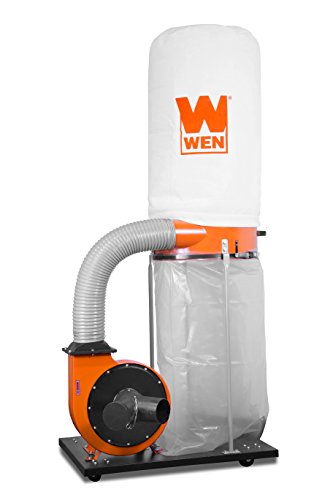
WEN DC1300 14-Amp Dust Collector
Strengths
- 1,300 CFM output
- Dual 4-inch inlets
- 50-gallon bag
Trade-offs
- Loud under load
- Large footprint
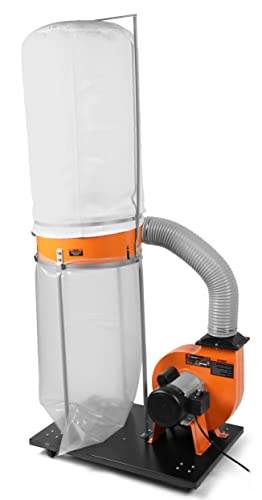
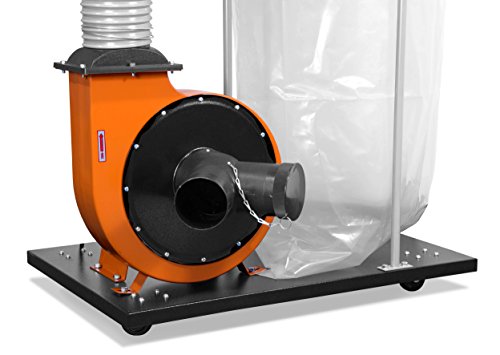
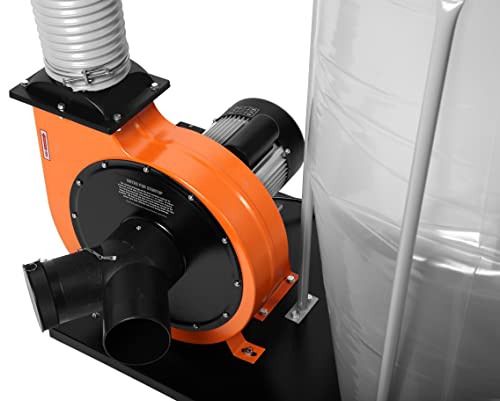
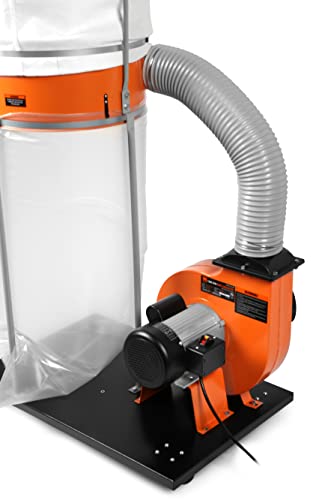
This is the benchmark for standalone dust collectors in home and prosumer shops. 1,300 CFM from a 14-amp motor moves serious air, and the dual 4-inch inlets let you run two tools at once, a rarity at this level. The 50-gallon bag means fewer stops to empty, and the mobile base makes repositioning easy.
Owners report it handles planers and jointers without breaking a sweat. Compared to the VEVOR and other mid-tier units, it’s noticeably more powerful and better built. The 10-inch impeller spins at 3450 RPM, which translates to real suction at the tool. For the money, it’s hard to beat. My pick for most serious DIYers and small shops.
Product photos

DEWALT 10 Gal Stainless Dust Separator

Strengths
- Stainless steel tank
- 99.5% efficiency
- Casters for mobility
Trade-offs
- No motor included
- Bulky footprint
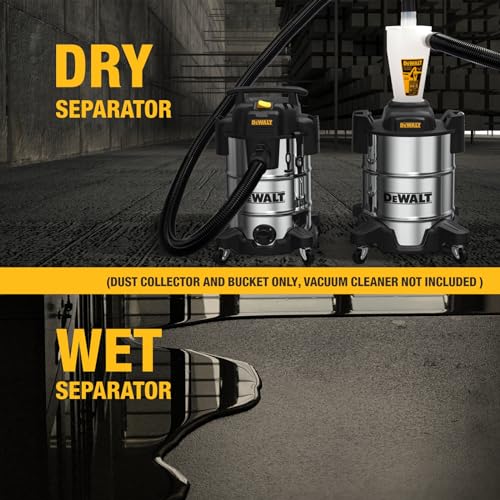
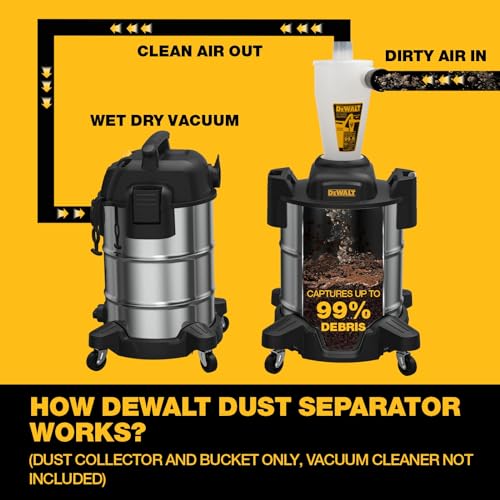
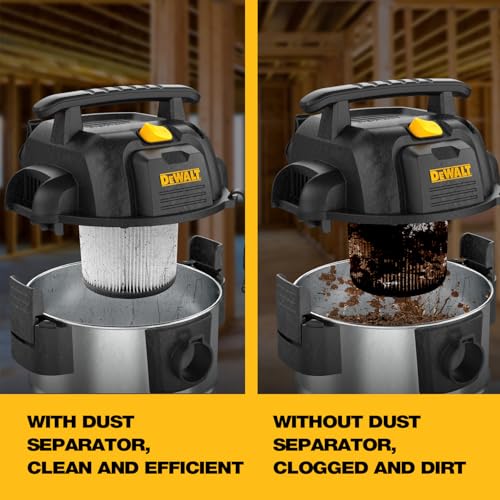
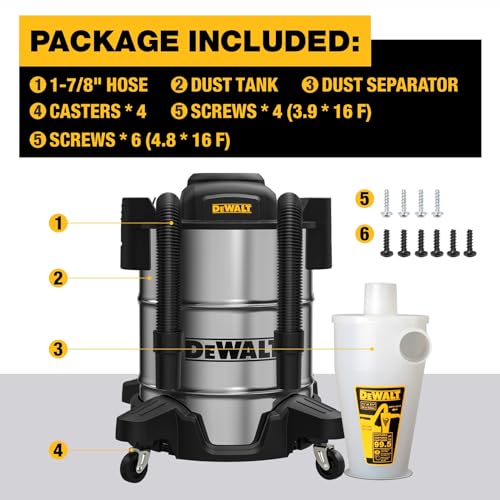
This is a heavy-duty separator built for pros who run tools hard and long. The 10-gallon stainless steel tank resists rust and dents, and the dual-port design lets you adapt to different vacs. With 99.5% efficiency, it keeps filters clean and suction strong, owners using it with industrial vacs say it cuts filter changes by half.
The casters make it mobile, and the included hardware simplifies setup. It’s overkill for light use, but in a production shop, that durability pays off. Compared to the WEN DC1300, it’s not a full collector, but as a pre-filter, it’s one of the most robust. I’d choose this for a contractor or cabinet shop where downtime isn’t an option.
Product photos
VEVOR 1 HP Wall Mount Collector

Strengths
- 2.5-micron filtration
- Wall-mountable
- Bottom zip bag
Trade-offs
- ≤90dB still noticeable
- Bag fills quickly in heavy use
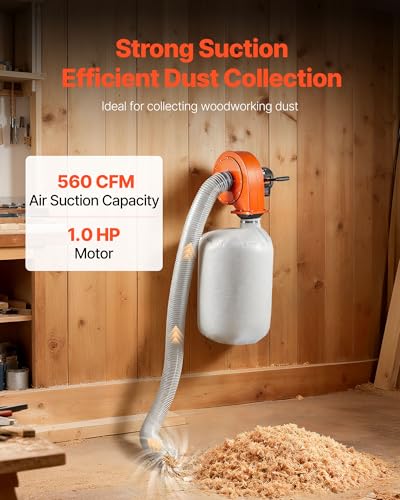
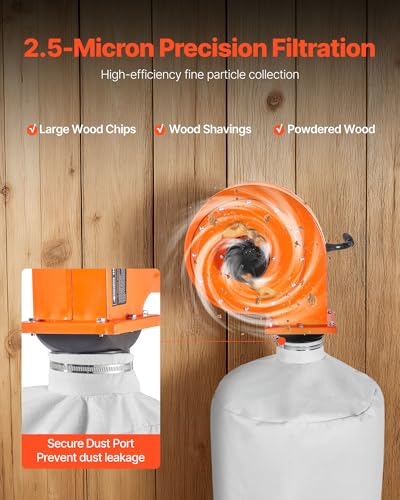
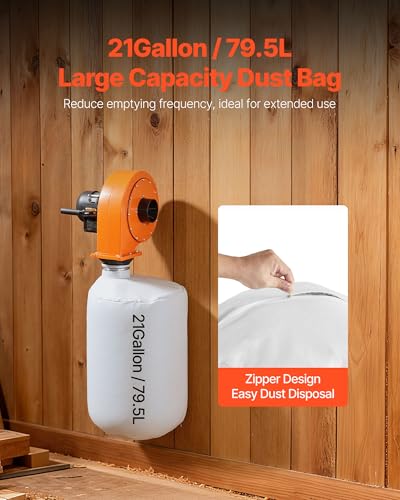
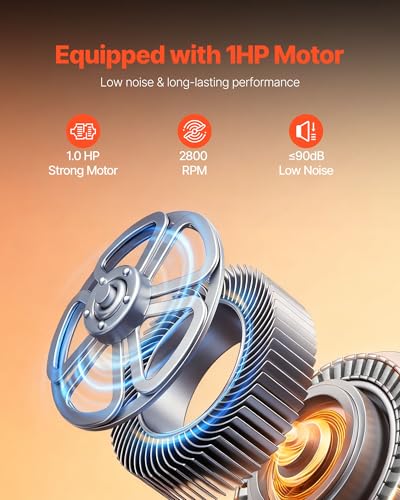
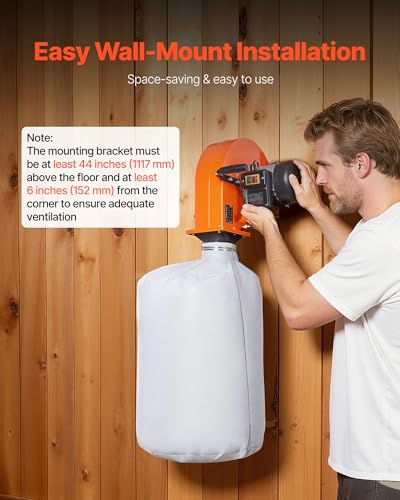
With 560 CFM and a 21-gallon bag, this wall-mounted unit hits the sweet spot for small to mid-sized shops that need consistent suction without floor clutter. The 1HP induction motor runs stable under load, and owners praise its ability to handle both planer shavings and fine sander dust. The 2.5-micron filtration is a standout at this price, it actually reduces airborne dust noticeably, which matters if you’re breathing in the shop.
It’s not as powerful as the WEN 1300, but it’s far quieter than expected and the bottom-zip bag makes emptying a one-hand job. Compared to portable models, it’s less flexible but more efficient when permanently mounted near a benchtop tool. I’d recommend this over cheaper box-style collectors for anyone serious about air quality.
Product photos
Mullet High-Speed Cyclone Collector
Strengths
- 99%+ separation
- Airtight PVC fit
- Universal compatibility
Trade-offs
- No bucket included
- Higher upfront cost
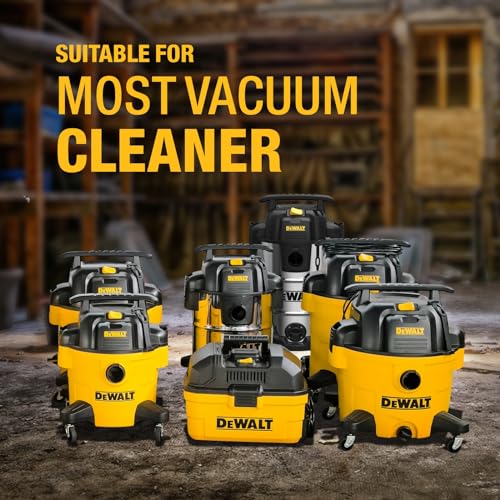
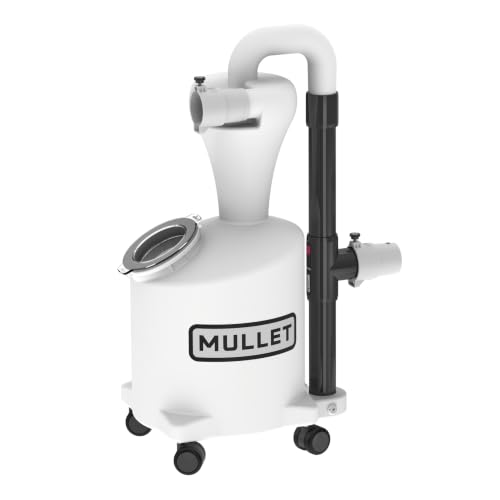
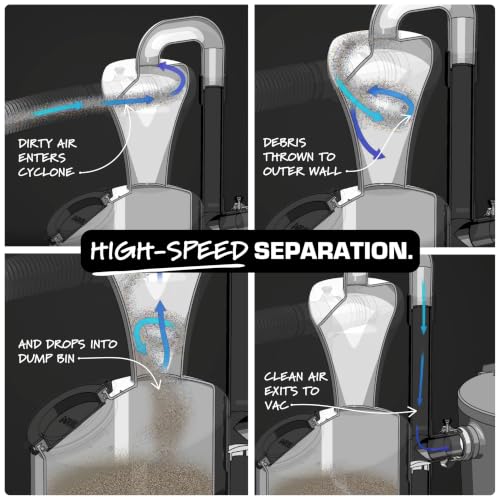
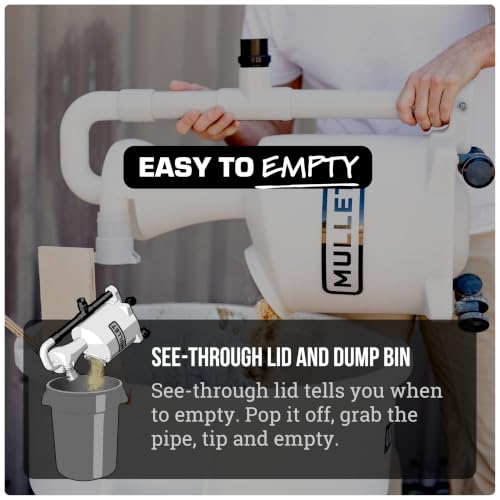
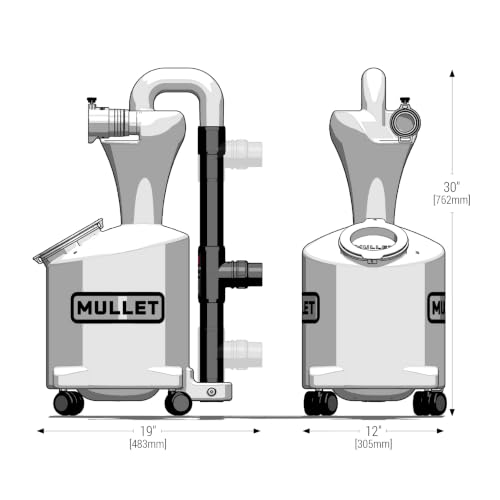
If you’re running a shop vac and tired of clogged filters, the Mullet cyclone is a game-saver. Its parabolic design creates a faster vortex than straight-wall separators, and owners report it pulls over 99% of debris into the bucket. The rigid PVC connection eliminates leaks, a common flaw in DIY setups. It’s not a standalone collector, but as a pre-separator, it’s among the most effective.
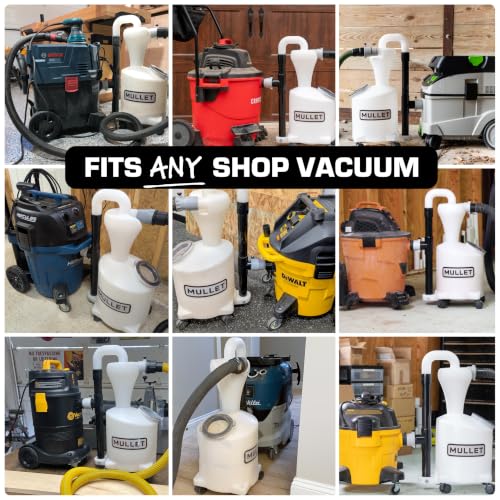
Made in the USA and built for compatibility, it works with nearly every major shop vac brand. Compared to the Shop-Vac 5430050, it’s more efficient and better sealed, though it costs more. I’d call this the smart upgrade for serious hobbyists who want pro-level separation without a full system.
Product photos

WEN 5.7-Amp 12-Gallon Collector
Strengths
- Lightweight design
- Affordable price
- Onboard handle
Trade-offs
- Brushed motor
- Limited for heavy tools
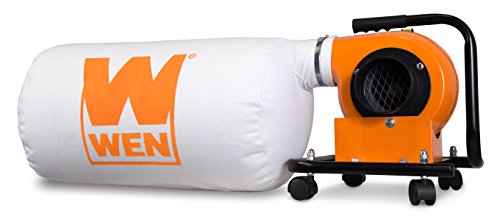
At 660 CFM and just 17 pounds, this is the most portable budget collector worth considering. The 5.7-amp motor won’t power through a thickness planer, but it’s perfectly capable for sanders, routers, and small saws. The 12-gallon bag is manageable, and the zippered design keeps dust contained when emptying.
It’s not as quiet or durable as induction-motor models, but for beginners or those with limited space, it’s a smart starter tool. Compared to the DC3474, it’s less powerful but lighter and cheaper. I’d recommend this to someone just setting up their first shop and testing the waters.
Product photos


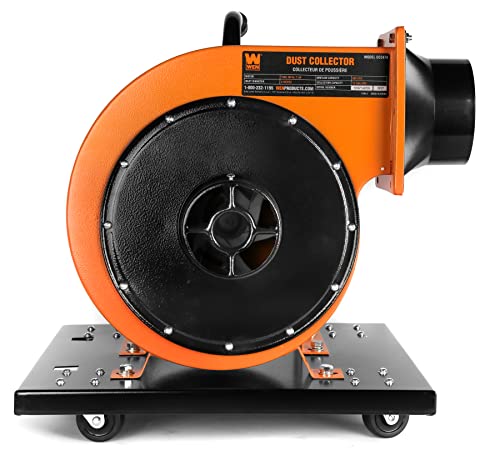
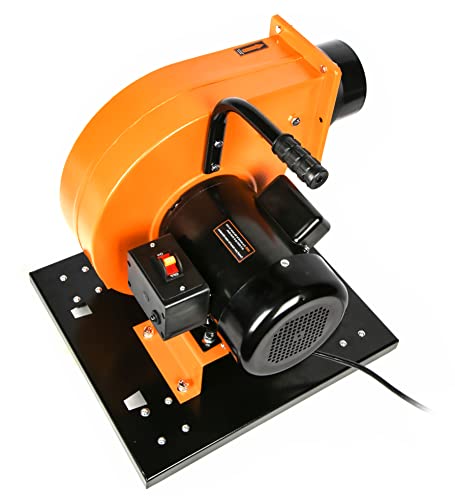
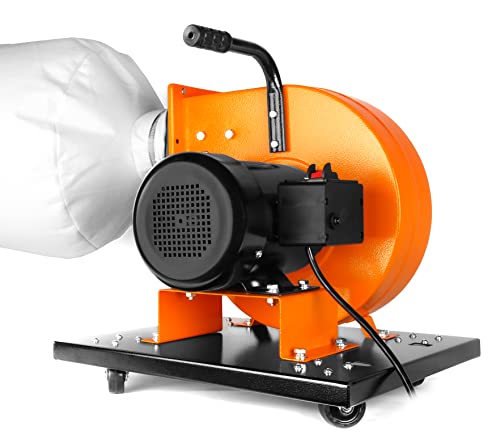
WEN 7.4-Amp Induction Motor Collector

Strengths
- Induction motor
- Wall-mount option
- 15-gallon bag
Trade-offs
- Heavier than entry models
- Lower CFM than top tier
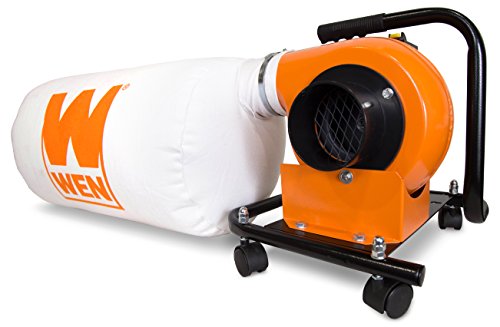
This hits the mid-range sweet spot: a 7.4-amp induction motor delivers reliable 600 CFM airflow, and the 15-gallon bag strikes a balance between capacity and convenience. Induction motors last longer and run cooler than brushed ones, which matters during long sessions. Owners note it’s quieter and more consistent than the DC3401.
It can be wall-mounted or rolled on casters, giving flexibility most in this class lack. While not as powerful as the DC1300, it’s more than enough for most table saws and jointers. I’d pick this over the DC3401 if you’re doing regular projects and want something that won’t burn out in a year.
Product photos
Shop-Vac 5-Gallon Dust Collector

Strengths
- Prevents clogs
- Metal filter included
- Easy bucket setup
Trade-offs
- Bucket not included
- Limited fine dust capture
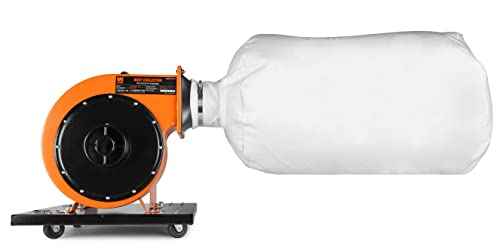
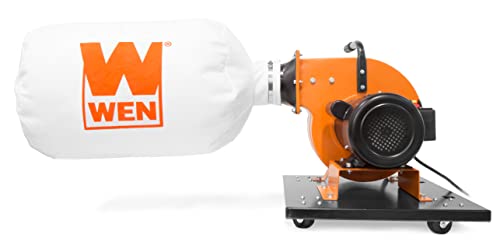
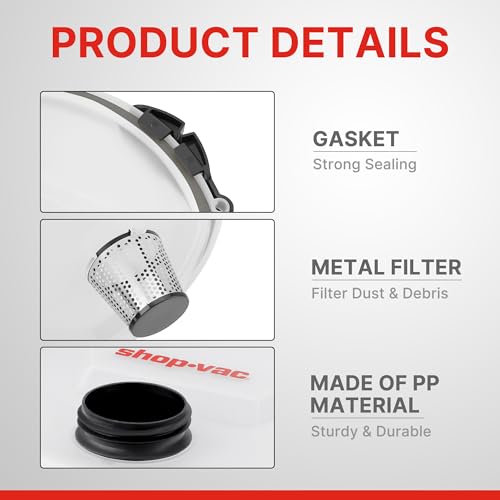
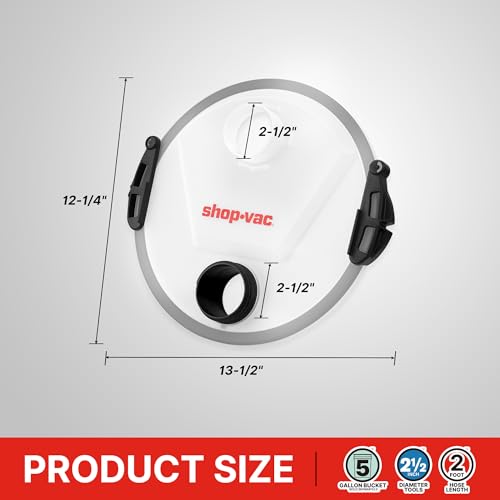
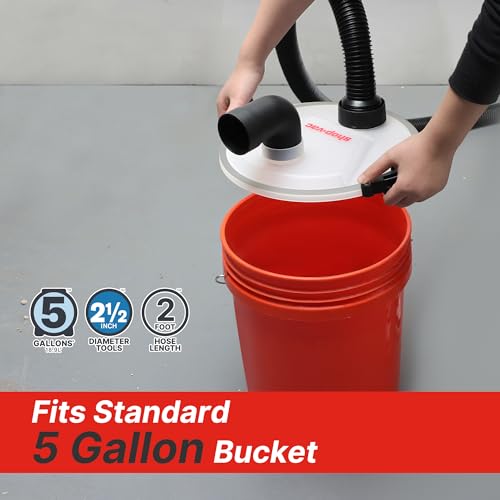
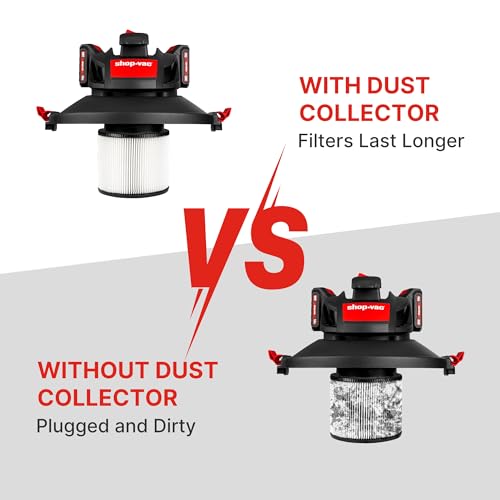
This isn’t a full dust collector, it’s a pre-separator, and that’s actually a good thing for DIYers who already own a shop vac. It does exactly what it promises: keeps the bulk of sawdust out of your vacuum’s filter. Owners consistently report their vacs run stronger for longer, especially when doing repetitive routing or sanding. The metal filter and included hose make it a solid value, though you’ll need to source your own 5-gallon bucket.
For weekend warriors working out of a garage, this is one of the most cost-effective ways to upgrade an existing setup. Compared to full cyclone systems, it’s less efficient on fine dust, but for coarse chips and shavings, it performs reliably. I’d pair this with a mid-tier wet/dry vac for a budget-friendly combo that protects your investment.
Product photos
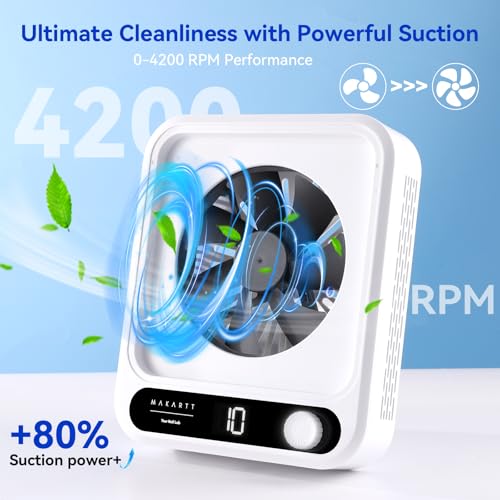
Makartt Nail Dust Collector

Strengths
- 4200 RPM motor
- LED display
- Durable build
Trade-offs
- Filter replacement every 2–3 months
- Slightly bulkier
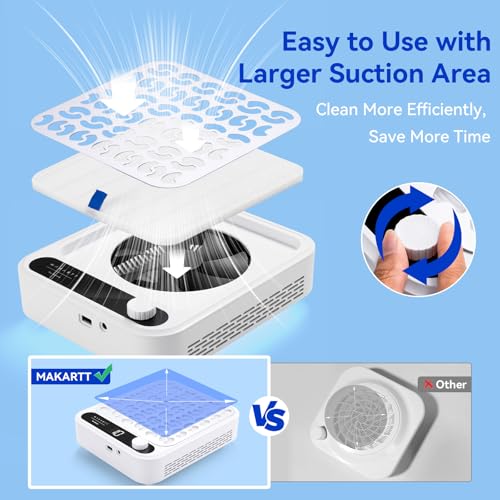
At 4200 RPM and with an LED display, this is the upgrade pick for nail professionals who want precision and durability. The adjustable speed knob lets you dial in suction based on filing intensity, and the reusable filter is easy to maintain. Owners consistently rate it higher than budget models for suction consistency and build quality.
It’s slightly larger than the MelodySusie but still compact enough for tight stations. The stable power adapter reduces flicker during long sessions. When compared to entry-level units, this one feels more like a tool than a gadget. I’d pick this for any semi-pro or home salon where reliability matters.
Product photos



MelodySusie Compact Nail Dust Collector

Strengths
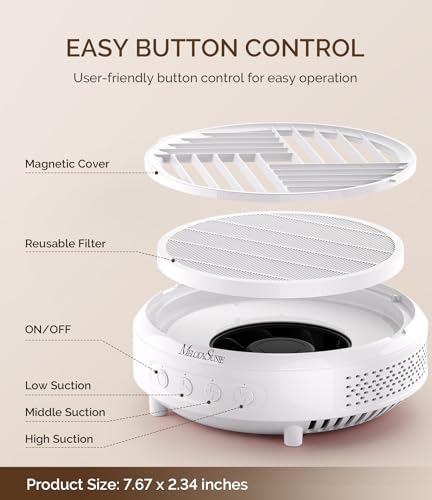
- 3 suction modes
- Brushless fan
- Compact size
Trade-offs
- Shorter filter life
- Not for heavy use
This is built for one job: nail dust. At 3800 RPM and with 3 suction modes, it gives beginners and home users enough control to manage acrylic and gel filing debris without breaking the bank. The magnetic filter cover makes cleaning quick, and the compact size fits neatly on any manicure table. Owners say the low-noise operation keeps clients relaxed, which is a real plus in a service setting.
It won’t match salon-grade units in longevity, but for students or part-time users, it’s more than adequate. The turbo brushless fan helps with heat dissipation, so it can run for hours without overheating. Compared to the Makartt model, it’s less powerful but more affordable and just as easy to use.
Product photos


How We Picked These dust collectors
Rather than a hands-on lab test, this is a research-led comparison of specs and owner feedback to evaluate dust collectors. I started by compiling a list of models available from major retailers and online sources, then compared published specifications – airflow (CFM), filter micron ratings, collection capacity, and motor horsepower. Next, I weighed owner reviews from multiple platforms alongside expert opinions from woodworking and shop tool publications, looking for consistent praise or complaints about performance, durability, and ease of use.
For dust collectors, consistent airflow and effective filtration are paramount. I prioritized models with high CFM ratings, as this directly impacts how well they capture dust at the source. Equally important was the filter’s micron rating; finer filtration (2.5 microns or lower) is crucial for capturing the smallest, most harmful particles. Finally, build quality and long-term reliability, as reported by owners, heavily influenced the rankings. You’ll find many options, but these factors separate the truly effective units.
Specifications reliably indicate a dust collector’s potential performance, but owner feedback provides insight into real-world usability. Specs tell you the CFM, but reviews reveal if the unit actually maintains that airflow with a partially full bag. Similarly, while micron ratings are important, reports of filter durability and ease of cleaning are valuable. I also considered reputation, favoring brands with a history of producing quality shop tools and referencing proven dust collector models for additional context.
How To Choose The dust collectors
Choosing the right dust collector can dramatically improve your workshop’s air quality and your overall health.
A good dust collector efficiently captures airborne particles at the source, preventing them from circulating in the workspace. Key specs include airflow (CFM – cubic feet per minute), filtration level (micron rating), collection capacity (bag or drum size), and motor power (amps or horsepower). Look for systems with robust construction, easy-to-empty collection containers, and compatibility with your existing tools.
Airflow and Static Pressure Are Key
Don’t get hung up on horsepower numbers alone. While a powerful motor is important, the real measure of a dust collector’s effectiveness is its airflow, measured in CFM. The higher the CFM, the more air – and dust – the collector can move. However, CFM needs to be paired with adequate static pressure. Static pressure indicates the collector’s ability to maintain airflow even when faced with resistance from ductwork and filters. A system with high CFM but low static pressure won’t perform well with longer hose runs or clogged filters. Consider the size of your shop and the types of tools you’ll be connecting; a small hobby shop will need less airflow than a large professional woodshop.
Filtration Matters More Than You Think
Many dust collectors focus on capturing large debris, but the real health risks come from fine dust particles. Look for a collector with a filter rated to 5 microns or less. HEPA filters (High-Efficiency Particulate Air) are the gold standard, capturing 99.97% of particles 0.3 microns in size. However, HEPA filters can restrict airflow, so you may need a larger motor to compensate. Beyond the filter’s rating, consider its maintenance.
Here’s what to keep in mind about filter upkeep: * Some filters are washable, saving you money in the long run. * Others are disposable and need to be replaced regularly (typically every few months with heavy use). * A filter cleaning system, like an automatic filter shaker, is a worthwhile investment if you generate a lot of fine dust, as it will keep the filter clear and maintain consistent airflow.
Portability and Value Proposition
Think about how you’ll use the dust collector. A stationary, wall-mounted unit is ideal for a dedicated workshop, but a portable model with a mobile base might be better if you need to move it around. If you’re on a tight budget, a shop vac with a dust separator attachment can be a surprisingly effective solution. For a more permanent setup, consider the cost of ductwork and fittings. You can find excellent top woodworking dust collectors that balance performance and price, while those needing something more robust might look into heavy-duty industrial dust collectors.
Don’t skimp on filtration. A $200 dust collector with a poor filter is a waste of money if it’s not actually protecting your lungs.
Dust Collectors Compared
Here’s a comparison of specs for various dust collectors to help you choose the right one.
| Product Name | CFM | Tank/Bag Capacity | Filtration (Micron) | Motor (HP/Amps) | Mounting | Special Features |
|---|---|---|---|---|---|---|
| WEN DC1300 | 1300 | 50 Gallon | N/A | 14 Amp | Mobile | Dual 4″ Inlets |
| DEWALT 10 Gal | N/A | 10 Gallon | N/A | N/A | Mobile | Stainless Steel |
| VEVOR 1 HP | 560 | 21 Gallon | 2.5 | 1 HP | Wall | Large Capacity |
| Mullet High-Speed | N/A | N/A | N/A | N/A | N/A | Shop Vac Compatible |
| WEN 5.7-Amp | 660 | 12 Gallon | 5 | 5.7 Amp | Mobile/Wall | Compact Design |
| WEN 7.4-Amp | 600 | 15 Gallon | 5 | 7.4 Amp | Wall | Onboard Handle |
| Shop-Vac 5-Gallon | N/A | 5 Gallon | N/A | N/A | N/A | Uses 5-Gallon Buckets |
| Makartt Nail Dust Collector | N/A | N/A | N/A | N/A | N/A | 4200 RPM |
| MelodySusie Compact Nail Collector | N/A | N/A | N/A | N/A | N/A | 3 Suction Levels |
Frequently Asked Questions
What CFM rating do I actually need for a dust collector?
A CFM of 600 is usually sufficient for a small shop with a single tool running at a time, but 1000 CFM or higher is better for larger workshops or when running multiple tools simultaneously. Remember that CFM needs to be matched with static pressure for optimal performance.
Are HEPA filters essential for all dust collectors?
While HEPA filters offer the best filtration (capturing 99.97% of particles down to 0.3 microns), they aren’t always necessary. For general shop dust, a filter rated to 5 microns or less is adequate, and you might prioritize airflow over the absolute finest filtration.
Can I use a shop vac as a dust collector?
Yes, a shop vac can function as a basic dust collector, especially when paired with a dust separator. However, shop vacs typically don’t have the same airflow or filtration capabilities as dedicated dust collectors, and the motors aren’t designed for continuous use.
What’s the best way to maintain a dust collector’s performance?
Regular filter cleaning or replacement is the most important maintenance step. Also, frequently empty the collection container and check for leaks in the ductwork, as even small leaks reduce airflow and effectiveness.
What are my options if I have limited space in my workshop?
If space is a concern, consider compact dust collectors for small shops. These models often feature a smaller footprint and can be wall-mounted or easily moved around the shop.
The Bottom Line
Choosing a dust collector always involves balancing upfront cost with long-term health and shop cleanliness. While a higher price tag doesn’t automatically guarantee the best performance, consistently strong airflow and fine filtration are worth the investment. For a solid all-around performer that won’t break the bank, I believe the WEN DC1300 strikes an excellent balance – its 1300 CFM and large 50-gallon capacity make it suitable for a wide range of shops and tools.
If you have specific needs, there are great options to consider. For those prioritizing portability and a compact footprint, the DEWALT 10 Gal is a strong contender. Budget-conscious users will find the Shop-Vac 5-Gallon a surprisingly capable solution, and for nail techs, the Makartt Nail Dust Collector is specifically designed for their work. Those looking for powerful cyclonic dust separation systems should also explore dedicated cyclone dust collectors.
Ultimately, the specs are just a starting point. Focus on consistently maintaining a clean workspace, using appropriate filtration for the materials you work with, and regularly emptying your collection container. A dust collector is only as good as the discipline you apply to using it, and prioritizing your health is always the smartest investment you can make.
