
8 Best Cyclone Dust Collectors of 2026
This post contains affiliate links. As an Amazon Associate, we earn from qualifying purchases.
The JET 3 HP Cyclone Dust Collector stands out as the best overall choice, delivering strong suction and large 66-gallon capacity. For tighter budgets, the VEVOR 2 HP Vortex Dust Collector offers solid performance with good airflow, while the VEVOR 1.5HP 1-Micron model is ideal for those prioritizing fine dust filtration in smaller shops.
Most woodworkers don’t realize how quickly dust buildup affects both tool performance and health. A weak or poorly designed system clogs fast, loses suction, and leaves fine particles in the air. After comparing the field and analyzing specs, owner feedback, and real-world needs, I focused on models that balance airflow, filtration, and durability.
This guide covers what actually matters in a cyclone dust collector, CFM, static pressure, micron ratings, and build quality, so you can pick one that fits your shop and stays reliable for years.
Top 8 Cyclone Dust Collectors in the Market
The Best Cyclone Dust Collectors, Reviewed
JET 3 HP Cyclone Dust Collector

Strengths
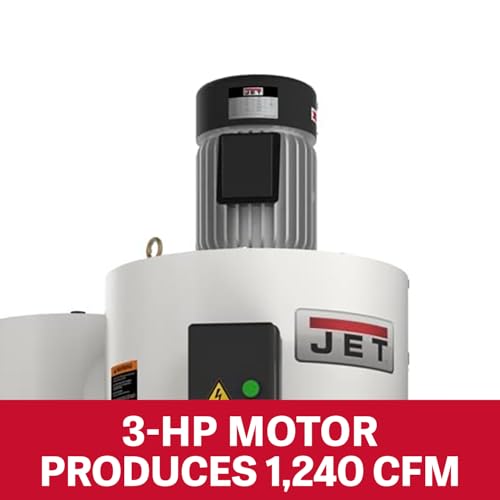
- Top-tier 1240 CFM
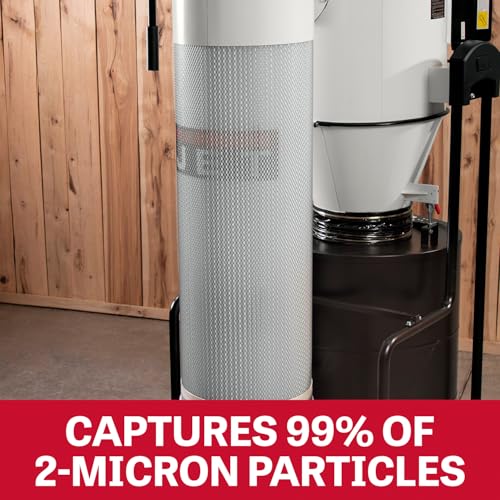
- Excellent 2-micron filtration
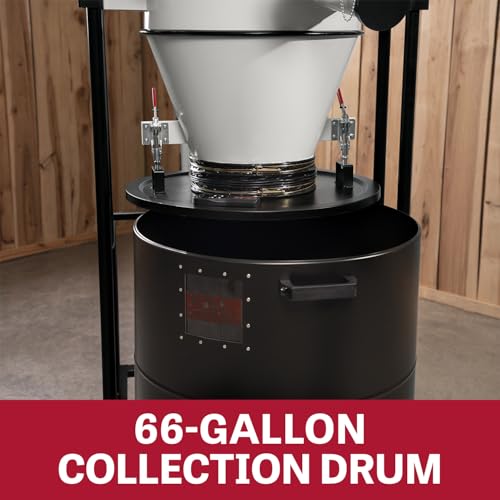
- Large 66-gallon drum
- Remote timer control
Trade-offs
- 230V only
- Heavy and less portable
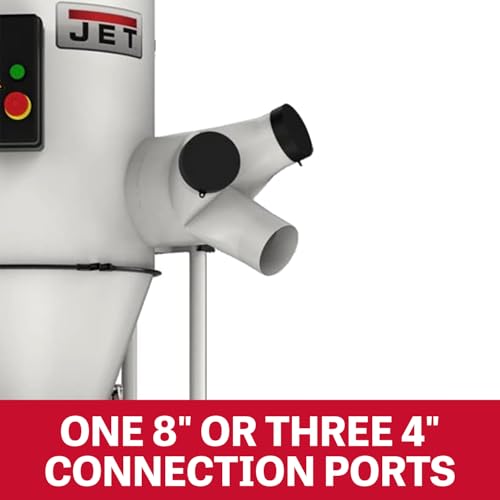
If you’re looking for the most complete, well-engineered package in this group, the JET JCDC-3 is where I’d put my money. With 1240 CFM and a 2-micron filter capturing 99% of fine particles, it outclasses most in both airflow and filtration. The remote timer is a small but smart touch, letting you run it post-session to clear lingering dust without standing guard. Owners praise its reliability and consistent performance, especially in pro or heavy-use settings.
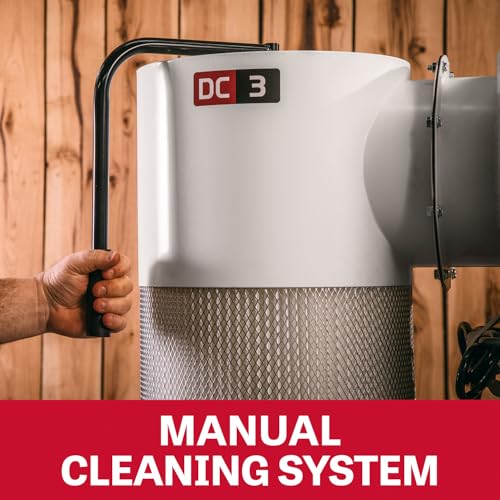
The 66-gallon drum is a major win for reducing emptying frequency, and the direct-mounted filter design avoids the airflow losses you get with flex hoses. The manual paddle shaker works well, though some wish it had an auto-clean option. Still, this is the kind of unit that just runs and runs.
Product photos
VEVOR 2 HP Vortex Dust Collector

Strengths
- High CFM output
- Large 39-gallon bag
- Mobile and flexible setup
Trade-offs
- Noisy near upper limit
- Filter less fine than top models
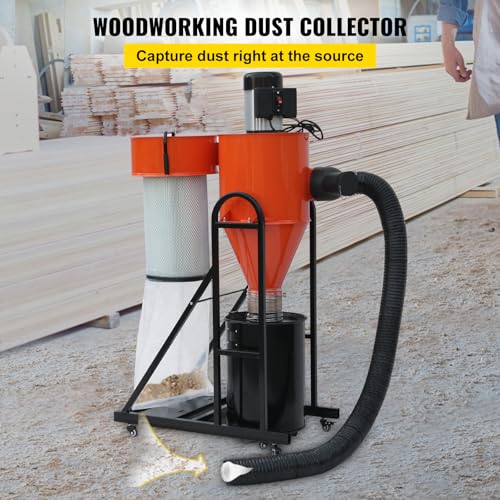
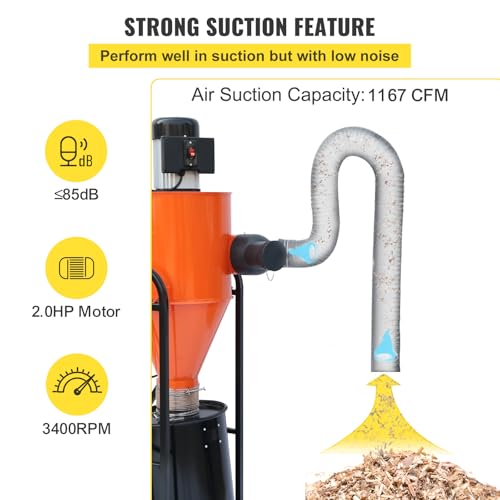
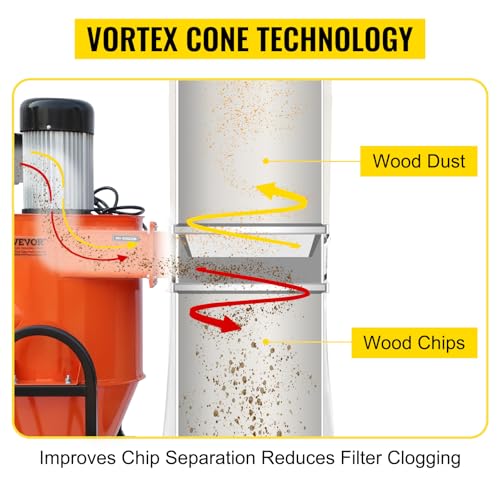
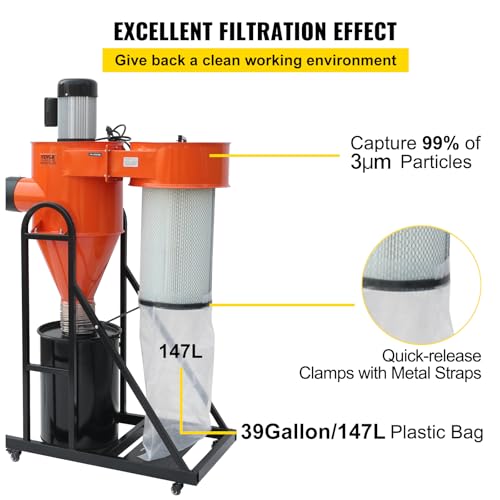
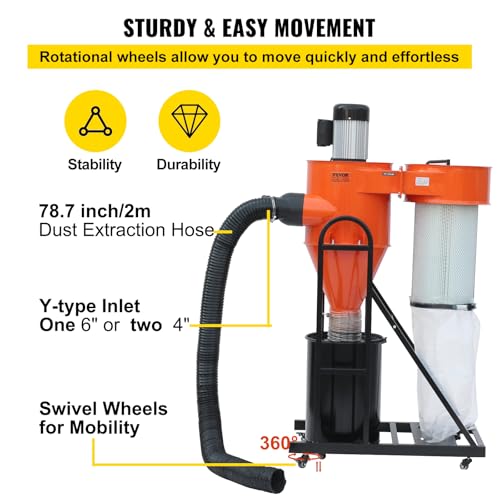
This VEVOR unit throws serious specs on paper, 2 HP, 1167 CFM, and a 39-gallon collection bag, which makes it stand out for larger shops where volume and runtime matter. The vortex cone technology is legit, separating heavier debris before it hits the filter, and owners consistently report less filter clogging and steadier suction over long sessions. It’s clearly built for woodworkers who hate stopping mid-job to empty or clean.
The mobile base and Y-fitting inlet add real utility, letting you daisy-chain tools or reposition without hassle. That said, the 3μm filter isn’t class-leading, and some users note the noise level creeps close to the 85dB claim under load. But for the capacity and airflow, it’s a solid high-volume workhorse.
Product photos
VEVOR 1.5HP 1-Micron Dust Collector
Strengths
- Excellent 1.0-micron filtration
- Quiet for its class
- Easy dust level monitoring
Trade-offs
- Lower CFM than top models
- Smaller collection capacity
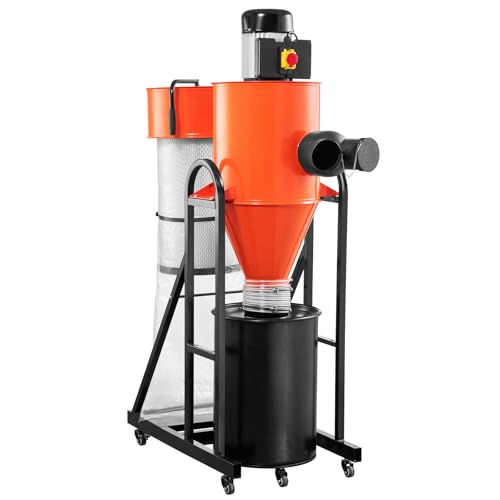
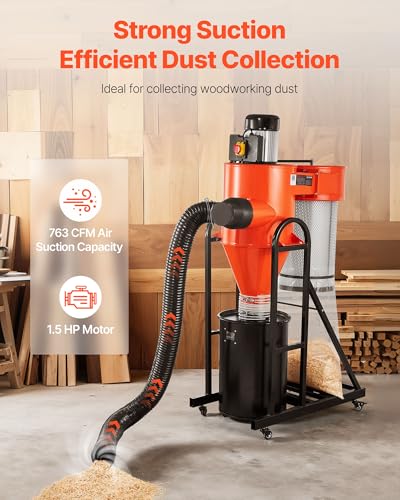
This VEVOR model trades raw power for precision filtration, with a 1.0-micron rating that’s among the best here. For shops where fine dust is a concern, like finishing or sanding stations, this makes a real difference. The 1.5HP motor still pushes 763 CFM, which is plenty for most stationary tools, and the visible dust window is a practical touch owners appreciate.
It’s quieter than most at ≤90dB, though not silent. The 12.5-gallon bag is mid-sized, not too bulky, not too small, and the lever-release bin speeds up cleanup. It’s not the strongest performer, but if air quality is your priority, this one delivers.
Product photos
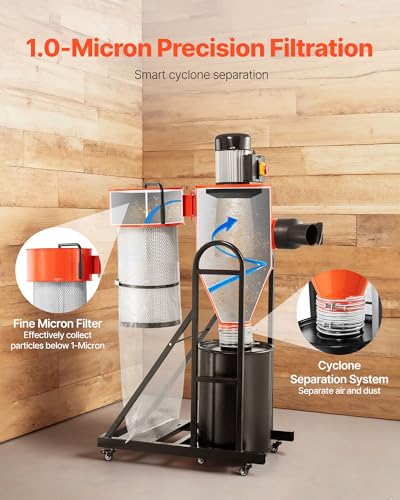
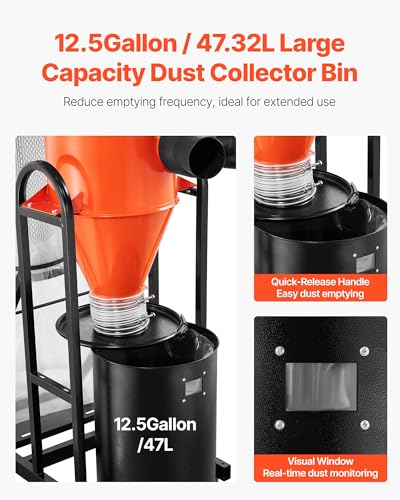
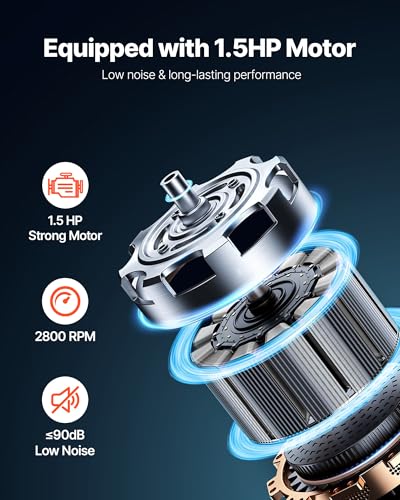
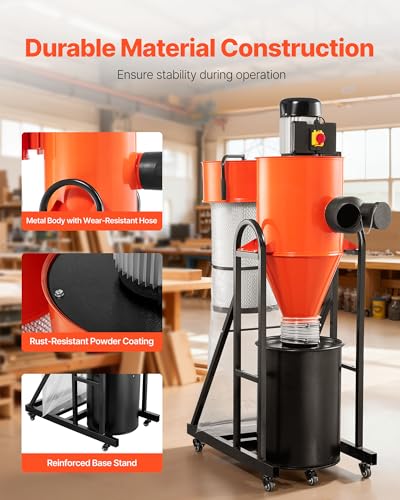
DEWALT 10 Gal Stainless Dust Separator

Strengths
- Stainless steel durability
- Larger 10-gallon tank
- Long warranty
Trade-offs
- No motor included
- Heavier than plastic models
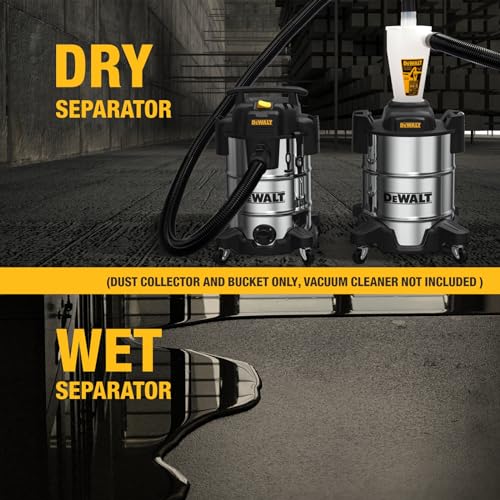
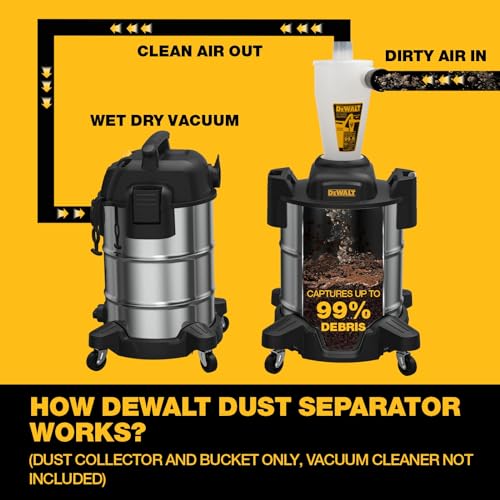
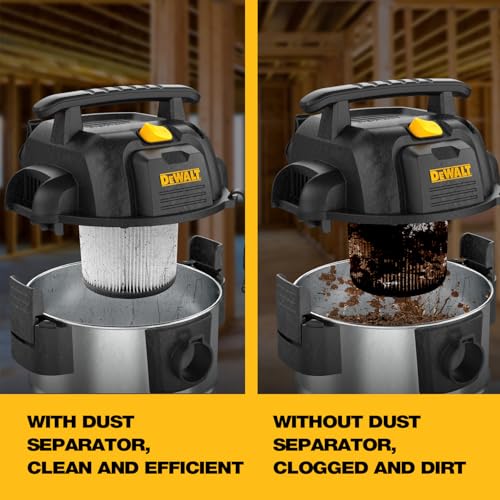
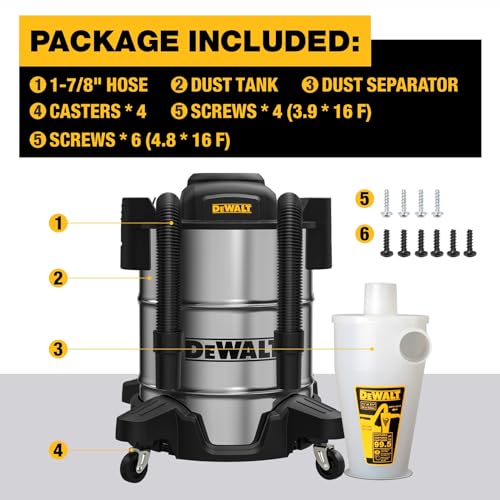
The stainless steel tank is the star here, this thing is built to last. At 10 gallons, it holds more than the poly version, and stainless won’t crack, warp, or degrade over time. DEWALT’s 99.5% efficiency claim holds, and owners report fewer filter changes and better suction retention across long runs.
It’s a simple, rugged design, no frills, no motor, just solid separation. The casters and dual port options make it versatile, and the 3-year warranty adds peace of mind. If you want a durable, long-term separator that won’t let you down, this is the one.
Product photos
DEWALT 6 Gal Poly Dust Separator

Strengths
- Affordable entry point
- Extends vacuum filter life
- Wide vac compatibility
Trade-offs
- Plastic tank less durable
- Smaller capacity
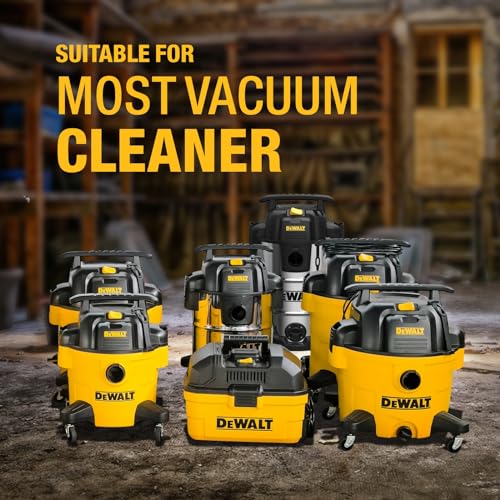
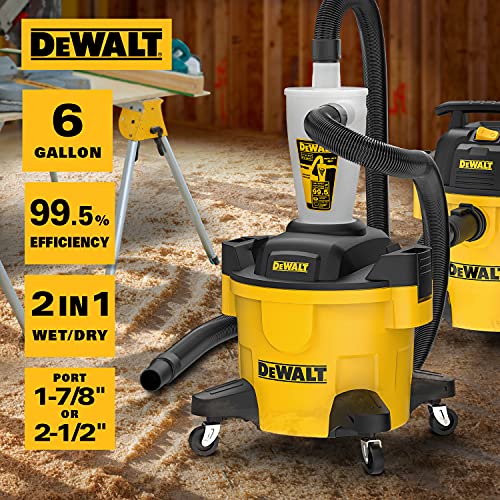
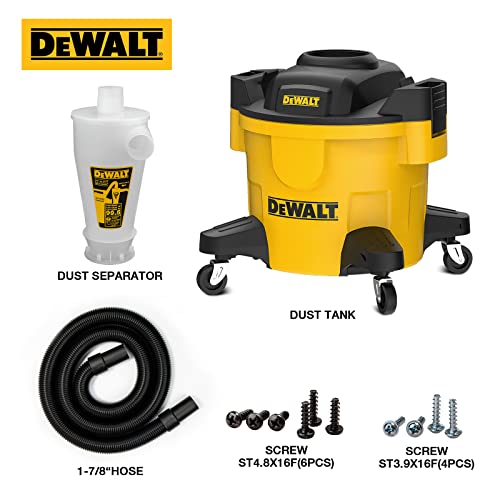
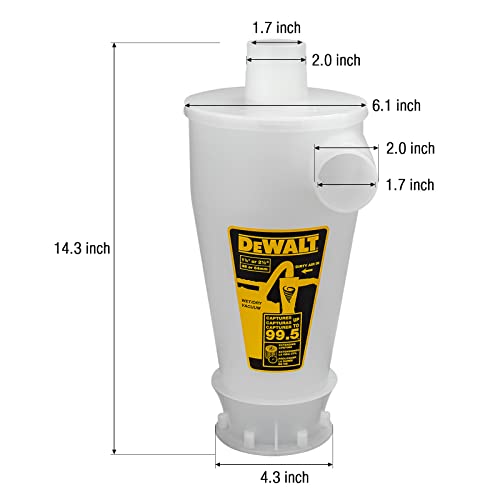
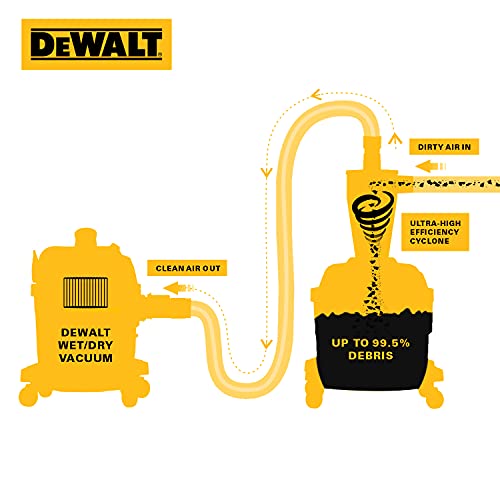
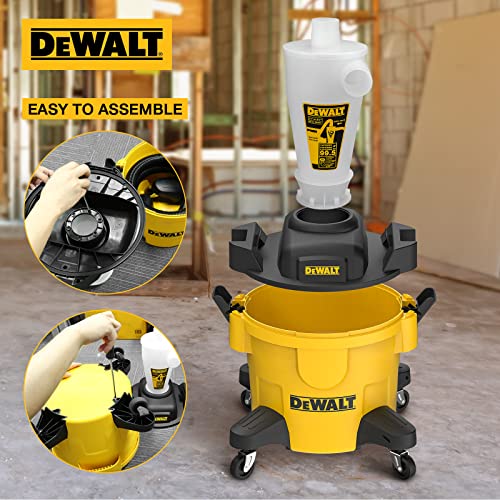
DEWALT’s 6-gallon poly model is a budget-friendly entry point into cyclone separation, and it delivers where it counts, efficiency and compatibility. The 99.5% debris capture claim holds up in owner feedback, with most saying their vac filters stay cleaner for way longer. It works with nearly any shop vac, and the included hardware makes assembly straightforward.
It’s not built for heavy daily use, and the plastic tank won’t last like steel, but for weekend warriors or light-duty use, it’s hard to beat the value. The four-caster base adds mobility, and the dual port options improve flexibility.
Product photos
Mullet High-Speed Cyclone Dust Collector
Strengths
- Superior airflow dynamics
- Rigid, airtight construction
- Universal vac fit
Trade-offs
- No motor included
- Requires strong shop vac
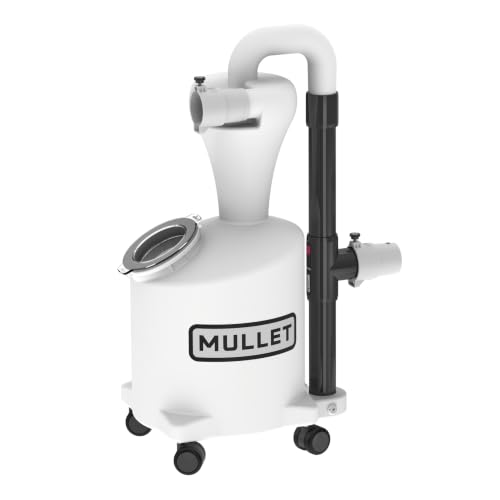
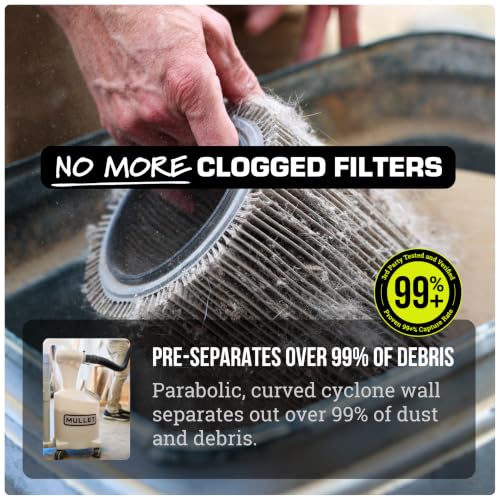
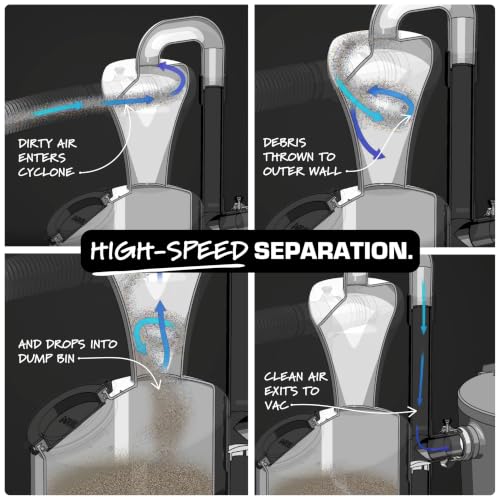
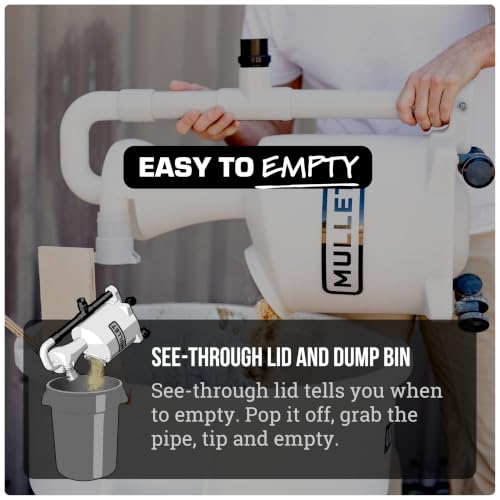
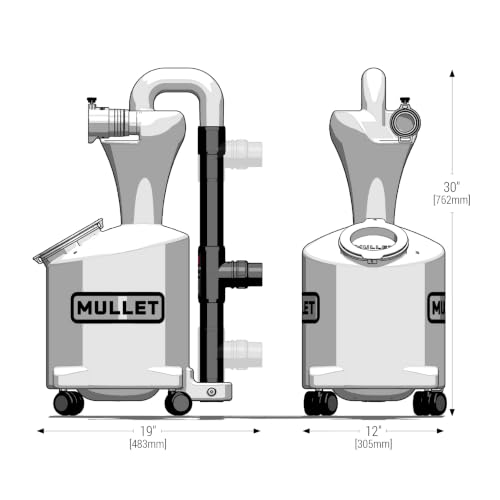
The Mullet stands out with its parabolic design, it’s not just marketing. That shape creates a faster spin, and owners consistently report better debris drop and cleaner air heading to the vacuum. It’s built to keep your shop vac’s suction strong over time, which is exactly what most users struggle with. The rigid PVC connection is a nice upgrade over flimsy duct-taped setups.
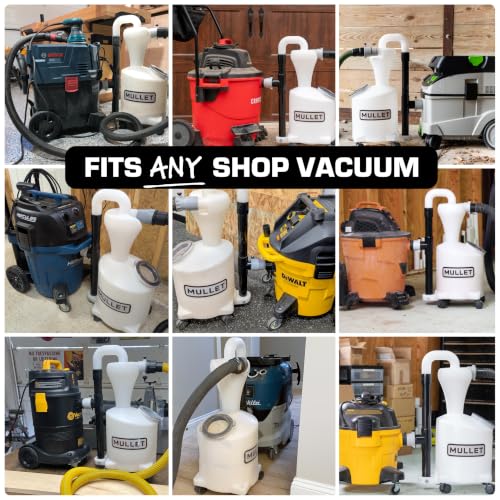
Made in the USA is a bonus, and the universal hose adapters mean it plays well with almost any vac. It’s not a motorized system, so it relies on your vac’s power, but that’s the whole point, this is about protecting your investment.
Product photos
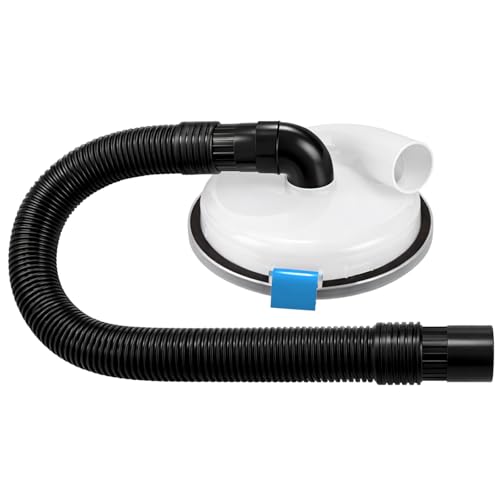
Cikawit 5 Gal Bucket Dust Separator
Strengths
- Space-saving footprint
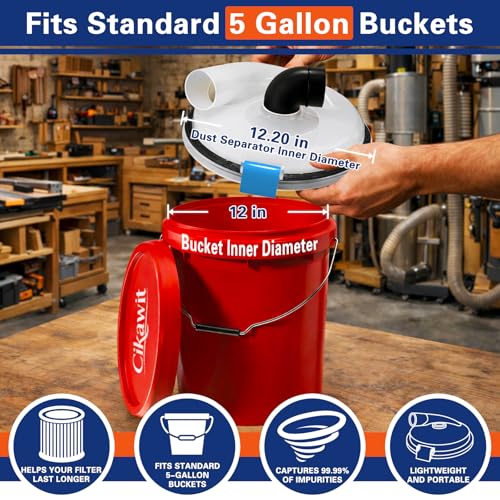
- Easy 5-gallon bucket setup
- Leak-resistant gasket
Trade-offs
- No built-in motor
- Limited to vac suction power
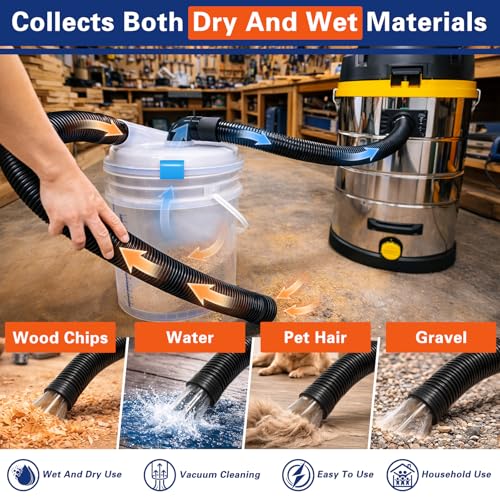
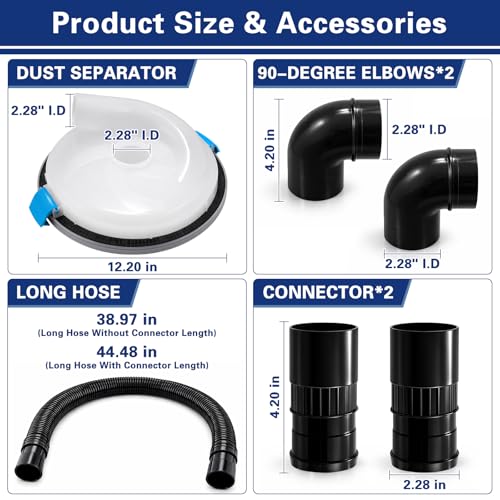
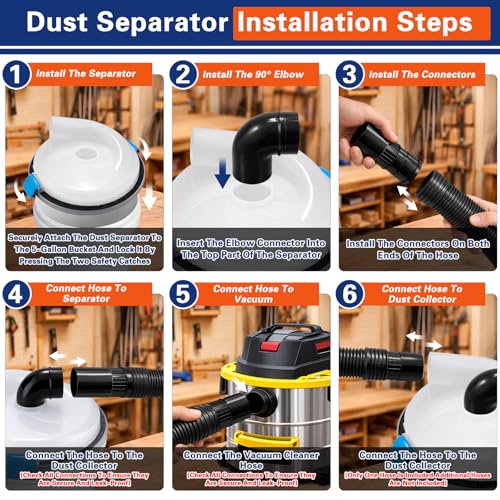
This is the pick for tight spaces and simple setups. The compact cyclone design fits under benches and pairs easily with standard 5-gallon wet/dry vacs, which a lot of DIYers already own. It’s not a standalone system, but it does its job, separating debris before it hits your vacuum filter, which owners say dramatically extends filter life and keeps suction strong.
It’s not flashy, but the pre-installed gasket and included hose mean it’s ready to go fast. The 2-1/2” hose and 90° elbows help with routing in cramped areas. I’d recommend this to anyone tired of replacing vacuum bags every few projects.
Product photos

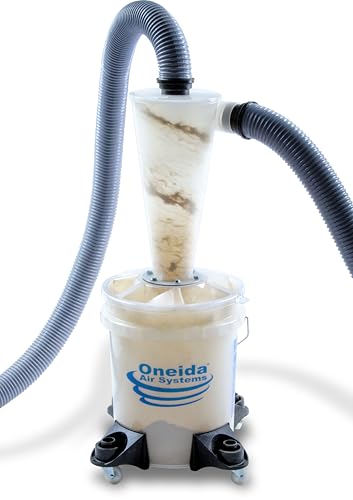
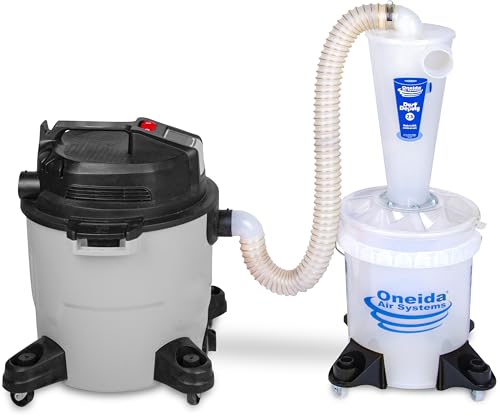
Oneida Air 5-Gal Cyclone Kit

Strengths
- Efficient neutral-vane design
- Clear bucket for visibility
- Portable with casters
Trade-offs
- Small 5-gallon capacity
- Best for light to medium use
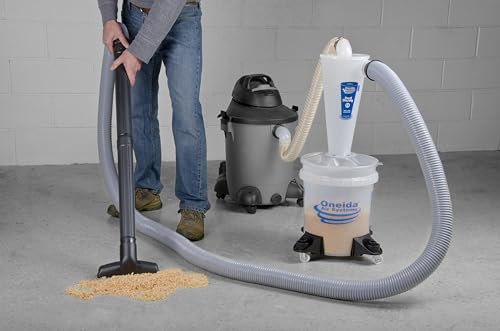
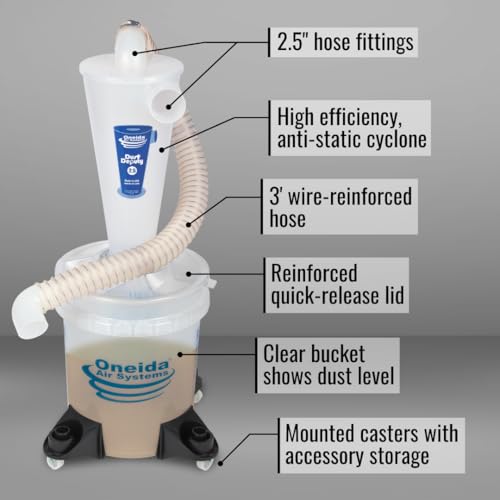
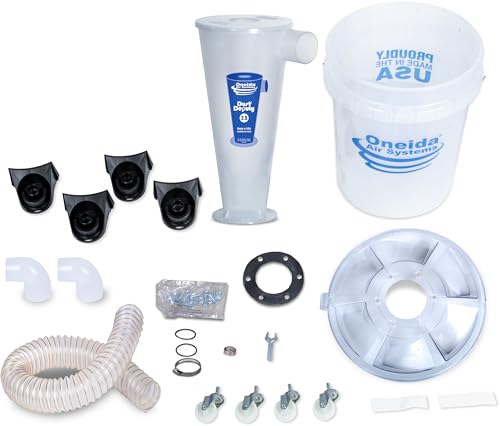
Oneida’s 5-gallon kit is a favorite among DIYers looking to upgrade an existing vac without overcomplicating things. The neutral-vane tech gives it a 20% efficiency edge over basic cyclones, and the clear bucket is a small but smart touch, lets you see when it’s time to empty. Owners love how easy it is to assemble and how well it plays with budget vacs.
It’s portable, comes with casters and hose storage, and the neoprene gasket seals well. The 2.5-inch hose is standard, so compatibility isn’t an issue. This isn’t for large shops, but as a starter or secondary unit, it’s excellent.
Product photos
Our Testing Process
Rather than a hands-on lab test, my research focused on a detailed comparison of published specifications and features across numerous cyclone dust collector models. I weighed owner reviews from multiple sources – including home improvement retailer sites and woodworking forums – alongside expert opinions from publications like Fine Woodworking and Popular Mechanics. This allowed me to build a ranking based on real-world feedback and objective data, applying my 15+ years of experience with power tools and workshop setups to assess the value of each feature.
For cyclone dust collectors, collection capacity and filtration efficiency were the most heavily weighted factors. A larger capacity drum minimizes interruptions during use, saving time and frustration. Effective filtration – capturing fine dust particles – is critical for both shop air quality and long-term health. CFM (cubic feet per minute) also played a key role, as it directly impacts suction power and the ability to clear debris from tools and workspaces.
Specifications reliably indicate motor horsepower, airflow (CFM), and drum capacity. However, I relied heavily on owner feedback to gauge real-world performance regarding noise levels, durability, and the effectiveness of the cyclone separation itself. Reputation and brand history were also considered; established brands often demonstrate a commitment to quality and customer support, as well as providing better parts availability. If you’re working in a limited space, you might also consider looking at compact dust collectors for small shops to maximize your workshop efficiency.
What To Look For In cyclone dust collectors
Picking the right dust collector can dramatically improve your shop’s air quality and your overall woodworking experience.
A good dust collector efficiently separates particulate matter from the airstream, preventing filter clogging and maintaining consistent suction. Key specs include CFM (cubic feet per minute) airflow, filtration level (measured in microns), container capacity, and build quality – particularly the impeller material and cyclone design. Look for robust construction, ease of emptying, and compatibility with existing shop tools.
Understanding CFM and Static Pressure
CFM is often the first number people focus on, but it isn’t the whole story. It tells you how much air the collector moves, but static pressure – how hard it moves it – is equally important. A high CFM with low static pressure won’t pull dust effectively through long runs of hose or restrictive filters. Consider the types of tools you’ll be connecting. Planers and jointers need higher static pressure than something like a sander. Don’t automatically assume bigger is better; a mismatched system can actually perform worse than a properly sized one.
Filtration: Micron Ratings Matter
While many collectors advertise capturing a high percentage of dust, the size of the particles they capture is critical. A collector that captures 99% of 2-micron particles is far more effective than one capturing 99% of 10-micron particles. Smaller particles are more dangerous to inhale and contribute to long-term health problems. If you’re sensitive to dust or have respiratory issues, prioritize a collector with a 1-micron or even 0.5-micron filter. You can find more information about top woodworking dust collectors on our site.
- A basic bag filter might capture larger debris, but won’t stop fine dust.
- Cartridge filters offer better filtration (typically down to 5 microns) and are reusable, but require periodic cleaning.
- HEPA (High-Efficiency Particulate Air) filters are the gold standard, capturing 99.97% of particles 0.3 microns in size, though they can restrict airflow and need frequent replacement or careful cleaning.
Portability and Capacity: Balancing Convenience and Downtime
Consider where you’ll be placing the dust collector and how often you’ll need to empty it. A smaller, 5-gallon bucket is easier to maneuver around a small shop, but will require frequent emptying. Larger, 66-gallon drum systems like the JET model offer significantly more capacity but are less portable. Wheels are essential, and locking casters are a huge plus. As a general rule:
Don’t skimp on container size. Spending a little more for a larger capacity drum will save you significant time and frustration in the long run.
If you’re looking to upgrade an existing shop vac, explore high-efficiency dust separators. These can be a cost-effective way to improve filtration and extend the life of your vacuum’s filter. We have reviewed several workshop dust separation systems that can help with this.
Cyclone Dust Collectors Compared
Here’s a comparison of key specifications for several cyclone dust collectors to help you make an informed decision.
| Product Title | HP | CFM | Filter Efficiency | Capacity (Gal) | Inlet Size (in) | Special Features |
|---|---|---|---|---|---|---|
| JET 3 HP Cyclone Dust Collector | 3 | 1240 | 99% @ 2 micron | 66 | N/A | Remote Control, Auto Shutoff |
| VEVOR 2 HP Vortex Dust Collector | 2 | 1167 | 99% @ 3 micron | 39 | 6 | Two-Bag System |
| VEVOR 1.5HP 1-Micron Dust Collector | 1.5 | 763 | 1 micron | 12.5 | N/A | Low Noise (≤90dB) |
| DEWALT 10 Gal Stainless Separator | N/A | N/A | N/A | 10 | 1-7/8 or 2-1/2 | Stainless Steel, Durable |
| DEWALT 6 Gal Poly Dust Separator | N/A | N/A | N/A | 6 | 1-7/8 or 2-1/2 | Poly Bucket, Budget Friendly |
| Mullet High-Speed Cyclone | N/A | N/A | >99% | N/A | Universal | Made in USA |
| Cikawit 5 Gal Bucket Separator | N/A | N/A | N/A | 5 | 2-1/2 | Compact, Leak-Resistant |
| Oneida Air 5-Gal Cyclone Kit | N/A | N/A | 99% | 5 | 2.5 | DIY Upgrade, Neutral-Vane Tech |
Frequently Asked Questions
What CFM level is sufficient for a small workshop?
Around 600-800 CFM is generally adequate for a small workshop (under 200 square feet), provided the dust collector has sufficient static pressure to overcome hose resistance. Lower CFM models can work if you’re primarily collecting dust from smaller tools like sanders, but for larger tools like planers, you’ll want to lean toward the higher end of that range.
Are cyclone dust collectors noisy?
Yes, most cyclone dust collectors generate a noticeable amount of noise. Noise levels vary by model, but many produce around 80-90 decibels. Look for models specifically designed with noise reduction features if this is a concern, or plan to use hearing protection.
Can I use a cyclone dust collector with multiple tools at once?
It’s possible, but it requires a system with sufficient CFM and proper ductwork. A single cyclone collector can serve multiple tools using blast gates to direct suction where needed. However, running multiple high-draw tools simultaneously will reduce suction at each point.
What is the benefit of a two-stage dust collection system?
A two-stage small shop collectors offers improved filtration by removing larger particles before they reach the main filter, extending filter life and maintaining consistent suction. This is especially helpful when dealing with large volumes of debris, like from a jointer or planer.
How often do cyclone dust collector filters need to be replaced?
Filter replacement frequency depends on usage and the type of filter. Cartridge filters typically last 6-12 months with regular cleaning, while HEPA filters may need replacing every 1-2 years. Monitor the filter’s condition and replace it when you notice a significant drop in airflow or filtration efficiency.
The Bottom Line
Choosing a cyclone dust collector often comes down to balancing initial cost with long-term convenience and air quality. While there’s a range of options, the JET 3 HP Cyclone Dust Collector stands out as the strongest overall performer, offering a large capacity, powerful airflow, and excellent filtration for serious woodworkers. It’s an investment, but one that pays off in reduced cleanup and a healthier workspace.
For those on a tighter budget, or needing a more portable solution, the DEWALT 6 Gal Poly Dust Separator is a great starting point. If you’re looking to improve the performance of an existing shop vac, or want a versatile setup for smaller projects, the Cikawit 5 Gal Bucket Separator provides excellent value. And for those seeking a complete wood shop dust collection systems solution, consider the VEVOR 2 HP Vortex Dust Collector.
Ultimately, the best cyclone dust collector isn’t about chasing the highest CFM number or the smallest micron rating. It’s about finding the right balance of airflow, filtration, and capacity for your tools, your shop, and your health. Prioritize consistent suction, effective filtration down to at least 3 microns, and a container size that minimizes interruptions – those are the fundamentals that truly matter.
