
8 Best Woodworking Dust Collectors 2026
This post contains affiliate links. As an Amazon Associate, we earn from qualifying purchases.
The VEVOR 2 HP Dust Collector is the best overall for serious hobbyists and small shops, delivering strong airflow and solid build quality. For tighter budgets, the WEN 7.4-Amp 15-Gallon model offers decent performance at a low price. If automatic operation matters, the Bucktool 1.2HP Auto-Start model adds convenience without sacrificing too much power.
Most woodworkers don’t realize how quickly fine dust builds up, it’s not just mess, it’s a health risk and a hazard to your tools. Many settle for underpowered units or systems that clog fast, making cleanup more frustrating than it should be.
This guide cuts through the specs and marketing to focus on what actually matters: real-world performance, filtration efficiency, and long-term reliability. I compared airflow, filter quality, bag size, and owner feedback to find models that deliver consistent results in actual shops.
Top 8 Woodworking Dust Collectors in the Market
The Best Woodworking Dust Collectors, Reviewed
VEVOR 2 HP Dust Collector

Strengths
- 2 HP motor
- Vortex cone separation
- Dual 4-inch outlets
Trade-offs
- Noisy at full load
- Filter maintenance required
- Assembly can be fussy
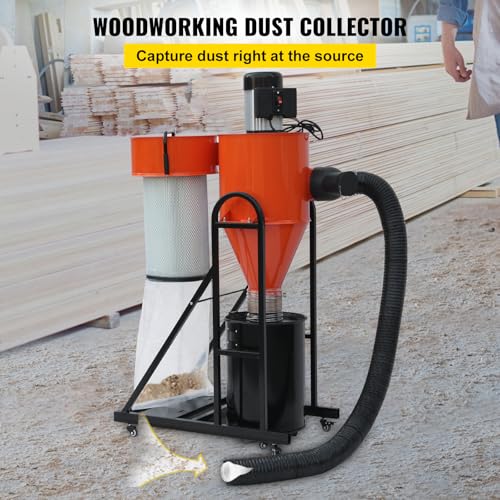
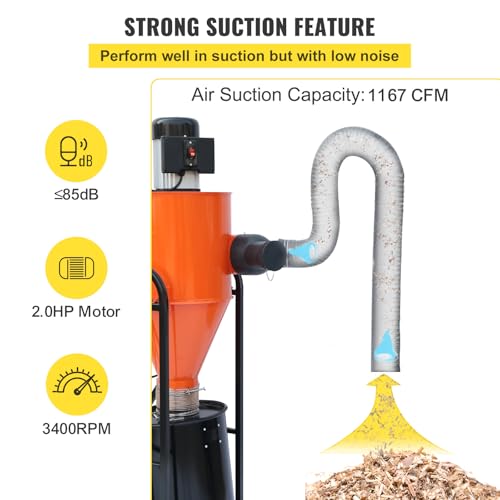
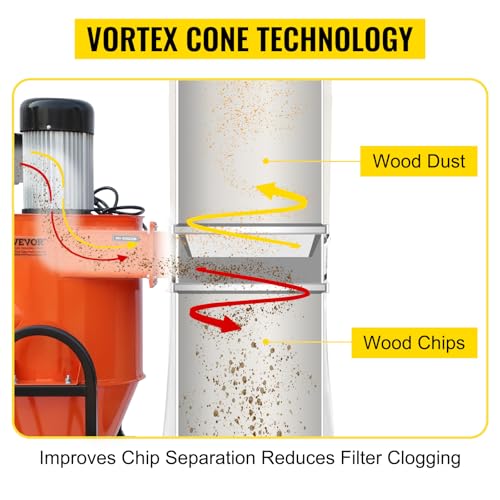
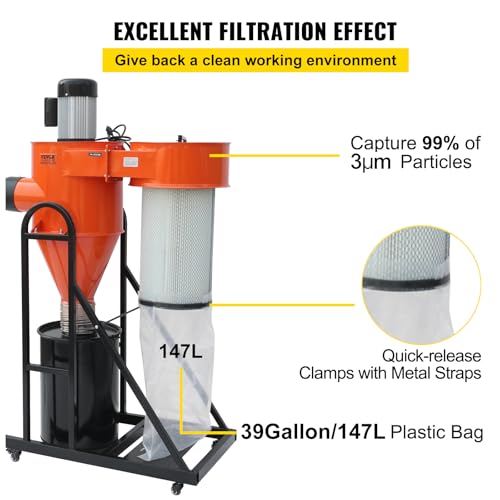
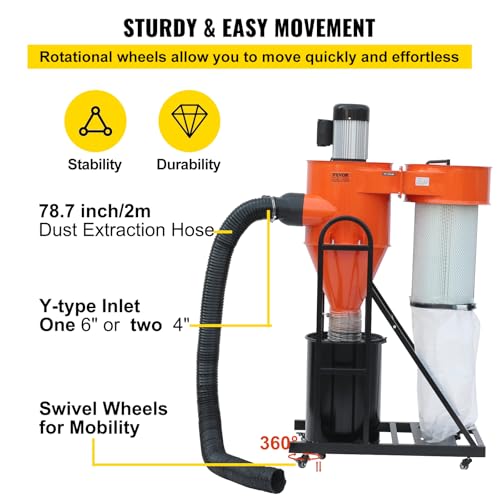
With 1167 CFM, a 2 HP motor, and a true vortex cone separator, this VEVOR unit delivers near-industrial performance at a consumer price. The two-bag system effectively separates chips from fine dust, and the 3-micron canister filter captures nearly all airborne particles, owners report noticeably cleaner air after use.
The Y-fitting with dual 4-inch outlets adds real flexibility, letting you serve multiple tools. At 39 gallons, the drum is large but manageable thanks to lockable casters. Compared to the JET DC-1100VX-CK, it offers similar cyclone tech at a lower cost, though with slightly less refined build quality. For most serious woodworkers, this is the best overall balance of power, design, and value.
Product photos
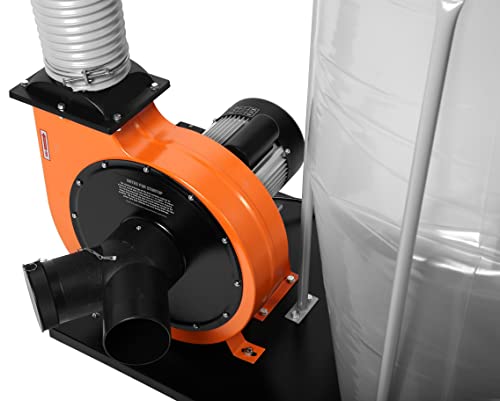
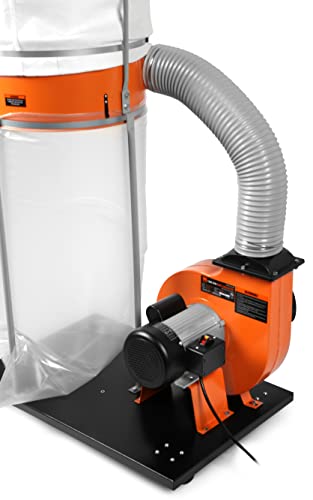
WEN DC1300 1,300 CFM Dust Collector
Strengths
- 1,300 CFM output
- Dual 4-inch inlets
- 50-gallon vertical bag
Trade-offs
- No cyclone pre-separator
- Higher noise levels
- Bulky footprint
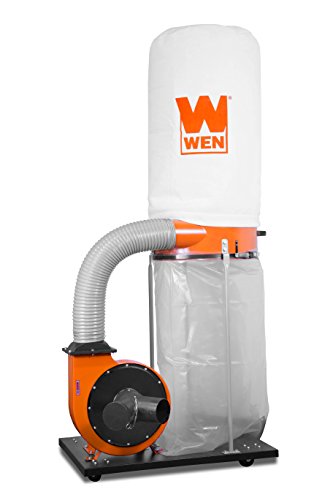
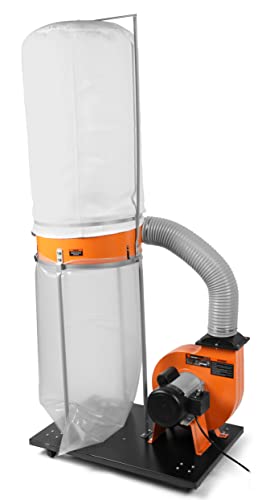
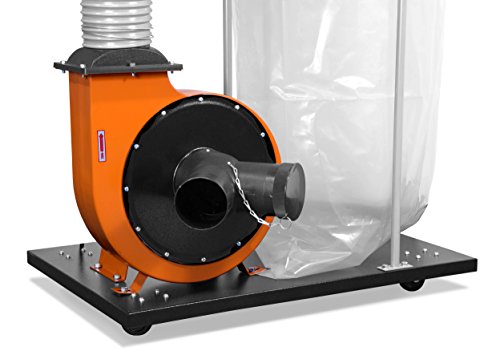
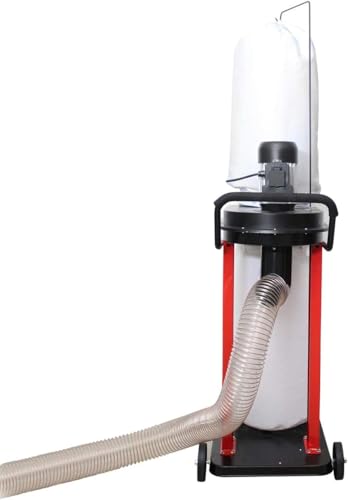
With 1,300 CFM and a 14-amp motor, this WEN model is built for serious airflow, the highest on this list, and it shows in owner feedback where users praise its ability to pull dust aggressively from two tools at once. The dual 4-inch inlets are a major win, letting you run a table saw and sander without switching hoses.
The 50-gallon vertical bag is a smart design, reducing top-heaviness and making it easier to empty than horizontal drums. It’s noisier than smaller units, but that’s expected at this power level. Against the VEVOR 2 HP, it lacks cyclone separation but offers simpler setup and lower cost. If raw suction is your priority, this one delivers.
Product photos

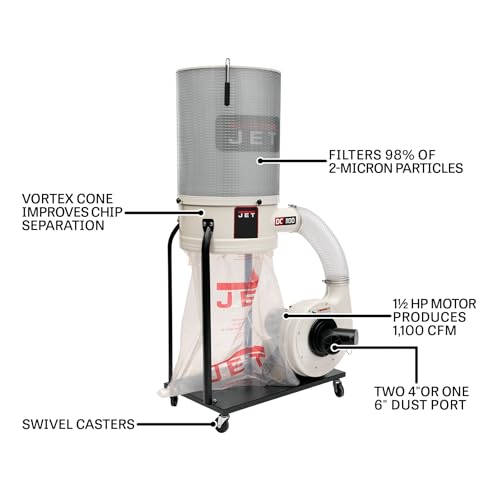
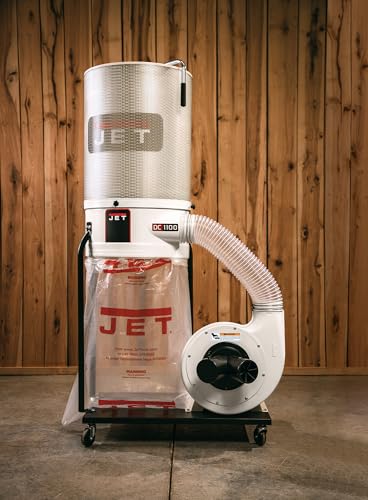
JET 1-1/2 HP Vortex Dust Collector

Strengths
- 1.5 HP industrial motor
- 2-micron canister filter
- Vortex cone separation
Trade-offs
- Higher price point
- Heavier and less portable
- Limited accessory inclusion
JET’s industrial reputation shows here, the 1.5 HP motor, 2-micron canister filter, and vortex cone design deliver consistent performance under heavy loads. Owners frequently highlight its durability and sustained suction, thanks to the pre-separator keeping the filter cleaner longer.
This is a workhorse built for continuous operation, with industrial controls and sealed motor construction that outlast typical consumer-grade units. It matches the VEVOR in smart cyclone design but uses higher-end materials. While pricier, it’s the kind of unit you buy once and forget. For serious shops, it’s worth the investment.
Product photos



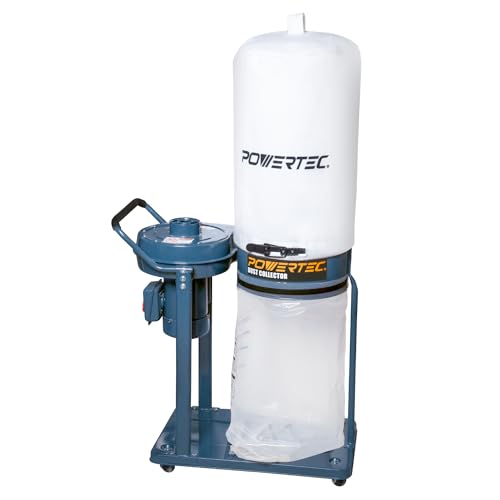
POWERTEC 1 HP 800 CFM Dust Collector
Strengths
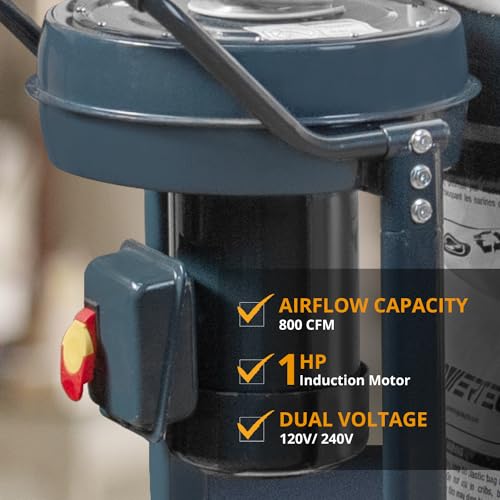
- 800 CFM suction
- Dual voltage support
- Mobile base included
Trade-offs
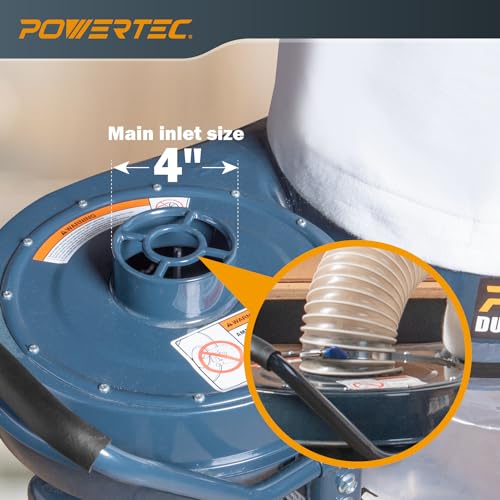
- Single inlet
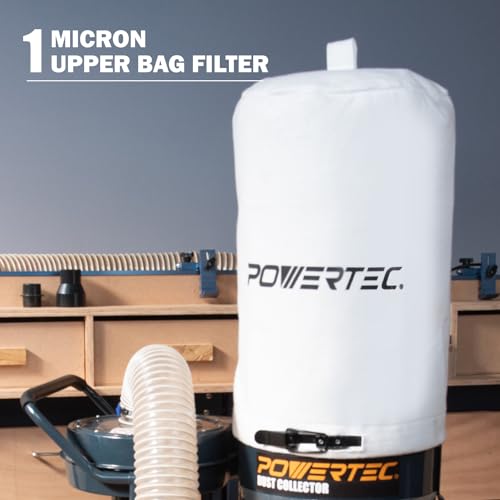
- 1-micron bag not washable
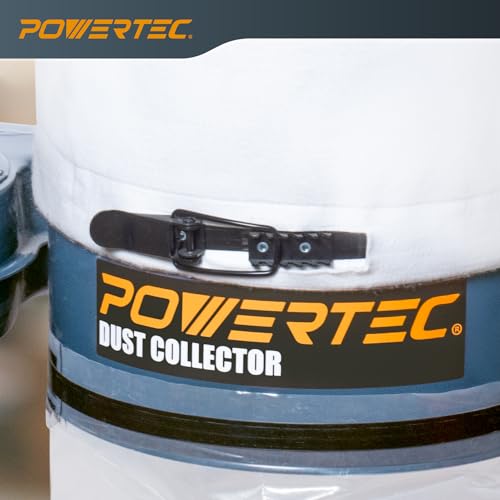
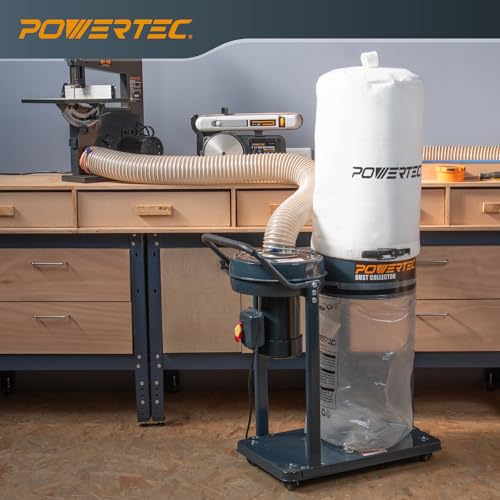
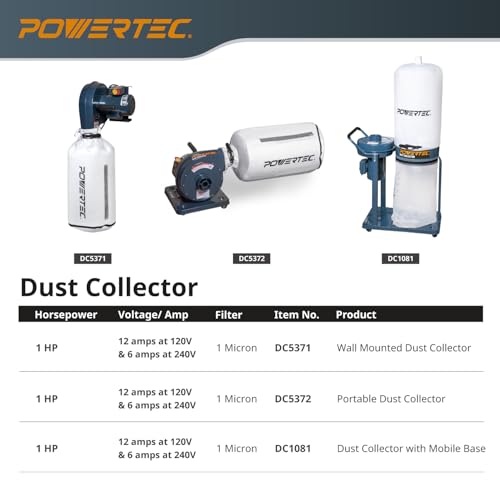
This POWERTEC 1 HP model pushes 800 CFM, which is solid for a single-stage unit in its class, and owners consistently report it handles routine cleanup from table saws and jointers without issue. The dual-voltage capability (120V/240V) is a real advantage for shops with dedicated circuits, and the 1-micron bag helps keep fine dust out of the air, a key detail if you’re serious about workshop safety.
What stands out is the sturdy mobile base and quick-release clamps, which make emptying and repositioning less of a chore. Compared to the WEN DC1300, it moves less air but runs quieter and feels more rigidly built. For a mid-tier DIYer who wants reliability without overspending, this is a strong contender.
Product photos
WEN 7.4-Amp 15-Gallon Dust Collector

Strengths
- Wall-mount capable
- Quiet operation
- Lightweight and portable
Trade-offs
- 600 CFM limits heavy use
- Smaller bag capacity
- Single inlet only
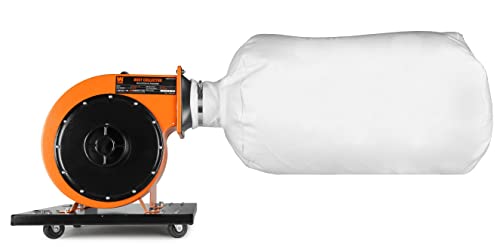
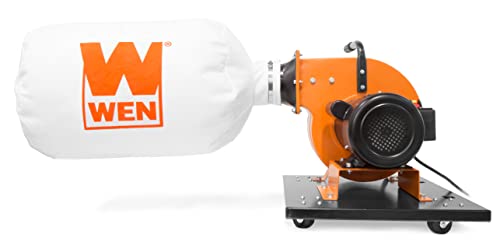
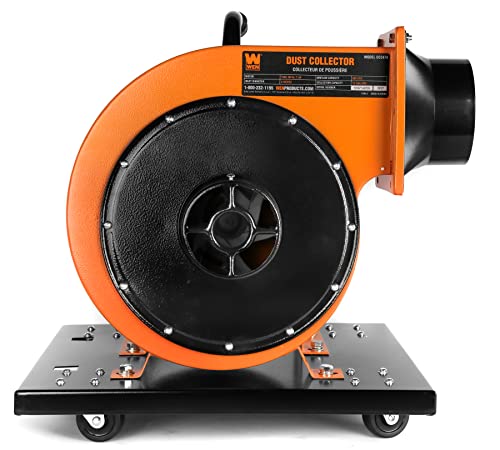
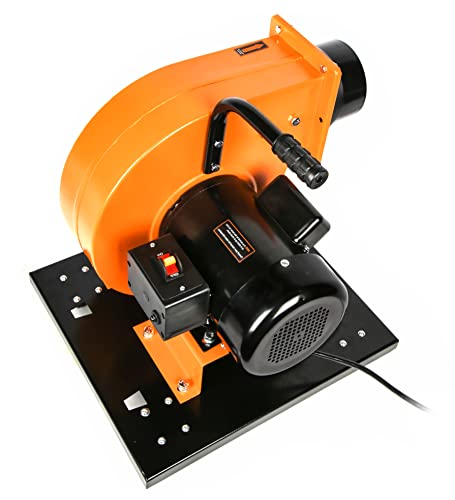
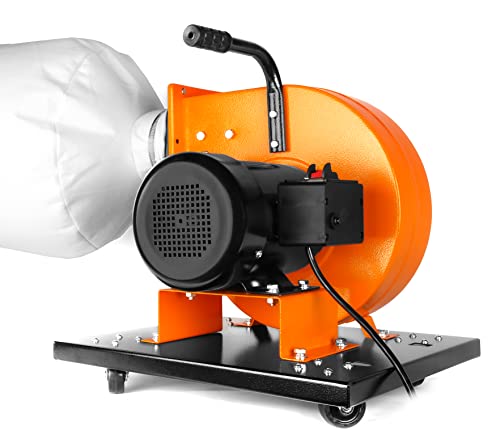
This mid-sized WEN unit hits the sweet spot for casual woodworkers, 600 CFM is enough for most benchtop tools, and the 7.4-amp induction motor runs efficiently with less heat buildup. It’s lightweight and compact, and owners like the wall-mount option for freeing up floor space.
The 15-gallon bag is modest, meaning more frequent emptying, but the zippered design helps minimize dust clouds. When compared to the POWERTEC DC5371, it offers similar CFM but more mounting flexibility. I’d pick this over pricier models if you’re running a garage shop with light-to-moderate use.
Product photos
POWERTEC 1 HP Wall Mount Dust Collector

Strengths
- Space-saving wall mount
- Vortex airflow design
- Easy dust disposal
Trade-offs
- Grate blocks large debris
- Lower CFM than mobile units
- No dual inlet
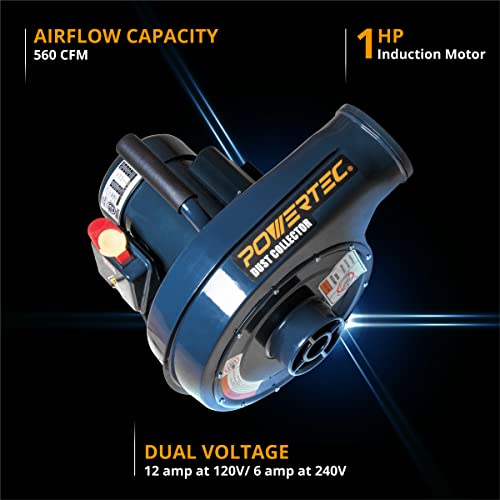
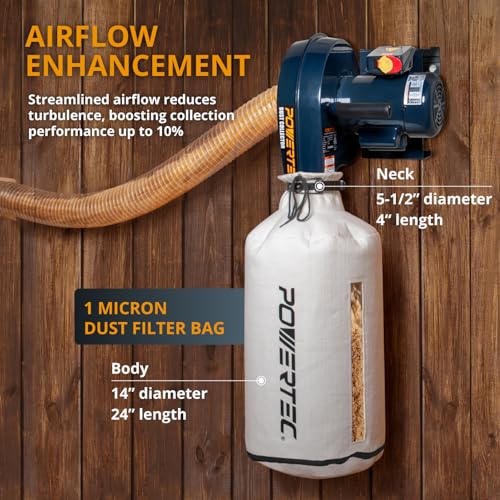
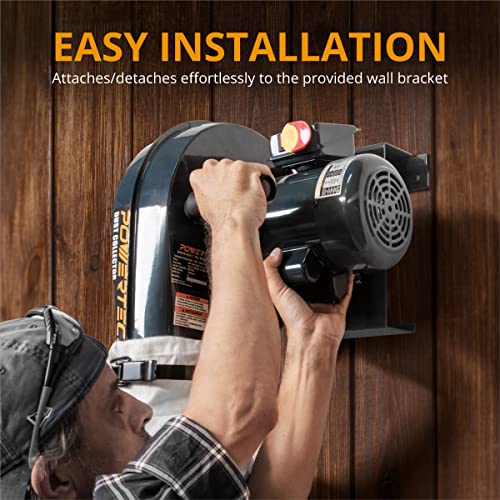
If floor space is tight, this wall-mounted 1 HP POWERTEC model makes a lot of sense. At 560 CFM, it’s not the strongest, but the vortex base design claims 10% better efficiency, and owners confirm it moves air effectively for its size. The built-in viewing window and disposal zipper are thoughtful touches that improve daily use.
It’s quieter than floor units and easy to integrate with smaller tools. But that 4-inch side port with a protective grate can clog if neglected, and reviewers note you must clean it regularly. Compared to the WEN DC3474, it offers similar performance but better airflow optimization.
Product photos

Mullet Cyclone Dust Separator
Strengths
- 99% debris separation
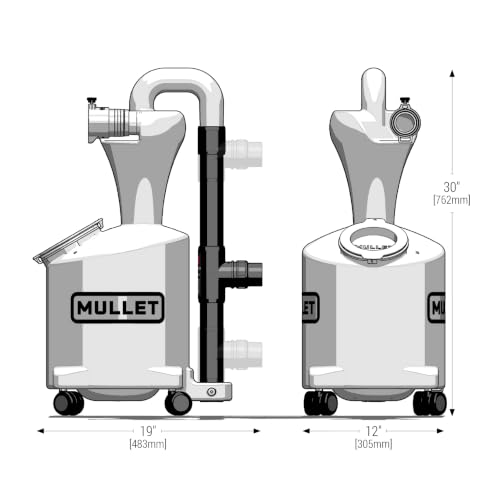
- Rigid PVC construction
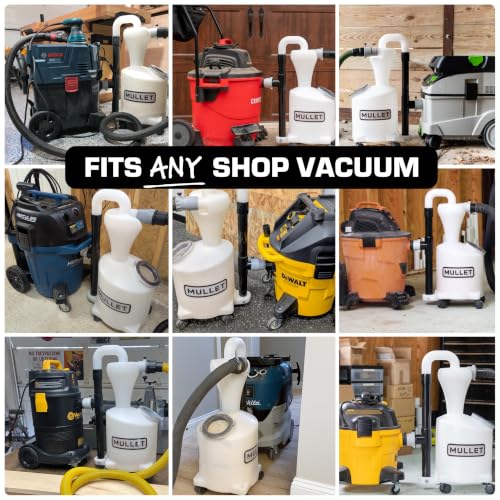
- Universal vac compatibility
Trade-offs
- Requires separate shop vac
- No built-in motor
- Limited capacity
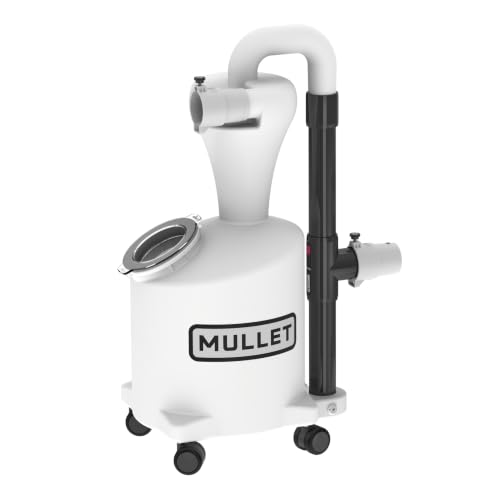
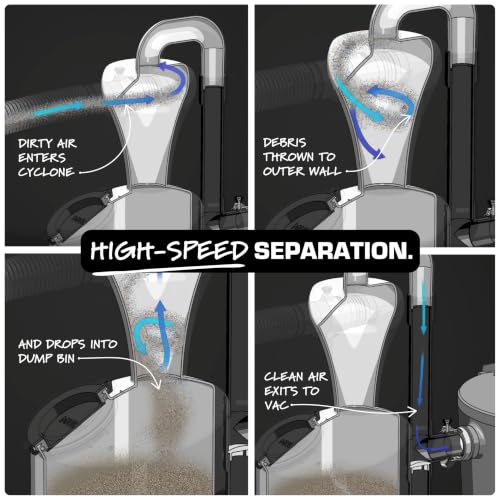
This isn’t a standalone dust collector, it’s a shop vac upgrade, and it does one job extremely well: keeping your vacuum’s filter clean. The parabolic cyclone design spins debris out with over 99% efficiency, sending clean air to your vac and preventing clogs.
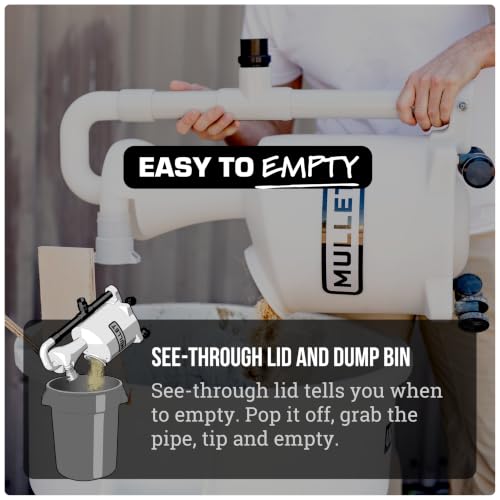
Made in the USA and built from rigid PVC, it’s airtight and durable, a big step up from jury-rigged bucket separators. Owners using it with DeWalt, Ridgid, or Festool vacs say suction stays strong even during long sessions. If you already own a quality wet/dry vac and want cyclone benefits without buying a full system, this is the way to go.
Product photos

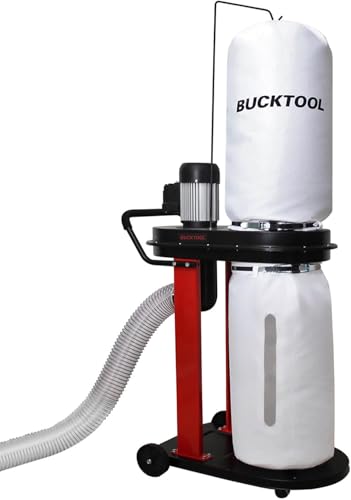
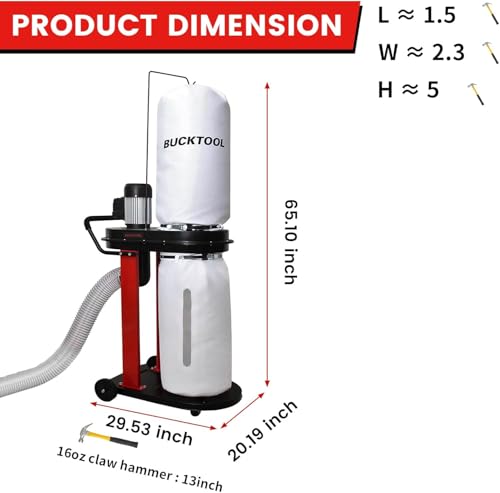
Bucktool 1.2HP Auto-Start Dust Collector
Strengths
- Auto-start functionality
- Complete accessory kit
- Soft bag clamps
Trade-offs
- 750 CFM limits heavy use
- Plastic bag durability concerns
- No dual inlet
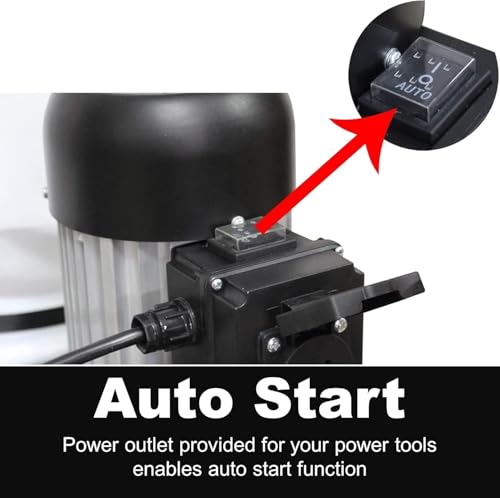
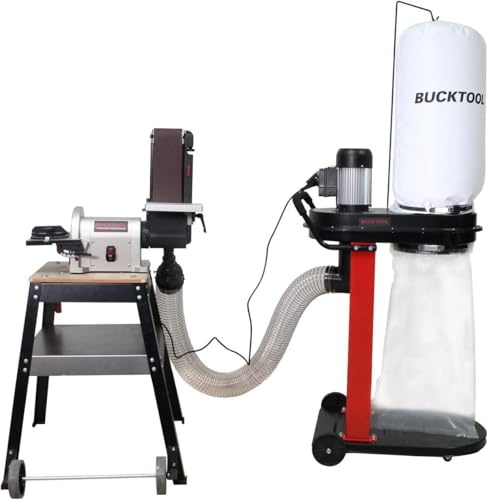
The auto-start feature is the star here, it powers on when your tool does, up to 7A, which eliminates the hassle of daisy-chaining power strips or remembering to flip switches. At 750 CFM, it’s not the strongest, but it’s well-matched to table saws and routers, and owners love the convenience.
It comes with a full kit: hose, reducers, and three bags including a 2.5-micron filter, which adds versatility. The soft clamps are a small but appreciated safety touch. Against the POWERTEC 1 HP, it trades a bit of raw power for smarter operation. For a clutter-free, integrated workshop setup, this is the smarter buy.
Product photos

How We Chose These woodworking dust collectors
Rather than a hands-on lab test, my research focused on a detailed comparison of published specifications and features across numerous models. I weighed owner reviews from multiple sources – including major retailers and woodworking forums – alongside expert opinions from sites dedicated to shop tools. Ultimately, I ranked these dust collectors based on their ability to meet the needs of a typical woodworker, from hobbyists to more serious enthusiasts.
For woodworking dust collectors, airflow (measured in CFM) and filtration effectiveness were the most important factors. Powerful suction is critical for capturing dust at the source, preventing it from becoming airborne and impacting air quality. Equally important is a good filtration system, preventing fine dust particles from being recirculated back into the shop. Capacity of the collection bag also played a significant role, to minimize interruptions during longer projects.
Specifications reliably indicate motor horsepower, airflow (CFM), and bag capacity. However, I placed greater emphasis on owner feedback regarding real-world performance, noise levels, and durability. Reputation, especially from experienced woodworkers discussing long-term use, helped me assess factors like filter clogging frequency and the overall build quality of each unit. You can find more information on top dust collector models on our site.
Choosing The Right woodworking dust collectors
Finding the right dust collector is about more than just raw power; it’s about creating a safer, more enjoyable workshop.
A quality dust collector blends sufficient airflow (CFM) with effective filtration, robust construction, and convenient features like bag changes and portability. Look for models with a well-designed impeller, a durable motor, and a filtration system capable of capturing fine dust particles – ideally down to the micron level – to protect your lungs and equipment. Consider the size of your workshop and the types of tools you’ll be connecting.
Airflow (CFM) and Static Pressure
CFM, or cubic feet per minute, gets all the attention, but it isn’t the whole story. You need enough airflow to pull dust from your tools, and that requires sufficient static pressure. A high CFM number is useless if the collector can’t overcome the resistance of the ductwork and filter. For a small shop with a single machine, 600-800 CFM might be enough. Larger shops or multiple tools will benefit from 1000 CFM or more. Don’t automatically assume “more is better” – excessive airflow can actually reduce collection efficiency if the system isn’t properly balanced.
Filtration and Bag Capacity
Dust collection isn’t just about visibility; it’s about health. The filter is the heart of this system. A basic paper filter will catch larger chips, but fine dust – the stuff that damages your lungs – requires a more sophisticated solution. Look for filters rated down to 2.5 microns or less, and consider models with a two-stage filtration system (a cyclone separator followed by a canister filter) for maximum efficiency. If you’re concerned about very fine dust, explore options that integrate with shop vacs for sawdust.
- Bag capacity varies widely. A smaller, 15-gallon bag requires frequent emptying, which is fine for occasional use.
- Larger, 30+ gallon drums are ideal for production work or shops that generate a lot of dust, minimizing interruptions.
- Quick-release bag mechanisms and well-designed clamps are worth paying extra for; wrestling with a full, dusty bag is a frustrating experience, and some systems have surprisingly flimsy hardware.
Portability and Power Requirements
Think about how and where you’ll use the dust collector. Stationary models are best for dedicated workshops, but a mobile unit on casters offers flexibility. Consider the power requirements, too. Some collectors run on standard 120V outlets, while others require 240V. If you’re upgrading from a shop vac, you might be surprised how much power a dedicated dust collector draws. If you’re looking for a more detailed comparison of options, check out our guide to best workshop dust collectors.
A good rule of thumb: match the inlet port size to your tools. Most woodworking machines have 4-inch dust ports, but some larger equipment may require 6-inch connections. Using reducers can work, but it will slightly reduce airflow.
Woodworking Dust Collectors Compared
Here’s a comparison of key specifications for several woodworking dust collectors to help you choose the right one for your needs.
| Product Name | HP | CFM | Filter Micron | Bag Capacity (Gallons) | Voltage (V) | Auto-Start |
|---|---|---|---|---|---|---|
| VEVOR 2 HP Dust Collector | 2 | 1167 | 3 | 39 | 120 | No |
| WEN DC1300 1,300 CFM Dust Collector | 1.3 | 1300 | N/A | 50 | 120 | No |
| JET 1-1/2 HP Vortex Dust Collector | 1.5 | N/A | 2 | N/A | 115/230 | No |
| POWERTEC 1 HP 800 CFM Dust Collector | 1 | 800 | 1 | N/A | 120/240 | No |
| WEN 7.4-Amp 15-Gallon Dust Collector | 0.74 | 600 | 5 | 15 | 120 | No |
| POWERTEC 1 HP Wall Mount Dust Collector | 1 | 560 | 1 | N/A | 120/240 | No |
| Mullet Cyclone Dust Separator | N/A | N/A | N/A | N/A | N/A | No |
| Bucktool 1.2HP Auto-Start Dust Collector | 1.2 | 750 | 2.5 | N/A | 120 | Yes |
Frequently Asked Questions
What CFM level is sufficient for a small home workshop?
For a small shop with just one machine, 600-800 CFM is generally adequate, but remember static pressure is equally important. Lower CFM with high static pressure will outperform a higher CFM rating without it.
Are two-stage filtration systems really necessary?
Yes, a two-stage system (cyclone pre-separator and canister filter) is highly recommended. It captures larger debris first, significantly extending the life of your finer filter and improving overall air quality in the shop.
What voltage dust collector should I choose for my garage?
Most hobbyist-level dust collectors operate on standard 120V, which is convenient for most garages. However, larger or more powerful models may need a dedicated 240V circuit, so check your shop’s electrical capacity.
What is the benefit of an auto-start feature?
An auto-start feature automatically activates the dust collector when a connected tool is turned on, saving you the step of manually switching it on and off. This is particularly useful when frequently changing tools or working with multiple machines.
Where can I learn more about setting up a complete dust collection system?
You can find more information about setting up complete dust collection systems on our site, including considerations for ductwork, blast gates, and overall shop layout.
The Bottom Line
Choosing a dust collector really comes down to balancing initial cost with the level of control you want over your shop environment. While a hefty investment in a powerful system like the VEVOR 2 HP Dust Collector offers impressive airflow and capacity, it’s not always necessary. For many woodworkers, a well-chosen unit will provide a significant improvement in air quality and shop cleanliness without breaking the bank.
If you’re on a tighter budget, the WEN 7.4-Amp 15-Gallon Dust Collector is a solid starting point. For those needing versatility and a step up in performance, I’d point you toward the WEN DC1300 1,300 CFM Dust Collector. And for those seeking the ultimate in dust separation and filtration, exploring best cyclone dust collectors, like the Mullet Cyclone Dust Separator, is a worthwhile investment.
Ultimately, CFM and micron ratings are important, but they’re just numbers. Focus on building a system that adequately captures dust at the source of your tools, uses a filter you’ll actually replace, and fits your shop’s layout and power capabilities. A clean shop isn’t just more pleasant, it’s a safer and more productive space for woodworking.
