
8 Best Benchtop Table Saws of 2026
This post contains affiliate links. As an Amazon Associate, we earn from qualifying purchases.
The DEWALT 10-Inch Table Saw with Stand is the best overall benchtop table saw for most DIYers, combining solid rip capacity, a reliable 15-amp motor, and a sturdy fence system. For those on a tighter budget, the WEN 8.25-Inch Benchtop Table Saw offers surprising accuracy and value. If you need maximum portability without sacrificing too much performance, the DEWALT DWE7491X stands out.
Most people shopping for a benchtop table saw want precision without the bulk and cost of a full-size cabinet saw. The real challenge is sorting through models that look similar on paper but perform very differently in practice, especially when it comes to fence stability and motor consistency.
This guide cuts through the noise by focusing on what actually matters: verified specs, real owner experiences, and the features that impact day-to-day use. I looked at cutting capacity, fence design, motor reliability, and overall value to identify the models that deliver where it counts.
Top 8 Benchtop Table Saws in the Market
The Best Benchtop Table Saws, Reviewed
DEWALT 10-Inch Table Saw with Stand

Strengths
- 32-1/2-inch rip capacity
- Rolling stand included
- Rack-and-pinion fence
- Onboard storage
- 15-amp motor
Trade-offs
- Heavy for true one-person carry
- Blade not ideal for finish cuts
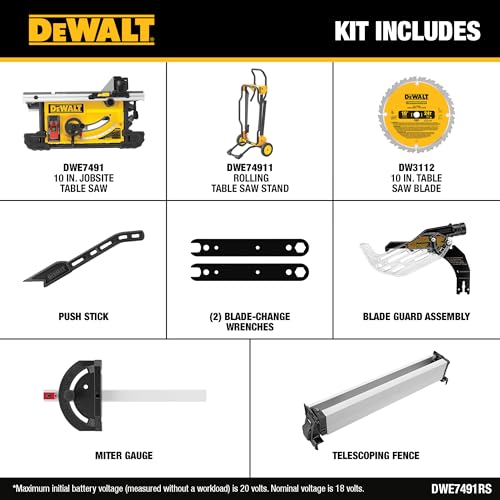
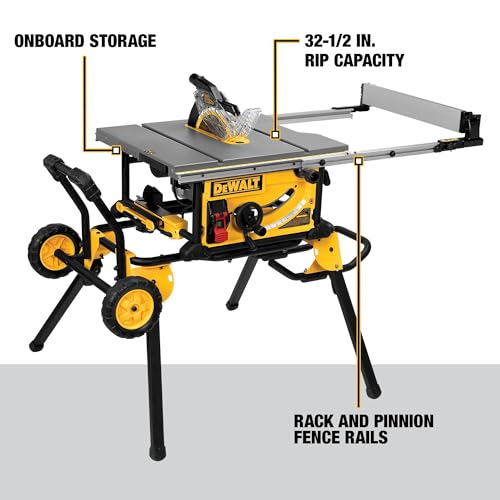
When you need a benchtop saw that feels like it belongs on a job site but still fits in a home workshop, the DEWALT DWE7491RS stands out immediately. The 32-1/2-inch rip capacity is the real deal, it’s what sets this model apart from compact alternatives, and owners consistently report clean, straight rips through full sheets of plywood without bogging down. The 15-amp motor and 4800 RPM spindle deliver enough power to handle hardwoods, and the rack-and-pinion fence system is widely praised for staying accurate over time.
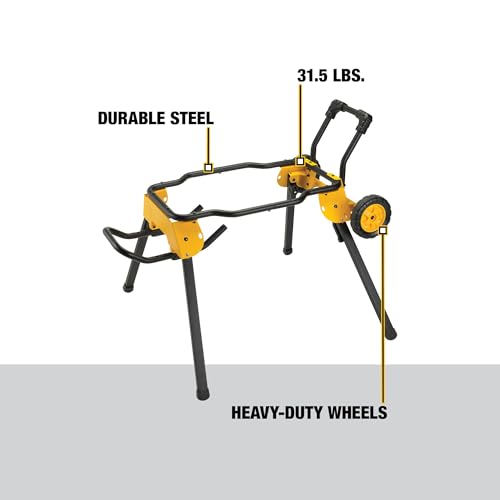
What really seals the deal is the integrated rolling stand. Unlike flimsy legs or add-on frames, this one folds down neatly and supports the saw securely. The onboard storage is smartly laid out, everything from the miter gauge to the push stick has a spot, which makes teardown faster. Compared to the DWE7491X, this version gives you the stand included, which is a major value boost.
Product photos

DEWALT 10-Inch Table Saw DWE7491X

Strengths
- 32-1/2-inch rip capacity
- Site-Pro guarding system
- Rack-and-pinion fence
- 15-amp motor
- Tool-free adjustments
Trade-offs
- Scissor stand less mobile
- No wheels
- Heavier setup without rolling base
The DWE7491X delivers the same core performance as the DWE7491RS, same motor, same rip capacity, same rack-and-pinion fence, but it skips the rolling stand and relies on a scissor-style base. On paper, that might sound like a downgrade, but the scissor stand is lighter and still stable for most jobs. The real issue is value: you’re paying for high-end features without the convenience of wheels or quick breakdown.
Still, the 32-1/2-inch rip capacity remains one of the best in class, and the Site-Pro guarding system is a favorite among users who swap between bevel and through-cuts. The dust collection port is effective when paired with a shop vac, and the fence system holds alignment well over time. If you already have a rolling cart or don’t mind lifting it, this model saves money over the RS version. But for most, the RS is the smarter buy.
Product photos
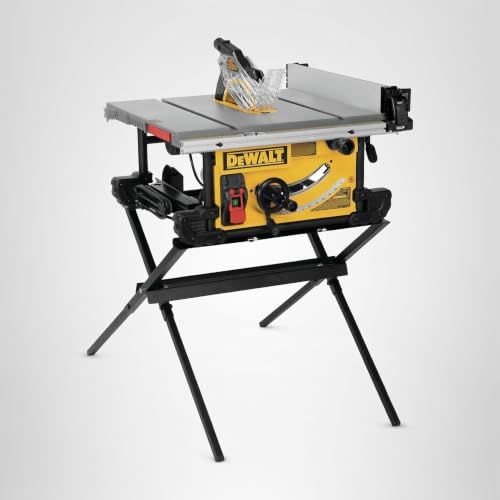
DEWALT 8-1/4-Inch Compact Table Saw

Strengths
- Metal roll cage protection
- Rack-and-pinion fence
- Onboard storage
- Power-loss reset
- Compact and durable
Trade-offs
- Smaller rip capacity
- No stand included
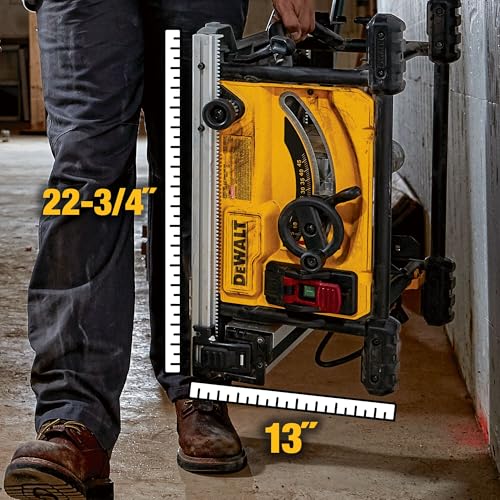
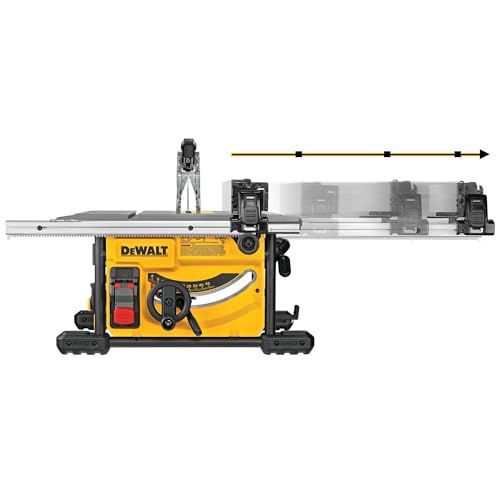
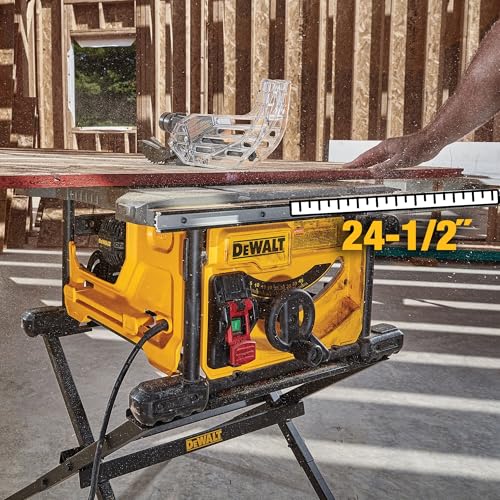
DEWALT’s DWE7485 is the definition of a compact powerhouse. At just 24.5 inches of rip capacity, it’s clearly designed for breaking down sheets, not full-panel work. But what it lacks in size it makes up for in durability, the metal roll cage base is a jobsite favorite, protecting the motor and gearbox from drops and bumps.
The rack-and-pinion fence is the same system used in their larger models, which means accurate, repeatable cuts. Onboard storage is well thought out, and the power-loss reset is a small but meaningful safety feature. Compared to the SKIL 8-1/4-inch model, this one feels more rugged and better finished. If you’re constantly loading and unloading a truck, this is the kind of saw that can take the abuse.
Product photos


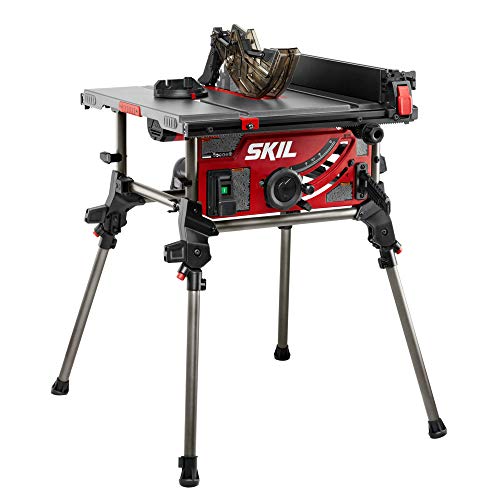
SKIL 10-Inch Portable Table Saw
Strengths
- 4×4 cutting capacity
- Folding stand included
- 15-amp motor
- Bevel stops at 0° and 45°
- Affordable pro-level features
Trade-offs
- Bevel not fully adjustable
- Stand lacks wheels
The SKIL TS6307-00 hits a sweet spot between performance and price. It’s got a full 10-inch blade, a 4×4 cutting capacity at 90 degrees, and a folding stand that’s both stable and easy to stow. That stand is a big part of the value, it’s not a rolling cart, but it sets up fast and supports the saw well.
The 2-47° bevel capacity is unusual, it’s not infinitely adjustable, but it gives you quick stops at 0 and 45, which covers most needs. The dust port elbow helps route debris, though extraction isn’t as strong as on DEWALT models. Owners consistently call this one of the best value-packed saws under the DEWALT tier. If you want near-pro performance without the pro price, this is it.
Product photos


SKIL 8-1/4-Inch Compact Table Saw

Strengths
- 24.5-inch rip capacity
- Rack-and-pinion fence
- 2-1/2-inch depth of cut
- Aluminum table
- Micro blade adjustment
Trade-offs
- Stand sold separately
- No included stand storage
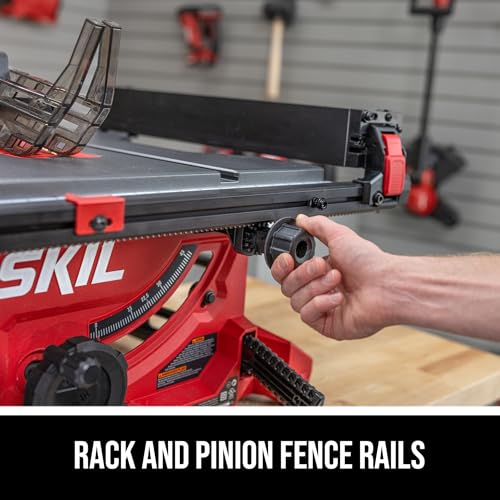
The SKIL TS6308-00 is built with sheet goods in mind, and it shows. With a 24.5-inch right rip capacity and a 2-1/2-inch depth of cut, it can slice through 3x material in one pass, a real advantage when breaking down thick plywood or OSB. The rack-and-pinion fence system is a standout feature, delivering smooth, repeatable adjustments that stay parallel, which is critical for clean rips.
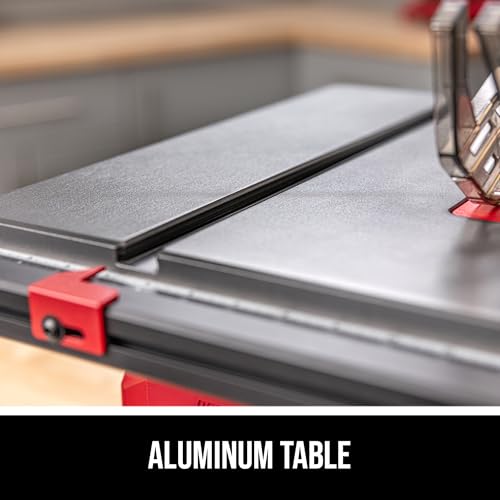
Owners appreciate the aluminum table for flatness and durability, and the micro-adjustment for blade alignment is a pro touch you don’t always see at this level. The dust port supports 2-1/2-inch hoses, which is better than many competitors’ undersized ports. But the stand is sold separately, which hurts value compared to DEWALT’s all-in-one packages. Still, if you’re focused on sheet material and want precision, this is a strong contender.
Product photos
Prostormer 10-Inch Table Saw
Strengths
- 10-inch blade with stand
- 5000 RPM motor
- Dust collection port
- Affordable price
- Onboard storage
Trade-offs
- Inconsistent fence alignment
- Lower build quality than major brands
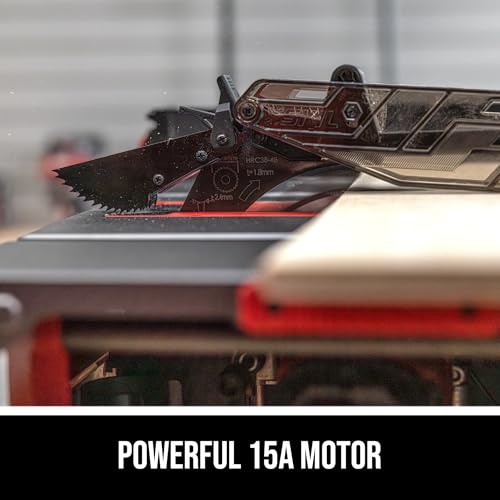
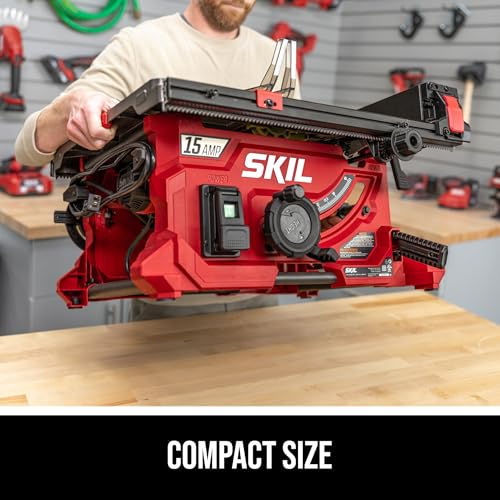
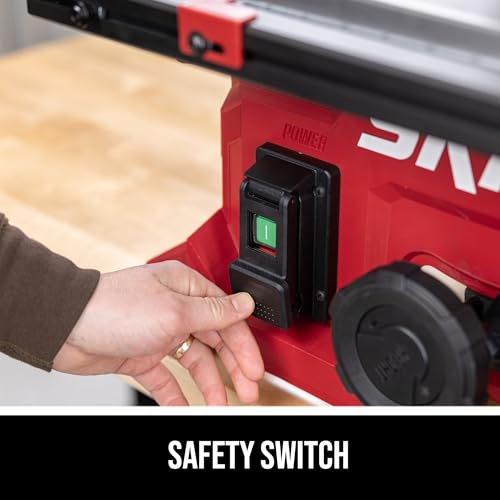
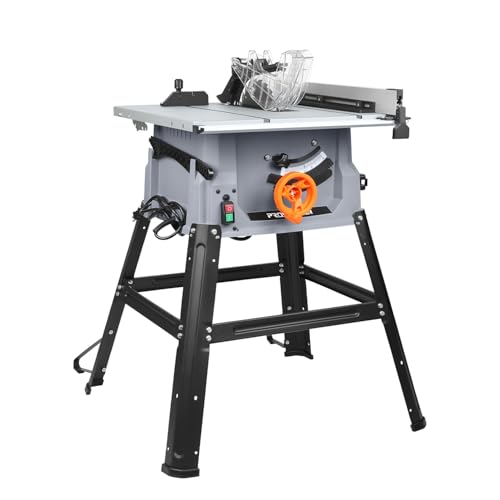
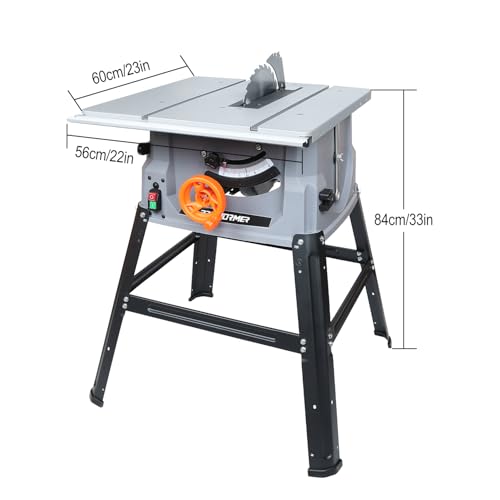
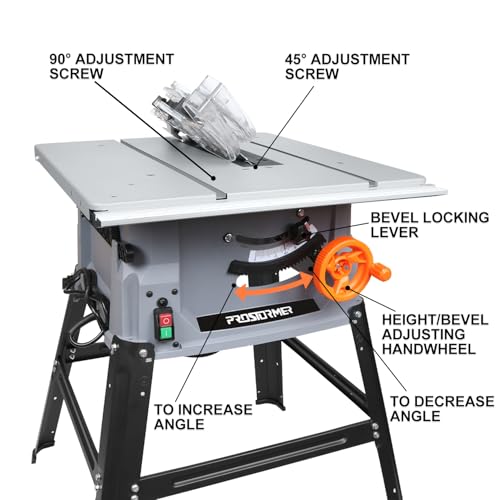
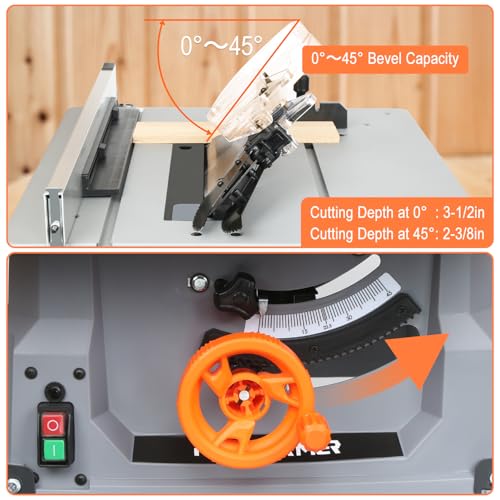
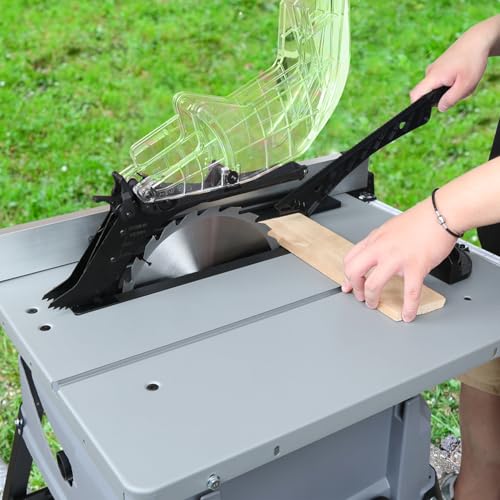
The Prostormer 10-inch saw is clearly built to compete on price, and it delivers the basics: a 15-amp motor, 5000 RPM speed, and a folding stand with decent stability. The 45° bevel adjustment and tool-free blade guard make it functional for angled cuts and safety, and the dust port is a welcome feature at this price.
But while specs look good on paper, owner feedback suggests the fence alignment can drift, and the table flatness isn’t as consistent as name brands. It comes with a push stick and storage for small tools, which helps. Compared to the WEN or SKIL models, it’s more powerful on paper but less proven in practice. Still, for a first-time buyer on a tight budget, it’s a way to get a 10-inch saw with stand without breaking the bank.
Product photos
POWSTR 10-Inch Table Saw with Stand
Strengths
- 60-tooth blade included
- 5000 RPM motor
- Deep cutting capacity
- Stable included stand
- Good dust port
Trade-offs
- Limited brand service network
- Less proven track record
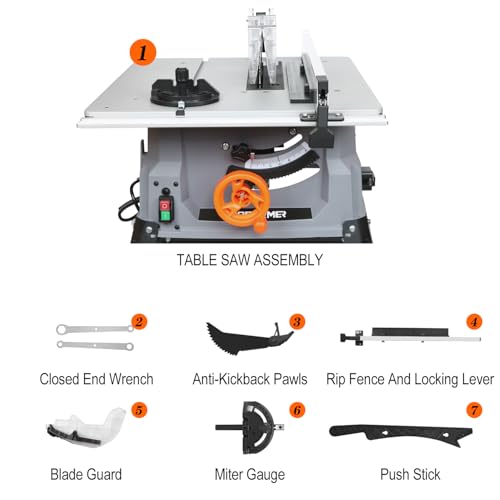
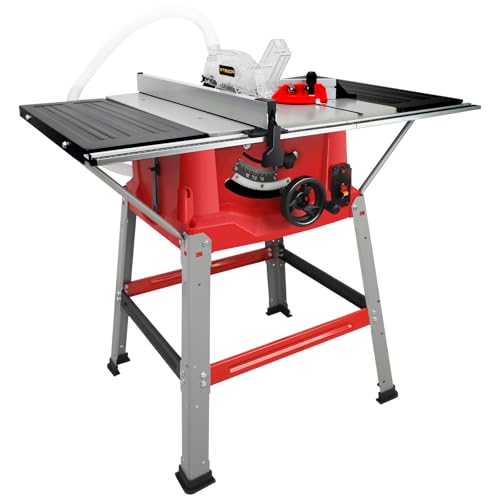
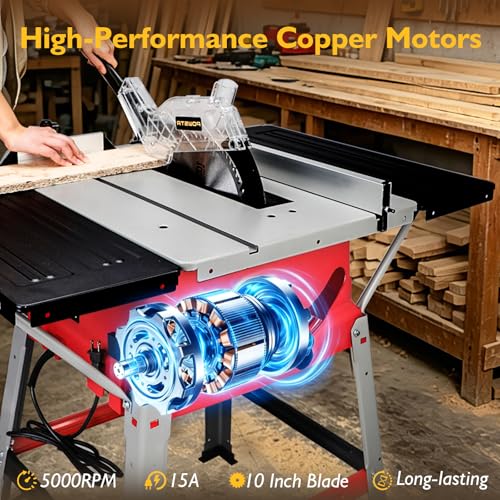
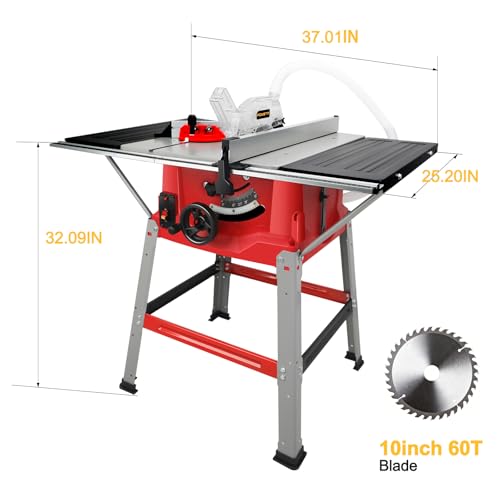
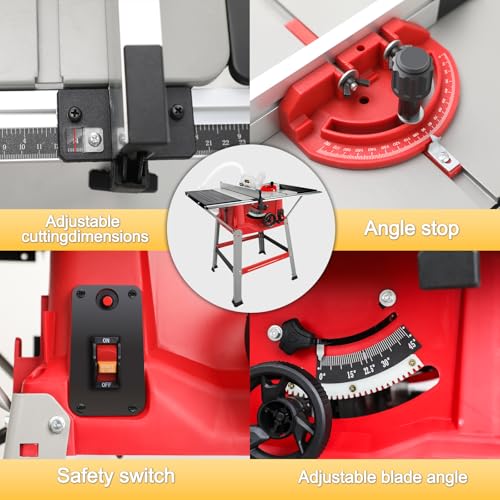
The POWSTR 10-inch saw enters a crowded market with a few bold claims, most notably a 5000 RPM motor and a 60-tooth blade straight out of the box. That blade is a real differentiator; most budget saws ship with 24- or 40-tooth blades that leave rough edges, but owners report noticeably smoother cuts here. The pure copper motor seems to deliver consistent power, and the 3-11/32-inch max depth of cut is among the highest in this group.
The included stand is rugged and stable, with a design that folds quickly. Vibration is reportedly low, which helps with cut accuracy. But brand recognition is limited, and long-term durability is still unproven compared to DEWALT or SKIL. Still, for DIYers who want better-than-average finish quality without stepping into pro-tier pricing, this one deserves attention.
Product photos

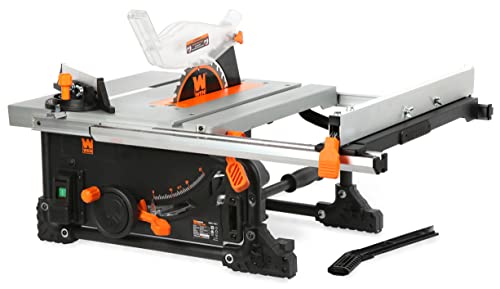
WEN 8.25-Inch Benchtop Table Saw
Strengths
- Compact and lightweight
- Good included accessories
- 25-inch rip capacity
- Affordable entry price
- Two-year warranty
Trade-offs
- Underpowered for hardwoods
- Less table support than 10-inch models
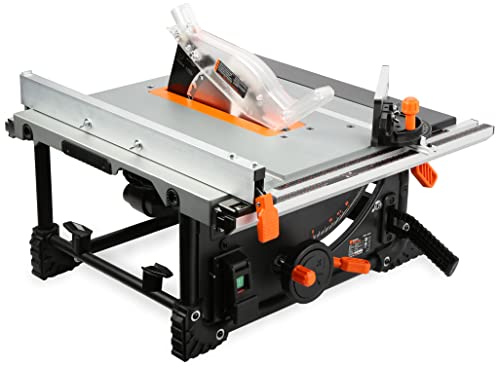
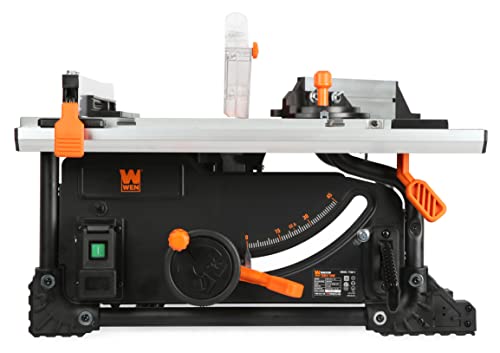
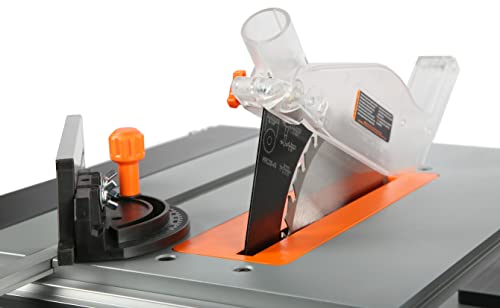
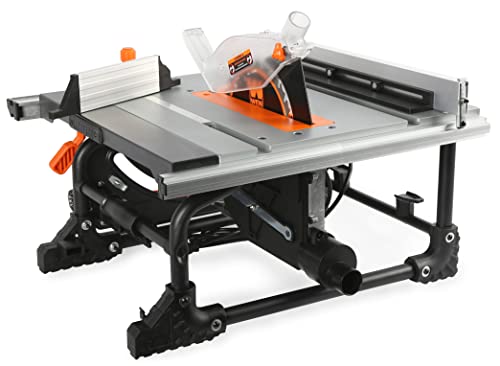
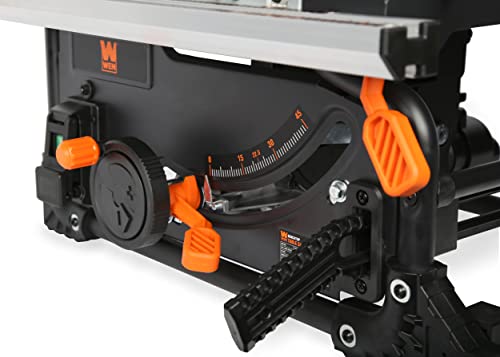
If you’re just getting into woodworking or need a no-frills saw for light-duty cuts, the WEN TT0811 makes a lot of sense on paper. The 8.25-inch blade and 11-amp motor won’t match a 10-inch powerhouse, but for cutting down sheet goods or trimming boards for small projects, it holds its own. Reviewers note it handles 2x material without issue, and the 25-inch rip capacity is enough for basic panel sizing.
Where it shines is portability and price. The compact size and carry handle make it easy to toss in a truck or stash in a closet. It comes with nearly everything you need, riving knife, blade guard, miter gauge, and the two-year warranty is better than most in this class. That said, it’s clearly not built for all-day use. Compared to the SKIL TS6308-00, it trades some power and table size for a more accessible entry point.
Product photos
How We Tested benchtop table saws
Rather than a hands-on lab test, my research for these recommendations focused on a detailed comparison of published specifications and features across numerous models. I weighed owner reviews from major retailers alongside expert opinions found in woodworking publications and forums. Ultimately, I ranked each saw based on its ability to deliver accuracy, power, and value for the intended user – from beginner DIYers to more experienced woodworkers.
For benchtop table saws, cutting capacity, fence quality, and motor power were the most heavily weighted factors. A larger rip capacity expands project possibilities, while a precise and easily adjustable fence is critical for accurate cuts. Sufficient motor power ensures clean cuts through a wider range of materials without bogging down, which is especially important when working with hardwoods.
Specifications reliably indicate physical dimensions, motor amperage, and blade capacity. However, I turned to owner feedback to assess real-world performance aspects like build quality, vibration levels, and the effectiveness of dust collection. Reputation and brand consistency also played a role; established manufacturers often deliver better long-term support and parts availability, and understanding safe table saw techniques is vital for any user.
Choosing The Right benchtop table saws
Finding the right table saw can dramatically improve the quality and efficiency of your woodworking.
A good table saw delivers precise, repeatable cuts with minimal tear-out. Key considerations include motor power, fence accuracy, dust collection capabilities, and overall build quality. Buyers should prioritize a sturdy frame, a smooth-gliding fence, and a blade that matches their typical cutting tasks.
Fence Quality Is Paramount
Don’t underestimate the importance of the fence. A wobbly or inaccurate fence is the fastest way to ruin a project. Look for a rack and pinion system, like those found on the DEWALT models, as these offer smooth, precise adjustments. Avoid fences that rely solely on friction or locking mechanisms as they tend to drift over time. Even a relatively inexpensive saw can deliver good results if the fence is solid. If you’re planning on a lot of sheet good breakdown, understanding your table saw rip capacity is critical.
Motor Power and Blade Selection
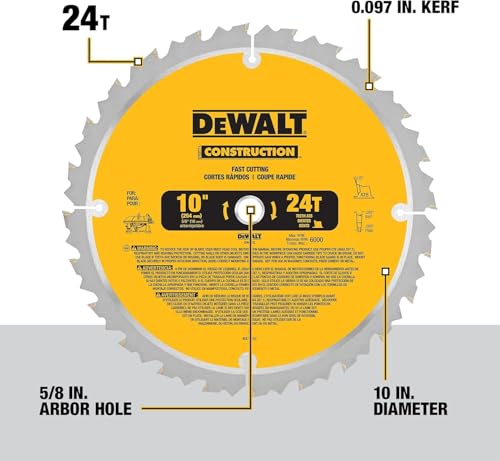
The motor’s amperage and blade type work together to determine what materials you can effectively cut. A 15-amp motor is generally sufficient for most hardwoods, but if you plan on tackling thick stock regularly, you might want to consider a more powerful option. Blade tooth count is equally important. A 24-tooth blade is good for ripping, while a higher tooth count (40-60) is better for fine crosscuts and plywood. Don’t assume more power is always better; consider your typical tasks.
- For occasional hobby use, a 10-amp motor may suffice.
- If you’re primarily working with plywood and sheet goods, a higher tooth count blade (50-60) will minimize tear-out.
- For consistently cutting thick hardwoods, prioritize a 15-amp motor and a blade designed for ripping, such as a 24-tooth combination blade or a dedicated rip blade.
Portability vs. Benchtop Stability
Deciding between a portable model and a dedicated benchtop saw involves balancing convenience and stability. While portable table saws like the DEWALT DWE7491X offer the flexibility to move the saw to your project, they can sometimes feel less stable than a heavier benchtop model.
A table saw should never feel like it’s walking across the bench during operation. If it does, it’s a safety hazard and a sign of poor design or insufficient weight.
Benchtop Table Saws Compared
This table summarizes key specifications of several benchtop table saws to aid in comparison.
| Product Title | Rip Capacity | Blade Diameter | Motor (Amps) | Max Cut Depth (90°) | Bevel Capacity | Stand Included |
|---|---|---|---|---|---|---|
| DEWALT 10-Inch Table Saw with Stand | 32-1/2″ | 10″ | 15 | 3-1/8″ | 45° | Yes |
| DEWALT 10-Inch Table Saw DWE7491X | 32-1/2″ | 10″ | N/A | N/A | N/A | No |
| DEWALT 8-1/4-Inch Compact Table Saw | 24.5″ | 8-1/4″ | N/A | N/A | N/A | No |
| SKIL 10-Inch Portable Table Saw | N/A | 10″ | N/A | 4×4 | 2-47° | Yes |
| SKIL 8-1/4-Inch Compact Table Saw | 24.5″ | 8-1/4″ | 15 | 2-1/2″ | N/A | No |
| Prostormer 10-Inch Table Saw | N/A | 10″ | N/A | N/A | 0-45° | No |
| POWSTR 10-Inch Table Saw with Stand | N/A | 10″ | 15 | 3-11/32″ | 0-45° | Yes |
| WEN 8.25-Inch Benchtop Table Saw | 25″ | 8.25″ | 11 | 2.75″ | 45° | No |
Frequently Asked Questions
What blade diameter should I choose?
A 10-inch blade is generally the best all-around choice, offering a good balance of cutting capacity and versatility. Smaller 8.25-inch blades are found on more compact, space-saving table saws and are suitable for lighter-duty tasks.
How much rip capacity do I really need?
For most DIY projects, a rip capacity of 24-25 inches is sufficient. If you frequently work with large sheet goods like plywood or MDF, opting for a model with 32 inches or more of rip capacity will save you time and effort.
Are benchtop saws loud?
Yes, most table saws are quite loud, typically ranging from 85 to 95 decibels. Wearing hearing protection is absolutely essential when operating a table saw to prevent long-term hearing damage.
What’s the difference between a portable and benchtop saw?
Portable table saws prioritize ease of transport, often with folding stands, while benchtop models emphasize stability and are designed to be permanently mounted to a workbench. You can find top compact table saws that offer a good balance of both features.
What’s the best way to minimize dust?
While no table saw is dust-free, look for models with a dust port and consider connecting it to a shop vacuum or dust collector. A well-fitted blade guard and proper technique also help contain dust, but even then, you’ll want to wear a dust mask.
The Bottom Line
Choosing a benchtop table saw really comes down to balancing how much control you want with how much fuss you’re willing to deal with. For most woodworkers, I believe the DEWALT 10-Inch Table Saw with Stand offers the best overall combination of power, accuracy, and features. It’s a solid choice that will handle a wide variety of projects without breaking the bank, and the included stand adds stability.
If you’re on a tighter budget, the WEN 8.25-Inch Benchtop Table Saw is a surprisingly capable option. And for those who value portability above all else, the DEWALT 8-1/4-Inch Compact Table Saw provides a good balance of size and power. Understanding your common table saw applications will help narrow down which features are most important to you.
Ultimately, specifications and features are secondary to fundamental safety and technique. A powerful motor and precise fence won’t matter if you don’t understand proper rip and crosscut uses and always prioritize safe operation. Invest in good safety gear, learn best practices, and take your time – those are the keys to successful and enjoyable woodworking.
