
8 Best Benchtop Thickness Planers of 2026
This post contains affiliate links. As an Amazon Associate, we earn from qualifying purchases.
The JET 13-Inch Benchtop Planer is the best overall, thanks to its solid build, helical cutterhead, and excellent snipe control. For a more budget-friendly option, the WEN PL1303 13-Inch Planer delivers decent performance for light-duty work. If versatility and advanced features matter most, the DEWALT 13-Inch Thickness Planer stands out with its dual feed speeds and reliable reputation.
Most people shopping for a benchtop thickness planer aren’t just looking to shave wood, they want consistent, flat results without wrestling with snipe, vibration, or underpowered motors. Too many models promise pro-level performance but fall short when you’re running thick maple or trying to dial in a fine cut.
I focused on real-world usability, weighing specs against owner experiences to find models that actually perform. These picks reflect a balance of power, cutterhead quality, stability, and value, based on what users report and what the numbers tell us.
Top 8 Benchtop Thickness Planers in the Market
The Best Benchtop Thickness Planers, Reviewed
JET 13-Inch Benchtop Planer

Strengths
- Helical-style cutterhead
- 2-HP motor
- Four-post support
Trade-offs
- HSS inserts, not carbide
- Higher price point
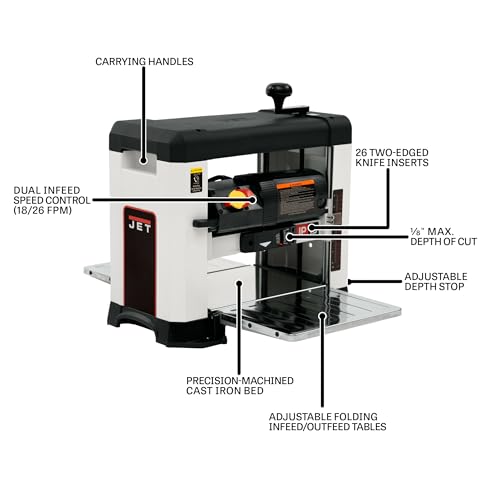
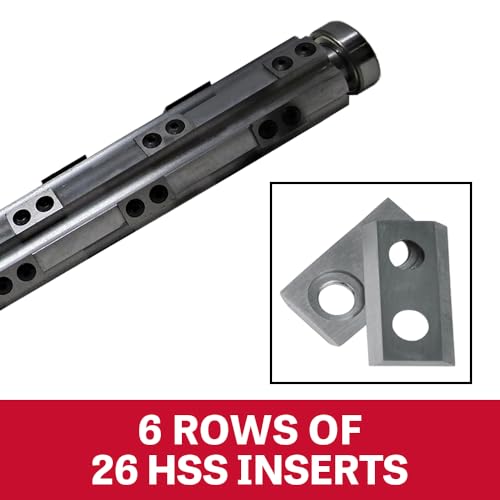
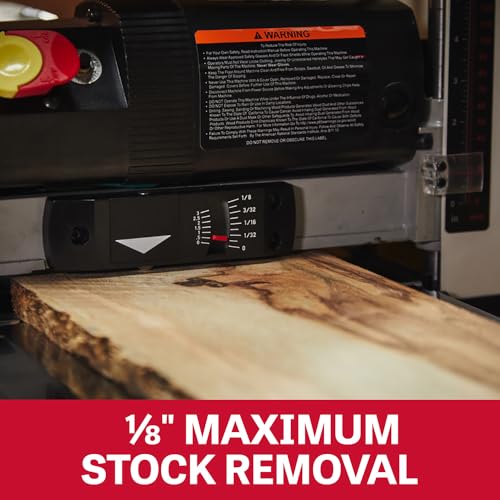
This is the complete package, helical-style cutterhead with 26 quick-change HSS inserts, a 2-HP motor, and a four-post design that keeps everything aligned under pressure. The result is a smoother, quieter cut than most competitors, and owners confirm it handles hardwoods with less tear-out and vibration. The cast iron bed adds mass and stability, which helps maintain flatness across wide boards.
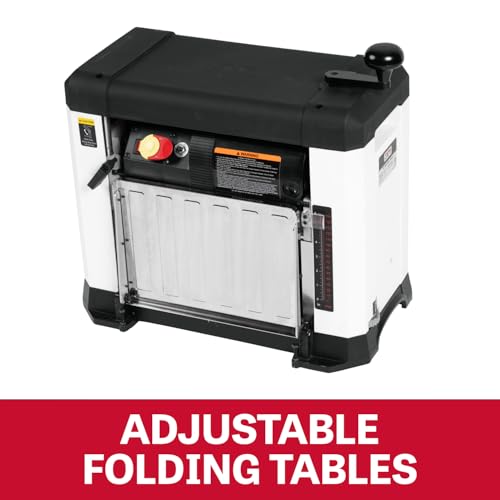
The 2-speed feed (18 or 26 FPM) gives you control, and the folding tables save space. While it doesn’t have carbide inserts like the WOODERS helical model, the quick-change system makes maintenance easier. Compared to the DEWALT DW735X, it’s quieter and delivers a better finish, though DEWALT wins on raw durability and brand support. For overall balance of performance, precision, and innovation, this is the one I’d recommend as the best all-around pick.
Product photos

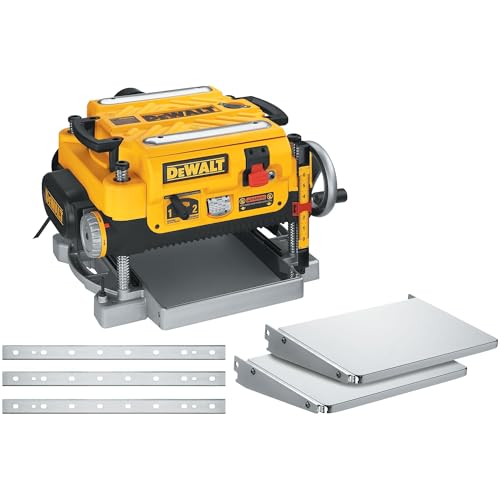
DEWALT 13-Inch Thickness Planer
Strengths
- Dual feed speeds
- Durable build
- Excellent snipe control
Trade-offs
- No helical cutterhead
- Heavier than average
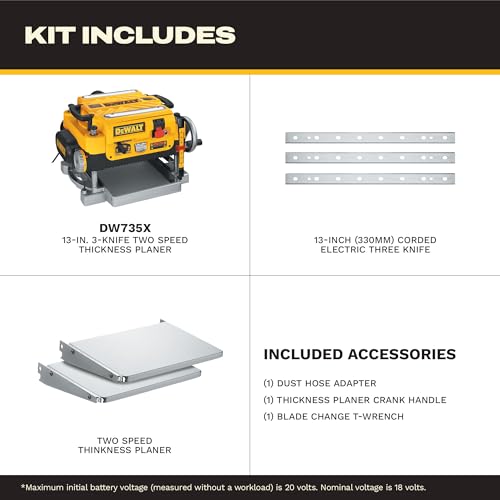
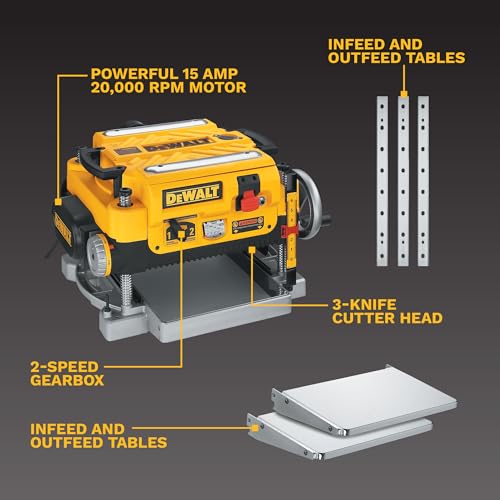
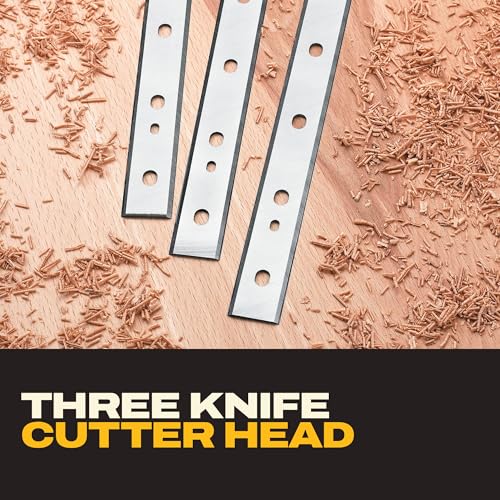
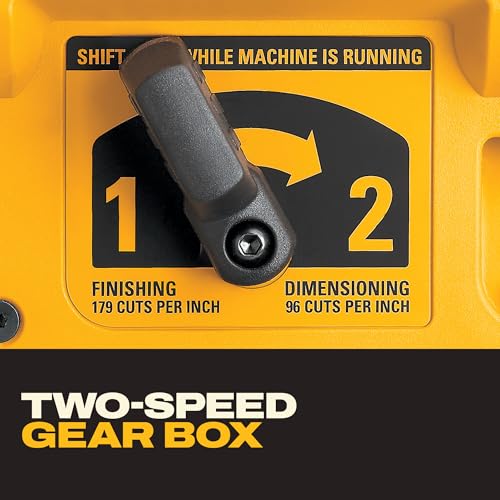
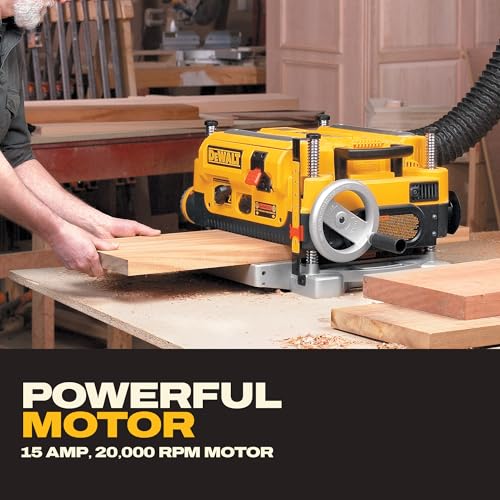
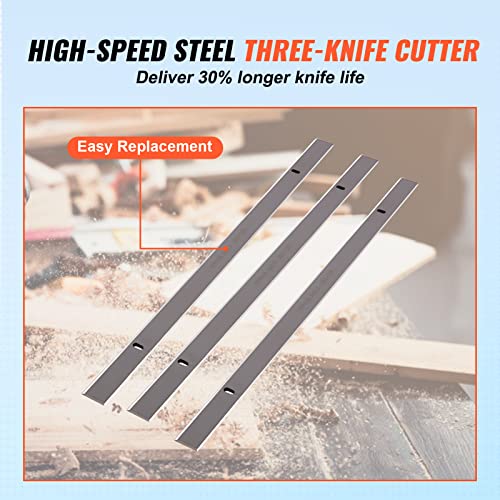
The DW735X is the benchmark for a reason. Its 15-amp motor and 20,000 RPM spindle (10,000 RPM cutterhead) deliver serious cutting power, and the three-knife system spreads wear evenly, extending blade life by up to 30%. The two-speed gearbox, 96 or 179 cuts per inch, lets you dial in feed rate for either speed or finish, which is a standout when switching between rough stock and final passes.
Owners consistently rate it as one of the most durable benchtop planers out there. The cast aluminum base is rigid, the automatic carriage lock kills snipe, and the extra-large depth-stop turret makes repeat jobs effortless. It’s heavier than most, but that adds stability. Compared to the JET JWP-13BT, it lacks a helical head, but it’s more user-friendly and widely supported. If you’re running a pro shop or high-volume hobbyist, this is the safer long-term bet.
Product photos
WOODERS 13-Inch Spiral Planer
Strengths
- Helical cutterhead
- Carbide inserts
- Excellent surface finish
Trade-offs
- Higher blade replacement cost
- No dual feed speeds
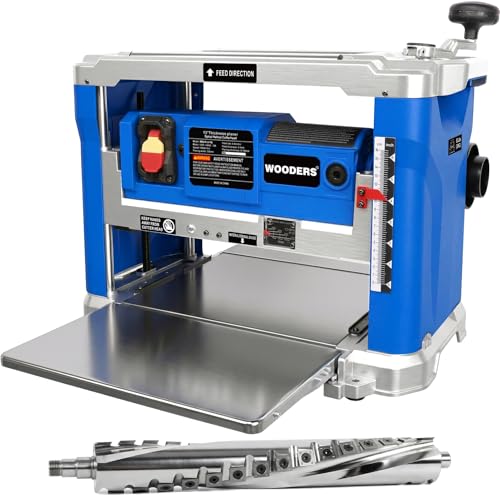
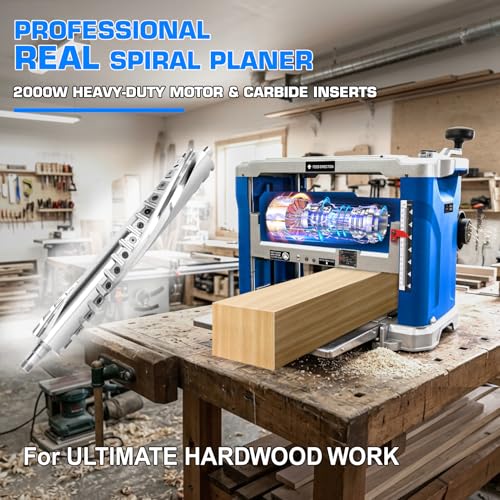
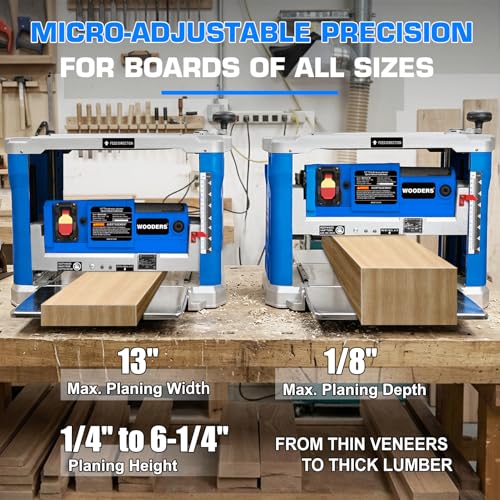
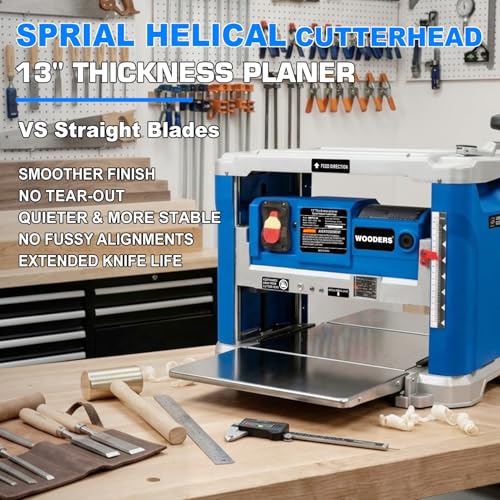
The helical cutterhead here is the real deal, tungsten carbide inserts in a staggered 45# steel body mean you’re getting a finish that’s noticeably smoother, especially on figured or interlocked grain. This is the kind of upgrade that saves hours on sanding, and owners agree the surface quality is close to what you’d expect from a much more expensive machine. The 2000W all-copper motor runs cool, thanks to the advanced cooling system, and maintains speed well under load, which matters when you’re flattening maple or exotic hardwoods.
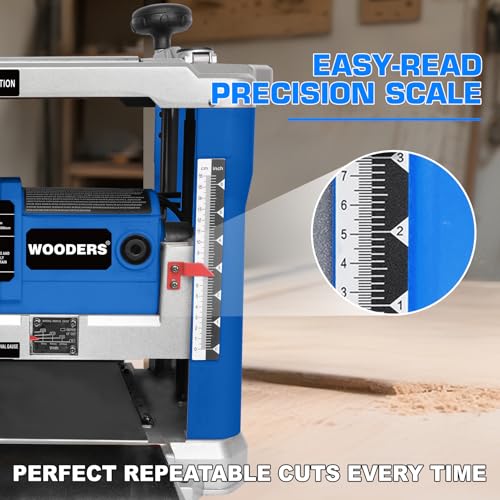
I’d pick this over the standard HSS models if you’re serious about finish quality and longevity. The micro-adjustable depth control is precise, and the aluminum top cover adds rigidity, a small detail, but it helps reduce vibration. Compared to the DEWALT DW735X, it lacks the dual feed speeds, but for pure surface refinement, this one edges ahead. Just note that carbide inserts are expensive to replace, so factor that into long-term ownership.
Product photos
Cutech 12½-Inch Spiral Planer

Strengths
- Excellent snipe reduction
- Spiral cutterhead
- Board return rollers
Trade-offs
- 12.5-inch width limit
- Single feed speed
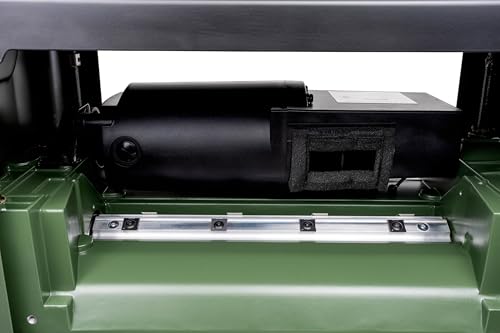
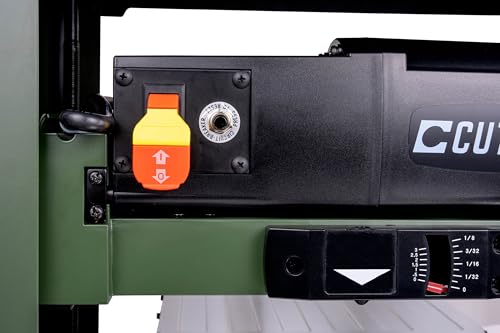
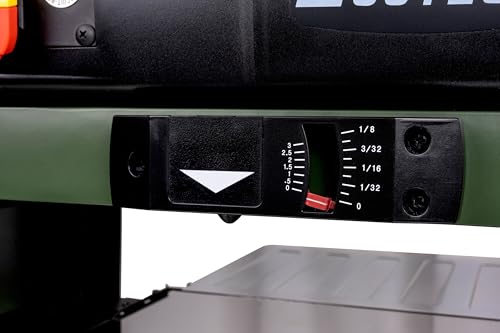
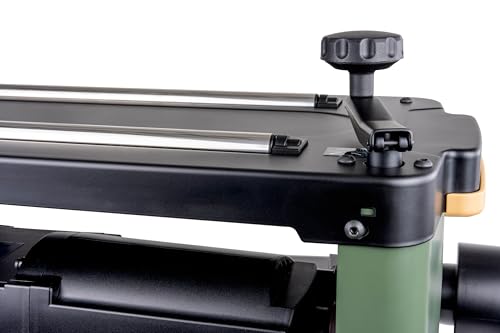
The Cutech stands out for one reason: snipe control. Its four-lead-screw system with patented coupling actually works, owners report minimal snipe even on 8-foot boards, and there’s no need for aftermarket locks or manual adjustments. The spiral cutterhead with two-sided tungsten inserts delivers a clean cut with low noise, and since the inserts are aligned precisely, you get fewer vibration issues than with standard four-sided models.
It’s a bit narrower at 12.5 inches, so it won’t handle full 13-inch stock, but for most projects, that’s not a dealbreaker. The board return rollers are a clever addition, they let you flip stock back through quickly, which speeds up progressive thicknessing. Where it falls short is feed speed; it’s single-speed, so you can’t optimize for finish vs. removal rate. But if snipe ruins your workflow, this one’s worth the compromise.
Product photos
VEVOR 13-Inch Two-Speed Planer
Strengths
- Two feed speeds
- Long worktable
- Durable cutterhead
Trade-offs
- Depth gauge inconsistency
- Basic dust port
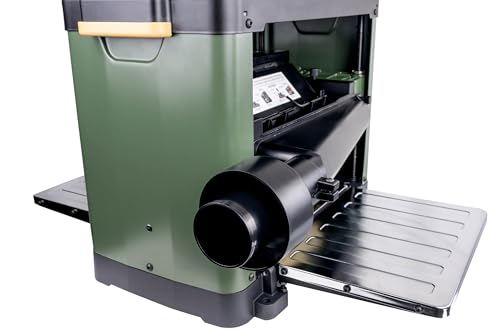
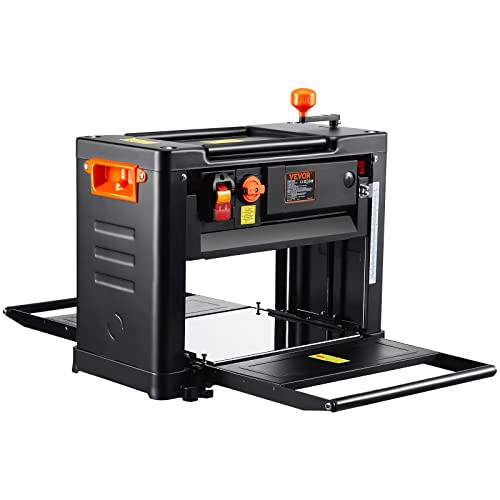
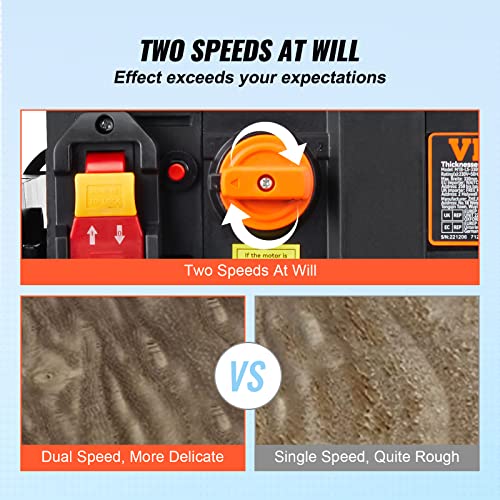
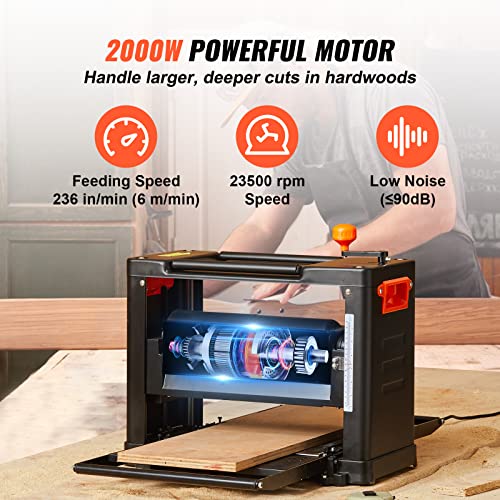
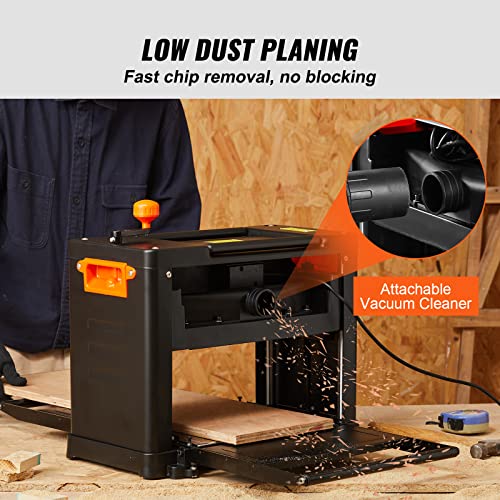
VEVOR’s two-speed option is one of the few in this category that gives you real control over feed rate, 24 fpm for roughing and 15 fpm for fine passes. That flexibility is huge, especially when running curly maple or other reactive woods where slower feeding prevents chatter. The 2000W motor is solid, and the quenched steel cutterhead holds an edge well, though it’s still HSS, not carbide. Owners report it handles softwoods with ease and keeps up with hardwoods in thinner passes.
The 35-inch total table length is impressive for support, and the cast iron bed adds stability. But some users note the depth gauge can drift over time, which hurts repeatability. Still, for the price, having two speeds and a robust build makes this a smart pick over single-speed models like the WEN PL1303. If you want more control without stepping into premium brands, this is worth serious consideration.
Product photos

WEN PL1303 13-Inch Planer
Strengths
- Low cost
- Reversible blades
- Simple operation
Trade-offs
- Basic build quality
- No snipe prevention
- No speed control
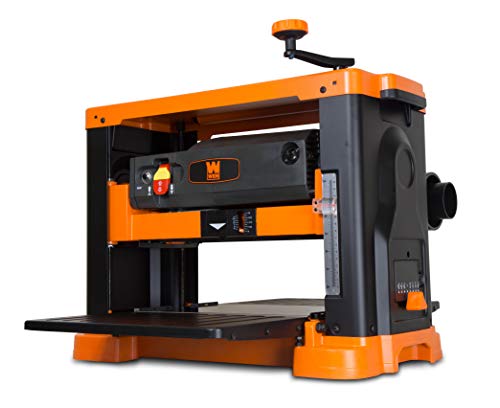
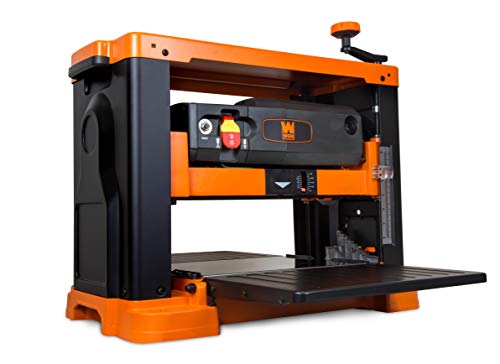
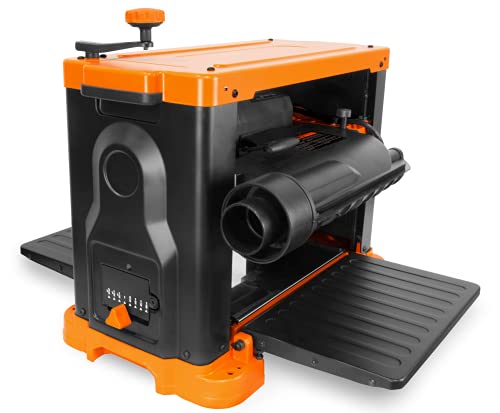
The WEN PL1303 is the budget king, no question. For the price, you get a 15-amp motor, a 26 fpm feed rate, and reversible SK5 blades that can be flipped when dull, effectively doubling their life. It’s basic, but it works. Owners say it’s great for softwoods and occasional hardwood use, especially for beginners setting up their first shop.
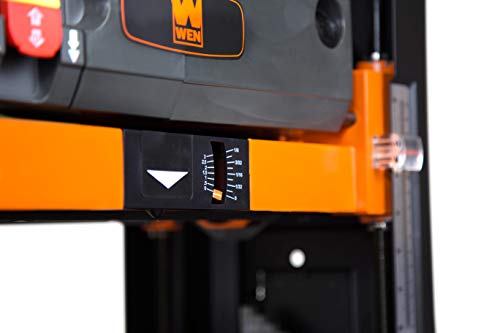
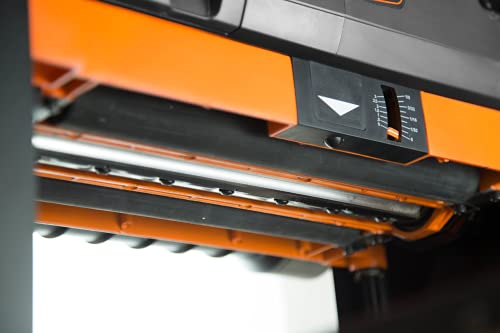
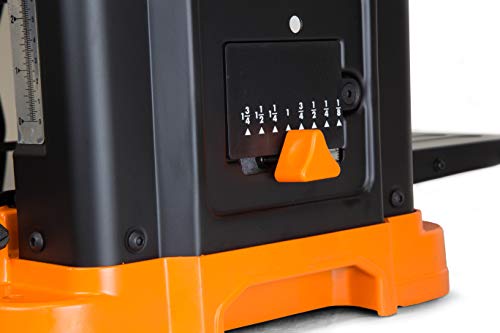
But it shows its limits fast under heavy use. The build is lighter, the tables are smaller, and there’s no snipe control or fine depth adjustment. Compared to the VEVOR or WOODSTARTER, it lacks features that improve consistency. Still, if you’re on a tight budget and only plan to run a board here and there, this gets the job done without breaking the bank. Just don’t expect pro-level results.
Product photos
WOODSTARTER 13-Inch Wood Planer
Strengths
- Strong dust port
- Extended worktable
- Overload protection
Trade-offs
- HSS blades wear faster
- No speed adjustment
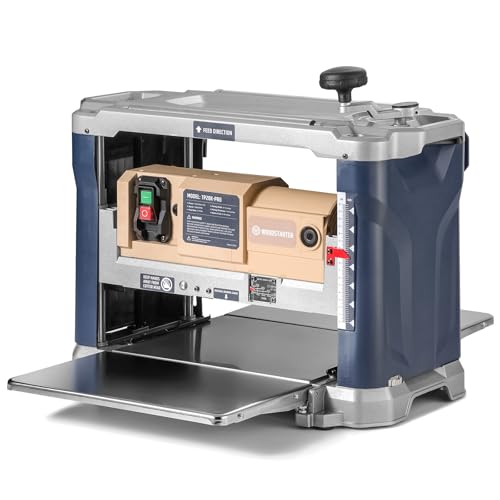
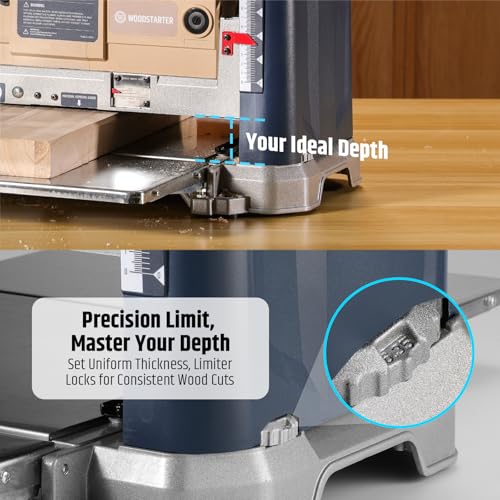
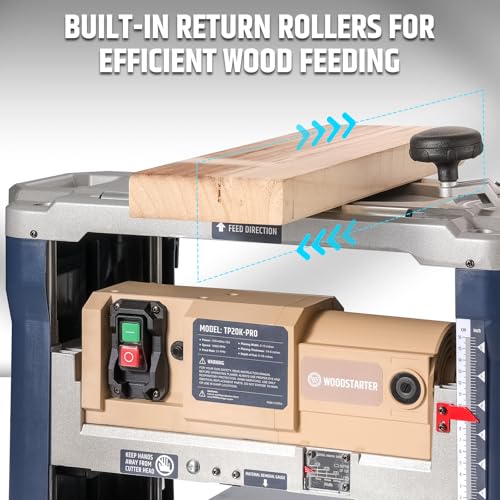
This planer makes a strong first impression with its focus on dust management and user safety. The 3-in-1 dust port is a standout, owners consistently report it connects well with most shop vacs, and the aggressive 21 ft/min feed rate doesn’t come at the cost of mess. On paper, the 2000W motor and 10,000 RPM HSS cutterhead should handle hardwoods without issue, and feedback suggests it holds up under moderate use, especially for DIYers who aren’t running back-to-back batches.
Where it pulls ahead is in feed stability, the 29-inch extended worktable with adjustable infeed/outfeed tables is rare at this price, and reviewers confirm it minimizes snipe better than most in this class. The overload protection is a smart touch for beginners who might push too much stock through too fast. Still, while the HSS blades are sharp out of the box, they won’t last as long as carbide, and you’ll be changing them more often if you’re working dense species regularly.
Product photos
WOODERS 13-Inch HSS Blade Planer
Strengths
- Four HSS blades
- Good anti-snipe design
- Spare blades included
Trade-offs
- No variable speed
- Dust collection is average
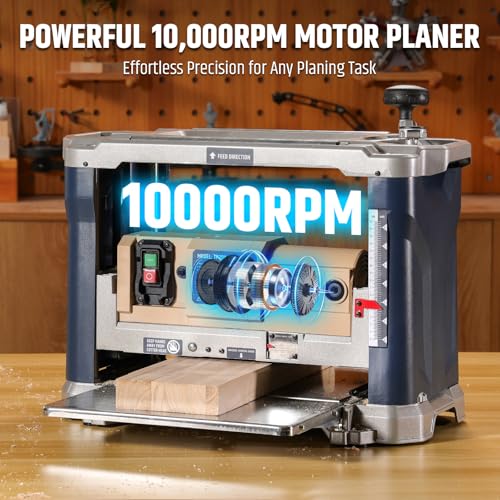
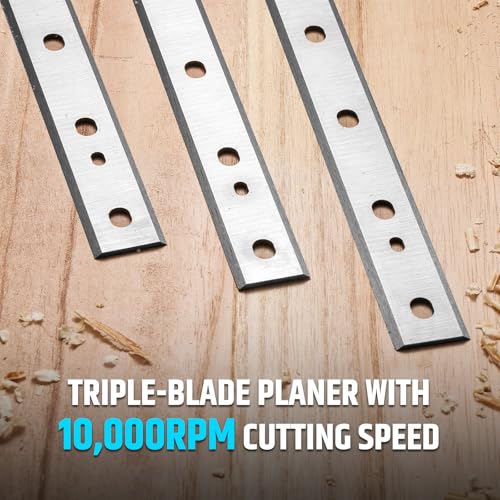
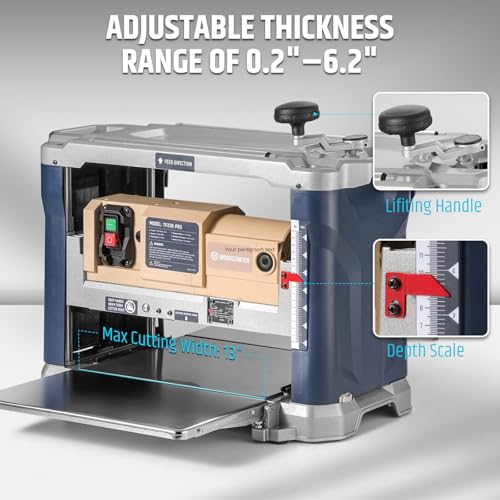
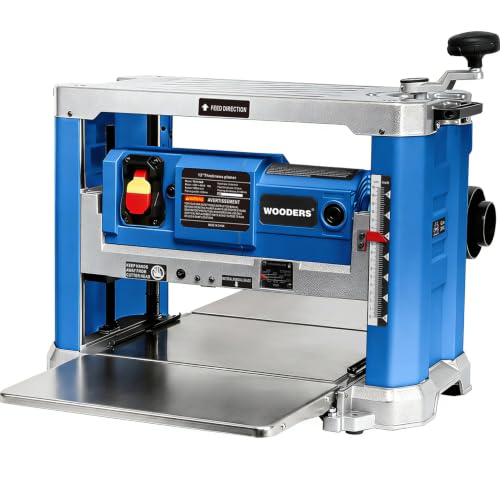
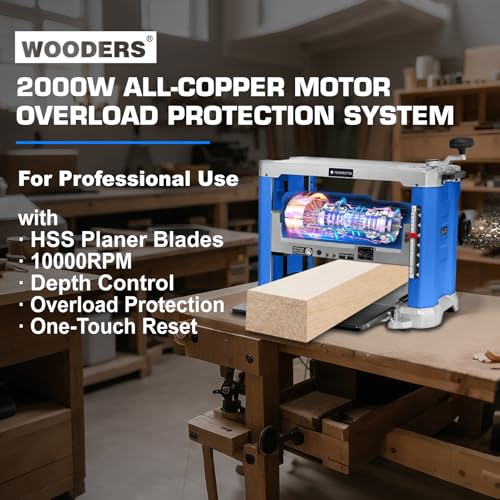
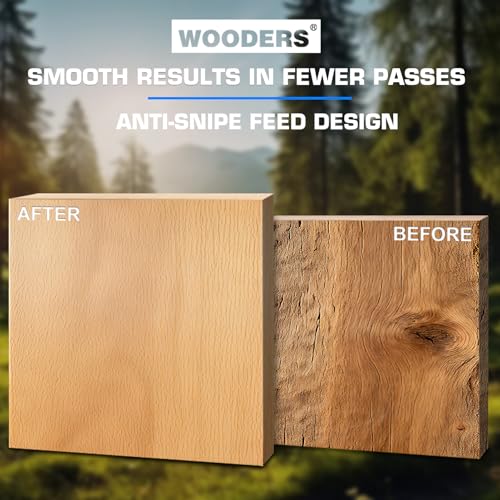
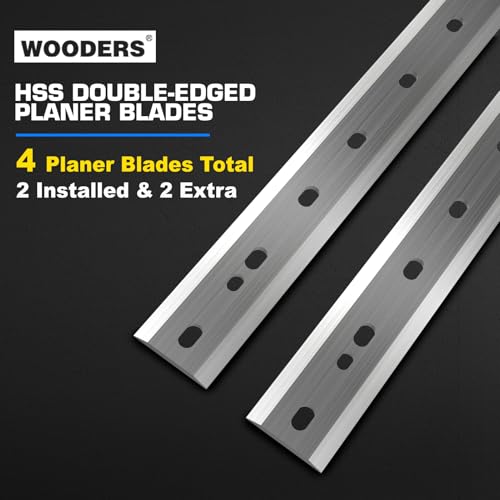
Four HSS blades instead of the usual three means more cutting edges per revolution, which translates to a finer surface finish with less sanding. That, combined with the 10,000 RPM dual-edge cutterhead, makes this a solid performer on hardwoods, owners consistently praise its ability to handle oak, walnut, and hickory without bogging down. The all-copper 2000W motor delivers steady power, and the anti-snipe design works well in practice, especially on longer boards.
It’s not flashy, but it’s well-rounded. The inclusion of two spare blades is a nice touch, blade maintenance is a real cost over time, so having spares on hand matters. Compared to the WOODSTARTER model, it has a similar motor but slightly better blade layout. However, it still lacks speed control, and the dust port isn’t as adaptable. If you’re primarily running hardwood and want reliability over bells and whistles, this is a strong contender.
Product photos

How We Chose These benchtop thickness planers
Rather than a hands-on lab test, this is a research-led comparison of specifications and owner feedback. I looked at published specs – motor power, cutting depth, feed rate, and cutterhead type – across dozens of models. I then weighed owner reviews from multiple sources alongside expert opinions from woodworking publications and forums to get a sense of real-world performance and durability. Finally, I ranked planers based on how well they met key criteria for a variety of users.
For benchtop thickness planers, consistent cut quality and ease of use are paramount. I heavily weighted the type of cutterhead (helical versus straight knives) and the motor power, as these directly impact the smoothness of the cut and the ability to handle harder wood species. Minimizing snipe – that unwanted dip at the ends of boards – was also a crucial factor, as it speaks to the precision of the machine’s engineering and the convenience it offers woodworkers. You’ll find more details in our thickness planer buying guide.
Specifications reliably tell you about a planer’s capacity – maximum cutting width and depth, motor horsepower. However, I relied on owner feedback to gauge the reality of those numbers. Reports of stalling under heavy loads, excessive vibration, or difficulty making fine adjustments are invaluable. Reputation also played a role; brands with a long history of quality woodworking tools generally earned more consideration, and you can find a deeper look at thickness planer comparisons on our site.
Choosing The Right benchtop thickness planers
Picking the right thickness planer can make a huge difference in the quality of your woodworking, and frankly, how much you enjoy the process.
A good thickness planer delivers consistent results, minimizes snipe (that annoying dip at the start and end of a board), and has enough power to handle the types of wood you typically work with. Look for a robust motor, a well-supported cutterhead, and features that allow for precise depth adjustments. Consider dust collection and the availability of replacement parts as well.
Motor Power and Cutterhead Type
Don’t assume more horsepower is always better. While a powerful motor (15 amps is common) is essential for tackling hardwoods, the cutterhead design is equally important. Helical cutterheads, like those found in the WOODERS 13-Inch Spiral Planer, are gaining popularity for a reason. They use multiple small inserts instead of traditional knives, which results in a quieter cut, a smoother finish, and significantly longer cutting life. However, traditional three-knife cutterheads, like the one in the DEWALT 13-Inch Thickness Planer, are still capable, and the knives are relatively inexpensive to replace.
Consistent Flatness and Snipe Control
A planer’s job is to make boards flat, and a flimsy construction won’t cut it. Look for planers with a solid, cast iron bed and a four-post design (like the JET 13-Inch Benchtop Planer) to maintain stability and minimize vibration. Snipe is a common issue, and some planers address it better than others. The Cutech 12½-Inch Spiral Planer specifically focuses on minimizing snipe with its patented coupling design, which is a huge benefit if you regularly plane longer boards.
- Blade material matters: High Speed Steel (HSS) blades are common and affordable, but carbide inserts hold an edge much longer, especially when working with abrasive woods.
- Feed rate control is helpful: Models like the VEVOR 13-Inch Two-Speed Planer offer multiple feed rates. A slower feed rate gives you a cleaner finish, while a faster rate removes material more quickly.
- Table extensions are valuable: Longer infeed and outfeed tables (often adjustable) support longer boards and reduce the likelihood of snipe. They also make handling material easier.
Value, Usability, and Dust Collection
Let’s be realistic about your budget and needs. The WEN PL1303 13-Inch Planer offers a good entry point for hobbyists, but you’ll likely sacrifice some features and durability compared to higher-end models. A well-designed dust port is also crucial. No planer creates zero dust, but models like the WOODSTARTER 13-Inch Wood Planer, with its multi-size dust port, make it much easier to connect to a shop vacuum and keep your workspace clean. If you’re looking for a thorough wood planer guide to help you understand all these factors, we’ve covered it in detail. Finding the best benchtop planer models depends on carefully weighing these considerations.
A well-maintained planer should last for years. Don’t skimp on blade replacements or regular cleaning. A dull blade doesn’t just produce a rough surface – it puts extra strain on the motor.
Benchtop Thickness Planers Compared
Here’s a comparison of key specifications for popular benchtop thickness planers to help you make an informed decision.
| Product Title | Max. Width (in) | Max. Depth (in) | Motor (HP) | Max. Cut Depth (in) | Cutterhead Type | Feed Speed (fpm) |
|---|---|---|---|---|---|---|
| JET 13-Inch Benchtop Planer | 13 | 6 | 2 | 1/8 | Helical | N/A |
| DEWALT 13-Inch Thickness Planer | 13 | 6 | N/A | N/A | 3-Knife | 96/179 |
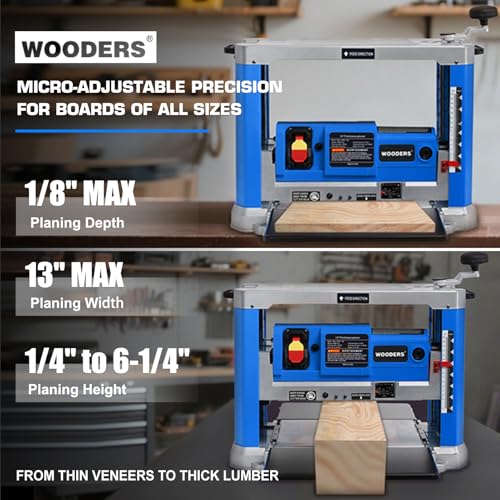
| WOODERS 13-Inch Spiral Planer | 13 | 6 1/4 | N/A | 1/8 | Spiral | N/A |
| Cutech 12½-Inch Spiral Planer | 12.5 | N/A | N/A | N/A | Spiral | N/A |
| VEVOR 13-Inch Two-Speed Planer | 13 | 6 | N/A | N/A | 3-Knife | 15/24 |
| WEN PL1303 13-Inch Planer | 13 | 6 | N/A | 1/8 | 3-Blade SK5 | 26 |
| WOODSTARTER 13-Inch Wood Planer | 13 | 6 3/16 | N/A | N/A | 3-Blade HSS | 21 |
| WOODERS 13-Inch HSS Blade Planer | 13 | 6 | N/A | N/A | Dual-Edge | N/A |
Frequently Asked Questions
What’s the main difference between a helical and a straight-knife cutterhead?
A helical cutterhead uses multiple small, replaceable inserts, resulting in a quieter cut and a smoother finish compared to a straight-knife cutterhead which uses larger, traditional blades. Helical heads also generally last much longer before needing sharpening or replacement.
How much dust can I expect from a benchtop thickness planer?
All thickness planers create a significant amount of sawdust, but models with a larger, multi-size dust port make it easier to connect to a shop vacuum. Connecting a dust collection system is essential for maintaining a clean workspace and improving air quality.
What motor horsepower is sufficient for most hobbyist woodworkers?
For most hobbyists, a motor in the 1.5 to 2 horsepower range is sufficient for handling common wood types like pine and poplar. However, if you frequently work with hardwoods like oak or maple, a more powerful motor (closer to 3 HP) is recommended.
Will a benchtop planer work for rough lumber, or only for boards that are already fairly flat?
A benchtop planer can handle rough lumber, but it works best when the boards are reasonably straight and flat to begin with. Severely twisted or cupped boards may be difficult to accurately plane and could potentially damage the machine.
Where can I find more information about finding the best wood thickness planers for my needs?
Our detailed guide covers a wider range of models and factors, including price points, specific wood types, and project requirements to help you choose the right planer for your woodworking projects.
The Bottom Line
Ultimately, choosing a thickness planer comes down to balancing control and convenience with your budget and skill level. If you want a machine that delivers exceptional results with minimal fuss, and you’re willing to invest a bit more, the JET 13-Inch Benchtop Planer stands out as the strongest overall pick, offering a helical cutterhead and a robust build.
For those on a tighter budget, the WEN PL1303 13-Inch Planer provides a solid entry point into thickness planing, while the Cutech 12½-Inch Spiral Planer is the clear choice for anyone who struggles with snipe and wants a machine specifically designed to minimize it. If you need versatility, the VEVOR 13-Inch Two-Speed Planer is a good option, giving you control over the feed rate to suit different wood types and projects. You can find more benchtop wood planer reviews on our site.
Don’t get too hung up on horsepower numbers or fancy features. A stable bed, a sharp cutterhead (whether helical or well-maintained knives), and the ability to make precise adjustments are far more important than any single specification. Prioritize build quality and consistent performance, those are the fundamentals that will deliver the best results and the longest lifespan from your new planer.
