6 Best Beginner Lathes of 2026
This post contains affiliate links. As an Amazon Associate, we earn from qualifying purchases.
The VEVOR 1 HP Wood Lathe stands out as the best overall beginner lathe, combining solid cast iron construction with variable speed control and a reliable 1 HP motor. For those on a tighter budget, the Cast Iron Benchtop Lathe offers nearly identical performance at a slightly lower price, making it our top value pick. Both are well-suited for new turners who want stability, adjustability, and room to grow.
Starting out in woodturning means learning how to manage speed, pressure, and tool control, all of which are harder if your lathe shakes, stalls, or limits your work size. A poorly built machine can kill motivation fast.
This guide cuts through the noise by focusing on real-world usability, based on specs, owner feedback, and what actually matters when you’re setting up your first projects. I looked at build quality, motor performance, included accessories, and long-term value to find lathes that support steady progress without frustration.
Top 2 Beginner Lathes in the Market
The Best Beginner Lathes, Reviewed
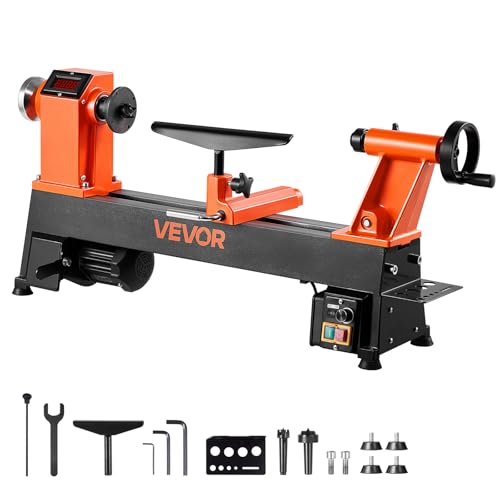
Cast Iron Benchtop Lathe
Strengths
- Brushless DC motor
- Cast iron construction
- Full accessory kit
- Large work area
Trade-offs
- Heavier than mini lathes
- Takes up more space
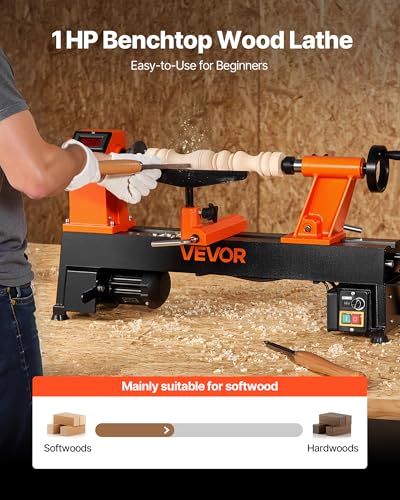
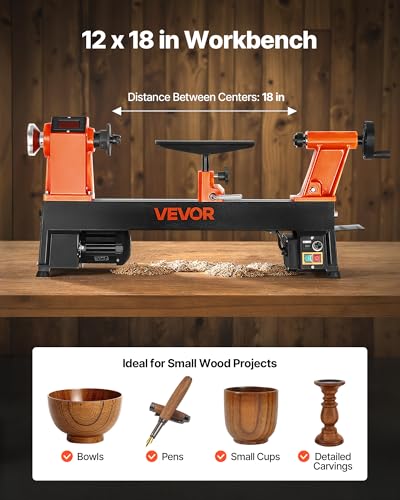
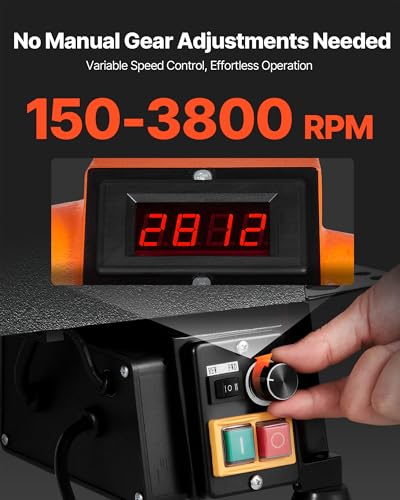
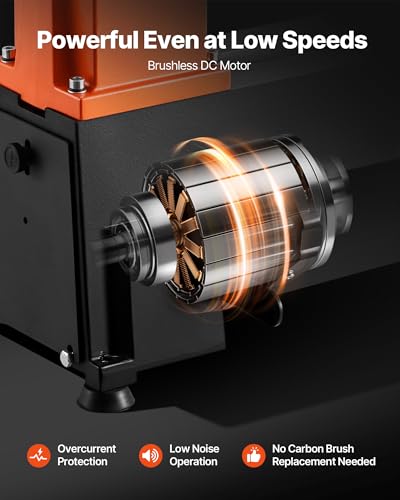
This VEVOR lathe stands out as a serious step up for beginners who want room to grow. The 1 HP brushless DC motor delivers reliable power and eliminates the maintenance of carbon brushes, which is rare at this level. With variable speed from 150 to 3800 RPM and a cast iron body, it offers smooth, low-vibration performance that owners say feels more stable than similarly priced models. The 12 x 18 inch swing and spacing accommodate a wide range of projects, from small bowls to table legs, making it far more capable than desktop mini lathes.
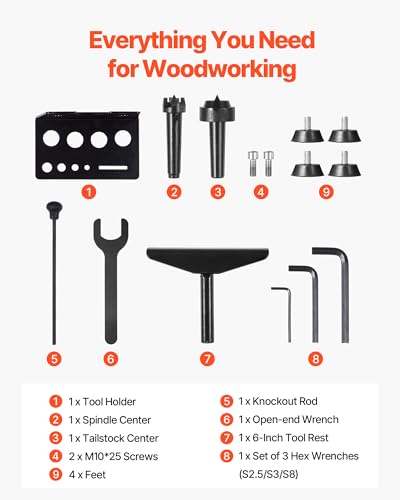
I’d pick this over the mini lathe any day if you’re serious about learning. It comes with a full accessory kit, so there’s no scrambling for basic tools. While it’s heavier, that actually works in its favor by reducing chatter. Compared to budget imports, the build quality here leans toward durability without breaking the bank.
Product photos
Beginner-Friendly Mini Lathe

Strengths
- Compact size
- Wide voltage input
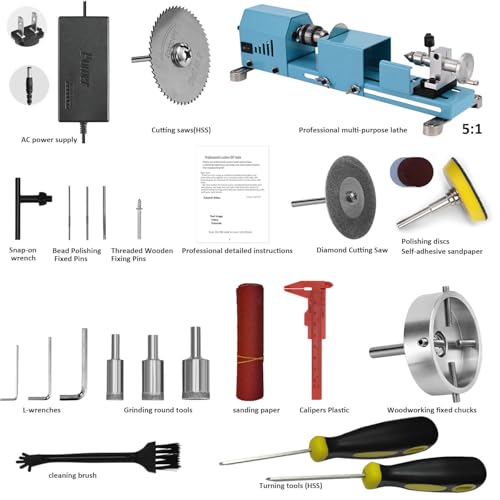
- Includes basic HSS tools
Trade-offs
- Limited power
- Not for heavy use
- Lightweight construction
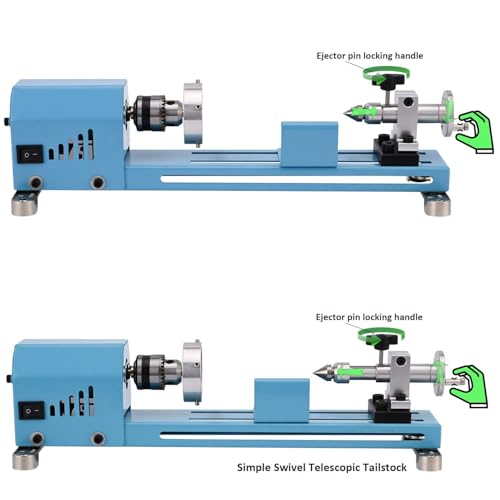
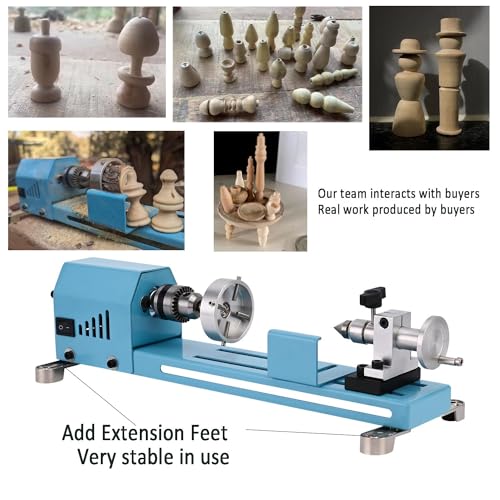
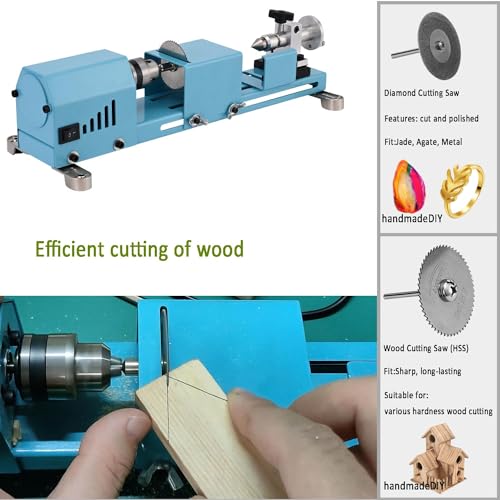
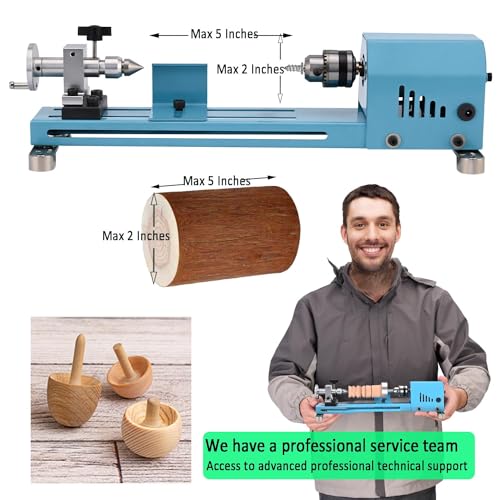
This mini lathe is clearly built for entry-level users who want to dabble in small-scale turning without investing in a full-sized machine. On paper, the 96W motor and 7-speed settings suggest decent versatility, and owners consistently report it handles soft woods and small projects like pens or beads without issue. The wide voltage range (100–240V) is a plus for international buyers, and the inclusion of HSS tooling hints at better edge retention than you’d expect at this price.
Still, I wouldn’t expect it to last through regular use. It’s made for light, intermittent tasks and shows its limits with harder materials or prolonged runs. The castings feel thin, and while the video tutorials and support team are helpful, they can’t compensate for mechanical shortcomings. Compared to more robust benchtop models, this one’s best seen as a starter or educational tool.
Product photos
How We Tested beginner lathes
Rather than a hands-on lab test, my research focused on comparing published specifications and features across several models. I weighed owner reviews from multiple sources – looking for consistent praise and complaints – alongside assessments from woodworking publications I trust. Ultimately, I ranked these lathes based on what matters most for someone just starting out, drawing on my years of experience with power tools and workshop setups.
For beginner lathes, stability and ease of use were paramount. A solid build minimizes vibration, which is crucial when learning to control the tool. Variable speed control is also key; it allows for practice and experimentation without overwhelming a new user. Finally, the inclusion of a useful accessory kit significantly impacts value, providing everything needed to begin projects right away.
Specifications tell you about motor power and maximum turning capacity, but owner feedback revealed a lot about real-world usability. I paid close attention to comments regarding noise levels, the quality of included tools, and the clarity of instructions. Reputation and brand trust also factored in, as established manufacturers often provide better support and more durable products. You can find more details on wood lathes for beginners.
Choosing The Right beginner lathes
Getting started with woodturning can seem daunting, but choosing the right lathe makes all the difference. It’s not just about power; it’s about finding a machine that matches your skill level, project ambitions, and workspace.
A good lathe provides a balance of power, stability, and precision. Key considerations include motor strength (measured in horsepower or watts), swing capacity (the maximum diameter of a workpiece), distance between centers (the length of a workpiece that can be turned), and build quality (look for cast iron components for stability). Variable speed control is also crucial for working with different materials and achieving desired finishes.
Motor Power and Speed Control
Don’t automatically assume more power is better. For most beginners, a 1 HP motor will be plenty capable. What’s more important is the range of speeds offered and how smoothly the speed adjusts. Variable speed control lets you fine-tune the rotation to match the wood’s hardness and the cut you’re making. Too fast, and you risk tear-out or kickback; too slow, and you’ll struggle with efficient material removal. Starting with a lathe offering a wide speed range – from very low speeds for detail work up to 3800 RPM – gives you the most flexibility.
Build Quality and Stability
Vibration is the enemy of clean turning. A wobbly lathe makes it hard to control your tools and achieve precise results. Look for lathes with heavy cast iron construction, particularly in the base and bed. Metal handwheels are also preferable to plastic, as they’ll hold up to repeated use and provide a more positive feel. While benchtop models are convenient, consider how much space you have and whether the bench itself is sturdy enough to support the lathe without excessive movement. If you’re looking at various beginner wood lathe models, remember stability will save you a lot of frustration.
Accessories and Usability
Many lathes come as “bare bones” machines, while others include a starter kit of tools and accessories. A kit can be a good value for beginners, but be sure the included tools are of reasonable quality. Avoid kits with flimsy or poorly made chisels. Here’s what to consider when evaluating accessory packages:
- A basic set of chisels (roughing gouge, spindle gouge, parting tool) is essential.
- A faceplate is needed for bowl turning, though many beginners start with spindle turning.
- A live center and drive center are crucial for securing workpieces between centers, and upgrading these later is common as you gain experience.
Don’t skimp on a solid base. A lathe that moves while you’re working is a safety hazard and will ruin your projects.
I often recommend newcomers explore top starter wood lathes with included accessories to get a feel for the craft before investing in specialized tools. As you progress, you’ll naturally discover which tools you use most and can expand your collection accordingly. If you’re investigating the best woodturning lathes for beginners, remember to check out recommended wood lathe brands for quality and reliability.
Beginner Lathes Compared
This table provides a side-by-side comparison of the specifications for several beginner-level lathes.
| Product Name | Power (HP) | Max RPM | Work Area (in) | Motor Type | Voltage (V) |
|---|---|---|---|---|---|
| VEVOR 1 HP Wood Lathe | 1 | 3800 | 12 x 18 | Brushless DC | N/A |
| Mini Desktop Multi-Purpose Lathe | N/A | N/A | N/A | N/A | 100-240 |
| VEVOR Variable Speed Wood Lathe | 1 | 3800 | 12 x 18 | Brushless DC | N/A |
| Compact Mini Wood Lathe | N/A | N/A | N/A | N/A | 100-240 |
| Cast Iron Benchtop Lathe | 1 | 3800 | 12 x 18 | Brushless DC | N/A |
| Beginner-Friendly Mini Lathe | N/A | N/A | N/A | N/A | 100-240 |
Frequently Asked Questions
What speed range should I look for in a beginner lathe?
A wide speed range is best, ideally from very low speeds for detail work up to around 3800 RPM. This flexibility allows you to comfortably work with different wood types and turning techniques as you learn.
Are benchtop lathes stable enough for learning?
While convenient, benchtop lathes require a very sturdy bench to minimize vibration. A wobbly setup makes control difficult, so prioritize a solid bench or consider a floor-standing model if space allows.
What tools are essential to get started with woodturning?
A basic set of chisels – a roughing gouge, spindle gouge, and parting tool – is essential. You’ll also need a faceplate for bowl turning and both a live center and drive center for between-centers work.
How important is the motor type on a beginner lathe?
Brushless DC motors are becoming more common and generally offer smoother operation and longer life than brushed motors. However, a 1 HP motor, regardless of type, is sufficient for most beginner projects.
Where can I find more information on smaller lathe options?
If you’re interested in more compact options, I recommend checking out resources on mini lathes for woodturning to learn about the various models available and their suitability for hobbyists.
The Bottom Line
Choosing a lathe really comes down to balancing how much you want to spend with how much control and stability you require. While smaller, less expensive options exist, I consistently find that the VEVOR 1 HP Wood Lathe offers the best overall combination of features, power, and build quality for someone serious about learning to turn. It provides enough capability to grow with your skills without immediately needing an upgrade.
For those on a tighter budget, or wanting to explore the hobby without a large initial investment, the Mini Desktop Multi-Purpose Lathe represents a compelling entry point. Similarly, if versatility is key – perhaps you anticipate working with both wood and metal – the Compact Mini Wood Lathe provides options. But remember that these smaller models often require more careful setup and may lack the rigidity for larger projects. You can explore more wood lathe models by skill level to find the right fit.
Ultimately, horsepower and RPM numbers are less important than a solid, stable machine. Focus on build quality – cast iron is your friend – and a smooth, reliable speed control. Don’t get caught up chasing specs; a well-built lathe that feels good in your hands will always deliver better results, and help you discover the joy of woodturning. If you’re still unsure, checking out top-rated wood lathes can help narrow your search.
