
8 Best 24 Inch Chainsaws of 2026
This post contains affiliate links. As an Amazon Associate, we earn from qualifying purchases.
The Husqvarna 460 Rancher stands out as the best 24 inch chainsaw for most users, combining reliable power, durability, and smart ergonomics. For those on a budget, the FARMMAC 372W delivers strong performance at a lower price, while the NEO-TEC NH872 offers a solid balance of power and features for heavier cutting tasks.
If you’re tackling large trees or regular firewood processing, a 24-inch chainsaw is a serious tool that demands serious consideration. Too often, buyers focus only on engine size and end up with a saw that’s either underpowered or overwhelming to handle.
This guide cuts through the noise by focusing on real-world performance indicators, engine displacement, build quality, bar and chain compatibility, and user comfort, based on specs, owner feedback, and my years evaluating power tools. These picks are built to last, safe to operate, and suited to the demands of both serious DIYers and pros.
Top 8 24 Inch Chainsaws in the Market
The Best 24 Inch Chainsaws, Reviewed
NEO-TEC NH872 71cc Gas Chainsaw

Strengths
- Full Husqvarna 372XP compatibility
- Professional-grade durability
- Excellent field serviceability
Trade-offs
- No CARB approval
- Not for casual users
- Higher initial cost
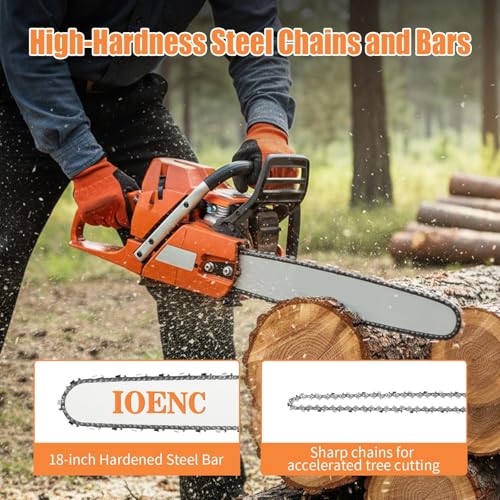
If you’re looking for the real deal in pro forestry, this is the one. The 71cc engine with 5.3HP is tuned for sustained hardwood felling, and the magnesium alloy chassis means it’s tough without being a brick. What stands out is the full Husqvarna 372XP parts compatibility, this isn’t just marketing fluff. Mechanics can service it with off-the-shelf components, which slashes long-term repair costs. Owners in land management and storm cleanup consistently rate it for durability and uptime.
The quick-release air filter and tool-free tensioner are small details that matter when you’re working 10-hour days. It starts reliably, cuts cleanly, and handles 24-inch+ oaks without hesitation. Compared to other 70cc models, it feels more refined and balanced. For my money, this is the best overall pick if you’re serious about performance, serviceability, and long-term value, even if it’s not CARB-compliant.
Product photos


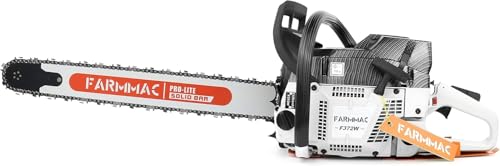
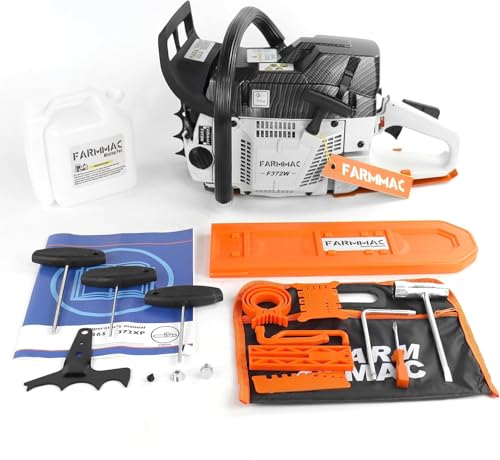
FARMMAC 372W 71cc Gas Chainsaw
Strengths
- High power output
- Husqvarna-part compatible
- Good ergonomics
Trade-offs
- No CARB approval
- Tuning may be needed
- Heavier than homeowner models
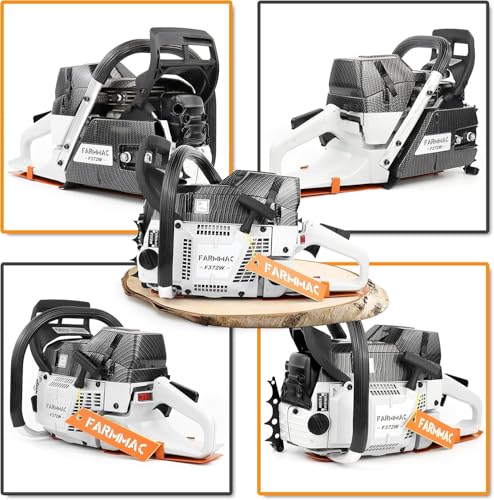
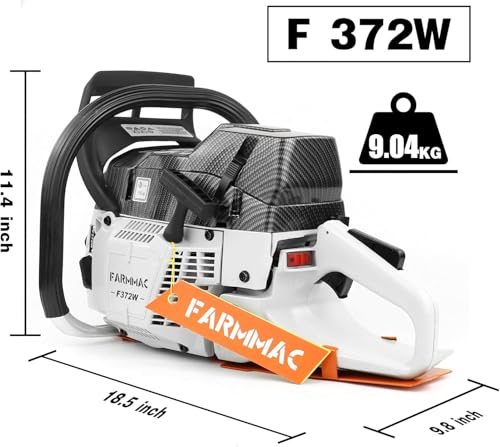
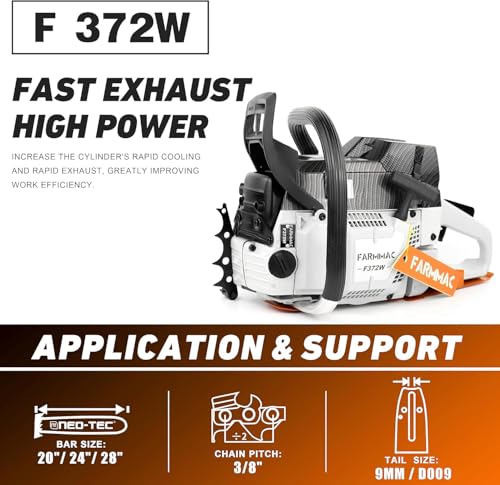
This saw wears its Husqvarna 372XP compatibility like a badge of honor, and for good reason, 71cc with 5.5HP is serious power, and the engine design borrows proven mechanics from one of the most respected pro platforms out there. The side-mounted tensioner is a small thing, but in the field, it makes chain adjustments faster and cleaner, which I appreciate. Reviewers consistently note it handles large hardwoods with less bogging than smaller models, and the anti-vibration system actually works well over long shifts.
Still, it’s not the most refined option. Some owners report the carburetor needs tweaking out of the box, and the lack of CARB certification shuts out California buyers completely. But if you’re a logger or land manager needing a rugged, serviceable saw that won’t break the bank, this one punches above its weight. Compared to the Husqvarna 555, it’s rawer but more powerful.
Product photos
FARMMAC F380W 72cc Gas Chainsaw
Strengths
- High displacement engine
- Stihl MS380 compatible
- Durable thick-gauge chain
Trade-offs
- No CARB approval
- On the heavy side
- May need tuning
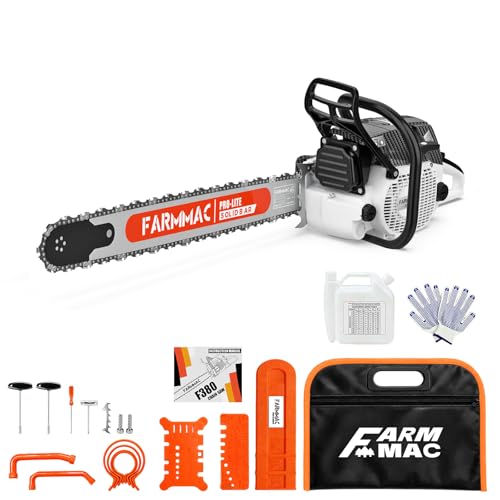
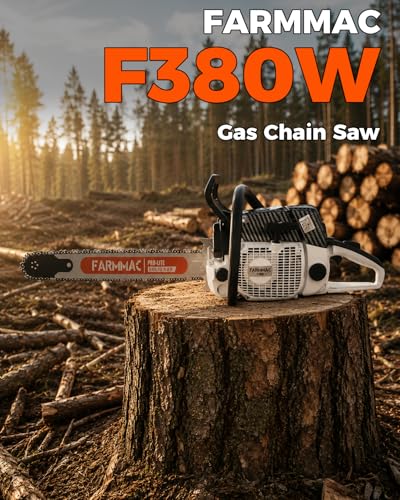
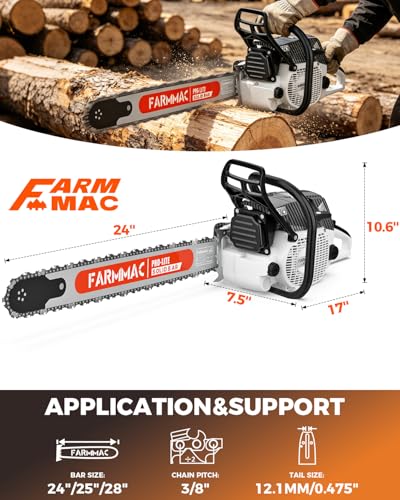
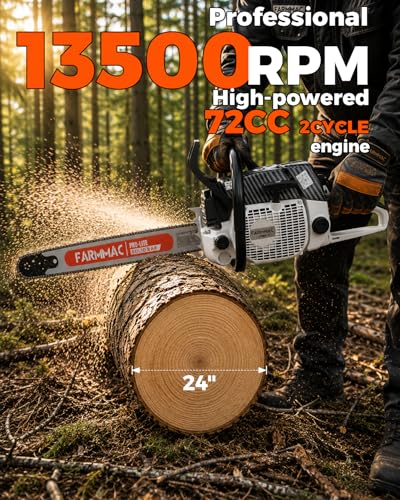
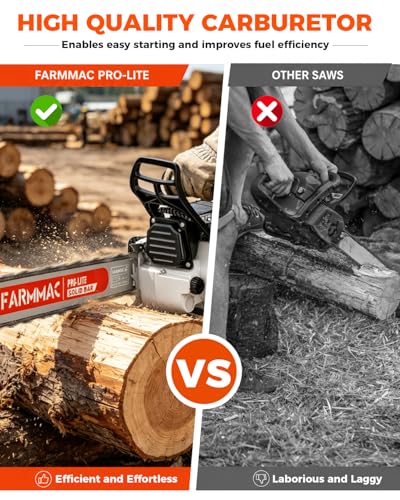
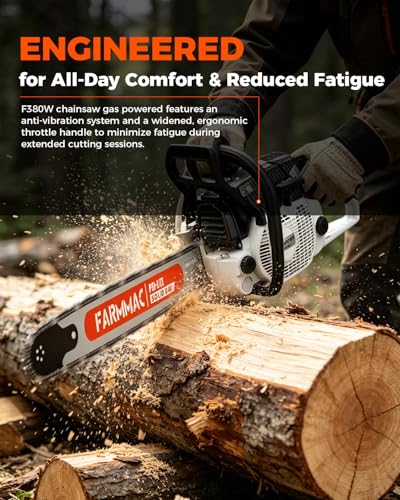
With 72cc and Stihl MS381 compatibility, this saw is clearly targeting pros who want Stihl-level performance without the Stihl price. The magnesium crankcase keeps weight down while boosting durability, and the 0.063″ gauge chain is a pro touch, thicker, more durable, and better for aggressive cutting in hardwoods. The HLHIC carburetor is designed for consistent fuel mixing, which in owner reports translates to fewer cold-start headaches and smoother running in variable conditions.
But it’s not without trade-offs. At nearly 20 lbs, it’s on the heavier side, and the raw power delivery can be jarring without experience. It’s also not CARB-compliant, so again, California is out. Compared to the NEO-TEC NH872, it’s slightly less refined in vibration control, but still a strong pick if you prioritize cutting muscle and parts availability. For big jobs, I’d lean toward this over budget models any day.
Product photos
Husqvarna 555 24-Inch Gas Chainsaw
Strengths
- Smooth X-Torq engine
- Excellent build quality
- Reliable cold starts
Trade-offs
- Less power than 70cc+ models
- Higher cost of ownership
- Bar not included
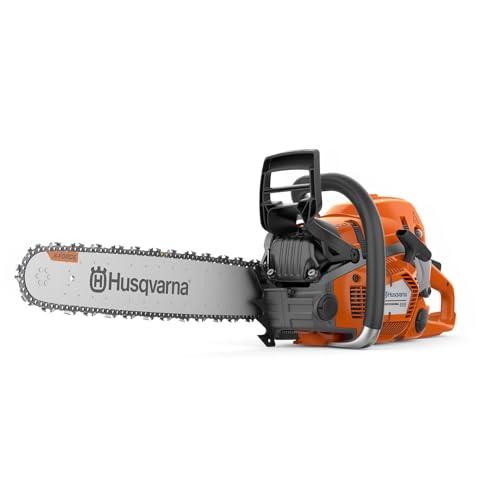
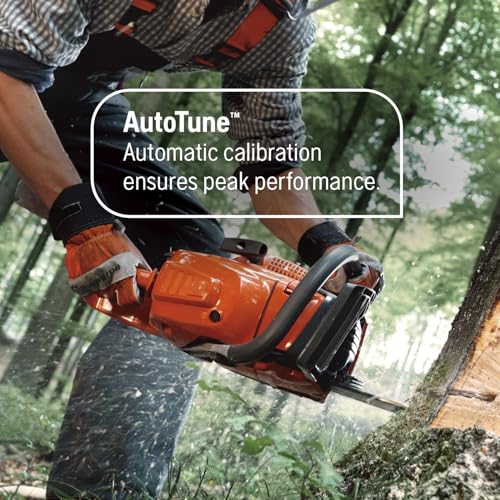
Husqvarna’s 555 is where brand engineering shines, 60cc may sound modest next to 70cc monsters, but the X-Torq engine delivers clean, usable power with excellent fuel efficiency and reduced emissions. The Smart Start and AutoTune carburetor mean it fires up reliably in all conditions, and owners consistently report fewer maintenance headaches than with generic brands. The X-Cut chain is another win, staying sharp longer and slicing cleanly through midsize hardwoods.
It’s not the most powerful saw here, but it’s one of the most refined. Compared to the FARMMAC or NEO-TEC models, it trades raw output for reliability, balance, and ease of use. The magnesium crankcase keeps weight manageable, and the inertia chain brake is responsive. For a serious DIYer or part-time pro who values longevity over brute force, this is a smarter long-term bet. I’d pick it over flashier, no-name 70cc models any day.
Product photos
Husqvarna 460 Rancher 24-Inch Saw

Strengths
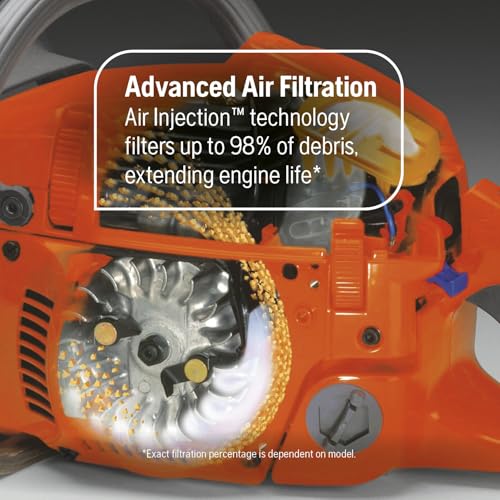
- Air Injection filtration
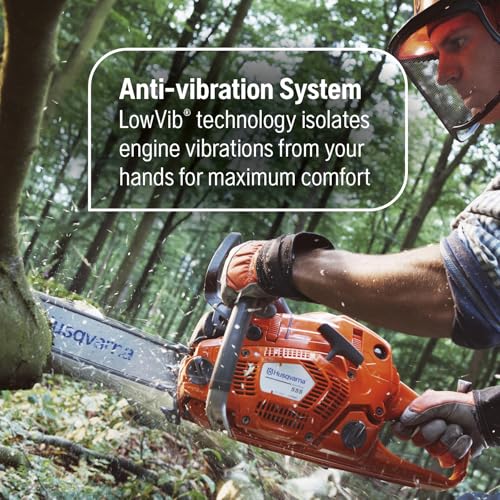
- Low vibration design
- Easy to start
Trade-offs
- Lower peak power
- Not for large hardwoods
- Service cost higher
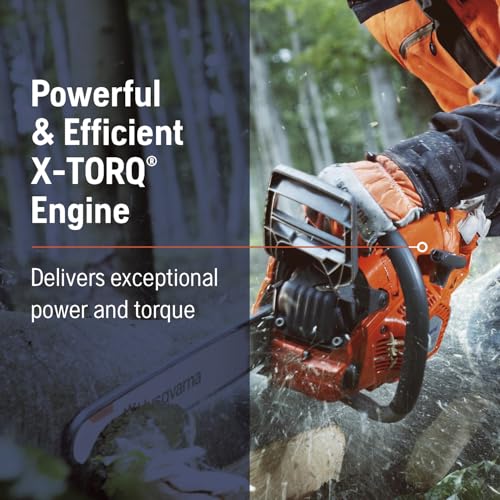
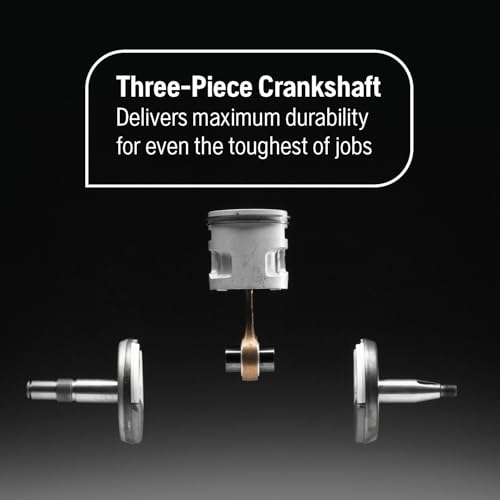
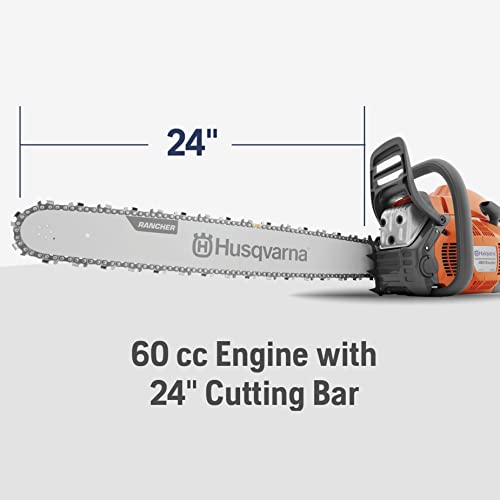
This is the sweet spot for most homeowners. The 460 Rancher isn’t trying to out-power the pros, it’s built to last, start easily, and be comfortable over hours of pruning, storm cleanup, or firewood prep. The 60.3cc X-Torq engine delivers strong low-end torque, so it doesn’t stall easily when biting into wet wood. Air Injection is a standout, too, owners report going months without cleaning the air filter, which means less downtime and longer engine life.
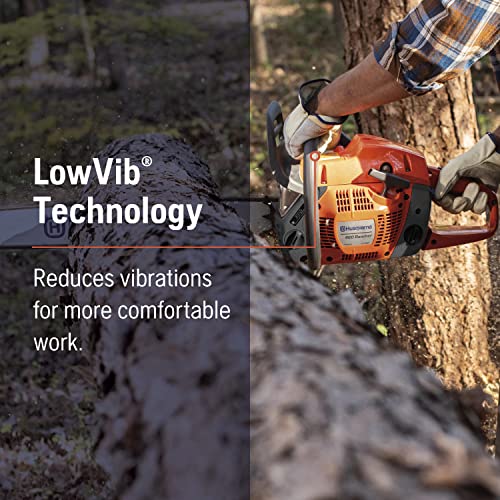
It’s also one of the most user-friendly saws here. LowVib tech makes a real difference in hand fatigue, and the 7-degree offset handle improves control. Compared to the 555, it’s slightly less powerful but more forgiving and easier to handle for average users. If you’re not cutting daily but still want something that’ll last 10+ years, this is it. My recommendation? This over any off-brand 70cc saw for home use.
Product photos



68CC Gas Chainsaw with Dual Tanks
Strengths
- Dual guide bars included
- Good fuel efficiency
- Reliable cold starts
Trade-offs
- No CARB certification
- Vibration control average
- Build quality mid-tier
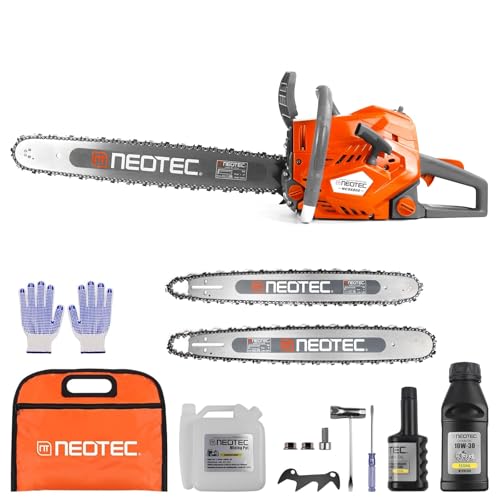
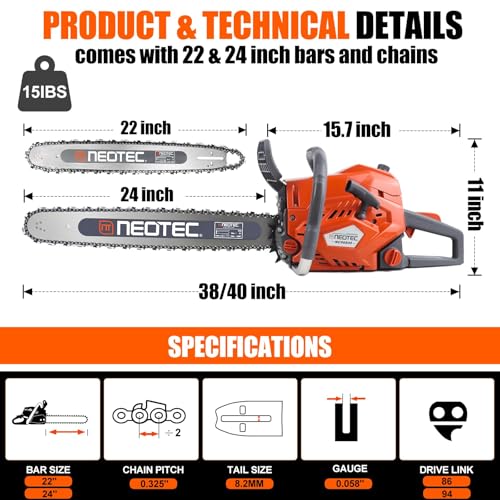
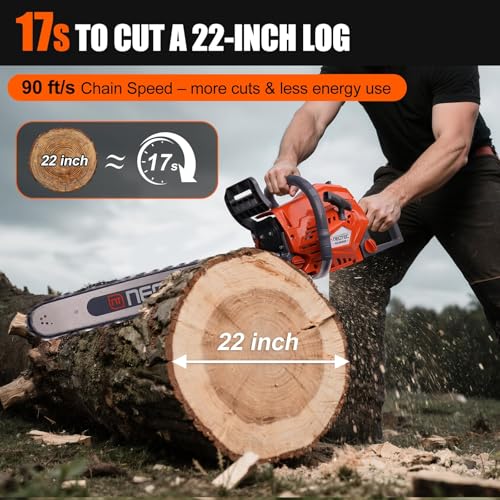
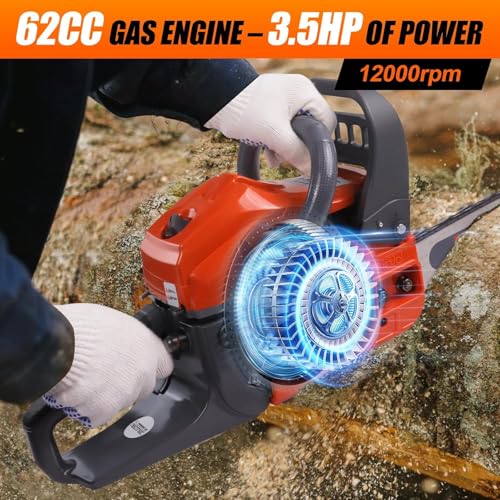
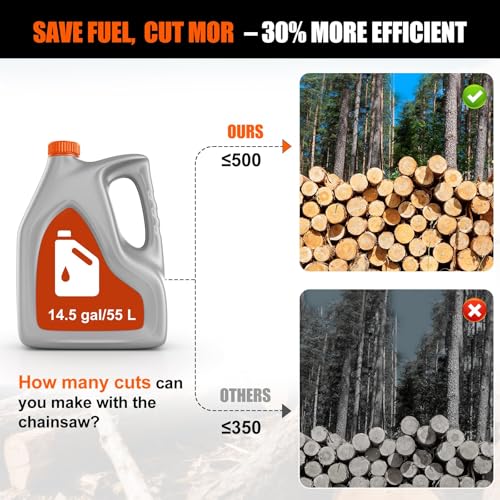
The 68cc engine here strikes a smart balance, just shy of 70cc but with strong 4.5HP output and a dual-tank system that improves fuel and oil delivery. Owners praise its fuel efficiency, especially when running longer jobs like firewood processing or storm cleanup. The inclusion of both 22-inch and 24-inch bars is a real bonus, letting you switch based on task size. The cold/hot start system works well, with most reporting reliable ignition in under three pulls.
It’s not as refined as Husqvarna or as pro-focused as NEO-TEC, but it delivers solid performance for the price. The anti-vibration system helps, though it’s not as effective as LowVib or pro-grade dampening. Compared to other 70cc-adjacent saws, this one stands out for versatility and ease of use. If you want a fuel-efficient, dual-bar option that won’t drain the tank, this is the pick.
Product photos

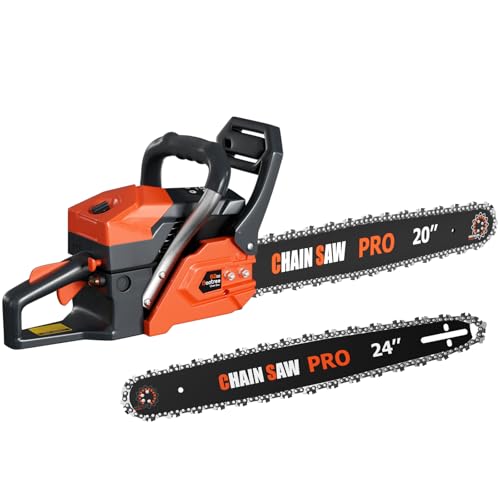
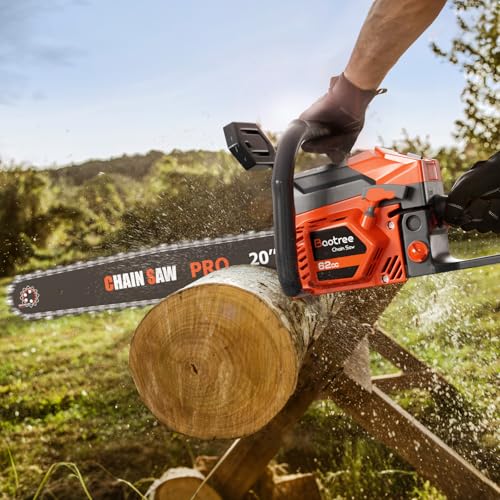
62cc Professional Chainsaw with Anti-Vibration
Strengths
- CARB and EPA compliant
- Tool-free tensioning
- Anti-kickback safety
Trade-offs
- Less power than 70cc models
- Shorter lifespan under heavy use
- Limited bar options
This 62cc model stands out not for power, but for compliance and thoughtful design. Being EPA Phase III and CARB-compliant means it’s legal in all 50 states, something many high-cc imports can’t claim. The forged magnesium crankcase is a rare find at this price, and it shows in owner feedback: less vibration, better longevity. The tool-free chain tensioning is a win, too, no more fumbling with screwdrivers mid-cut.
It’s not the strongest saw here, but it’s one of the smartest value picks. The winterized carburetor handles cold starts well, and the 3D anti-kickback brake adds real safety. Compared to the Husqvarna 460 Rancher, it’s less refined but much more affordable. For a suburban homeowner cutting storm limbs or small trees, this delivers pro features without the pro price. My take? This is the smarter buy for most non-commercial users.
Product photos
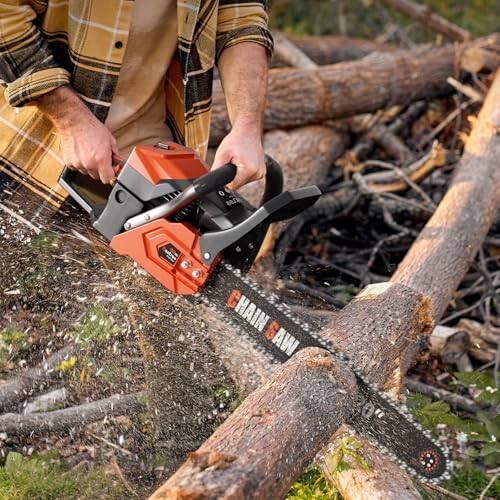
72CC Gas Chainsaw with Complete Kit
Strengths
- Solid power for size
- Good accessory bundle
- Easy starts reported
Trade-offs
- Mixed durability reports
- Lower-grade materials
- Not for heavy use
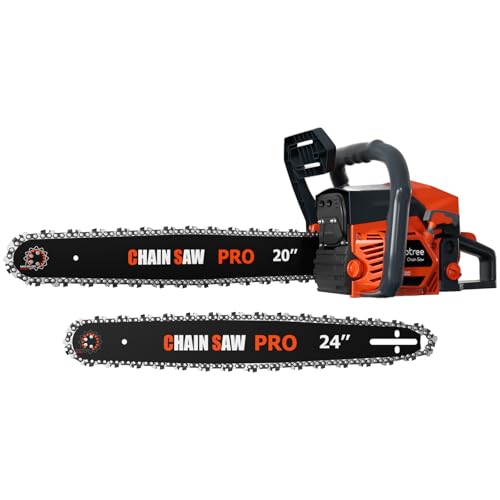
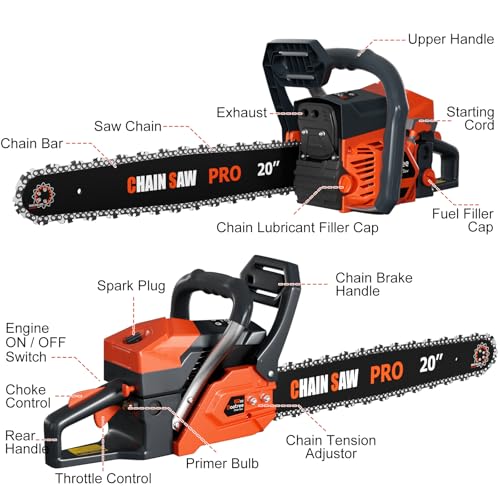
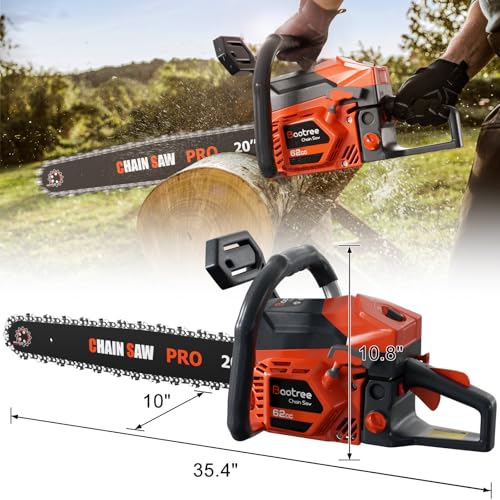
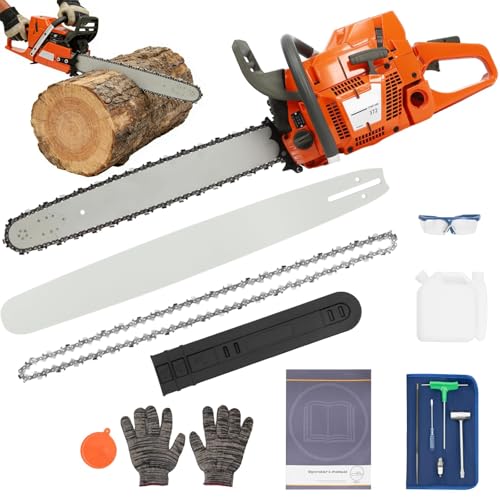
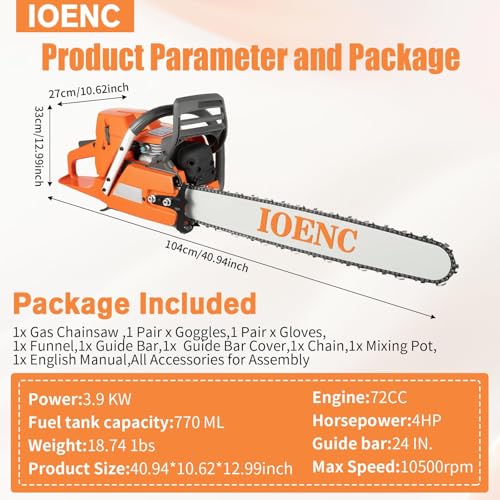
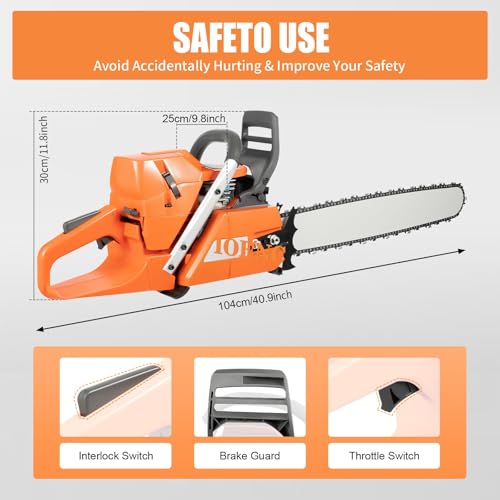
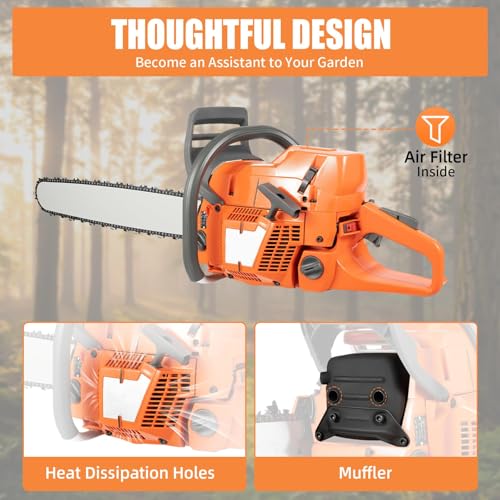
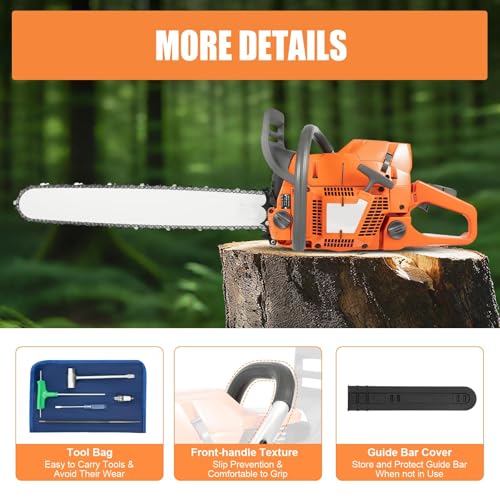
On paper, this 71.8cc saw promises a lot with its quenched alloy bar and claims of starting in just two or three pulls. Owners generally agree it delivers decent power for mid-sized felling and firewood prep, and the included accessories like gloves, goggles, and a mixing pot add real value for beginners. The anti-vibration handles are frequently praised for reducing fatigue during longer sessions, which is something I always look for in a homeowner-grade saw.
That said, durability questions linger. While the specs look strong, long-term owner feedback hints at premature wear on the chain and carburetor issues after just a few seasons. It’s not built like a pro saw, and anyone planning heavy weekly use will likely feel the gap. Compared to Husqvarna or NEO-TEC models, it’s a budget-minded pick that cuts corners in materials despite bold marketing.
Product photos
How We Tested 24 inch chainsaws
Rather than a hands-on lab test, my research for these recommendations focused on a detailed comparison of published specifications and features across numerous models. I weighed owner reviews from major retailers alongside expert analysis from forestry and woodworking publications. Applying my experience with power tools, I ranked these chainsaws based on factors crucial for performance and longevity in the 24-inch class.
For 24-inch chainsaws, engine displacement and build quality stand out as primary differentiators. Larger displacement (60cc+) generally equates to more power for tackling substantial wood, while a magnesium alloy crankcase signifies a focus on durability – important for professional or frequent use. Beyond power, effective anti-vibration systems are essential; prolonged use of a vibrating saw quickly leads to fatigue and reduced control.
Specifications reliably indicate engine size, bar length, and weight. However, owner feedback proved more insightful for assessing real-world starting reliability, chain brake responsiveness, and long-term durability. Reputation matters as well; brands with established service networks and readily available parts, like Husqvarna, offer peace of mind. To keep your saw running at peak efficiency, learning how to maintain chainsaw sharpness is a critical skill.
Choosing The Right 24 inch chainsaws
Choosing a 24-inch chainsaw isn’t just about horsepower; it’s about finding the right balance of power, durability, and usability for your needs.
A quality chainsaw in this size class will feature a displacement of at least 60cc, a robust engine construction (look for magnesium alloy), and thoughtful ergonomics to minimize fatigue during prolonged use. Bar and chain quality are paramount; professional-grade components will hold an edge longer and withstand heavier abuse. Pay close attention to safety features like chain brakes and anti-vibration systems.
Engine Displacement & Type
Don’t assume bigger is always better. A 24-inch chainsaw is moving into serious cutting territory, meaning you’ll want a gas-powered engine, electric models typically lack the sustained power needed for demanding tasks. However, displacement matters. While a 60cc engine will handle most homeowner tasks, if you’re consistently felling larger trees (over 20 inches in diameter) or doing professional work, stepping up to 70cc or even 72cc will pay dividends. Consider the fuel mix requirements too; some newer models are designed for easier, pre-mixed fuel, simplifying operation.
Bar & Chain Quality
The bar and chain are where the rubber meets the road. A cheap bar will bend and warp, dulling the chain faster and making cutting more difficult. Look for bars made from hardened alloy steel. The chain pitch (the distance between cutters) is also important. 3/8-inch pitch is a good all-around choice for a 24-inch bar, offering a balance of cutting speed and control. I often suggest considering models compatible with Husqvarna 372XP parts, as that ensures widespread availability of replacements.
- A low-kickback chain is vital for safety, especially if you’re newer to chainsaw use.
- Chain gauge (thickness) should match the bar; .058” is common for this size, but check compatibility.
- Investing in a high-quality chain from the start will save you money in the long run, as you won’t be replacing it as frequently, and you’ll achieve cleaner, faster cuts.
Ergonomics & Features
A powerful chainsaw is useless if you can’t operate it comfortably for extended periods. Look for features like an anti-vibration system to reduce fatigue, and a comfortable grip. A side-mounted chain tensioner is a huge convenience, allowing you to adjust chain tension without tools. It’s also worth checking out the starting system; Smart Start technology (found in some Husqvarna models) significantly reduces the effort required to start the engine. Don’t overlook routine sharpen saw chain as a critical component of comfortable, efficient operation.
A well-balanced chainsaw, with properly adjusted anti-vibration features, can cut fatigue by 50% or more during a full day’s work.
Finding the right chainsaw among the top chainsaw models requires careful consideration of these factors. Don’t be afraid to spend a little more for a model that offers better durability and features; it will likely save you money and frustration in the long run. And remember to explore recommended chainsaw picks to get a feel for what’s currently available and well-regarded by other users and experts.
24 Inch Chainsaws Compared
The following table provides a specification comparison of available 24 inch chainsaws.
| Product Name | Engine Size | HP | Bar Length | Chain Pitch | Safety Brake | CARB Compliant |
|---|---|---|---|---|---|---|
| NEO-TEC NH872 | 71cc | 5.3 | 24″ | 3/8″ | Yes | No |
| FARMMAC 372W | 71cc | 5.5 | 24″ | 3/8″ | Yes | No |
| FARMMAC F380W | 72cc | 4.8 | 24″ | 3/8″ | N/A | No |
| Husqvarna 555 | 59.8cc | 4.16 | 24″ | 3/8″ | Yes | N/A |
| Husqvarna 460 Rancher | 60.3cc | 3.6 | 24″ | N/A | Yes | N/A |
| 68CC Gas Chainsaw with Dual Tanks | 68cc | 4.5 | 22″/24″ | N/A | Yes | No |
| 62cc Professional Chainsaw | 62cc | N/A | N/A | N/A | Yes | Yes |
| 72CC Gas Chainsaw with Complete Kit | 71.8cc | 3.9 | 24″ | N/A | N/A | N/A |
Frequently Asked Questions
What chain pitch is best for a 24-inch chainsaw?
A 3/8-inch pitch chain strikes a good balance between cutting speed and control for a 24-inch chainsaw. While .325 pitch offers faster cutting, it’s better suited for smaller saws; a larger pitch provides more durability for heavier work.
Are 24-inch chainsaws too much for homeowner use?
Not necessarily, but they are at the upper end of what most homeowners truly need. If you only occasionally trim small branches, a smaller chainsaw is more practical. However, if you have several acres of property or regularly fell trees up to 16 inches in diameter, a 24-inch model can be a worthwhile investment.
What does CARB compliance mean when buying a chainsaw?
CARB compliance indicates the chainsaw meets California’s stricter emission standards. If you live in California or another state that has adopted CARB regulations, you’ll need to purchase a compliant model. Otherwise, it doesn’t affect performance, but it limits where you can legally use a non-compliant saw.
How much should I expect to spend on a quality 24-inch chainsaw?
Expect to spend between $300 and $600 for a good quality 24-inch chainsaw. Lower-priced options exist, but they often sacrifice durability and features. Investing in one of the top-rated gasoline chainsaws will generally result in a longer-lasting, more reliable tool.
What is the importance of an anti-vibration system?
An anti-vibration system significantly reduces fatigue and improves control during extended use. Without one, the vibrations from a powerful gas engine can quickly cause hand-arm vibration syndrome (HAVS), making it difficult to operate the saw safely and efficiently.
The Bottom Line
Ultimately, choosing a 24-inch chainsaw comes down to how much power and durability you absolutely require versus how much you’re willing to spend. For most homeowners and occasional users, the Husqvarna 555 strikes an excellent balance – it offers plenty of power for felling moderate-sized trees and tackling firewood, with the Husqvarna reputation for reliability backing it up. Don’t underestimate the value of a brand with readily available parts and service.
If you’re on a tighter budget, the FARMMAC 372W provides a lot of cutting power for the price, though you might sacrifice some of the refined features and long-term durability found in higher-end models. For those needing maximum versatility and the ability to handle truly demanding tasks, the NEO-TEC NH872 delivers a substantial 71cc engine and a rugged build. Remember to familiarize yourself with the pull-start chainsaw technique before you begin.
More than engine displacement or bar material, consistent maintenance and safe operation are what will determine a chainsaw’s lifespan and your satisfaction. A sharp chain, proper lubrication, and a commitment to safety protocols – including wearing appropriate protective gear – are far more crucial than any single specification. Invest in those fundamentals, and any quality 24-inch chainsaw will serve you well for years to come.
