8 Best 10 Inch Miter Saws of 2026
This post contains affiliate links. As an Amazon Associate, we earn from qualifying purchases.
The Makita LS1019L stands out as the best overall 10 inch miter saw for its dual-bevel precision, compact design, and reliable performance. For those watching their budget, the DEWALT DWS713 delivers solid accuracy and durability at a lower price. If portability is key, the Metabo HPT C10FCG2 is the lightest option without sacrificing core functionality.
Most people don’t realize how much a miter saw’s build quality and feature set affect real-world results. A poorly aligned fence or sloppy detents can ruin a trim job fast, no matter how skilled you are.
I researched the top models by comparing specs, analyzing owner feedback, and weighing features that matter most, like cut capacity, bevel range, and long-term reliability. These picks reflect what actually works in driveways, workshops, and job sites, not just what looks good on paper.
Top 8 10 Inch Miter Saws in the Market
The Best 10 Inch Miter Saws, Reviewed
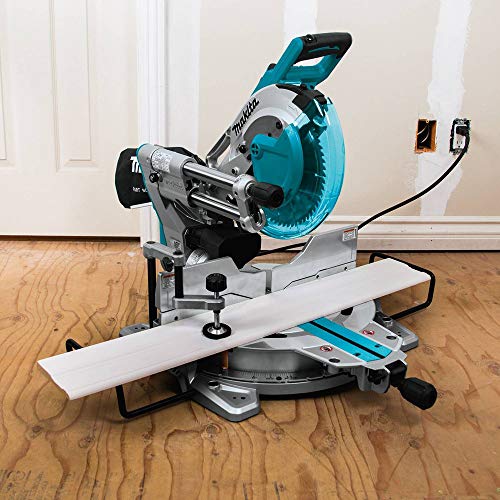
Makita LS1019L 10″ Dual-Bevel Sliding

Strengths
- Excellent cut capacity
- Laser for alignment
- Compact and precise
Trade-offs
- No LED light
- Laser can fade in bright light
- Higher price point
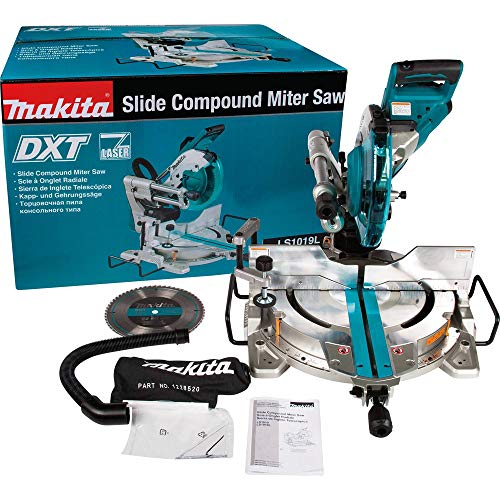
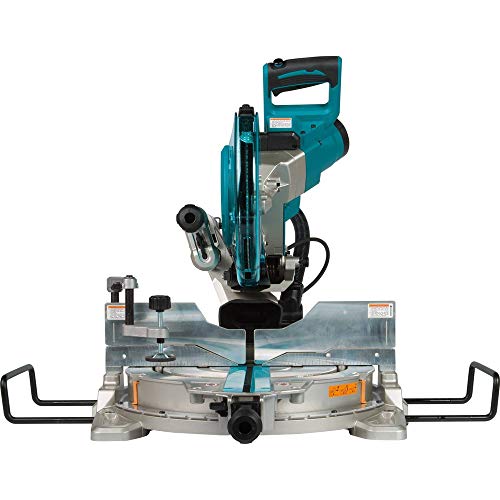
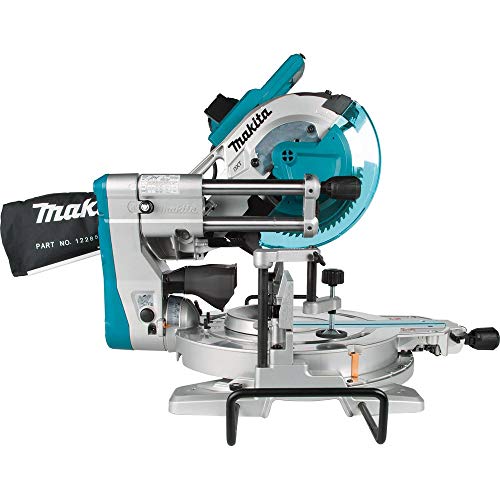
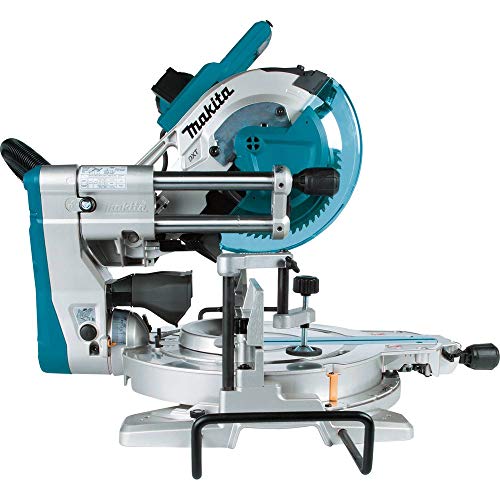
The Makita LS1019L hits a sweet spot: it’s compact and lighter than most dual-bevel sliders, yet it delivers a 12-inch saw’s crown molding capacity in a 10-inch footprint. The laser guide is a real help for DIYers, and owners say the linear ball bearings make sliding smooth and precise. The direct drive system boosts vertical cut capacity to 5-1/4 inches, which means fewer flips when cutting baseboards.
It’s not cordless, and it’s pricier than budget models, but the build quality and accuracy stand out. Compared to the VEVOR or SKIL, this one feels more refined, less play in the head, better fence stability. If you want a no-compromise 10-inch saw that handles complex trim work with ease, this is my top pick.
Product photos
DEWALT DWS713 10-Inch Single Bevel

Strengths
- Rugged build quality
- Accurate detent system
- Great value
Trade-offs
- No sliding rail
- Single bevel only
- Heavier than rivals
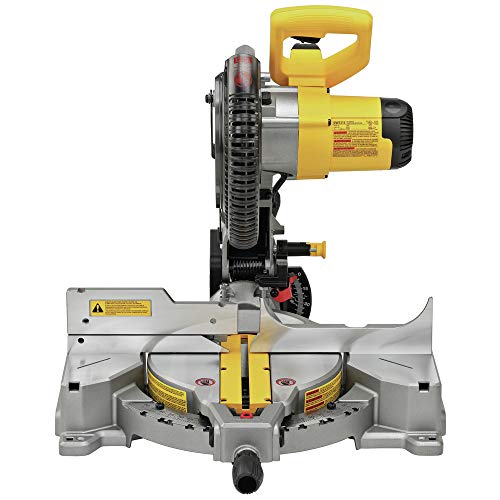
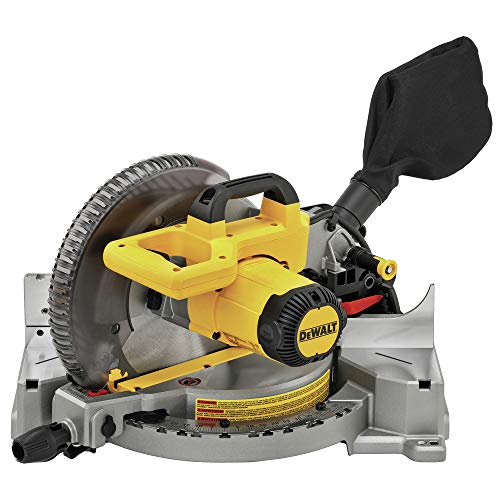
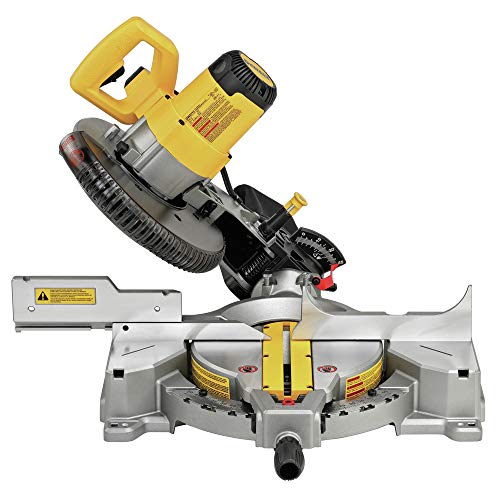
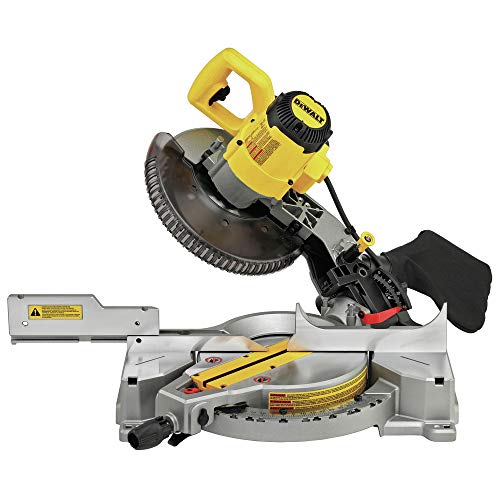
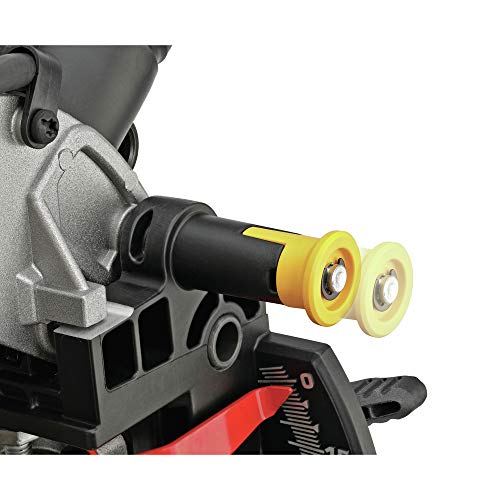
The DWS713 is the value king, solid, no-frills, and built like a tank. DEWALT’s miter detent plate with 14 positive stops makes repeat cuts fast, and the machined fence is dead-on straight, which matters for accuracy. It’s not flashy: no laser, no sliding rail, single bevel only. But for basic framing, deck work, or shop projects, it gets the job done.
Compared to the Metabo HPT C10FCG2, it’s heavier and lacks the shadow line, but it’s often more affordable and has better long-term parts availability. Owners love its durability, though some wish the bevel went right as well as left. If you’re starting out or just need a workhorse, this is the smarter buy.
Product photos
SKIL 10″ Dual Bevel Sliding
Strengths
- 2×12 crosscut capacity
- LED shadow line
- Dual bevel with positive stops
Trade-offs
- Plastic components feel cheap
- Fence alignment issues reported
- Limited dust collection
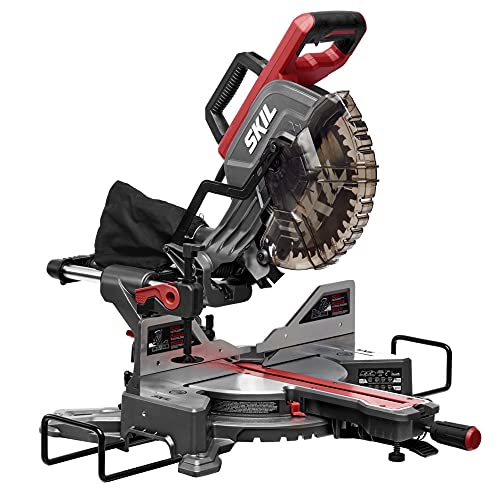
The SKIL MS6305 packs dual bevel, sliding rails, and a 15-amp motor into a surprisingly capable package. The 2×12 cutting capacity at 90° means it handles dimensional lumber without issue, and the LED shadow line is sharper than many lasers, owners say it holds up well in sunlight. The dual bevel stops at 45° and 48° left and right make repeat angled cuts faster.
It’s not as refined as the Makita, and the brand’s service network isn’t as strong, but for the price, it’s a solid dual-bevel slider. Compared to the VEVOR, it feels more durable and has better angle stops. If you want sliding and dual bevel without overspending, this is the pick.
Product photos


Metabo HPT C10FCG2 10-Inch
Strengths
- Extremely lightweight
- Xact Cut shadow line
- 5-year warranty
Trade-offs
- No sliding rail
- Single bevel only
- Smaller cut capacity
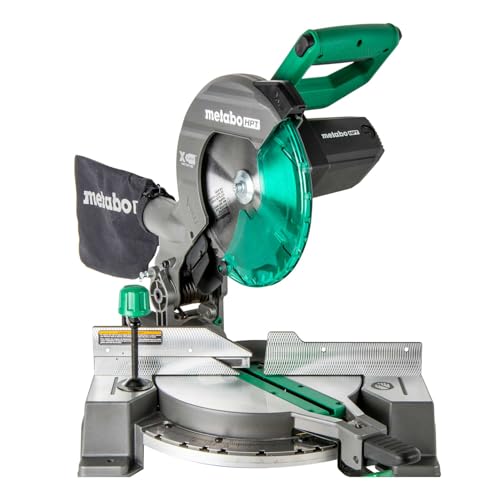
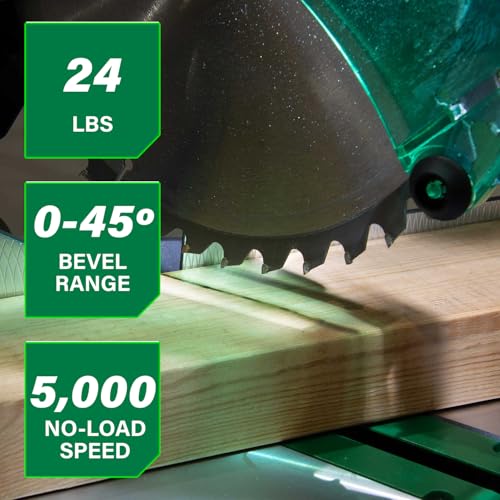
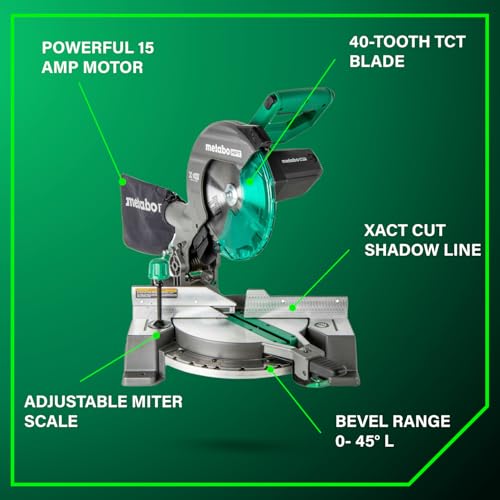
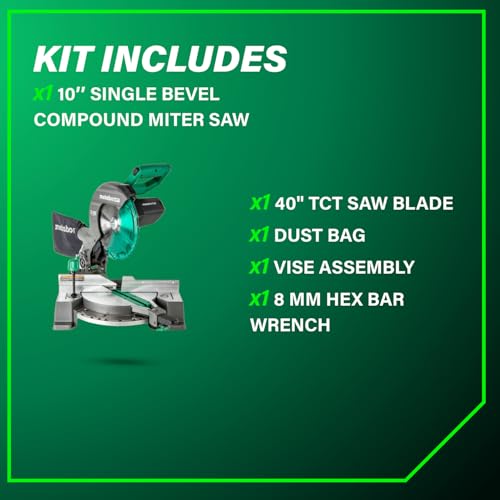
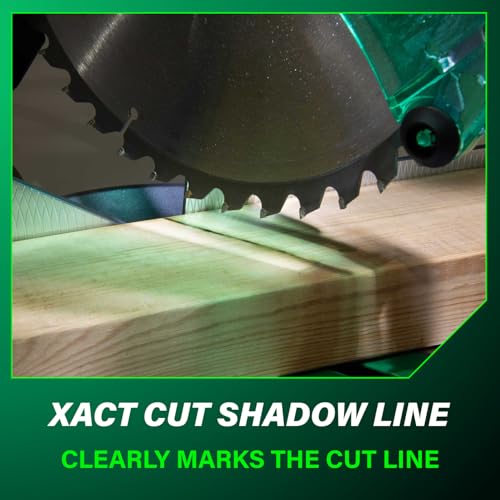
At 24 pounds, this Metabo HPT is the lightest 10-inch model here, and that matters when you’re hauling gear up ladders or across job sites. The 15-amp motor delivers solid power, and the Xact Cut shadow line system gets praised in owner feedback for making alignment faster and more intuitive than laser guides. It’s not a dual-bevel, so you’ll flip the workpiece for right-side angles, but the bevel range up to 45° left is smooth and repeatable.
Compared to the DEWALT DWS713, it’s lighter and has a better warranty, 5 years versus 3, but lacks a sliding rail, so cutting wider boards means repositioning. Still, for trim work or baseboard runs where portability and speed matter, this one shines. The Japanese engineering shows in the fit and finish.
Product photos

DOVAMAN 10-Inch Sliding Miter

Strengths
- Dual-speed motor
- Three blades included
- Large cutting range
Trade-offs
- Build quality inconsistent
- Laser alignment issues
- Vibration at high RPM
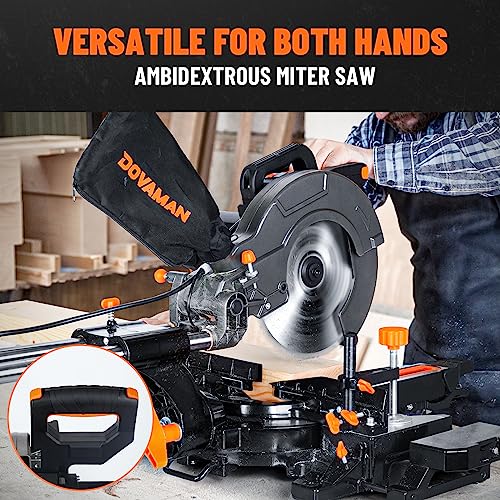
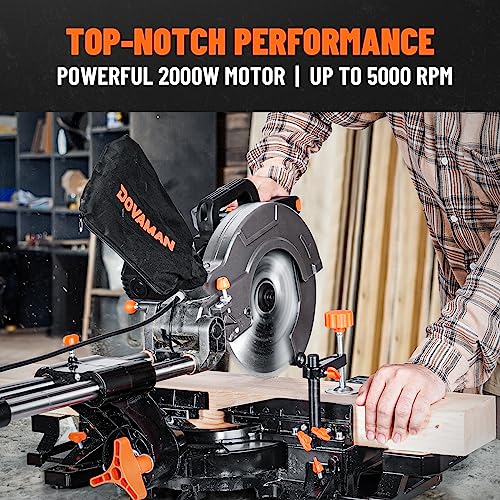
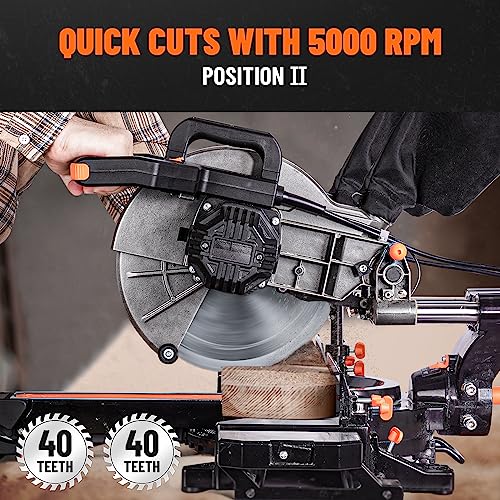
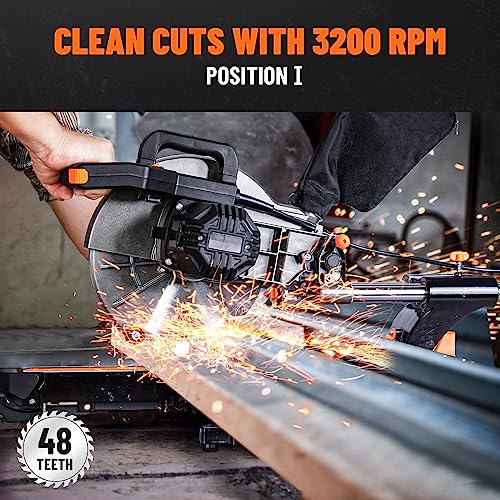
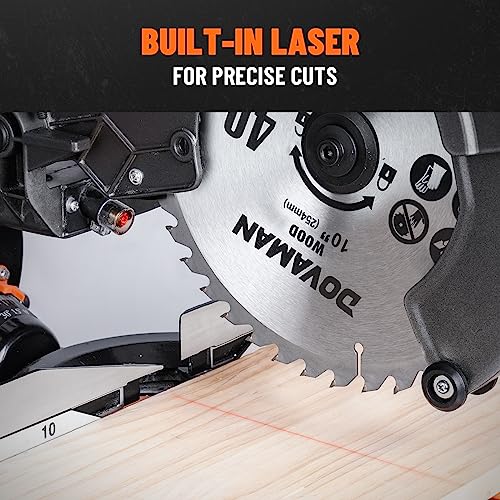
The DOVAMAN stands out with three blades and dual-speed settings, 5000 RPM for wood, 3200 for metal and PVC, making it one of the most versatile multi-material saws here. The laser guide is bright, and the 13-inch sliding rail with extendable tables supports large panels. Ambidextrous controls are a nice touch for shared workshops.
But versatility comes with compromises. Some owners report vibration at high speed and alignment drift over time. Compared to the Evolution R255SMS+, it cuts metal but not as cleanly or safely, no mention of cool cutting or spark reduction. Still, for a DIYer tackling decks, pipes, and wood, it’s a compelling all-in-one.
Product photos
VEVOR 10-Inch Double Bevel

Strengths
- Bright LED guide
- Dual bevel and sliding
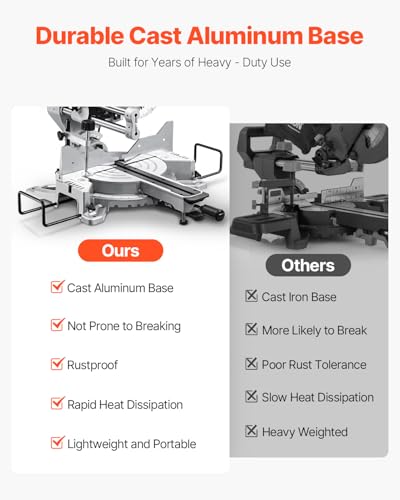
- Lightweight aluminum base
Trade-offs
- Fence stability lacking
- Brand reliability concerns
- No laser or shadow line
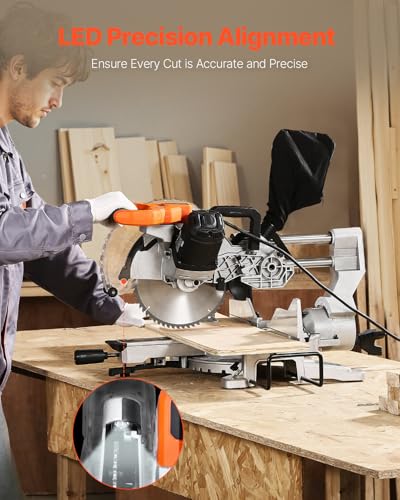
The LED guide on this VEVOR is one of the brightest and clearest I’ve seen, making it easy to see your line even in low light. It’s not a name-brand tool, but the specs are aggressive: 5000 RPM, dual bevel, and a 60-tooth blade for fine finishes. The aluminum base keeps it lighter than cast iron models, and the sliding system works well for a budget-friendly saw.
Owners report it handles hardwoods and laminates without bogging down, though some mention the fence isn’t as rigid as Makita or DEWALT. Compared to the SKIL MS6305, it has a better light but less brand trust. If you want LED precision without spending premium, this is a smart choice.
Product photos
Evolution R255SMS+ 10-Inch Sliding
Strengths
- Multi-material cutting
- Includes clamps and blade
- Cuts metal cool and safe
Trade-offs
- Dust management weak
- Heavier than wood-only saws
- Lower RPM than competitors
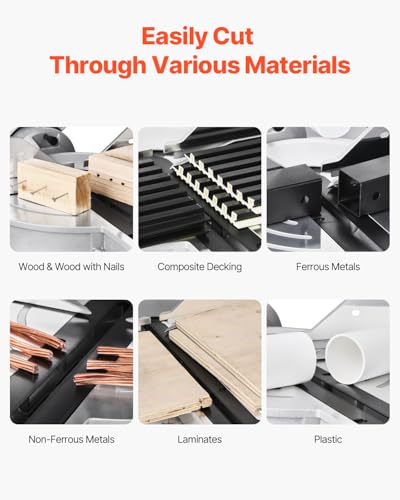
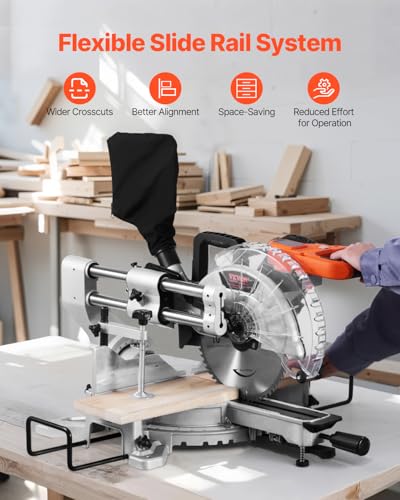
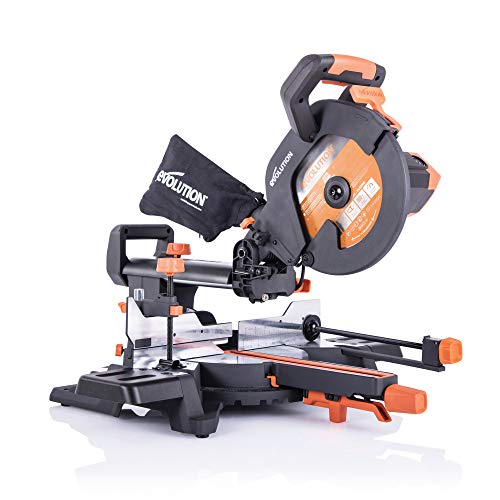
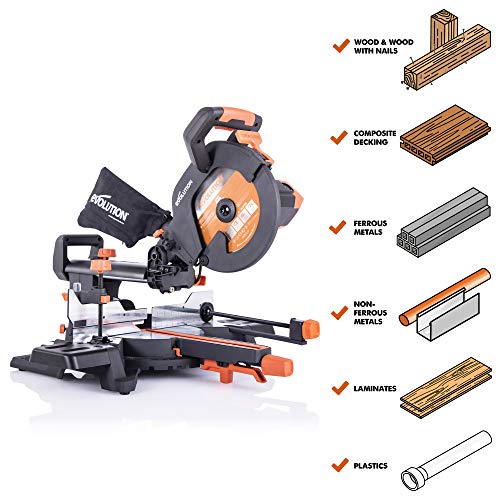
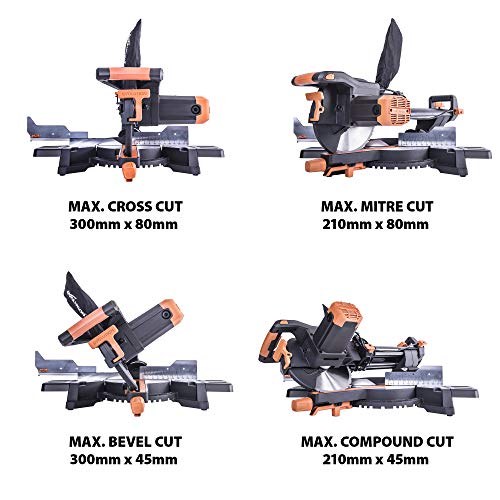
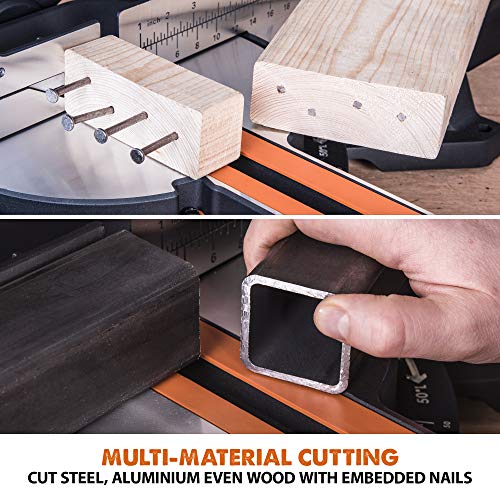
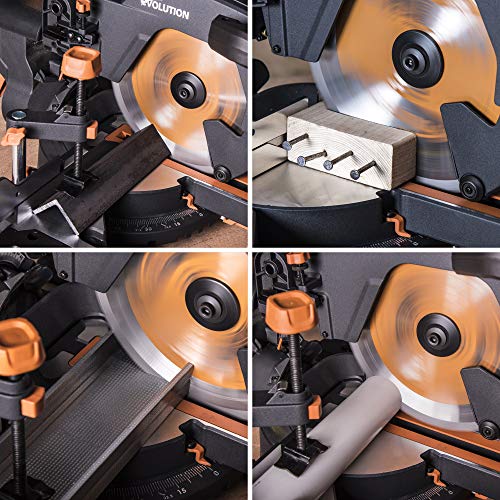
This Evolution model stands out because it genuinely cuts metal without the sparks and heat you’d expect from a traditional chop saw. Owners consistently report clean cuts through mild steel and even wood with embedded nails, which is rare in a single-blade setup. The ability to handle multiple materials with one tool makes it a strong pick for remodelers or anyone dealing with mixed job site debris.
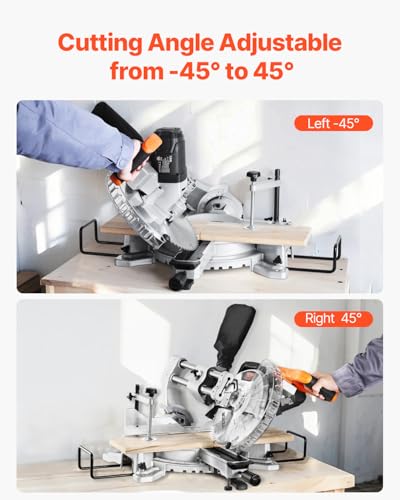
The included TCT blade and dual clamps add real value, and the 3-year warranty signals confidence in durability. On paper, the 50° miter range and sliding rails give it flexibility, though some users note the dust collection could be better. Compared to standard woodworking miter saws, this one trades a bit of finesse for brute versatility.
Product photos

DEWALT DCS714B 20V Cordless
Strengths
- Cordless convenience
- Excellent dust capture
- Cutline accuracy system
Trade-offs
- No sliding rail
- Limited cut capacity
- Battery sold separately
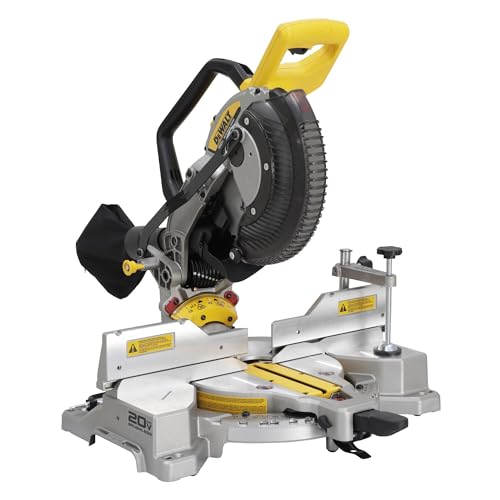
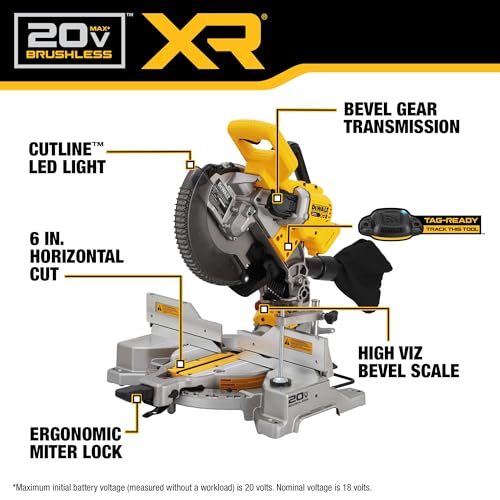
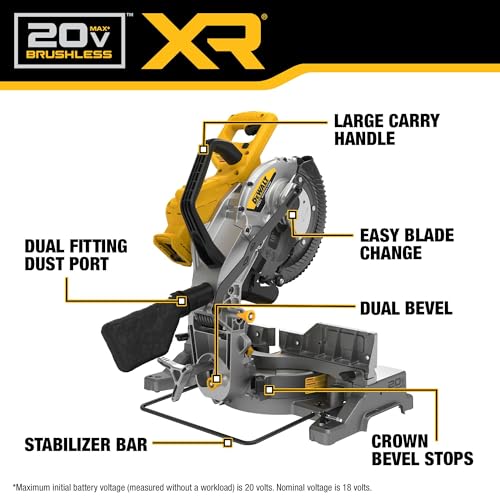
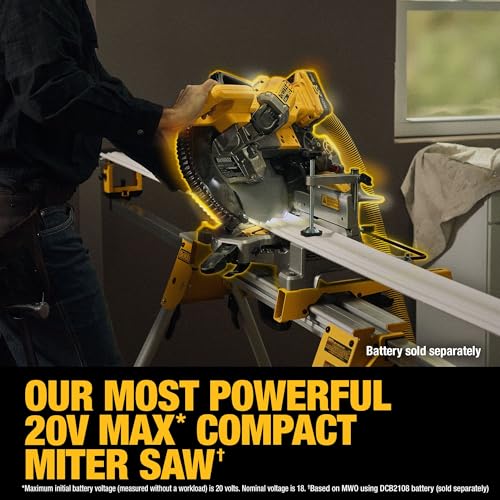
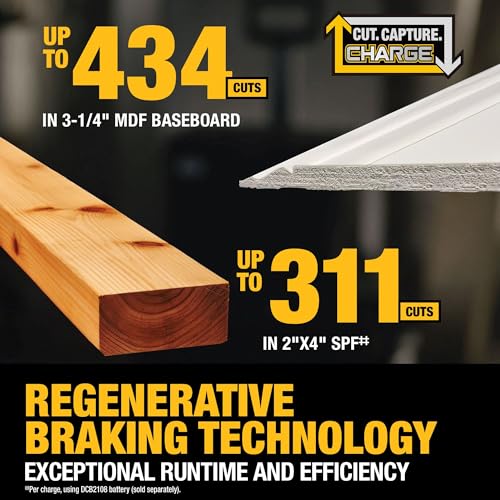
This cordless DEWALT is a standout for job sites without easy power access. Running on 20V or FLEXVOLT batteries, it delivers up to 434 cuts in base molding on a single charge, impressive for cordless. The cutline blade positioning system gives exact visual alignment without lasers, and the 97% dust capture is a major win for cleanup.
It’s not as powerful as corded models, and the fixed head means no sliding, so wider boards are off-limits. But for trim work in new construction or remote locations, the portability and runtime make it worth the trade-offs. Compared to the Makita, it’s less versatile but far more mobile.
Product photos

How We Picked These 10 inch miter saws
Rather than a hands-on lab test, my research for these recommendations focused on a detailed comparison of published specifications and features across numerous models. I also weighed owner reviews from major retailers alongside assessments from reputable tool review sites. As someone who spends a lot of time researching and advising on power tools, I applied my experience to rank saws against criteria important to both DIYers and professionals.
For 10-inch miter saws, accuracy and cutting capacity are paramount. I placed significant weight on the quality of the miter detents, the precision of the bevel adjustments, and the overall build quality reported by users. A saw’s ability to consistently deliver accurate cuts, and handle common project materials, ultimately determines its value. Equally important is portability – a lighter saw is far more practical on a jobsite.
Specifications reliably indicate motor power, blade size, and maximum cut dimensions. However, owner feedback proved crucial for assessing real-world usability, durability, and the effectiveness of features like laser guides or dust collection. Reputation also played a role; brands consistently praised for quality and customer service naturally ranked higher, reflecting long-term value. To understand more about these tools in general, you can review miter saw basics.
Choosing The Right 10 inch miter saws
Choosing the right miter saw depends heavily on the types of projects you tackle most often. Don’t get caught up in marketing hype – focus on the features that will actually improve your work.
A good miter saw delivers accurate, repeatable cuts with minimal effort. Key aspects include blade quality, a sturdy fence system, a precise miter scale, and sufficient power for the materials you intend to cut. Look for models with positive stops at common angles and a bevel adjustment that locks securely. Consider whether you prioritize portability, cutting capacity, or specialized features like dual bevel capability.
Cutting Capacity & Material
First, honestly assess the size and type of materials you’ll be working with. A 10-inch miter saw is versatile, but it has limits. If you regularly work with large lumber, like 2x12s, you’ll need a model with a sufficient sliding capacity. Beyond wood, consider if you might need to cut metal or composite materials. The best 10-inch compound sliding saws often excel at handling diverse materials, but specialized blades may be required. Don’t overestimate your needs; a larger saw isn’t always better if it just sits unused.
Bevel Capability and Precision
The ability to make bevel cuts opens up a lot of possibilities, especially for crown molding and trim work. While single-bevel saws can handle many tasks, a dual bevel miter saw offers significantly more versatility. Here’s how to think about it:
- A single bevel only tilts in one direction.
- A dual bevel tilts both left and right, simplifying complex cuts.
- For intricate crown molding or projects requiring symmetrical angle cutting, a dual-bevel design is virtually essential.
Pay close attention to the accuracy of the bevel scale and how securely the bevel locks into position. Sloppy bevel adjustments lead to inaccurate cuts and wasted material.
Power, Portability, and Value
The power of the motor is important, but it’s not the only factor. A 15-amp motor is generally sufficient for most 10-inch miter saw applications. However, consider the saw’s weight and overall design. If you frequently move the saw around a jobsite, a lighter model like the Metabo HPT C10FCG2 is a huge benefit.
A saw that’s too heavy or awkward to maneuver won’t get used as often, no matter how powerful it is.
Don’t automatically assume the most expensive saw is the best. The DEWALT DWS713 offers a compelling balance of features and affordability, making it a strong contender for those on a budget. Ultimately, the best choice is the saw that fits your needs and your budget. If you’re looking for premium 10-inch sliding miter saws and don’t mind spending more, you’ll find options with advanced features and superior build quality.
10 Inch Miter Saws Compared
This table provides a side-by-side comparison of key specifications for popular 10-inch miter saws.
| Product Name | Power (Amps/Watts) | Bevel Range (Left/Right) | Slide Rail Length | Cut Capacity (90°) | Weight (lbs) | Special Features |
|---|---|---|---|---|---|---|
| Makita LS1019L | 15A | 0-45° / 0-45° | N/A | 2×6 | 57.9 | Dual-Bevel, Compact Design |
| DEWALT DWS713 | 15A | 0-48° / 0-3° | N/A | 2×6 | N/A | Single Bevel, Positive Stops |
| SKIL 10″ | 15A | 0-48° / 0-48° | N/A | 2×12 | N/A | Dual-Bevel, LED Shadow Line |
| Metabo HPT C10FCG2 | 15A | 0-52° / 0-52° | N/A | N/A | 24 | Lightweight, 5-Year Warranty |
| DOVAMAN 10-Inch | 15A | N/A | 13″ | 4×13 | N/A | Dual-Speed, Multi-Material |
| VEVOR 10-Inch | 2300W/2800W | 0-45° / 0-45° | N/A | N/A | N/A | LED Guide, Dual Bevel |
| Evolution R255SMS+ | N/A | 0-45° / 50°-50° | N/A | N/A | N/A | Multi-Material, 3-Year Warranty |
| DEWALT DCS714B | 20V MAX* | N/A | N/A | 6″ | 34 | Cordless, Dust Collection |
Frequently Asked Questions
What accuracy should I expect from a 10-inch miter saw?
A good 10-inch miter saw should cut within plus or minus 0.5 degrees, but achieving this relies on proper calibration and a quality blade. Look for models with precise miter detents and a secure locking mechanism for both miter and bevel adjustments.
Can a cordless 10-inch miter saw deliver enough power for most jobs?
Yes, a 20V MAX cordless miter saw like the DEWALT DCS714B can provide sufficient power for many common cutting tasks, especially with advances in battery technology. However, they generally lack the sustained power of corded models when tackling thick hardwoods or making repetitive cuts.
What’s the difference between single and dual bevel miter saws?
A single bevel saw tilts in only one direction, while a dual bevel saw tilts in both directions. Dual bevel saws are substantially more versatile for crown molding and complex angled cuts, eliminating the need to reposition the workpiece.
How important is the motor amperage?
Generally, 15 amps is sufficient for most 10-inch miter saw applications, but higher amperage can translate to more power for demanding cuts. Don’t prioritize amperage over build quality and blade quality; a well-built saw with a sharp blade will perform better than a high-amp saw with a flimsy design.
Where can I find more information on choosing a sliding miter saw?
You can review a detailed guide to best sliding miter saws 10-inch to learn about the benefits of sliding models, and to compare features like rail length and cutting capacity.
The Bottom Line
Buying a 10-inch miter saw often comes down to balancing control and convenience. If you want a saw that offers the most capability and precision for detailed work, the Makita LS1019L is an excellent choice. It provides the dual-bevel functionality and accuracy that experienced woodworkers demand, but it does come at a premium price point.
For those on a tighter budget, or those who need a versatile and lightweight option, the Metabo HPT C10FCG2 is a standout. And if you’re frequently making basic crosscuts and miter cuts, the DEWALT DWS713 is a reliable workhorse that won’t break the bank. Remember to explore angled wood cutting when considering your needs.
Ultimately, the most important factors aren’t a high price tag or a long list of features. Focus on a saw with a solid fence, accurate miter and bevel adjustments, and enough power for the materials you’ll be cutting most often. A well-built, accurately calibrated saw in the hands of a careful operator will always outperform a feature-rich saw used sloppily.
