
7 Best Wood Handle Hammers of 2026
This post contains affiliate links. As an Amazon Associate, we earn from qualifying purchases.
The Estwing 25 oz Framing Hammer stands out as the best overall wood handle hammer, delivering unmatched durability and power transfer, while the OX 22 oz Framing Hammer is a close contender with a more modern grip. For lighter tasks, the Estwing 20 oz Rip Claw Hammer offers excellent balance and control without sacrificing build quality.
Most people don’t realize how much a poorly built hammer can slow them down, a loose head, weak strike, or splintered handle turns a simple job into a frustration. After comparing specs and digging into owner feedback, I focused on what actually matters: solid hickory construction, secure head attachment, and a weight that matches the task.
This guide covers the top wood handle hammers based on real-world performance, build quality, and user satisfaction, so you can pick one that lasts and works as hard as you do.
Top 7 Wood Handle Hammers in the Market
The Best Wood Handle Hammers, Reviewed
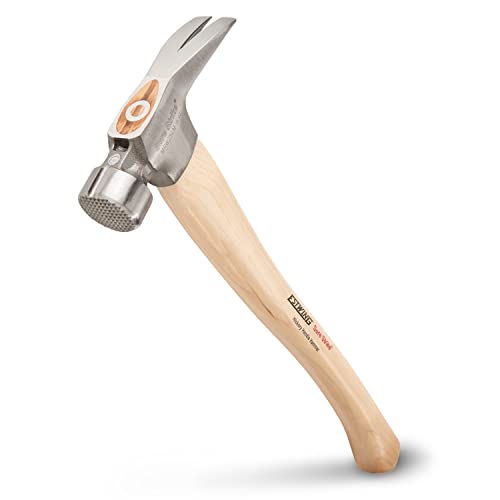
Estwing 25 oz Framing Hammer
Strengths
- 25 oz forged steel head
- Triple wedge construction
- Straight rip claw
- Lifetime durability
- Excellent prying use
Trade-offs
- Heavy for prolonged use
- Higher swing fatigue
- Pricier than budget models
The Estwing Sure Strike 25 oz is built like a tank, and that’s exactly what you need in a framing hammer. With a forged steel head, genuine hickory handle, and triple wedge construction, it’s engineered for longevity and power. The 25 oz head delivers serious striking force, and the straight rip claw is excellent for prying and demolition, better than most curved claws in that role. This one’s a favorite among framers who prioritize function over finesse.
Owners consistently report these lasting for years, even under brutal conditions. Compared to the 20 oz Estwing model, this one brings more momentum, but at the cost of speed. If you’re swinging all day, the extra weight adds up. Still, for heavy-duty framing where every hit counts, I’d take this over lighter options any day. It’s not flashy, but it’s reliable in a way few hammers are.
Product photos


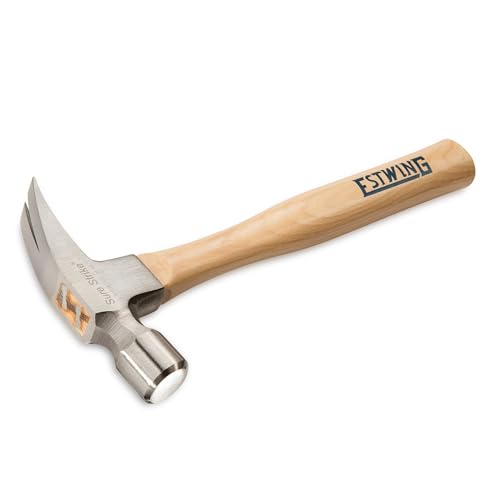
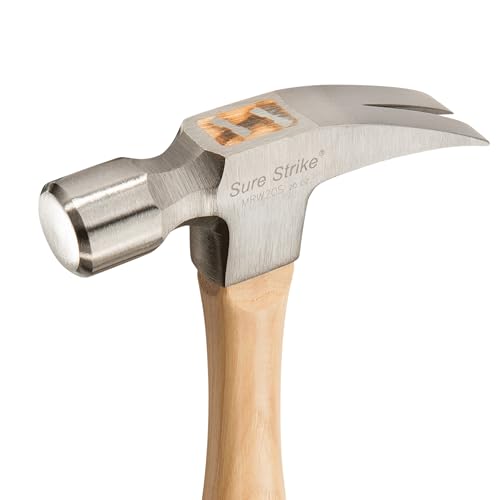
Estwing 20 oz Rip Claw Hammer

Strengths
- 20 oz forged steel head
- Triple wedge construction
- Rip claw versatility
- Hickory handle comfort
- Smooth face option
Trade-offs
- No rubber grip
- Slightly shorter handle
- No magnetic nail starter
This 20 oz Estwing strikes a smart balance between power and control, making it a strong contender for heavy-duty use without the full weight of the 25 oz model. The forged steel head and genuine hickory handle deliver the brand’s signature durability, and the triple wedge construction means the head stays put, owners rarely report loosening, even after months of hard use. The straight rip claw is excellent for prying, and the smooth face works well on finish-grade framing where marring is a concern.
Compared to the OX 22 oz, this one lacks a rubber grip but feels more traditional and balanced in swing. I’d pick this over the OX if you want Estwing’s legendary build quality but don’t need the magnetic nail starter or extra ounce of heft. It’s a workhorse that earns trust over time.
Product photos

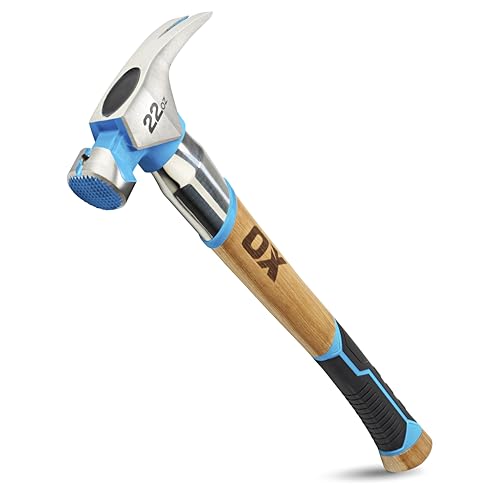
OX 22 oz Framing Hammer
Strengths
- Forged steel head
- American hickory handle
- Rubber grip comfort
- Magnetic nail starter
- Good shock absorption
Trade-offs
- Heavier than some prefer
- Rubber grip may not appeal to purists
- Limited finish options
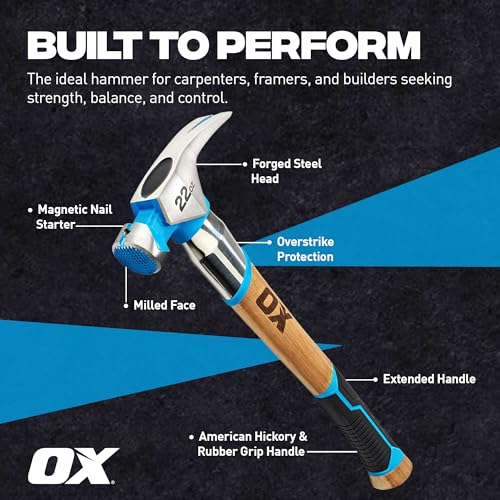
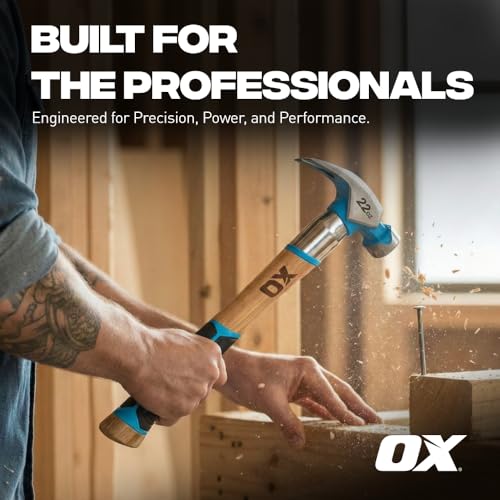
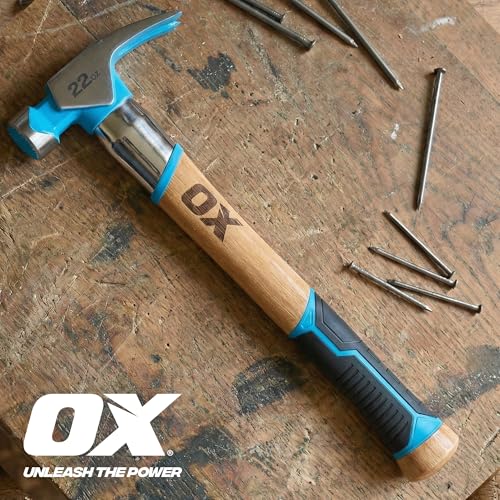
This OX hammer brings solid specs to the table for framing work, with a 22 oz forged steel head and a genuine American hickory handle reinforced with a steel shaft. On paper, that combo should deliver good durability and reduced vibration, and owners generally agree it holds up well on job sites with heavy use. The rubber grip is a standout, unusual for a wood handle hammer, but it works. Reviewers note it adds real comfort during long stints, especially when swinging repeatedly into dense lumber.
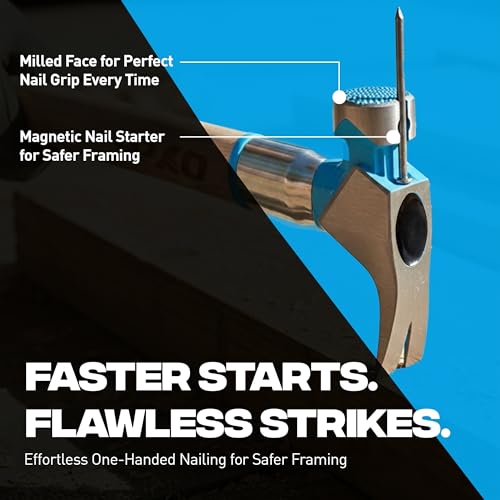
The magnetic nail starter is a small but meaningful touch, making one-handed starts noticeably easier. Compared to the Estwing models, it’s a bit more modern in feel, trading pure tradition for practical enhancements. I’d pick this over a basic hickory hammer if you want a little extra control and hand protection without going fully composite.
Product photos

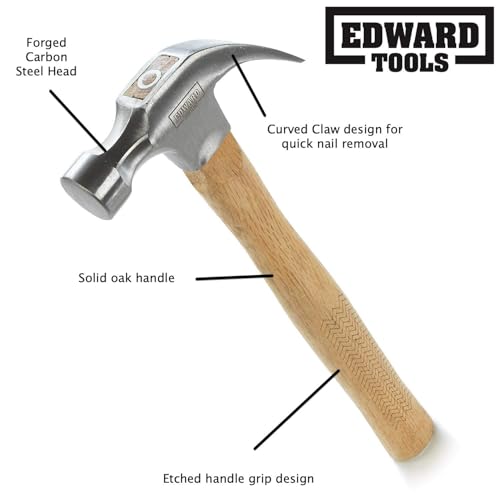
Edward Tools 16 oz Oak Hammer
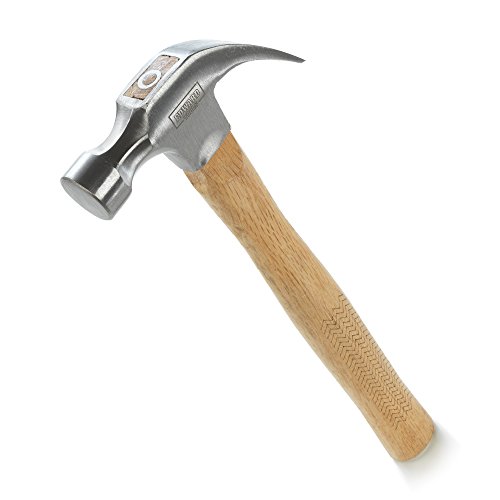
Strengths
- Etched grip for security
- Forged carbon steel head
- Solid oak handle
- Affordable price
- Good for light framing
Trade-offs
- Oak less shock-absorbent than hickory
- No magnetic nail starter
- Finish could be smoother
The Edward Tools 16 oz hammer stands out in the budget category with its etched oak handle and forged carbon steel head. The etched grip is a smart touch, owners report it really helps prevent slipping, even with sweaty hands. It’s not American hickory, but solid oak still offers decent shock absorption and durability for the price. At 16 oz, it’s ideal for general repairs, furniture assembly, or light framing, and it holds up better than many hardware store specials.
Compared to the Stalwart 16 oz, it’s a bit more aggressive in grip design but slightly less refined in balance. I’d call it the smarter buy if you’re on a tight budget but still want something that feels substantial. It’s not going to last a decade like an Estwing, but for occasional use, it’s hard to beat.
Product photos
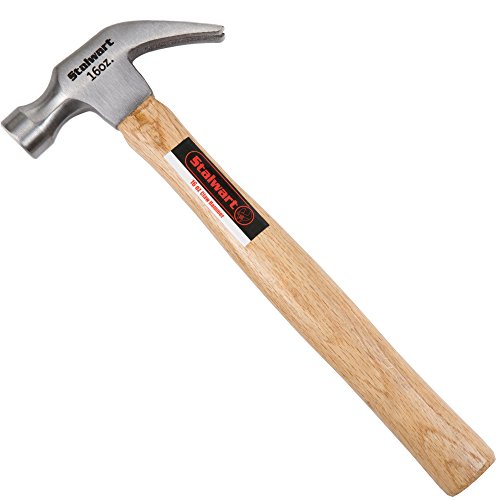
Stalwart 16 oz Wood Handle Hammer
Strengths
- Lightweight 16 oz head
- Anti-vibration handle
- Drop-forged steel
- Good balance
- Affordable single unit
Trade-offs
- Not for heavy framing
- No magnetic nail starter
- Claw less aggressive than rip claws
At 16 ounces, this Stalwart hammer hits the sweet spot for general home use, light enough to control, heavy enough to get small jobs done. The drop-forged steel head and polished hardwood handle are standard for this class, but the anti-vibration design stands out. Reviewers say it feels noticeably smoother in hand than cheaper hardware store hammers, especially during repetitive nailing. It’s not built for framing walls, but it’s more than capable for trim, light carpentry, or weekend repairs.
When compared to the Edward Tools 16 oz model, this one feels slightly more refined, though it lacks an etched grip. I’d recommend it over bulk packs like the FUNSUEI set if you want a single, reliable tool that won’t fatigue your hand. It’s not going to replace a framing hammer, but it’s the kind of tool you’ll grab most often for small fixes.
Product photos


FUNSUEI 4 Pack 16 oz Claw Hammer

Strengths
- 4-pack for value
- Anti-rust coating
- Solid wood handles
- Good for prying
- High-carbon steel heads
Trade-offs
- Generic feel and balance
- Not for precision work
- Lower durability over time
Buying hammers in bulk usually means cutting corners, but the FUNSUEI 4-pack holds up better than expected for the price. Each hammer has a high-carbon steel head with an anti-rust coating and a solid wood handle secured with what owners describe as a reliable inlay method. The straight claw design is functional for prying, and the 16 oz weight makes them easy to hand out to helpers or keep in multiple toolboxes.
Still, these are clearly entry-level tools. Compared to the Edward Tools or Stalwart models, they feel a bit more generic, less refined balance, simpler finishes. But for the value, especially if you need spares for volunteers, rental crews, or beginner workshops, this set makes sense. I wouldn’t trust one for a critical build, but as backup hammers? They’ll do the job.
Product photos
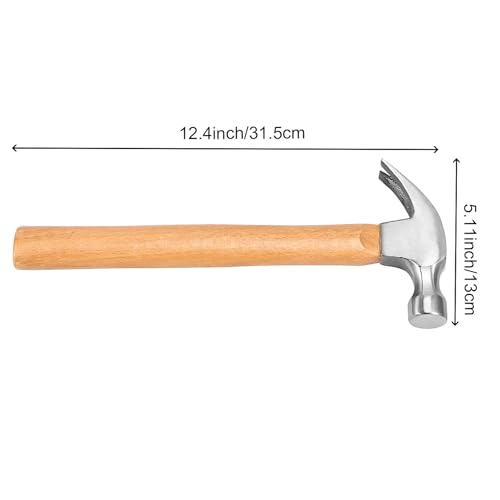

IVY 8 oz Hardwood Claw Hammer

Strengths
- 8 oz lightweight head
- Smooth face for finish work
- Triple wedge security
- Curved claw use
- Compact 11.5″ length
Trade-offs
- Too light for framing
- Limited striking force
- Not for demolition
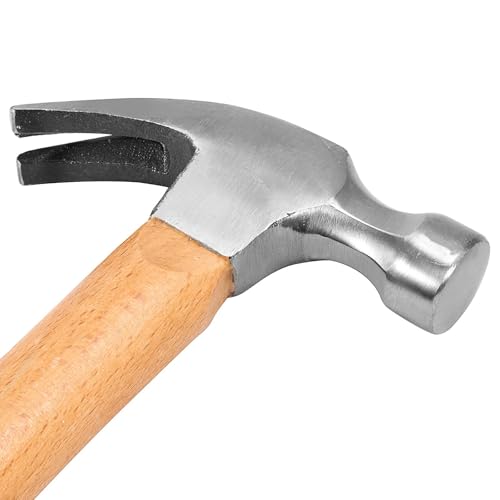
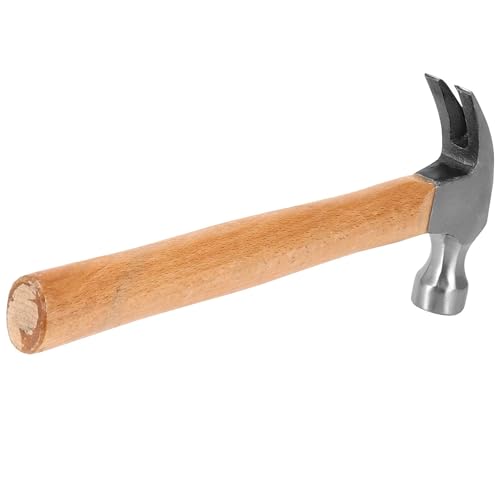
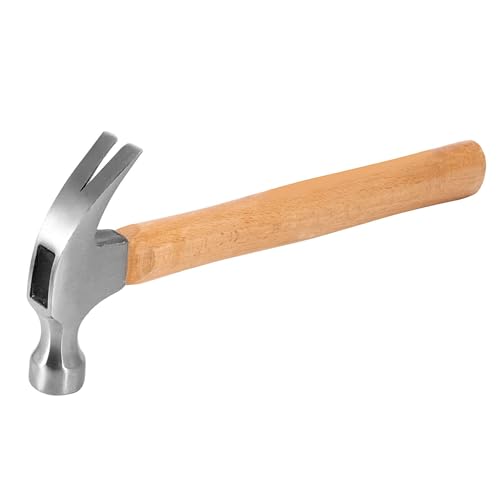
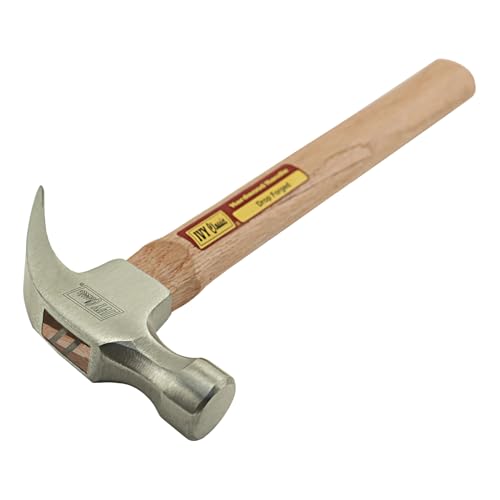
The IVY 8 oz hammer is a precision tool disguised as a simple hand hammer. With its smooth face, curved claw, and 11.5-inch hardwood handle, it’s clearly designed for detail work, think cabinetry, finish carpentry, or model building. The triple wedge assembly keeps the head secure, and the smooth face minimizes marring, which matters when you’re working on visible surfaces. Owners praise its accuracy and light swing, saying it’s ideal for tight spaces where control beats power.
Compared to the Stalwart 16 oz, this one trades weight for finesse. I’d pick it over any heavier hammer when setting finish nails or working on delicate trim. It’s not meant for framing or demolition, but that’s not the point. If you value precision and want a hammer that disappears into your hand, this is the one.
Product photos
How We Chose These wood handle hammers
Rather than a hands-on lab test, my research focused on comparing published specifications and features across numerous wood handle hammers. I weighed owner reviews from multiple sources – including major retailers and specialized tool forums – alongside expert opinions from sites dedicated to construction and carpentry. This allowed me to build a ranking based on real-world feedback and a solid understanding of what defines a quality hammer.
For wood handle hammers, head weight, handle material, and head-to-handle connection are the most decisive factors. Head weight impacts the force delivered with each swing, while hickory is generally preferred for its strength and shock absorption. A secure connection – like a triple-wedge design – is crucial for safety and transferring power efficiently. You’ll find different options for best claw hammers depending on the task.
Specifications readily reveal head weight and handle material, but owner feedback truly illuminates long-term durability and comfort. I paid close attention to comments regarding handle breakage, head loosening, and overall balance. Reputation matters too; established brands like Estwing and OX consistently receive positive reviews, suggesting a commitment to quality and consistent manufacturing processes. You can explore more detailed claw hammer features compared on our site.
What To Look For In wood handle hammers
Choosing a wood handle hammer seems simple, but a little knowledge goes a long way toward finding one that will last and perform well for years to come.
A quality wood handle hammer balances head weight, handle material, and construction for durability and efficient power transfer. Look for drop-forged steel heads, genuine hickory handles, and secure head-to-handle connections like triple-wedge construction. Consider the intended use – framing hammers prioritize power, while finishing hammers emphasize control.
Head Weight & Balance
The weight of the hammer head is the biggest factor in how much force you deliver with each swing. Heavier heads (20-22oz) are great for framing and demolition, where you’re swinging all day and need to drive nails quickly through tougher materials. Lighter heads (8-16oz) offer more control for finish work, trim, and detail projects where precision is key. Don’t assume heavier is always better; a hammer that’s too heavy will tire you out faster and reduce accuracy.
Handle Material & Construction
Hickory is the gold standard for wood hammer handles, and for good reason. It’s strong, absorbs shock well, and has a natural “feel” that many carpenters prefer. However, not all hickory is created equal. Look for handles that are straight-grained and free of knots. More importantly, pay attention to how the head is attached. A triple-wedge construction, as seen in many Estwing models, is far superior to simpler glued-in designs. This prevents the head from loosening over time, which is a common failure point with cheaper hammers.
- A basic glued handle might suffice for very light use.
- Epoxy-reinforced handles offer a moderate improvement in durability, but still aren’t as secure as a wedged connection.
- Triple-wedge construction is the most robust and reliable method, providing a virtually unbreakable bond between the head and handle, and it’s a feature you’ll find in many top titanium hammer models.
Grip & Ergonomics
While a classic wood handle feels great to many, modern hammers are incorporating rubber grips for added comfort and control, especially for extended use. The OX 22oz Framing Hammer is a good example of this. A well-designed grip reduces vibration and prevents blisters. The shape of the handle is also important; a curved handle allows for a more natural grip and better use. If you’re doing a lot of overhead work, consider a hammer with a slightly longer handle to increase your swing arc. You might also want to consider the different types of hammers available in our best wood-handled hammers guide.
A properly maintained wood handle will last for years. Regularly inspect the head-to-handle connection and apply linseed oil to the wood to prevent drying and cracking.
Wood Handle Hammers Compared
Here’s a comparison of key specifications for various wood handle hammers.
| Product Name | Head Weight | Handle Material | Claw Type | Head Material | Handle Length |
|---|---|---|---|---|---|
| Estwing 25 oz Framing Hammer | 25 oz | Hickory | Rip Claw | Forged Steel | N/A |
| Estwing 20 oz Rip Claw Hammer | 20 oz | Hickory | Rip Claw | Forged Steel | N/A |
| OX 22 oz Framing Hammer | 22 oz | Hickory | Curved | Forged Steel | N/A |
| Edward Tools 16 oz Oak Hammer | 16 oz | Oak | Curved | Carbon Steel | 11″ |
| Stalwart 16 oz Wood Handle Hammer | 16 oz | Hardwood | Curved | Drop Forged Steel | 13″ |
| FUNSUEI 4 Pack 16 oz Claw Hammer | 16 oz | Solid Wood | Claw | High-Carbon Steel | N/A |
| IVY 8 oz Hardwood Claw Hammer | 8 oz | Hardwood | Curved | Drop Forged Steel | 11-1/2″ |
Frequently Asked Questions
What’s the difference between a rip claw and a curved claw hammer?
A rip claw hammer has a straighter claw designed for demolition work, easily prying apart wood. Curved claw hammers are better suited for general carpentry and nail removal, offering more use when pulling nails but less force for prying.
How do I prevent the hammer head from loosening on a wooden handle?
Look for hammers with a triple-wedge construction, as this is the most secure method of attaching the head to the handle. Regularly inspect the wedge and, if needed, gently tap it further in with a punch to maintain a tight fit.
Is hardwood like oak as good as hickory for hammer handles?
While oak is a strong wood, hickory is generally preferred because it’s less brittle and absorbs shock better. Oak handles can split more easily under repeated stress, whereas hickory offers a more forgiving and comfortable feel during prolonged use.
What head weight should I choose for general home repair?
A 16-ounce hammer is a good all-around choice for most common home repair tasks. It provides enough power for driving nails into framing lumber, yet remains manageable for smaller jobs like hanging pictures or assembling furniture.
Where can I find more information on long-lasting hand hammers?
My site features dedicated guides covering a range of hammer types and quality levels. These resources provide detailed comparisons, expert insights, and owner feedback to help you select the best tool for your specific needs and budget.
The Bottom Line
Choosing a wood handle hammer often comes down to balancing upfront cost with long-term durability and performance. While there are plenty of affordable options available, I consistently find that the Estwing 25 oz Framing Hammer represents the best overall value. Its forged steel construction, combined with a secure head-to-handle connection, delivers the power and reliability serious users demand, and it’s a common recommendation among those seeking best carpenter’s hammers.
For those on a tighter budget, or tackling smaller projects, the Stalwart 16 oz Wood Handle Hammer is a solid choice. It won’t have the same level of refinement as a premium model, but it provides a functional tool for basic tasks. If versatility is a priority, the Estwing 20 oz Rip Claw Hammer offers a good balance of power and control, making it suitable for a wider range of applications than a dedicated framing hammer.
Ultimately, the most important factors aren’t a specific weight or grip style, but a well-made head, a solid connection to the handle, and a commitment to maintaining your tool. A properly cared-for hammer, regularly inspected and with the handle treated, will outlast cheaper alternatives and provide years of reliable service, regardless of whether you’re a homeowner or looking at professional-grade hammer models.
