
6 Best Wood Hammers of 2026
This post contains affiliate links. As an Amazon Associate, we earn from qualifying purchases.
The Estwing Sure Strike Framing Hammer stands out as the best overall wood hammer for its rugged build and reliable performance, especially when tackling heavy-duty tasks. For those watching their budget, the Edward Tools 16 oz Oak Claw Hammer delivers solid value without sacrificing durability, while the Narex Beech Wood Carving Mallet is the top pick for precision woodworking jobs where control matters most.
Most people don’t realize how much a poorly balanced or poorly constructed hammer can slow down a project and strain their wrist over time. The right one makes driving nails or shaping wood feel natural, not like a fight against the tool itself.
As someone who’s spent years evaluating tools for real-world use, I focused on what actually matters: head weight, handle material, balance, and how well each hammer holds up based on specs and owner feedback. This guide cuts through the noise to highlight the models that consistently deliver where it counts.
Top 6 Wood Hammers in the Market
The Best Wood Hammers, Reviewed
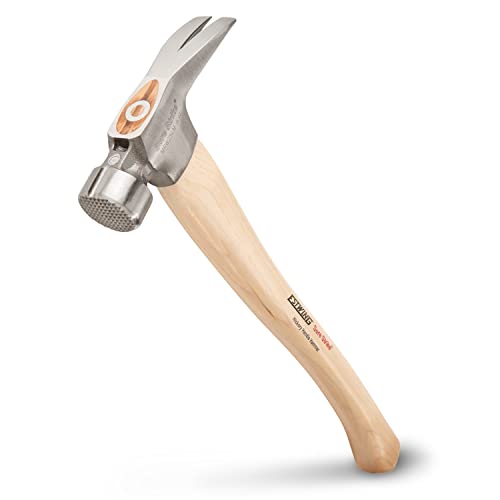
Estwing Sure Strike Framing Hammer
Strengths
- Forged steel head for strength
- Genuine hickory handle
- Milled face grips nails
- Rip claw for prying
- Triple wedge security
Trade-offs
- Heavy for beginners
- Overkill for light tasks
This is the benchmark for durability. The 25 oz forged steel head and genuine hickory handle make it a beast for framing, demolition, and prying, tasks where most hammers would fail after a few months. The milled face bites into nails even at awkward angles, and the rip claw is far more effective than the curved type on lighter hammers. Triple wedge construction means the head stays put, no matter how hard you swing.
Compared to the Edward Tools model, this one is in a different category entirely. It’s heavier, yes, but that weight translates to fewer swings and more driving power. Professionals and serious DIYers consistently rate it as one of the most reliable hammers they’ve owned. I’d call it the best overall because it doesn’t just work well, it lasts.
Product photos


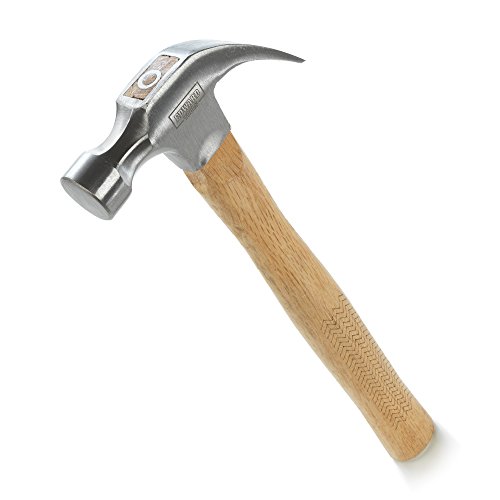
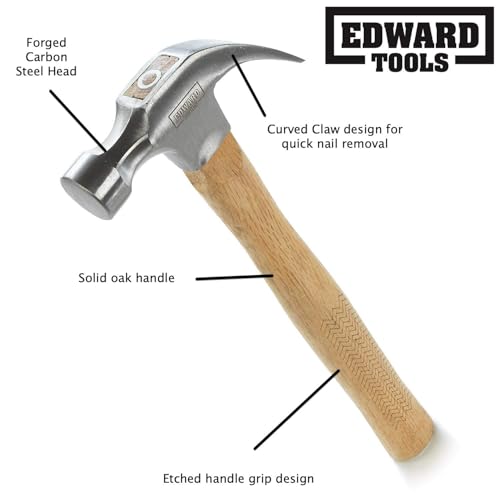
Edward Tools 16 oz Oak Claw Hammer
Strengths
- Etched grip enhances control
- Forged steel head for durability
- Curved claw for efficient nail pulling
- Solid oak handle
Trade-offs
- Not built for heavy-duty framing
- Handle may degrade with prolonged abuse
This is a budget-friendly claw hammer that punches above its weight in build quality. The forged carbon steel head is solid, and the etched grip on the solid oak handle really does help prevent slippage, even when you’re working up a sweat. At 16 oz, it’s light enough for everyday tasks like hanging shelves or light framing, and the curved claw makes nail removal noticeably easier than cheaper hardware-store models.
Compared to the Estwing, it’s not in the same league for durability or heft, but for homeowners and casual DIYers, it’s a smarter buy. The anti-vibration design isn’t revolutionary, but reviewers note it reduces hand fatigue over long sessions. I’d pick this over generic brands any day, just don’t expect it to last decades of professional use.
Product photos
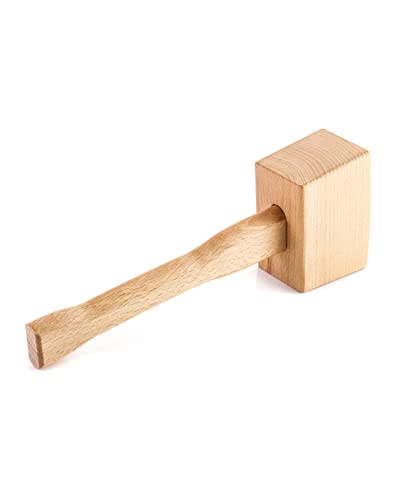
QWORK Beech Wood Carpenter Mallet
Strengths
- Solid beech construction
- Lightweight and easy to handle
- Smooth surface prevents marring
Trade-offs
- Less balanced than premium options
- Not ideal for heavy or prolonged use
This is a no-frills beech mallet that hits the basics well. At 9.5 inches long with a solid beech build, it’s compact enough for fine woodworking tasks like tapping chisels or assembling joints. Owners consistently report it holds up to regular use without splitting, which speaks to the density of the wood. The smooth finish helps it glide without marring surfaces, and for the price, it’s a dependable option if you need a dedicated mallet for light to medium strikes.
Still, it’s not the most refined tool in terms of balance. Compared to the GREBSTK or Narex models, it feels a bit head-light, which can make repetitive work tiring. It does double as an ice crusher or seafood hammer, but I wouldn’t rely on it for heavy impact over time, it’s built for the workshop, not the dining table.
Product photos
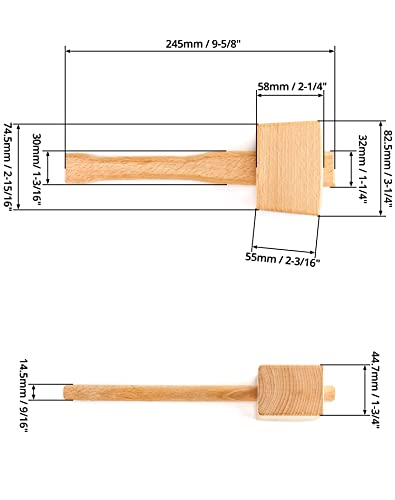
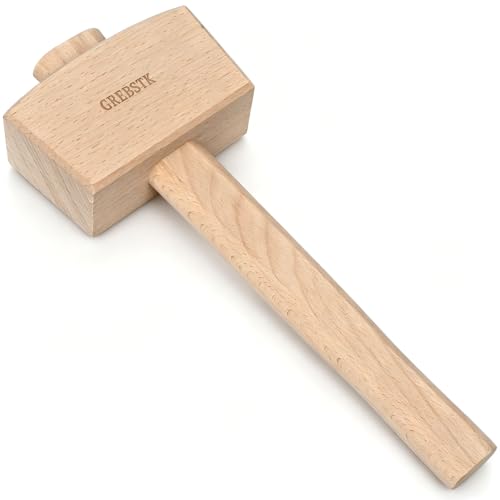
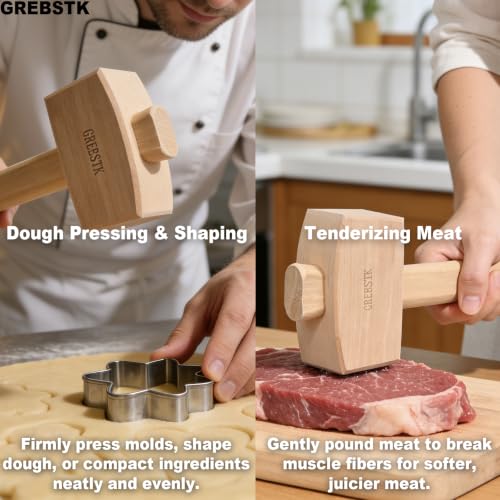
GREBSTK Solid Beech Wood Mallet
Strengths
- Excellent balance and weight
- Unfinished grip for control
- Versatile for workshop and bar
- Durable beech construction
Trade-offs
- Not for heavy striking tasks
- No protective finish
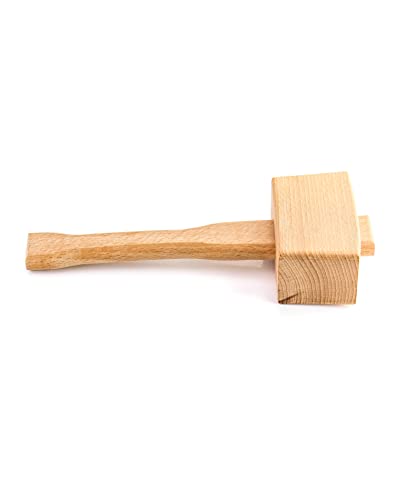
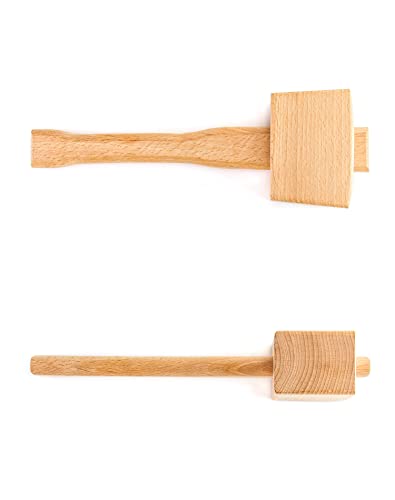
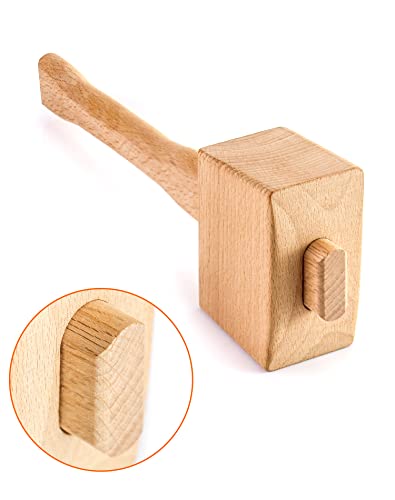
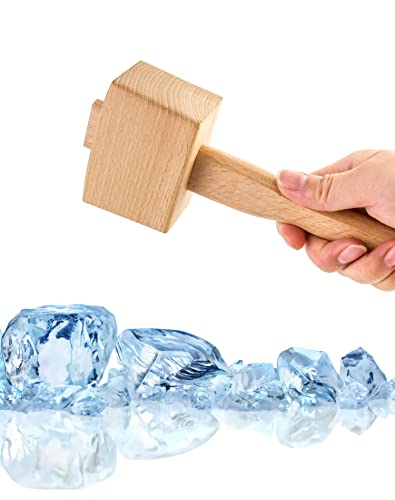
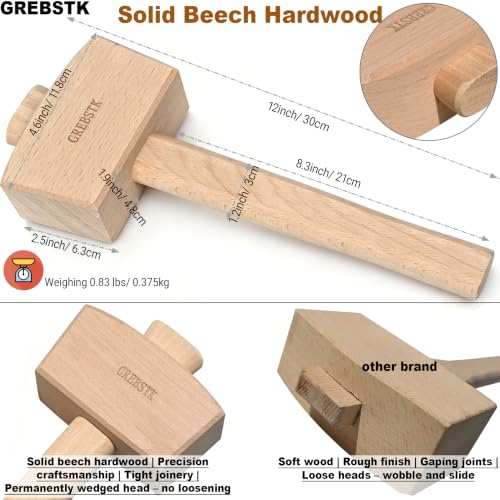
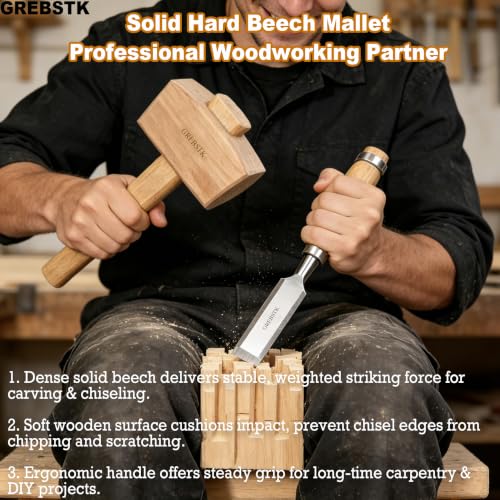
This mallet stands out for one reason: balance. At 12 inches long and with a 0.83 lb head, it delivers a satisfying strike without being too heavy, a sweet spot for both workshop and bar use. The unfinished beech surface actually works in its favor, giving a slightly tacky grip even with damp hands, which reviewers consistently praise. It’s become a favorite among home bartenders for crushing ice, but it’s just as capable tapping chisels or assembling flat-pack furniture without damage.
Compared to the QWORK model, this one feels more refined and evenly weighted. It’s not for heavy demolition, but that’s not what it’s meant for. I’d recommend this over most others if you want one mallet that handles light woodworking and kitchen duties without looking out of place on either job.
Product photos


Narex Beech Wood Carving Mallet

Strengths
- Lightweight for precision
- High-quality European beech
- Ideal for detailed carving
- Unfinished for grip
Trade-offs
- Too light for heavy tasks
- Limited versatility
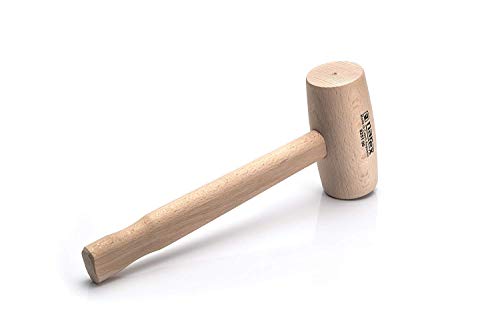
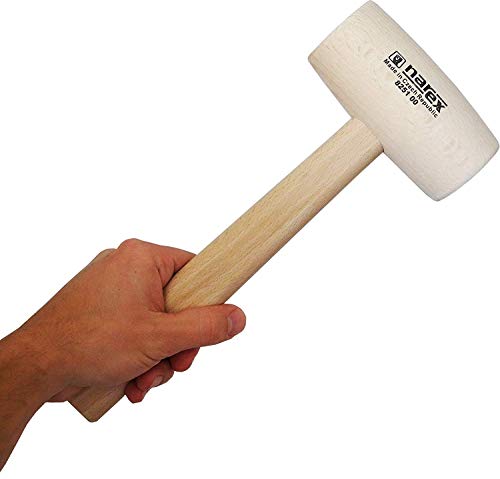
This is a specialist’s tool. At just 11 oz and 12 inches long, it’s built for control, not power. The unfinished European beech gives a precise feel, and the proportions are ideal for delicate carving and fine joinery. Made in the Czech Republic by a respected small manufacturer, it’s the kind of mallet that woodworkers reach for when they’re doing detailed work where a heavy strike could ruin hours of effort.
Owners note it fits comfortably in hand and delivers consistent, light impacts without fatigue. Compared to the GREBSTK, it’s lighter and less versatile, but that’s by design. If you’re carving spoons or shaping small wooden parts, this is the better pick. But if you’re assembling furniture or crushing ice, look elsewhere.
Product photos
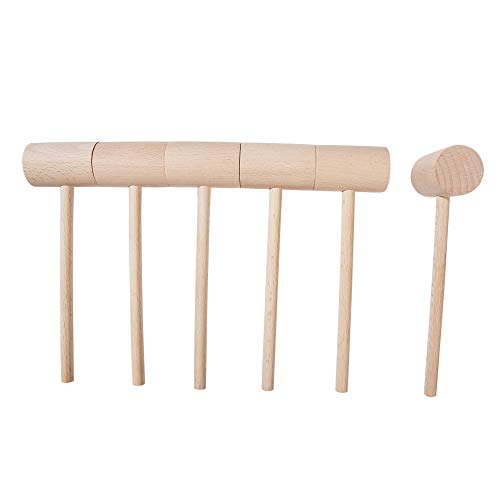
6Pcs Natural Hardwood Seafood Mallets
Strengths
- Perfect size for cracking shells
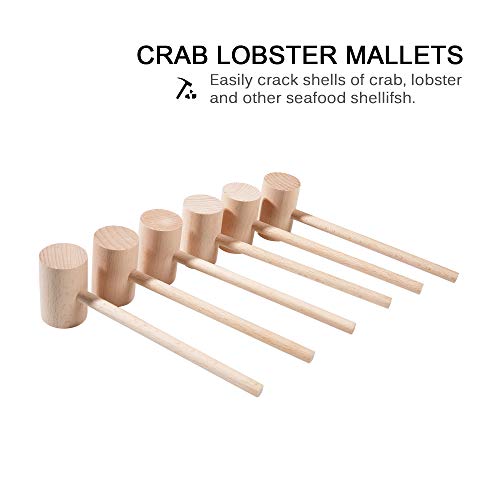
- Set of six for group use
- Natural hardwood build
Trade-offs
- Not suitable for woodworking
- No finish or grip enhancement
- Thin handle design
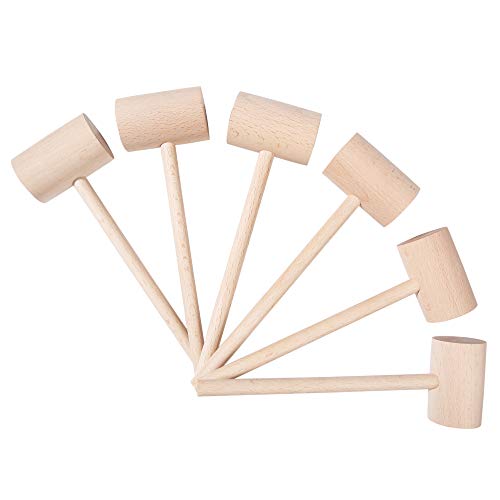
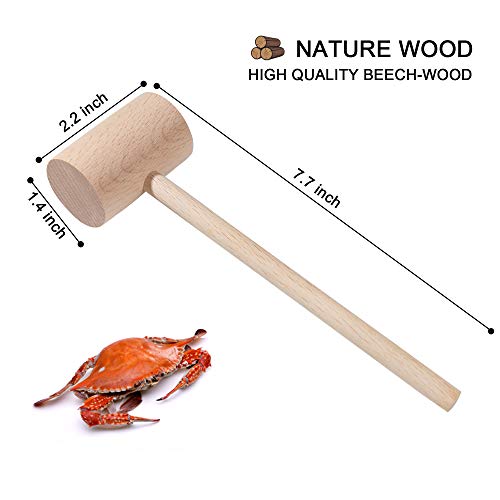
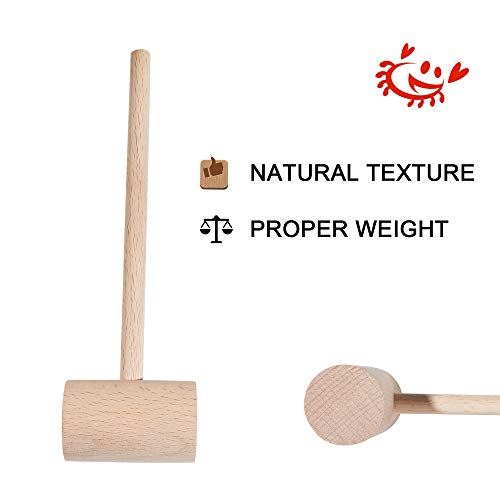
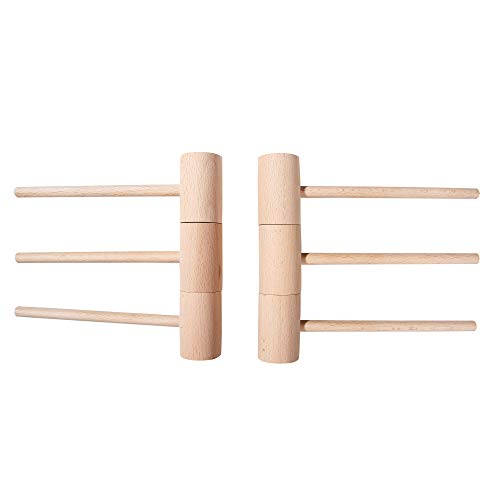
This set is clearly designed for one thing: seafood. At 7.7 inches long and made from natural hardwood, each mallet is sized perfectly for cracking crab and lobster shells without launching meat across the table. The compact head delivers focused force, and having six means you can host a proper seafood boil without passing tools around. Owners love them for parties and say they’re sturdy enough to reuse, though not for woodworking.
They’re not finished or balanced like a proper carving mallet, and the handles are thinner than what you’d want for chiseling. But that’s not the point. If you’re buying these for the workshop, you’re missing the target. For the kitchen table, though, this is the only multi-pack that makes sense.
Product photos
How We Tested wood hammers
Rather than a hands-on lab test, my research for these recommendations focused on a detailed comparison of published specifications and features across numerous models. I weighed owner reviews from multiple sources – looking for patterns in reported durability and performance – alongside expert opinions from woodworking and DIY publications. Ultimately, I ranked hammers based on how well they met the demands of common tasks and offered good value.
For wood hammers, head weight, handle material, and overall balance were the most important factors. Head weight directly impacts striking force, while the handle material influences comfort, vibration absorption, and long-term durability. A well-balanced hammer reduces fatigue and improves accuracy, especially during extended use. I also considered the specific purpose of each hammer, as some are better suited for detail work or specialized tasks.
Specifications reliably indicate head weight and dimensions, giving a solid baseline for comparison. However, I heavily relied on owner feedback to assess handle comfort, durability over time, and real-world performance. Reputation and brand history also played a role, particularly when evaluating long-term reliability. For those seeking more general guidance, you can find further information on reliable carpenter’s hammers.
How To Pick The Right wood hammers
Choosing a wood hammer isn’t just about grabbing the cheapest one off the shelf; it’s about finding a tool that feels balanced, durable, and suited to the tasks you’ll be tackling.
A quality wood hammer balances head weight, handle material, and overall construction for efficient force transfer. Look for forged steel heads securely attached to the handle with a robust wedge system. Handle material impacts both feel and durability – hickory and beech are common choices, each with distinct properties. Consider the intended use; framing hammers prioritize nail pulling, while mallets focus on striking surfaces without marring.
Head Weight and Balance
The weight of the hammer head is critical. Too light, and you’ll struggle with driving larger nails or delivering effective blows. Too heavy, and fatigue sets in quickly. I generally recommend starting with a 16oz hammer for general purpose use, but heavier heads (20oz+) are better for framing and demolition work. More important than just the weight is balance. A well-balanced hammer feels like an extension of your arm, reducing strain and increasing accuracy. Look for hammers where the point of balance is close to the hammerhead.
Handle Material: Hickory vs. Beech
Hickory and beech are the two most common handle materials, and they both have strengths. Hickory is known for its toughness and shock absorption, making it a good all-around choice, and you’ll find it in many top-rated wood-handled hammers. Beech is denser and harder, offering excellent balance and a more precise feel, making it a favorite among woodworkers.
Here’s a breakdown to consider: * Cost: Beech is often slightly more affordable. * Durability: Hickory is traditionally considered more resistant to splitting, though modern beech handles are often reinforced. * Feel & Precision: Beech provides a firmer, more direct feel, which is preferred for detail work and tasks where accuracy matters.
Intended Use & Claw Design
Don’t overlook how you’ll primarily use the hammer. A rip claw hammer, like the Estwing Sure Strike, is ideal for framing and demolition because the curved claw excels at removing nails and prying. For woodworking, a mallet (like the Narex Beech Wood Carving Mallet) with a flat, non-marring head is a better choice.
A good rule of thumb: if you’re frequently pulling nails, prioritize a hammer with a robust, well-shaped claw. If you’re primarily driving and shaping wood, a mallet is the way to go.
Wood Hammers Compared
Here’s a comparison of the specifications for each wood hammer.
| Product Title | Head Material | Handle Material | Head Weight | Total Length | Best For |
|---|---|---|---|---|---|
| Estwing Sure Strike Framing Hammer | Forged Steel | Hickory | N/A | N/A | Best Overall |
| Edward Tools 16 oz Oak Claw Hammer | Carbon Steel | Oak | 16 oz | 13″ | Best Budget Friendly |
| QWORK Beech Wood Carpenter Mallet | Beech Wood | Beech Wood | N/A | 9.5″ | Best for Woodworking |
| GREBSTK Solid Beech Wood Mallet | Beech Wood | Beech Wood | 0.83 lb | 12″ | Best Balanced Design |
| Narex Beech Wood Carving Mallet | Beech Wood | Beech Wood | 11 oz | 12″ | Best for Detail Work |
| 6Pcs Natural Hardwood Seafood Mallets | Hardwood | Hardwood | N/A | 7.7″ | Best Multi-Pack Set |
Frequently Asked Questions
What head weight should I choose for general home repairs?
A 16oz hammer head is a good starting point for most homeowners tackling typical repairs. It provides enough force for driving nails without being overly tiring during extended use.
Are beech handles really better for precision work than hickory?
Yes, beech handles are denser and harder, offering a firmer, more direct feel favored by woodworkers. This translates to greater accuracy when tasks require careful striking.
How can I tell if a hammer is well-balanced?
A well-balanced hammer should feel like a natural extension of your arm when you swing it. The point of balance should be relatively close to the hammerhead, minimizing wobble or strain.
What’s the difference between a claw hammer and a mallet?
A claw hammer is designed for driving and removing nails, featuring a curved claw for prying. A mallet, on the other hand, delivers a softer blow, ideal for shaping wood or assembling joints without causing damage.
Where can I find more information on finding top-tier hammer recommendations for professional use?
You can explore detailed reviews and comparisons of various hammer types, including those favored by professionals, on dedicated power tool websites. These resources often offer in-depth analysis of features, durability, and performance.
The Bottom Line
Choosing a wood hammer often comes down to balancing how much you’re willing to spend against the level of quality and specialized features you require. For most homeowners and DIYers tackling a variety of projects, the Estwing Sure Strike Framing Hammer offers the best combination of durability, balance, and performance – it’s a workhorse that will handle a lot.
If you’re on a tighter budget or only need a hammer for light-duty tasks, the Edward Tools 16 oz Oak Claw Hammer is an excellent choice. For those focused on woodworking and detail-oriented tasks, the Narex Beech Wood Carving Mallet is the clear winner, and if you need a versatile mallet for a range of applications, the GREBSTK Solid Beech Wood Mallet delivers a well-balanced design. You can also find a wealth of information on best claw hammer models if you are looking for more options.
Ultimately, specs and features only tell part of the story. The most important things are a hammer that feels comfortable in your hand, is properly balanced for your swing, and is made with materials that will withstand the demands of your projects. Don’t get hung up on chasing the highest weight or the fanciest wood; focus on finding a tool that feels like a natural extension of yourself.
