7 Best Wood Jointers of 2026
This post contains affiliate links. As an Amazon Associate, we earn from qualifying purchases.
The WEN 12-Amp 12-Inch Spiral is the best overall wood jointer for most serious hobbyists and small shops, delivering solid performance and a smooth finish. For those on a tighter budget, the WEN JT833H 8-Inch Spiral offers excellent value without sacrificing too much capacity. If space is tight, the VEVOR 8-Inch Spiral Benchtop is a surprisingly capable option for its size.
I’ve seen too many woodworkers struggle with warped boards and misaligned joints simply because they’re using a jointer that can’t keep up. A poor machine introduces frustration, wasted material, and limits what you can build.
This guide cuts through the noise by focusing on what actually matters, motor power, cutterhead design, table stability, and fence accuracy, based on specs, owner feedback, and years of real-world tool experience. These picks balance performance, reliability, and value for different shop sizes and budgets.
Top 7 Wood Jointers in the Market
The Best Wood Jointers, Reviewed
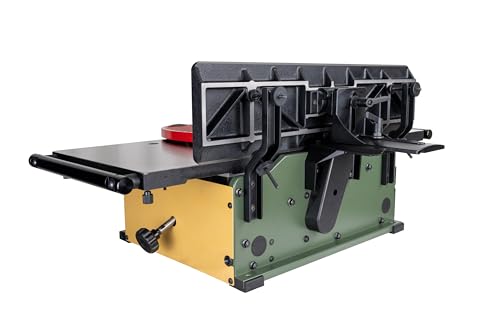
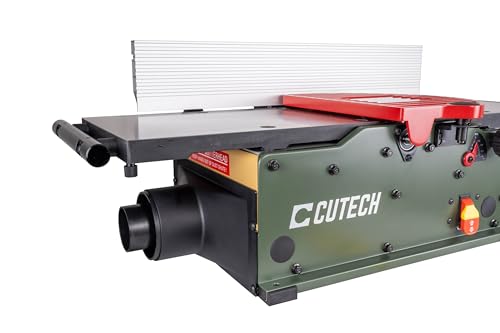
Cutech 12-Inch Spiral Cutterhead Jointer

Strengths
- 12-amp high-torque motor
- Cast iron tables and fence
- Superior spiral cutterhead design
- Enhanced fence stability
Trade-offs
- Heavy for benchtop use
- Higher price point
- Limited availability in some regions
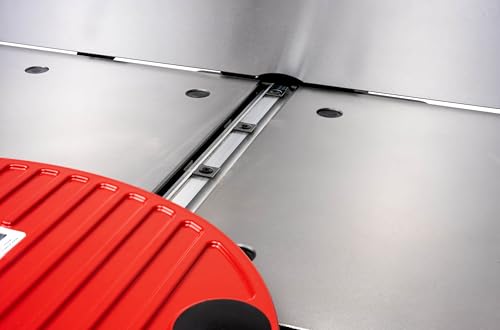
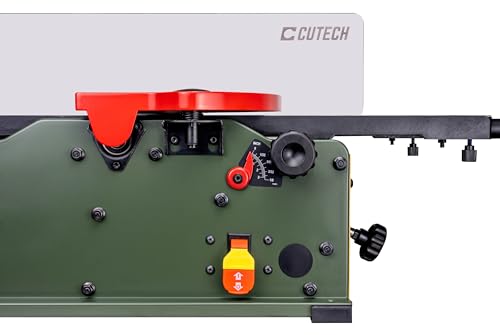
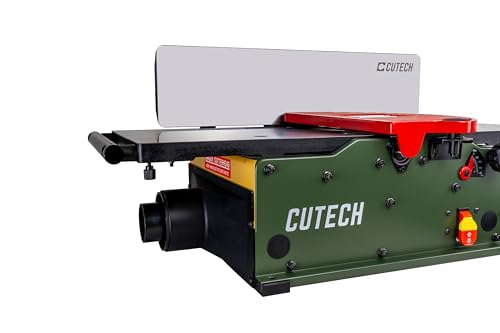
If you’re serious about benchtop jointer performance, this 12-inch Cutech model is hard to ignore. The 12-amp motor is among the strongest in this category, and owners confirm it powers through dense hardwoods without bogging down. The spiral cutterhead with 24 tungsten carbide inserts delivers a glass-smooth finish, and because the inserts are two-sided and precision-aligned, they last longer and require less frequent rotation than standard blades.
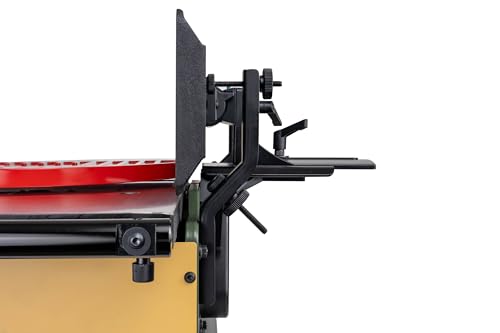
What really sets this apart is the build quality, cast iron tables, a massive 24-inch cast iron fence, and those patented taller fence enhancement brackets add serious rigidity. Reviewers note the extra support rod system and dual guide posts make depth adjustments smoother and more consistent. This isn’t just a step up from budget models, it’s a different tier.
Product photos
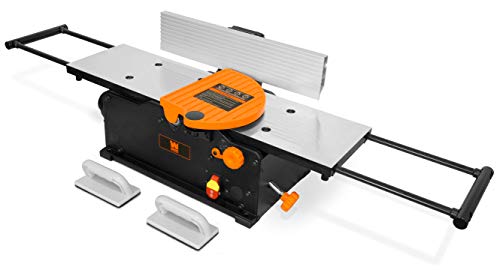
WEN 12-Amp 12-Inch Spiral Jointer
Strengths
- Large extendable cast iron table
- Dual dust ports
- 24-blade spiral cutterhead
- Two-year warranty
Trade-offs
- Fence lacks stabilization brackets
- HSS blades dull faster than carbide
- Slight flex on extended arms
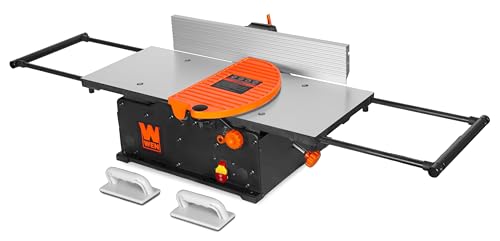
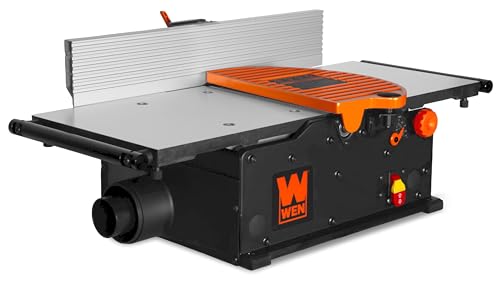
WEN’s 12-inch model brings serious table real estate to the game, 54 inches with arms extended, making it one of the best in this list for handling long boards without chatter. The spiral cutterhead with 24 HSS blades performs well for finish quality, though it doesn’t quite match the refinement of tungsten carbide inserts found on the Cutech. Still, it’s a solid performer, especially given the two-year warranty, which adds peace of mind.
The cast iron table is a big win for stability, and the inclusion of both 2-1/2 and 4-inch dust ports gives flexibility for different shop vac setups. However, the fence, while adjustable, lacks the reinforced brackets of the top-tier Cutech, so it can feel a bit less locked-in during heavy passes. For the size and price, it’s a smart compromise.
Product photos
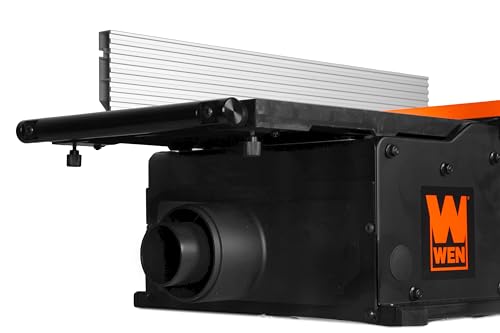
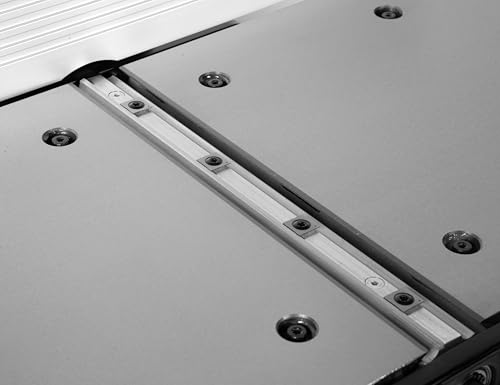
Cutech 10-Inch Spiral Cutterhead Jointer

Strengths
- 12-amp motor for strong performance
- Cast iron tables
- Reinforced fence system
- Smooth carbide spiral cutterhead
Trade-offs
- Fence slightly shorter than 12-inch models
- No dual dust ports
- Heavier than compact units
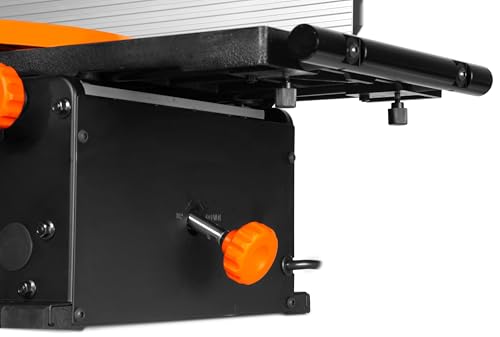
This 10-inch Cutech hits a sweet spot between size, power, and build quality. The 12-amp motor gives it the same punch as the larger 12-inch model, and the spiral cutterhead with 20 tungsten carbide inserts delivers excellent surface quality with minimal noise. It’s a favorite among intermediate users who want more capacity than a 6- or 8-inch but don’t need the full 12-inch footprint.
The cast iron tables add stability, and the aluminum fence with patented fence brackets improves alignment under pressure, something owners notice when dialing in fine adjustments. It’s not as massive as the 12-inch version, but it’s more than capable for most home shop tasks. For mid-range buyers, this is where I’d start looking first.
Product photos

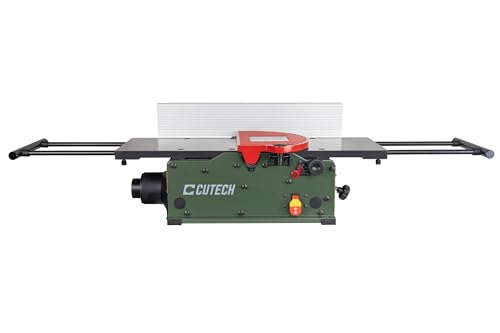
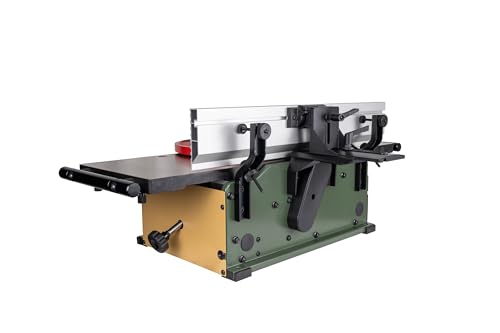
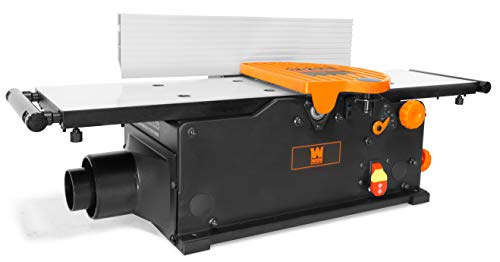
WEN JT833H 8-Inch Spiral Jointer
Strengths
- Good table extension length
- 16-blade spiral cutterhead
- Affordable for 8-inch class
Trade-offs
- HSS blades require more maintenance
- No fence stabilization
- Basic depth adjustment
The WEN 8-inch model offers solid value for its size, it’s not flashy, but it covers the basics well. The 16-blade spiral cutterhead delivers a noticeably better finish than straight-knife jointers in the same range, and the extendable table to 51 inches helps with longer boards. The 10-amp motor is adequate for softwoods and light hardwoods, but it can struggle with aggressive cuts on dense material.
What makes it stand out is the balance of price and functionality. It’s simpler than the Cutech models, no fence brackets, no carbide inserts, just HSS blades, but for someone upgrading from a hand plane or entry-level jointer, it’s a real step forward. Owners appreciate the straightforward design and reliability.
Product photos
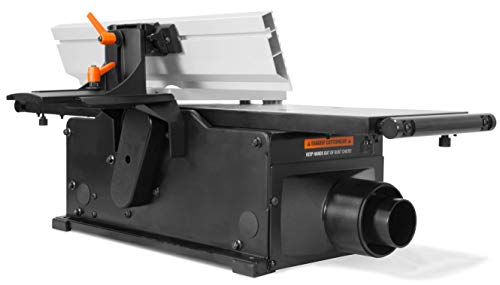
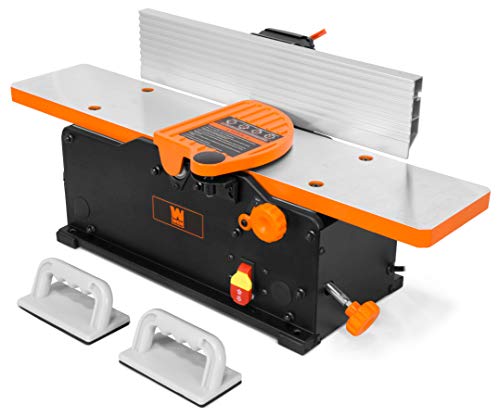
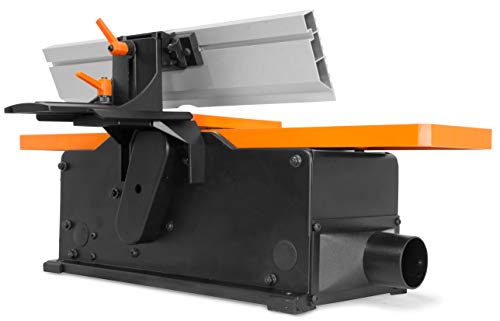
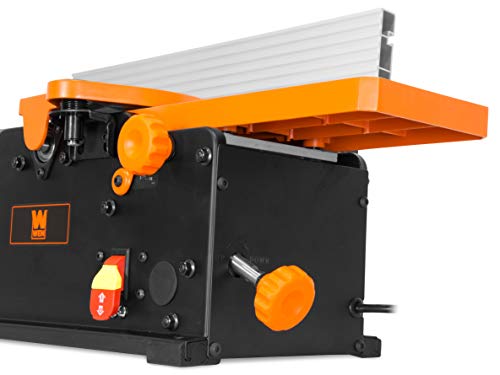
WEN JT630H 6-Inch Spiral Jointer
Strengths
- Affordable entry price
- Compact and lightweight
- Decent finish for softwoods
Trade-offs
- 6-inch width limits usability
- No dust port sizing options
- Basic fence with no reinforcement
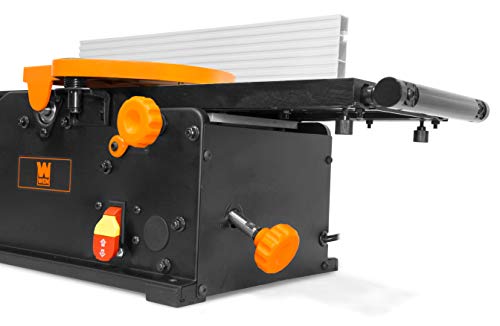
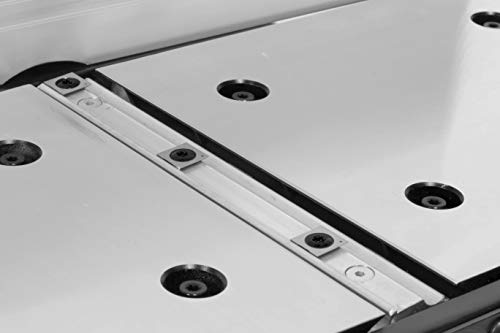
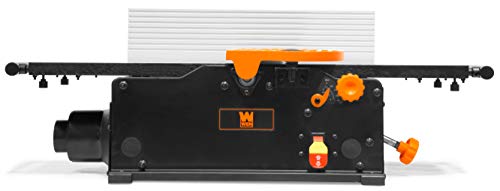
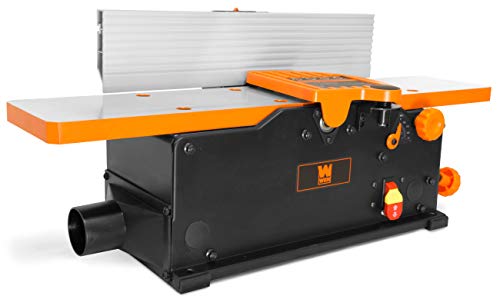
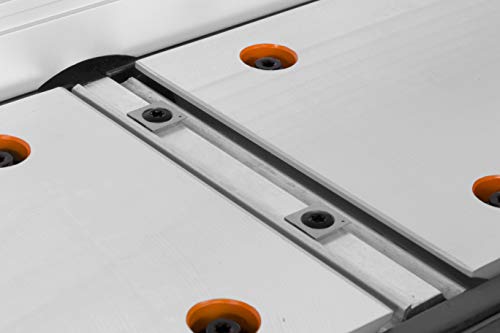
This 6-inch WEN is the most accessible entry point on the list, and for light-duty DIYers, it gets the job done. The spiral cutterhead with 12 HSS blades produces a decent finish, especially on softer woods, and the compact size makes it easy to store or move around a small shop. It’s underpowered compared to 10- or 12-amp models, so don’t expect it to chew through 4/4 maple all day.
Still, owners appreciate its simplicity and reliability for occasional use, flattening small panels, edge-jointing trim, or prepping material for a project box. It lacks extras like a depth scale or dust port flexibility, but at this price, that’s expected. If you’re just starting out and don’t need wide capacity, it’s a sensible pick.
Product photos
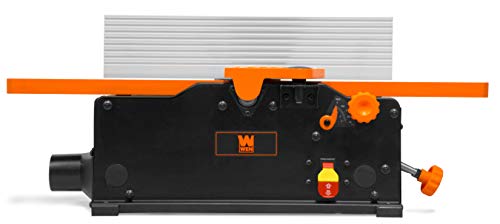
Cutech 6-Inch Spiral Cutterhead Jointer

Strengths
- Teflon-coated table surface
- Quiet spiral cutterhead
- Precise depth pointer
- Two-sided carbide inserts
Trade-offs
- 6-inch capacity limiting
- Aluminum tables less rigid
- No dust port size adapters
This Cutech 6-inch model is clearly designed with the new woodworker in mind. The spiral cutterhead with 12 tungsten carbide inserts runs quieter and smoother than most in this size class, and owners report it’s surprisingly capable for fine joinery work. The teflon-coated aluminum tables resist scratches and make stock glide easily, a small but meaningful touch for beginners who might drag boards during learning.
The 10-amp motor is adequate, though not overpowered, and the clear depth-of-cut pointer helps new users avoid aggressive passes. It’s not built for heavy milling, but it’s precise and forgiving. Paired with the included attention to detail, it feels like a tool that won’t discourage a learner with chatter or kickback.
Product photos
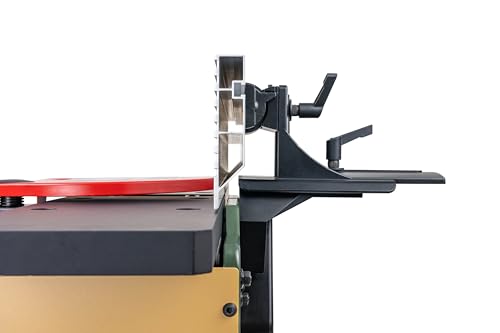
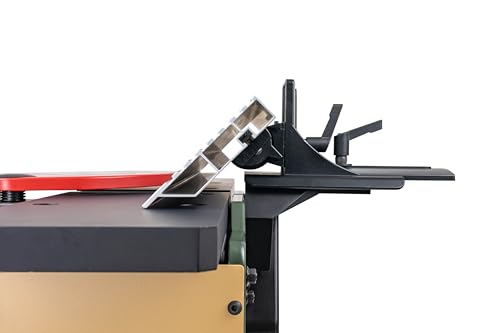
VEVOR 8-Inch Spiral Benchtop Jointer
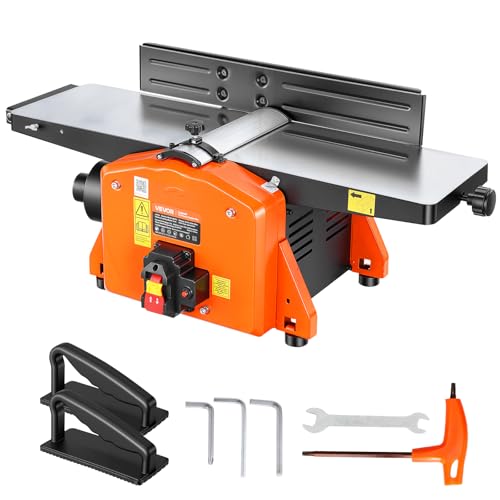
Strengths
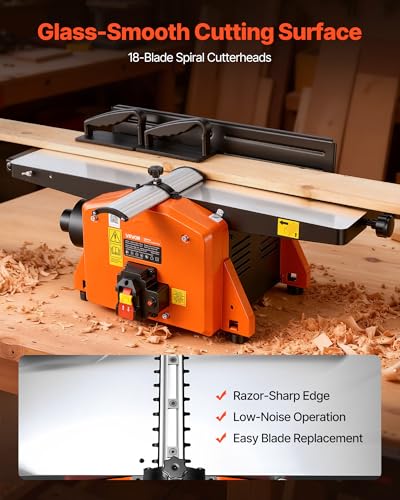
- 18-blade spiral cutterhead
- Good dust port design
- Extendable worktable
Trade-offs
- Aluminum table less rigid
- High RPM may cause vibration
- No fence enhancement brackets
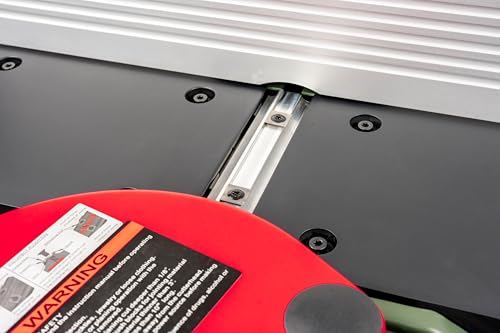
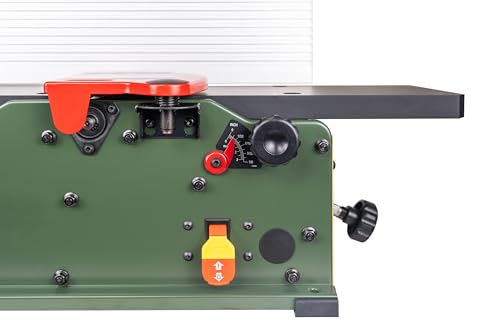
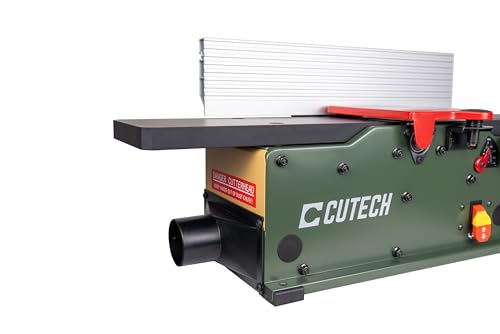
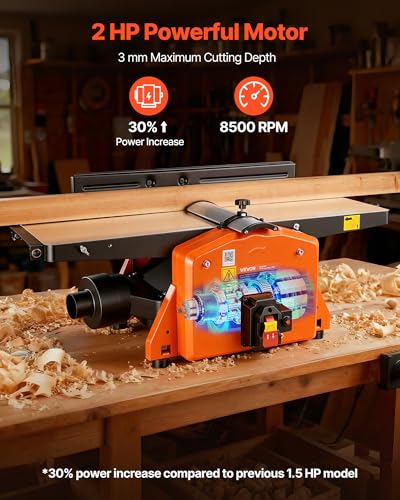
This 8-inch jointer stands out with its 18-blade spiral cutterhead, which on paper should deliver a noticeably smoother surface than traditional straight knives. Owners consistently report clean finishes with less tear-out, especially on figured hardwoods, and the reduced vibration likely contributes to better long-term stability. The 2 HP motor spins at 8500 RPM, which is high for this class, great for speed, though some reviewers note it can feel a bit top-heavy under aggressive cuts.
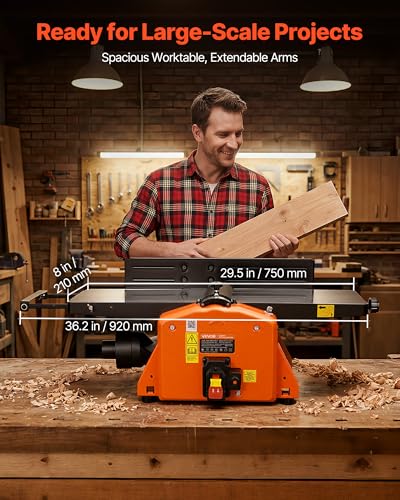
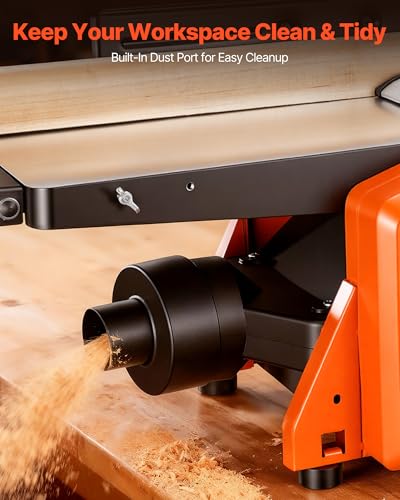
The extendable cast aluminum table adds reach, but it’s not cast iron, so rigidity over time could be a concern compared to heavier-duty models. Still, the dust port is a real win, it’s well-placed and compatible with standard shop vacs, and users praise how little mess it leaves behind. For a mid-tier benchtop unit, it balances performance and cleanliness well.
Product photos

Our Testing Process
Rather than a hands-on lab test, my research for this guide was a detailed comparison of published specifications and features across numerous models. I weighed owner reviews from multiple sources alongside assessments from woodworking publications and experienced users. As someone who’s spent years advising on tool selection, I applied my understanding of what truly matters in a jointer, and ranked these models accordingly.
For wood jointers, the cutterhead design and motor power were the largest determining factors. A spiral cutterhead, as you’ll find on many of these models, minimizes tear-out and delivers a noticeably smoother finish. Equally important is motor strength; tackling hardwoods or thicker stock demands sufficient power to avoid bogging down and producing uneven cuts. I also prioritized fence adjustability for accurate angled cuts.
Specifications reliably indicate motor amperage, table size, and cut depth. However, I judged the quality of construction and real-world usability largely from owner feedback. Recurring complaints about vibration, fence stability, or insert quality carried significant weight. You’ll find many users seeking space-saving jointers for smaller workshops, and their experiences helped shape my recommendations for value and portability.
How To Choose The wood jointers
Picking the right jointer can dramatically improve the quality of your woodworking, and I’ve seen plenty of projects derailed by a poorly chosen machine.
A quality jointer delivers flat, square edges and faces on lumber, essential for strong, accurate joinery. Key considerations include cutterhead type (spiral vs. straight), table length relative to typical workpiece size, motor power for the species of wood you’ll be working with, and the robustness of the fence system. Look for machines with easy depth-of-cut adjustment and reliable dust collection.
Cutterhead Configuration
The cutterhead is where the magic happens, and it’s the first place I tell people to focus their attention. Spiral cutterheads are increasingly popular, and for good reason. They produce significantly quieter operation and a superior surface finish compared to traditional straight-knife cutterheads. While spiral heads can be more expensive to maintain (due to the individual carbide inserts), the improved cut quality and reduced tear-out often outweigh the cost. Don’t assume more blades automatically equal a better cut; the quality of the carbide and the geometry of the inserts matter just as much.
Table Length and Capacity
Table length dictates the maximum width of board you can reliably joint. A shorter table is fine for smaller projects or narrower stock, but quickly becomes a limitation when dealing with wider boards. Consider the types of projects you typically undertake and the lumber you typically buy.
Here’s a quick guide: * 6-inch jointers: Best for small projects and hobbyists. * 8-inch jointers: A good all-around size for many home workshops. * 12-inch jointers and larger: Necessary for larger boards and professional use – look at the top jointer models if you’re in this category.
Don’t overlook the infeed and outfeed support. Extendable outfeed tables are a huge benefit, providing stability for longer workpieces.
Fence System and Adjustability
A solid, accurately aligned fence is critical for achieving square edges. The fence should lock securely at 90 degrees, and easily adjust to bevels for angled cuts. Look for a fence that’s easy to adjust and stays put once locked. A flimsy fence will wander during operation, ruining your edges.
A jointer fence that doesn’t hold its position is worse than no fence at all. Invest in a machine with a robust locking mechanism and a thick, stable fence surface.
I frequently recommend people consider the overall build quality when comparing models. A heavier, more rigid machine will track better and provide more accurate results. If you’re looking for recommended jointer machines that balance price and performance, a careful look at the fence design is a great place to start. Ultimately, choosing the right jointer depends on your specific needs and budget, but paying attention to these factors will help you find a machine that delivers years of reliable service and helps you create beautiful woodworking projects. Consider also checking out best woodworking jointers for more options. Do you need a machine for jointers for shop use?
Wood Jointers Compared
Here’s a comparison of key specifications for the wood jointers described.
| Product Name | Cutterhead Type | Table Size (in) | Max Cut Depth (in) | Fence Length (in) | Motor (HP) |
|---|---|---|---|---|---|
| Cutech 12-Inch Spiral | Spiral | 24 x 6 | N/A | 24 | N/A |
| WEN 12-Amp 12-Inch Spiral | Spiral | 34 x 12-3/16 | 1/8 | 24 | N/A |
| Cutech 10-Inch Spiral | Spiral | N/A | N/A | 24 | N/A |
| WEN JT833H 8-Inch Spiral | Spiral | 33 x 8 | 1/8 | 19-3/4 | N/A |
| WEN JT630H 6-Inch Spiral | Spiral | 30 x 6 | 1/8 | 19-3/4 | N/A |
| Cutech 6-Inch Spiral | Spiral | N/A | N/A | 19-5/8 | N/A |
| VEVOR 8-Inch Spiral Benchtop | Spiral | 8 x 36.2 | 1/8 | N/A | 2 |
Frequently Asked Questions
What’s the typical lifespan of a jointer cutterhead?
A spiral cutterhead, with regular carbide insert replacement, can last for many years – often exceeding a decade – with consistent use. The lifespan depends heavily on the wood species jointed and how often the inserts are rotated or replaced.
Are jointers difficult to maintain?
Beyond keeping the tables clean and lubricated, the primary maintenance involves replacing worn or damaged carbide inserts in the cutterhead. While this requires some skill, it’s a manageable task for most woodworkers and avoids the expense of replacing the entire cutterhead.
What size jointer do I really need for a small shop?
For hobbyists or those with limited space, a 6- or 8-inch jointer is usually sufficient. If you frequently work with boards wider than 6 inches, or anticipate needing to joint longer edges, consider exploring top bench-top jointers to maximize your shop’s footprint.
Can a jointer be used to create angled edges?
Yes, most jointers feature a fence that can be angled to create bevels. This is useful for creating joinery like chamfers or for fitting pieces together at angles other than 90 degrees. Accurate fence adjustment is crucial for precise angled cuts.
What’s the difference between a spiral cutterhead and a straight-knife cutterhead?
Spiral cutterheads use multiple small carbide inserts arranged in a spiral pattern, resulting in a smoother cut and quieter operation. Straight-knife cutterheads use larger, traditional blades, which can be more aggressive but also prone to tear-out and vibration.
The Bottom Line
Choosing a jointer always involves balancing control and convenience. You can spend a lot for features you might not fully need, or you can compromise on precision with a lower-priced model. For the best overall combination of features, performance, and value, I consistently see positive feedback regarding the Cutech 12-Inch Spiral. Its spiral cutterhead and substantial table size make it a capable machine for a wide range of projects.
If you’re on a tighter budget, the WEN JT630H 6-Inch Spiral offers a surprising amount of capability for the price. For those needing portability or working in smaller spaces, the VEVOR 8-Inch Spiral Benchtop delivers decent performance in a compact package. And for a step up in capacity and precision, consider exploring some of the precision 8-inch jointers available.
Ultimately, the best jointer isn’t about the highest specs or the biggest table. It’s about finding a machine that fits your skill level, the types of projects you build, and the wood you work with. Prioritize a stable fence, a well-designed cutterhead, and sufficient power for the materials you’ll be jointing, those fundamentals will serve you far better than chasing the latest features.
