
7 Best Claw Hammers of 2026
This post contains affiliate links. As an Amazon Associate, we earn from qualifying purchases.
The Estwing 20 oz Claw Hammer stands out as the best overall claw hammer for its durability, balance, and one-piece forged steel build that holds up to heavy use. For those on a budget, the IRWIN 16 oz Fiberglass offers solid performance and shock absorption at a lower price. If you need maximum power for framing, the Spec Ops 22 oz Framing Hammer delivers exceptional striking force and a magnetic nail starter for efficiency.
Choosing the wrong claw hammer can turn a simple job into a wrist-numbing chore. Too much vibration, poor balance, or a weak claw can slow you down and leave you frustrated. After comparing the field and analyzing specs, owner feedback, and real-world performance, I focused on hammers that deliver reliability, comfort, and the right design for specific tasks, whether you’re building, tearing down, or finishing.
Top 7 Claw Hammers in the Market
The Best Claw Hammers, Reviewed
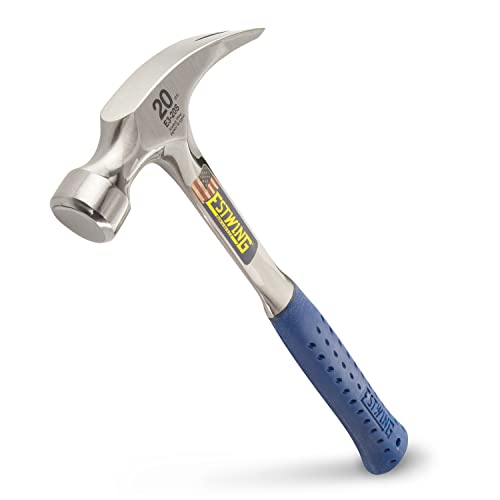
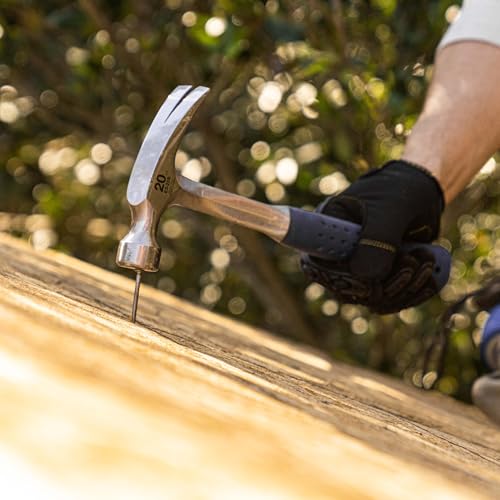
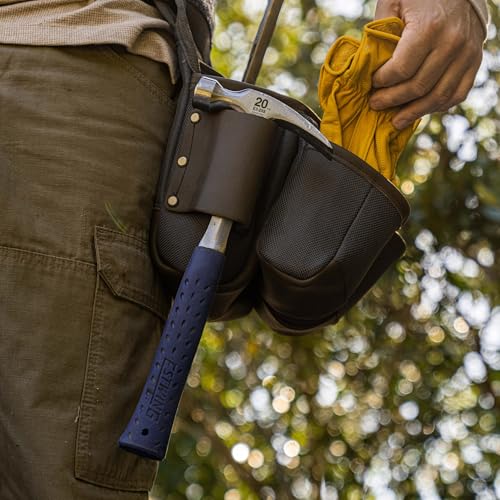
Estwing 20 oz Claw Hammer
Strengths
- One-piece forged steel
- Shock reduction grip
- Made in USA
- Rip claw
Trade-offs
- Heavier than average
- Higher price than budget models
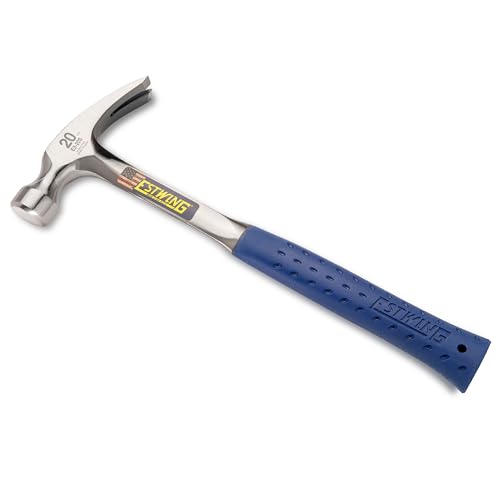
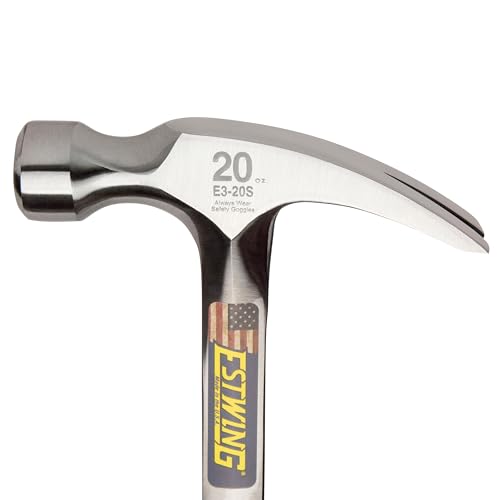
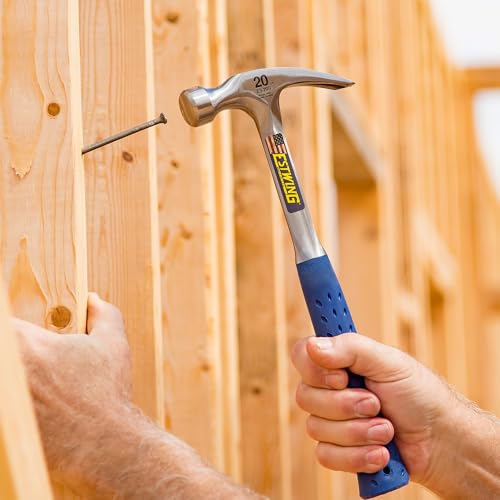
This is the benchmark. The 20 oz E3-20S is what I recommend when someone asks for one hammer to do it all. The one-piece American steel build means it’ll outlive you, and the 70% vibration reduction from the patented grip makes it comfortable even after hundreds of swings. It’s the go-to for framers and contractors who won’t compromise on durability.
Compared to the Spec Ops model, this one feels more balanced and solid on impact. The smooth face keeps it versatile, and the rip claw is aggressive enough for serious prying. Owners report using these for decades without issue. It’s heavier than some, but that weight translates to driving power. If you want a hammer that’s built like a tank and performs like one, this is it.
Product photos
Estwing 16 oz Shock Reduction Hammer
Strengths
- One-piece forged steel
- Shock reduction grip
- Smooth face
- Rip claw
Trade-offs
- Light for framing
- Shorter handle reduces swing power
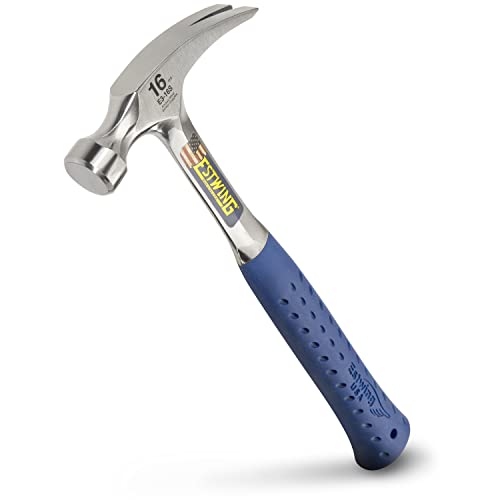
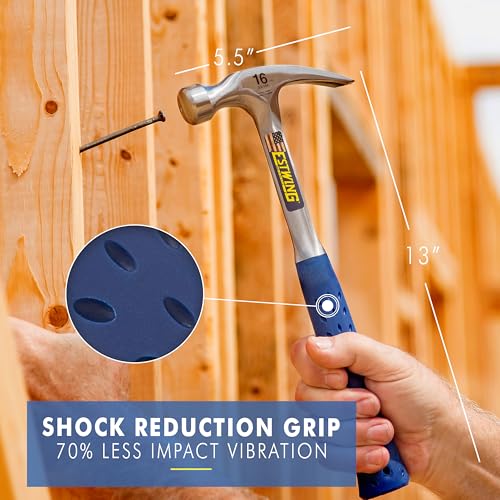
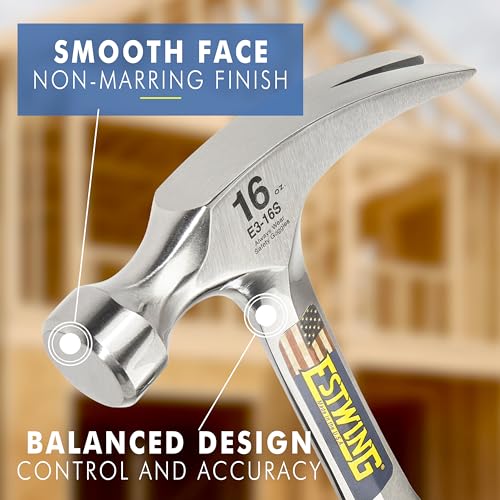
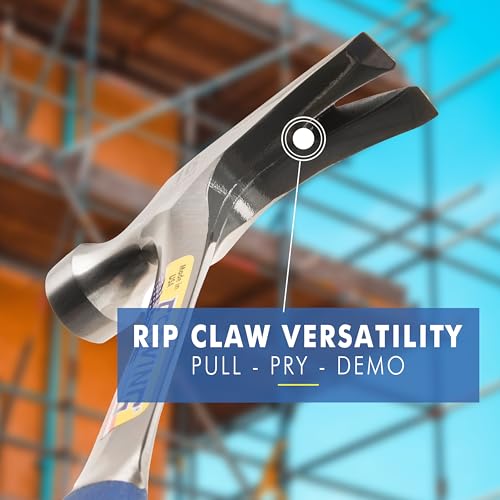
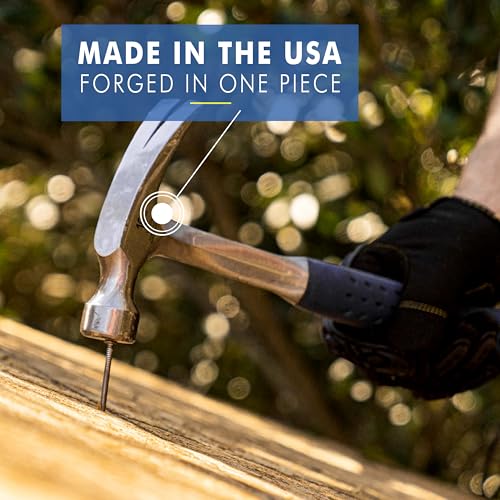
The E3-16S is the compact pro’s sidearm. At 16 oz, it’s light enough for one-handed use but still packs Estwing’s signature one-piece forged steel build, no welds, no weak points. The shock reduction grip cuts vibration noticeably, and owners say it holds up after years on job sites. It’s not the first hammer you’d grab for wall framing, but for tight repairs, roofing touch-ups, or electrical work, it’s ideal.
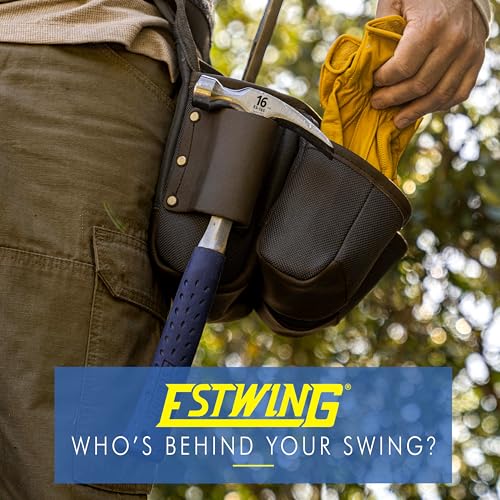
This model shares the same DNA as the heavier E3-20S but trades power for agility. The smooth face keeps surfaces clean, and the rip claw still handles demo without bending. If you’re a contractor who carries multiple hammers, this is the one you keep on your belt. For durability and balance in a mid-weight package, it’s hard to beat.
Product photos
Estwing 12 oz Leather Grip Hammer

Strengths
- Genuine leather grip
- One-piece forged steel
- Light and balanced
- Timeless design
Trade-offs
- No shock absorption
- Leather requires maintenance
- Shorter handle limits power
The 12 oz E12S is a throwback in the best way. With its genuine leather grip and one-piece forged build, it feels like a tool from a time when craftsmanship mattered. It’s light, but well-balanced, making it perfect for finish work or detailed carpentry where control beats brute force.
Owners love the look and feel, and many treat it as a legacy tool, something to pass down. It doesn’t have a magnetic starter or shock gel, but it doesn’t need it. The smooth face keeps surfaces clean, and the rip claw still works for light demo. If you want a classic hammer that ages beautifully, this is it.
Product photos


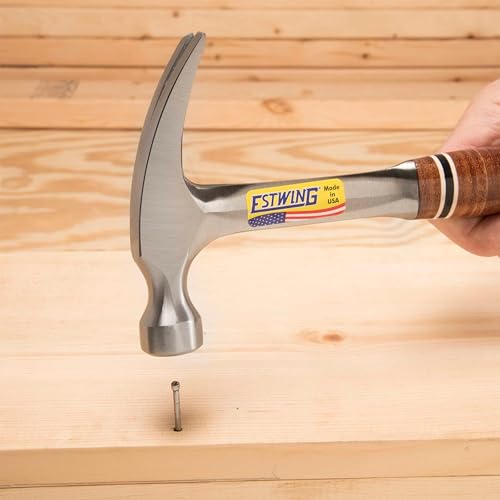
Spec Ops 22 oz Framing Hammer

Strengths
- Magnetic nail starter
- Milled face grip
- Lightweight head design
Trade-offs
- Balance feels unnatural
- Less durable than forged steel rivals
This 22 oz hammer markets itself as a precision tool for framing, and on paper it’s built to deliver. The milled face gives reliable grip on nail heads, even at angles, and the magnetic nail holder is a real time-saver for one-handed starts. The claimed 25% lighter head could appeal to users wanting reduced fatigue, but some owners report the balance feels off compared to traditional hammers, like it’s too light in the handle, which affects follow-through.
It’s clearly designed for speed and control, and the MOA grip does seem to cut down on vibration based on consistent feedback. But when stacked against the Estwing E3-20S, it doesn’t feel as solid in long-haul use. The one-piece forging of Estwing just can’t be beat for durability. I’d pick this for a framing sprint, not a career.
Product photos


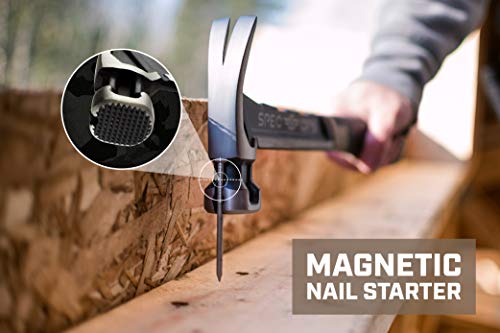
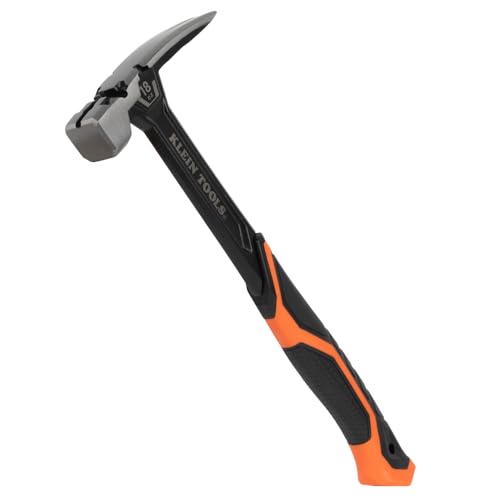
Klein Tools 18 oz Framing Hammer
Strengths
- Squared strike face
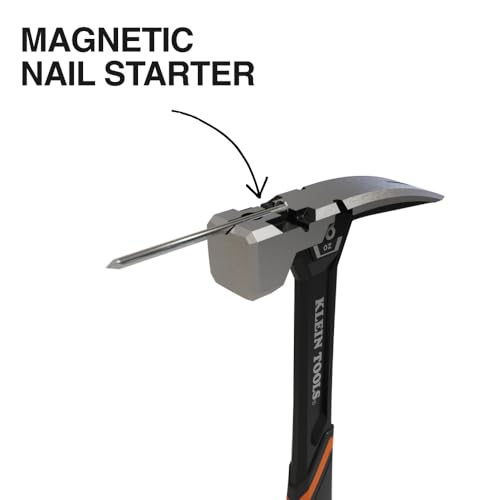
- Magnetic nail starter
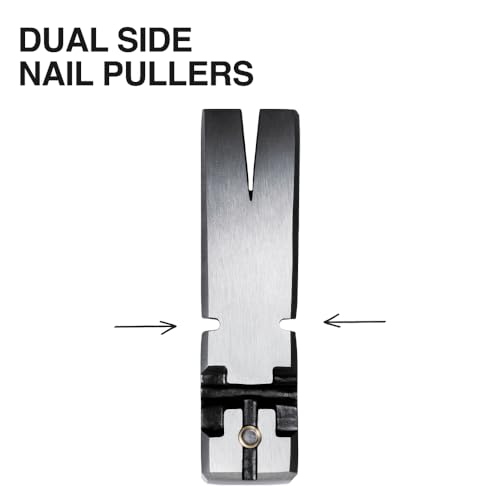
- Dual side nail pullers
- Smooth face
Trade-offs
- Heavier than ideal for fine work
- Slightly overbuilt for light tasks
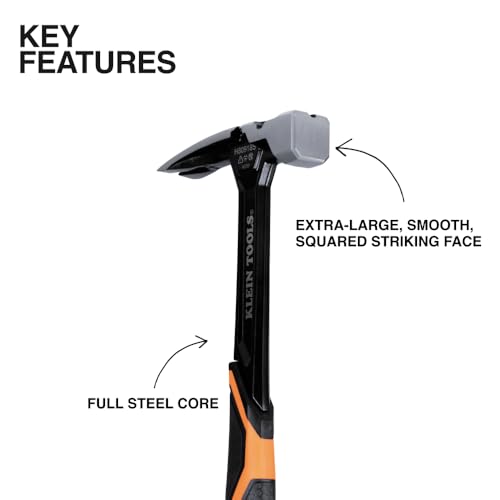
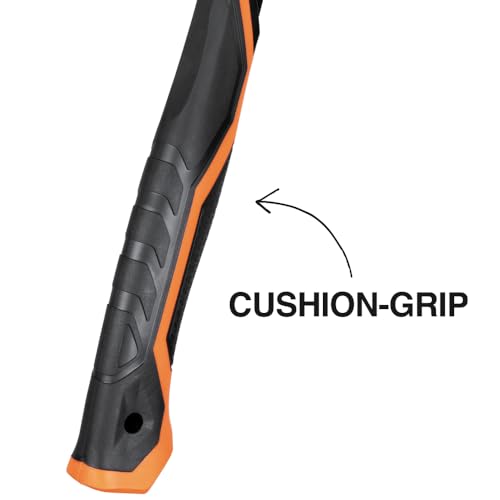
Klein didn’t mess around with this 18 oz hammer. The extra-large squared strike face is a standout for accuracy, especially in tight spots where a glancing blow can ruin trim or drywall. That, combined with the magnetic nail starter, makes it a standout for finish work and cabinet installation. The smooth face is intentional here, less marring, more precision.
Owners consistently praise the dual side nail pullers, which offer real use when you’re elbow-deep in a remodel. Compared to the IRWIN fiberglass model, this one feels more refined and balanced. It’s not the heaviest hammer, but it doesn’t need to be. For detail-oriented work, I’d take this over a brute-force framing hammer any day.
Product photos
IRWIN 16 oz Fiberglass Hammer
Strengths
- Fiberglass vibration dampening
- Affordable
- Lightweight
- Smooth face
Trade-offs
- Less durable than forged steel
- Cheaper grip over time
- Not for heavy use
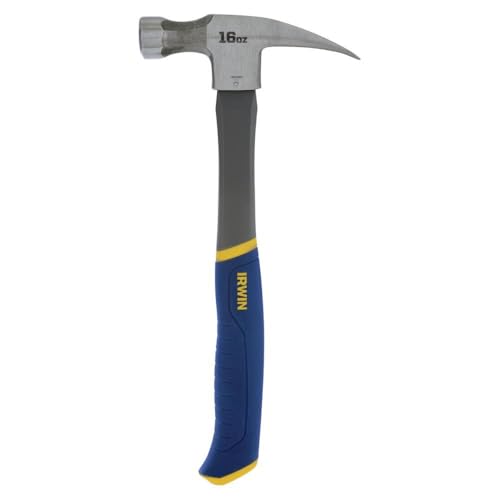
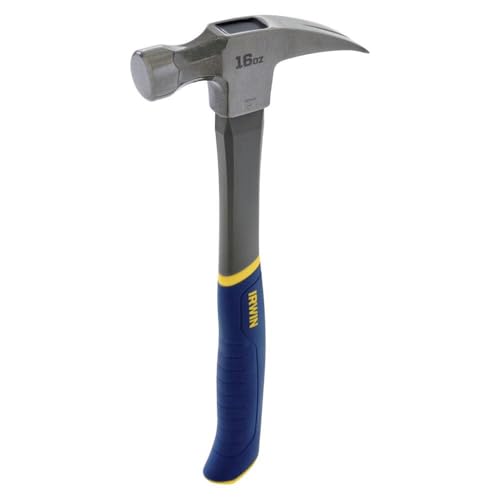
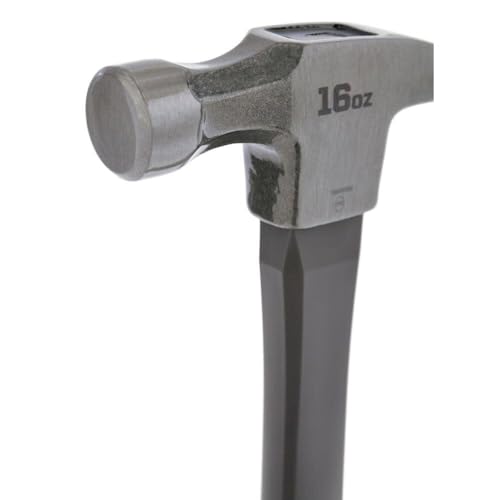
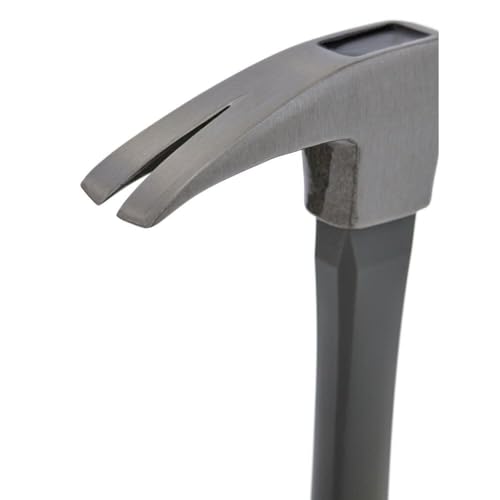
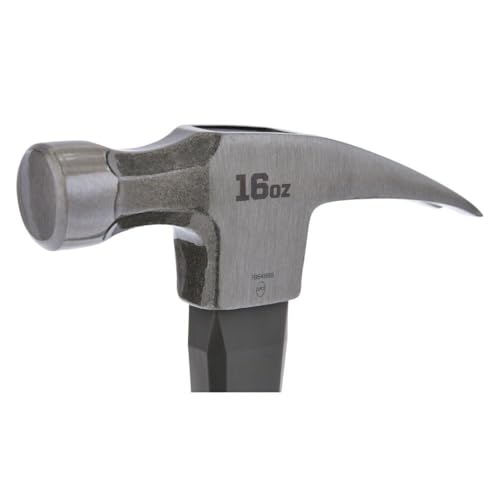
The IRWIN 16 oz claw hammer is a solid budget pick with a fiberglass handle that does a decent job absorbing shock. It’s noticeably lighter than steel-handled rivals, and the ProTouch grip helps with comfort during extended use. For weekend DIYers or light construction, it delivers good value.
But it’s not in the same class as the Estwing models. The head feels looser on impact, and some owners report the finish chipping over time. Still, for someone starting out or doing occasional repairs, it’s a sensible choice. It won’t last 30 years, but it’ll get the job done without breaking the bank.
Product photos

Mr. Pen 8 oz Magnetic Hammer

Strengths
- Compact and portable
- Magnetic tip
- Lightweight
Trade-offs
- Too light for serious work
- Not durable for heavy use
- Plastic feel in hand
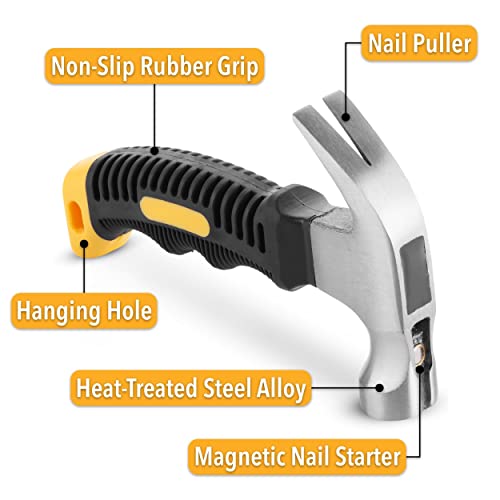
At 8 oz, this is a toy hammer for real work, but that’s not its job. It’s clearly aimed at small DIY tasks, like assembling furniture, hanging shelves, or light woodworking. The magnetic tip helps with tiny nails, and the ergonomic handle keeps it comfortable for short bursts.
It’s not going to drive framing nails or pry up floorboards. The steel is decent for its class, but don’t expect it to survive a jobsite. Compared to the Estwing E12S, it’s lighter and less durable, but also much cheaper. I’d keep this in a kitchen junk drawer, not a tool belt.
Product photos



How We Picked These claw hammers
Rather than a hands-on lab test, my research for these recommendations involved a detailed comparison of published specifications and features across numerous models. I weighed owner reviews from multiple sources, looking for consistent praise and complaints, and considered expert opinions from sites focused on construction and tool performance. Ultimately, I ranked hammers based on how well they met the needs of a wide range of users, from DIY enthusiasts to professionals.
For claw hammers, durability and effective power transfer are paramount. I placed the greatest emphasis on head material (specifically, one-piece forged steel construction) and grip design, as these directly impact both longevity and user comfort during extended use. A well-designed claw is also critical; it needs to efficiently pull nails and provide use without bending or breaking. You’ll find I frequently reference high-performance claw hammers throughout my recommendations.
Specifications reliably indicate head weight, overall length, and materials used. However, judging things like balance, shock absorption, and grip comfort required a deeper look into owner feedback. I prioritized hammers consistently praised for minimal vibration and a secure feel, even during repetitive tasks. Reputation, particularly among those using tools daily, played a key role in assessing long-term reliability and value – something you’ll find reflected in my selections of [top-rated framing hammers].
Choosing The Right claw hammers
Picking the right claw hammer isn’t just about weight; it’s about matching the tool to the job and your own strength and experience.
A quality claw hammer balances head weight, handle material, and grip comfort. Look for a forged steel head (avoiding cast iron) for durability. Consider handle material – wood, fiberglass, or steel – based on vibration absorption and preferred feel. Finally, assess the grip; a comfortable, secure grip is crucial for control and reducing fatigue during extended use.
Weight and Balance
The weight of a hammer is often the first thing people consider, but it’s not the only factor. A heavier hammer (16-22oz) delivers more force with less effort, ideal for framing or demolition. Lighter hammers (8-12oz) offer greater control for finish work or smaller tasks. However, balance is equally vital. A well-balanced hammer feels like an extension of your arm, reducing strain and improving accuracy. Don’t automatically assume more weight equals better performance; a poorly balanced 20oz hammer will be more fatiguing than a well-balanced 16oz model.
Handle Material and Grip
Handle material dramatically affects how a hammer feels and performs. Traditional wood handles (like hickory) absorb shock well, but require more maintenance. Fiberglass offers good shock absorption and is nearly maintenance-free, but can feel less connected. Steel handles are incredibly durable but transmit the most vibration, though many now include vibration-dampening features. Look closely at the grip too. Estwing’s molded grips are excellent for reducing shock, while leather grips provide a classic feel. Here’s what I often tell people when they’re deciding: * Wood: Best for feel and shock absorption, but needs oiling and can break. * Fiberglass: A good all-around choice, durable and low-maintenance. * Steel: The most durable, but can be harsh on your hands unless it has a good shock-reducing grip.
Claw Design and Specific Tasks
The claw isn’t just for pulling nails. Different claw designs excel at different jobs. A ripping claw (curved) is great for prying and demolition, while a framing claw (straight) offers more use for nail removal. For specialized tasks, consider hammers with magnetic nail starters (like the Klein Tools models) which can speed up work considerably. If you frequently work with delicate materials, a smooth-faced hammer (as opposed to a milled face) will minimize marring. Don’t underestimate the importance of a well-designed claw when reviewing expert hammer reviews.
A hammer is more than just a weight on a stick; it’s an extension of your hand. Prioritize comfort, balance, and a claw design that suits your typical projects.
Claw Hammers Compared
Here’s a detailed look at the specifications of several popular claw hammers to help you make an informed decision.
| Product Title | Weight (oz) | Handle Material | Head Material | Nail Starter | Claw Type |
|---|---|---|---|---|---|
| Estwing 20 oz Claw Hammer | 20 | N/A | Steel | N/A | Rip Claw |
| Estwing 16 oz Shock Reduction | 16 | N/A | Steel | N/A | Rip Claw |
| Estwing 12 oz Leather Grip | 12 | Leather | Steel | N/A | Rip Claw |
| Spec Ops 22 oz Framing Hammer | 22 | N/A | N/A | Yes | Rip Claw |
| Klein Tools 18 oz Framing | 18 | N/A | N/A | Yes | Dual Side |
| IRWIN 16 oz Fiberglass | 16 | Fiberglass | Steel | N/A | N/A |
| Mr. Pen 8 oz Magnetic Hammer | 8 | N/A | Carbon Steel | Yes | N/A |
Frequently Asked Questions
What hammer weight is best for general home repairs?
A 16-ounce hammer strikes a good balance for most homeowners. It provides enough power for common tasks like hanging pictures or light demolition, yet remains manageable for extended use without causing excessive fatigue.
Are steel or wood handles more durable?
Steel handles are generally more durable than wood, resisting breakage and wear better over time. However, quality wood handles, particularly those made from hickory, can last a lifetime with proper care and oiling, and many prefer their feel.
What’s the difference between a ripping and framing claw?
A ripping claw is curved and excels at prying and demolition work, while a framing claw is straighter and provides greater use for nail removal. Consider the tasks you’ll perform most often when deciding which claw type is best for you.
Do magnetic nail starters really make a difference?
Yes, magnetic nail starters significantly speed up work when you’re driving a lot of nails. They allow you to hold nails in place with one hand, freeing up the other to guide the hammer – a real benefit for repetitive tasks.
Where can I find information on shock-absorbing wood handles?
You can learn more about premium wood-handle hammers and their shock absorption qualities on my site. We’ve reviewed many models that use advanced designs to reduce vibration and improve comfort during prolonged use.
The Bottom Line
Choosing a claw hammer often comes down to balancing upfront cost with long-term durability and comfort. While many options exist, the Estwing 20 oz Claw Hammer stands out as the strongest all-around performer, offering a one-piece forged steel construction that’s practically indestructible and delivers solid hitting power. It’s a tool built to last, and that value is hard to beat.
For those on a tighter budget, or needing a hammer for lighter tasks, the Mr. Pen 8 oz Magnetic Hammer is an excellent choice. If you prioritize versatility and convenience, the Klein Tools 18 oz Framing Hammer, with its magnetic nail starter and dual-sided claw, will speed up a variety of projects. There’s a hammer suited to nearly every need and price point.
Ultimately, remember that specifications tell only part of the story. A hammer’s feel in your hand, its balance, and how well it absorbs shock are far more important than any single feature. Prioritizing these fundamentals will ensure you select a tool you’ll be happy to use for years to come, and perhaps even explore some lightweight titanium hammers down the road.
