
7 Best Tile Saws of 2026
This post contains affiliate links. As an Amazon Associate, we earn from qualifying purchases.
The DEWALT 10-Inch Wet Tile Saw w/ Stand is the best overall choice for most users, delivering serious cutting capacity and reliable power. If you’re on a budget but still want solid performance for smaller jobs, the PeakPursuit 7-Inch Wet Tile Saw is a strong value pick. For those who need maximum versatility and portability without sacrificing accuracy, the DEWALT High Capacity Wet Tile Saw stands out.
I’ve seen too many DIYers waste time and tiles with underpowered or flimsy saws. A poor choice leads to chipped edges, crooked cuts, and constant frustration, especially when working with tough materials like porcelain. The right saw should make clean, precise cuts without bogging down or shaking apart.
This guide cuts through the noise. I compared specs, analyzed owner feedback, and evaluated real-world performance to find models that deliver where it matters: power, accuracy, and durability. These picks are based on what actually works in garages, bathrooms, and job sites, not just what looks good on paper.
Top 7 Tile Saws in the Market
The Best Tile Saws, Reviewed
DEWALT 10-Inch Wet Tile Saw with Stand

Strengths
- High cutting capacity
- 15-amp motor
- Stainless steel rollers
- Fits through doorways
- Integrated storage
Trade-offs
- Heavy at 91 lbs
- Higher price point
- Larger footprint
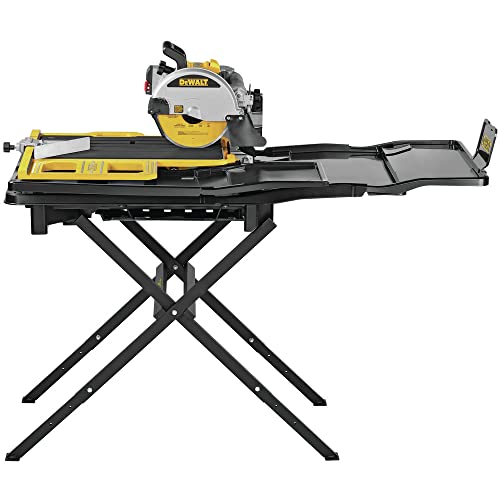
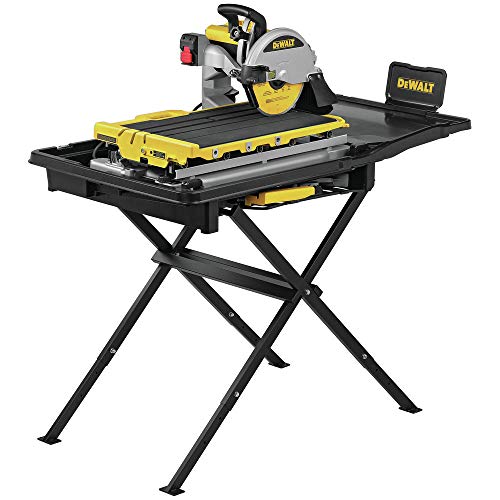
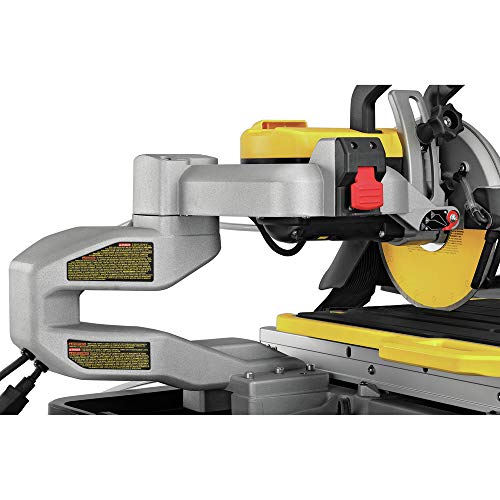
If you want one tile saw that does almost everything well, this DEWALT D36000S is the one to beat. The 10-inch blade, 15-amp motor, and 1,220 MWO rating give it serious cutting power across porcelain, stone, and thick slabs. The 37-inch rip capacity (41 with plunge) means you can split a 36-inch tile cleanly, and the 18-inch clearance left of the blade is a thoughtful touch for wide tiles.
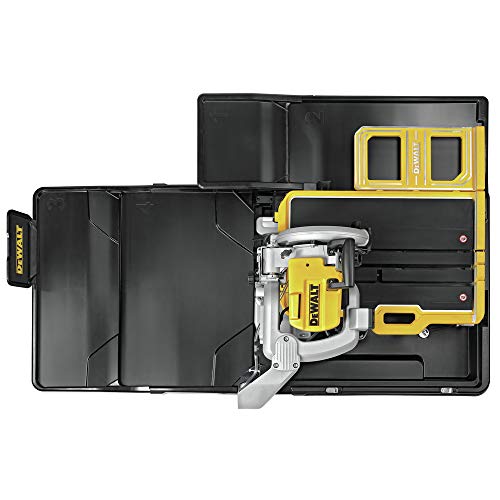
Owners consistently praise the stainless steel rollers and cutline indicator for repeatable accuracy. It’s 91 pounds, which isn’t light, but it rolls well and fits through standard doorways. Compared to the D36000 (without stand), this version adds immediate job-site readiness. The integrated storage for accessories is a small detail that makes a big difference when you’re on the clock.
Product photos
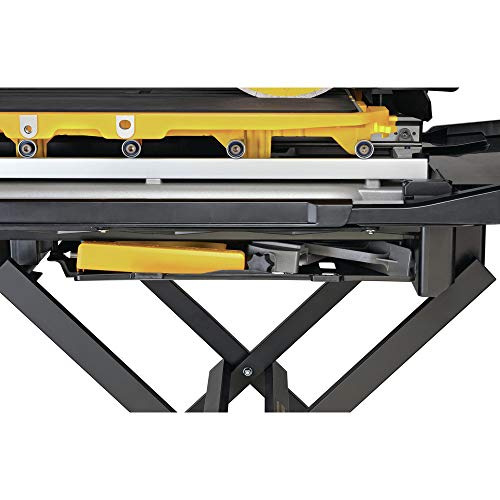
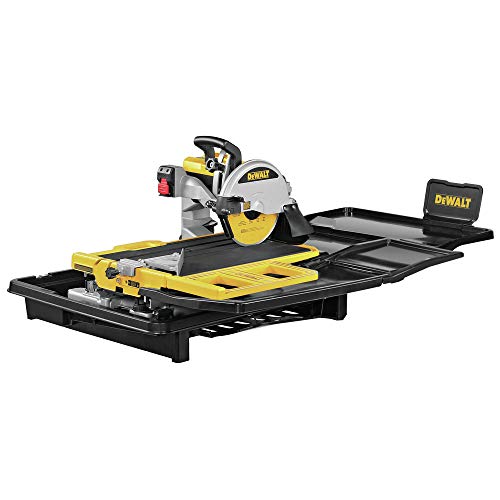
DEWALT High Capacity Wet Tile Saw
Strengths
- 37-inch rip capacity
- 15-amp motor
- Accurate cutline system
- Fits large tiles
- Compatible with DEWALT stand
Trade-offs
- No stand included
- Heavy and bulky
- Overkill for small jobs
This DEWALT D36000 is the standalone powerhouse, same high-capacity frame and motor as the D36000S but without the stand included. You get the same 37-inch rip, 41-inch plunge, and 8.5-inch crosscut capacity, making it ideal for large tiles and planks. The rigid frame and cutline indicator deliver accuracy within 1/32 inch, and the water tray fully contains 18×36 and 24×24 tiles, which keeps the site clean.
It’s essentially the core of the D36000S, so if you already have a compatible stand (like the D240001), this is the smarter buy. Owners report it’s built like a tank, but the 91-pound weight means you’ll want wheels or help moving it. For large-tile specialists, this is the bare-knuckle workhorse that doesn’t waste time.
Product photos
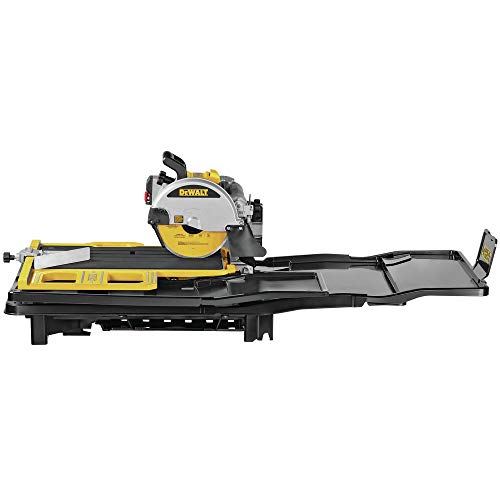
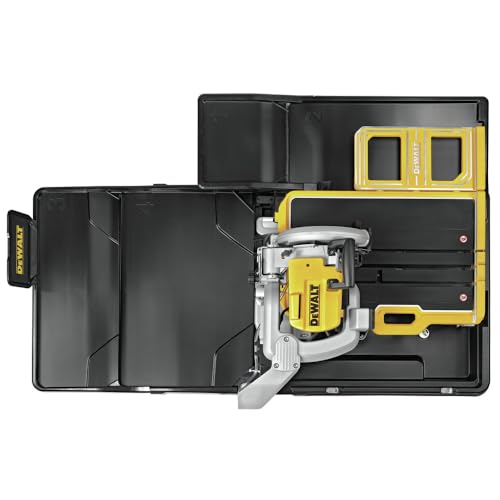
DEWALT 10-Inch Wet Tile Saw with Stand
Strengths
- Includes stand and blade
- Good value bundle
- Compact frame
- Easy to store
- 1.5 HP motor
Trade-offs
- Lower rip capacity
- Shorter lifespan under heavy use
- Less cutting clearance
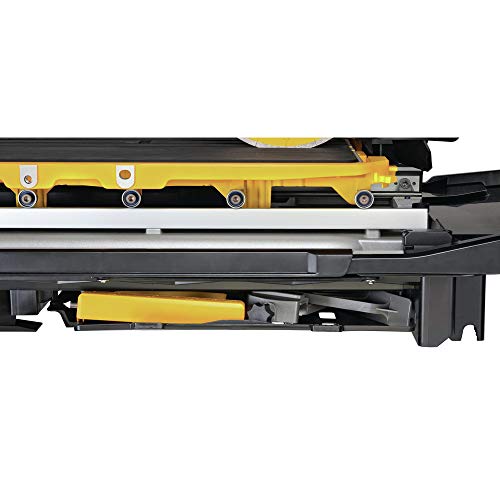
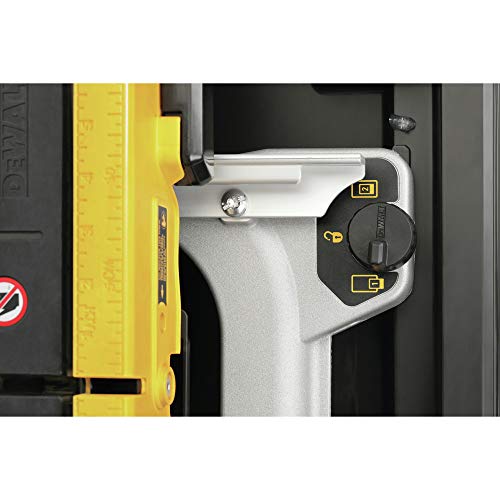
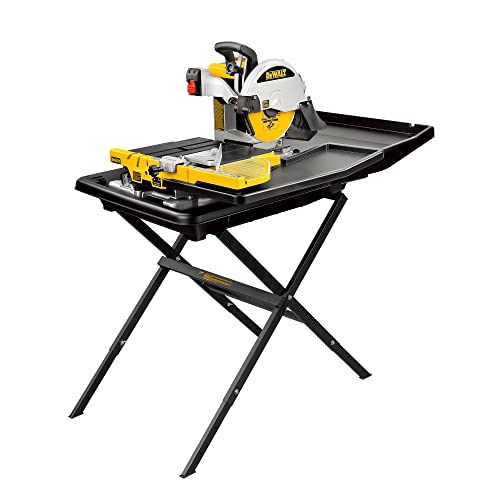
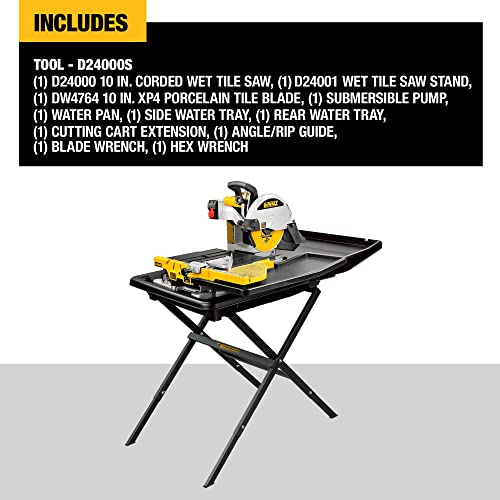
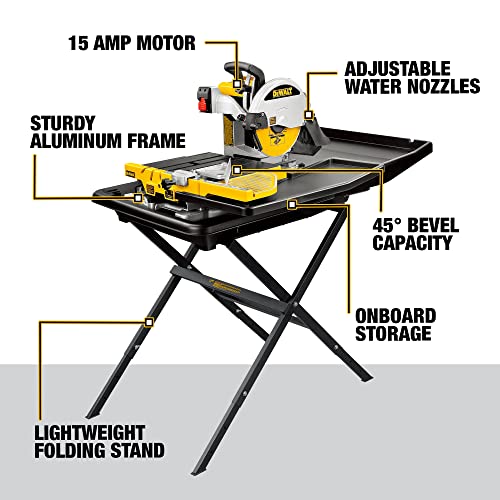
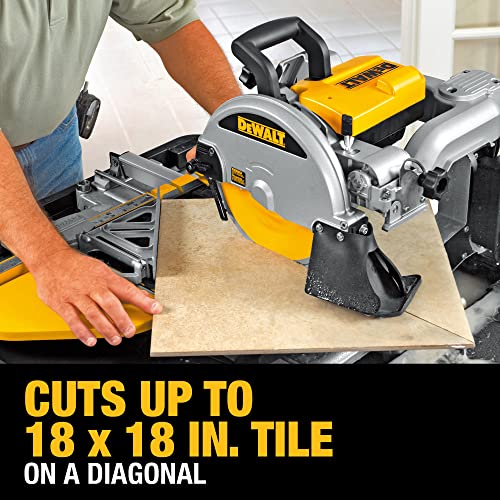
This DEWALT D24000S is the budget-friendly entry into 10-inch wet saws, and it still brings serious features. You get a full stand, porcelain-rated blade, and submersible pump right in the box, rare at this price level. The 1.5 HP motor and 28-inch max rip (with plunge) make it capable of handling most residential tile jobs, though it falls short of the D36000 series in capacity.
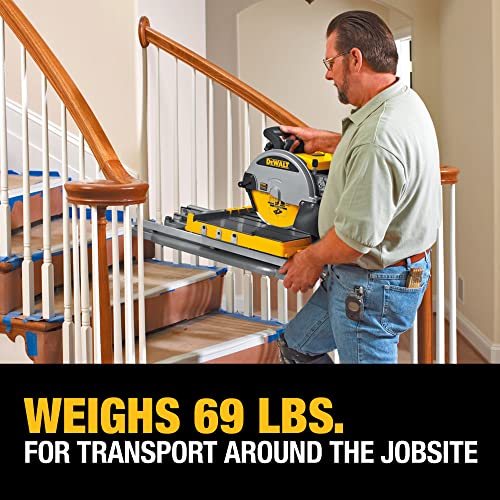
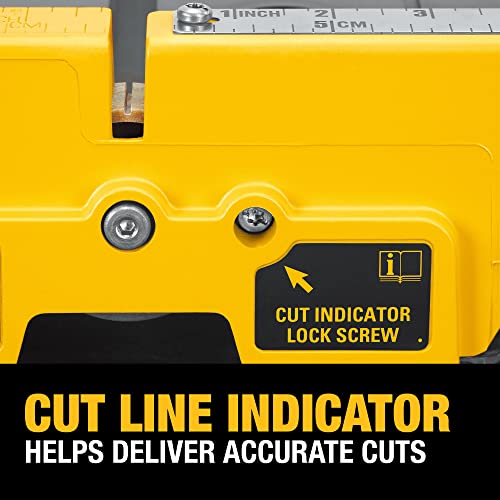
It’s lighter at 69 pounds and more compact, so it’s easier to store and transport. Accuracy is decent with the cutline indicator and stainless steel rollers, though not quite as rigid as the high-capacity models. For first-time buyers or part-time renovators, this is the most complete starter package.
Product photos
PeakPursuit 7-Inch Wet Tile Saw
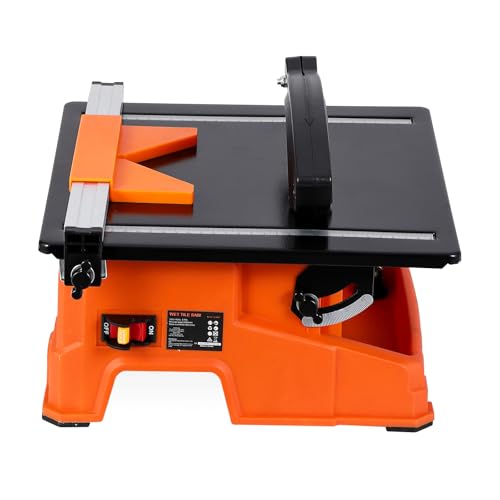
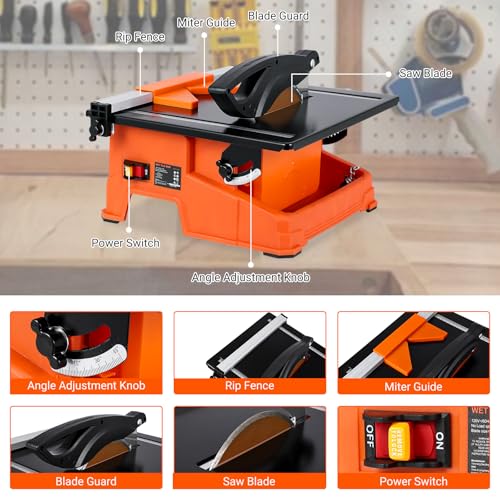
Strengths
- 6,500 RPM motor
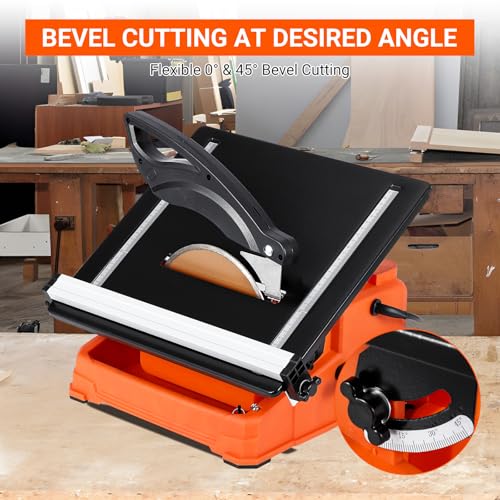
- 0–45° bevel cuts
- Galvanized worktable
- Reset safety switch
- Good dust control
Trade-offs
- Vibration at high speed
- Limited rip capacity
- Smaller cutting surface
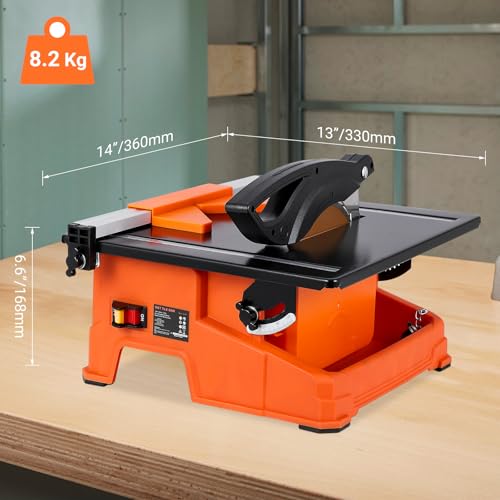
The standout here is the 6,500 RPM motor, one of the fastest in this group, which helps it slice through hard tiles quickly. The pure copper winding is a nice upgrade over standard induction motors, promising better heat resistance and longer life under load. The 0–45° bevel and 1.34-inch max depth cut give it real flexibility for angled and thick material work.
However, speed isn’t everything. Some owners note increased vibration at full RPM, and the smaller 7-inch platform limits long rip cuts. It’s a solid pick for fast, precise cuts on smaller tiles, but it’s not built for marathon sessions. Compared to the Leegol, it’s faster but less stable; compared to the QEP, it’s more powerful but less refined.
Product photos
IQ Power 7-Inch Dry Cut Tile Saw
Strengths
- Dry cutting system
- Excellent dust control
- 18-inch rip capacity
- Strong motor performance
- Vacuum-ready design
Trade-offs
- Requires external vacuum
- Higher noise levels
- Limited to 7-inch blade
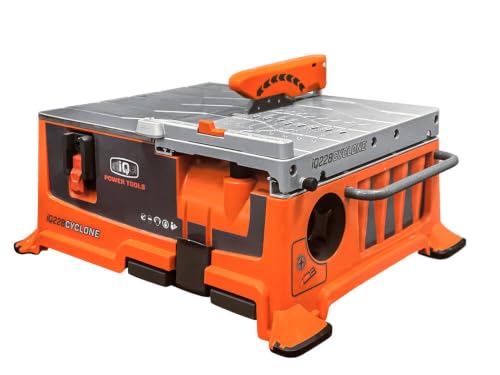
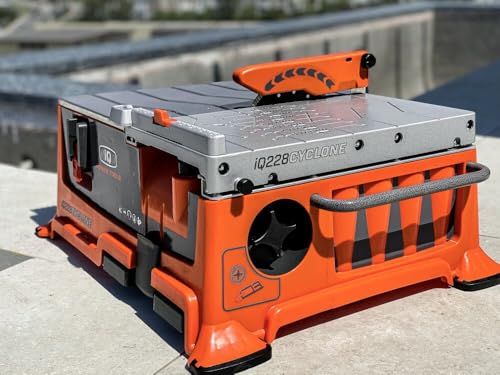
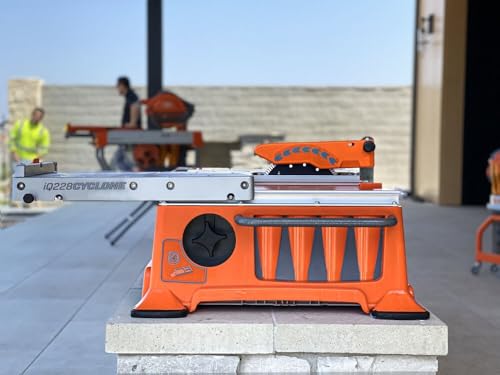
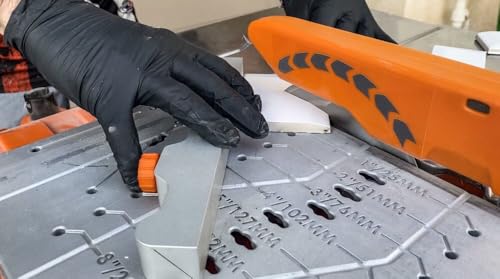
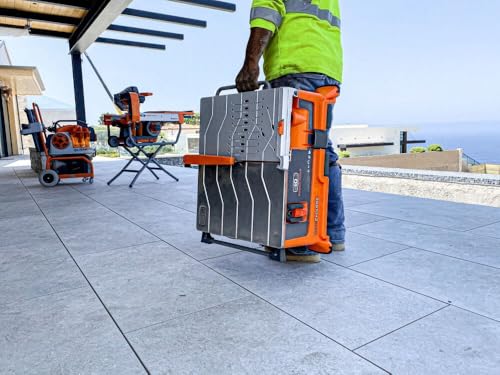
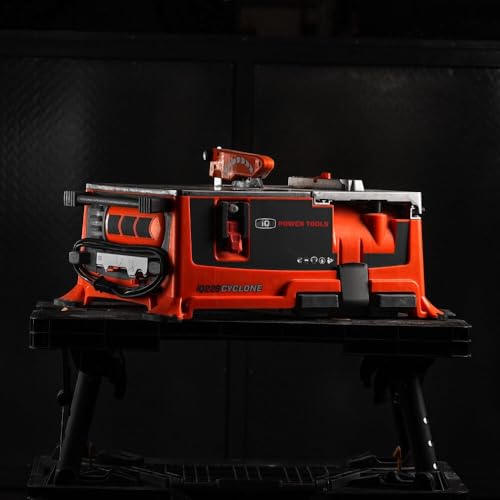
This is one of the few tile saws that skips water entirely and still delivers clean cuts, thanks to its dry-cut system and integrated dust control. The TRU-CUT system and rolling table support long 18-inch rip cuts, which is impressive for a 7-inch saw, and the motor maintains strong suction when paired with a vacuum. On paper, it’s a standout for indoor jobs where water mess is a dealbreaker.
Owners consistently report less cleanup time and better job site control, especially in tight spaces or multi-trade environments. It’s clearly built for pros who hate mopping up slurry, though you’ll need a good shop vacuum to keep up with the dust load. Compared to wet models, it trades splash for dust management, a fair trade if you’re already set up for airborne particles.
Product photos
Leegol 7-Inch Wet Tile Saw
Strengths
- Affordable price
- 3,550 RPM motor
- 0–45° bevel cuts
- Adjustable rip fence
- Decent water tray
Trade-offs
- Plastic components feel lightweight
- Not for heavy stone
- Vibration at high load
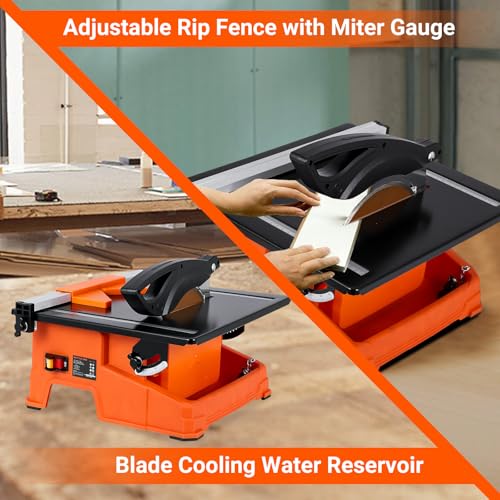
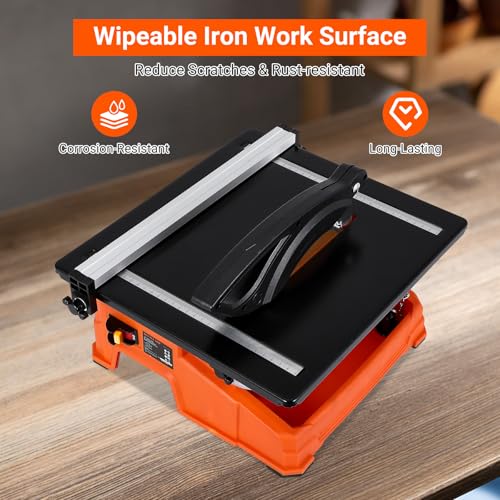
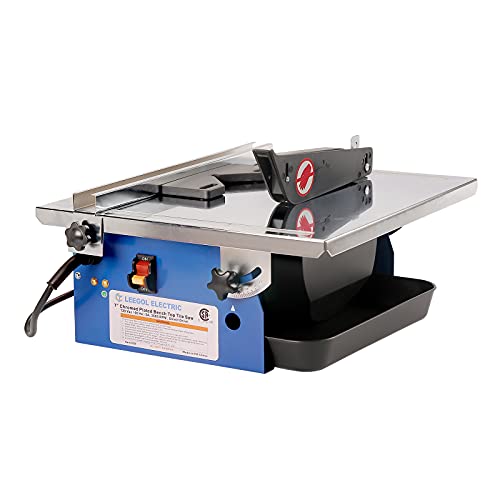
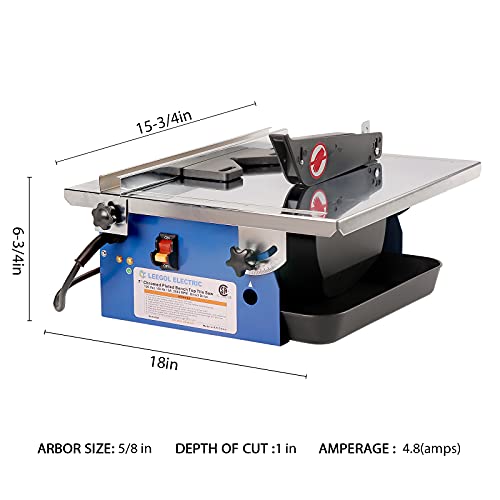
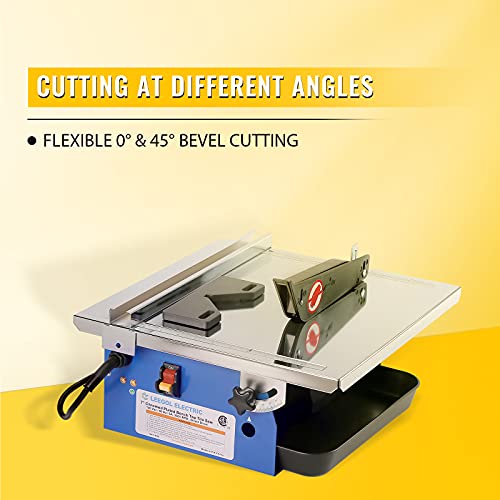
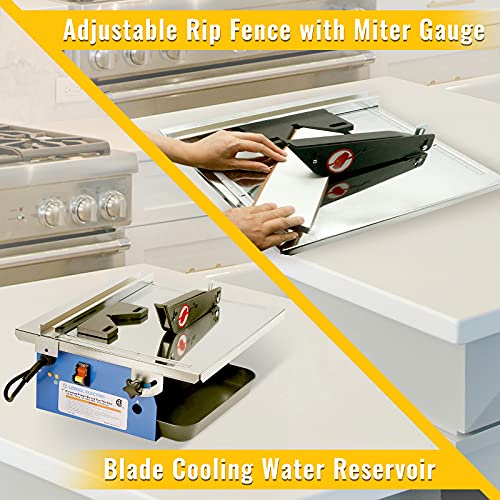
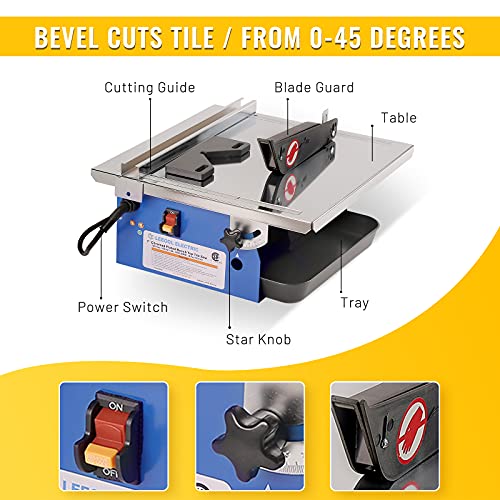
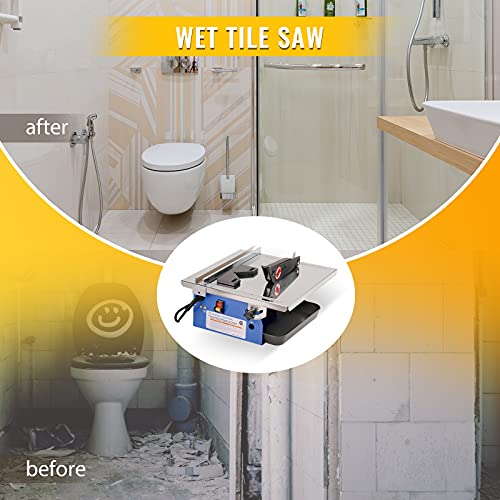
This Leegol model hits the sweet spot for DIYers who want solid features without a pro price tag. The 3,550 RPM induction motor delivers consistent power for ceramic and standard porcelain, and the 0–45° bevel capability adds real versatility for shower niches or beveled edges. The adjustable rip fence and miter gauge are basic but functional, and the water reservoir does its job keeping dust down and the blade cool.
On paper, it’s nearly identical to several no-name brands, but owner feedback suggests better build quality and longer motor life. It’s not built for all-day use, but for a few weekend projects, it’s a smart buy. Compared to the QEP 700XT, it’s slightly less portable but offers more table stability.
Product photos
QEP 7-Inch 700XT Wet Tile Saw

Strengths
- Compact and portable
- Built-in handle
- Table extension
- Handles thick tiles
- Good for basic cuts
Trade-offs
- Motor struggles with dense stone
- Water tray refill needed
- Less stability on long cuts
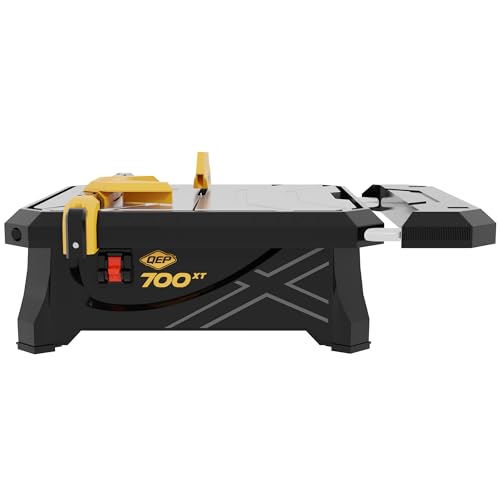
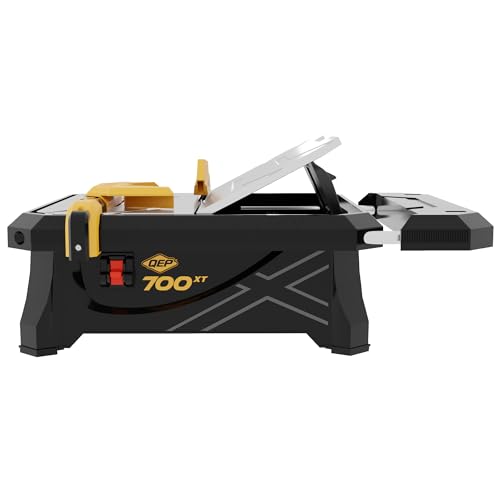
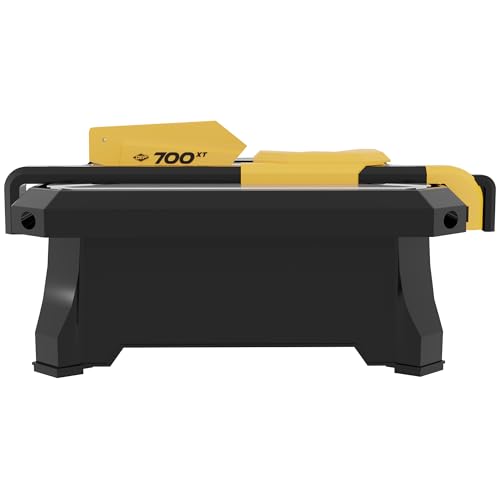
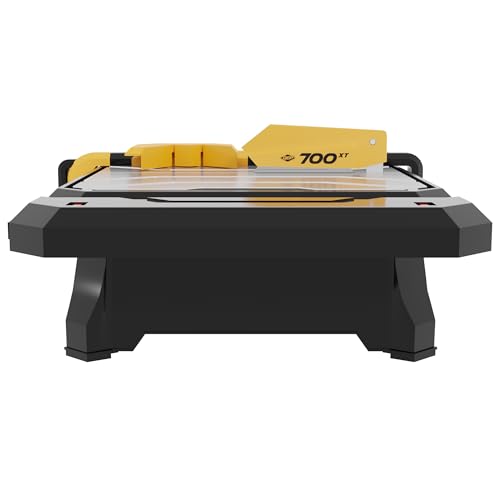
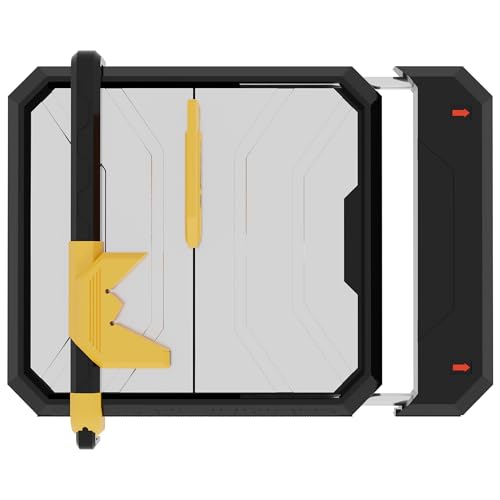
The QEP 700XT stands out for being compact without sacrificing essential cutting range. It handles tiles up to 1.25 inches thick and offers a solid 7-inch blade capacity with a useful table extension for longer rip cuts. The 3/4 HP motor isn’t the strongest in this group, but it’s reliable for ceramic and mid-density porcelain, exactly what most weekend tilers are working with.
Reviewers note it’s easy to move around and fits in the back of a sedan, which makes it a favorite for part-timers who don’t have a work van. It won’t keep up with back-to-back stone cuts like a 10-inch pro model, but for standard bathroom or kitchen tile work, it’s more than capable. The water recirculation channel works as intended, though topping off the tray is common during long sessions.
Product photos
How We Picked These tile saws
Rather than a hands-on lab test, my research focused on a detailed comparison of published specifications and features across numerous models. I weighed owner reviews from multiple sources – looking for consistent praise or complaints – alongside expert reviews from sites dedicated to construction and tiling. Ultimately, I ranked these saws based on criteria relevant to a variety of users, from DIY homeowners to professional contractors.
For tile saws, cutting capacity and motor power were heavily weighted. The ability to handle larger format tiles is increasingly important, so rip and diagonal cut specs mattered a lot. Equally crucial was the motor’s ability to consistently deliver power without overheating, impacting cut quality and longevity. Portability and features like integrated stands also played a significant role in overall ranking.
Specifications reliably indicate a saw’s potential – blade size, motor horsepower, maximum cut depth. However, owner feedback provided crucial insight into real-world performance. I paid close attention to comments about accuracy, durability, and the effectiveness of features like water control systems. Reputation and brand reliability also factored into my assessment, and learning proper wet saw techniques is key to getting the most from your purchase.
How To Choose The tile saws
I’ve spent years around tile projects, and one thing is clear: picking the right saw makes all the difference between a smooth renovation and a frustrating mess.
A quality tile saw balances power with precision. Key considerations include motor strength (for the materials you’ll cut), blade quality (especially for porcelain and stone), and the features that improve accuracy like a solid frame, a good water delivery system, and a stable cutting cart. Look for saws with robust construction and positive user feedback regarding cut quality and durability.
Motor Power and Material Compatibility
The first thing I consider is what I’ll be cutting. A 7-inch saw might be fine for basic ceramic tile, but porcelain, natural stone, and especially thicker pavers demand more power. Don’t underestimate the importance of amperage and blade speed (RPM). Higher numbers generally mean cleaner, faster cuts, but also more noise and potential heat buildup. If you anticipate a lot of dense material, step up to a 10-inch saw with at least a 1.5 HP motor. Consider the type of blade, too. For harder materials, understanding diamond blade applications is essential.
Accuracy and Cut Quality
Beyond power, a tile saw’s ability to deliver clean, accurate cuts is paramount. Look for features that promote stability. A rigid frame is crucial, as is a well-designed cutting cart with smooth, precise movement. The quality of the water delivery system matters too; consistent water flow keeps the blade cool, reduces dust, and helps achieve a cleaner cut.
Here’s what I look for in terms of accuracy features: * A cutline indicator – a simple feature, but incredibly helpful. * Stainless steel rollers – they resist corrosion and provide smoother cart movement. * A robust miter guide – essential for angled cuts, and it should lock securely in place to prevent drifting.
A saw that wobbles or vibrates will produce inaccurate cuts, wasting material and time.
Portability and Value
Let’s be realistic: most of us aren’t dedicated tile professionals. We need a saw that’s reasonably easy to move and store. Weight is a big factor here. While heavier saws often feel more stable, a lighter model might be a better choice if you’re frequently transporting it. Also, consider the size of the water tray and whether it’s easy to drain and clean. Looking at top wet tile saws is a good starting point, but always weigh those recommendations against your specific needs.
A good rule of thumb: if you plan to cut more than a few tiles, invest in a saw with a dedicated water pump and a decent-sized water tray. It will save you a lot of mess and hassle.
Tile Saws Compared
Here’s a comparison of key specifications for the tile saws featured.
| Product Name | Blade Diameter | Max Rip Capacity | Max Cut Depth | Motor (Amps/HP) | Bevel Capacity |
|---|---|---|---|---|---|
| DEWALT 10-Inch Wet Tile Saw w/ Stand | 10 in. | 37 in. | 3 1/8 in. | 15 A / 1.5 HP | 45° |
| DEWALT High Capacity Wet Tile Saw | 10 in. | 37 in. | N/A | 15 A / 1.220 MWO | N/A |
| DEWALT 10-Inch Wet Tile Saw w/ Stand | 10 in. | 28 in. | 3 1/8 in. | N/A | 45° |
| PeakPursuit 7-Inch Wet Tile Saw | 7 in. | N/A | 1.34 in. | N/A | 0-45° |
| IQ Power 7-Inch Dry Cut Tile Saw | 7 in. | 18 in. | N/A | N/A | N/A |
| Leegol 7-Inch Wet Tile Saw | 7 in. | N/A | N/A | N/A | 0-45° |
| QEP 7-Inch 700XT Wet Tile Saw | 7 in. | N/A | 1.25 in. | 3/4 HP | N/A |
Frequently Asked Questions
What blade size should I choose for my tile saw?
A 7-inch blade is generally sufficient for most DIY tiling projects involving ceramic and smaller-format tiles, but if you plan to cut porcelain, stone, or large tiles, a 10-inch saw will offer both the depth and power you’ll require.
Are dry-cutting tile saws as effective as wet saws?
While dry-cutting tile saws exist, they generally aren’t as effective at preventing dust and achieving clean cuts, especially with harder materials. Wet saws use water to cool the blade and reduce airborne particles, resulting in better cut quality and reduced wear.
How important is the water pump on a wet tile saw?
A dedicated water pump is very important; it provides a consistent flow of water to the blade for cooling and dust suppression, which leads to cleaner cuts and extends blade life. Saws without pumps require manual water delivery, which is less effective and can be messy.
What’s the difference between rip capacity and cut depth?
Rip capacity refers to the maximum length of tile you can cut in a straight line, while cut depth indicates the maximum thickness of the tile the saw can handle. Knowing both specs is crucial to ensure the saw can accommodate your project’s needs.
Are there good options for those who need portable wet tile cutters?
Yes, there are several portable options available, including handheld wet tile saws which are lighter and easier to transport, though they typically have less power and smaller cutting capacities than larger, stationary models.
The Bottom Line
Choosing a tile saw often comes down to balancing upfront cost with the level of control and accuracy you require. While a budget-friendly option might suffice for small, simple projects, the DEWALT 10-Inch Wet Tile Saw w/ Stand consistently stands out as the strongest overall performer, offering a blend of power, capacity, and features that justify the investment for serious DIYers and professionals alike. It’s a saw built to handle a wide range of materials and project sizes.
For those on a tighter budget, the PeakPursuit 7-Inch Wet Tile Saw provides a surprisingly capable entry point, and the IQ Power 7-Inch Dry Cut Tile Saw is a solid choice if you specifically need a dry-cutting option. If you anticipate frequent angled cuts, the DEWALT High Capacity Wet Tile Saw is worth considering, thanks to its robust construction and ample cutting capacity. Remember to familiarize yourself with wet saw safety before beginning any project.
Ultimately, the specifications are less important than a saw’s build quality and how well it’s suited to your typical projects. Don’t get caught up in chasing the highest horsepower or largest blade size if you primarily work with small-format ceramic tile. Focus on finding a saw that feels stable, offers accurate cuts, and will hold up to years of use, and practice proper [wet saw operation] to get the most out of your purchase.
