7 Best Silky Saws of 2026
This post contains affiliate links. As an Amazon Associate, we earn from qualifying purchases.
The Silky Katanaboy 650mm is the overall best for serious cutting, with its long, aggressive blade slicing through thick branches effortlessly. For everyday use and portability, the Silky Pocketboy 170mm is the top budget pick, while the Silky Bigboy 2000 stands out as the most versatile option for heavy-duty pruning and limbing.
Most people don’t realize how much difference a well-designed hand saw can make until they’ve struggled with a dull, binding blade that fights every cut. A poor saw wastes time, wears you out, and can even be unsafe if it slips or collapses mid-stroke.
This guide cuts through the noise by focusing on real-world performance, durability, and smart design. I researched each Silky saw based on specs, owner feedback, and how well it matches specific tasks, from backyard trimming to backcountry use, so you can pick the right one for your needs without overpaying or overcomplicating it.
Top 7 Silky Saws in the Market
The Best Silky Saws, Reviewed
Silky Bigboy 2000 Folding Saw

Strengths
- Arbor composite handle
- Thick 1.8mm blade
- XL teeth for speed
- Folds safely
Trade-offs
- Heavier than mid-size models
- Overkill for small branches
If you’re looking for the most capable all-around folding saw Silky makes, this is it. The 360mm blade with 5.5 teeth per inch and 7.1-inch cut capacity gives you serious reach and clean cutting speed, while the 1.8mm thickness adds backbone for prying or binding wood. The Outback Edition’s arbor composite handle is a major upgrade, owners say it stays grippy even with gloves or in rain, which sets it apart from standard models.
It’s heavier than the GomBoy or PocketBoy, but that’s the trade for durability and performance. Against the KATANABOY, it’s shorter but more manageable with one hand and better suited to mixed tasks like pruning and camp prep. This is the model I’d recommend to someone who wants one saw to handle 90% of outdoor jobs.
Product photos


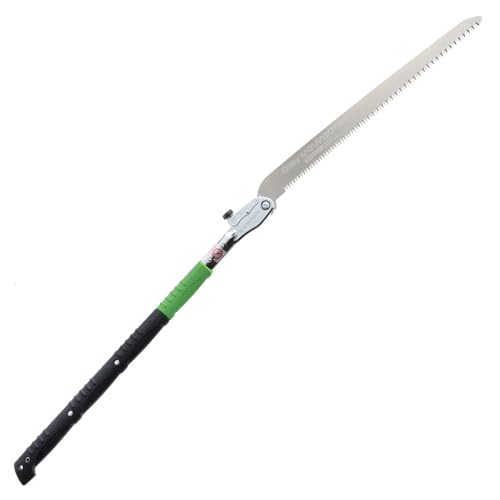
Silky KATANABOY 650mm Folding Saw
Strengths
- 650mm blade reach
- XL teeth for fast cutting
- Durable nickel plating
- Includes shoulder bag
Trade-offs
- Too large for tight spaces
- Not ideal for pruning
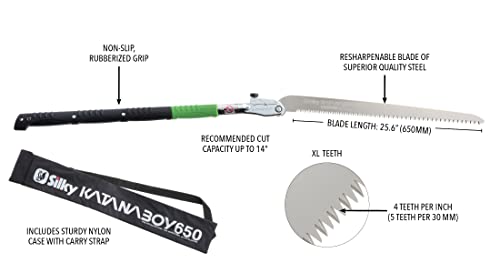
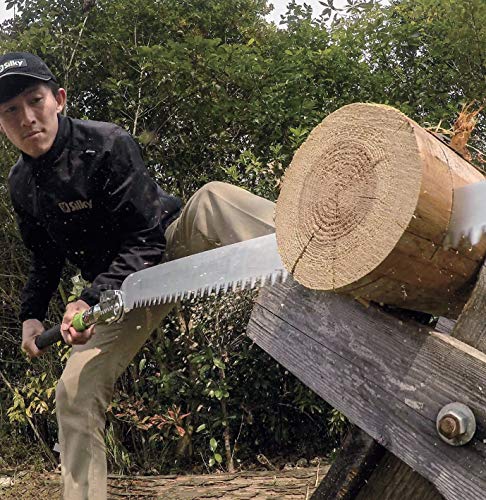
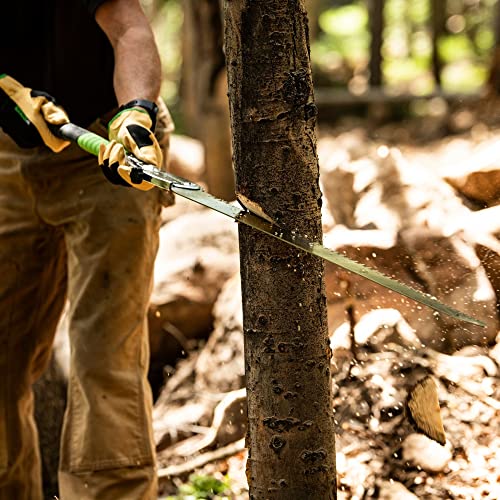
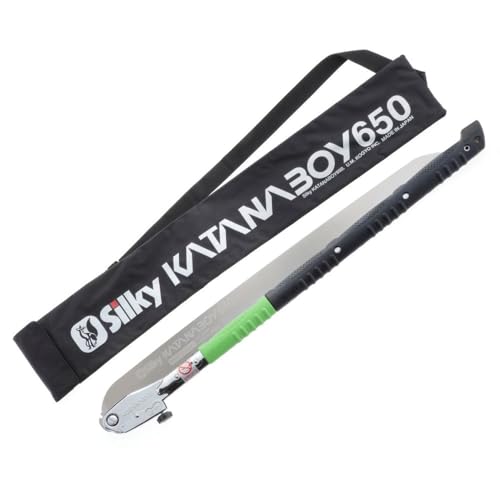
At 650mm, the KATANABOY is the largest folding saw in Silky’s lineup, and it shows, this is the one you grab when facing deadfall, trail clearance, or thick, dry hardwoods. The 3.4 teeth per inch with large teeth configuration tears through material fast, and owners say it feels almost like a hand-powered chainsaw, especially when using both hands. The electroless nickel plating stands up well to prolonged use and moisture, which matters when you’re cutting for hours.
It’s not subtle or discreet, but that’s not the point. Against the Bigboy 2000, it trades some portability for sheer cutting reach and speed. If you’re doing serious trail work or need to clear large limbs solo, this is the tool that gets respect in the field.
Product photos

Silky Pocketboy 170mm Folding Saw

Strengths
- Arbor composite handle
- Nickel/tin blade coating
- Folds securely
Trade-offs
- Slightly bulkier than basic models
- Medium teeth not ideal for green wood
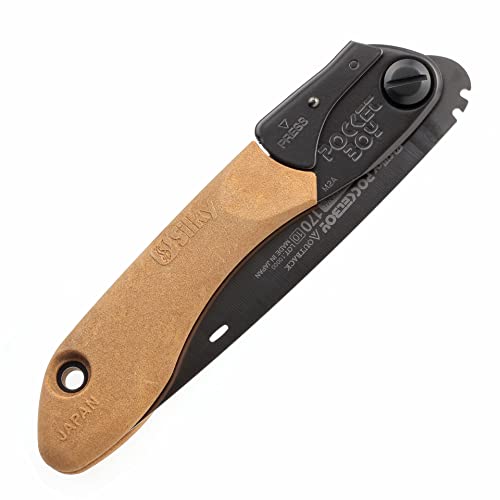
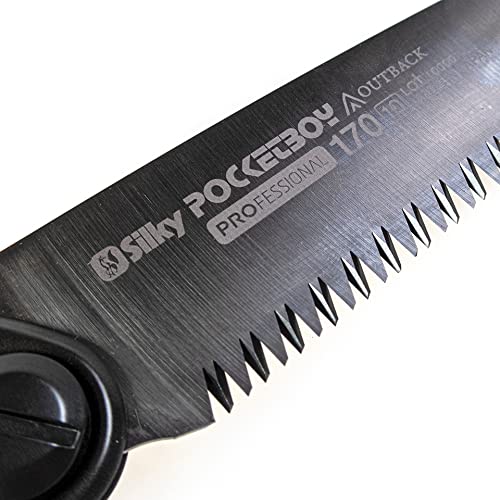
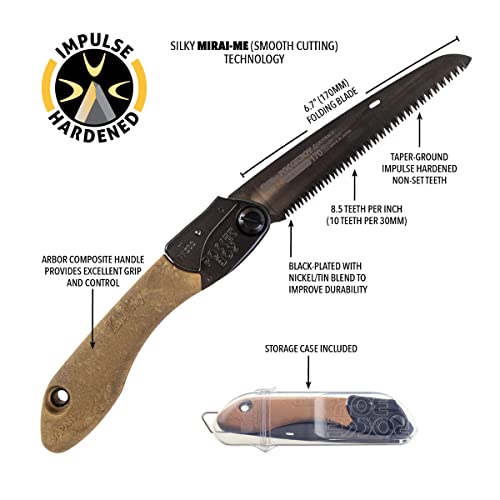
The Outback Edition of the Pocketboy stands out with its rugged arbor composite handle, which owners consistently report holds up well in wet or cold conditions. At 170mm with 8.5 teeth per inch, it’s built for controlled, precise cuts in branches up to 3.5 inches, ideal when you need a clean finish without tearing bark. The nickel/tin-coated blade resists rust better than standard chrome, and that matters if you’re using it for game processing or extended camping trips.
What I like most is how it balances portability and durability. It’s not the smallest Silky, but it’s far from bulky, and the folding mechanism feels secure. Compared to the standard PocketBoy, this one trades a bit of packability for a grippier, more durable handle, worth it if you work in tough environments.
Product photos

Silky SUGOI Curved Hand Saw

Strengths
- 330mm curved blade
- 2.0mm blade thickness
- XL teeth for fast cuts
- Fixed blade strength
Trade-offs
- No folding mechanism
- Bulky for carry
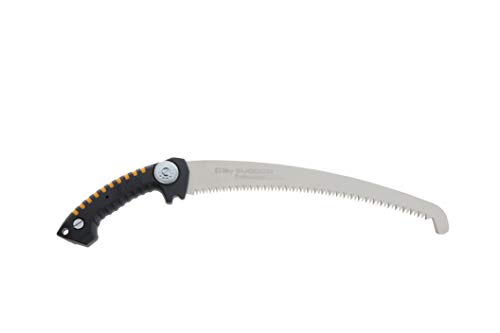
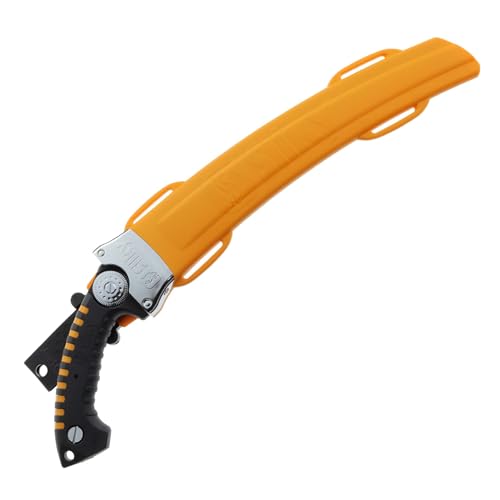
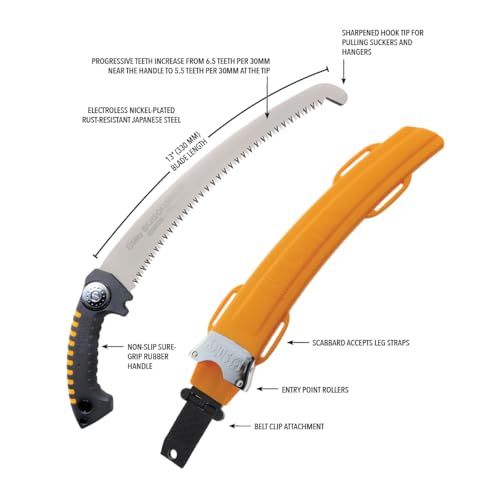
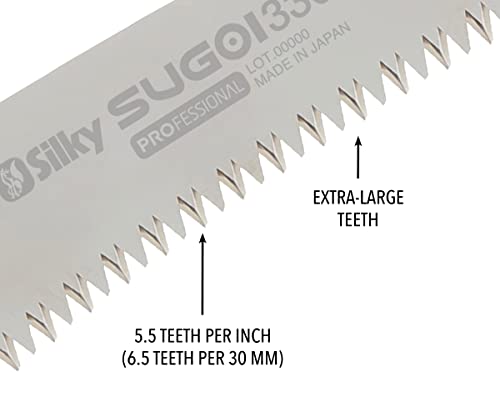
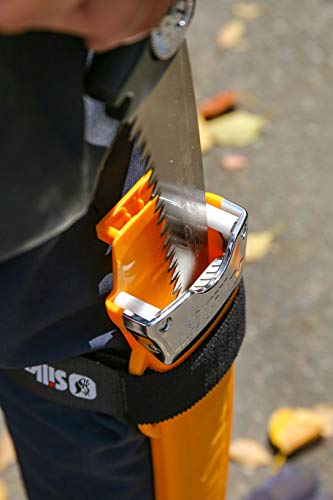
The SUGOI is a fixed-blade beast, no folding, no compromises. At 330mm with a 2.0mm thick blade and extra-large teeth, this is built for aggressive cutting in thick, dry wood. The deep curve increases bite and draw efficiency, and owners say it powers through logs with fewer strokes than flatter blades. It’s not meant for precision, but for raw speed and durability when portability isn’t the priority.
Compared to the folding Bigboy 2000, it’s longer and stiffer, but obviously less packable. If you’re working near a campsite, truck, or workshop and need maximum cutting power without the complexity of a chainsaw, this is a strong pick.
Product photos
Silky GomBoy Kuro Folding Saw
Strengths
- Black oxide rust protection
- Premium arbor grip
- Smooth GOKAI-ME teeth
- Includes custom case
Trade-offs
- Higher price for limited gains
- Not for green wood
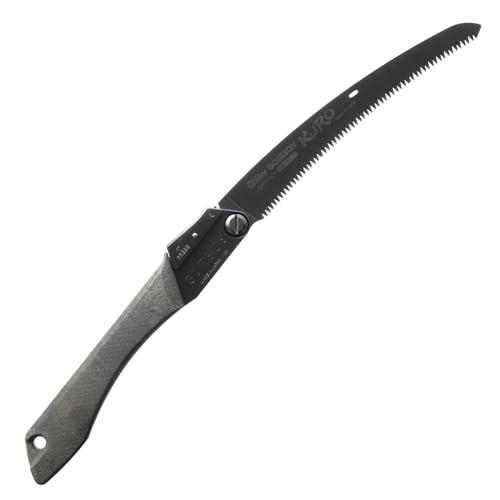
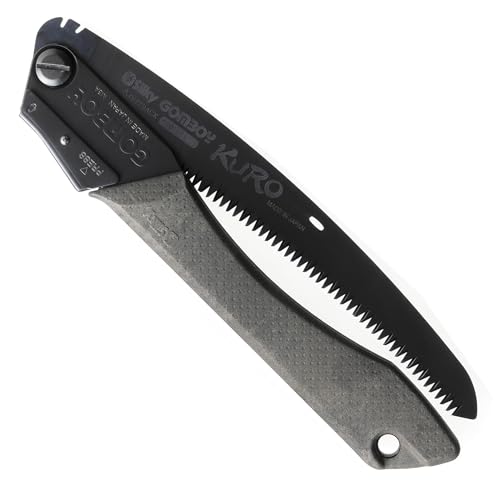
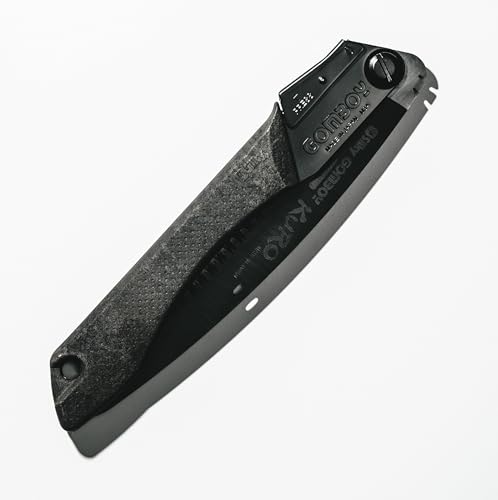
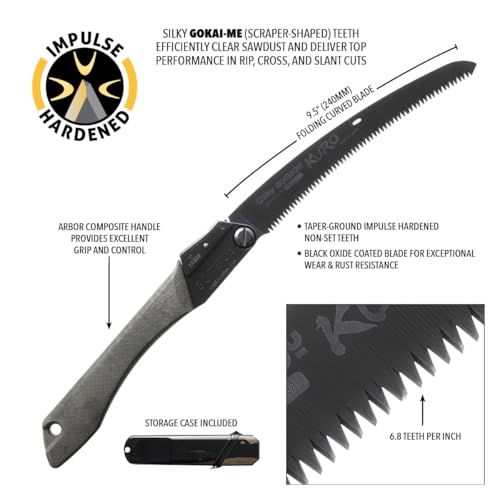
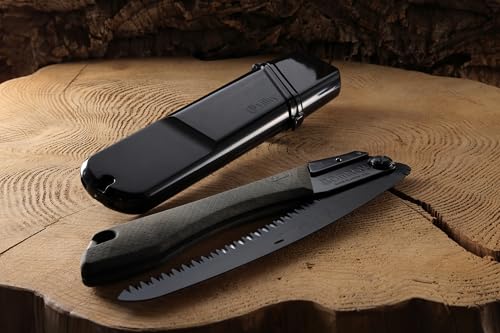
The GomBoy Kuro is a tribute to Silky’s 40 years of craftsmanship, and it shows in the details, the black oxide coating isn’t just for looks, it delivers real rust resistance, and owners report it holds up well in humid or salty environments. At 240mm with 6.8 teeth per inch, it’s longer than the standard GomBoy Curve and cuts with authority in dry hardwoods. The GOKAI-ME teeth design clears sawdust efficiently, reducing binding.
It’s not a radical performance leap, but the build quality and finish feel premium. Compared to the regular GomBoy, it’s a collector’s piece with practical upgrades. If you want a folding saw that performs well and stands out, this one delivers.
Product photos
Silky PocketBoy 170mm Folding Saw

Strengths
- Low cost
- Lightweight and compact
- Hard chrome rust resistance
- Flush-cutting option
Trade-offs
- Basic handle material
- No premium grip
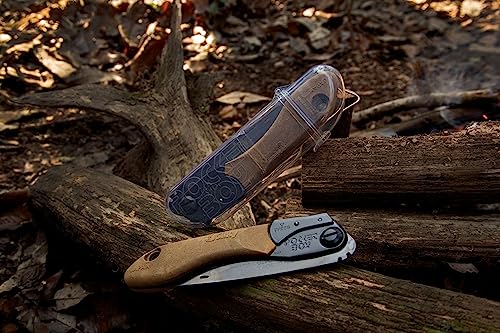
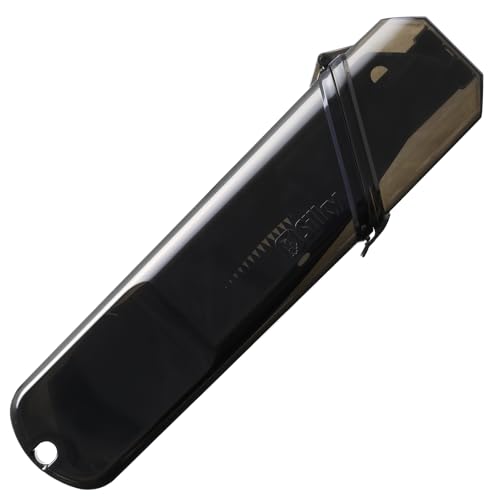
This is the original PocketBoy, and still one of the best values in the Silky lineup. At 170mm with medium teeth, it’s designed for clean, controlled cuts in live branches and pruning jobs. The hard chrome plating resists rust well enough for occasional use, and the clear flip-lock case makes it easy to carry on a belt or in a pack. Owners consistently praise its reliability over years of light to moderate use.
It’s not as rugged as the Outback Edition, and the handle is less grippy in wet conditions, but for the price, it’s hard to beat. If you’re a homeowner with basic yard work or a casual camper, this is the smarter buy over pricier models.
Product photos


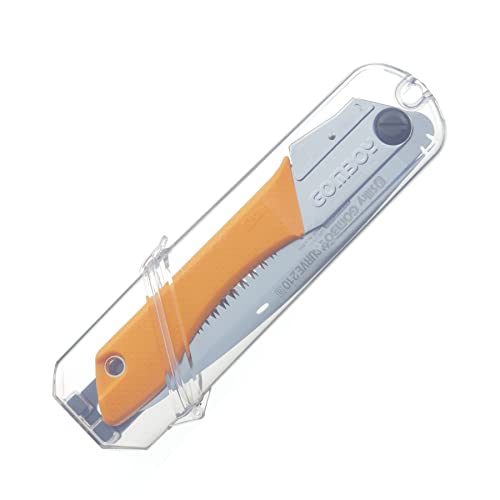
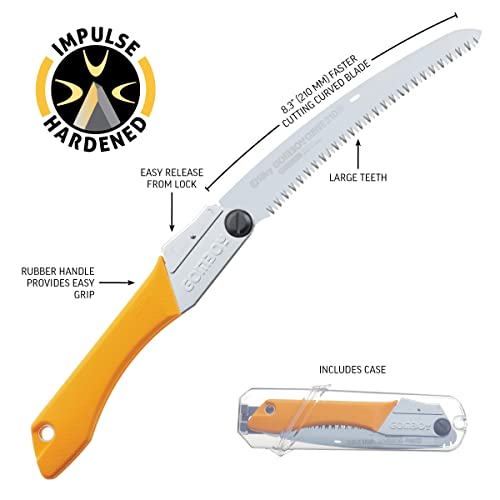
Silky GomBoy Curve 210mm Saw

Strengths
- Curved blade for better draw
- Large teeth cut fast
- Folds compactly
Trade-offs
- Not for wet or green wood
- Handle less grippy than Outback models
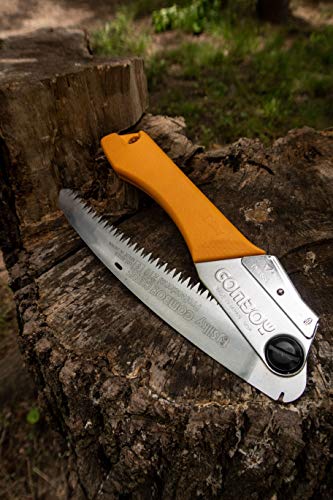
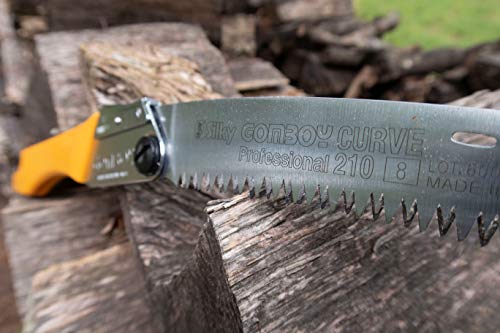
The GomBoy Curve is a sweet spot in Silky’s lineup, long enough to handle serious cuts with 210mm of curved blade, yet still folds down for easy carry. The 6.8 teeth per inch and large tooth design favor aggressive cutting in dry, hard wood, which reviewers say makes it a go-to for campers and hunters processing firewood or clearing brush. The curve improves bite and draw efficiency, reducing fatigue over time.
It’s a direct upgrade from the PocketBoy if you want more power without going full KATANABOY. Compared to the Limited Edition GomBoy Kuro, it lacks the black oxide finish and premium case, but it delivers nearly the same performance at a more accessible point.
Product photos

How We Evaluated silky saws
Rather than a hands-on lab test, my research focused on comparing the published specifications and features of various Silky saws. I weighed owner reviews from multiple retailers alongside expert opinions found in woodworking and outdoor recreation publications. This allowed me to build a ranking based on how well each saw fulfills its stated purpose, considering the needs of both casual users and those tackling more demanding tasks.
For Silky saws, blade steel quality, tooth configuration, and overall build durability are paramount. A saw’s ability to maintain sharpness and withstand repeated use directly impacts its long-term value. The folding mechanism’s security and ease of use also heavily influenced my assessment, as did the ergonomics of the handle for comfortable, extended cutting sessions.
Specifications reliably indicate blade length, thickness, and teeth per inch – essential for understanding cutting capacity and speed. However, I looked to owner feedback to assess real-world cutting performance, particularly regarding smoothness and how well the saw handles different wood types. Reputation for durability and the quality of the included sheath or case also factored heavily into my final recommendations; knowing how to properly maintain a circular saw blade replacement is good practice for all blades.
How To Choose The silky saws
Finding the right silky saw depends heavily on what you plan to cut and where. These aren’t your average hardware store hand saws; they represent a significant investment in quality and cutting performance.
A quality silky saw blends Japanese steel craftsmanship with ergonomic design. Key factors include blade length and tooth configuration (TPI) matched to the material being cut, the locking mechanism’s reliability, and the handle’s comfort and grip, especially when wet or gloved. Blade thickness and hardening processes significantly impact durability and longevity.
Blade Length & Tooth Configuration
The length of the blade is the first major consideration. Shorter blades (under 10 inches) like the Silky Pocketboy are fantastic for portability and detailed work, but they limit your cutting capacity. Longer blades (13 inches and up), such as those found on the Silky Katanaboy, excel at tackling larger limbs and even small trees. Beyond length, the teeth per inch (TPI) dictates cutting speed and smoothness. Lower TPI counts (around 3-4) are aggressive, ideal for quickly roughing through green wood. Higher TPI counts (8-10) produce finer cuts, better suited for dry, seasoned wood. Don’t assume more teeth are always better; they can clog with sap and debris.
Handle Design & Locking Mechanism
Silky saws prioritize ergonomics, but handle materials and design still vary. Arbor composite handles, as seen on many models, provide a secure grip even when wet, which is a huge benefit if you’re working outdoors. The locking mechanism is critical for safety. You want a solid, reliable lock that prevents accidental blade deployment during transport or storage. Some models offer multiple locking positions for versatile cutting angles. I’ve seen too many users underestimate the importance of a secure lock, so pay attention to user reviews regarding this feature.
- Budget models may use simpler plastic locks, which are adequate for light use.
- Mid-range saws typically feature robust, dual-locking mechanisms for increased security.
- Higher-end models often include over-engineered locking systems with redundant safety features, providing peace of mind for demanding applications.
Value & Intended Use
While Silky saws are premium tools, there’s a range in price. If you’re only occasionally trimming small branches, the Silky Pocketboy offers excellent value and portability. But if you’re a serious outdoorsman, arborist, or frequently maintain a large property, investing in a larger, more durable model like the Silky Bigboy or Katanaboy will pay dividends in the long run. Consider how often you’ll use the saw and the types of materials you’ll be cutting. If you’re also considering power saws for larger projects, check out our recommended track saws to see how they compare. Remember to always double-check the correct circular saw blade direction if you’re also using a circular saw for other tasks.
A well-maintained Silky saw can last a lifetime. Regularly clean the blade with a solvent to remove sap and debris, and occasionally apply a light oil to prevent rust.
Silky Saws Compared
The following table provides a specification comparison of various Silky saws to aid in your purchasing decision.
| Product Name | Blade Length | Teeth Per Inch | Blade Thickness (mm) | Cut Capacity | Foldable |
|---|---|---|---|---|---|
| Silky Bigboy 2000 | 14.2″ | 5.5 | 1.8 | 7.1″ | Yes |
| Silky KATANABOY 650mm | 25.6″ | 3.4 | N/A | N/A | Yes |
| Silky Pocketboy 170mm | 6.7″ | 8.5 | 1.4 | 3.4″ | Yes |
| Silky SUGOI Curved | 13″ | N/A | 2.0 | 6.5″ | N/A |
| Silky GomBoy Kuro | 9.5″ | 6.8 | N/A | 5″ | Yes |
| Silky PocketBoy 170mm | 6.75″ | 8.5 | 1.4 | 3.4″ | Yes |
| Silky GomBoy Curve 210mm | 8.33″ | 6.8 | 1.4 | 4.2″ | Yes |
Frequently Asked Questions
What blade thickness should I look for in a silky saw?
Blade thickness is a key indicator of durability; generally, thicker blades (1.8mm or greater) are better suited for demanding tasks and will hold up to repeated use. Thinner blades (around 1.4mm) are fine for lighter work, but may flex more and require more careful handling.
Are Silky saws actually worth the higher price?
Yes, Silky saws are worth the investment if you value quality, sharpness, and longevity. Their high-carbon steel blades maintain an edge much longer than traditional saws, and the build quality prevents premature failure, saving you money over time. You can find expert circular saw reviews if you want to compare to other options.
How do I prevent my Silky saw blade from rusting?
Regular cleaning and oiling are essential for rust prevention. After each use, clean the blade with a solvent to remove sap and debris, then apply a light coat of oil. Store the saw in its sheath in a dry environment to further protect it from moisture.
What’s the difference between a curved and a straight Silky saw blade?
Curved blades excel at cutting on the pull stroke, offering more control and efficiency when trimming branches from the ground or working in tight spaces. Straight blades are better for more precise cuts and are often preferred for tasks like crosscutting lumber or building projects.
Can I sharpen a Silky saw blade myself, or should I send it out?
While it’s possible to sharpen a Silky saw blade yourself with the correct tools and technique, it’s generally best left to professionals. Improper sharpening can damage the blade’s geometry and reduce its performance. Many retailers offer sharpening services specifically for Silky saws.
The Bottom Line
Choosing a silky saw often comes down to balancing portability with power. While these saws represent a premium investment, the Silky Bigboy 2000 strikes the best overall balance of blade length, cutting capacity, and build quality for most homeowners and outdoor enthusiasts. It’s a saw you can confidently reach for whether you’re clearing brush or tackling larger limbs.
For those on a tighter budget or needing a compact option, the Silky Pocketboy is an outstanding choice. Similarly, if you prioritize versatility and need a saw capable of handling a wide range of cutting tasks – from detailed work to larger branches – the Silky Katanaboy 650mm delivers unmatched performance. It’s a larger investment, but one that serious users will appreciate.
Ultimately, the specific specs matter less than maintaining a sharp blade and understanding the wood you’re cutting. Regular cleaning and proper storage, and knowing how to sharpen circular saw blades when needed, will extend the life of any Silky saw and ensure consistently clean, efficient cuts.
