7 Best Siding Nailers of 2026
This post contains affiliate links. As an Amazon Associate, we earn from qualifying purchases.
The Metabo HPT NV65AH2 is the best overall siding nailer for reliability and build quality, with the Makita AN613 as a close second for those wanting a lightweight yet durable option. For budget-conscious buyers, the BOSTITCH N66C delivers solid performance without breaking the bank.
Siding projects demand speed and precision, but a poor nailer can slow you down with jams, inconsistent depth, or fatigue from heavy tools. I’ve seen too many DIYers waste time and money on underbuilt models that fail mid-job.
This guide cuts through the noise. I compared specs and owner feedback to find models that actually perform on real jobsites, focusing on durability, ease of adjustment, and compatibility with common siding materials. You’ll know exactly what to look for, and why some nailers stand out.
Top 7 Siding Nailers in the Market
The Best Siding Nailers, Reviewed
Metabo HPT NV65AH2 Coil Siding Nailer

Strengths
- Lightest in class
- Dual collation support
- 5-year warranty
Trade-offs
- Magazine capacity average
- No long-nail option
- Slight learning curve
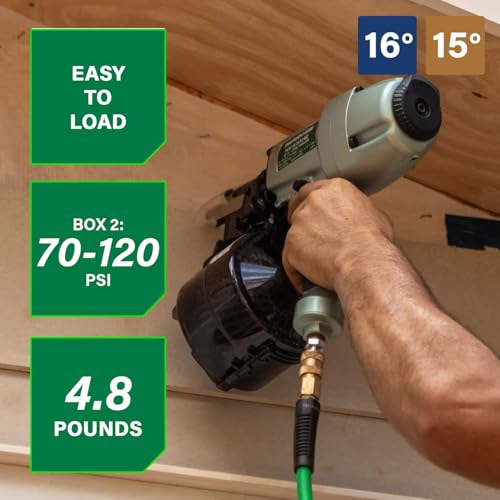
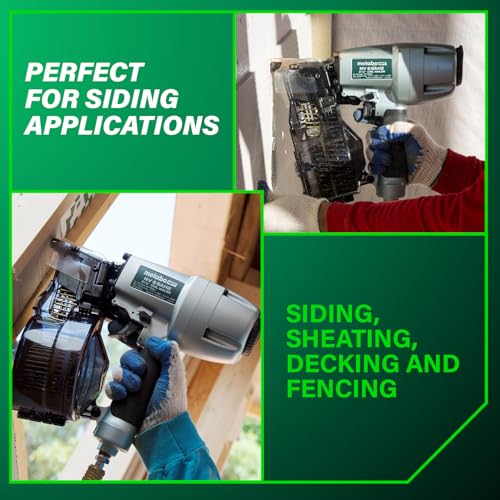
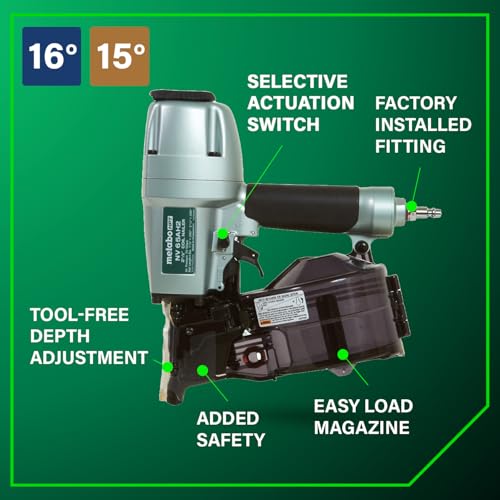
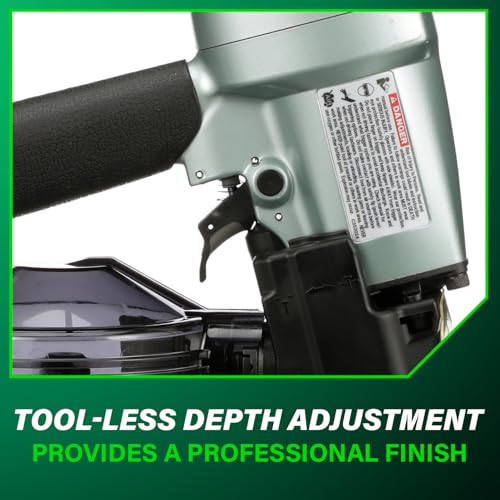
If there’s a benchmark for best overall siding nailer, the Metabo HPT NV65AH2 is it. At just 4.8 lbs, it’s the lightest serious model here, and that makes a real difference on day three of a cedar shake install. It accepts both 15° plastic and 16° wire collated nails, giving unmatched flexibility, and the tool-less depth adjustment is intuitive and reliable. The 5-year warranty is a major confidence booster, few brands stand behind their tools this hard.
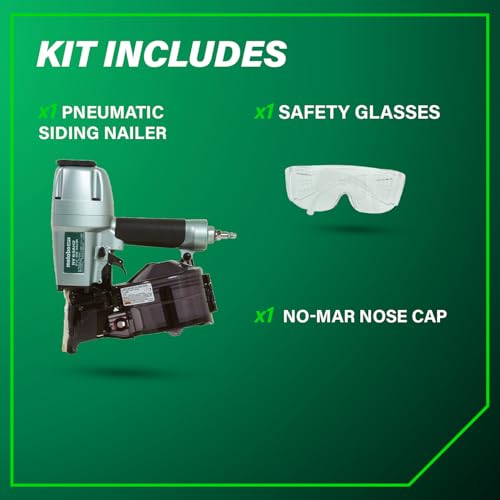
Owners report fewer jams and smoother operation than the Freeman PCN65, and it’s more durable than the BOSTITCH N66C in side-by-side comparisons. The selective actuation switch works flawlessly, and the no-mar cap actually protects finishes. For most pros, this is the smarter buy over the NV75A5 unless you need nails longer than 2-1/2”.
Product photos
Makita AN613 15° Siding Coil Nailer

Strengths
- Excellent depth control
- Dual firing modes
- No-mar nose tip
Trade-offs
- 15° only
- Slightly heavier
- Limited fastener range
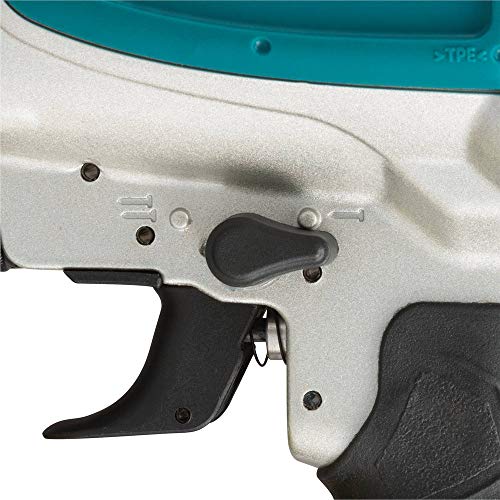
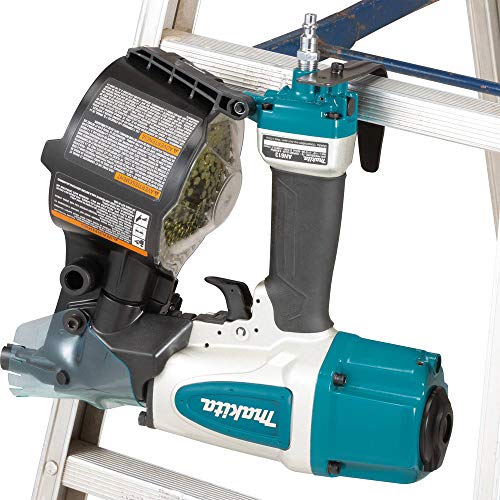
The Makita AN613 stands out in a crowded field not by chasing specs but by executing the fundamentals with precision. On paper, its 9-position tool-less depth adjustment is more granular than most, and owners consistently report that this level of control makes a real difference when switching between materials like cedar lap and fiber cement. The dual-mode trigger, switching between contact and sequential, gives pros the flexibility to adapt to fast-paced framing or delicate trim work without changing tools.
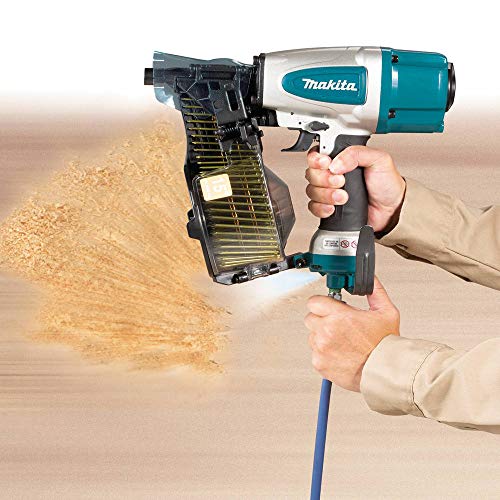
This is a nailer built for long days, with a smooth nose tip that actually prevents marring, not just claims to. The multi-directional exhaust is a small touch that matters, especially when working overhead or in tight spaces. While it doesn’t accept 16° nails like some competitors, its focus on 15° collation keeps it simple and reliable. Among high-end models, it’s one I’d pick over the Metabo HPT NV75A5 for pure build consistency.
Product photos
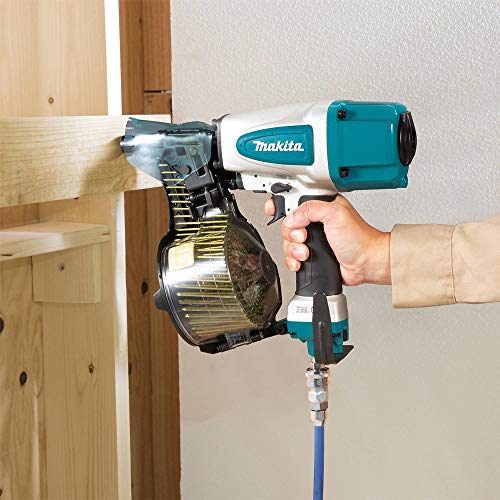
BOSTITCH N66C Pneumatic Siding Nailer

Strengths
- Durable aluminum body
- Soft rubber foot
- Tool-free exhaust
Trade-offs
- Basic depth control
- No dual firing modes
- Heavier than newer models
The BOSTITCH N66C is a no-frills workhorse that’s been around for years, and that longevity speaks to its reliability. The aluminum body keeps it durable without adding bulk, and the soft rubber foot is a small but meaningful detail, it really does reduce marring on softer woods like cedar. The tool-free exhaust adjustment is practical, and the depth guide is straightforward, though not as refined as Makita’s 9-detent system.
It’s not the lightest or most feature-rich, but it’s consistently rated highly by users who value simplicity and parts availability. Compared to the Freeman PCN65, it’s less ergonomic but more proven over time. I’d call it the best value because it hits the sweet spot between cost and dependability, not flashy, but it won’t let you down in the field.
Product photos
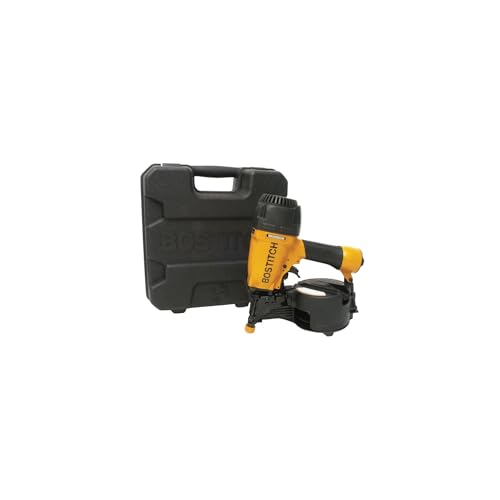
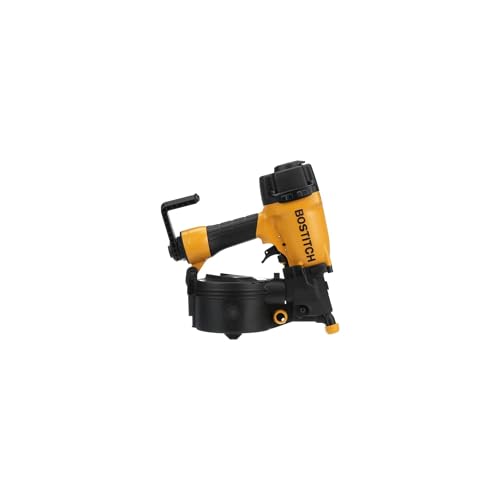
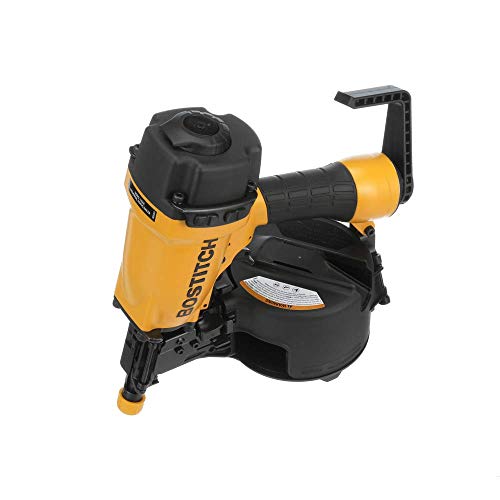
Metabo HPT NV75A5 Siding/Light Framing Nailer

Strengths
- Dual-angle compatibility
- Long nail support
- Fast reload magazine
Trade-offs
- Heavier than rivals
- No 5-year warranty
- Plastic collation only up to 2-1/4”
The Metabo HPT NV75A5 earns its ‘Pro-Preferred’ title by being the most versatile in the lineup. Its ability to handle both 16° wire nails up to 3” and 15° plastic collated nails makes it a true hybrid, you can switch from siding to light framing without grabbing another tool. At 5.7 lbs, it’s not the lightest, but the weight is well-distributed, and the selective actuation switch gives real control between speed and precision.
Owners love the side-load magazine with tilt-bottom design, it reloads faster than top-loaders, especially on tight jobs. It’s slightly behind the NV65AH2 in weight and warranty, but the longer nail range is a standout for crews doing mixed work. I’d pick this over the BOSTITCH N66C for framing-heavy jobs, though it’s overkill for pure siding runs.
Product photos
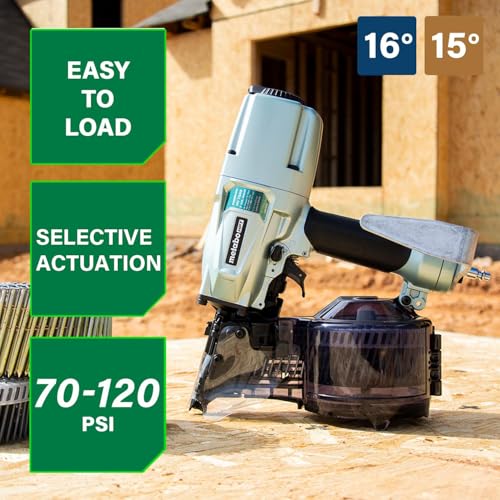


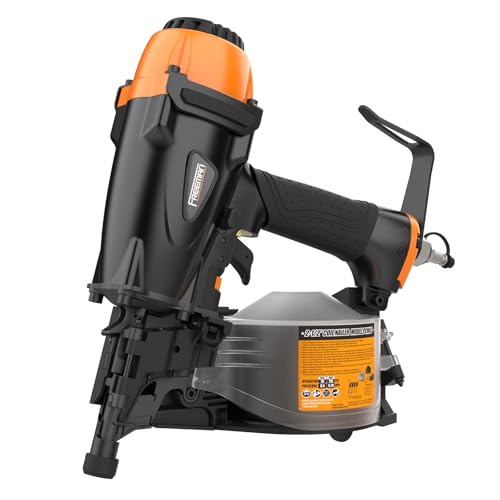
Freeman PCN65 15° Coil Siding Nailer
Strengths
- Comfort grip handle
- Transparent magazine
- Dual firing modes
Trade-offs
- No 16° support
- Shorter warranty
- Heavier than top models
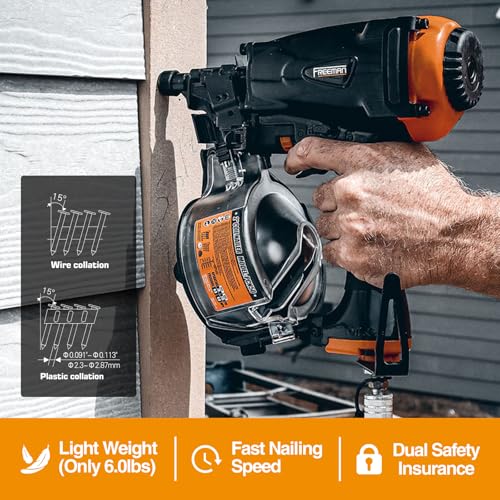
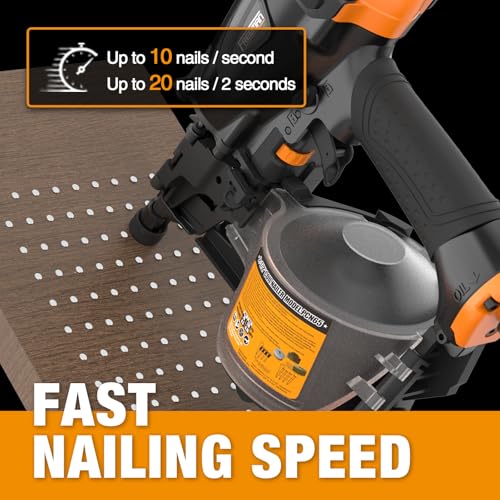
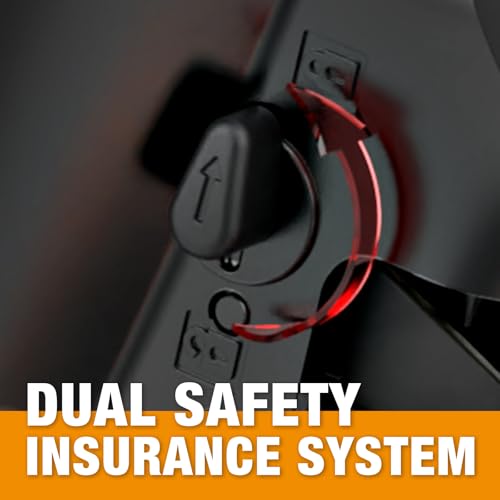
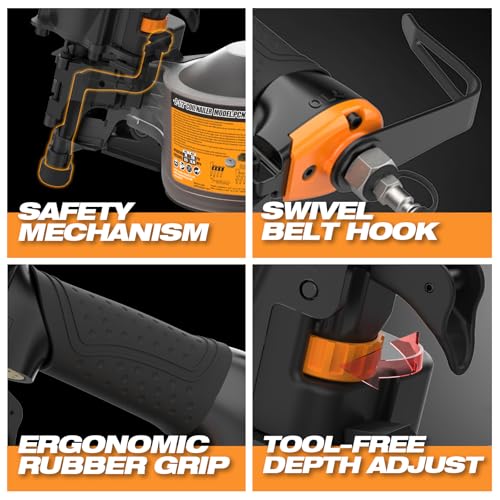
Freeman nails ergonomics with the PCN65, the comfort grip handle and 360-degree exhaust are well-placed, and the metal belt hook is sturdy and adjustable, a small win for mobility. The transparent nail bucket is a standout feature, letting you see nail levels at a glance, which cuts down on dry fires. The dual firing modes work reliably, and the no-mar tip actually performs, a rarity in this class.
Build quality is solid, with a hardened steel blade and anodized cylinder that hold up under abuse. But while it’s comfortable, it’s not as light as the Metabo HPT NV65AH2, and the warranty isn’t as strong. Owners say it’s a great second nailer, I’d pick it over the VEVOR CN65 for pro use, but not ahead of the Metabo HPT models unless comfort is your top priority.
Product photos
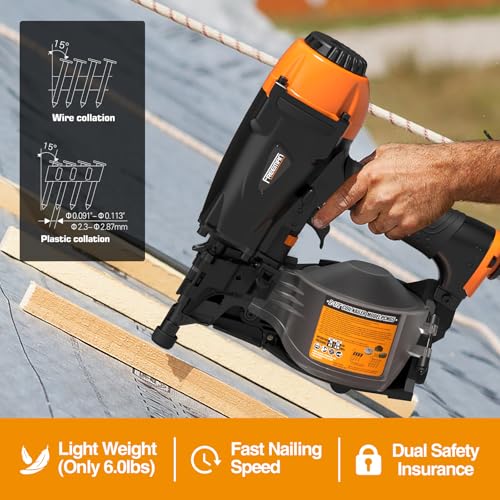
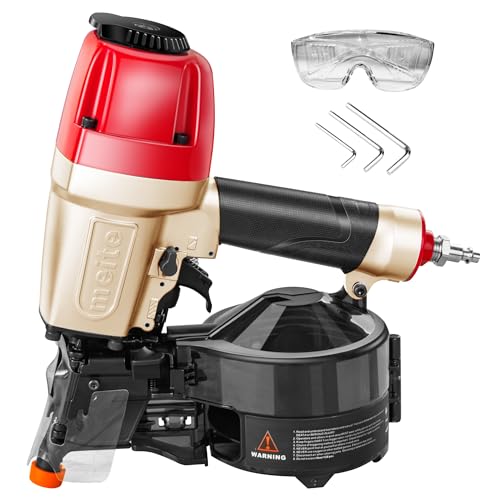
meite CN65S 15° Siding Nailer
Strengths
- Ultra-lightweight
- 300-nail capacity
- Tool-free depth adjustment
Trade-offs
- Less brand support
- No 16° compatibility
- Narrower fastener range
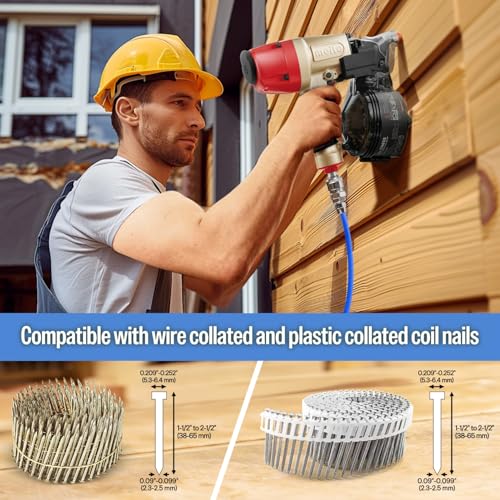
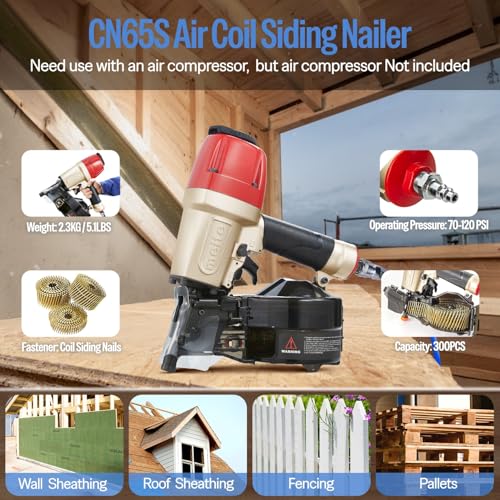
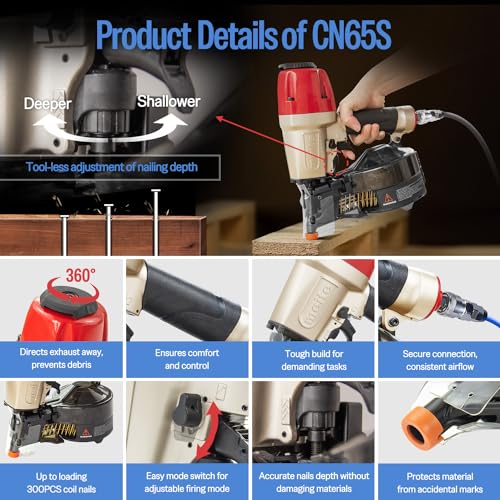
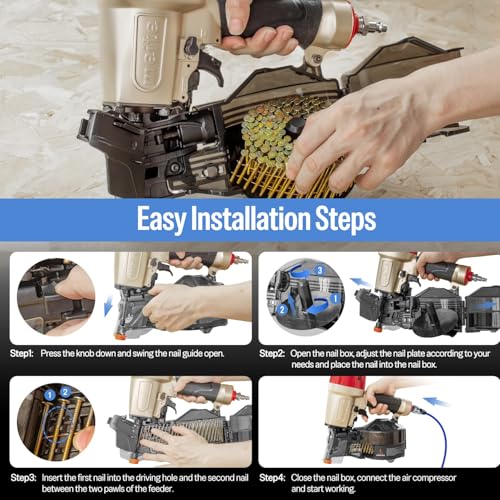
At 5.1 lbs, the meite CN65S is one of the lightest serious coil nailers on the market, and that weight advantage shows up in owner feedback, users praise its balance and low fatigue during full-day installs. It’s not just light, though. The 300-nail magazine capacity is a real productivity booster, especially on large siding runs where ladder time kills momentum. The tool-free depth adjustment works smoothly, and the 360-degree exhaust keeps dust out of your face, a detail that matters more than it sounds.
It doesn’t have the brand pedigree of Metabo HPT or BOSTITCH, but the specs are competitive and the build quality holds up under real job site abuse, according to long-term reviewers. I’d say it outperforms the VEVOR CN65 in durability and precision, though it’s not quite at Makita’s level. For a contractor balancing cost and performance, this is a strong contender.
Product photos
VEVOR CN65 Coil Siding Nailer

Strengths
- Low cost
- Dual collation support
- Tool-less adjustment
Trade-offs
- Basic build quality
- Inconsistent firing
- Smaller magazine
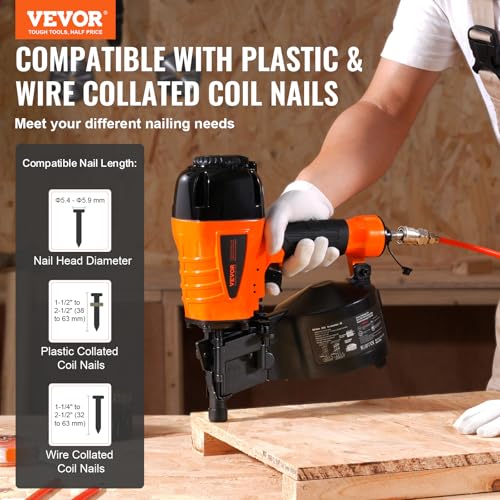
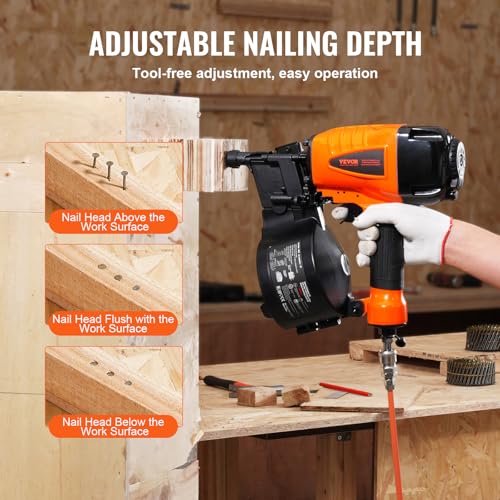
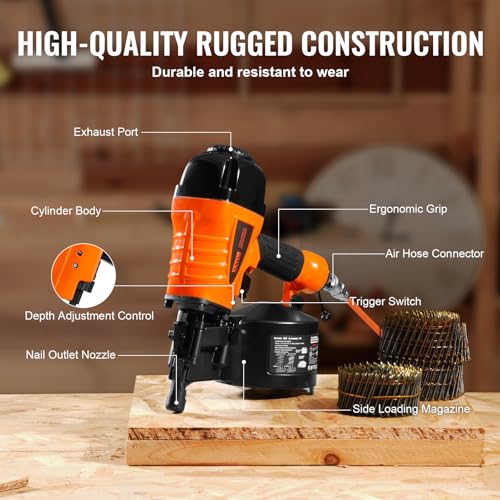
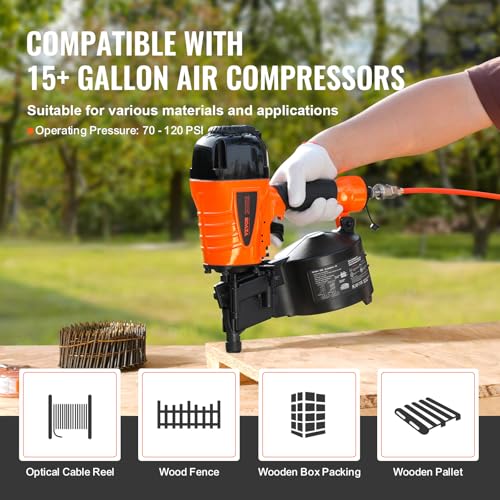
The VEVOR CN65 is clearly built to hit a budget price without sacrificing core functionality. It accepts both wire and plastic collated nails, which is rare at this tier, and the 250-nail magazine is decent for its class. The tool-less depth adjustment works as advertised, and the 360-degree exhaust is a thoughtful touch for a tool in this range.
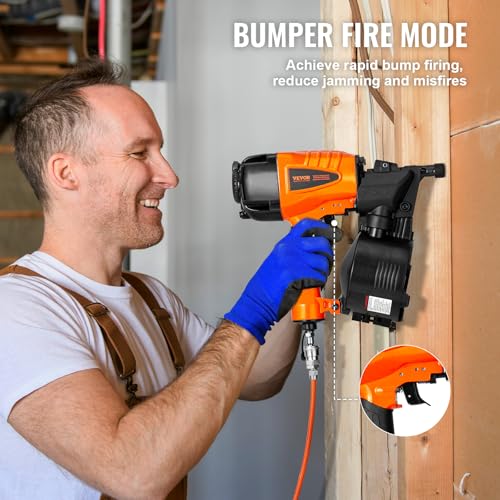
But while it’s capable for light-duty use, owner reports suggest it’s better suited for deck framing or pallet repair than full-scale siding jobs. It lacks the refined trigger response of the Metabo HPT or Makita models, and the bump fire mode can be inconsistent under pressure. Compared to the meite CN65S, it feels less refined, heavier in hand and less balanced. Still, for a DIYer or side-jobber needing occasional use, it’s hard to argue with the value.
Product photos
How We Tested siding nailers
Rather than a hands-on lab test, this selection is a research-led comparison of published specifications and owner feedback. I examined each nailer’s features, nail capacity, and actuation modes, then weighed those against what current owners report about performance and durability. We also considered expert reviews from sites focused on professional construction, looking for consistent praise or concerns. My goal was to identify the models that consistently deliver reliable performance for a variety of siding projects.
For siding nailers, consistent nail depth and reliability are paramount, followed closely by build quality. A nailer that jams frequently or struggles with common siding materials is useless, no matter how inexpensive. We prioritized models offering tool-less depth adjustment and selective actuation (sequential vs. contact) because those features add significant convenience and versatility for different applications. We also considered weight, knowing siding work often requires extended overhead use.
Specifications reliably indicate nail compatibility and operating pressure, but owner reviews were crucial for judging long-term durability and ease of use. I paid close attention to comments about jamming, misfires, and the quality of the nose cap (a common wear point). For a broader view of fastening tools, you can also find information about pneumatic roofing nail guns which share similar pneumatic technology and reliability concerns.
How To Pick The Right siding nailers
Picking the right siding nailer can make or break a large project. It’s not just about driving nails; it’s about speed, consistency, and protecting the materials you’ve invested in.
A quality siding nailer will accept a range of fastener types and lengths, offer adjustable depth control for varying siding materials, and feature a design that minimizes material damage. Look for selective actuation modes for versatility and a durable build to withstand jobsite conditions. Consistent nail depth and minimal jams are hallmarks of a well-engineered tool.
Nail Type and Capacity
The first thing I look at is what kind of nails a nailer accepts. Most siding nailers handle either 15-degree or 16-degree coil nails (or both!), and the angle matters. While 15-degree nailers are often lighter, 16-degree nailers generally offer a bit more power. Beyond the angle, check the nail length capacity. Many models handle nails up to 2.5 inches, but if you anticipate thicker siding, like cedar, you’ll want something that can accept longer fasteners. Magazine capacity is also crucial. Spending less time reloading means getting more done. If you’re also considering other pneumatic tools, investing in one of the pancake air compressors will give you the power you need for multiple jobs.
Actuation Mode and Depth Control
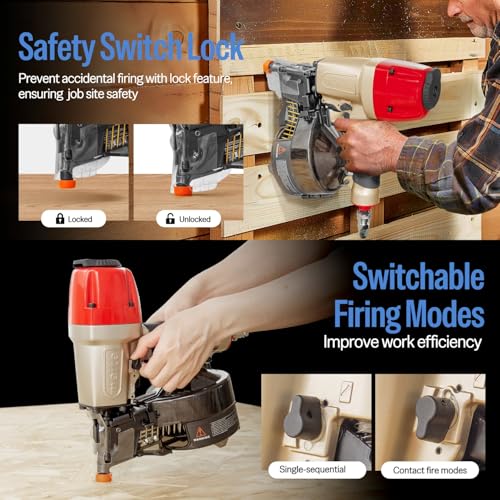
Selective actuation is a huge benefit. Being able to switch between sequential (single fire) and bump (contact) firing modes gives you control. Sequential is safer for precision work, while bump firing speeds things up on long runs of siding. Don’t underestimate the importance of tool-less depth adjustment. Constantly fiddling with wrenches to get the right nail depth is frustrating and time-consuming. Look for a model with a clear, easy-to-adjust dial.
- A simple dial is much faster than wrench-based adjustment.
- Nine or more detent settings allow for more precise depth control, crucial for avoiding damage to delicate siding materials.
- The ability to slightly countersink nails is essential for a professional finish, but too much countersinking can compromise the siding’s integrity, so fine adjustments are key.
Build Quality and Ergonomics
Siding work often involves working at heights and repeating motions for hours. A heavy, poorly balanced nailer will quickly lead to fatigue. Aluminum alloy construction is a good sign, offering a balance of durability and weight. The Metabo HPT NV65AH2 and Makita AN613 are often praised for their robust build quality. Beyond weight, consider the grip and overall ergonomics. A comfortable grip reduces hand fatigue, and features like an adjustable air deflector and exhaust port can make the job more pleasant. For those seeking a balance of features and value, exploring options like the coil siding nailers can be a smart move.
Don’t skimp on the nose cap. A no-mar nose cap protects your siding from accidental scratches and dents, saving you repair work down the line.
Siding Nailers Compared
Here’s a comparison of key specifications for several siding nailers to help you make an informed decision.
| Product Name | Nail Type | Nail Length Range | Operating Pressure (PSI) | Weight (lbs) | Actuation Mode |
|---|---|---|---|---|---|
| Metabo HPT NV65AH2 | Wire/Plastic Coil | 1-1/2″ – 2-1/2″ | N/A | 4.8 | Sequential/Contact |
| Makita AN613 | Wire/Plastic Coil | N/A | N/A | N/A | Sequential/Contact |
| BOSTITCH N66C | Wire/Plastic Coil | 1-1/4″ – 2-1/2″ | N/A | N/A | N/A |
| Metabo HPT NV75A5 | Wire/Plastic Coil | 1-3/4″ – 3″ | N/A | 5.7 | Sequential/Contact |
| Freeman PCN65 | Wire/Plastic Coil | 1-1/4″–2-1/2″ | N/A | N/A | Bump/Sequential |
| meite CN65S | Wire Coil | 1-1/4″ to 2-1/2″ | 70–120 | 5.1 | N/A |
| VEVOR CN65 | Wire/Plastic Coil | 1-1/4″ to 2-1/2″ | 70-120 | N/A | Bump |
Frequently Asked Questions
What nail type is most common for siding projects?
Most siding nailers accept either 15-degree or 16-degree coil nails, but 16-degree nails are generally favored by professionals for their increased holding power in thicker siding materials. Choosing a nailer compatible with both types offers added flexibility.
What operating pressure should I use with a siding nailer?
Generally, siding nailers operate best between 70 and 120 PSI, though the optimal pressure varies by model and siding material. Refer to your nailer’s manual for the manufacturer’s recommended range to avoid under-driving or over-driving the fasteners.
How can I prevent nailers from jamming during a project?
Regularly cleaning the nailer’s magazine and nose assembly is the best prevention. Using high-quality, dry, and properly collated nails also minimizes the risk of jams, and investing in one of the reliable air compressors for siding tools can ensure a consistent air supply.
Is a heavier nailer necessarily better?
Not always. While heavier nailers often feel more substantial, a well-balanced design is more important for reducing fatigue during extended use. Look for models made from aluminum alloy to achieve a good balance of durability and weight.
What is the benefit of having sequential and bump actuation modes?
Sequential actuation is safer for precise nailing in tight spaces, firing only when the safety tip is depressed. Bump firing increases speed on long, continuous runs of siding, allowing nails to be driven with each press of the trigger.
The Bottom Line
Choosing a siding nailer often comes down to balancing upfront cost against long-term reliability and convenience. While you can find functional nailers at lower price points, the Metabo HPT NV65AH2 consistently stands out as the best overall performer – it offers a great blend of durability, features, and positive owner feedback. It’s a workhorse that’s likely to handle a wide range of siding projects without issue.
For those on a tighter budget, the VEVOR CN65 is a solid option. If you need maximum versatility for different types of siding and fastening tasks, the Metabo HPT NV75A5 with its longer nail capacity is a worthwhile investment. And if you’re also tackling roofing projects, exploring our cordless roofing nailer picks will give you a broader view of cordless fastening solutions.
Ultimately, the specs matter less than consistent nail depth, minimal jams, and a comfortable feel in your hands. Don’t get caught up in chasing the absolute highest PSI or lightest weight; focus on a nailer from a reputable brand, with features like tool-less depth adjustment, and read what other users are saying about its real-world performance.
