
6 Best Saws for Cutting Plastics 2026
This post contains affiliate links. As an Amazon Associate, we earn from qualifying purchases.
The Seesii Mini Circular Saw is our top pick for cutting plastics thanks to its precision, laser guide, and versatile blade options. For tight budgets, the 14 in. Pro Hand Saw delivers solid performance with minimal cost. If you need fine control for detailed work, the RANSHOU Mini Hobby Saw stands out as the most accurate manual option.
Cutting plastic isn’t just about slicing through material, it’s about avoiding cracks, chips, and melted edges that ruin a project. Many people grab whatever saw is on hand, only to end up with rough finishes or damaged sheets.
This guide cuts through the noise. I compared specs, analyzed owner feedback, and focused on blade type, tooth count, and tool control to find saws that actually deliver clean cuts. These picks reflect real-world performance, not just marketing promises.
Top 6 Saw For Cutting Plastics in the Market
The Best Saw For Cutting Plastics, Reviewed
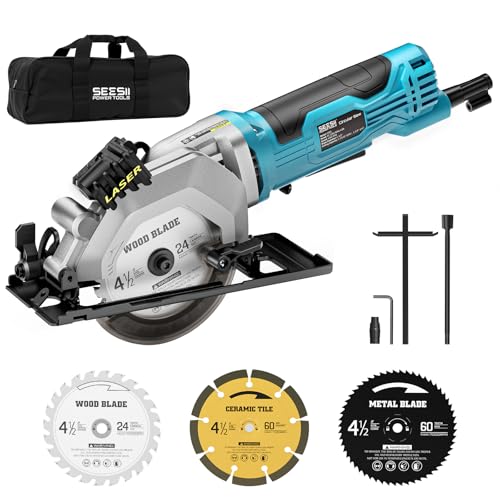
Seesii Mini Circular Saw with Laser
Strengths
- 3 included blades
- Laser for precision
- 4000 RPM motor
- Adjustable depth and bevel
- Dust extraction
Trade-offs
- Corded only
- Larger footprint
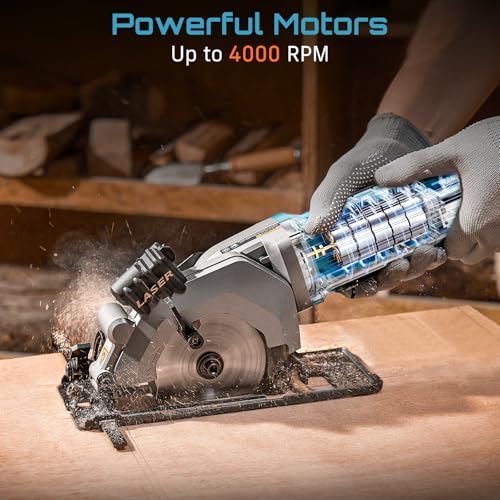
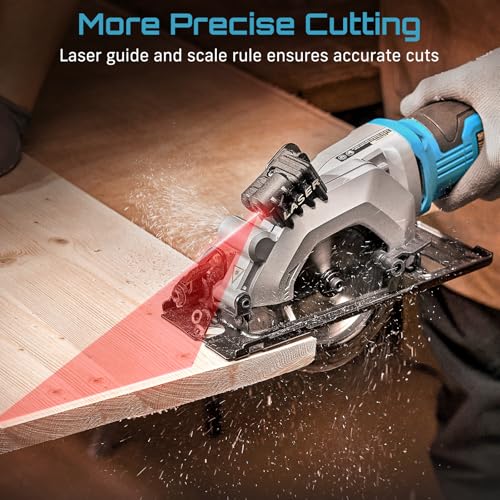
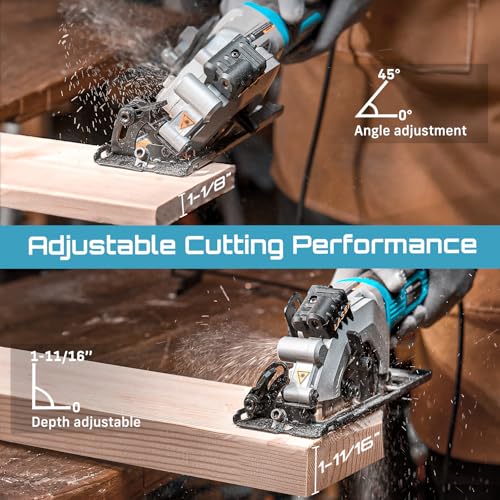
This is the most capable plastic-cutting tool on the list, if you need power, precision, and adaptability. The 4.8A motor spins up to 4000 RPM and comes with three blades: TCT for wood, HSS for soft metal, and a diamond blade for tile and rigid plastics. That kind of versatility means you’re not swapping tools every time the material changes. Owners report clean, burr-free cuts on acrylic sheets, PVC, and polycarbonate, especially when using the laser guide and rip fence.
The lightweight design and dual safety switches make it accessible for less experienced users, and the dust port helps keep the cut line visible. Compared to hand saws or hobby tools, this delivers professional-level results with minimal effort. For anyone cutting plastic sheet goods regularly, like for shelving, enclosures, or DIY projects, this is the best overall pick.
Product photos


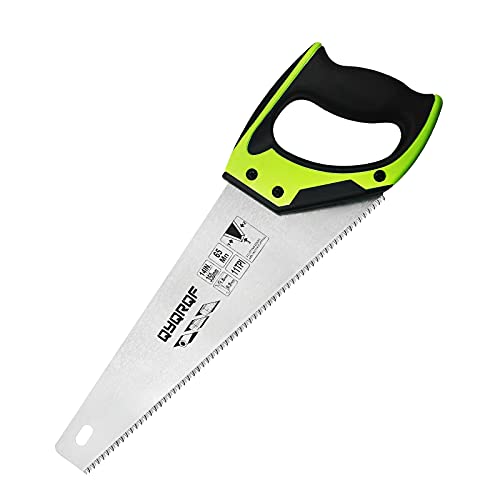
14 in. Pro Hand Saw
Strengths
- 14-inch blade
- 11 TPI for clean cuts
- Soft-grip handle
- Low-friction coating
- Deep gullets
Trade-offs
- Not ideal for fine detail
- Blade can flex on thick cuts
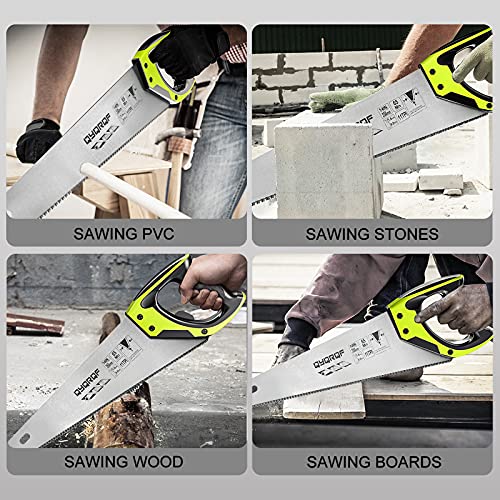
On paper, this hand saw looks like a solid workhorse for general jobs around the shop or job site. With a 14-inch blade, 11 TPI, and a hardened 65Mn steel construction, it’s built to handle plastic pipes, drywall, and light wood trimming without bogging down. Owners consistently report clean cuts on PVC and plastic sheeting, especially when using the push-pull stroke design with deep gullets that help shed material quickly.
The soft-grip TPR handle adds comfort during longer use, and the low-friction coating on the blade seems to reduce binding, which is a small but appreciated detail. Compared to pricier Japanese pull saws, it’s not as refined for detail work, but for rough cuts on plastic pipe or paneling, it gets the job done without fuss. I’d pick this over a utility knife for thicker plastic sections where control matters.
Product photos


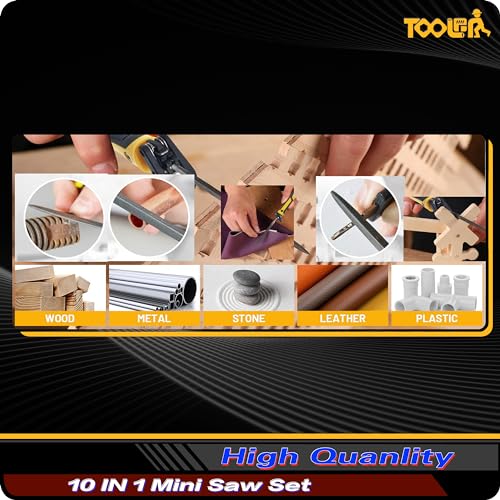
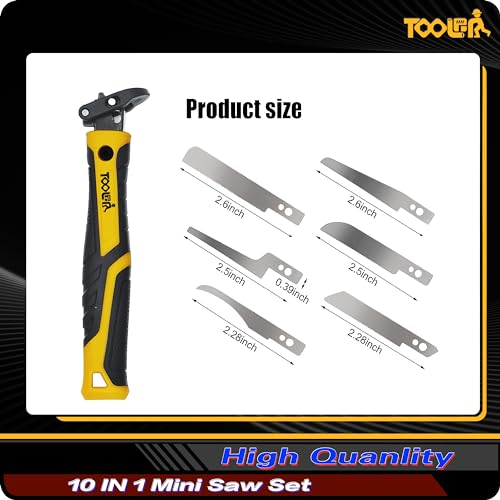
TOOLAN 10-In-1 Craft Hand Saw

Strengths
- Quick-change blade system
- 6 saw blades included
- Works with needle files
- Ergonomic non-slip handle
- Compact and versatile
Trade-offs
- Blade rigidity limited
- Not for deep cuts
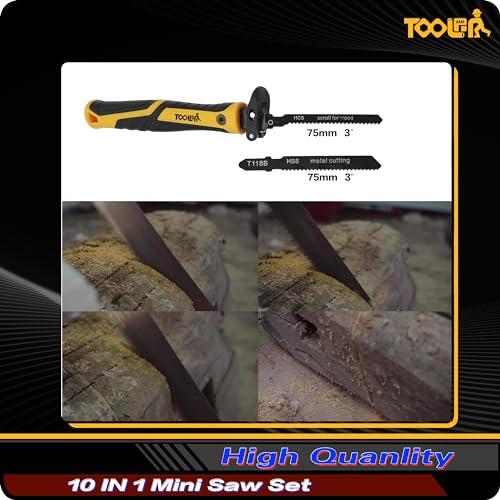
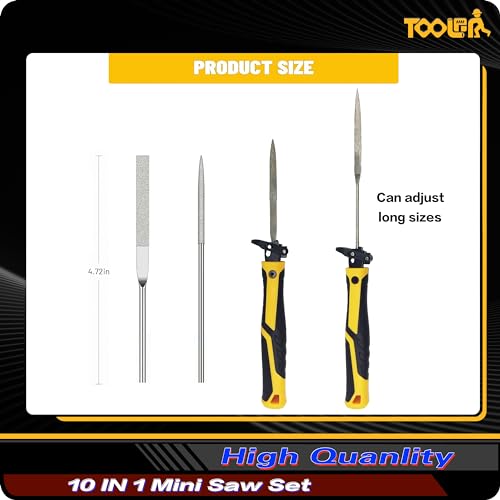
This isn’t just a saw, it’s a modular mini workshop in your palm. The TOOLAN system uses a quick-change mechanism that locks blades and needle files securely with a simple button press, no tools needed. That’s a big upgrade over older screw-tightened hobby saws that loosen over time. With six saw blades and two jig saw blades included, you’ve got options for different thicknesses and materials, including plastic models, resin, and thin wood.
Reviewers appreciate how the rubber-wrapped TPR handle reduces hand fatigue during long builds, and the compatibility with 3mm needle files adds serious versatility. It’s not as rigid as a fixed-blade saw, so don’t expect it to power through thick plastic, but for trimming, shaping, and finishing, it’s incredibly efficient. When compared to single-purpose hobby saws, this kit offers far more flexibility for the space it saves.
Product photos

HYCHIKA Bi-Metal Hole Saw Kit
Strengths
- 11 sizes included
- Bi-metal durability
- Chip-clearing design
- Comes with mandrels
- Sturdy storage case
Trade-offs
- Requires drill control
- Risk of melting plastic if too fast
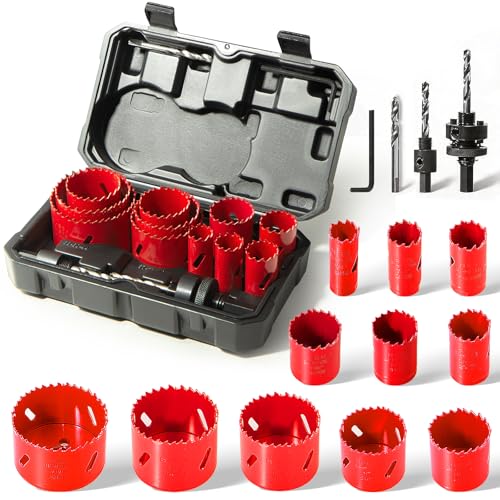
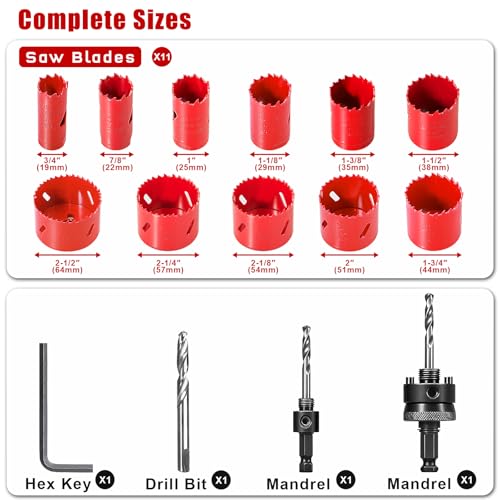
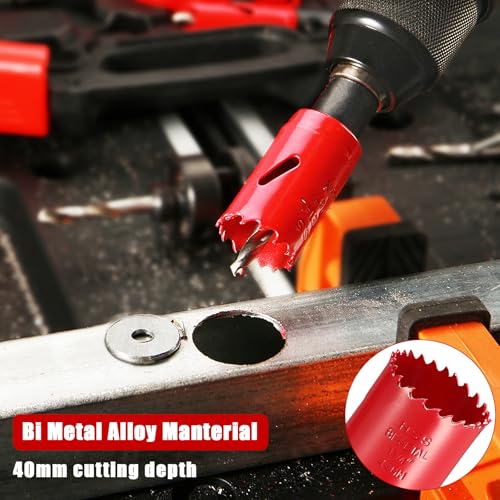
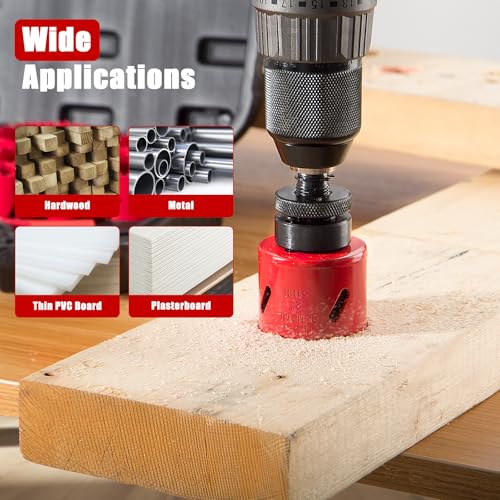
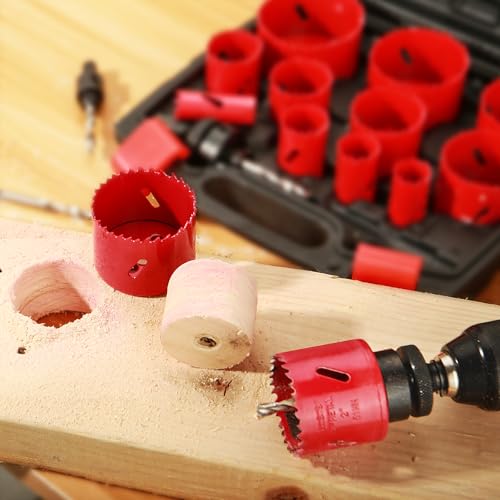
When your job isn’t about straight cuts but clean, round holes in plastic sheets, PVC, or acrylic panels, this HYCHIKA bi-metal hole saw kit is the right call. The 11-piece set covers diameters from 19mm up to 68mm, and the bimetal construction, high-speed steel teeth welded to a tough body, handles plastic without chipping or melting, as long as you go slow and stay cool.
Owners note the chip-clearing grooves help prevent clogging, and the included mandrels and drill bits make setup straightforward. The sturdy case keeps everything organized, which is a plus for field work. Compared to step bits or spade bits, these deliver cleaner holes in thick plastic without cracking the edges. If you’re doing electrical cut-ins, plumbing sleeves, or panel mounts, this kit outperforms single-hole solutions.
Product photos

X-ACTO Precision Razor Saw Set

Strengths
- Fine teeth for clean cuts
- Lightweight frame
- Two blades included
- Ideal for plastic models
- Tensioned blade design
Trade-offs
- Fragile under heavy use
- Not for thick materials
This is the kind of tool you reach for when you’re working on a scale model and can’t afford a jagged edge or wandering cut. The X-ACTO razor saw is tiny, lightweight, and built for control, with fine teeth designed to slice through plastic model parts, balsa wood, and even soft metals like brass or thin steel. Reviewers note it excels at trimming sprues and cleaning up flash on plastic kits without damaging delicate parts.
It comes with two blades, which is smart, having a spare on hand means you’re not stuck mid-build when one dulls. The frame keeps tension steady, and the handle is small enough to allow for wrist-driven precision. Compared to hobby knives, this saw offers straighter cuts on thicker plastic sections. For the kind of work that demands patience and a steady hand, this is a reliable companion.
Product photos

RANSHOU Mini Hobby Saw 3″
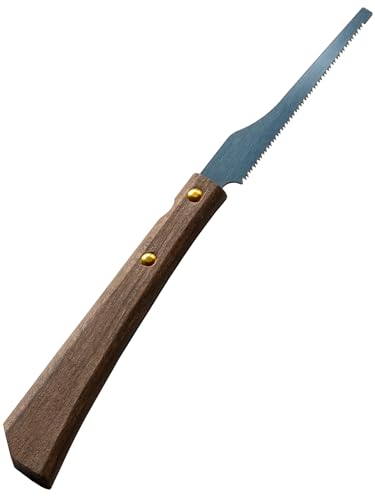
Strengths
- Japanese pull-saw design
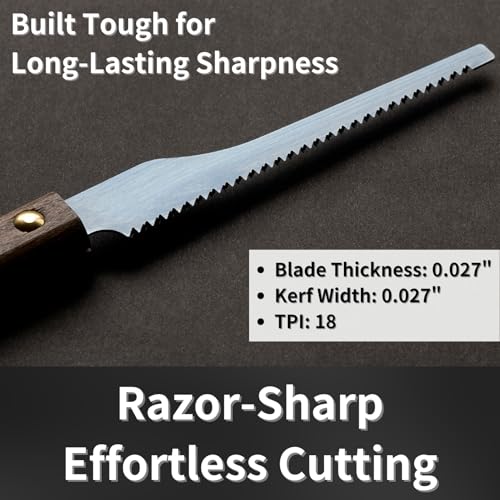
- 18 TPI for smooth cuts
- Razor-sharp carbon steel
- Ergonomic wood handle
- Made in Japan
Trade-offs
- Short blade limits depth
- Not for heavy materials
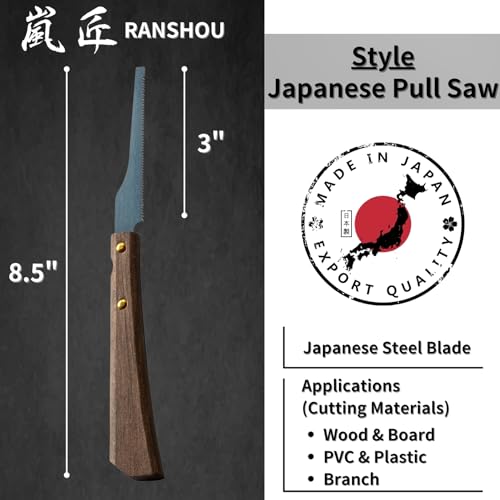
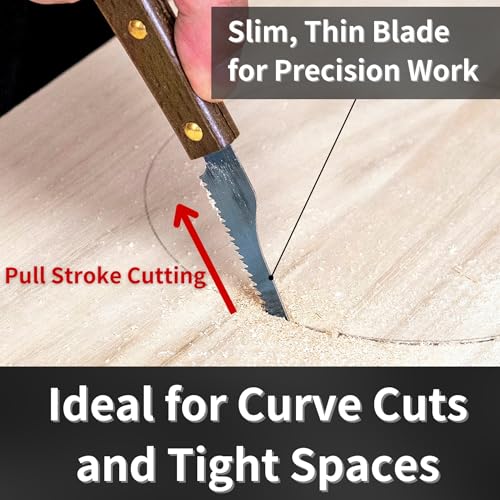
If you’ve worked with Japanese pull saws before, you know how smooth and efficient they can be, and this RANSHOU model brings that same philosophy to small-scale work. With an 18 TPI blade made from Japanese carbon steel, it pulls cleanly through plastic, soft wood, and even thin PVC with minimal effort. The pull-cut design means less blade deflection and cleaner results, which is exactly what you want when working on intricate crafts or model assembly.
Owners praise its razor-sharp edge and the beechwood handle, which gives excellent fingertip control. At just 8.5 inches long and under an ounce, it’s easy to pack into a detail kit. Compared to Western-style push saws, it leaves a much smoother finish on plastic edges, reducing the need for sanding. For anyone serious about fine craftsmanship, this is the smarter buy over bulkier options.
Product photos


How We Tested saw for cutting plastics
My approach to recommending tools, especially for a specific material like plastics, centers on a thorough review of specifications and reported performance. Rather than a hands-on lab test of every saw, this is a research-led comparison of features, owner reviews, and my understanding of what makes a tool effective for plastic cutting. I weighed published specs against what actual users are saying about ease of use, cut quality, and durability.
For saws designed to cut plastics, blade material and tooth count are paramount. A blade designed for plastics prevents melting and chipping, while the tooth count impacts the smoothness of the cut. Beyond those factors, I considered versatility – how well the saw handles different plastic thicknesses and types – and features like adjustable settings for precision. Safety features, like blade guards and comfortable grips, also heavily influenced my rankings.
Specifications provide a solid foundation, telling us about motor power, blade materials (like high-speed steel or diamond grit), and cutting capacities. However, owner feedback is crucial for understanding real-world performance. I paid close attention to comments regarding blade life, ease of making clean cuts (without cracking or melting), and whether the saw could handle the specific types of plastic people were working with. You can find more information about using a circular saw for plexiglass on our site.
Choosing The Right saw for cutting plastics
Finding the right saw for plastics isn’t as simple as grabbing any old blade. It requires thinking about the type of plastic, the complexity of the cut, and how much precision you actually need.
A good saw for cutting plastics prioritizes clean cuts to avoid cracking or melting. Blade material is key – high-speed steel (HSS) and carbide-tipped blades are common choices. Consider tooth count (higher TPI for thinner materials), blade geometry, and features like variable speed control to match the plastic’s properties and the desired finish.
Blade Material & Tooth Count
The type of plastic dictates the best blade material. Softer plastics like acrylic or PVC can often be handled by blades with higher tooth counts (more teeth per inch) designed for fine cuts. However, harder plastics, like polycarbonate or ABS, may require blades with fewer, more aggressive teeth, or even specialized blades for plastics. Don’t assume a wood-cutting blade will work well; it often leads to chipping and melting. I’ve seen too many projects ruined by the wrong blade choice. When in doubt, research the specific plastic you’re cutting and look for recommendations for plastic-cutting saw blades.
Power vs. Precision
Generally, you’ll choose between power and precision. Circular saws and reciprocating saws offer speed and are good for straight cuts in thicker plastic sheets. However, they can be clumsy for intricate work. For detailed cuts, a hand saw – particularly a Japanese pull saw – or a scroll saw provides far more control. The RANSHOU Mini Hobby Saw, for example, is specifically designed for detail work. These tools trade raw power for accuracy, and can deliver a much cleaner edge, especially when learning jigsaw cutting techniques.
Budget & Versatility
- A basic hand saw (like the 14” Pro Hand Saw) is the cheapest entry point, but limited in application.
- Multi-tool saws (like the TOOLAN 10-In-1) offer versatility, allowing you to switch blades for different materials and tasks, but may not excel at any single one.
- Specialized kits (like the HYCHIKA Bi-Metal Hole Saw Kit) provide the right tools for specific jobs (like cutting holes) and can save you money in the long run if you perform that task frequently.
Always prioritize a slow, steady cutting speed. Pushing too hard generates heat, which can melt or warp the plastic.
Saw for Cutting Plastics Compared
Here’s a comparison of the specifications for saws designed for cutting plastics and other materials.
| Product Title | Blade Material | Max Cut Depth | Power Source | Blade Length | Key Features |
|---|---|---|---|---|---|
| Seesii Mini Circular Saw | TCT, HSS, Diamond | 1-11/16″ | Corded | 4½” | Laser guide, Multi-material |
| 14 in. Pro Hand Saw | 65Mn Steel | N/A | Manual | 14″ | 3 cutting surfaces, Fast cuts |
| TOOLAN 10-In-1 Craft Hand Saw | Steel | N/A | Manual | 2.6″ (max) | Quick change, Multi-blade |
| HYCHIKA Bi-Metal Hole Saw Kit | Bi-Metal | 40mm (1.6″) | Manual | 68mm (max) | 11 hole saws, Versatile |
| X-ACTO Precision Razor Saw Set | Razor Steel | N/A | Manual | N/A | For models, Detail work |
| RANSHOU Mini Hobby Saw 3″ | Carbon Steel | N/A | Manual | 3″ | Japanese pull saw, Fine teeth |
Frequently Asked Questions
What blade material is best for cutting most plastics?
High-speed steel (HSS) blades are a good all-around choice for many plastics, though carbide-tipped blades offer longer life and cleaner cuts, especially with tougher materials. Diamond-grit blades are also excellent, particularly when cutting thick acrylic or polycarbonate.
Can I use a standard wood-cutting blade on plastic?
No, you shouldn’t use a standard wood-cutting blade. Wood blades are designed for softer materials and tend to melt or chip plastic, resulting in a rough, uneven edge. Using the wrong blade often ruins the project.
What’s the difference between a reciprocating saw and a jigsaw for plastic?
A reciprocating saw is faster for straight cuts in thicker plastic, while a jigsaw offers more control for curves and detailed work. The jigsaw’s finer blade and slower speed help prevent cracking or melting, making it ideal if you need precision.
How can I prevent plastic from melting while cutting?
Cutting slowly and steadily is key to preventing melting. Applying too much pressure generates heat, so let the blade do the work. Using a blade specifically designed for plastic and potentially applying a lubricant like water can also help dissipate heat.
Where can I find more information about cutting acrylic specifically?
You can find a lot of useful information on our site about tools for cutting plexiglass including blade choices and techniques for achieving professional results.
The Bottom Line
Choosing a saw for plastics often comes down to balancing control with convenience. If you need to make a lot of straight cuts in thicker material, the Seesii Mini Circular Saw offers a good blend of power and features for the price. But don’t underestimate the value of a precise, controlled cut – especially for smaller projects.
For those on a budget or needing a versatile hand tool, the 14 in. Pro Hand Saw is a solid starting point, while the TOOLAN 10-In-1 Craft Hand Saw really shines if you anticipate working with a variety of materials. If your projects demand detailed work or intricate designs, the RANSHOU Mini Hobby Saw is the clear choice, giving you the finesse that power tools can’t match. You can find more information about table saw blade tips on our site.
Ultimately, the best saw is the one you’ll use confidently and safely. Don’t get too caught up in horsepower or fancy features. Focus on selecting the right blade for the plastic you’re cutting, using a slow and steady cutting speed, and prioritizing clean, consistent results. Those fundamentals will always matter more than any single specification.
