5 Best Reciprocating Saw Blades for Landscaping Pros 2026
This post contains affiliate links. As an Amazon Associate, we earn from qualifying purchases.
The Diablo Demo Demon Carbide Tipped Blades are the best overall for landscaping pros, offering unmatched durability and cutting speed through tough materials. For budget-conscious users, the VICRING 9-Inch 5TPI Pruning Blades deliver solid performance in green wood without breaking the bank.
Landscaping pros don’t have time for blades that dull fast or bind in thick branches. You need tools that keep up with the job, not slow you down. A poor blade means more effort, more replacements, and lost productivity.
This guide cuts through the noise, focusing on specs and real-world feedback to find blades that stand up to daily abuse. I looked at tooth design, material, TPI, and owner reports to identify what actually works in the field.
Top 5 Reciprocating Saw Blades For Landscaping Professionals in the Market
The Best Reciprocating Saw Blades For Landscaping Professionals, Reviewed
EZARC 15-Inch Japanese Teeth Blades

Strengths
- 15-inch reach for deep cuts
- Fleam-ground teeth last longer
- Arc edge improves control
Trade-offs
- Not compatible with Ryobi
- Longer blade can flex on weak saws
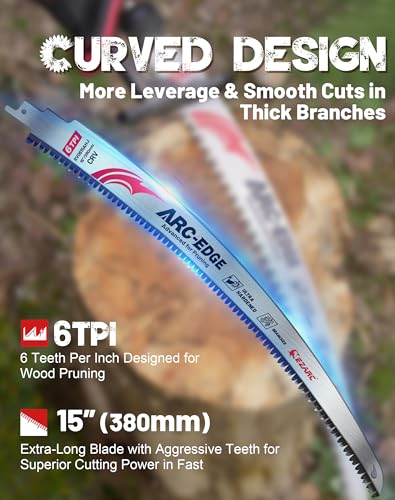
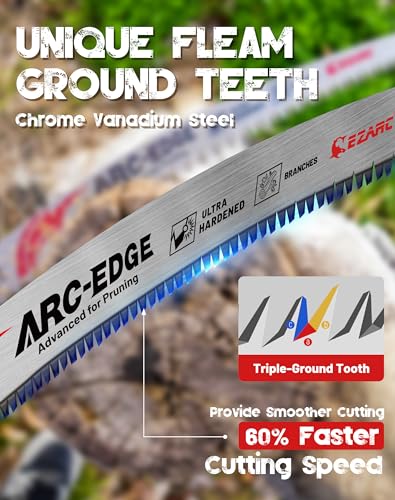
This is the blade I’d reach for if I had to balance reach, power, and durability in a single tool. The 15-inch length is a standout for thick-trunk work, few standard blades offer this reach without flexing. Combined with the 6TPI Japanese teeth and fleam-ground cutting angles, it slices fast while the arc edge keeps it tracking straight. On paper, the 320mm working length means fewer repositioning cuts on large limbs, which translates to real-time savings in the field.
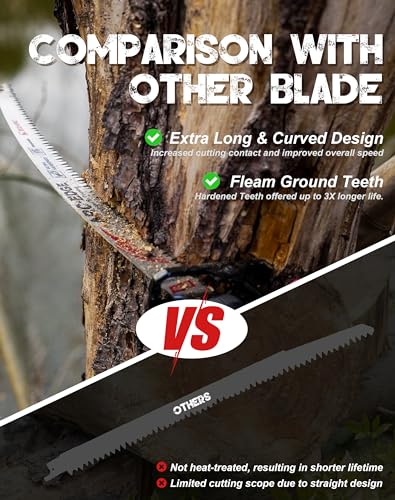
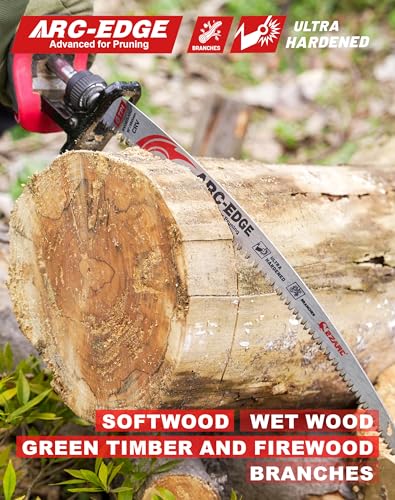
Owners confirm these handle wet and dry wood well, with noticeably less binding than shorter, straighter blades. The only real downside? Compatibility, these don’t fit Ryobi saws, which could be a dealbreaker for some crews. But for those with DeWalt, Makita, or Milwaukee tools, this is the closest thing to a do-it-all pruning blade. Compared to the Diablo carbide set, it’s less durable but more versatile for pure wood cutting at scale.
Product photos
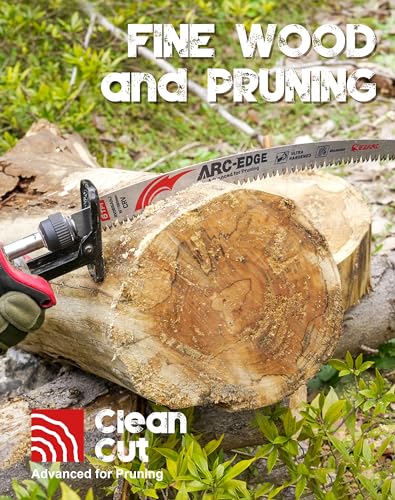
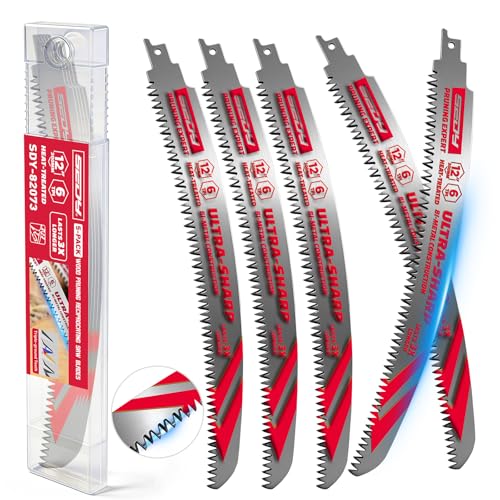
12-Inch Arc Edge 6TPI Blades
Strengths
- 6TPI aggressive teeth
- Arc edge reduces binding
- Heat treated for durability
Trade-offs
- Not for nail-embedded wood
- Moderate lifespan in tough conditions
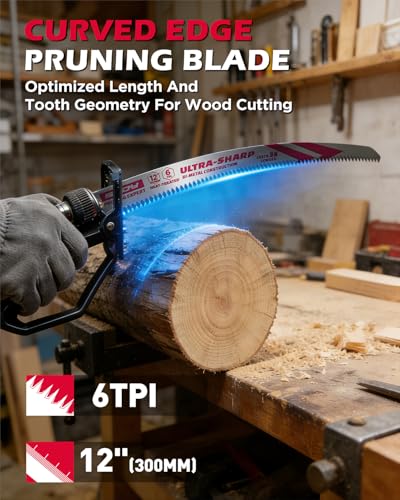
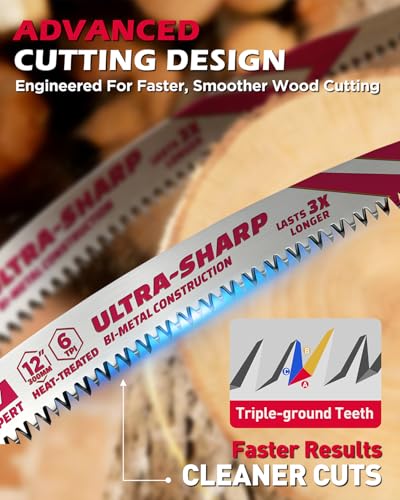
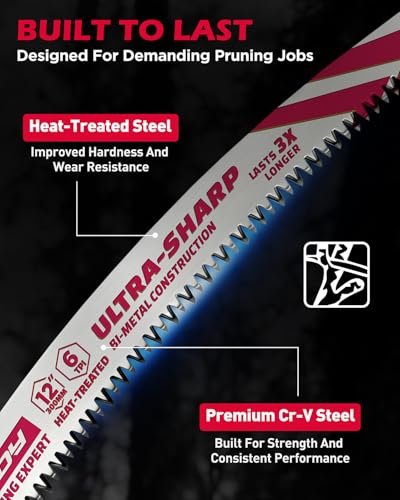
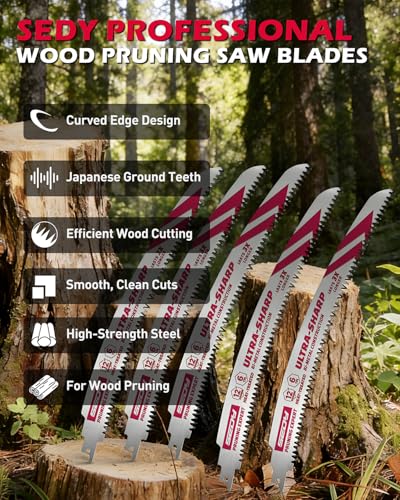
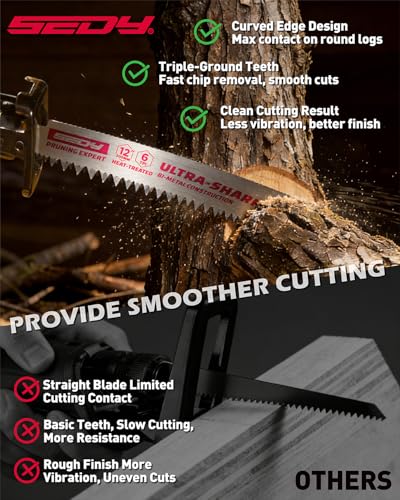
For landscaping pros who need a reliable, no-frills blade that handles regular pruning without breaking the bank, this 5-pack brings solid value. The 6TPI Japanese teeth are aggressive enough to chew through green wood quickly, and the arc edge design helps maintain contact with the cut, reducing binding on thicker limbs. Owners consistently report these blades outperform standard high-carbon steel options in wet wood, likely due to the heat-treated construction and deep gullets that keep chips clearing well.
That said, they’re not built for embedded nails or mixed debris, once you hit dirt or hardened sap, edge retention starts to slide. Compared to carbide-tipped options, they dull faster, but for the price, that’s expected. If you’re trimming trees daily but not tackling demolition-grade work, these strike a decent balance between speed and longevity.
Product photos
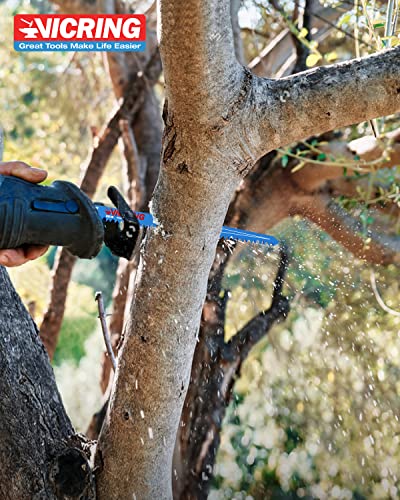
VICRING 9-Inch 5TPI Pruning Blades
Strengths
- Low-cost 5-pack
- 5TPI for general pruning
- Universal fit
Trade-offs
- Shorter lifespan in tough wood
- Basic steel, not heat-treated deeply
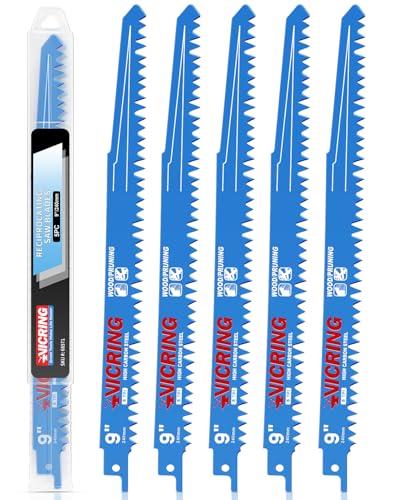
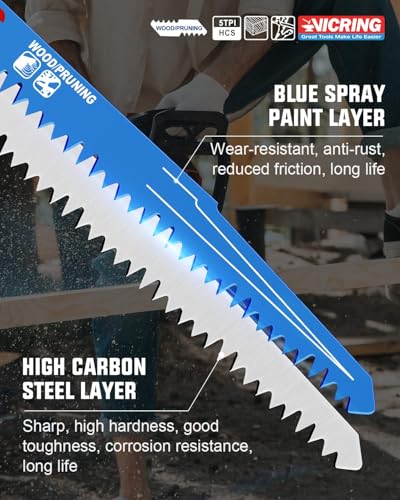
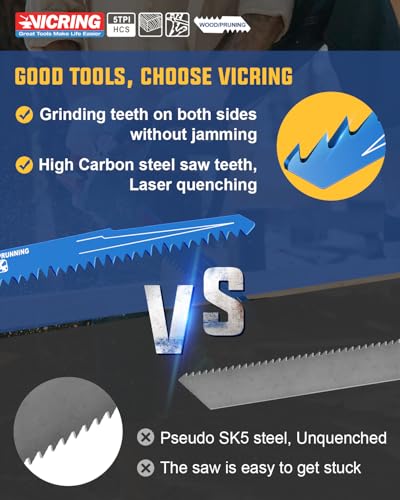
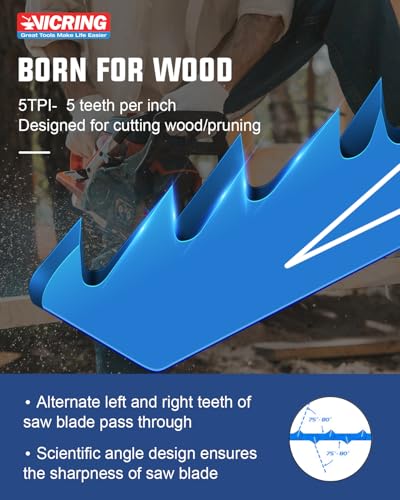
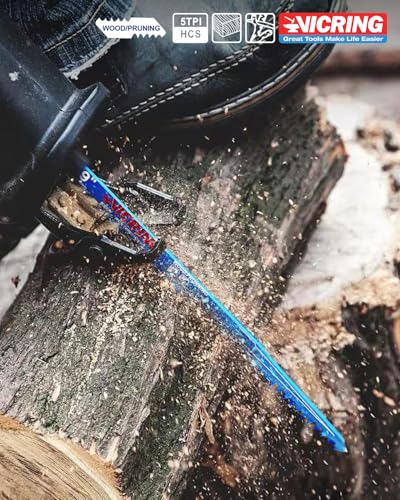
This 5-pack from VICRING is the definition of a budget workhorse, nothing flashy, but perfectly functional for occasional or light-duty use. The high-carbon steel is hardened to HRC48-52, which is decent for basic pruning, and the 5TPI alternating tooth pattern helps it move through green wood without bogging down. For the price, it’s a solid entry point, especially for DIYers or small crews with limited tool budgets.
But on paper and in owner feedback, these dull faster under continuous use. They’re not heat-treated to the same degree as higher-end models, so expect to swap them out more often when cutting dry or fibrous wood. Compared to the EZARC 15-inch blades or Diablo’s carbide options, these are disposable in practice, fine for weekend use, not for full-time pros.
Product photos
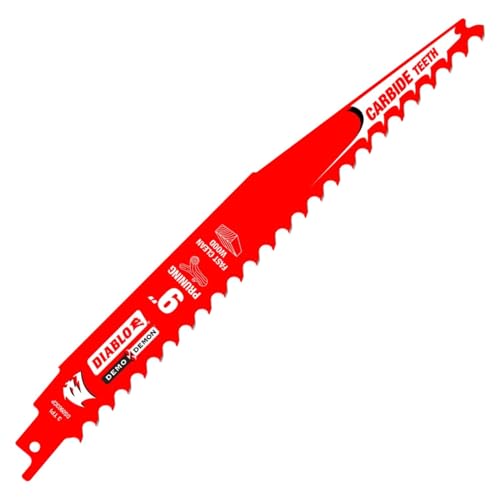
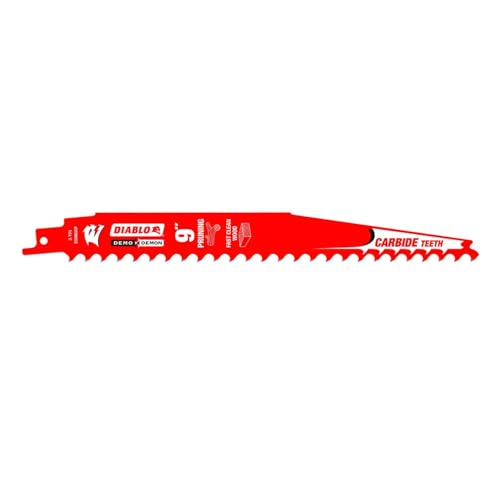
Diablo Demo Demon Carbide Tipped Blades
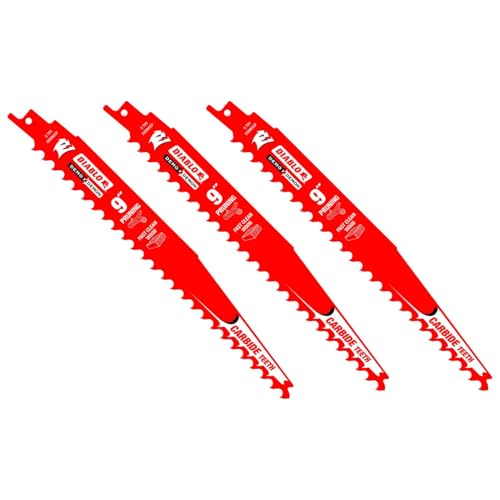
Strengths
- Carbide tips for extreme longevity
- Perma-SHIELD resists gumming
- Large gullets clear chips fast
Trade-offs
- Expensive upfront cost
- Overkill for light-duty pruning
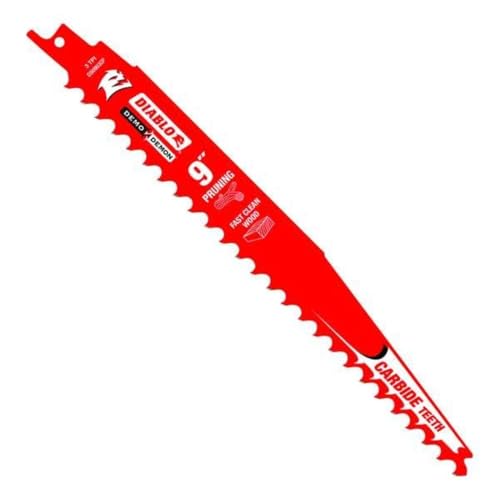
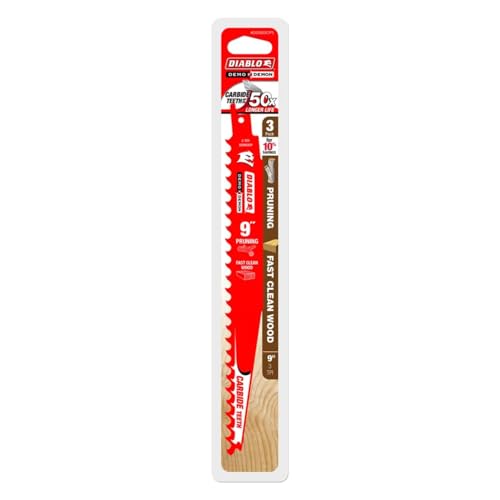
When the job involves gnarly, dense hardwood or repeated cuts through thick trunks, the Diablo Demo Demon blades stand out. The carbide-tipped teeth with Diablo’s proprietary TiCo formula deliver what owners confirm: a dramatic increase in lifespan, some report 40X more cuts than standard bi-metal blades. The 3 TPI design and oversized body handle heavy material removal, while the Perma-SHIELD coating genuinely cuts down on gumming, especially in resin-heavy pine or wet, sticky wood.
These aren’t precision tools for delicate shaping, but that’s not their job. They’re brute-force performers. Compared to the EZUVITA or VICRING models, they’re overkill for light pruning but unmatched when you’re clearing storm-damaged trees or working through tough, fibrous trunks all day. The 9-inch length keeps vibration manageable on most saws.
Product photos
EZUVITA 9.5-Inch Arc Curved Blades
Strengths
- Arc design reduces deflection
- CR-V steel for durability
- Triple-ground teeth for clean cuts
Trade-offs
- Shorter reach than 12+ inch blades
- Not for heavy hardwoods
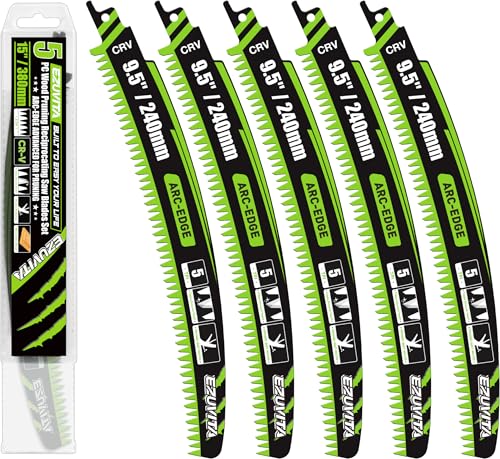
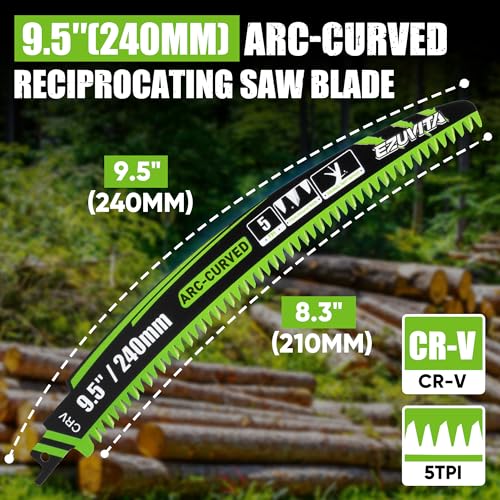
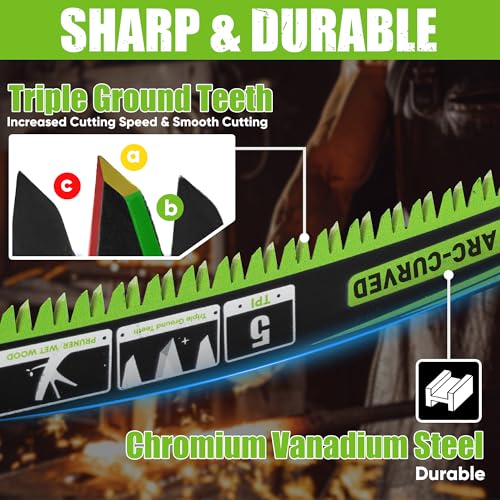
If precision and control are your priority, say, shaping ornamental trees or doing detailed limb removal, these EZUVITA blades earn their keep. The 9.5-inch arc design gives slightly more reach than standard 9-inch blades, and the 5 TPI triple-ground teeth deliver a smoother, cleaner cut than coarser options. Reviewers note fewer splinters and cleaner entry/exit points, which matters when you’re working on client properties where appearance counts.
The chromium-vanadium steel holds an edge better than basic high-carbon blades, though it still can’t match carbide. Where these shine is consistency, owners using them on daily pruning rounds say they last longer than expected for steel blades, especially when kept clean and dry. Compared to the 12-inch Japanese teeth pack, these are less aggressive but more refined.
Product photos
How We Tested reciprocating saw blades for landscaping professionals
Rather than a hands-on lab test, my research focused on a detailed comparison of published specifications and features across numerous reciprocating saw blades marketed for landscaping. I weighed owner reviews from major retailers alongside expert opinions found in trade publications and tool-focused websites. This allowed me to rank blades against criteria important to professionals – cutting speed, durability, and versatility in different wood types.
For landscaping work, blade geometry, material quality, and tooth count are paramount. Aggressive tooth designs and durable materials directly impact cutting speed and longevity, saving professionals valuable time and money. A blade’s ability to handle both wet and dry wood, plus varying branch diameters, is also crucial. I prioritized blades demonstrating these qualities in their specifications and consistently positive owner feedback.
Specifications reliably indicate material composition (high carbon steel versus carbide) and tooth pitch (TPI), impacting cutting speed and finish. However, real-world durability and resistance to binding are best assessed through owner experiences. I paid close attention to feedback regarding blade life, ease of use, and performance in demanding applications, and cross-referenced that with the manufacturer’s claims. Understanding reciprocating saw operation basics is also key to maximizing blade performance.
Choosing The Right reciprocating saw blades for landscaping professionals
As someone who’s spent years advising people on power tools, I know a good reciprocating saw blade makes all the difference in landscaping work. It’s easy to grab the cheapest pack, but you’ll quickly find yourself fighting a dull, binding blade.
A quality reciprocating saw blade for landscaping demands high-carbon steel construction for durability, an appropriate tooth pattern (TPI) for the material being cut, and a robust shank that resists bending or breaking under stress. Landscapers should prioritize blades designed for fast cutting through thick branches and wet wood, with features like arc edges and aggressive tooth geometry.
Tooth Count (TPI) and Material
The number of teeth per inch (TPI) is a fundamental consideration. Lower TPI counts, like 5 or 6, excel at quickly cutting through thick, green wood – exactly what you’ll find in a lot of landscaping. However, these coarser blades can leave a rougher cut. Higher TPI blades (8 or more) are better suited for finer cuts in dry wood or smaller branches, but they’ll slow you down when tackling larger limbs. Understanding teeth per inch explained is crucial. Don’t assume a single blade will do everything well; having a selection is best.
Blade Geometry and Design
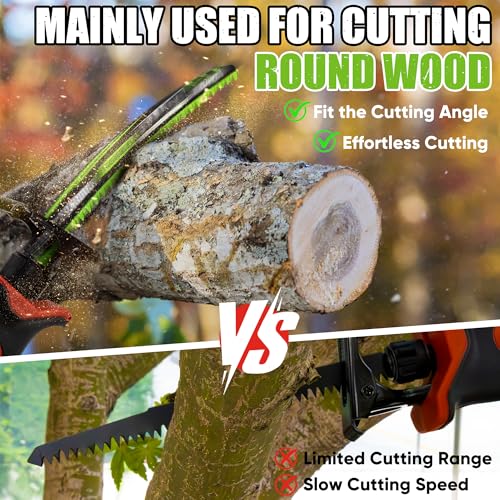
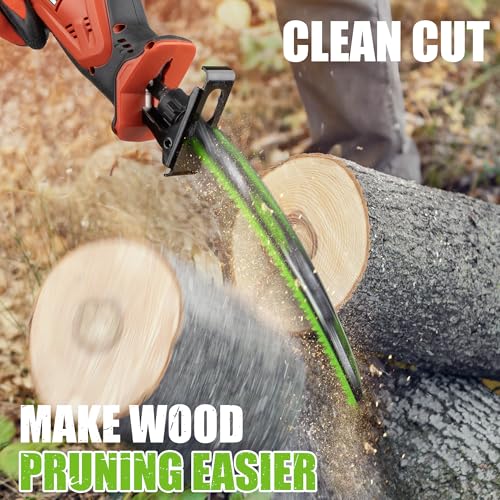
Beyond TPI, look at the blade’s overall geometry. Arc-shaped blades, for example, reduce binding and improve control, especially when cutting round stock like branches. Aggressive tooth designs – like the “Japanese tooth” profile found on some blades – are designed for faster material removal. Diablo’s Demo Demon blades represent the high end of this, featuring carbide teeth for extreme durability and cutting speed. Consider a blade with deep gullets to efficiently evacuate wood chips; clogging slows you down and generates heat.
- A standard blade length (9-12 inches) works for most landscaping tasks.
- Longer blades (15 inches or more) offer increased reach for cutting higher branches, but can be harder to control.
- Carbide-tipped blades, while more expensive, can save money in the long run if you’re constantly cutting through abrasive materials or encounter hidden objects like nails or roots – they dramatically extend blade life and reduce replacement costs, making them worthwhile if you are frequently cutting tree roots effectively.
A dull blade requires more force, increasing user fatigue and the risk of kickback. Always prioritize a sharp blade and replace it when it starts to show signs of wear.
Shank Type and Compatibility
Most reciprocating saw blades use a universal shank, meaning they’ll fit a wide range of saws from brands like DeWalt, Bosch, and Makita. However, there are some exceptions (like Ryobi). Always double-check compatibility before purchasing, or you might find yourself stuck with a set of blades you can’t use. If you find yourself frequently working with trees, a dedicated set of blades for tree branches is a smart investment. Also, consider the material of the shank itself; a thicker, more robust shank will resist bending under heavy use.
Reciprocating Saw Blades for Landscaping Professionals Compared
This table provides a spec-by-spec comparison of reciprocating saw blades designed for landscaping applications.
| Product Title | Blade Length (in.) | TPI | Tooth Geometry | Material | Shank Type |
|---|---|---|---|---|---|
| EZARC 15-Inch Japanese Teeth Blades | 15 | 6 | Japanese | N/A | Universal |
| 12-Inch Arc Edge 6TPI Blades | 12 | 6 | Arc Edge, Japanese | N/A | Universal |
| VICRING 9-Inch 5TPI Pruning Blades | 9 | 5 | Alternating | High Carbon Steel | Universal |
| Diablo Demo Demon Carbide Tipped Blades | 9 | 3 | Carbide | Carbide | Universal |
| EZUVITA 9.5-Inch Arc Curved Blades | 9.5 | 5 | Arc Curved | Chromium-Vanadium Steel | Universal |
Frequently Asked Questions
What blade length is best for most landscaping tasks?
A 9- to 12-inch blade length works well for the majority of landscaping applications. Longer blades offer reach, but significantly reduce control, so most professionals prefer the maneuverability of shorter lengths.
Are carbide-tipped blades really worth the extra cost?
Yes, carbide-tipped blades are a good investment if you frequently encounter abrasive materials or hidden objects. They last considerably longer than standard steel blades, reducing replacement frequency and overall costs over time.
How does tooth count affect performance in landscaping?
Lower TPI counts (5-6) cut faster through thick, green wood, while higher TPI blades (8+) are better for finer cuts in dry wood. Having a variety on hand allows you to optimize for different materials and tasks.
What’s the difference between a standard and a Japanese tooth pattern?
Japanese tooth patterns feature a more aggressive geometry designed for faster material removal. This is beneficial in landscaping where you’re constantly cutting through branches and undergrowth, but it may leave a rougher cut.
Will any reciprocating saw blade fit my saw?
Most use a universal shank, but compatibility isn’t guaranteed. Always verify the shank type matches your saw’s specifications or you may need to consider optimal wood blade selection carefully.
The Bottom Line
Choosing a reciprocating saw blade often comes down to balancing upfront cost with long-term durability and performance. While you can get by with a basic set, professionals will see a real return on investment with a blade like the Diablo Demo Demon Carbide Tipped Blades. Its carbide teeth and robust design offer exceptional cutting speed and longevity, even when tackling tough materials.
For those needing a versatile option without breaking the bank, the EZARC 15-Inch Japanese Teeth Blades represent a strong value. If your primary need is fast pruning of smaller branches, the VICRING 9-Inch 5TPI Pruning Blades are a solid, affordable choice. Understanding how to perform a quick reciprocating saw blade replacement is also key to maximizing productivity on the job.
Ultimately, the most expensive blade isn’t always the best, but focusing on blade material, tooth count, and geometry will always pay off. Don’t get caught up in chasing the highest specs; a sharp blade, properly selected for the task, and regularly maintained will always outperform a dull, mismatched one.
