7 Best Pull Saws of 2026
This post contains affiliate links. As an Amazon Associate, we earn from qualifying purchases.
The Temple Tool Co. Ryoba Pull Saw stands out as the best overall pull saw for its exceptional balance of precision and durability, thanks to its high-quality Japanese steel and dual-edge design. For those on a budget, the RUITOOL 6″ Double Edge Pull Saw delivers solid performance without breaking the bank. If you need maximum versatility, the SUIZAN 9.5″ Ryoba Pull Saw offers excellent craftsmanship and reliable cutting power for both rip and crosscuts.
Most people buy a pull saw expecting clean, controlled cuts, only to end up fighting a blade that binds, dulls quickly, or feels awkward in hand. The truth is, small differences in steel, tooth design, and handle shape make a big difference in real-world use.
This guide cuts through the noise by focusing on specs, owner experiences, and what actually matters in the field. I looked at blade quality, tooth configuration, and build consistency across models so you can pick the right saw for your projects with confidence.
Top 7 Pull Saws in the Market
The Best Pull Saws, Reviewed
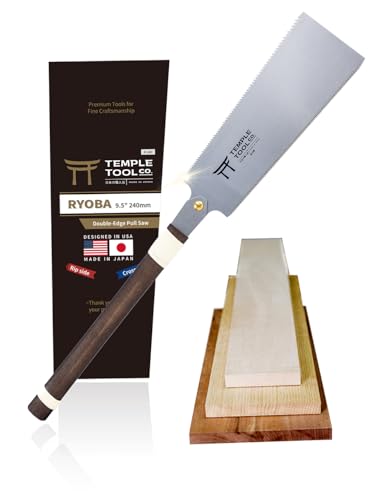
Temple Tool Co. Ryoba Pull Saw
Strengths
- Excellent handle ergonomics
- Clean, precise cuts
- Made in Japan
Trade-offs
- Higher price point
- No blade cover
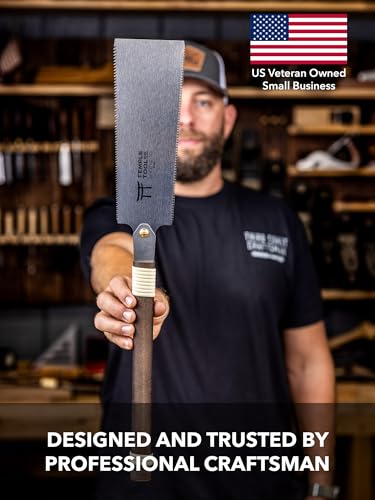
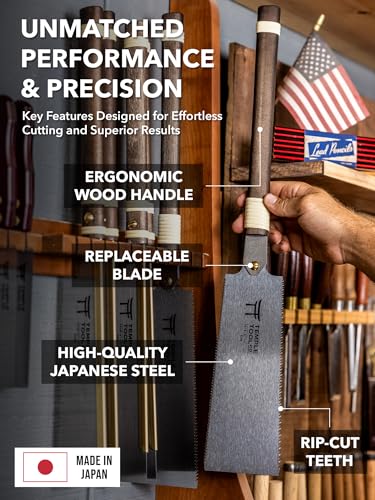
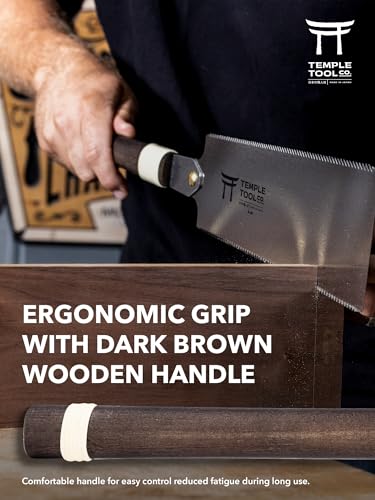
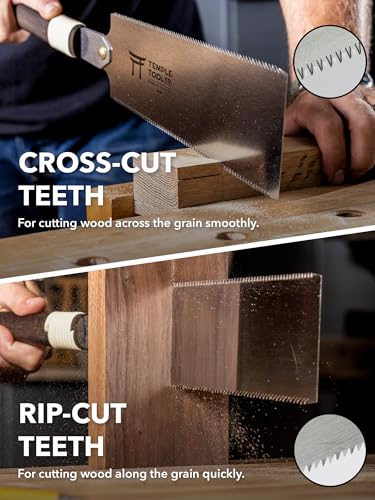
This is the best overall pick for a reason, it hits the sweet spot between performance, build quality, and thoughtful design. The 9.5″ Ryoba from Temple Tool Co. uses high-grade Japanese steel and is handcrafted in Japan, so you get the same precision as premium brands, but with a Western-friendly handle design. The wingnut wood handle with brass fittings feels balanced and durable, and it’s more comfortable for extended use than many all-wood alternatives.
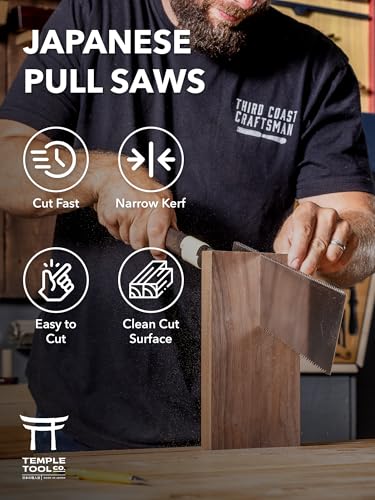
Reviewers consistently highlight how effortlessly it slices through both soft and hardwoods, with minimal tear-out. The dual-edge blade (rip and crosscut) makes it a true generalist, great for breaking down boards, cutting tenons, or fine trimming. Compared to the SUIZAN, it’s easier to use right out of the box, and it holds its own against far more expensive models. My recommendation? This is the one saw to own if you want one versatile, high-performance tool.
Product photos
SUIZAN 9.5″ Ryoba Pull Saw

Strengths
- Made in Japan
- High-quality steel
- Dual TPI edges
Trade-offs
- Requires assembly
- Handle imperfections
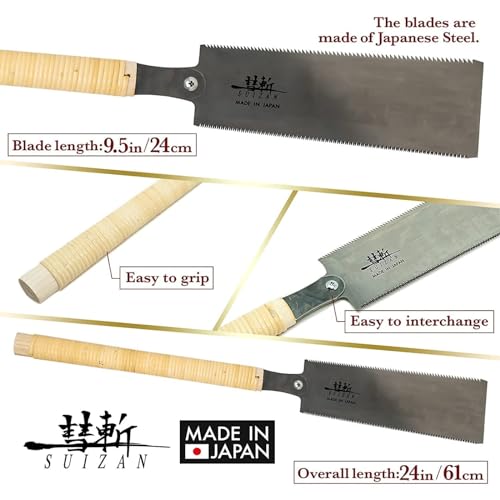
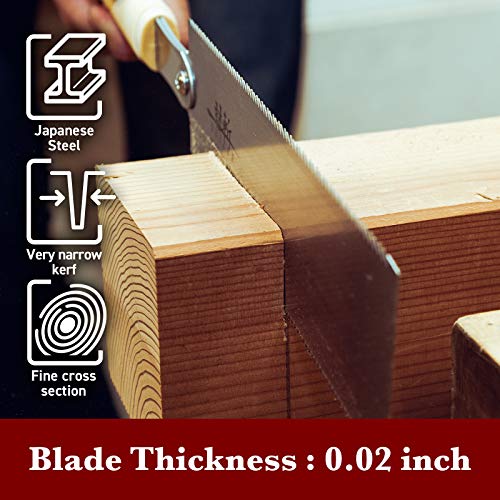
When a saw is made in Japan by master craftsmen using traditional methods, it carries weight, and this one delivers on the promise. The 9.5″ Ryoba is built for purists who care about heritage and material quality. The dual-edge design (9 TPI rip, 15 TPI crosscut) handles a wide range of tasks, and the 0.5mm blade thickness balances stiffness and flexibility well. Owners report exceptional sharpness out of the box and excellent edge retention, even after repeated use on dense hardwoods.
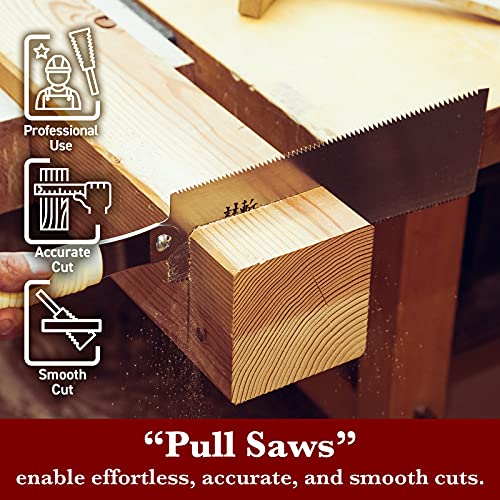
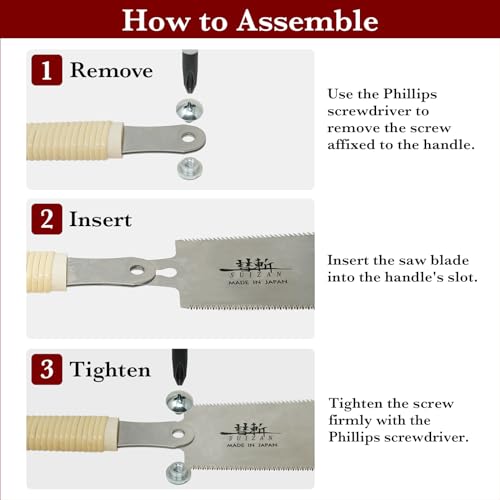
The ‘assembly version’ note is important, you’ll need to install the blade yourself, which may deter some. But for traditionalists, that ritual adds to the experience. Compared to Western-style imports, this saw cuts cleaner and with less effort, thanks to the pull-stroke design and high-grade steel. It’s not the easiest to use for beginners, but it rewards skill.
Product photos

JORGENSEN 10″ Double Edge Pull Saw
Strengths
- Long 10-inch blade
- Replaceable blade
- Dual TPI edges
Trade-offs
- Blade flex on hard cuts
- Bulkier storage
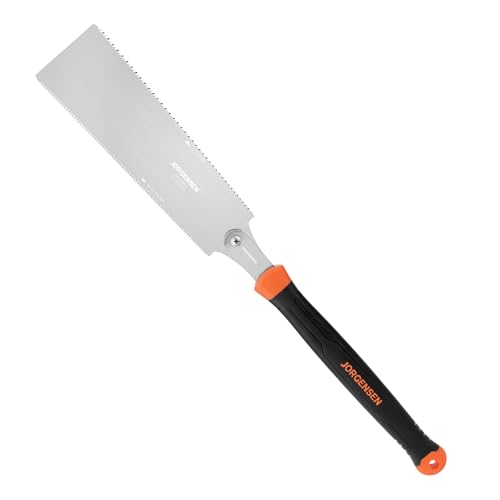
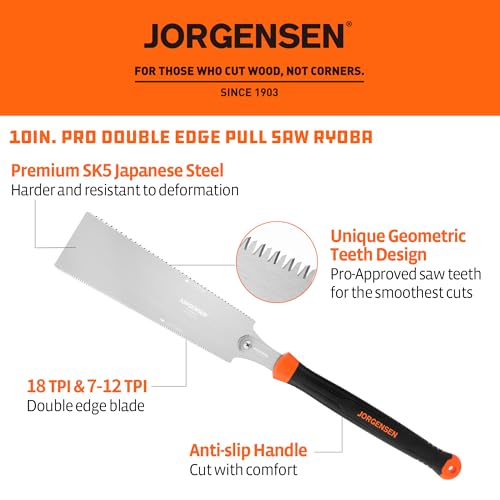
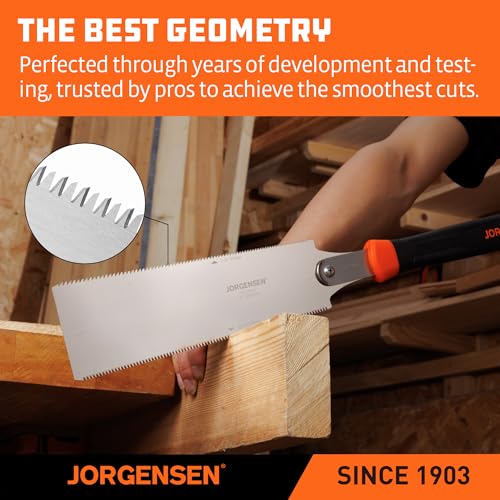
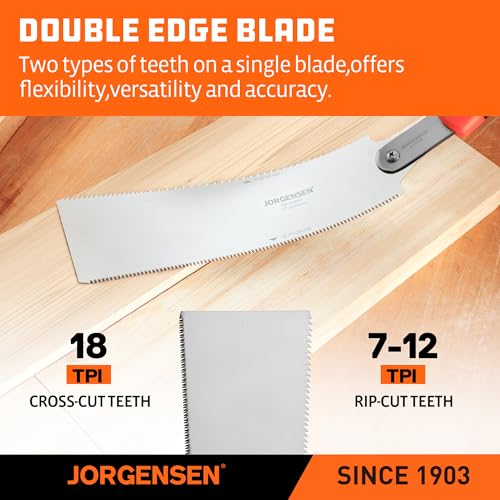
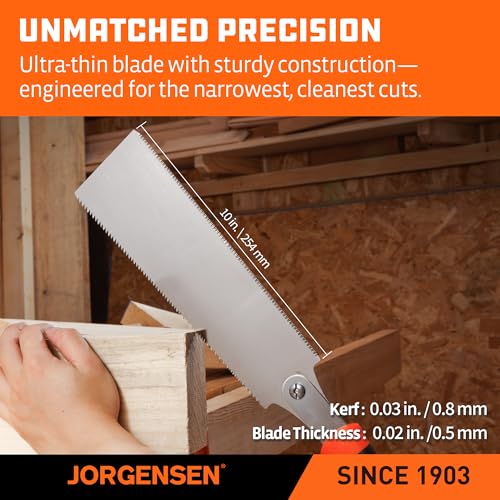
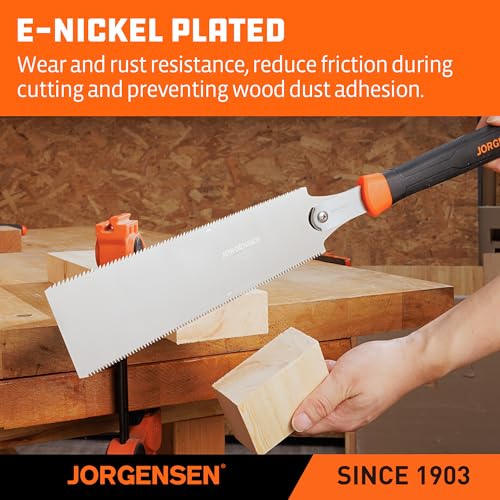
When you need to cut wider stock or make long, straight rip cuts, the 10-inch blade on this JORGENSEN model gives you reach and efficiency most smaller pull saws can’t match. The dual-edge design, coarse 7-12 TPI rip side and 18 TPI crosscut side, lets you tackle everything from framing lumber to plywood with one tool. The replaceable SK5 blade is a major plus; when it dulls or gets damaged, you swap it instead of replacing the whole saw.
Owners praise the soft-grip handle for reducing fatigue during extended use, and the lightweight build makes two-handed control easy. It’s not as nimble as a dovetail saw, but for demolition, trim work, or site-built cabinetry, this is the smarter buy over shorter models. Compared to the 6-inch JORGENSEN, this is the workhorse version.
Product photos
JORGENSEN 6″ Folding Dovetail Saw

Strengths
- Fine 21 TPI blade
- Folding design
- Tool-less blade change
Trade-offs
- Short handle discomfort
- Limited to fine cuts
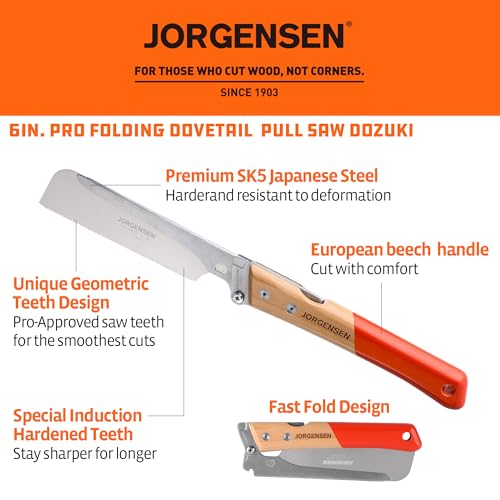
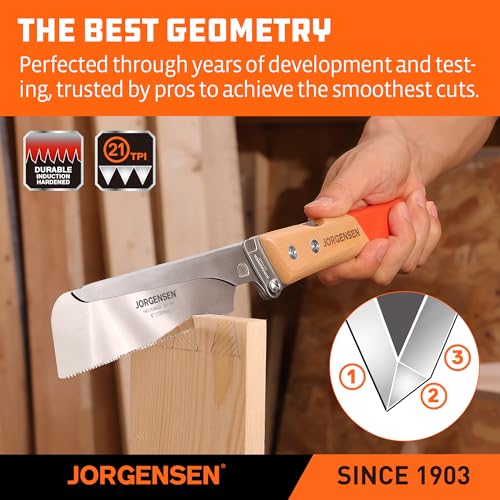
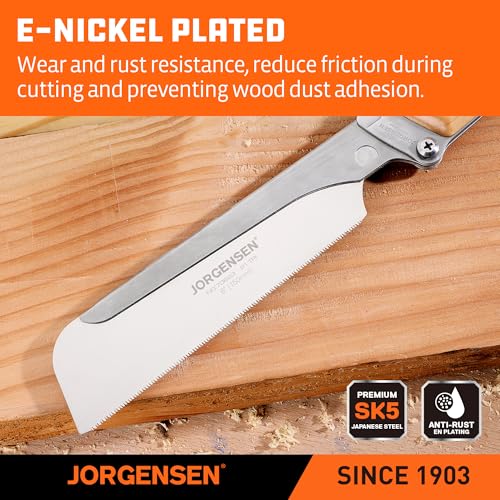
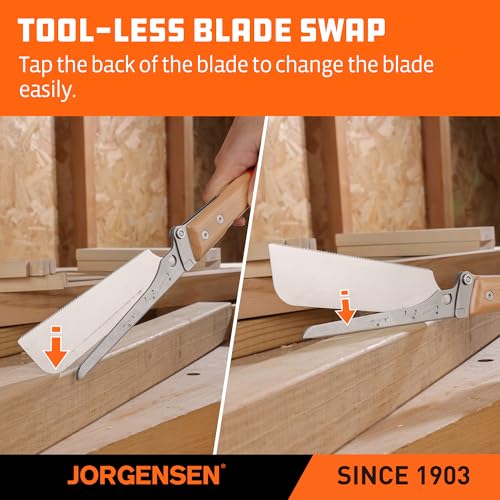
This is a no-nonsense tool aimed squarely at detail work, and the specs back it up. The 21 TPI blade and 0.3mm thickness make it a standout for dovetails and fine tenons, where clean, narrow kerfs matter. The nickel-plated SK5 blade reduces friction, and reviewers consistently praise how smoothly it cuts through hardwoods without wandering. The folding mechanism and tool-less blade change are practical touches, especially for job-site portability or when you need to swap in a spare quickly.
I’d pick this over bulkier models if precision joinery is your focus. It’s not meant for long rip cuts or heavy stock, but in its lane, it excels. The beech handle is compact, which helps control but might feel cramped for users with larger hands. Still, for cabinetmakers or furniture restorers, this is a reliable specialist.
Product photos

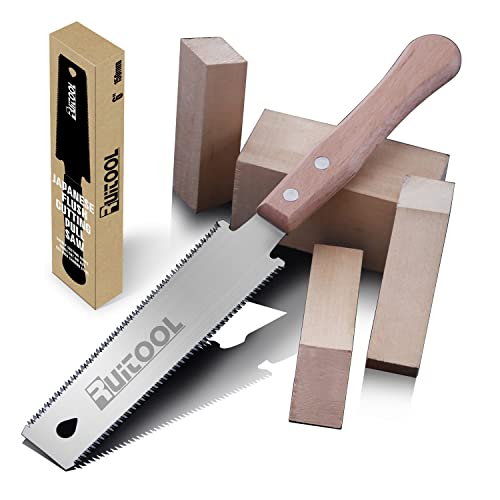
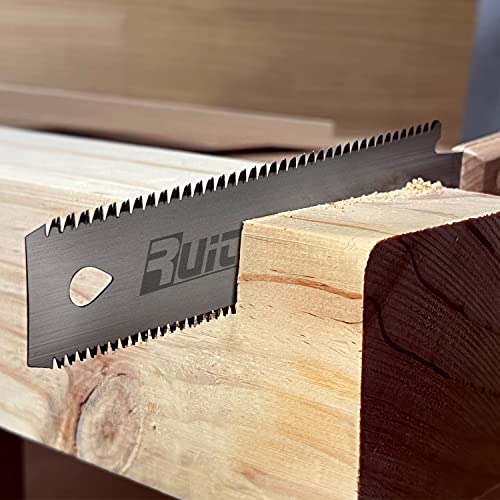
RUITOOL 6″ Double Edge Pull Saw
Strengths
- Affordable price
- Double-edge blade
- Compact size
Trade-offs
- Basic blade finish
- Not for heavy use
If you’re on a tight budget but still want a functional Japanese pull saw, this RUITOOL model is worth considering. The 6″ double-edge blade (14 TPI for softwood, 17 TPI for hardwood) gives you flexibility in a small package, and the SK5 steel with HRC60-63 hardness suggests solid durability. Owners say it cuts cleanly for the price, especially in softer materials, and the beech handle is surprisingly comfortable for short jobs.
It won’t match the refinement of Japanese-made saws, and the teeth aren’t as finely set or polished. But for light trim work, quick flush cuts, or basic joinery, it gets the job done. The real win here is cost, you can own this without stress if it gets nicked or lost in a job site bag.
Product photos



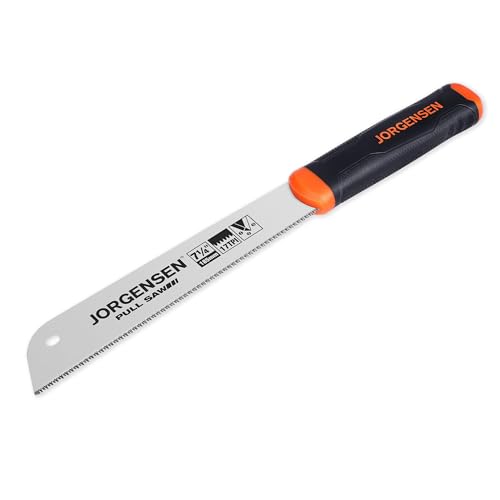
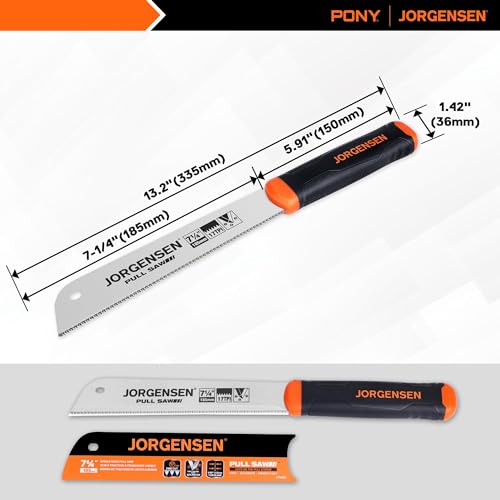
JORGENSEN 7.25″ Single Edge Pull Saw
Strengths
- Excellent flush cutting
- 17 TPI precision blade
- Comfortable soft handle
Trade-offs
- Single edge only
- Not for rip cuts
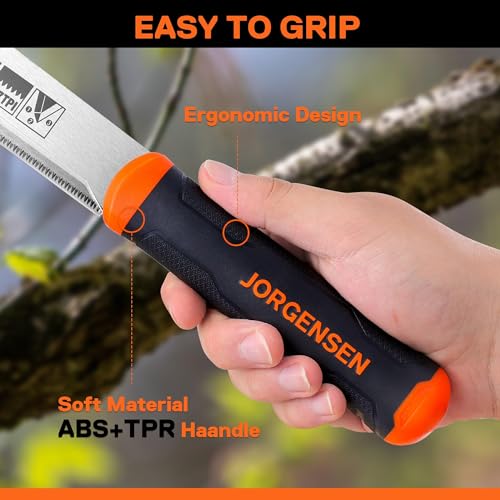
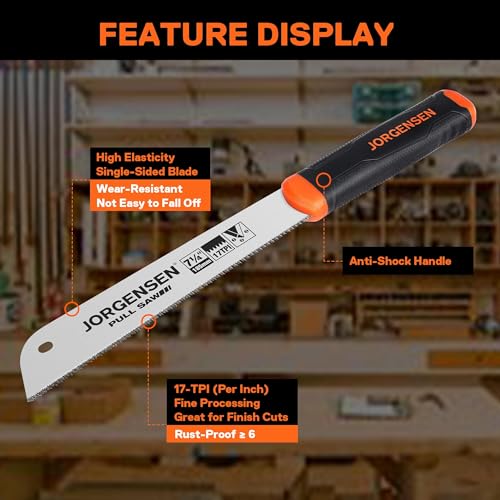
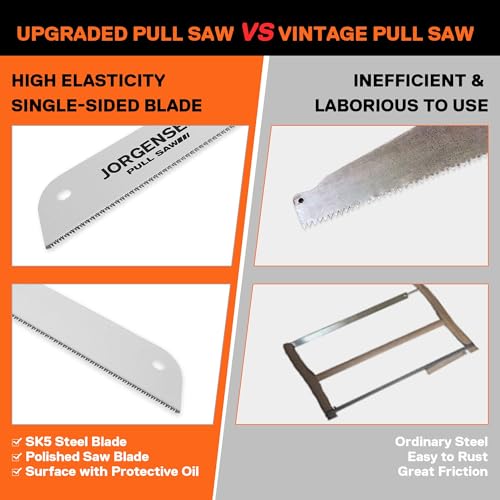
This 7.25-inch flush-cut saw is built for one thing: making clean, low-damage cuts in tight spaces, and it does it well. The 17 TPI blade is thin and flexible, allowing it to slide under trim or cut dowels flush without marring the surrounding surface. The SK5 steel and triple-ground teeth help it stay sharp through repeated use, and the soft-grip handle provides excellent control, even when working one-handed beneath a shelf or cabinet.
Reviewers note it outperforms many cheaper flush saws in both cut quality and longevity. While it lacks the dual-edge versatility of a Ryoba, its specialization is its strength. Compared to the GARTOL flush saw, this one feels more refined and durable. If flush cutting is a regular part of your work, this is the one to own.
Product photos

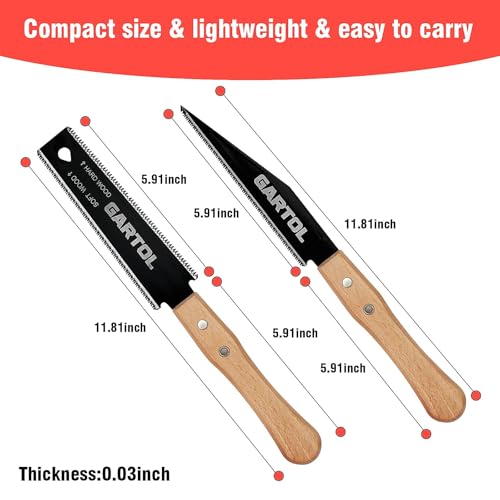
GARTOL 2-Piece Pull Saw Set
Strengths
- Good value
- Flush and rip/cross options
- SK5 steel blades
Trade-offs
- Basic fit and finish
- Not for fine joinery
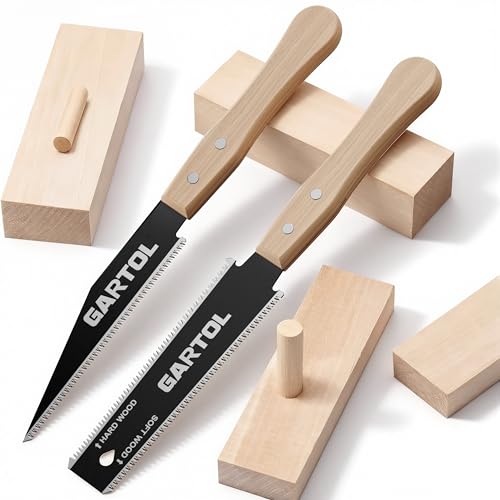
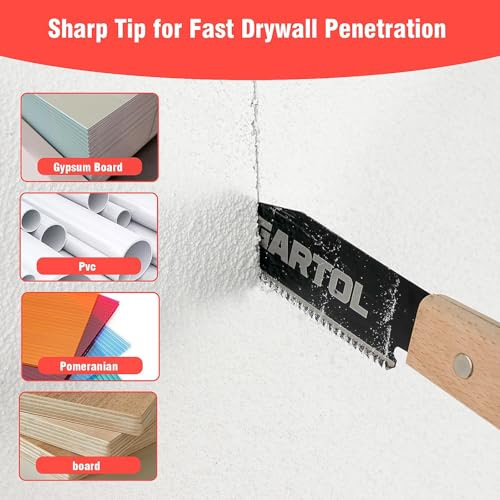
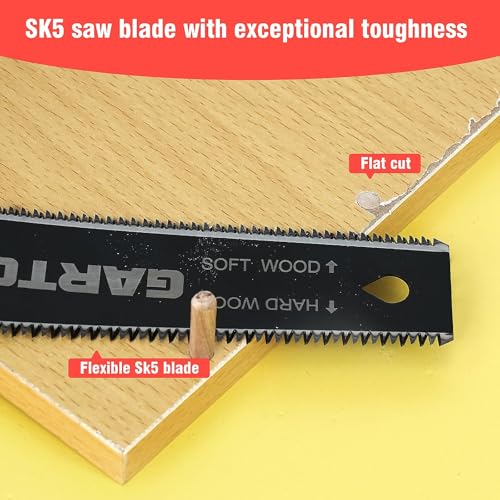
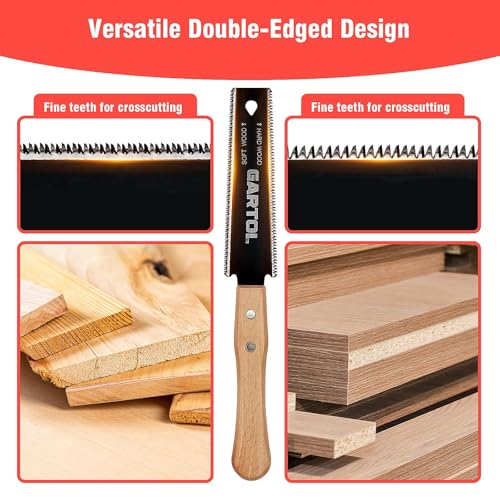
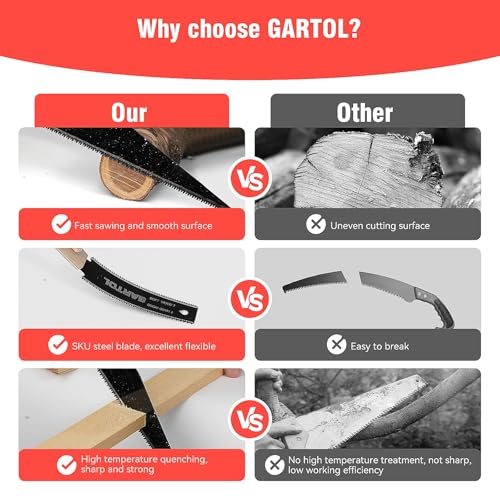
This 2-piece set stands out as a smart entry point for beginners or casual DIYers who want real Japanese pull saw performance without overspending. On paper, the inclusion of both a flush-cut and a Ryoba-style double-edged saw gives you immediate versatility, one for tight-space trimming, the other for general rip and crosscuts. Owners consistently report that the SK5 steel holds an edge well for softwoods and light hardwood use, and the wooden handles, while simple, offer decent grip and comfort for short sessions.
Compared to pricier single-saw options, this set trades off precision and long-term durability for value. The blades aren’t as finely tuned as those from Japanese-made models, and the teeth geometry isn’t as aggressively optimized for clean cuts in joinery. But for the price, it’s hard to beat the range you get. If you’re building a starter toolkit or need dependable backups, this bundle makes sense.
Product photos
How We Tested pull saws
Rather than a hands-on lab test, my research for these recommendations focused on a detailed comparison of published specifications and features across numerous pull saw models. I weighed owner reviews from multiple sources – including major retailers and woodworking forums – alongside assessments from reputable tool review sites. This allowed me to build a picture of real-world performance and durability, factoring in my own understanding of woodworking and blade geometry. Clear criteria were established to rank saws based on intended use and overall value.
For pull saws, the most heavily weighted factors were blade steel quality and tooth configuration. High-quality steel, like SK5, is crucial for maintaining a sharp edge and withstanding repeated use. The teeth per inch meaning directly impacts the type of cut achievable; finer teeth for precision work, coarser teeth for rapid material removal. Blade thickness and overall saw balance also played a significant role in determining how easily a saw could be controlled for accurate results.
Published specifications reliably detail blade length, steel type, and TPI (teeth per inch). However, I paid particular attention to owner feedback regarding sharpness out of the box, how well the saw holds an edge, and the comfort of the handle. Reputation and longevity of the manufacturer were also considered, as these often correlate with consistent quality control and readily available replacement parts should they be needed.
How To Choose The pull saws
Picking the right pull saw depends heavily on what you plan to cut and how precise you need to be.
A quality pull saw balances blade steel, tooth geometry, and handle comfort. Look for saws made with SK5 or Japanese high-carbon steel for edge retention. Consider tooth pitch (TPI) based on the material – lower TPI for faster ripping, higher TPI for finer crosscuts. A well-designed handle contributes to control and reduces fatigue during extended use.
Blade and Tooth Configuration
The blade is where a pull saw truly differentiates itself. Don’t assume all pull saws are created equal; the steel quality and tooth design have a huge impact. SK5 steel is a common benchmark, but some manufacturers use proprietary alloys claiming even better performance. Beyond the steel itself, pay attention to the tooth geometry. Ryoba saws (double-edged) offer versatility, but a dedicated saw – like a dovetail saw – will always excel at specific tasks. I’ve seen too many people try to force a general-purpose saw to do precision work, only to get frustrated with the results.
Manufacturing Origin and Craftsmanship
While not always a guarantee of quality, where a pull saw is made often speaks to the level of attention to detail. Traditionally, Japanese pull saws are handcrafted using techniques passed down through generations. SUIZAN, for example, consistently receives high marks for its commitment to manufacturing entirely in Japan. However, quality pull saws are now being produced elsewhere, so don’t automatically dismiss options simply because they aren’t labeled “Made in Japan.” Look for clear details about the manufacturing process and material sourcing.
Intended Use and Value
Think critically about what you’ll be cutting most of the time. A budget-friendly option like the RUITOOL 6″ Double Edge Pull Saw might be fine for occasional DIY projects. But if you’re doing intricate joinery, investing in a dedicated dovetail saw (like the JORGENSEN 6″ Folding Dovetail Saw) is a smart move. It’s a common mistake to buy a single, all-purpose tool hoping to save money, only to find it doesn’t perform well enough for important cuts.
- For rough cutting and fast material removal, a lower TPI (teeth per inch) is preferable.
- For fine, clean cuts – especially in hardwoods – a higher TPI (15 or more) is essential.
- Consider a set like the GARTOL 2-Piece Pull Saw Set if you anticipate needing both flush-cutting and general-purpose capabilities, providing better value than buying individual saws.
A dull saw is a dangerous saw. Keep your pull saw sharp with a honing stone or send it to a professional for sharpening.
If you are also considering other types of saws, you may want to read our circular saw operation guide to learn about additional options. For more in-depth information, check out our Japanese pull saw reviews.
Pull Saws Compared
Here’s a comparison of key specifications for several pull saws available on the market.
| Product Name | Blade Length | TPI (Rip/Cross) | Steel Type | Blade Thickness | Handle Material | Edge Type |
|---|---|---|---|---|---|---|
| Temple Tool Co. Ryoba Pull Saw | N/A | N/A | Japanese | N/A | Solid Wood | Double Edge |
| SUIZAN 9.5″ Ryoba Pull Saw | 9.5″ (240mm) | 9 & 15 | Japanese | 0.02″ (0.5mm) | Wood | Double Edge |
| JORGENSEN 10″ Double Edge Pull Saw | 10″ | 7-12 / 18 | SK5 | N/A | N/A | Double Edge |
| JORGENSEN 6″ Folding Dovetail Saw | 6″ | 21 | SK5 | 0.3mm | Beech Wood | Single Edge |
| RUITOOL 6″ Double Edge Pull Saw | 6″ | 14 / 17 | SK5 | N/A | N/A | Double Edge |
| JORGENSEN 7.25″ Single Edge Pull Saw | 7.25″ | 17 | SK5 | N/A | N/A | Single Edge |
| GARTOL 2-Piece Pull Saw Set | 6″ | N/A | SK5 | N/A | Wood | Double/Single |
Frequently Asked Questions
What tooth pitch should I choose for cutting plywood?
A higher tooth pitch (15 TPI or greater) is best for plywood. This minimizes chipping and delivers the cleanest cuts, as plywood is prone to splintering with coarser blades.
Are Japanese pull saws generally better than Western push saws?
Generally, yes, for fine woodworking. Japanese pull saws excel at precision due to their thinner blades and efficient cutting action, though the “better” saw depends on the specific task and user preference.
Can a pull saw be sharpened at home?
Yes, pull saws can be sharpened at home with a honing stone designed for Japanese blades. However, achieving a truly keen edge often requires specialized skills and tools, so professional sharpening is a good option if you’re not confident.
What is the benefit of a ryoba saw?
A ryoba saw has teeth configured for both ripping and crosscutting on opposite sides of the blade. This provides versatility in a single tool, eliminating the need to switch saws for different cut types, making it a good choice if you need to do both.
Where can I find more information on selecting other hand tools?
If you’re looking to expand your workshop, you can find details on the best manual hand saws to help you choose the right tools for your needs.
The Bottom Line
Buying a pull saw often comes down to balancing how much control you want with how much you’re willing to spend. For most homeowners and DIYers needing a versatile, reliable saw that won’t break the bank, the RUITOOL 6″ Double Edge Pull Saw offers a great starting point. It provides a good combination of blade quality and affordability, making it ideal for a wide range of tasks around the house.
However, if you have specific needs, there are better options. For those focused on precision joinery, the JORGENSEN 6″ Folding Dovetail Saw is the clear choice. And if you want a set that covers multiple bases, the GARTOL 2-Piece Pull Saw Set delivers excellent value with both flush-cutting and general-purpose blades.
Ultimately, the best pull saw isn’t about the highest number of teeth or the most exotic steel. It’s about choosing a saw that feels comfortable in your hand, is appropriate for the materials you’ll be working with, and – crucially – stays sharp enough to make clean, safe cuts. If you are considering other types of saws, learning about jig saw cutting techniques can broaden your options.
