
8 Best Power Sanders of 2026
This post contains affiliate links. As an Amazon Associate, we earn from qualifying purchases.
The DEWALT 5-Inch Random Orbit Sander stands out as the overall best choice for most users, combining strong motor performance, effective dust collection, and solid build quality. For those on a tighter budget, the HYCHIKA 5-Inch Random Orbital Sander delivers surprising value without sacrificing core features. If you need precision in tight spots, the BLACK+DECKER 1.2 Amp Detail Sander is a capable and affordable pick.
Most people don’t realize how much the wrong sander can turn a simple refinishing job into a dusty, frustrating mess. It’s not just about speed, it’s about control, comfort, and keeping your workspace clean and safe.
As someone who’s spent over 15 years in workshops and on job sites, I know how critical it is to match the tool to the task. These picks are based on a thorough review of specs, owner feedback, and real-world performance trends across the most common sanding jobs DIYers and homeowners face.
Top 8 Power Sanders in the Market
The Best Power Sanders, Reviewed
DEWALT 5-Inch Random Orbit Sander
Strengths
- 3-amp motor
- Excellent dust sealing
- Low vibration
Trade-offs
- Heavier than palm sanders
- No variable speed trigger
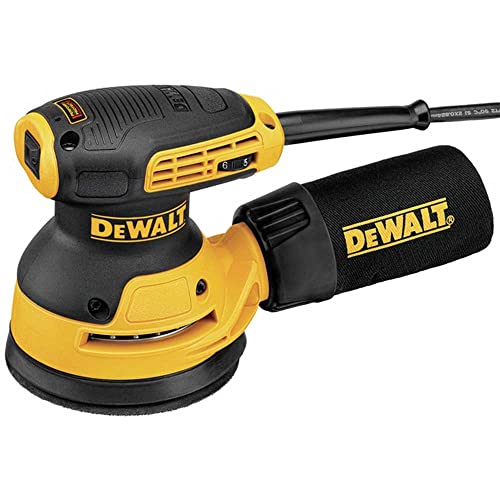
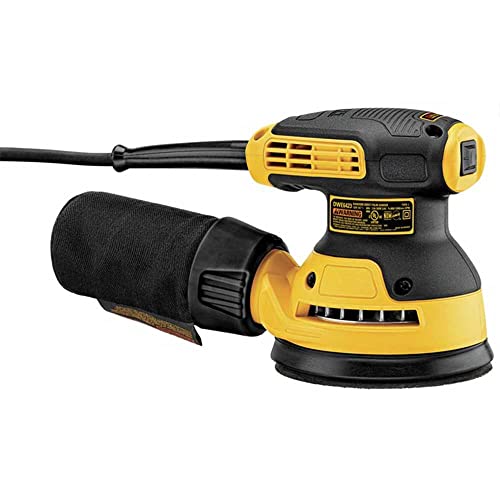
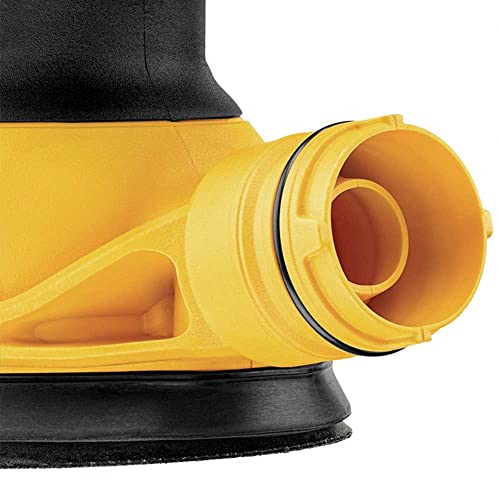
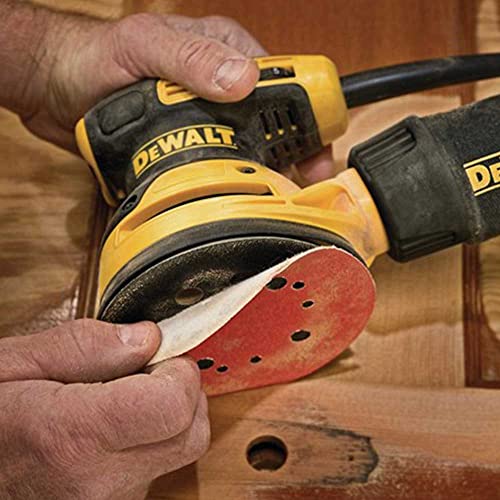
This DEWALT DWE6423 hits the sweet spot for serious DIYers and pros who want a dependable, dust-tight corded sander. The 3-amp motor delivers solid power across the 8,000 to 12,000 OPM range, and owners consistently report it handles hardwoods and aggressive material removal without bogging down. The separate counterweight system really shows in reduced vibration, it’s not dead silent, but it’s noticeably smoother than budget-tier models.
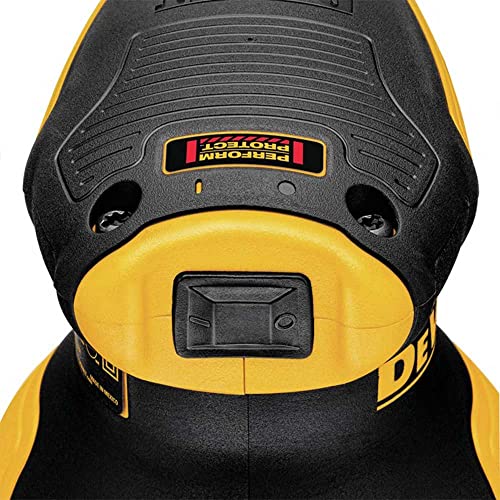
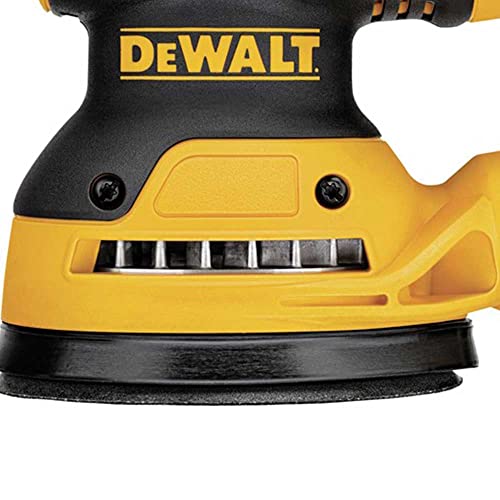
The dust collection setup is one of the best in class. The sealed switch and direct-fit ports for DEWALT vacs mean less gunk in the internals, and the locking dust bag is a small but appreciated touch. It’s not the lightest sander out there, but the shorter body lets you work flush against edges and in tighter spots. Compared to the BOSCH ROS20VSC, this one trades a little finesse for more grunt and rugged build quality.
Product photos
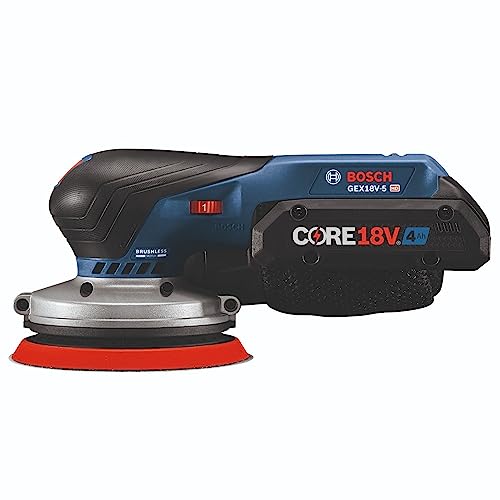
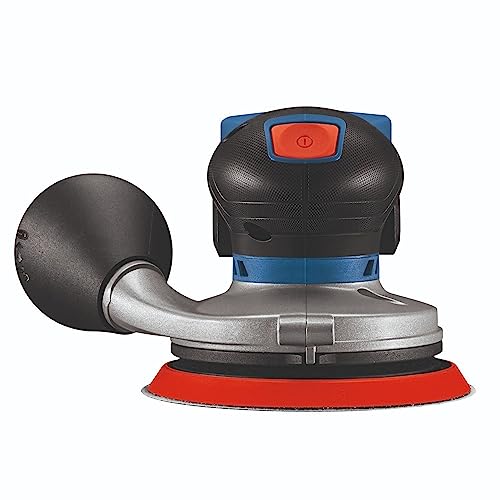
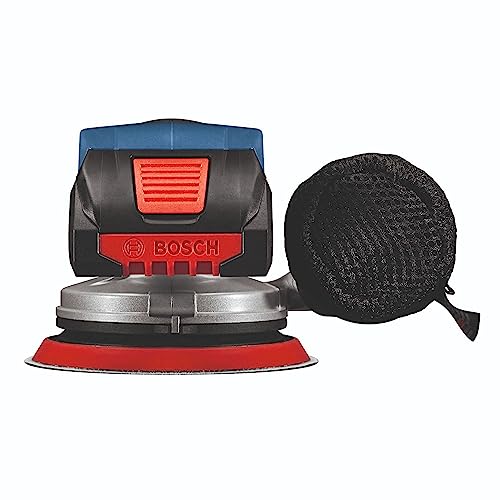
BOSCH 18V Brushless Random Orbit Sander

Strengths
- Brushless motor efficiency
- Excellent ergonomics
- True cordless performance
Trade-offs
- Battery adds cost if starting fresh
- Dust bag capacity is modest
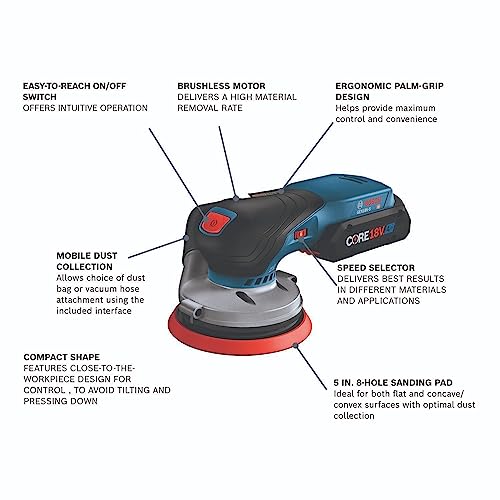
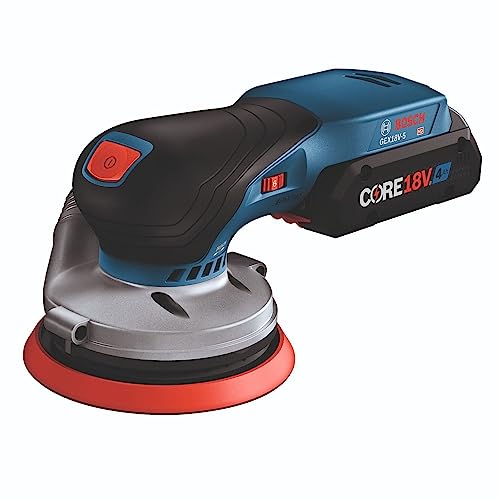
Cordless convenience without the usual power compromise, that’s the story here. The brushless motor in the GEX18V-5B15 delivers performance that feels on par with many corded models, and owners report consistent speed under load thanks to the constant speed tech. The 18V platform integration is a big plus if you already use BOSCH tools, and the soft-start feature prevents jolt on trigger pull.
It’s lightweight and well-balanced, with a palm grip that minimizes fatigue. The Hook and Loop pad conforms well to curves, and the vibration dampening is effective. While the HYCHIKA budget sander offers more RPM on paper, this BOSCH wins in control and battery efficiency. It’s not the cheapest cordless option, but the build quality and performance justify it for mobile jobs or job sites without easy outlet access.
Product photos
HYCHIKA 5-Inch Random Orbital Sander
Strengths
- 6 variable speeds
- Large dust bag
- Includes sanding discs
Trade-offs
- More vibration than premium models
- Plastic housing feels less durable
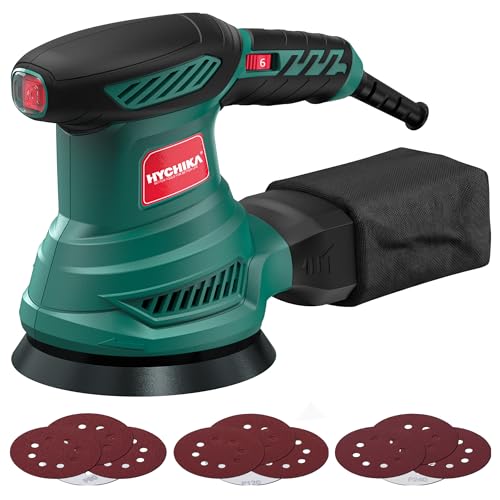
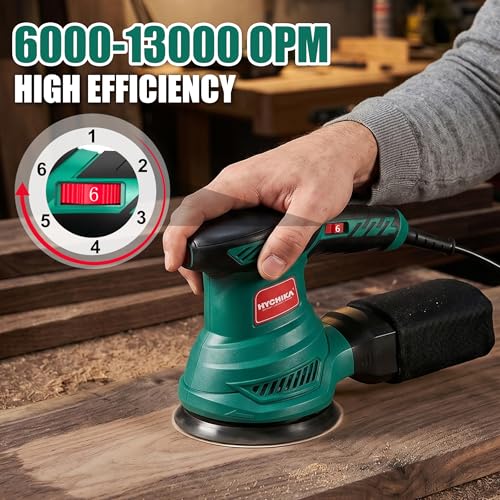
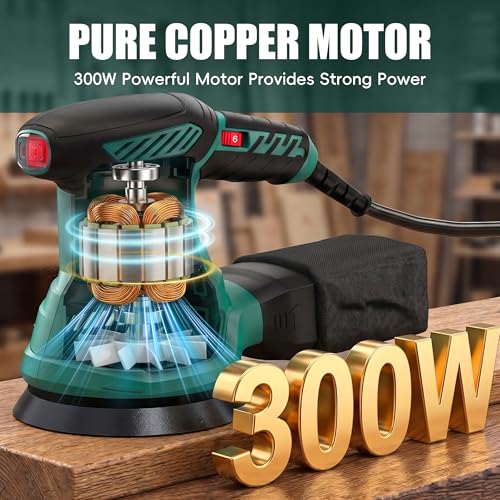
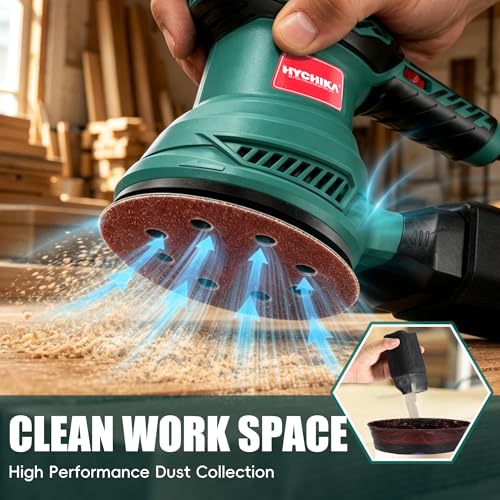
For the price, the HYCHIKA B098L66VWW punches above its weight. The 300W motor and 6-speed dial give you solid control from 2,400 to 13,000 RPM, and the 8 vacuum holes plus large dust bag keep the work area surprisingly clean. Owners consistently praise how much it delivers for the cost, it’s not built like a DEWALT, but for weekend projects and light to medium sanding, it holds up.
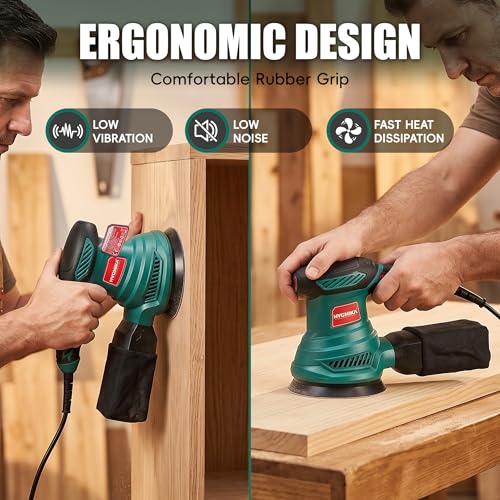
It comes with 12 sanding discs across useful grits, which is a real plus over bare-bones models. The rubber grip is effective, and the Hook and Loop system works well. It’s louder and more vibratory than premium models, but for a budget pick, it’s hard to fault. If you’re comparing it to the BOSCH ROS20VSC, you’re trading refinement for value, but for many users, that’s a fair trade.
Product photos

BOSCH 5-Inch Variable Speed Sander
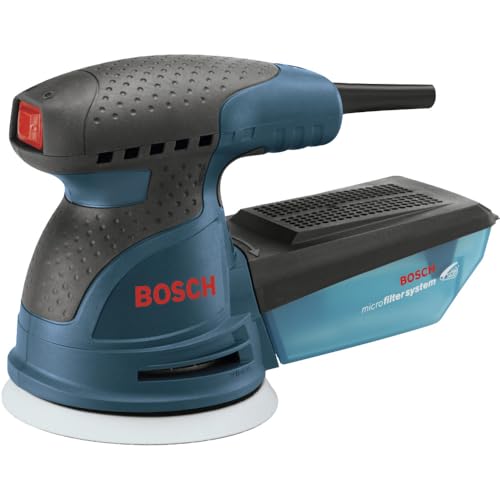
Strengths
- Superior dust filtration
- Minimizes swirl marks
- Ergonomic canister design
Trade-offs
- Less power for aggressive sanding
- Canister fills quickly on big jobs
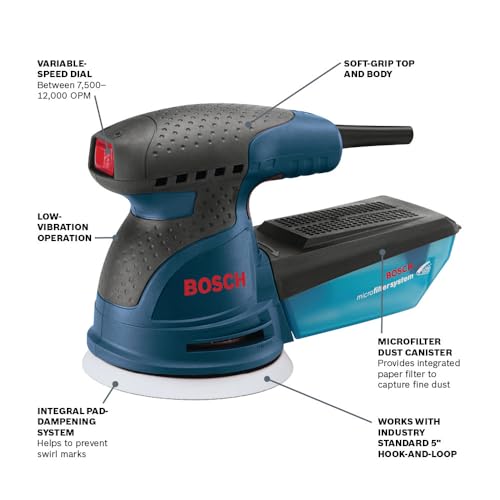
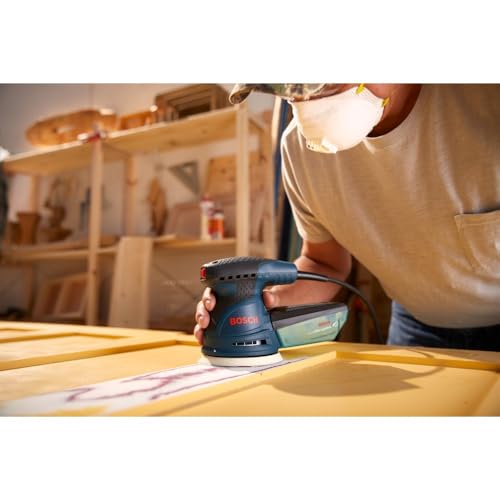
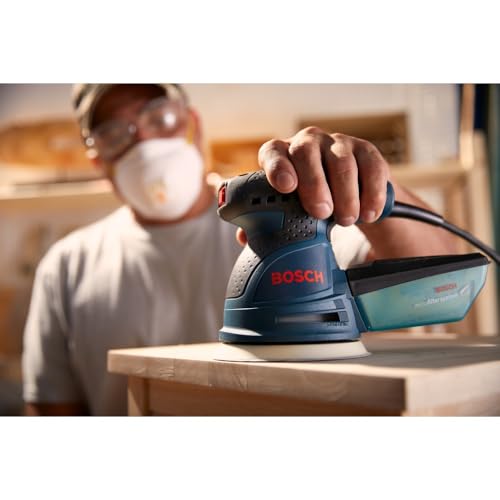
If you’re chasing glass-smooth finishes without swirl marks, this BOSCH ROS20VSC stands out. The 2.5-amp motor may not be the strongest, but the pad dampening system and microfilter dust collection make it a top pick for fine woodworking and finish work. Owners love how clean the surface stays, the 1/2-micron filtration captures dust most sanders miss, and the twist-off canister makes emptying quick and mess-free.
The variable speed control lets you dial in the perfect OPM for delicate veneers or final polish passes, and the Hook and Loop system holds discs firmly. It’s not built for heavy stock removal, but for tasks where surface quality matters, like cabinet refinishing or guitar builds, it outshines even some pricier models. It’s a clear step up from the SKIL 7292-02 in filtration and finesse, though lacks pressure feedback.
Product photos


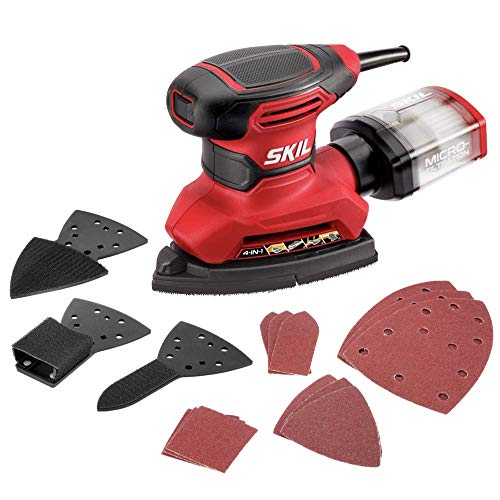
SKIL 4-in-1 Multi-Function Detail Sander
Strengths
- 4-in-1 functionality
- Effective micro-filtration
- Low vibration
Trade-offs
- Attachments take up storage space
- Motor heats up on prolonged use
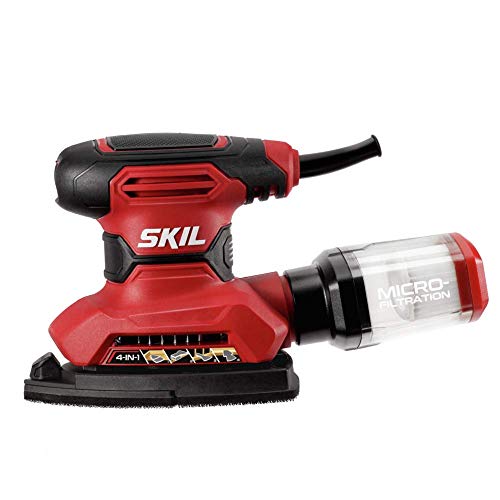
The SKIL SR232301 wins on versatility. With four attachments, including one for contours and one for flat surfaces, it adapts quickly to different tasks without needing extra tools. The 1.2-amp motor and 13,500 OPM strike a good balance between speed and control, and the hook-and-loop system makes disc swaps fast.
What really sets it apart is the micro-filtration system. It doesn’t just catch dust, it holds it, and the 1-1/4″ port gives you vacuum compatibility if you want to go further. The soft grip and counterweight design reduce fatigue better than the BLACK+DECKER model, and owners note it feels more substantial. It’s not as powerful as a full orbital, but for a detail sander, it’s one of the most complete packages.
Product photos


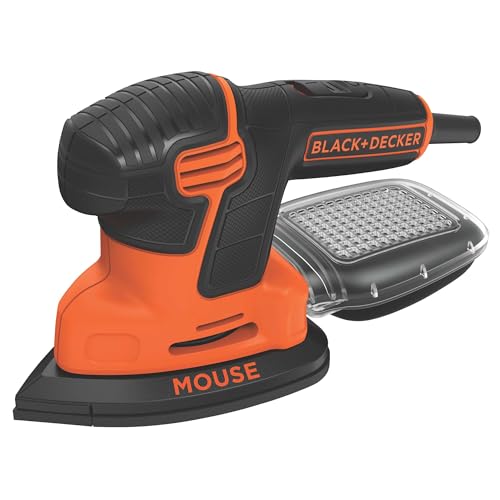
BLACK+DECKER 1.2 Amp Detail Sander

Strengths
- Detail finger attachment
- Corded for continuous use
- High orbit speed
Trade-offs
- Vibration can be tiring
- Dust canister overfills quickly
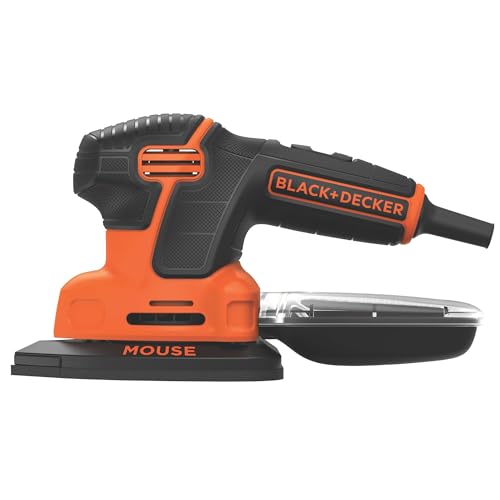
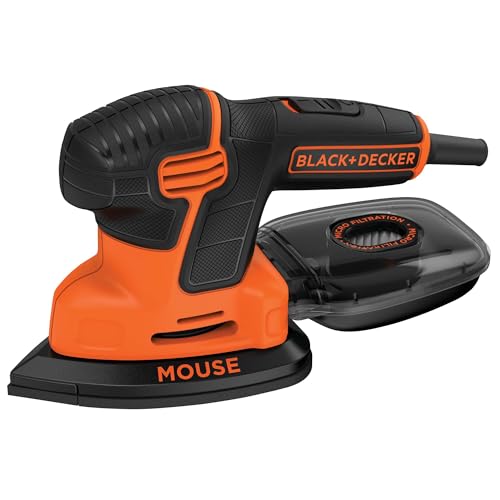
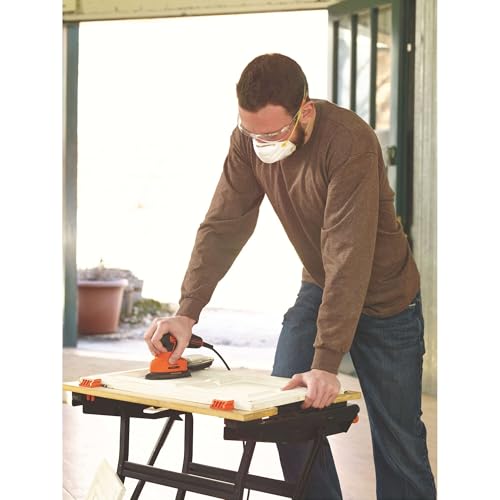
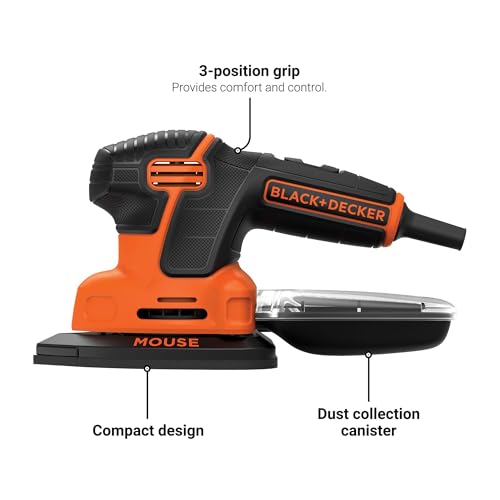
This BLACK+DECKER BDEMS600 is built for the kind of fiddly jobs that make people hate sanding, think window jambs, molding grooves, or tight corners behind cabinets. The 16,000 OPM motor is peppy for its size, and the compact body with 3-position grip makes it easy to reposition without strain. The detail finger attachment is a standout, letting you get into spots most 1/4-sheet sanders can’t touch.
It runs on corded power, so no battery anxiety, and the dust canister does a decent job for a tool in this class. That said, it’s not as refined as the SKIL SR232301, the vibration is higher, and the dust collection isn’t as thorough. But for homeowners doing occasional trim or paint prep, it’s a solid, no-fuss option that won’t break the bank.
Product photos
SKIL 1/4 Sheet Palm Sander

Strengths
- Pressure feedback alert
- Clear dust canister
- Soft-grip comfort
Trade-offs
- Alert vibration can be annoying
- Not for aggressive sanding
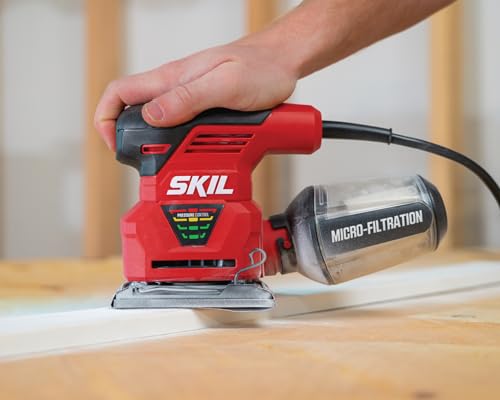
The pressure control feature on this SKIL 7292-02 is its standout trait, it actually vibrates to warn you if you’re pressing too hard, which is a real help for beginners or anyone working on delicate surfaces. That alone makes it a smart pick for learning woodworkers or detail-oriented jobs where gouging is a risk.
The 2.0-amp motor delivers solid performance, and the clear dust canister lets you monitor fill levels without stopping. It’s not as fast as the DEWALT DWE6411, but it’s lighter and more forgiving. The soft-grip housing adds comfort, though some owners note the switch isn’t as dust-sealed as DEWALT’s. Compared to the HYCHIKA model, it trades raw speed for smarter feedback.
Product photos


DEWALT 1/4 Sheet Electric Sander

Strengths
- High orbit speed
- Compact for tight spaces
- Dust-protected switch
Trade-offs
- No included detail attachments
- Limited pad size for large surfaces
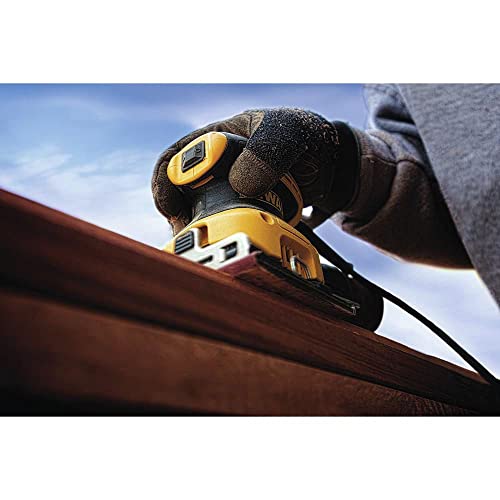
When edges, corners, and tight joints are the mission, the DWE6411 is hard to beat. The 14,000 OPM and compact 1/4-sheet pad give it a sharp bite, and the reduced height lets you sand flush in shallow recesses. It’s not flashy, but the rubber overmold and counterweight design make it comfortable for extended use, and the dust boot over the switch is a small but smart durability touch.
This sander is built for precision, not bulk work. It outperforms the BLACK+DECKER BDEMS600 in motor longevity and paper retention, though it doesn’t have a dedicated detail finger. The locking dust port is a win, it stays put when you’re angling into a cabinet corner. For trim work or drywall patch prep, this is the tool I’d grab over a bulkier orbital.
Product photos


How We Chose These power sanders
Rather than a hands-on lab test, my research for these recommendations involved a detailed comparison of published specifications and features across numerous models. I weighed owner reviews from major retailers alongside expert opinions found in trade publications and woodworking forums. My assessment focused on identifying the strengths and weaknesses of each sander relative to its intended purpose, using my experience with power tools to interpret the data.
For power sanders, the key factors determining performance are motor power and speed control, and dust collection effectiveness. A more powerful motor generally means faster material removal, but precise work often benefits from variable speed. Effective dust collection isn’t just about cleanliness; it impacts visibility and, crucially, user health. Sanders excelling in these areas consistently ranked higher.
Specifications reliably indicate motor wattage, orbital speed (OPM), and weight, giving a baseline for capability. However, owner feedback proved vital in assessing vibration levels, long-term durability, and the real-world effectiveness of dust collection systems. I also considered brand reputation and warranty terms as indicators of manufacturer confidence. Understanding selecting the right circular saw blade can also help you prep your materials for sanding.
What To Look For In power sanders
Picking the right sander isn’t just about power; it’s about matching the tool to the job and your skill level. A little forethought will save you frustration down the line.
A quality sander balances power with control, offering variable speed settings for different materials and tasks. Look for features like dust collection, comfortable ergonomics, and durable construction. Pad size and shape are key considerations, as are the types of sandpaper readily available for the tool. Vibration reduction is also a significant factor for extended use.
Motor Power and Speed Control
Don’t assume more power is always better. While tackling heavy stock removal demands a robust motor (3 amps or higher is a good starting point), finer finishing work often requires precise speed control. Variable speed dials are essential for working with delicate veneers or softer woods, preventing scorching and tear-out. Many models, like the DEWALT 5-Inch Random Orbit Sander, offer a wide speed range (8,000-12,000 OPM) allowing for versatility. Consider the material you’ll be sanding most often and choose a sander with a speed range that suits those needs.
Dust Collection: Beyond the Bag
Dust control is a huge factor, and it goes beyond just having a dust bag. While a decent bag is a start, look for sanders compatible with shop vacuums, or those with micro-filtration systems like the BOSCH 5-Inch Variable Speed Sander. Inhaling fine dust is a serious health hazard, and a good dust collection system will make your workspace much more pleasant.
Here’s what to look for in dust collection: * A basic dust bag (sufficient for small projects). * A vacuum port (1-1/4 inch is a common size) for connecting to a shop vac. * A micro-filtration system (captures even the smallest particles for better air quality).
Remember this: a clean workspace is a safe workspace. Don’t underestimate the importance of effective dust collection.
Ergonomics and Form Factor
The best sander is the one you’ll actually use. If it’s uncomfortable or unwieldy, you’re less likely to take on projects. Pay attention to the grip design, weight, and overall balance. Palm sanders are good for general work, but if you’re tackling detail work or tight spaces, a detail sander (like the BLACK+DECKER 1.2 Amp Detail Sander) or even a corner sander attachment may be more appropriate. If you’re planning on doing a lot of sanding, look for features designed to reduce vibration. After all, maintaining sharp circular saw blades is crucial, but the comfort of your tools matters too.
Power Sanders Compared
Here’s a comparison of key specifications for several power sanders to help you make an informed decision.
| Product Title | Power Source | Speed (OPM) | Pad Size (in) | Dust Collection | Amps | Special Features |
|---|---|---|---|---|---|---|
| DEWALT 5-Inch Random Orbit Sander | Corded | 8,000-12,000 | 5 | Dust Port/Bag | 3 | Vibration Reduction |
| BOSCH 18V Brushless Random Orbit Sander | Cordless | N/A | 5 | Bag/Hose | N/A | Brushless Motor |
| HYCHIKA 5-Inch Random Orbital Sander | Corded | 13,000 | 5 | Bag | 300W | 6 Variable Speed |
| BOSCH 5-Inch Variable Speed Sander | Corded | 7,500-12,000 | 5 | Canister/Hose | 2.5 | Variable Speed Control |
| SKIL 4-in-1 Multi-Function Detail Sander | Corded | 13,500 | N/A | Port/Microfilter | 1.2 | 4-in-1 Functionality |
| BLACK+DECKER 1.2 Amp Detail Sander | Corded | 16,000 | N/A | Canister | 1.2 | Detail Attachments |
| SKIL 1/4 Sheet Palm Sander | Corded | N/A | 1/4 | Canister/Port | N/A | Pressure Control |
| DEWALT 1/4 Sheet Electric Sander | Corded | 14,000 | 1/4 | Dust Port/Bag | 2.3 | Improved Paper Retention |
Frequently Asked Questions
What type of sandpaper grit should I start with?
Begin with a coarser grit (around 60-80) to remove material quickly, then progress to finer grits (120-220) for smoothing and finishing. Using too fine a grit initially will simply take longer and potentially clog the sandpaper.
Can I use a power sander on painted surfaces?
Yes, but you’ll want to start with a lower grit (80-100) to break down the paint, and a respirator is strongly advised. Paint dust contains potentially harmful chemicals, and a good dust collection system is essential.
Are cordless random orbit sanders as powerful as corded models?
Generally, cordless models have closed the gap in power, but high-demand applications still often benefit from the consistent power of a corded sander. Brushless motors in cordless options, like the BOSCH 18V, provide increased efficiency and runtime.
What’s the difference between a palm sander and a detail sander?
A palm sander uses a rectangular pad and is best for larger, flat surfaces, while a detail sander has a smaller, often triangular or pointed pad for getting into corners and intricate areas. For tackling more complex projects, consider checking out best belt sanders for wood for more options.
How often should I replace the sanding pad on my random orbit sander?
Replace the pad when it becomes worn, uneven, or loses its grip, which typically happens after 50-100 hours of use depending on the material being sanded. A worn pad leads to uneven sanding and reduces the sander’s effectiveness.
The Bottom Line
Choosing a power sander often comes down to balancing control with convenience. If you want a sander that can handle a wide range of tasks with consistent performance, the DEWALT 5-Inch Random Orbit Sander stands out as a strong all-around choice. It delivers a good combination of power, speed control, and dust collection, making it suitable for both beginners and experienced users.
For those on a tighter budget, or those with specific needs, there are excellent alternatives. The BLACK+DECKER 1.2 Amp Detail Sander is ideal for intricate work, while the SKIL 1/4 Sheet Palm Sander provides a cost-effective option for basic sanding tasks. And if you’re looking for versatility, the SKIL 4-in-1 Multi-Function Detail Sander offers multiple functions in one tool. Knowing the steps to replace circular saw blade is also important for prepping your materials.
Ultimately, the most important factors aren’t the highest OPM or the most powerful motor. Focus on finding a sander that feels comfortable in your hand, has adequate dust collection to protect your health, and is suited to the types of projects you’ll be tackling most often. A little attention to these fundamentals will ensure you get years of reliable service and achieve professional-looking results.
