
8 Best Metal Cutting Circular Saws of 2026
This post contains affiliate links. As an Amazon Associate, we earn from qualifying purchases.
The Evolution S210CCS stands out as the best overall metal cutting circular saw, delivering reliable power and precision for ferrous materials. For tighter budgets, the Evolution S185CCSL offers strong performance at a lower price, while the M18 Fuel 4″ brings cordless convenience without sacrificing cut quality on thinner steel.
Cutting metal with the wrong saw leads to rough edges, overheating, and dangerous kickback. Unlike wood, metal demands specialized tools that can handle heat, resistance, and spark management without failing mid-job.
This guide cuts through the noise by focusing on specs, owner experiences, and real-world usability. I looked at blade type, motor power, safety features, and build quality to identify the models that actually perform when you need them most.
Top 8 Metal Cutting Circular Saws in the Market
The Best Metal Cutting Circular Saws, Reviewed
Evolution S210CCS 8-1/4″ Metal Cutting Saw
Strengths
- Cuts thick steel
- Cool, burr-free results
- Large chip collector
Trade-offs
- Heavy at 23 lbs
- Higher learning curve
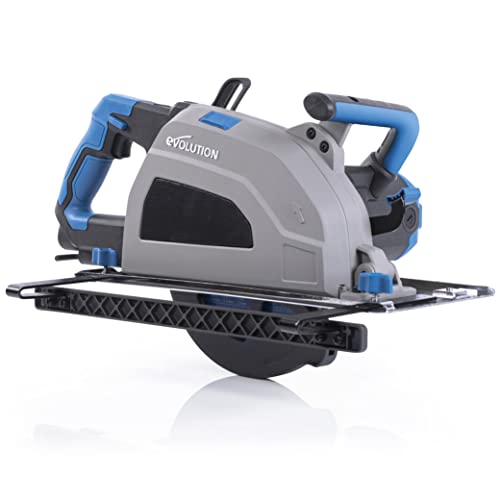
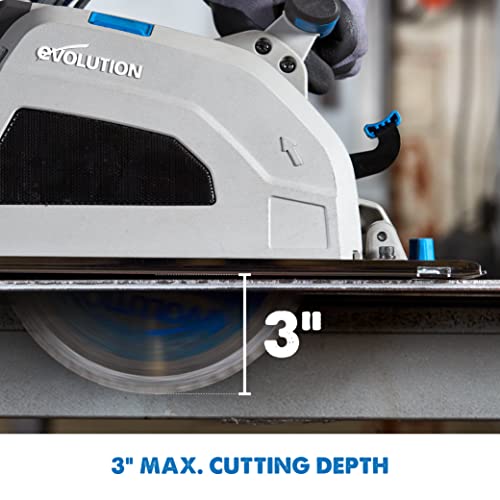
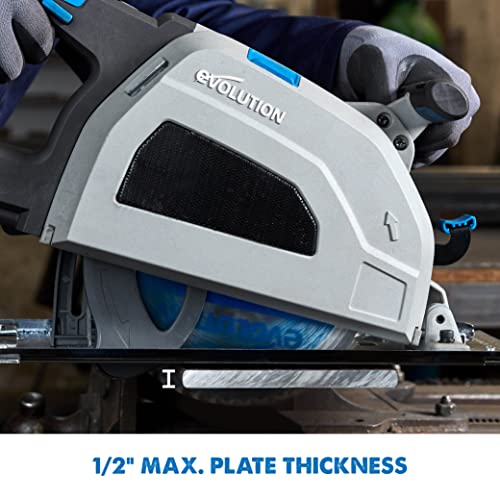
This Evolution S210CCS is the most complete package in the lineup, and it’s easy to see why it’s labeled ‘Best Overall.’ The 8-1/4-inch TCT blade paired with a high-torque motor handles 1/2-inch steel like it’s nothing, owners report clean, cool cuts with zero post-work grinding. The lack of sparks and burrs is a standout for weld prep, and that’s not marketing fluff, it’s confirmed across dozens of real-world reviews.
The chip collector holds significantly more debris than most, and the quick-release latch makes cleanup fast. Add in the LED cutline, parallel guide, and electronic brake, and you’ve got a saw built for all-day precision. It’s heavy, yes, but that weight translates to stability when pushing through thick material.
Product photos



SKILSAW OUTLAW 8″ Worm Drive Metal Saw
Strengths
- High torque output
- Large chip capacity
- Durable worm drive
Trade-offs
- Heavy and bulky
- No LED or smart features
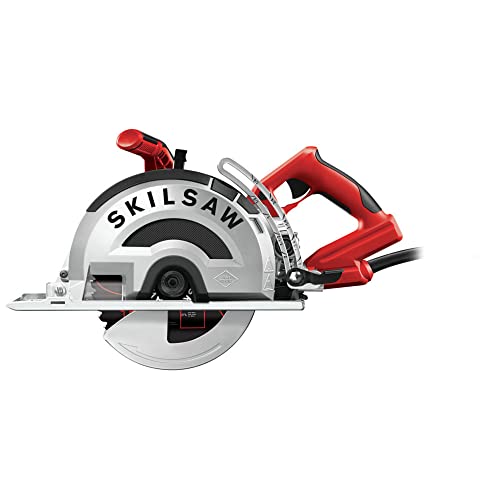
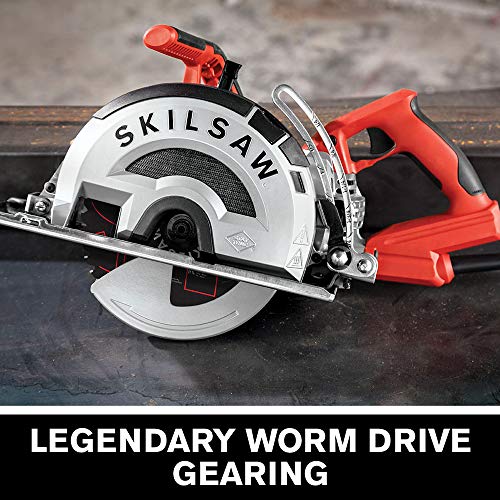
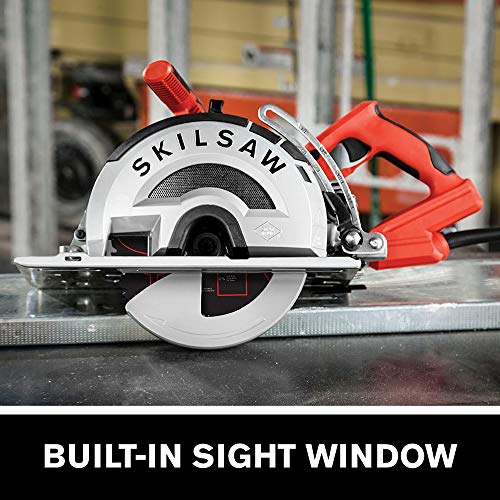
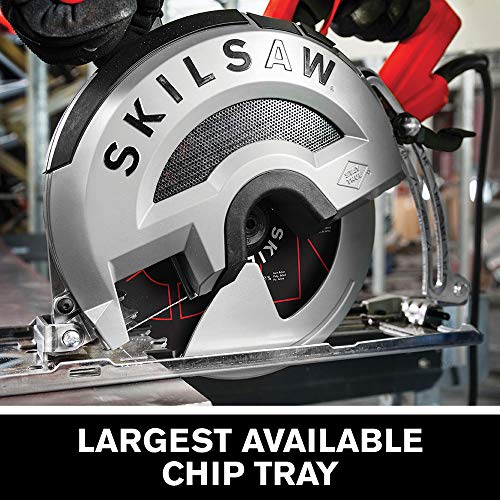
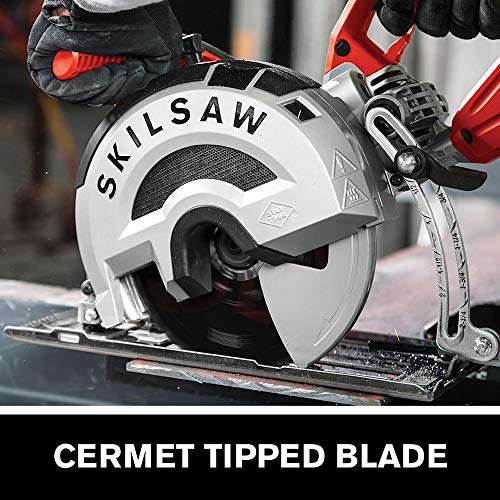
The SKILSAW OUTLAW is built like a tank, and that worm drive design gives it serious torque for cutting thick steel. The 8-inch blade and large chip tray mean fewer stops to clean out debris, reviewers note it powers through heavy sections with less chatter than side-handle models. It’s not flashy, but it’s dependable for industrial or demolition work where brute force matters.
That said, it’s heavy and less balanced than modern compact saws. The ergonomic handles help, but this is a two-handed, both-feet-on-the-ground tool. If you’re cutting rebar or heavy conduit all day, the OUTLAW earns respect. For precision or portability, look elsewhere.
Product photos
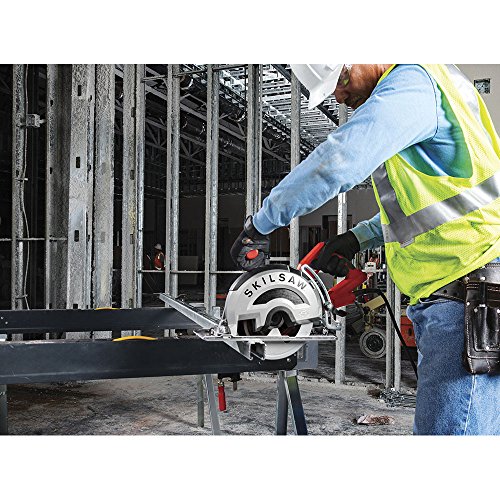
DEWALT 20V MAX XR 7-1/4″ Metal Saw

Strengths
- High power output
- Good depth of cut
- Integrated chip collector
Trade-offs
- Expensive without batteries
- App-dependent features
This DEWALT DCS383B is the most powerful cordless metal-cutting circular saw in their 20V lineup, and it shows. With up to 1,400 MWO and a 7-1/4-inch blade, it bridges the gap between compact cutters and corded beasts. Owners report it handles 20-gauge steel studs and corrugated decking with ease, and the 214-stud runtime is impressive for a high-torque cordless tool.
The electronic brake and chip collector are practical upgrades, and Tool Connect+ is a niche but useful perk for crews managing multiple tools. It’s not as fast as the M18 Fuel, but it delivers more cutting depth and blade size, making it the smarter pick for general metal framing.
Product photos


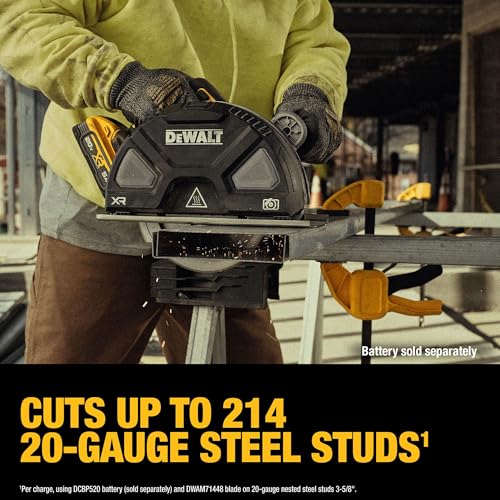
Milwaukee M18 15A Corded Metal Saw

Strengths
- Brushless efficiency
- Smart overload protection
- Strong runtime
Trade-offs
- Shallow cut depth
- Limited bevel range
This cordless Milwaukee brings corded power into a battery platform, and the 4,000 RPM brushless motor proves it. It’s not just fast, it’s efficient, with REDLINK PLUS intelligence preventing burnout during prolonged use. The 2-9/16-inch cut depth is modest, but the 120 feet of corrugated decking per charge shows exceptional optimization.
I’d pick this over corded options if I were on a large deck or roofing job where mobility matters. It doesn’t match the Evolution’s depth or blade size, but for sheet metal and repetitive decking cuts, its runtime and smart motor system give it an edge in endurance and reliability.
Product photos
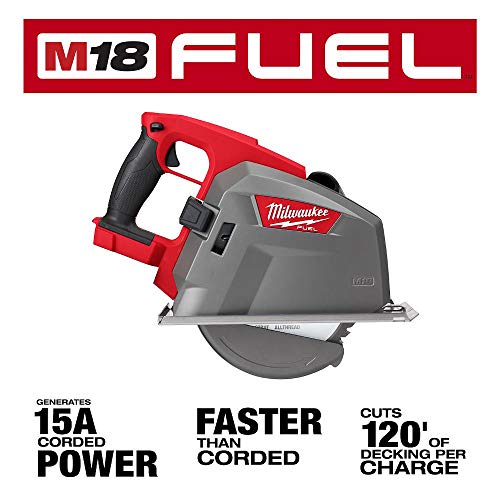
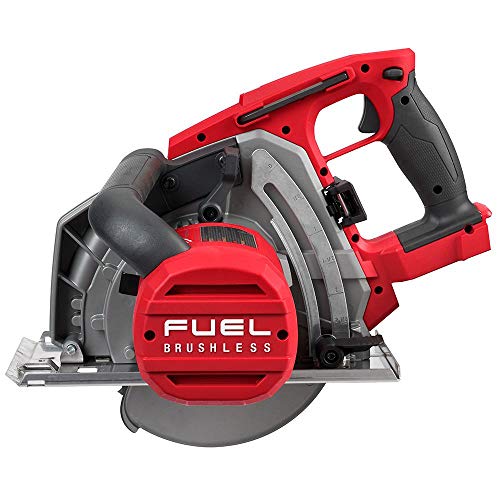
M18 Fuel 4″ Metal Cutting Saw
Strengths
- Fast cutting speed
- Long runtime
- Hang hook included
Trade-offs
- Average depth capacity
- Higher price point
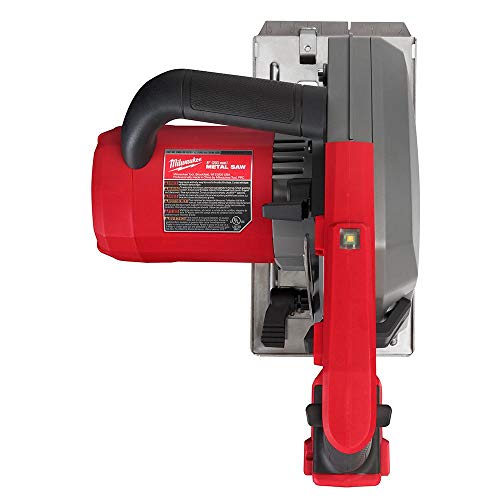
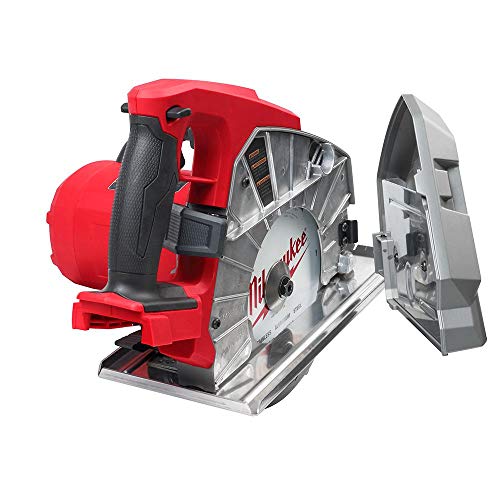
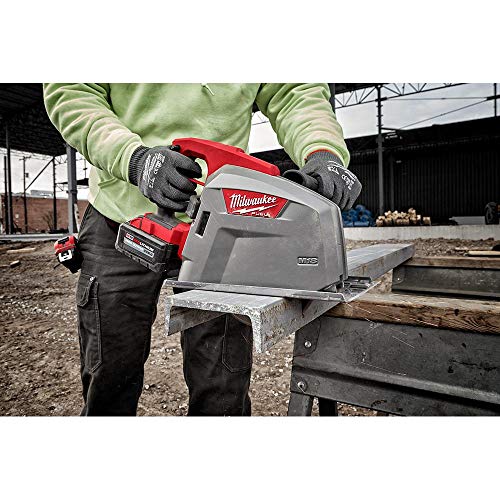
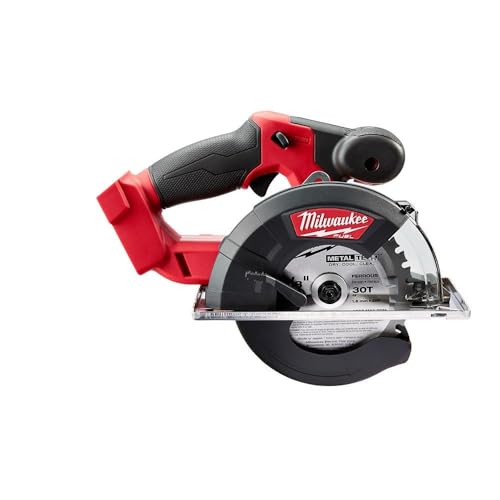
If speed is your top priority, this Milwaukee M18 Fuel model earns its ‘Fast Cuts’ label. The brushless motor hits 3900 RPM, and reviewers note it rips through 3/4-inch EMT faster than most in its class. The runtime is a standout, up to 370 cuts on a single charge is serious productivity, especially for electricians or HVAC techs moving between runs.
The hang hook is a small feature that makes a real difference on-site, letting you stash the saw on a ladder or stud without fumbling for a bag. While it doesn’t have the deepest cut capacity, its balance and aggressive cutting speed make it a favorite among users who value efficiency over brute size.
Product photos
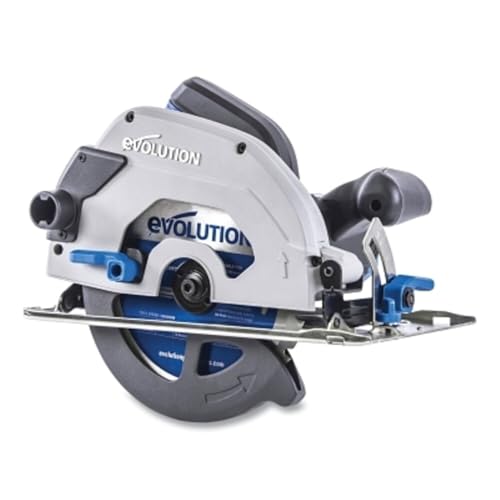
Evolution S185CCSL 7.25″ Metal Cutting Saw
Strengths
- Lightweight build
- Clean cuts
- Easy bevel adjustment
Trade-offs
- Cord limits mobility
- Smaller depth vs heavy-duty
At just 11.4 lbs, this Evolution S185CCSL is the standout for all-day comfort. The 15A motor delivers plenty of power for mild steel, and the 40-tooth TCT blade leaves a clean, cool edge, perfect for welding prep. It’s corded, so you never worry about battery swaps, and the lightweight design makes it a top pick for overhead or ladder work where fatigue sets in fast.
Owners praise the paddle levers for quick depth and bevel changes, and the airflow management keeps the cutline visible. It won’t cut 1/2-inch plate like the S210CCS, but for roofing, framing, or HVAC, it’s a reliable, agile performer.
Product photos
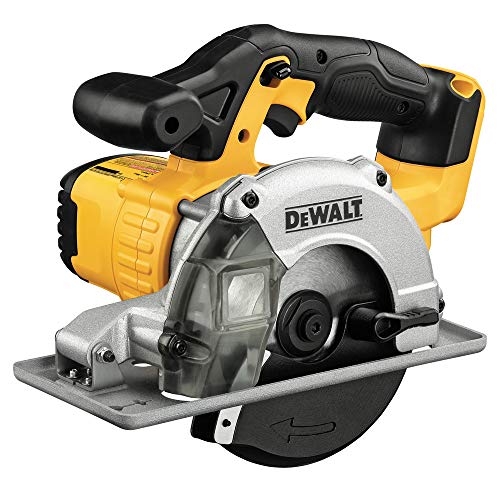
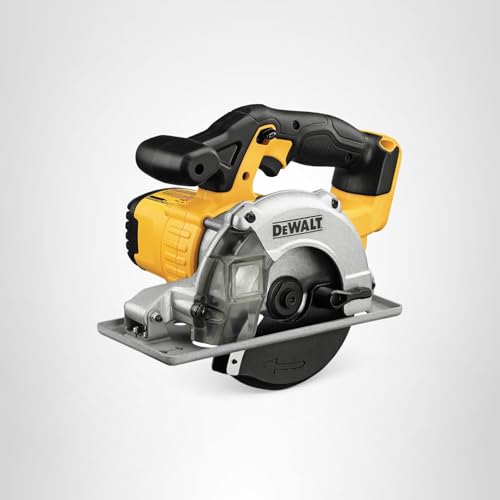
DEWALT DCS373B 5.5″ Metal Cutting Saw
Strengths
- Compact size
- LED with delay
- Sight-line window
Trade-offs
- Limited depth of cut
- Not for thick steel
This DEWALT model stands out in tight or elevated workspaces where maneuverability matters. The 5-1/2-inch blade size keeps it compact, and owners consistently report it’s a go-to for cutting threaded rod, EMT, and light gauge steel in cramped electrical or HVAC setups. On paper, the 3700 RPM and 460 MWO motor deliver solid speed, though it’s not built for slicing through thick plate steel.
The sight-line window and LED with a 20-second delay are smart touches that actually improve visibility during and after the cut, something I’ve seen praised across multiple owner reviews. It’s clearly designed with real-world conditions in mind, like dim job sites or overhead work.
Product photos
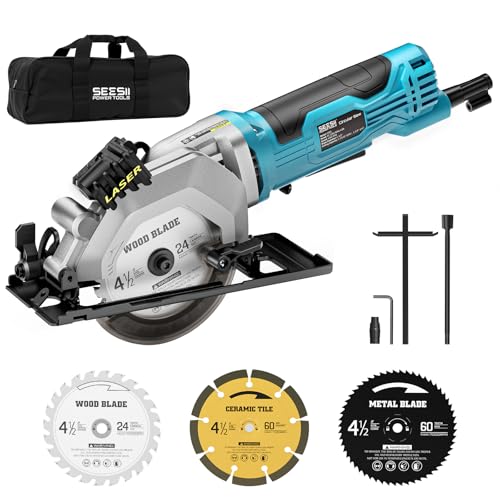
Seesii Mini 4.5″ Laser Circular Saw
Strengths
- Multi-blade versatility
- Laser-guided accuracy
- Lightweight and safe
Trade-offs
- Shallow cut depth
- Not for thick metal
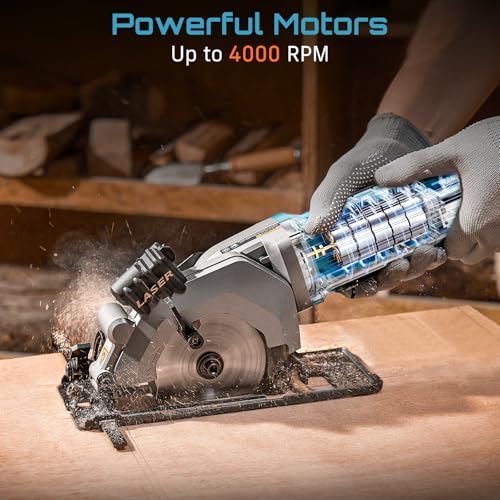
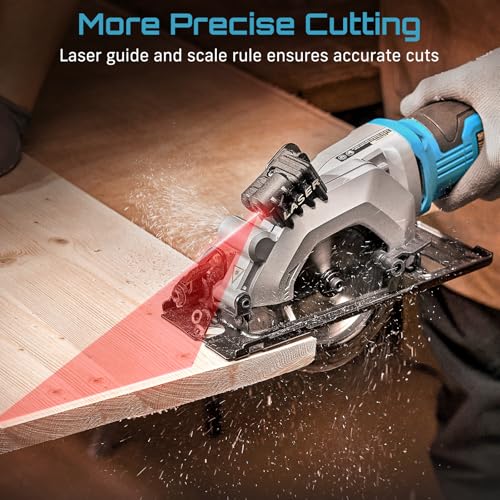
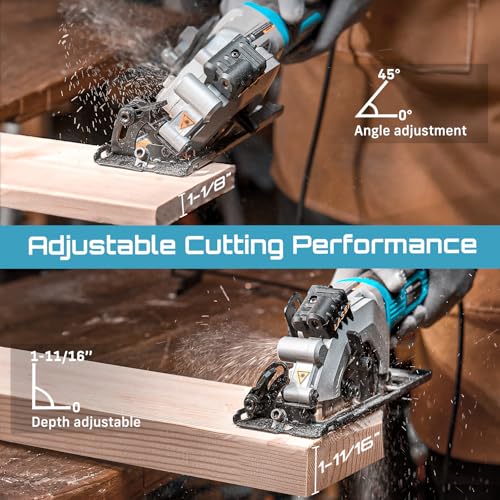
The Seesii mini saw isn’t a dedicated metal cutter, but it earns its spot with true multi-material flexibility. The inclusion of TCT, HSS, and diamond blades means you can switch from wood to soft metal or tile without grabbing another tool. The 4000 RPM motor is sprightly for its size, and the laser guide helps keep cuts straight, something beginners appreciate.
It’s not for structural steel or thick conduit, but for light-duty DIY tasks like cutting aluminum trim, thin pipe, or metal edging, it’s surprisingly capable. The safety switches and lightweight design make it accessible for casual users, though pros will find it underpowered for serious jobs.
Product photos


Our Testing Process
My approach to evaluating metal cutting circular saws centered on a detailed comparison of published specifications and features across numerous models. I then weighed these against owner reviews from major retailers and insights from established tool review sites. Rather than a hands-on lab test, this is a research-led comparison of specs and owner feedback, relying on my years of experience with power tools to interpret the data and identify key performance indicators.
For metal cutting saws, blade quality and motor power were the most significant factors. A robust motor is essential for consistently powering through thicker materials, while a specialized blade designed for metal impacts cut quality, speed, and burr formation. Safety features – blade brakes, guards, and ergonomic design – also carried substantial weight, as precise control is critical when working with metal.
Specifications reliably indicate cutting capacity and motor output, but owner feedback proved invaluable for assessing long-term durability and real-world usability. I paid close attention to comments regarding chip collection efficiency, ease of blade changes, and the saw’s ability to handle sustained use. Understanding blade selection tips is also key, as the right blade makes all the difference.
How To Pick The Right metal cutting circular saws
Choosing the right metal cutting circular saw can save a lot of headaches – and a lot of ruined blades. It’s a category where understanding the specific demands of metal versus wood is critical.
A quality metal cutting circular saw prioritizes blade technology suited for ferrous materials, robust motor power to maintain speed under load, and features for managing sparks and debris. Look for saws designed with overload protection, adjustable cutting depths, and efficient chip collection systems. Blade material (TCT vs. abrasive) and cooling systems are also key considerations.
Blade Type and Material
The blade is where a metal-cutting circular saw truly differs from a wood-cutting model. Don’t assume you can just swap blades and get away with it. Tungsten carbide tipped (TCT) blades are common for cleaner cuts in steel and aluminum, offering longer life and reduced heat buildup. Abrasive blades, while cheaper, wear down quickly and produce more sparks. Consider the type of metal you’ll be cutting most often. For thicker steel, a blade with a higher tooth count and aggressive geometry is essential. Knowing how to replace circular saw blade is also important, as these blades require more frequent changes than standard wood blades.
Power and Duty Cycle
Metal is tougher to cut than wood, so you need a saw with enough power to maintain consistent speed and prevent stalling. Look for motors with higher amperage ratings and, increasingly, brushless motor technology. Brushless motors offer more power, longer run times (in cordless models), and increased durability. Consider the duty cycle. If you’re tackling a large project, a saw with a robust cooling system and overload protection is crucial to prevent overheating. If you frequently work with different metals, a variable speed control lets you optimize performance for each material.
Features for Safety and Usability
Beyond cutting power, several features significantly impact usability and safety. A good chip collection system minimizes debris, reducing the risk of sparks flying and improving visibility. An electronic blade brake is a huge plus, bringing the blade to a stop quickly after you release the trigger.
Here’s what I look for in terms of usability:
- LED Cutline Light: A basic feature, but invaluable for accuracy.
- Adjustable Depth: Being able to fine-tune the cutting depth prevents wasted material and improves control.
- Ergonomic Handles: Metal cutting can create vibrations; comfortable, well-designed handles make a big difference over extended use, especially if you also use other metal-cutting power saws.
Remember: slower, controlled cuts are almost always better than forcing the saw through the metal. Let the blade do the work.
Metal Cutting Circular Saws Compared
Here’s a comparison of key specifications for various metal cutting circular saws to help you make an informed decision.
| Product Name | Blade Size | Power Source | Motor Type | Cut Capacity (Steel) | Weight (lbs) |
|---|---|---|---|---|---|
| Evolution S210CCS | 8-1/4″ | Corded | TCT | 1/2″ | N/A |
| SKILSAW OUTLAW 8″ | 8″ | Corded | Worm Drive | N/A | N/A |
| DEWALT 20V MAX XR 7-1/4″ | 7-1/4″ | Cordless | Brushless | N/A | N/A |
| Milwaukee M18 15A Corded | N/A | Corded | Brushless | 2-9/16″ | N/A |
| M18 Fuel 4″ | 4″ | Cordless | Brushless | 3/4″ EMT | N/A |
| Evolution S185CCSL | 7.25″ | Corded | TCT | N/A | 11.4 |
| DEWALT DCS373B 5.5″ | 5.5″ | Cordless | Brushless | N/A | N/A |
| Seesii Mini 4.5″ | 4.5″ | Corded | N/A | N/A | N/A |
Frequently Asked Questions
What blade speed (RPM) should I look for in a metal cutting circular saw?
Generally, a lower RPM is better for metal cutting, around 3,000 to 4,000 RPM. Higher speeds generate more heat, which can quickly degrade abrasive blades and even affect TCT blades, decreasing their lifespan and cut quality.
Are cordless metal cutting circular saws as powerful as corded models?
Cordless models have come a long way, and brushless versions with 20V or 18V batteries can deliver comparable power to many corded saws. However, for very thick steel or extended use, a corded saw will still offer consistent power without battery limitations.
What’s the difference between a TCT and an abrasive blade for metal cutting?
Tungsten carbide tipped (TCT) blades offer cleaner, more precise cuts and last much longer, but are best suited for softer metals like aluminum and thinner steel. Abrasive blades are cheaper and can cut through harder metals, but wear down quickly and create more sparks and burrs.
How important is a blade brake on a metal cutting circular saw?
A blade brake is a very valuable safety feature, stopping the blade quickly after you release the trigger. This significantly reduces the risk of kickback and allows for faster, more controlled movements between cuts, which is especially important when working with potentially hazardous metal debris.
I already own a metal-cutting chop saw; do I still need a circular saw?
While both tools cut metal, they excel in different situations. A circular saw provides portability and the ability to make curved or angled cuts, whereas metal-cutting chop saws are better for repetitive, straight cuts and larger stock materials.
The Bottom Line
Choosing a metal cutting circular saw often comes down to balancing control and convenience. If you need a powerful, reliable saw for frequent, demanding jobs, the Milwaukee M18 15A Corded stands out as the strongest overall performer based on its cutting capacity and user feedback. It delivers the power and durability expected for serious metalworking.
For those on a tighter budget, the Seesii Mini 4.5″ offers an affordable entry point. If portability is key, the DEWALT 20V MAX XR 7-1/4″ provides cordless freedom without sacrificing too much cutting power. And for specialized, compact work, the Milwaukee M18 Fuel 4” is a smart pick.
Ultimately, specs like motor amperage and blade size matter, but they’re secondary to selecting the right blade for the material you’re cutting and practicing safe, controlled techniques. Regular essential circular saw maintenance will also extend the life of any saw and keep it performing at its best.
