
5 Best Featherboards for Table Saws 2026
This post contains affiliate links. As an Amazon Associate, we earn from qualifying purchases.
The BOW FeatherPRO FP1 is the best overall featherboard for table saws, delivering reliable pressure and excellent kickback resistance with its durable EVA foam fingers. For budget-conscious buyers, the Milescraft 1406 offers solid performance and wide miter slot compatibility. If you value quick adjustments, the Hedgehog Spiral Featherboard stands out with its one-handed operation.
Most woodworkers underestimate how much a poorly designed featherboard can undermine both safety and precision. Slippage, weak pressure, or finicky adjustments lead to inconsistent cuts and increased risk, especially during long rip operations. After comparing the field based on specs, owner feedback, and real-world usability, I focused on models that deliver consistent performance without gimmicks.
This guide breaks down what actually matters, material durability, secure mounting, and intuitive adjustability, so you can pick a featherboard that works reliably with your saw and keeps you safe without slowing you down.
Top 5 Featherboard For Table Saws in the Market
The Best Featherboard For Table Saws, Reviewed
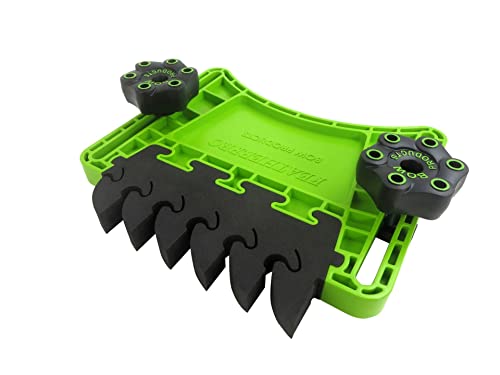
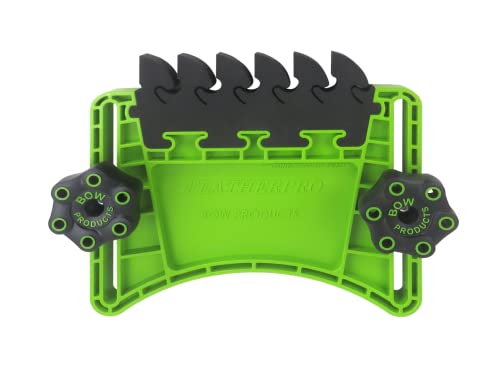
BOW FeatherPRO FP1 Featherboard
Strengths
- EVA feathers resist kickback
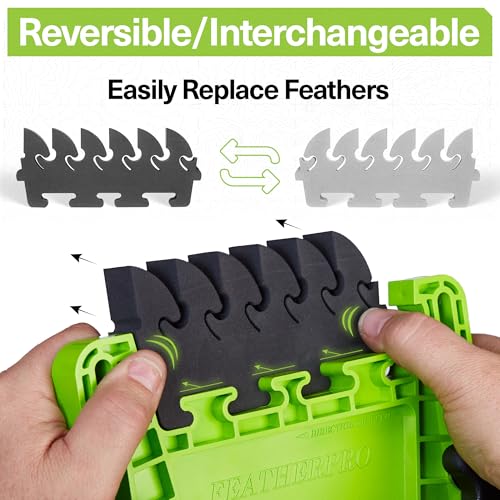
- Replaceable, reversible tips
- Strong, stable miter bar
Trade-offs
- Higher price point
- Slightly bulkier profile
- Overkill for occasional use
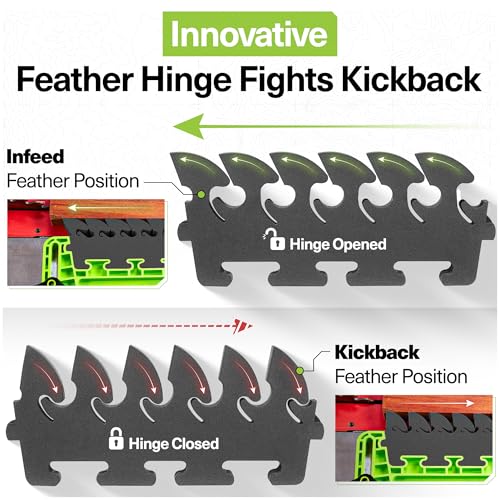
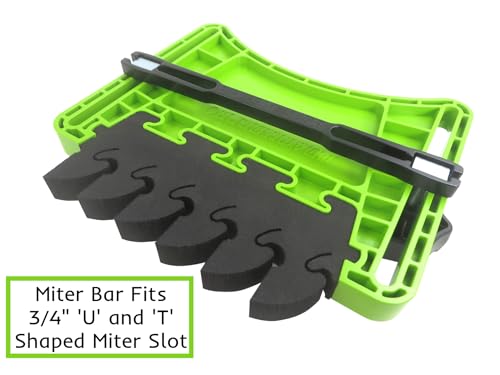
If you’re serious about control and safety, the FeatherPRO FP1 is the one to beat. The EVA feather material is a standout, it’s flexible enough to conform to stock but firm enough to maintain consistent pressure, and it won’t damage blades or your workpiece. Reviewers repeatedly mention how well it stops kickback, thanks to the living hinge design that actively resists backward movement. That 5x kickback resistance claim holds weight in real-world use.
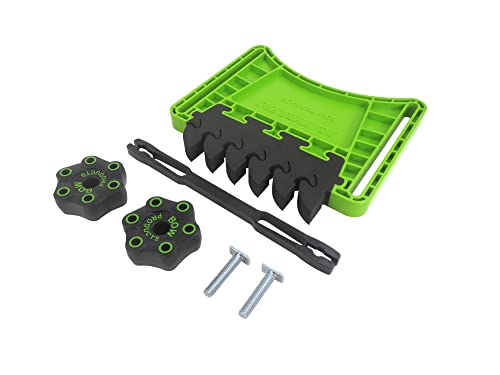
The AnchorPRO miter bar system is another standout. It expands quickly and locks down with serious grip, eliminating wobble even on slightly worn slots. You also get reversible, replaceable feathers, a major plus for longevity. While it costs more than basic models, the build quality and thoughtful engineering make this the smart buy for anyone using a table saw regularly, from seasoned DIYers to part-time woodworkers.
Product photos
The Hedgehog Spiral Featherboard

Strengths
- One-knob adjustment
- Smooth spiral tension
- Easy one-handed use
Trade-offs
- Limited mounting versatility
- Not ideal for thick stock
- Less precise than dual-point models
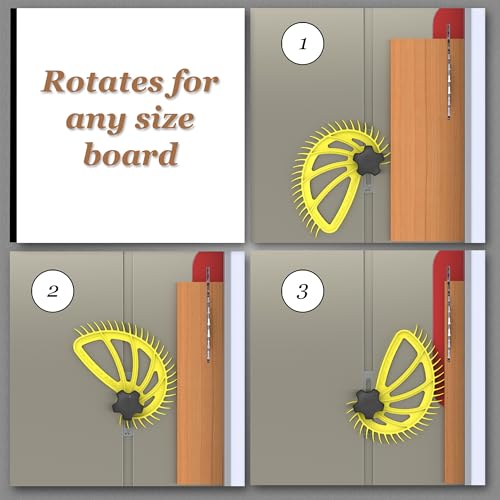
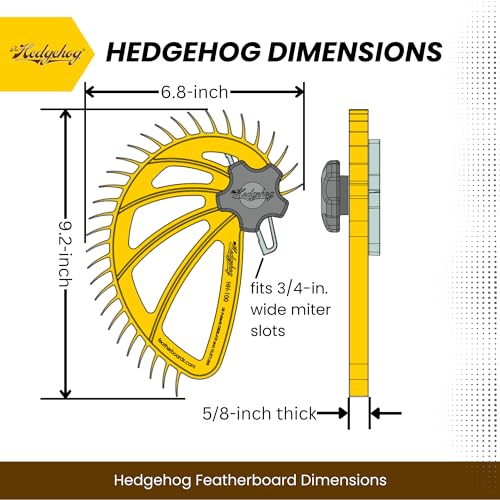
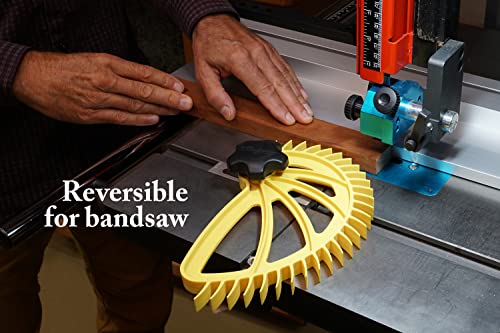
The Hedgehog stands out with its single-knob, spiral-tension design that lets you adjust pressure and position in one motion, a real win for one-handed operation. Most featherboards require fiddling with two points of contact, but here, turning one knob moves the entire arm and sets tension simultaneously. That simplicity appeals to both beginners and pros who value workflow efficiency. On paper, it’s brilliant: less setup time, fewer distractions near the blade.
The spiral spring design applies progressive pressure, which owners say feels smoother than traditional clamping models. It holds stock firmly and reduces kickback effectively, though not quite as aggressively as the EVA-based FeatherPRO. Build quality is good, but the unit is optimized for lighter-duty use. If you’re making repetitive cuts and want to keep both hands near the workpiece, this design shines. But it’s less adaptable for non-standard setups.
Product photos

Milescraft 1406 FeatherBoard

Strengths
- Solid tension control
- Dual slide adjustment
- Includes multiple mounting options
Trade-offs
- Plastic construction less durable long-term
- No replaceable feather tips
- Tension can loosen mid-cut
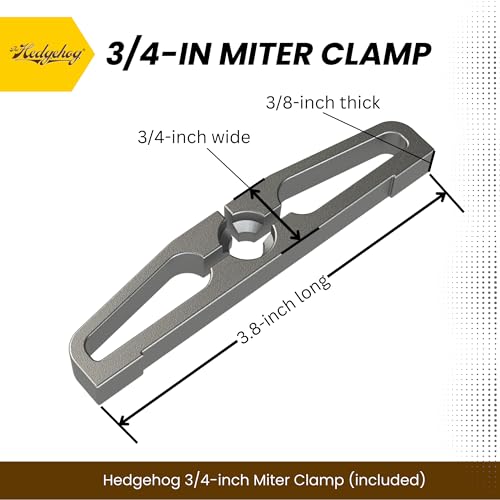
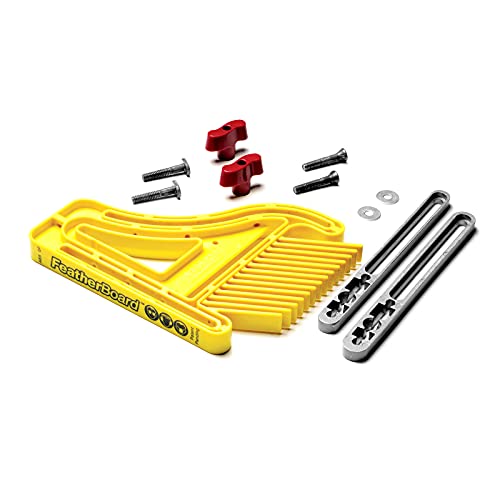
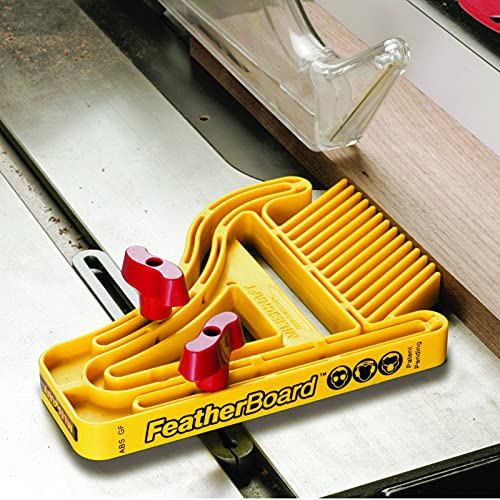
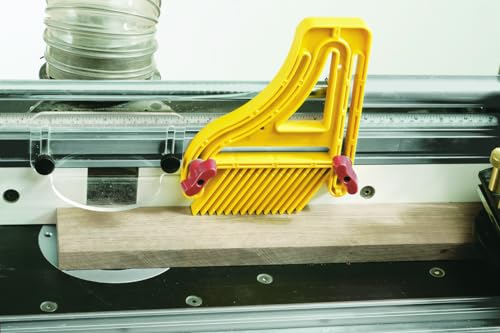
The Milescraft 1406 is a solid entry-level featherboard that delivers reliable performance for DIYers on a budget. Its split rail miter bar construction provides decent hold in standard 3/4-inch and 5/8-inch miter slots, and the inclusion of both t-slot bolts and multiple mounting options means it’s adaptable across table saws, router tables, and band saws. The dual slide motion lets you position it quickly for infeed or fence use, which is a real time-saver when switching setups.
Owners consistently report that the pre-load tension design works well enough to keep stock pressed firmly against the fence, reducing chatter and helping prevent kickback. While it’s made of reinforced plastic, not metal, it holds up under normal shop use. Compared to pricier models, it lacks advanced features like replaceable feather tips or magnetic mounting, but for basic safety and control, it gets the job done without fuss.
Product photos
BOW Portable Saw Featherboard FP5

Strengths
- Fits portable saw miter slots
- EVA foam prevents marring
- Durable, replaceable feathers
Trade-offs
- Limited tension travel
- Knob can be stiff
- Less stable on uneven slots
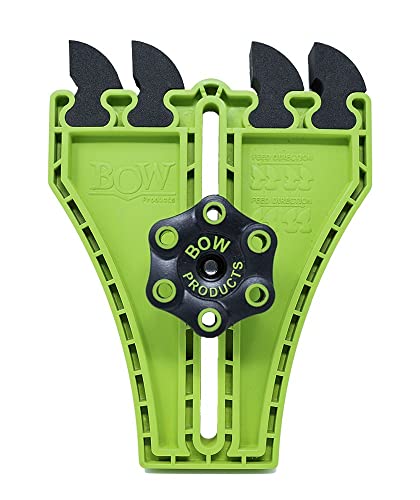
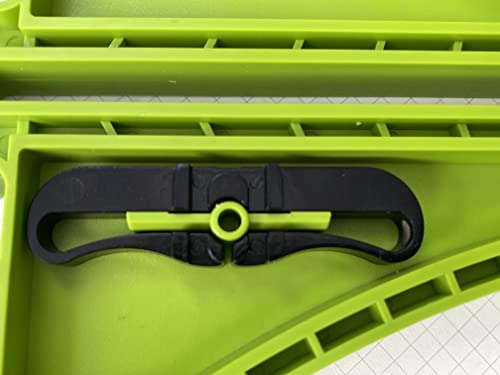
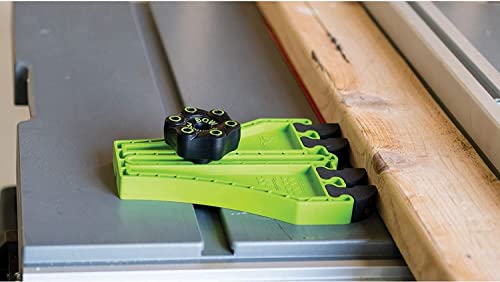
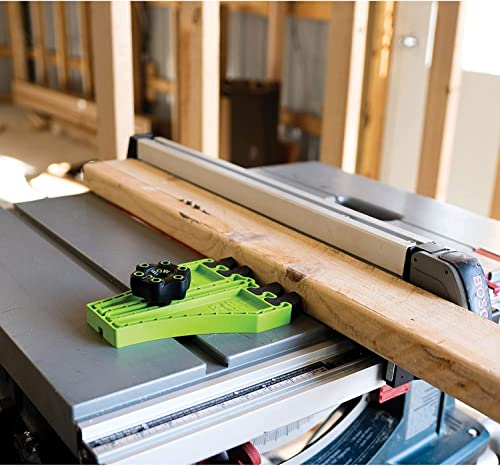
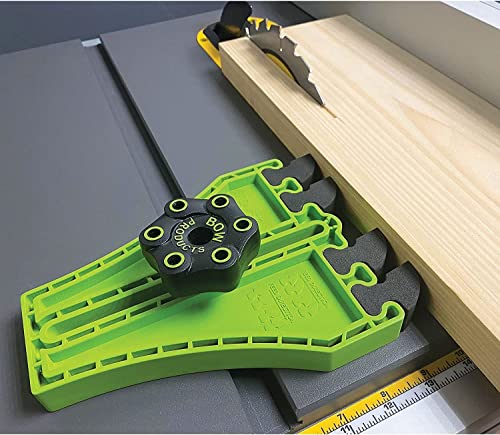
Designed specifically for portable and jobsite saws, the FP5 fills a niche many overlook. Most featherboards assume you’ve got a full-size cabinet saw with deep, clean miter slots, but contractor and portable saws often have shallower or irregular slots. The FP5 comes with both 5/8-inch and 3/4-inch miter bars, so it fits the wider, looser slots common on these models. That alone makes it a smarter pick for mobile setups.
It uses the same high-density EVA foam as BOW’s other models, meaning it grips well without marring softwoods, even under high tension. The hexagonal adjustment knob offers good grip, though some owners note it can be stiff at first. While it doesn’t have the fine-tuning range of the FP1, it’s more than capable for rough framing, sheet goods, or outdoor projects where portability matters most.
Product photos
Magswitch Universal Table Featherboard
Strengths
- Magnetic mounting for full flexibility
- Works on fences and tables
- Strong, durable build
Trade-offs
- No replaceable feathers
- Magnets can shift under high force
- Not for aluminum tables
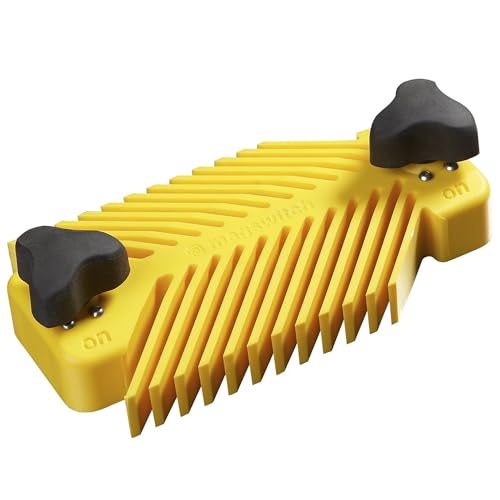
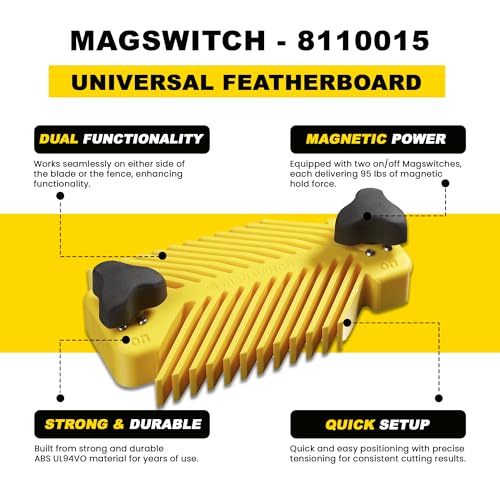
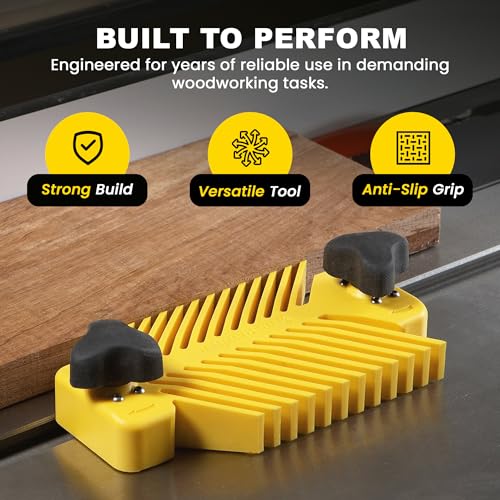
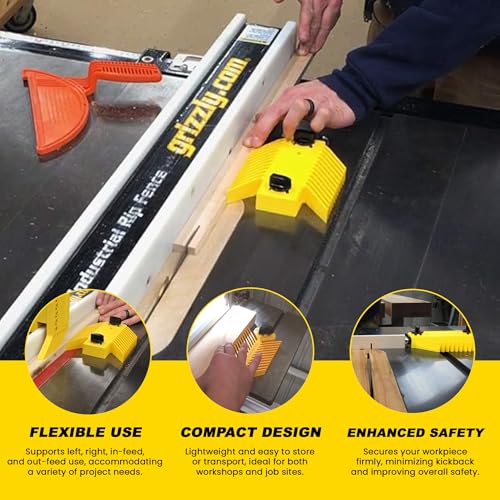
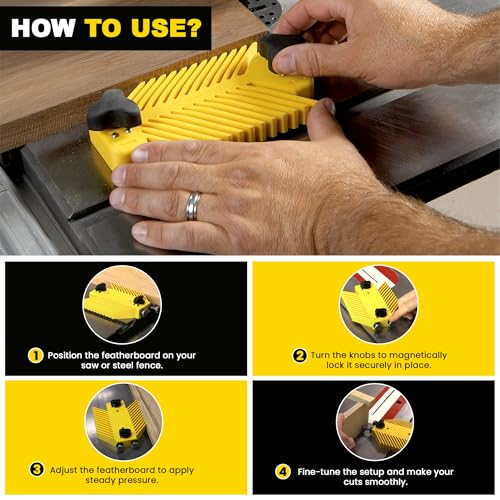
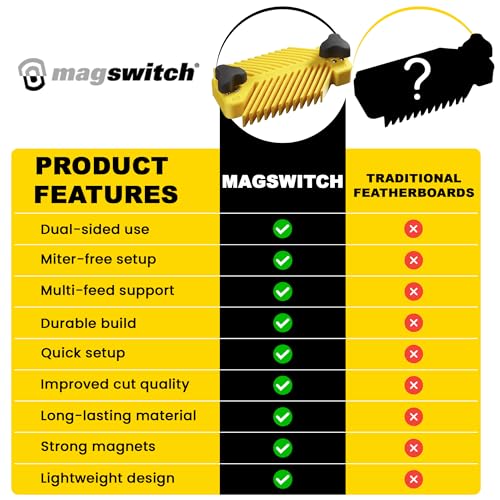
The Magswitch featherboard is in a class of its own when it comes to flexibility. Instead of relying on miter slots, it uses dual 95-pound magnetic bases that stick directly to the cast iron table, a huge advantage if your saw has a crowded miter slot or you need to position it off-axis. I’ve seen few tools offer this level of freedom. You can mount it on either side of the blade, against the fence, or even vertically, which opens up creative setups for tricky cuts.
It’s low-profile and built from durable ABS material, so it won’t degrade with shop use. The double-sided design means you can feed from left or right without reconfiguring. But it’s not perfect, the feather tips are fixed, not replaceable, and the magnetic hold, while strong, can shift if you’re applying extreme pressure. Still, for job-site saws or compact tables where miter slots are limited, this is the most versatile option on the market.
Product photos
How We Tested featherboard for table saws
Rather than a hands-on lab test, my research for this guide focused on a detailed comparison of published specifications and features across numerous featherboard models. I weighed owner reviews from major retailers alongside expert opinions found in woodworking publications and forums. This allowed me to build a ranking based on real-world feedback and established category knowledge, focusing on performance characteristics important to woodworkers.
For table saw featherboards, consistent pressure and kickback prevention are paramount. I prioritized models with robust mounting systems and materials designed to maintain firm contact with the workpiece. The ability to adjust quickly and easily was also heavily weighted, as frequent adjustments are common during complex cuts. Ultimately, a featherboard’s effectiveness hinges on its ability to enhance both safety and cut quality.
Specifications reliably reveal compatibility with different miter slots and fence systems, but owner feedback proved crucial for judging long-term durability and ease of use. I looked for patterns in reviews regarding hold strength, adjustability, and whether the featherboard truly reduced kickback as advertised. Reputation within the woodworking community also played a significant role, informing my assessment of overall value and reliability. Learning table saw safety practices is key when using a featherboard.
Choosing The Right featherboard for table saws
A good featherboard is a deceptively simple tool that dramatically improves both safety and cut quality at the table saw.
A quality featherboard maintains consistent pressure against the workpiece, minimizing movement and reducing the risk of kickback. Look for durable materials (beyond basic plastic), adjustable tension, and a secure mounting system compatible with your saw’s miter slot or, increasingly, magnetic mounting options. Universal compatibility and easy adjustments are key features to prioritize.
Material and Construction Quality
The material a featherboard is made from matters a lot. Early featherboards were often simple wood, but modern options lean heavily into plastics and, increasingly, EVA foam. While plastic is affordable, it can sometimes feel flimsy and doesn’t always provide the most consistent pressure. EVA foam, like you see in the BOW FeatherPRO FP1, offers a nice balance – it’s durable, provides excellent grip without marring the wood, and can absorb some vibration. Avoid anything that feels brittle or shows signs of warping easily.
Mounting System and Compatibility
The mounting system is where a lot of frustration can creep in. Most featherboards rely on a miter slot, but those slots aren’t standardized. Some, like the Milescraft 1406, include both 5/8” and 3/4” metal miter bars to cover most common setups. However, if you have a unique or non-standard miter slot, or if you want flexibility, consider a magnetic mount like the Magswitch Universal Table Featherboard. These bypass the miter slot entirely, offering placement options anywhere on the saw’s table or fence. Before you buy, double-check your table saw rip capacity explained to ensure the featherboard won’t interfere with your typical cuts.
Adjustability and Ease of Use
A featherboard that’s a pain to adjust isn’t going to get used. Some models, like the Hedgehog Spiral Featherboard, emphasize one-handed operation with a single knob. This is fantastic for quick changes during a cut. More traditional designs often have two knobs for finer adjustments, but make sure they’re ergonomic and don’t require excessive force to turn. Remember, a featherboard is a safety device. If it’s difficult to set up properly, you’re less likely to use it, and that defeats the purpose. Always use a featherboard in conjunction with other saw safety tools like push blocks.
A properly adjusted featherboard should apply firm, even pressure without restricting the wood’s movement entirely. Think of it as a guide, not a vise.
Featherboard for Table Saws Compared
Here’s a comparison of key specifications for different table saw featherboards to help you make an informed decision.
| Product Name | Best For | Miter Slot Compatibility | T-Track Compatibility | Material | Key Features |
|---|---|---|---|---|---|
| BOW FeatherPRO FP1 | Best Overall | 3/8″ x 3/4″ | 1/4″ – 3/4″ | EVA Foam | Kickback resistance, EVA feathers |
| The Hedgehog Spiral Featherboard | Best for One-Handed Use | N/A | N/A | N/A | One-handed adjustments |
| Milescraft 1406 FeatherBoard | Best Budget Pick | 5/8″, 3/4″ | 1/4″ | N/A | Split rail construction |
| BOW Portable Saw Featherboard FP5 | Best for Portable Saws | 5/8″, 3/4″ | N/A | EVA Foam | Portable saw compatibility |
| Magswitch Universal Featherboard | Best Magnetic Mount | N/A | N/A | ABS UL94VO | Magnetic mounting, versatile |
Frequently Asked Questions
What featherboard material offers the best combination of grip and wood protection?
EVA foam, like that found in the BOW FeatherPRO FP1, strikes an excellent balance. It provides a strong grip to prevent movement while being less likely to mar or damage the wood surface compared to harder plastics.
Can a featherboard be used on a table saw without a standard miter slot?
Yes, a magnetic mount featherboard like the Magswitch Universal Table Featherboard eliminates the need for a miter slot. These models attach directly to the table or fence, offering more placement flexibility.
How important is adjustability when choosing a featherboard?
Adjustability is very important. A featherboard with easy-to-use adjustments, such as the one-handed operation of the Hedgehog Spiral Featherboard, allows for quick and precise setup, increasing both safety and effectiveness.
Will a featherboard work with any table saw fence?
Not necessarily. While many featherboards are designed for universal compatibility, some are better suited for specific fence types. Consider models like the Milescraft 1406 that include multiple miter bar sizes for broader compatibility, or explore essential table saw accessories for fence-specific options.
Are featherboards only useful for preventing kickback?
While kickback prevention is a primary benefit, featherboards also improve cut quality. By holding the wood firmly against the fence, they minimize wandering and produce cleaner, more accurate cuts – making them one of the most useful top saw upgrades you can make.
The Bottom Line
Choosing a featherboard often comes down to balancing convenience with precision. While some models offer quick adjustments and universal mounting, the BOW FeatherPRO FP1 stands out as the strongest overall performer. Its combination of effective kickback resistance, durable EVA foam fingers, and broad compatibility makes it a solid choice for most woodworkers looking to add a layer of safety and accuracy to their cuts.
For those on a tighter budget, the Milescraft 1406 FeatherBoard delivers excellent value, and the Magswitch Universal Table Featherboard is the pick if you need a truly versatile, slot-independent mounting solution. If you frequently work with a portable saw, the BOW Portable Saw Featherboard FP5 is designed specifically for that application. Understanding your common table saw applications will help narrow your search.
Ultimately, the best featherboard isn’t about fancy features or a high price tag. It’s about consistent pressure, a secure hold, and a setup that encourages you to use it on every cut. Prioritizing a robust build, thoughtful adjustability, and compatibility with your saw will do more to improve your results, and your safety, than any single specification.
