8 Best Table Saw Push Blocks for Safety (2026 Guide)
This post contains affiliate links. As an Amazon Associate, we earn from qualifying purchases.
The GRR-RIPPER+ stands out as the best overall table saw push block, delivering unmatched grip and control when it matters most. For those on a tighter budget, the POWERTEC Push Block 2PK offers solid performance in a two-pack, while the MICROJIG GRR-RIPPER GR-100 gives pros excellent versatility with its adjustable width.
Most woodworkers don’t realize how much difference the right push block makes until they’ve fought with a piece of wood mid-cut or felt that scary shudder of kickback. A good block isn’t just about safety, it’s about confidence, consistency, and clean results at the saw.
In this guide, I’ll walk you through the top performers based on specs, real-world feedback, and the features that actually matter in the shop. These picks were chosen for grip, adaptability, and how well they keep your hands where they belong, far from the blade.
Top 8 Table Saw Push Blocks in the Market
The Best Table Saw Push Blocks, Reviewed
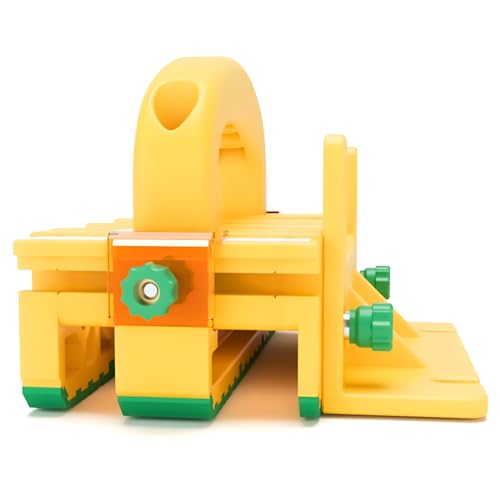
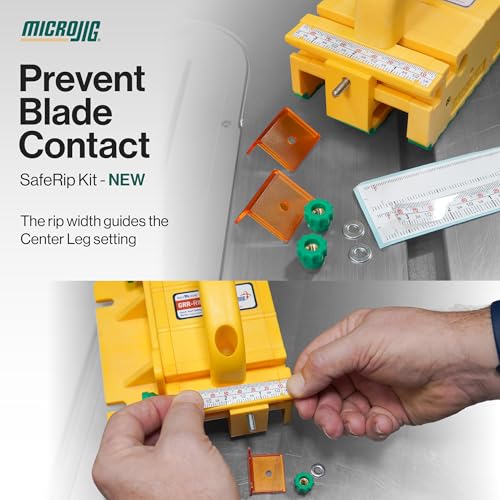
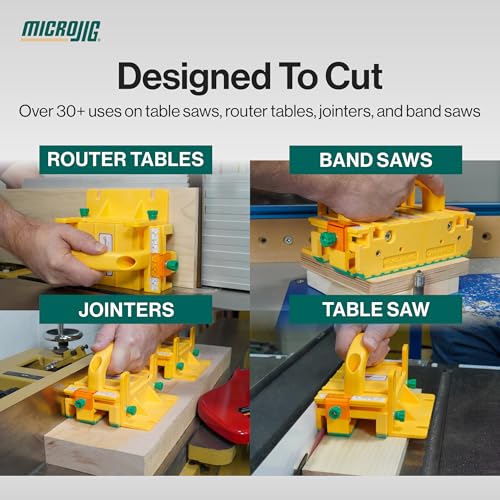
GRR-RIPPER+ by Microjig
Strengths
- Full 3D control
- Excellent grip on all materials
- SafeRip Kit included
- Handles ultra-small parts
- Lifetime warranty
Trade-offs
- Higher price point
- Bulkier than basic models
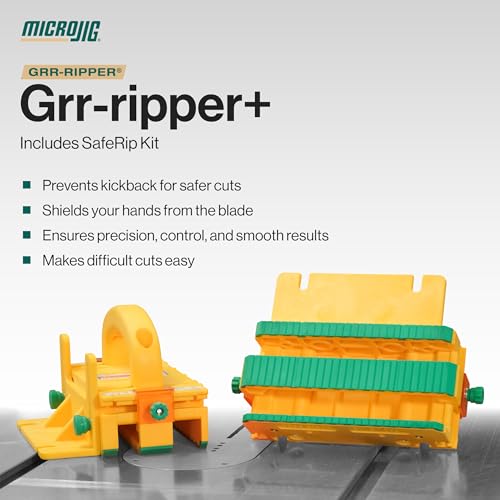
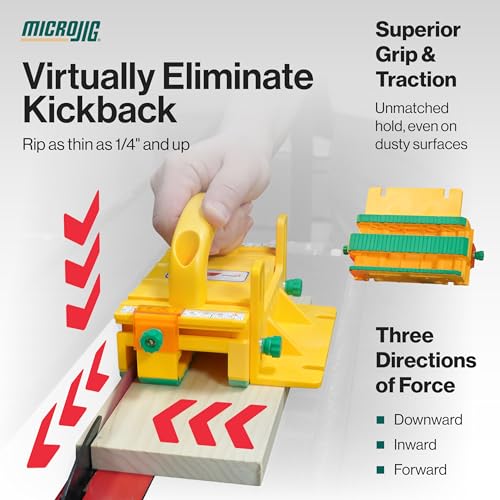
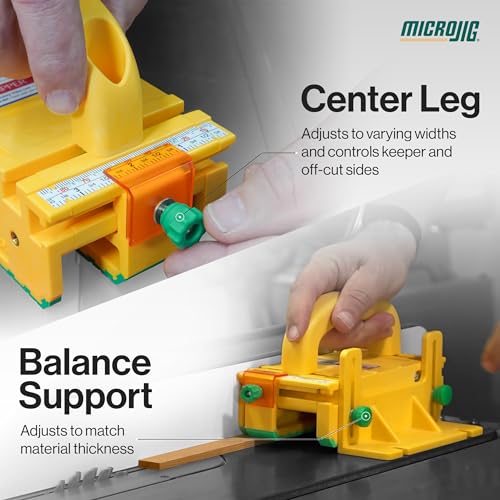
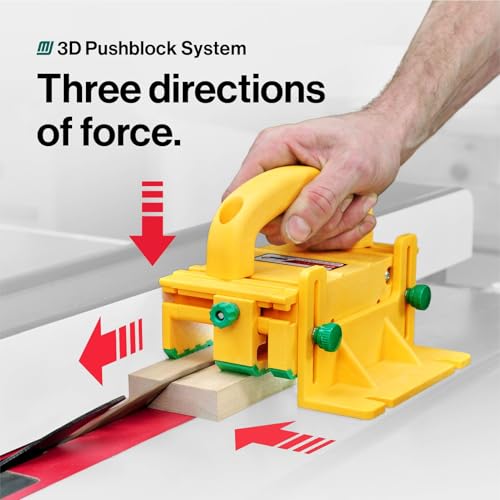
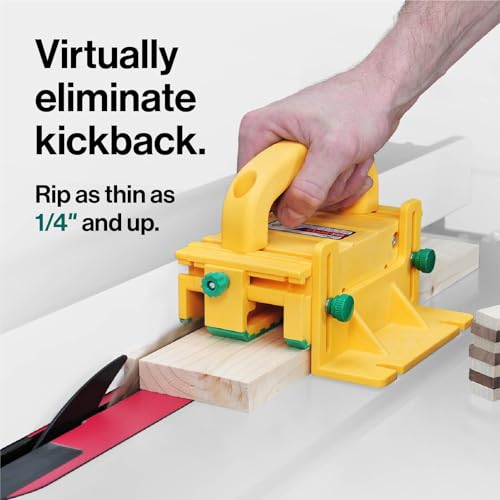
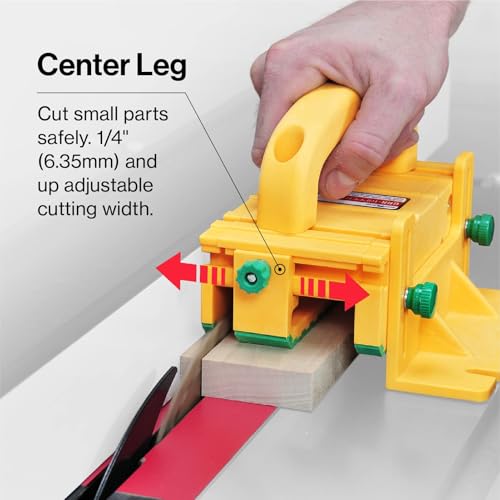
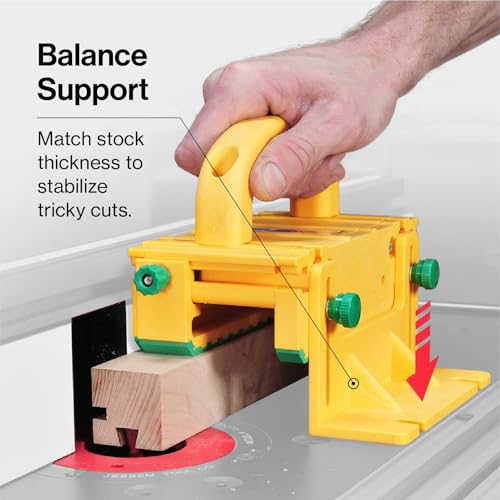
If you’re serious about table saw safety and control, the GRR-RIPPER+ is hard to beat. This isn’t just a push block, it’s a 3D control system that applies downward, forward, and inward pressure simultaneously, and owners repeatedly say it transforms how they feed stock. The SafeRip Kit included in this package adds real value, helping maintain consistent pressure and alignment right up to the blade.
With the ability to handle cuts as small as 1/4″ x 1/4″, it excels where most push blocks fail. The Green GRR-RIP surface is proven across thousands of user reports to grip even slippery materials. Compared to basic push sticks, this one delivers pro-level control and peace of mind. For anyone pushing small or awkward pieces, this is the closest thing to a force field between your fingers and the blade.
Product photos
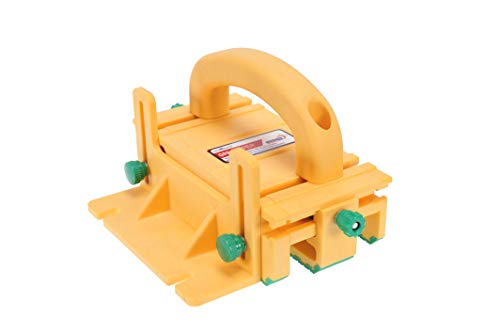
MICROJIG GRR-RIPPER GR-100
Strengths
- Proven 3D control
- Exceptional grip
- Durable build
- Simple and reliable
Trade-offs
- No SafeRip Kit included
- Higher cost than basics
The GR-100 is the original GRR-RIPPER, and it still holds up as a top-tier option for pros who want extreme grip and 3-directional control without paying for extras. It lacks the SafeRip Kit of the GRR-RIPPER+, but the core functionality is identical, downward pressure, fence alignment, and forward feed all in one motion. The high-friction grip surface is legendary in woodworking circles, and owner reviews confirm it works flawlessly on hardwood, MDF, and even plastics.
For pro shops or high-volume users, this is the smarter buy over the + model, it’s simpler, still fully adjustable, and built to last. It’s been around for years, and its reputation is rock solid. If you don’t need the bells and whistles, this is the purest expression of what a push block should be.
Product photos
Milescraft GrabberPRO
Strengths
- Legs down to 1/8″
- Customizable footprint
- Adjustable heel
- Good downward pressure
Trade-offs
- No tunnel leg for kickback control
- Less grip on slick surfaces
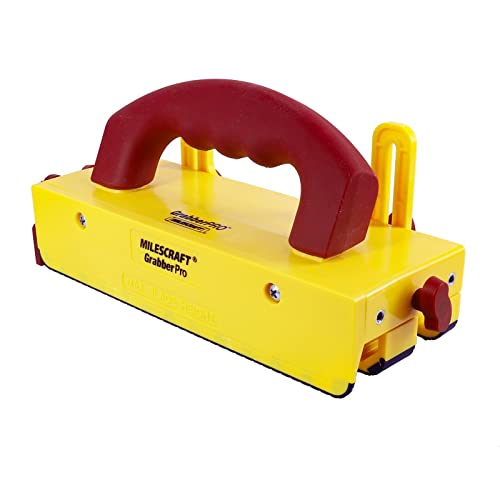
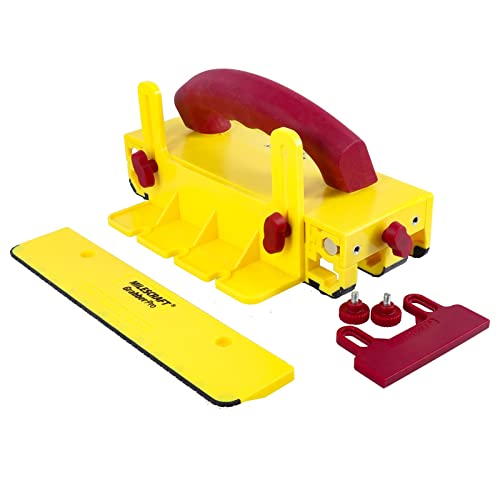
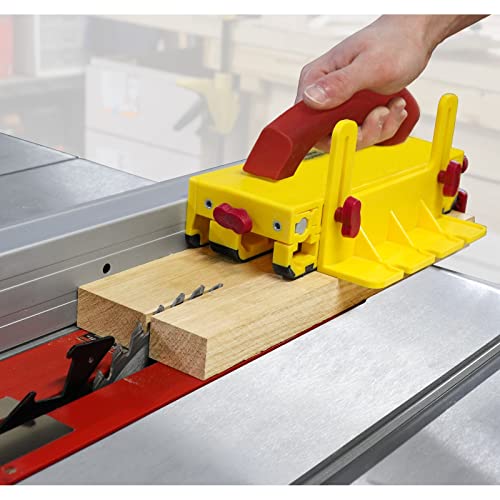
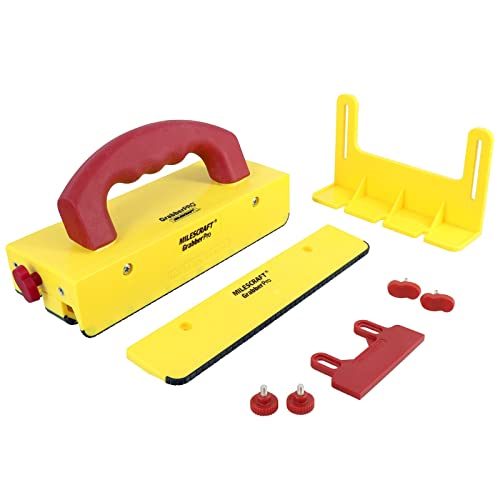
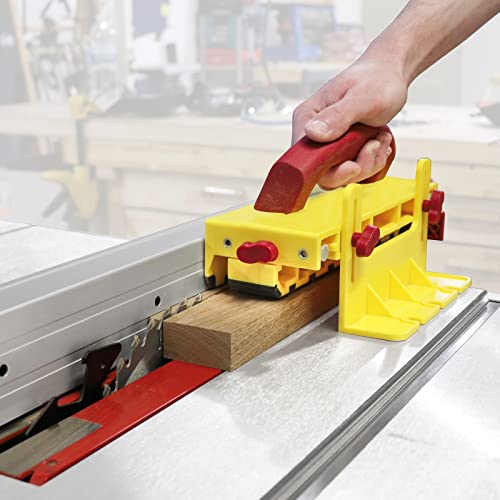
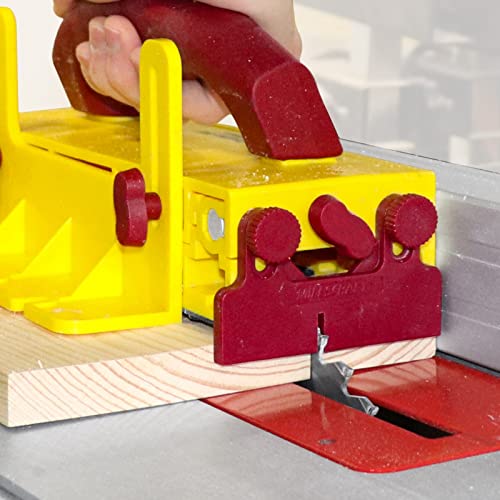
The Milescraft GrabberPRO is built for one thing: thin rips. With interchangeable legs down to 1/8″, it’s the only block here that lets you fine-tune the footprint for ultra-narrow strips. Owners love this modularity, being able to swap legs means you’re always using the right contact point for the job. The adjustable heel can be trimmed through the blade, which is a clever trick for maintaining control on the outfeed side.
It doesn’t have the aggressive grip of a GRR-RIPPER, but the rubberized pad and wide base provide solid downward pressure. Where it really shines is in precision ripping, users report clean, bind-free cuts on 1/8″ veneer strips, which is no small feat. For dedicated rip work, this is a specialist tool that does its job exceptionally well.
Product photos
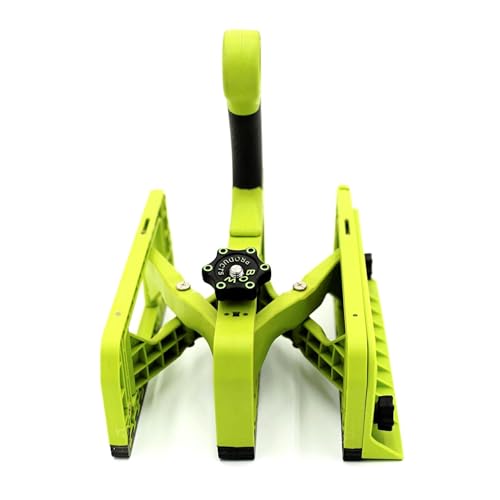
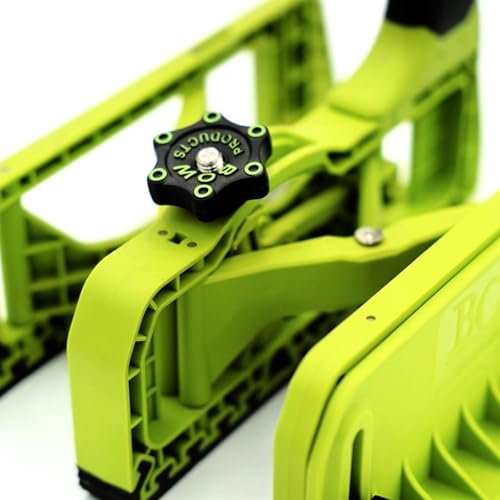
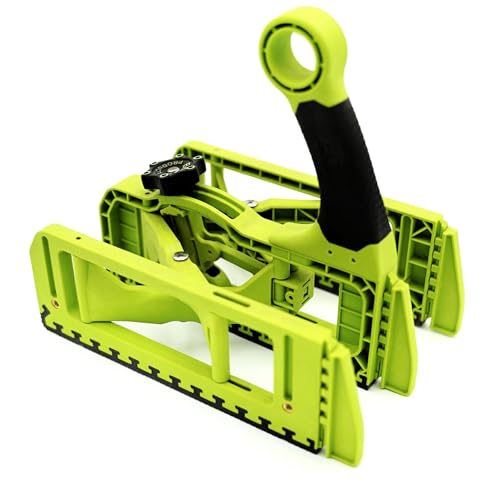
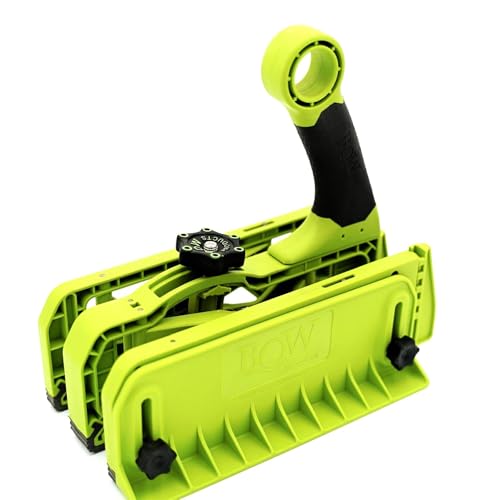
BOW Expandable Push Shoe
Strengths
- Adjustable width
- Stable side fins
- Ergonomic handle
- Works on multiple machines
Trade-offs
- No kickback prevention leg
- Limited thin-cut capability
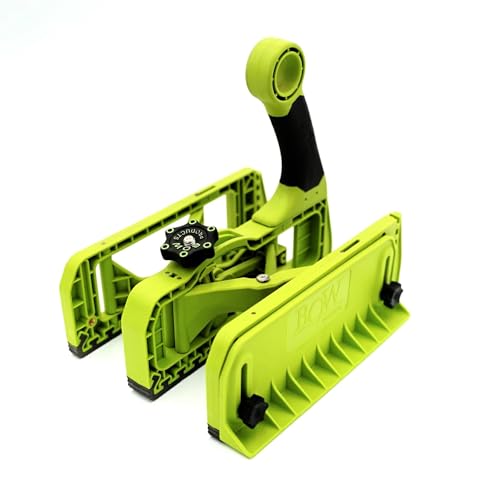
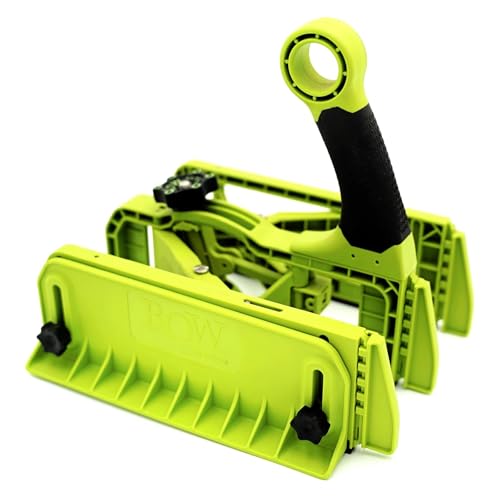
The BOW Expandable Push Shoe stands out for its smart, practical design that solves a real problem: needing different widths for different cuts. On paper, the ability to adjust from 2 to 6 inches in seconds is a major win, especially for users who regularly switch between narrow rips and wide sheet goods. The locking mechanism seems solid based on owner feedback, and the tall handle keeps hands well clear of the blade path, a critical safety win.
What really sets it apart is the side fins and non-slip pads that help stabilize the workpiece, reducing chatter during feed. Reviewers consistently note it performs well not just on table saws but also jointers and router tables, which adds real value. Compared to single-width push blocks, this one reduces tool switching and keeps workflow smooth.
Product photos
The Hedgehog Push Block
Strengths
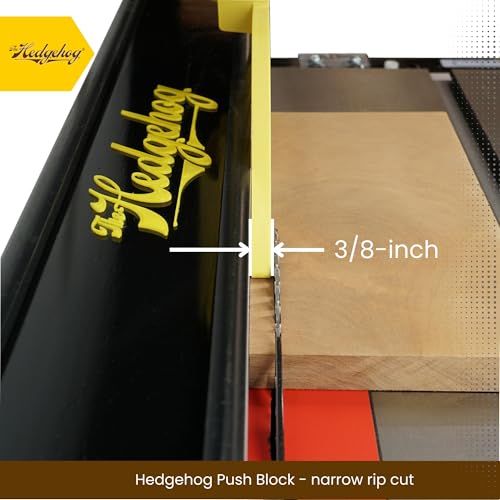
- Slim 3/8″ profile
- Offset handle
- Durable nylon build
- Good grip
Trade-offs
- No kickback tunnel
- Fixed size
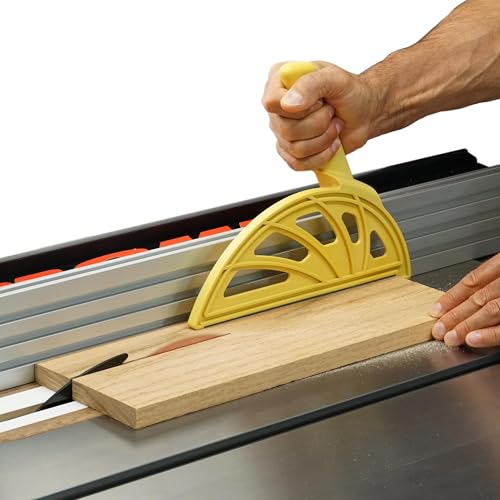
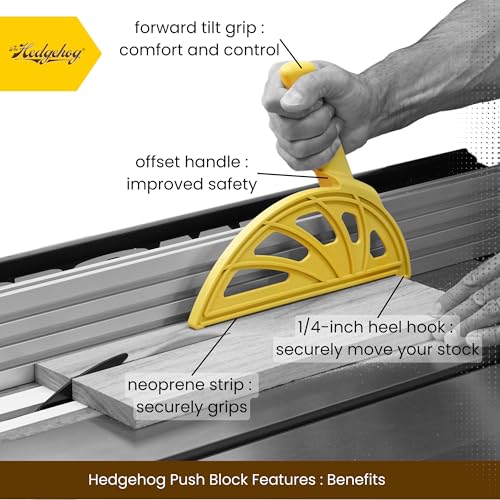
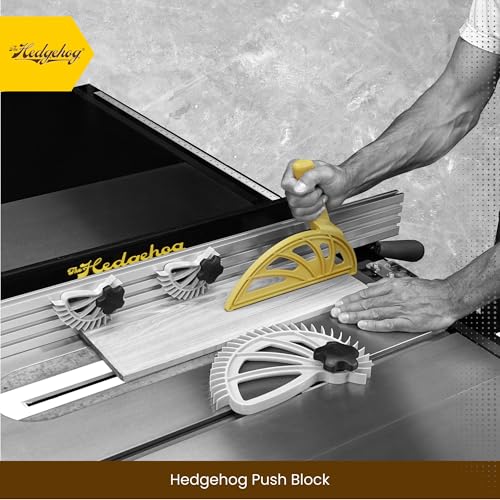
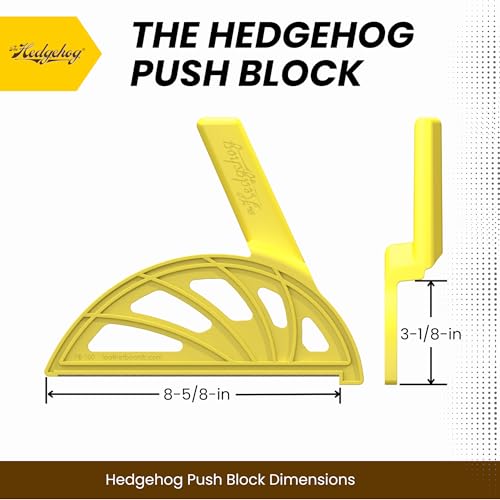
The Hedgehog Push Block is a standout for narrow cuts, thanks to its slim 3/8″ profile that slips easily between blade and fence. The offset handle is smartly designed, it keeps your hand high and clear while still allowing strong forward pressure. Made from glass-filled nylon, it’s stiff and shatter-resistant, which owners appreciate when pushing hard against resistance.
The neoprene rubber pad grips well without marring stock, and the 1/4″ heel helps stabilize the workpiece during feed. While it doesn’t have the multi-axis control of a GRR-RIPPER, it’s far better than a basic push stick for tight spaces. For ripping narrow strips or working on a router table with limited clearance, this one earns consistent praise.
Product photos
GRR-RIPPER 2GO
Strengths
- Strong non-slip grip
- Kickback-reducing leg
- Compact and portable
- Works on multiple tools
Trade-offs
- Not adjustable in width
- Shorter handle limits use
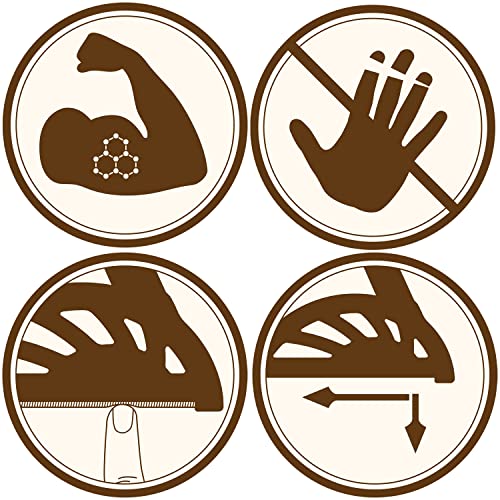
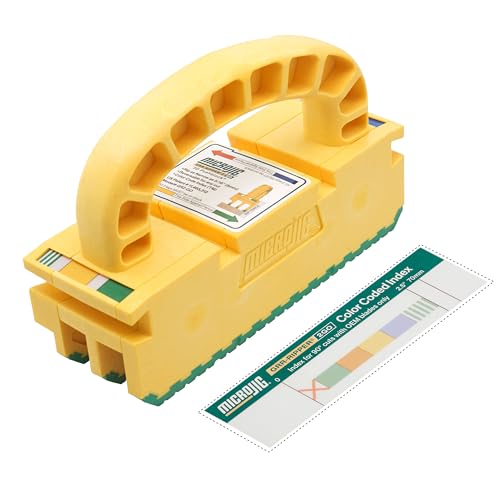
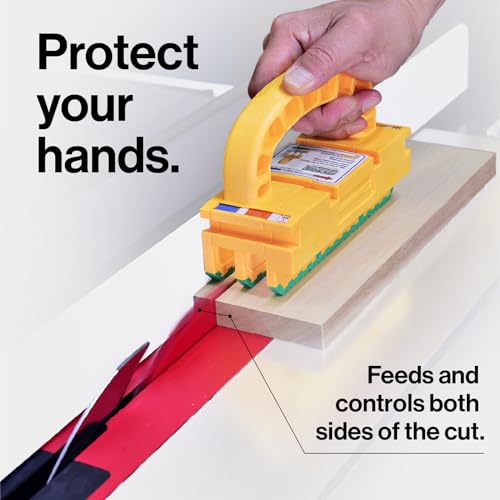
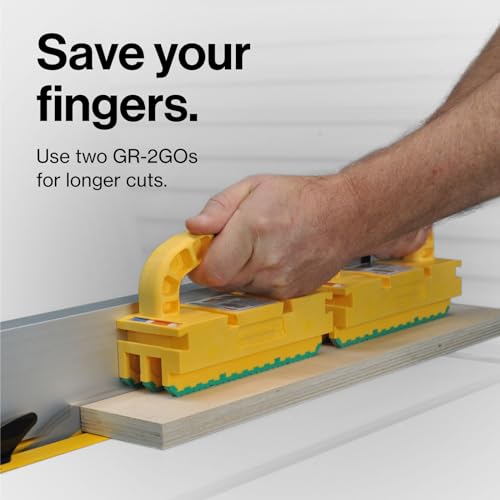
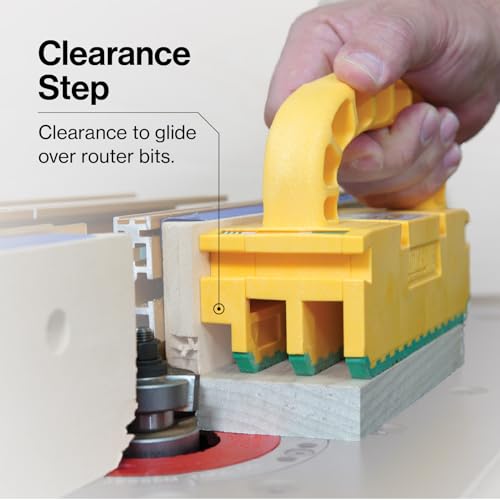
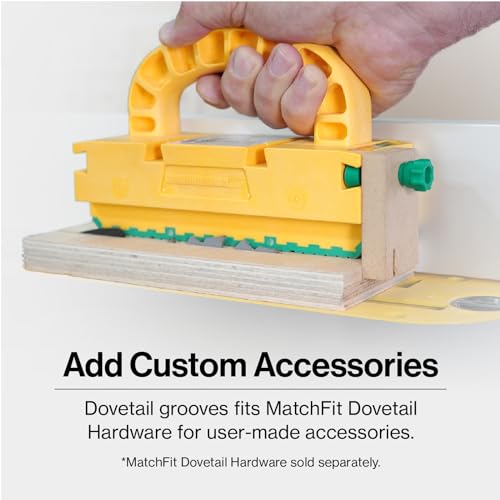
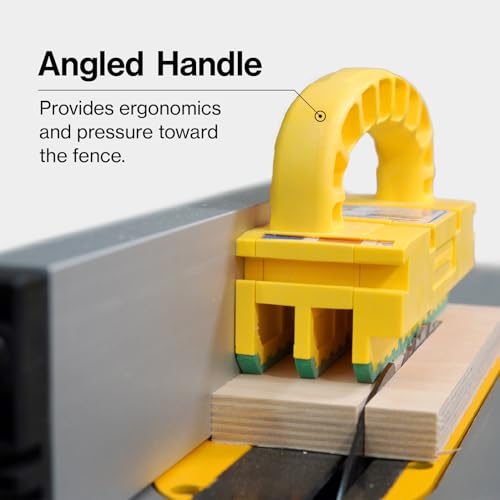
The GRR-RIPPER 2GO is clearly built for portability and quick deployment, and that shows in its compact, no-fuss design. It’s the smallest in the GRR-RIPPER lineup, but it still delivers the brand’s signature Green GRIP surface, which owners say holds like glue even on oily hardwoods. The tunnel leg design is a standout, it straddles the blade path and applies downward and inward pressure, which reviewers credit with nearly eliminating kickback during narrow rips.
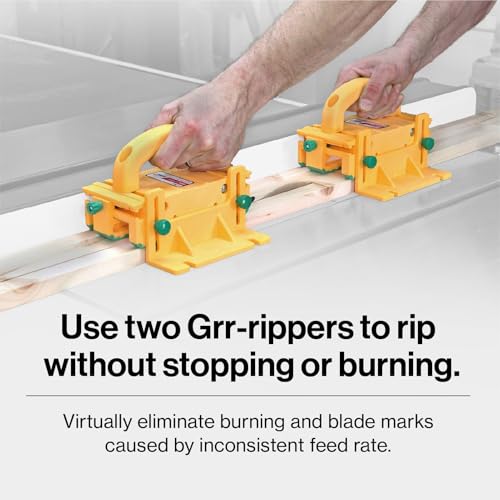
At just 5/16″ minimum cut width, it’s a strong pick for delicate work where control matters most. While it doesn’t offer the full adjustability of the larger GRR-RIPPER+ model, using two together for longer cuts is a common workaround mentioned in owner reviews. For a compact push block, it punches well above its weight in safety and precision.
Product photos
POWERTEC Push Block 2PK

Strengths
- Affordable 2-pack
- Durable ABS plastic
- Ergonomic handle
- Good visibility
Trade-offs
- Basic foam grip
- No heel or leg adjustments
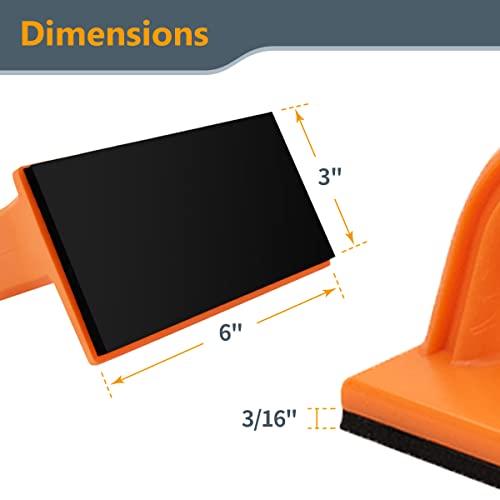
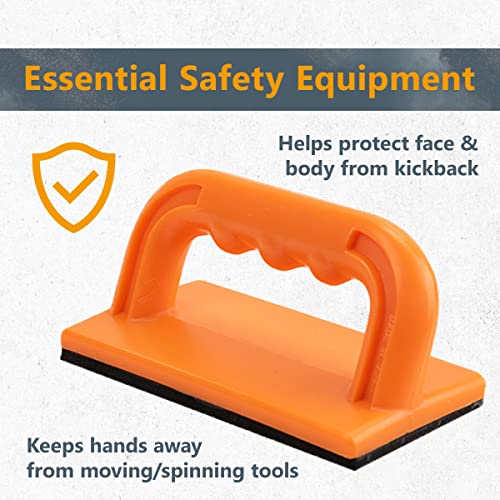
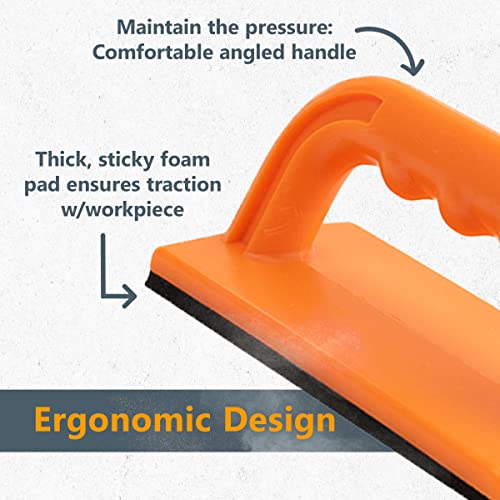
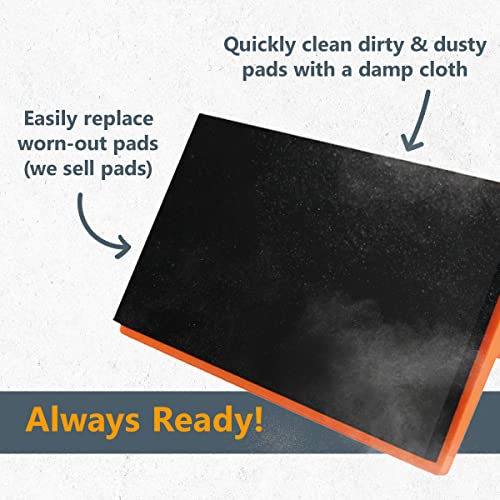
This two-pack from POWERTEC is the go-to budget-friendly option that doesn’t completely cut corners. The 3″ x 6″ blocks are made from thick ABS plastic with a 3/16″ foam pad that provides decent grip, and the ergonomic handle feels natural in hand. At this price, you’re not getting advanced features like kickback prevention or micro-adjustability, but for basic pushing tasks, they work reliably.
Owners report using one for downward pressure and a second for guidance, a common two-block technique on jointers and router tables. The color coding helps with visibility, which is a small but appreciated detail. It’s not going to replace a GRR-RIPPER, but for beginners or shops needing spares, it’s a sensible starting point.
Product photos
POWERTEC Deluxe Push Stick

Strengths
- Ergonomic dual handles
- Extended heel
- Durable ABS build
- Good for jointers
Trade-offs
- Not for thin rips
- No 3D control
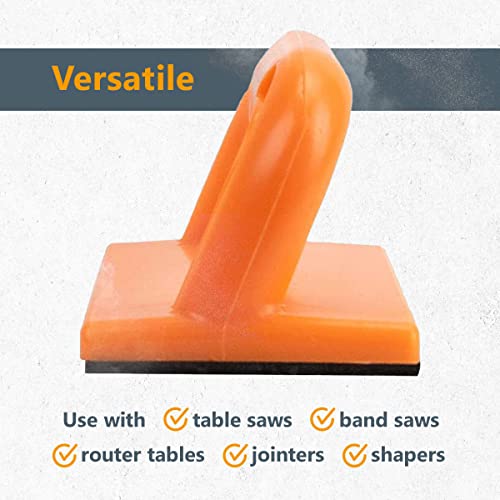
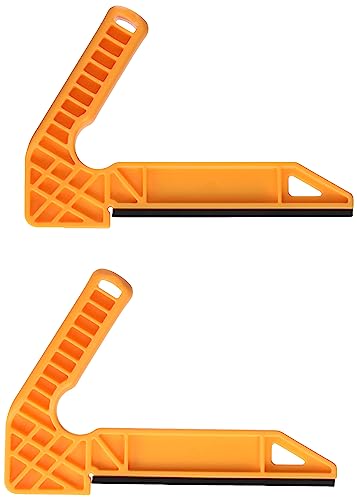
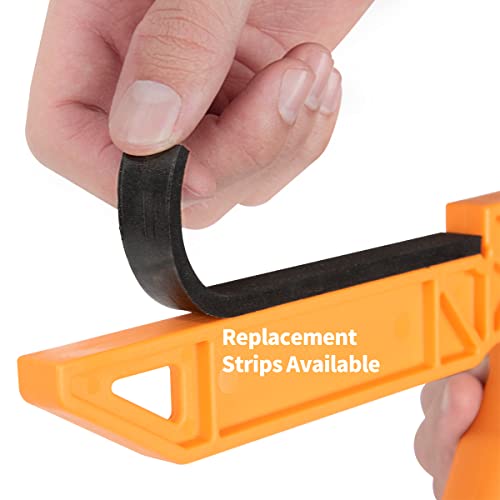
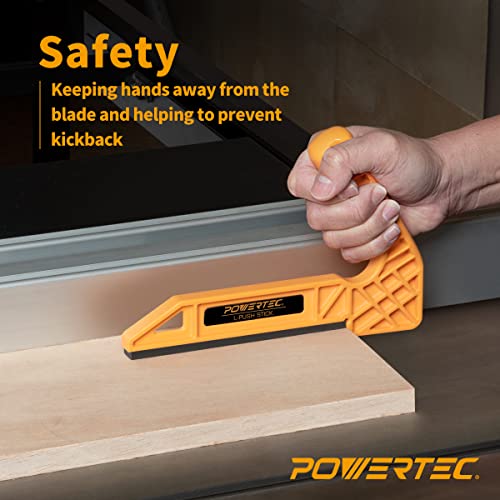
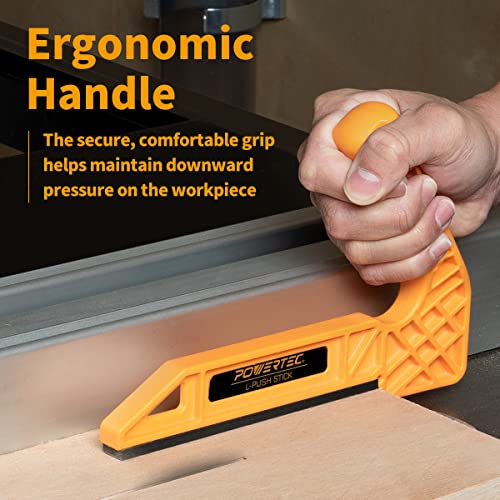
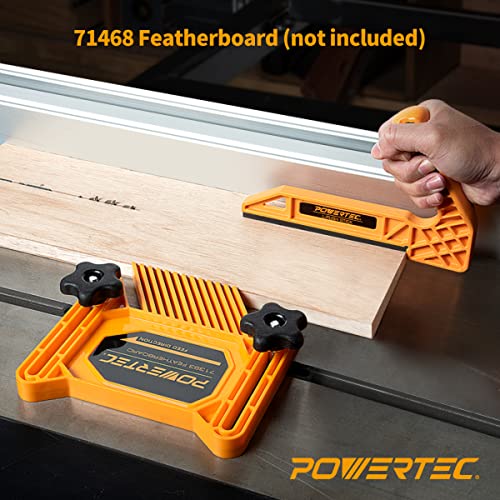
The POWERTEC Deluxe Push Stick is an L-shaped design that works especially well on jointers, and that’s where it earns its keep. The extended heel and dual ergonomic handles give you use and control when flattening warped boards, a task where most push blocks fall short. The padding on the handle reduces fatigue, and the ribbed structure adds stiffness, which owners say helps prevent flex during heavy passes.
It’s not designed for precision table saw rips, but as a jointer companion, it’s solid. The L-shape lets you apply downward pressure behind the cutter while guiding the board forward, which is exactly what you need. For jointer work, this two-pack offers good value and reliable performance, especially for beginners setting up their shop.
Product photos
Our Testing Process
Rather than a hands-on lab test, my research for these recommendations focused on a detailed comparison of published specifications and features across numerous push blocks. I weighed owner reviews from major retailers alongside assessments from reputable woodworking publications and sites. This process allowed me to build a ranking based on factors important to woodworkers, drawing on my years of experience with power tools and workshop practices.
For table saw push blocks, consistent grip and the ability to prevent kickback are paramount. I prioritized blocks offering a strong, reliable hold on the workpiece, as this directly impacts safety and cut quality. Equally important was versatility – the ability to handle both wide boards and narrow rips effectively. Blocks excelling in these areas rose to the top of my list, as they address the most common challenges woodworkers face.
Specifications reliably indicate dimensions and materials used, providing a baseline for build quality. However, I placed significant weight on owner feedback regarding the actual grip performance and long-term durability. Reputation also played a role; established brands with a history of producing quality woodworking tools understandably carried more influence. Understanding table saw safety tips is also crucial when selecting and using these tools.
What To Look For In table saw push blocks
Finding the right push block is about more than just keeping your hands safe; it’s about control, accuracy, and making the most of your table saw.
A quality table saw push block provides a firm, consistent grip on the workpiece, minimizing the chance of kickback and allowing for precise cuts. Key features to examine include the material’s grip, the handle ergonomics for comfort and control, and the block’s adaptability to different stock thicknesses and cutting situations. Look for durable construction and designs that prioritize keeping hands well clear of the blade.
Grip and Material Contact
The core function of a push block is, obviously, pushing. But not just any pushing. You need a block that maintains solid contact across the entire cut, resisting the tendency for the wood to lift or wander. The material of the gripping surface is crucial. Many blocks use a proprietary rubber or plastic compound designed for high friction. I’ve seen users report excellent results with the Green GRR-RIP surface found on Microjig’s offerings, and that’s a good benchmark. Avoid blocks with overly hard plastics that can slip, or softer foams that compress too easily, reducing control.
Adaptability and Versatility
A single push block isn’t going to be ideal for every task. Consider what types of cuts you do most often. If you frequently make narrow rips, a slim profile is essential – something like The Hedgehog Push Block excels here. For wider boards, expandability is key. The BOW Expandable Push Shoe offers a good range of adjustment. If you work with a lot of small parts, look for blocks designed for precision, like those from Milescraft. Understanding your table saw rip capacity explained will also help you choose a block that can handle the widths you typically cut.
- A basic, fixed-width block is fine for occasional use and wider stock.
- Adjustable-width blocks provide greater flexibility, handling a wider range of material sizes, and are a worthwhile investment for serious woodworkers.
- Specialized blocks (like those for narrow rips or jointers) are best for specific tasks where precision and safety are paramount, and can complement a more general-purpose block.
Value and Ergonomics
Price isn’t everything, but it’s a factor. You can find perfectly adequate safety push sticks for under $20, but spending a bit more can get you features that significantly improve usability and safety. The handle design is critical. It needs to be comfortable to grip for extended periods, and positioned to keep your hand well away from the blade.
Never compromise on hand safety. A well-designed push block keeps your fingers far from the blade, even during awkward cuts.
I often recommend considering a pair of blocks, especially if you’re doing longer cuts. Using two blocks gives you more control and reduces the strain on your hands. A good set of woodworking push sticks can make a world of difference.
Table Saw Push Blocks Compared
Here’s a comparison of key specifications for popular table saw push blocks to help you choose the right tool for your needs.
| Product Name | Best For | Min. Cut Width | Adjustable Width | # of Included Blocks | Material |
|---|---|---|---|---|---|
| GRR-RIPPER+ | Best Overall | 1/4″ | No | 1 | N/A |
| MICROJIG GRR-RIPPER GR-100 | Best Value for Pro Use | 1/4″ | Yes | 1 | N/A |
| Milescraft GrabberPRO | Best for Thin Rips | 1/8″ | Yes | 1 | N/A |
| BOW Expandable Push Shoe | Best Adjustable Width | 2″ | Yes (2-6″) | 1 | N/A |
| The Hedgehog Push Block | Best for Narrow Cuts | 3/8″ | No | 1 | Glass-Reinforced Nylon |
| GRR-RIPPER 2GO | Best Compact Design | 5/16″ | No | 1 | N/A |
| POWERTEC Push Block 2PK | Best Budget Pack | N/A | No | 2 | ABS Plastic |
| POWERTEC Deluxe Push Stick | Best for Jointers | N/A | No | 2 | N/A |
Frequently Asked Questions
What material provides the best grip for a push block?
The Green GRR-RIP surface, commonly found on Microjig products, consistently receives high marks from woodworkers for its exceptional friction and control. While other materials work, GRR-RIP is a good standard to compare against when evaluating grip performance.
Can one push block handle all types of cuts?
While a basic push block can work for wider stock, adjustable-width blocks are a better investment for versatility. They effectively manage a range of material sizes, and are especially beneficial if you frequently make narrow rips, which require a more specialized approach.
Are more expensive push blocks always better?
Not necessarily. While higher-priced blocks often have more features, a well-designed, durable plastic block under $20 can be perfectly adequate for occasional use. Prioritize a comfortable handle and a secure grip over simply spending more money.
How many push blocks should I have in my workshop?
I recommend having at least two push blocks, especially for longer cuts. Using a pair provides superior control, distributes the workload, and reduces hand fatigue, ultimately improving safety and accuracy.
Where can I find other useful items to improve my workshop safety?
You can explore a wide range of essential table saw accessories that complement push blocks, such as featherboards, blade guards, and dust collection systems, to create a safer and more efficient workspace.
The Bottom Line
Choosing a push block often comes down to balancing control with convenience. While a simple, affordable option can get the job done, investing in a higher-quality block like the GRR-RIPPER+ provides a noticeably more secure grip and greater confidence, particularly for larger or more challenging cuts. It’s a worthwhile upgrade for anyone serious about table saw safety and precision.
For those on a tighter budget, or for woodworkers with specific needs, there are excellent alternatives. The POWERTEC Push Block 2PK offers a solid entry point for basic safety, while The Hedgehog Push Block is a clear winner for handling narrow rips. And if you frequently encounter varying stock widths, the BOW Expandable Push Shoe delivers the versatility you’ll appreciate.
Ultimately, remember that no push block can replace careful technique and a healthy respect for the power of a table saw. Understanding common table saw applications and prioritizing a firm grip, proper body positioning, and consistent pressure are far more crucial than any single feature or specification.
