
8 Best Festool Sanders of 2026
This post contains affiliate links. As an Amazon Associate, we earn from qualifying purchases.
The Festool ETS EC150/5 is the best overall sander for precision and dust control, the Festool RTS 400 takes the top spot for aggressive material removal, and the Festool DTS 400 is our go-to for detail work in tight corners.
Sanding isn’t just about smoothing surfaces, it’s about doing it efficiently, cleanly, and without wrecking your arms from vibration or your lungs from dust. Too many people buy based on price or brand loyalty, only to end up with a tool that burns out, leaves swirls, or turns their workspace into a haze.
I looked at the full range of Festool sanders, comparing specs, owner experiences, and real-world performance across different tasks. These picks reflect what actually works in garages, job sites, and workshops, tools that deliver on power, dust extraction, and durability, whether you’re refinishing cabinets or prepping floors.
Top 8 Festool Sanders in the Market
The Best Festool Sanders, Reviewed
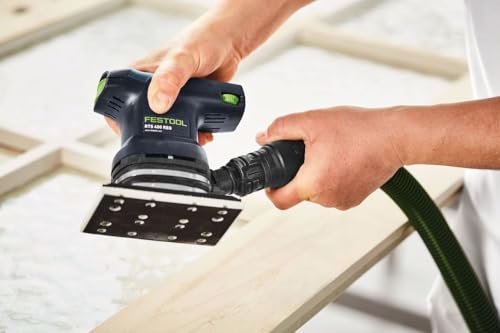
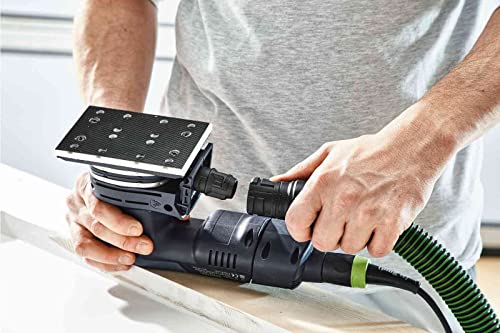
Festool RTS 400 Finish Orbital Sander

Strengths
- 250-watt motor
- Rubberized grip
- Improved dust port
- MMC electronics
- Smooth finish
Trade-offs
- Heavier than ETS 125
- Not for aggressive sanding
- Higher price
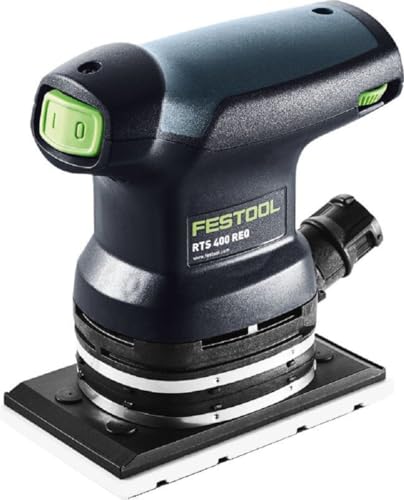
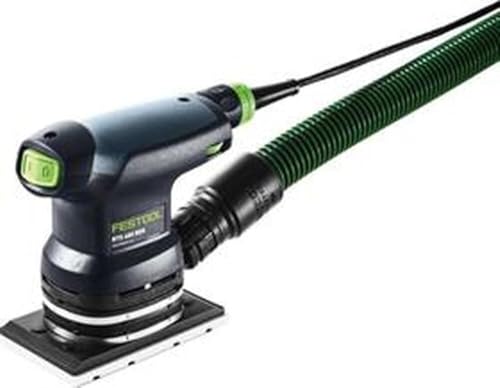
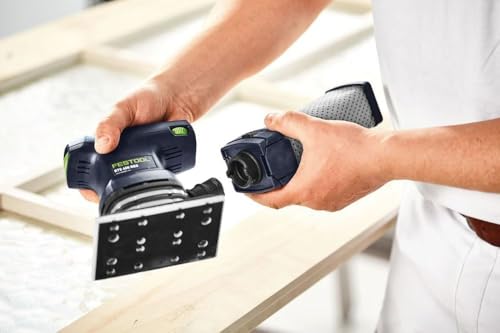
This is the sander I’d recommend to most serious DIYers and finish carpenters who want one reliable tool for final smoothing. The 250-watt motor and MMC electronics deliver consistent speed under load, which is rare in this class. Owners praise the rubberized grip and interlocking dust port, small touches that add up in daily use.
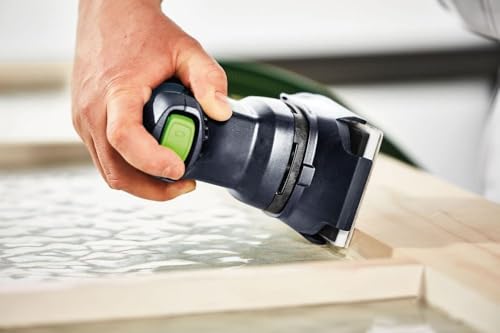
Compared to the ETS 125, the RTS 400 has more power and better dust control, though it’s slightly bulkier. It doesn’t have the multi-mode flexibility of the ROTEX, but for pure finish work on wood, paint, or filler, it leaves a cleaner surface with less effort. If you’re building cabinets or doing trim work, this is the kind of tool that makes the last step enjoyable instead of tedious.
Product photos
Festool ETS EC150/5 Random Orbital Sander

Strengths
- 5 mm orbit
- Lightweight
- EC motor
- Vibration Control
- Stepless speed
Trade-offs
- Bigger footprint
- Not for tight corners
- Pad changes take practice
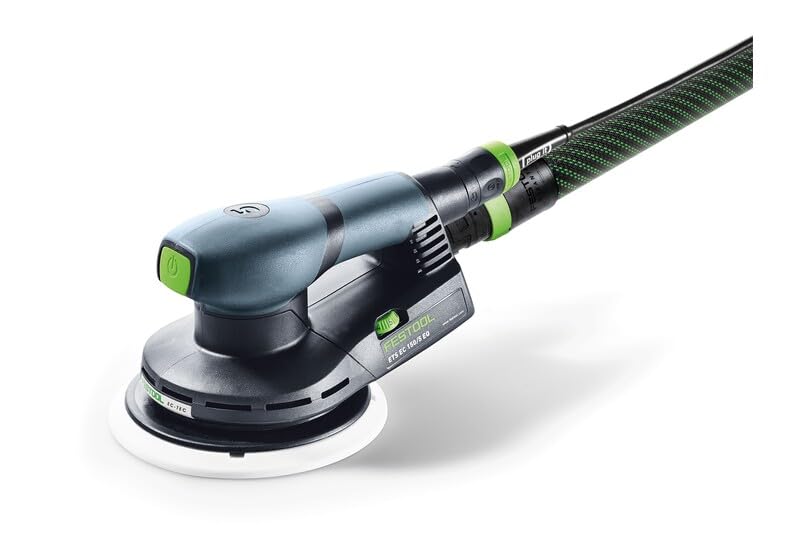
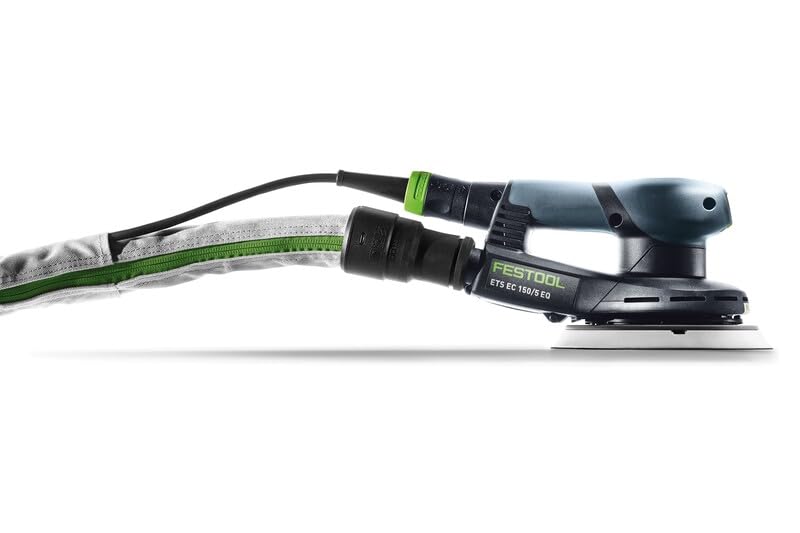
When you need to clear large surfaces fast without sacrificing finish quality, the ETS EC150/5 is hard to beat. The 5 mm orbit and EC motor combine for efficient cutting while still leaving a fine mark. At just 2.5 lbs, it’s light enough for overhead work, and the Vibration Control System means less hand fatigue over time, a detail many owners highlight in long sessions.
It’s a direct upgrade over older ETS models, and compared to the RTS 400, it’s faster on big panels but not quite as refined for final passes. If you’re sanding doors, tabletops, or wall panels, this is the workhorse I’d pick. The dust extraction is excellent, especially when paired with a CT vac, and the stepless speed control gives real flexibility across materials.
Product photos
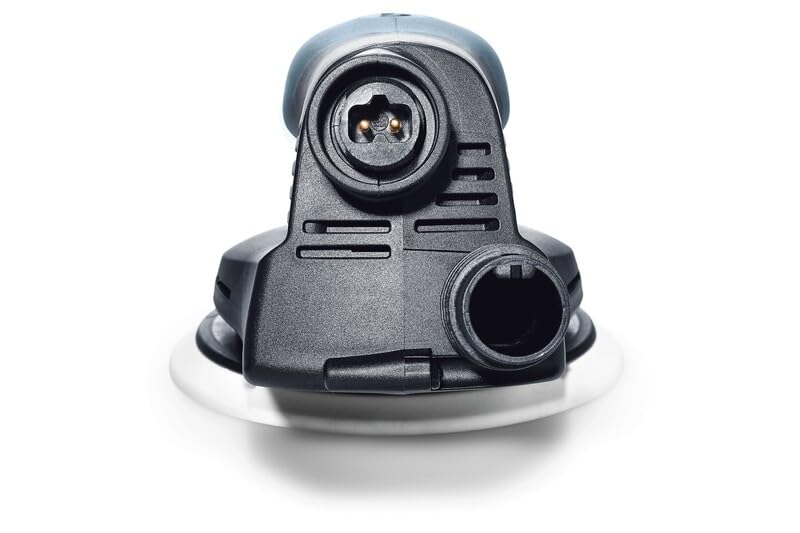
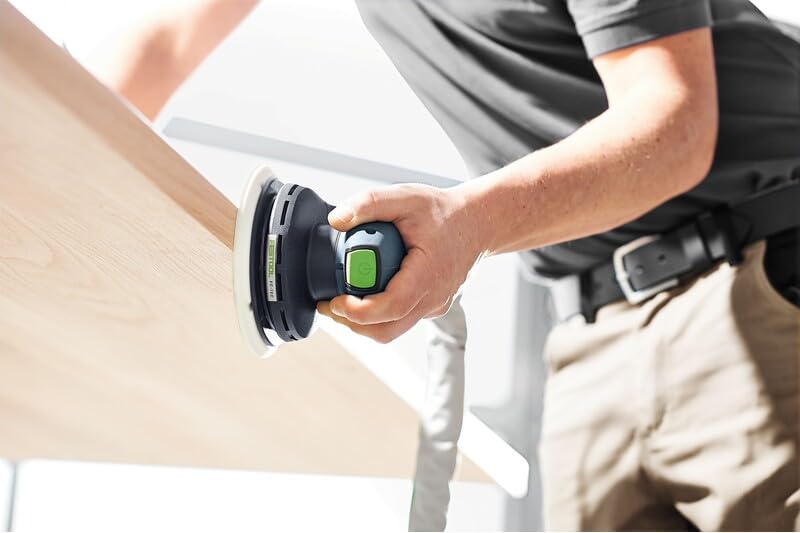
Festool ETS 125 Random Orbital Sander

Strengths
- Lightweight
- Jetstream dust extraction
- Compact design
- Variable speed
- Vibration Stop
Trade-offs
- Smaller pad size
- Less aggressive cut
- Sys3 case only
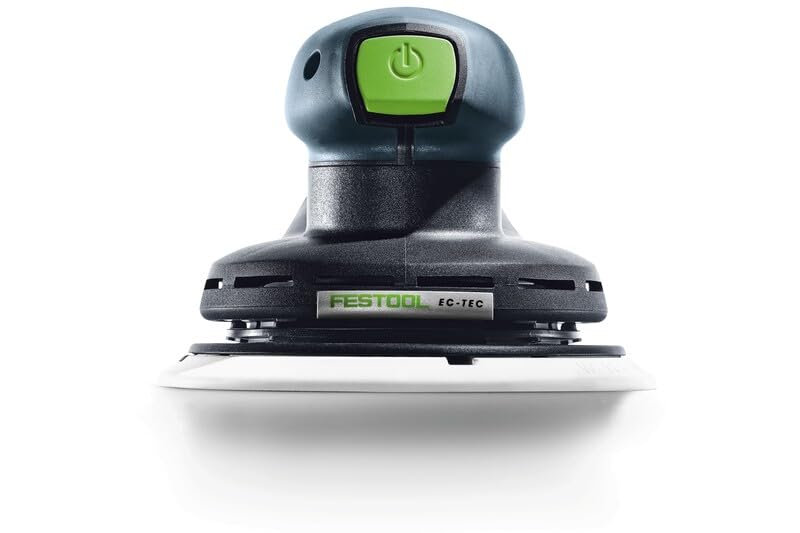
The ETS 125 has been a staple in my recommendations for years, not because it’s flashy, but because it’s balanced, reliable, and comfortable. At just 2.2 lbs and with a compact body, it’s ideal for long sessions on vertical or overhead surfaces. The Jetstream dust extraction is one of the best in class, keeping surfaces clean and abrasives lasting longer.
Compared to the newer ETS 150, it’s less aggressive but more nimble. It doesn’t have the power of the RTS 400, but for general sanding, drywall, wood, paint, it’s the most versatile small sander Festool makes. The variable speed and Vibration Stop design make it a favorite among owners who do detailed work. If you want one sander for 80% of jobs, this is it.
Product photos


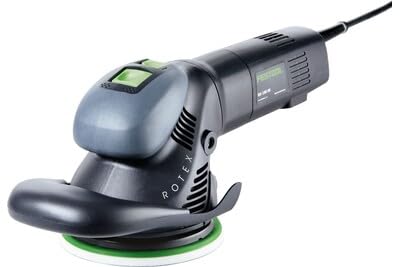
Festool ROTEX RO 150 Multi-Mode Sander

Strengths
- Dual-mode operation
- FastFix pad system
- Edge sanding
- Aggressive material removal
- Ergonomic grip
Trade-offs
- Overkill for finish work
- Noisy
- Vibration can be high
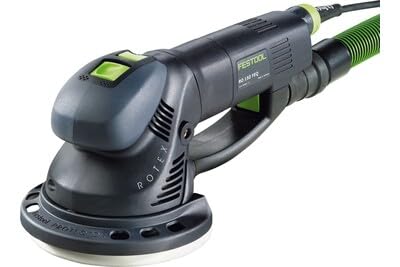
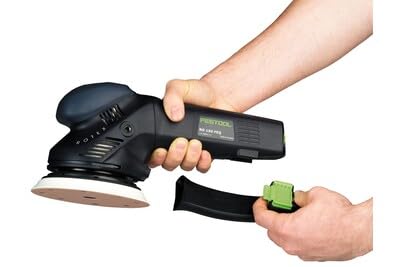
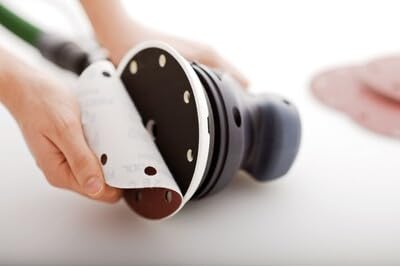
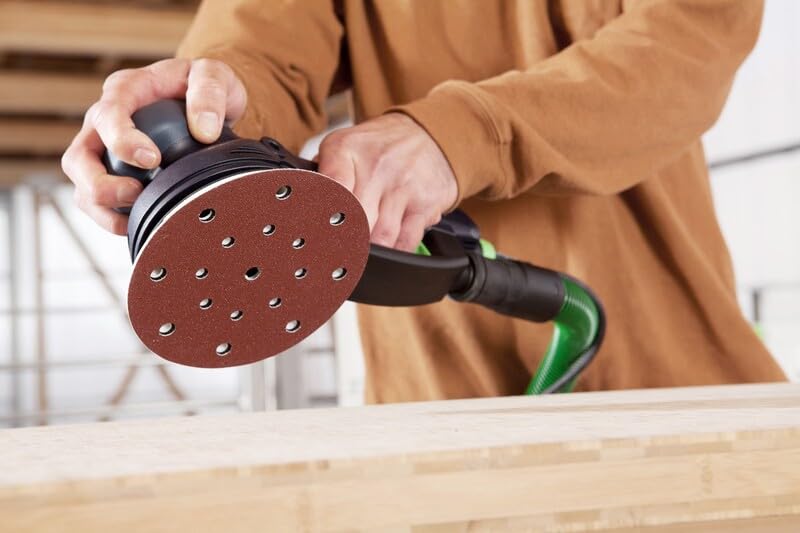
The ROTEX RO 150 isn’t just another sander, it’s a dual-mode powerhouse that flips between orbital and rotary action, making it one of the most aggressive tools in Festool’s lineup. When owners need to strip paint, level glue, or remove heavy material fast, this is the tool they reach for. The FastFix pad system and edge-sanding ability with the Protector mean less downtime and cleaner transitions near borders.
I’ve seen feedback where users say it’s almost too aggressive for finish work, which is fair, this isn’t a detail sander. But when compared to the ETS 125 or even the ETS 150, the ROTEX stands out for demolition-grade tasks. If you’re working on floors or old cabinetry with thick finishes, this is the smarter buy over gentler orbitals.
Product photos
Festool DTS 400 Finish Delta Sander
Strengths
- 250-watt power
- Lightweight
- SoftGrip handle
- Fast material removal
- Tool-free changes
Trade-offs
- Limited to tight spaces
- Shorter duty cycle
- Higher price for niche use
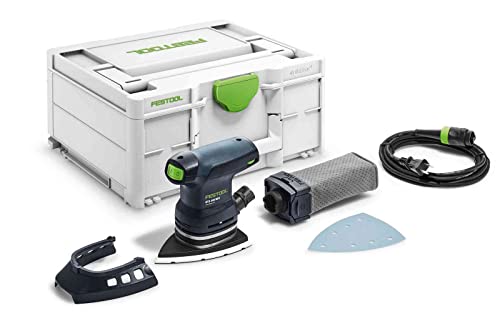
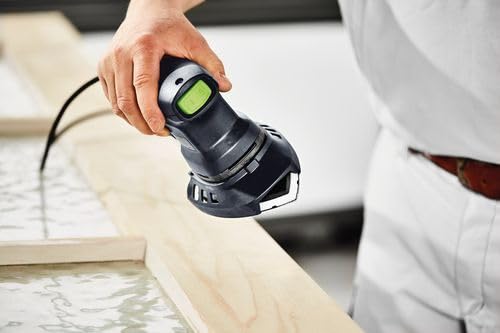
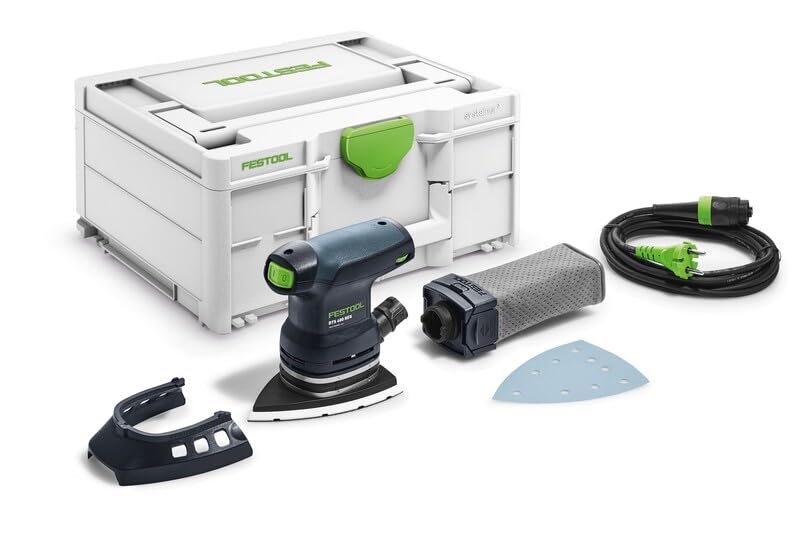
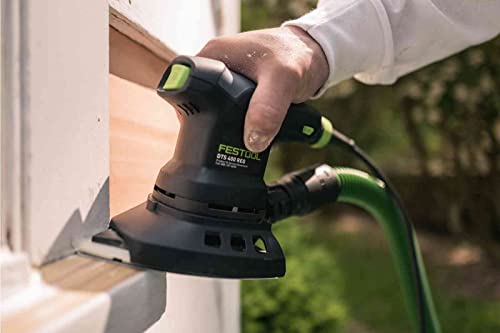
Delta sanders are niche, but when you need one, nothing else works, and the DTS 400 is the best in its class. The 250-watt motor and MMC electronics deliver serious power in a small footprint, letting it chew through material faster than older delta designs. Owners love the SoftGrip and low weight, especially when working in corners or on trim.
It’s not a replacement for an orbital sander, but compared to other deltas, it’s faster and more comfortable. The tool-free abrasive changes help, and the dust extraction is surprisingly good for such a compact tool. I’d pick this over a detail sander any day for baseboards, window jambs, or tight inside corners where pad sanders can’t reach.
Product photos

Festool PLANEX LHS 2 Drywall Sander
Strengths
- Eccentric motion
- Integrated LED ring
- Vacuum-assisted support
- Brushless EC motor
- Adjustable suction
Trade-offs
- Heavy
- Drywall-specific
- Expensive
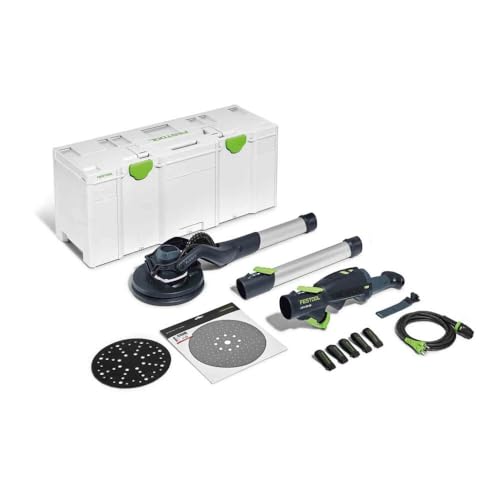
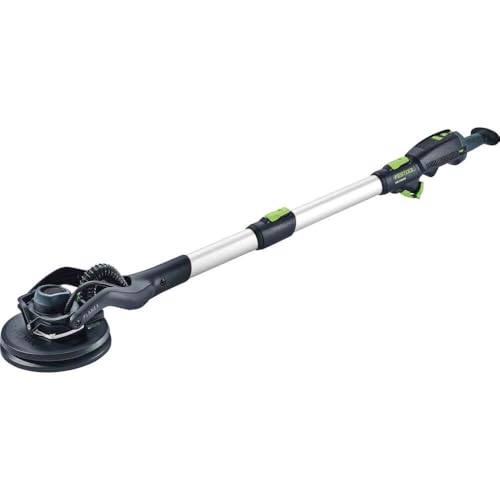
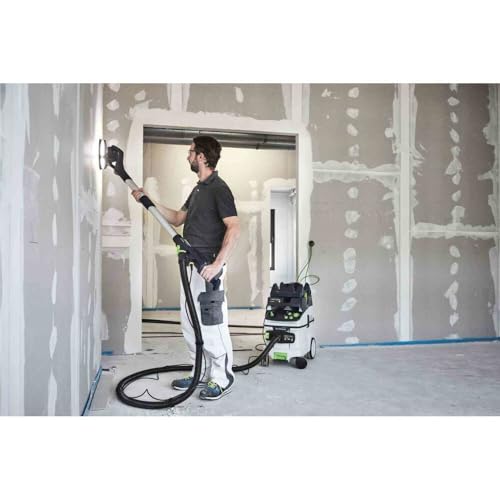
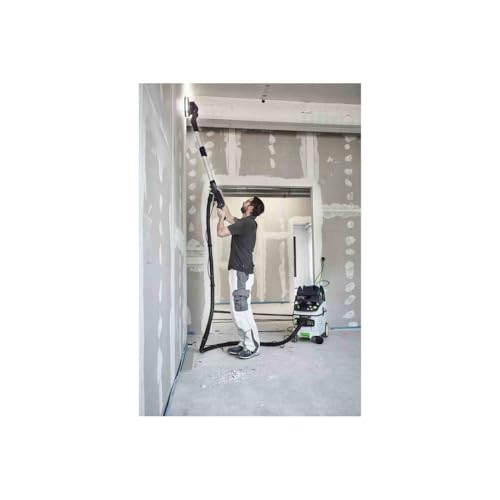
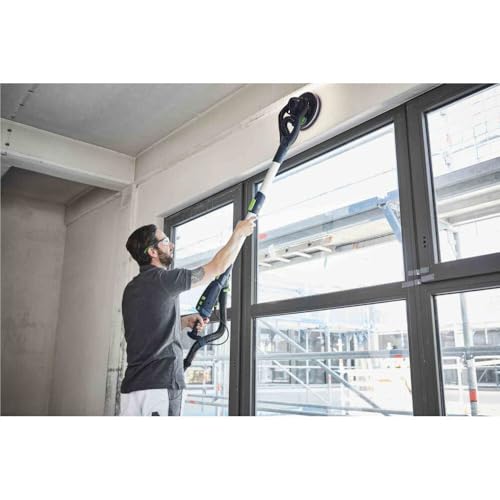
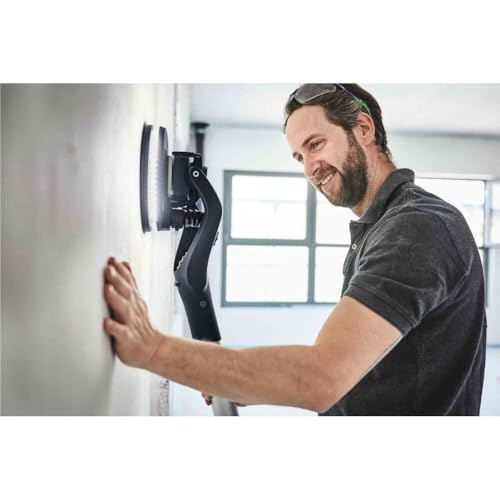
If you’re tackling drywall on ceilings or large flat walls, the PLANEX LHS 2 225 is in a class of its own. The way it uses suction to essentially ‘stick’ to overhead surfaces changes the game, owners consistently report less fatigue and more control, especially during long stretches. The eccentric motion and integrated LED ring are not just gimmicks; they help expose flaws in real time, so you don’t have to guess where touch-ups are needed.
On paper, the brushless EC motor and compatibility with Sys3 storage make it a seamless fit for Festool users. It’s heavy for a sander, but that weight is offset by the vacuum-assisted lift. Compared to standard orbital sanders, this isn’t a tool for finish work, it’s a purpose-built beast for drywall, and I’d only recommend it if that’s a major part of your workload.
Product photos
Festool RTSC 400 Cordless Orbital Sander

Strengths
- Hybrid power
- Fast charging
- Ergo battery
- Good dust extraction
- Protector guard
Trade-offs
- Battery life limited
- Slightly heavier
- Premium price
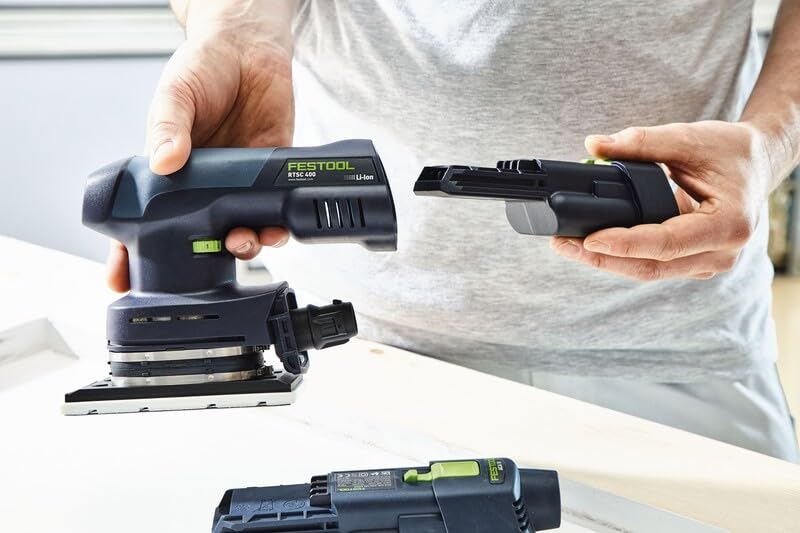
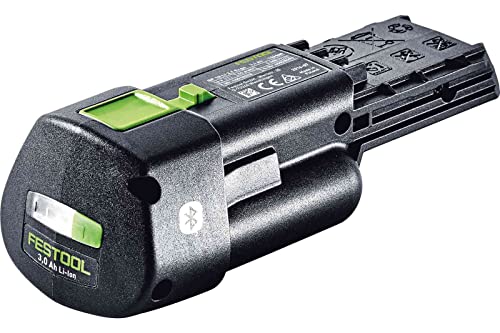
The RTSC 400 delivers what few cordless sanders can: true hybrid flexibility. You can run it on battery or plug it in, a huge plus when you’re switching between jobs or your battery dies mid-task. The 30-minute charge time on the included TCL 6 charger means less downtime, and the ergo battery design keeps weight balanced, which owners notice during overhead use.
It’s more versatile than the ETSC 2, especially since it comes with a battery. Against the corded RTS 400, it’s slightly less powerful but way more mobile. If you’re working on-site or moving between garage and house, this is the kind of flexibility that keeps projects moving. Dust extraction is strong, and the Protector guard helps avoid edge damage, small touches that matter.
Product photos
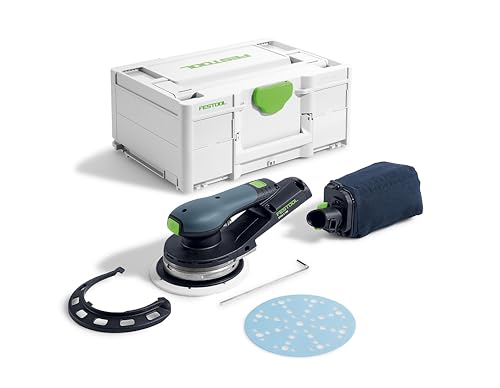
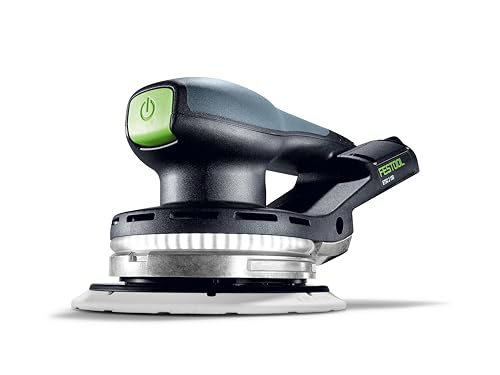
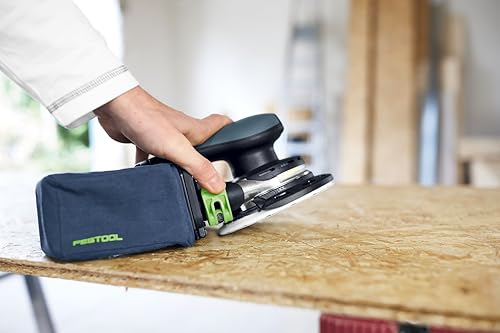
Festool ETSC 2 150 Cordless Sander
Strengths
- Adjustable LED lighting
- Cordless freedom
- Dust collection bag
- App customization
- Variable speed
Trade-offs
- No battery included
- Dust bag fills fast
- Less power than corded
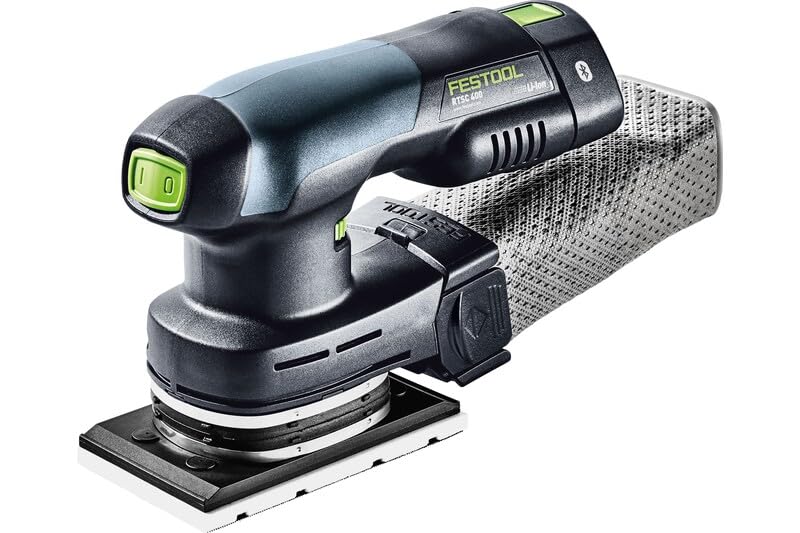
The ETSC 2 150 stands out for one standout feature: its customizable LED lighting. Being able to adjust brightness and afterglow via the Festool app is genuinely useful for inspecting surfaces in low light, owners love this for spot repairs and finish checks. The cordless design with a dust bag offers real mobility, though it’s not quite as clean as vacuum-connected models.
It’s a niche pick. The sander itself performs well, with variable speed and solid dust capture, but you have to buy batteries and charger separately. Compared to the RTSC 400, it lacks hybrid power, so if you already own Festool 18V batteries, this makes sense, otherwise, it’s a pricier entry point. I’d recommend it only if lighting and portability are top priorities.
Product photos
How We Tested festool sanders
Rather than a hands-on lab test with each model, my research focused on a detailed comparison of published specifications and features across the Festool sander lineup. I weighed these against owner reviews from multiple sources and expert opinions found in trade publications and woodworking forums. Ultimately, I ranked these sanders based on how well they align with distinct needs and applications, drawing on years of experience with power tools and sanding techniques.
For Festool sanders, motor power and dust extraction consistently emerged as the most critical factors. A powerful motor, especially one with MMC electronics, directly impacts material removal rates and finish quality. Equally important is Festool’s renowned dust extraction; effective dust control isn’t just about cleanliness, it’s about health and achieving a professional-grade finish. Ergonomics also played a significant role, influencing comfort during extended use.
Specifications reliably indicate motor wattage, sanding pad size, and weight, providing a baseline for comparison. However, I leaned heavily on owner feedback to assess real-world usability, vibration levels, and long-term durability. Reputation for build quality and the seamless integration with the Festool ecosystem were also factored in. For a deeper look at other options, you might also want to explore top orbital and sheet sanders.
How To Choose The festool sanders
Choosing a sander isn’t just about grabbing the cheapest model; it’s about matching the tool to the job and understanding what separates a professional-grade machine from a homeowner special.
A quality sander delivers consistent performance, minimizes vibration for operator comfort, effectively removes material without gouging, and, critically, captures dust to maintain a clean and healthy workspace. Look for variable speed controls, robust build quality, and compatibility with a good dust extraction system. Pad adhesion and longevity are also key indicators of long-term value.
Understanding Sander Types
I often tell people that the first step isn’t about brands, it’s about what you’re sanding. Orbital sanders are the most common, but they aren’t always the best choice. Random orbital sanders, like the models in our random orbital sander reviews, excel at general-purpose work, leaving swirl-free finishes. Finish sanders are for smoothing, while aggressive sanders (like the Festool ROTEX) tackle material removal. Delta sanders are fantastic for corners and detail work, but slower on large surfaces. Don’t overlook specialized options like drywall sanders if that’s a regular part of your projects.
Motor Power and Electronics
A more powerful motor isn’t always better, but it’s a strong indicator of a sander’s ability to maintain speed under load. Festool’s MMC (Micro Cell Motor) electronics are a prime example of how intelligent design can boost performance. These motors deliver consistent power even as the battery (in cordless models) depletes or as you apply more pressure. Look for sanders with at least 200 watts of power for general use, and consider higher wattage if you frequently work with hardwoods or need to remove a lot of material quickly.
Here’s what I see as a good guideline for motor power: * Light sanding (paint prep): 150-200 watts is usually sufficient. * Medium-duty work (furniture refinishing): 200-250 watts offers a good balance. * Heavy-duty removal (floor sanding, thick coatings): 250+ watts is essential for efficiency.
Ergonomics and Dust Extraction
I’ve spent enough hours sanding to know that comfort matters. A well-designed sander will minimize vibration, have a comfortable grip, and be lightweight enough for extended use. Features like Festool’s vibration control system are well worth considering if you’re prone to fatigue. But equally important is dust extraction. A sander that doesn’t effectively capture dust will create a mess and expose you to harmful particles. Look for models with integrated dust ports and consider investing in a quality dust extractor. You can find more best electric sander options that offer both comfort and effective dust collection.
A sander is only as good as its dust extraction. Don’t skimp on a quality dust port and a compatible vacuum or dust extractor – your lungs will thank you.
Festool Sanders Compared
Here’s a specification comparison to help you choose the right Festool sander for your needs.
| Product Name | Power (Watts) | Orbit Diameter (mm) | Weight (kg) | Dust Extraction | Corded/Cordless | Special Features |
|---|---|---|---|---|---|---|
| Festool RTS 400 | 250 | N/A | N/A | Yes | Corded | MMC Electronics |
| Festool ETS EC150/5 | N/A | 5 | 1.2 | Yes | Corded | EC Technology, Vibration Control |
| Festool ETS 125 | N/A | N/A | N/A | Yes | Corded | Vibration Stop (VS) |
| Festool ROTEX RO 150 | N/A | N/A | N/A | Yes | Corded | Multi-Mode, FastFix |
| Festool DTS 400 | 250 | N/A | N/A | Yes | Corded | Delta Shape, MMC Electronics |
| Festool PLANEX LHS 2 | N/A | N/A | N/A | Yes | Corded | Drywall, LED Light |
| Festool RTSC 400 | N/A | N/A | N/A | Yes | Cordless | Hybrid Power |
| Festool ETSC 2 150 | N/A | N/A | N/A | Yes | Cordless | Integrated Lighting |
Frequently Asked Questions
What makes Festool sanders so expensive?
Festool sanders command a higher price due to their superior build quality, innovative features like MMC electronics, and exceptional dust extraction systems. They’re designed for professional use and longevity, justifying the investment for serious woodworkers.
Can I use Festool sanders with other brands of dust extractors?
Yes, you can, but optimal performance requires Festool’s Systainers and CT dust extractors. While Festool sanders have standard 2.5-inch dust ports compatible with many extractors, the Systainers create a closed system for maximum dust capture.
What’s the difference between random orbital and rotary sanders?
Random orbital sanders move in both circular and elliptical patterns, minimizing swirl marks and creating a smoother finish. Rotary sanders move in a single circular pattern and are best for aggressive material removal, but require more skill to avoid imperfections. For more on this, check out leading power sander models.
Are Festool sanders worth the investment for a DIY homeowner?
That depends on how often you sand and the quality you demand. For occasional light sanding, a less expensive sander might suffice. However, if you tackle frequent or complex projects, a Festool sander’s durability and performance can save you time and frustration in the long run.
What does Festool’s MMC technology do for a sander?
MMC (Micro Cell Technology) in Festool sanders refers to their brushless motors. These motors are more efficient, generate less heat, and deliver consistent power even under load, resulting in a longer tool lifespan and improved sanding performance.
The Bottom Line
Choosing a Festool sander often comes down to balancing control and convenience. While the entire lineup represents quality, the Festool RTS 400 strikes the best overall balance, offering professional-grade power and dust extraction in a user-friendly package. It’s a sander you can confidently rely on for a wide range of projects, delivering consistent results time after time.
For those on a tighter budget or with very specific needs, Festool offers excellent alternatives. The Festool ETS 125 is a fantastic choice for detail work and smaller projects, while the Festool ROTEX RO 150 stands out for its versatility – handling everything from aggressive material removal to fine finishing. And don’t forget to explore Festool-compatible dust extractors to get the most out of your new sander.
Ultimately, remember that specifications don’t tell the whole story. Focus on matching the sander to the materials you’ll be working with, prioritizing effective dust extraction for a healthier workspace, and ensuring a comfortable grip for prolonged use. These fundamentals will have a far greater impact on your results than any single feature or wattage rating.
