
8 Best Drywall Sanders with Vacuum Attachments 2026
This post contains affiliate links. As an Amazon Associate, we earn from qualifying purchases.
The Bosch ROS20VSC is the best drywall sander with vacuum attachments for most people, combining strong dust collection, solid power, and comfortable handling. If you’re watching your budget, the 8-Amp Lightweight Drywall Sander delivers reliable performance without the premium price tag. For those who need maximum reach and flexibility, the 780W Foldable Drywall Sander with the 26FT cord stands out as the most versatile pick.
Sanding drywall without proper dust control turns your job site into a dusty mess and puts your health at risk. Most people don’t realize how critical suction efficiency, tool weight, and hose setup are until they’re stuck with a clogged filter or aching shoulders.
This guide cuts through the marketing and focuses on what matters: real specs, owner-reported reliability, and features that actually improve your workday. I compared motor performance, dust collection systems, and ergonomic design based on detailed research and feedback from users who’ve put these sanders to work on real jobs.
Top 8 Drywall Sander With Vacuum Attachments in the Market
The Best Drywall Sander With Vacuum Attachments, Reviewed
1000W Drywall Sander with LED Light

Strengths
- 1000W strong motor
- Excellent dust control
- Full accessory kit
Trade-offs
- No digital display
- Slightly heavier
With a 1000W motor, 2200 RPM max speed, and 98.5% dust capture, this model hits the sweet spot between power, control, and cleanliness. The 6-speed range is slightly narrower than others, but it covers the essentials well. Owners consistently rate the 360° LED lighting and pivoting head as standout features, especially for working in corners or dim spaces.
It comes with 15 sanding discs and a full safety kit, making it truly ready-to-go. The foldable design and 6.2-foot pole match the top contenders. Compared to the B0FQ554V7C, it lacks a digital display but offers similar performance at a better price. My verdict? This is the best overall pick for most users who want pro-level results without overpaying.
Product photos


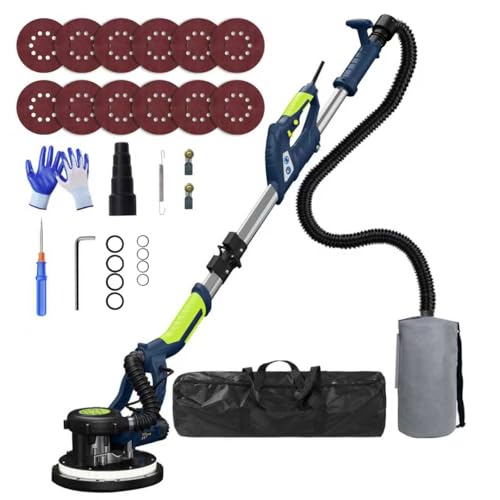
8-Amp Drywall Sander with Lightweight Design
Strengths
- Ultra lightweight
- 8-amp motor
- 12 sanding discs included
Trade-offs
- Less power for thick texture
- Shorter pole extension
At just 8.59 pounds, this is the lightest full-size sander in the lineup, and it shows. The 8-amp motor surprises with decent torque, and the 7-speed control lets you dial in for delicate drywall finishing. Owners praise how easy it is to maneuver overhead, especially with the 5.5-foot extendable rod. The 10-hole sanding disc design boosts dust pickup, and the LED strip helps in shadowed areas.
It doesn’t match the 1200W beast in power, but for a weekend warrior doing a single room, that’s overkill anyway. The included 12 sanding discs are a nice bonus. Compared to the CUBEWAY model, this one feels more refined and lightweight. If you’re tall or plan to sand for hours, this is the one that’ll leave you less drained.
Product photos
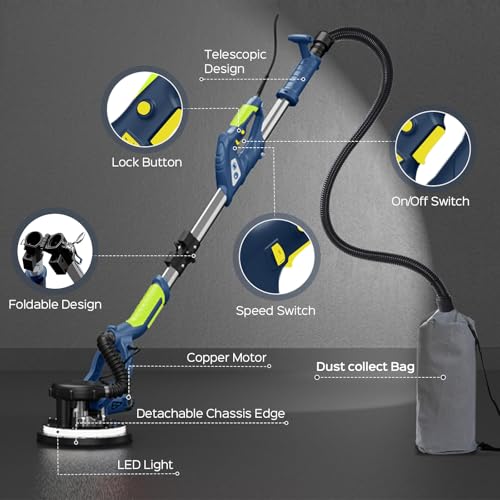

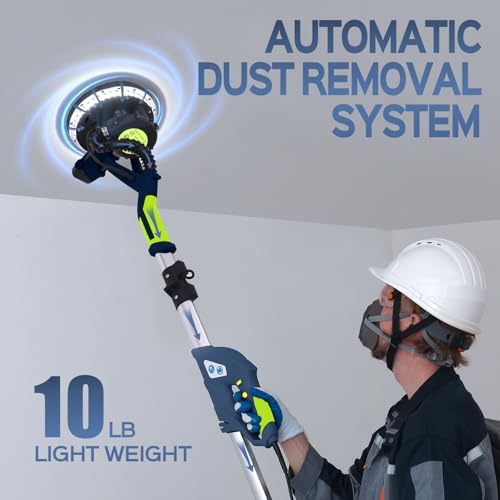
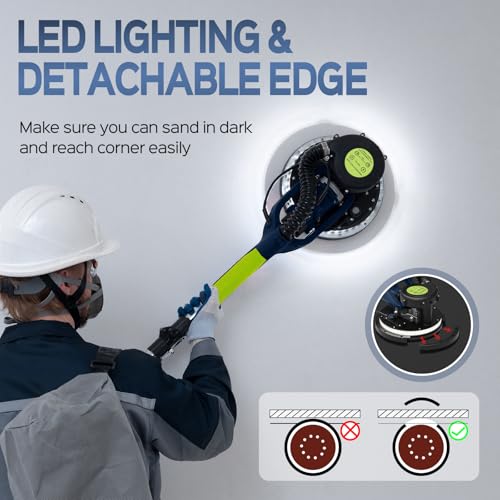
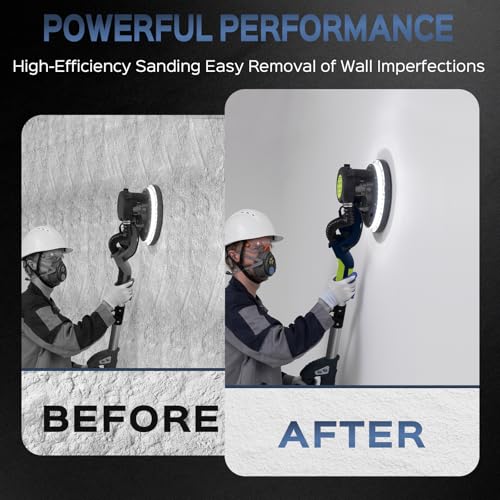
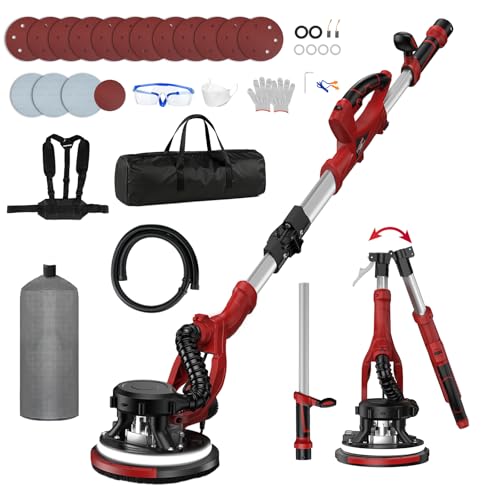
1200W Upgraded Drywall Sander with Shoulder Strap
Strengths
- 1200W high power
- Strong dust suction
- Shoulder strap included
Trade-offs
- Bulky design
- Fewer speed options
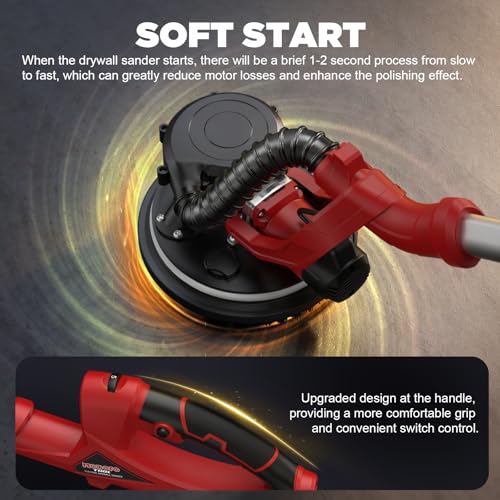
With a 1200W motor, this is the muscle car of drywall sanders. It’s built for contractors or renovators who tear down thick popcorn ceilings or sand large plaster walls in old homes. The soft-start feature is a nice touch, owners say it reduces kickback and helps maintain a smooth finish. The triple-strength suction claim holds up in feedback: when paired with a good shop vac, dust stays contained, even during aggressive passes.
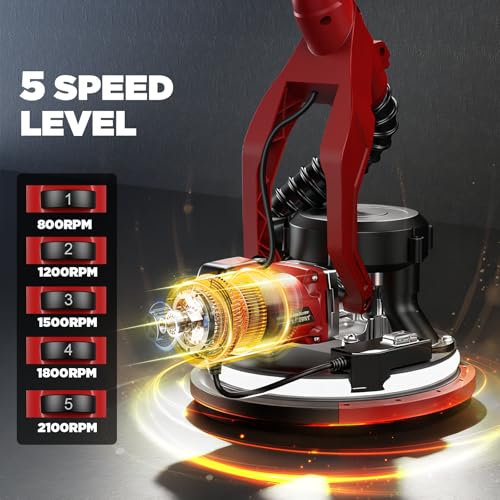
It’s not the lightest, but the shoulder strap makes a big difference during ceiling work. The 5-speed range is narrower than others, but the top end hits 2100 RPM, so it still handles fine finishing. Compared to the 1000W models, this one wins on raw power but loses some finesse. I’d choose it only if you’re regularly sanding thick, stubborn surfaces.
Product photos
1000W Drywall Sander with Digital Display

Strengths
- Digital speed display
- Strong dust extraction
- 9 variable speeds
Trade-offs
- Heavier than average
- Higher price point
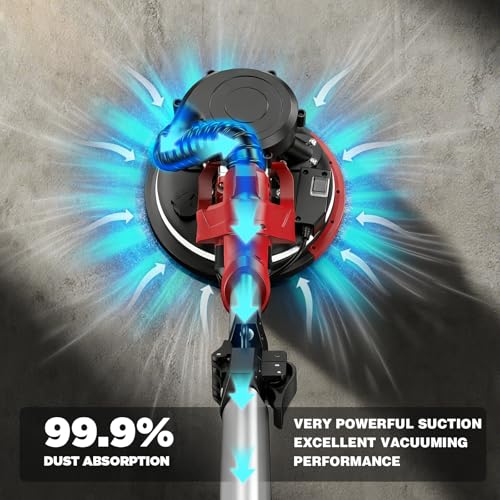
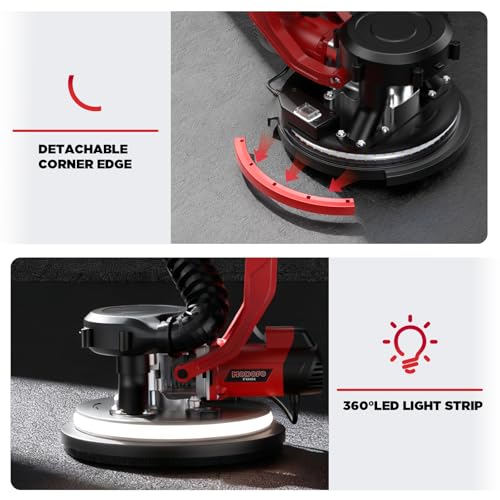
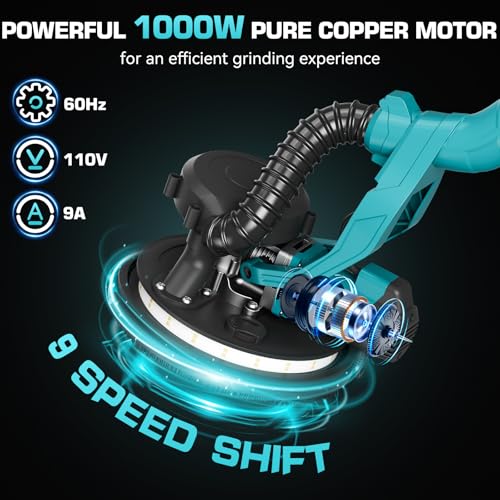
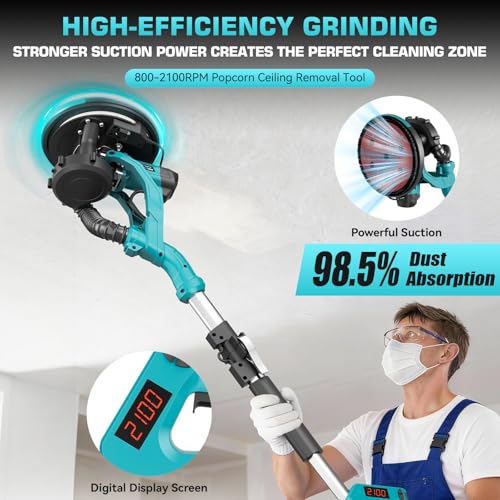
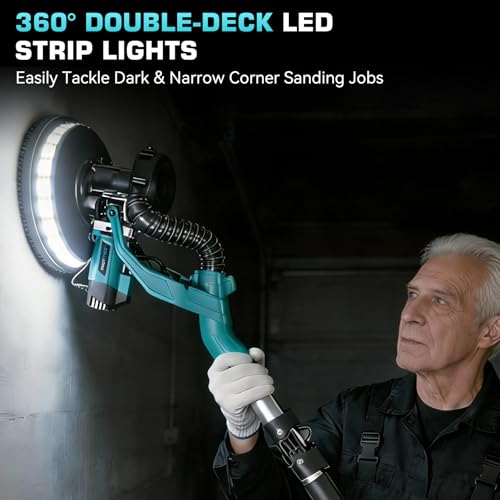
If you want real-time feedback on your sanding speed, the digital display here is a standout. The 1000W pure copper motor delivers strong, consistent power, and the 9-speed range (800–2100 RPM) gives fine control across materials. Reviewers note the dust extraction feels near-total, close to 98.5% efficiency, and the dual-layer LED lighting is brighter than most, which helps when working in basements or rooms with poor lighting.
The 360° rotating head and 120° swivel rod make corner work far easier than rigid models. It’s heavier than the lightweight picks, but the ergonomic grip and balanced extension pole reduce fatigue. Compared to the B0GJRYS31C, this one feels more pro-grade. My recommendation? This is the smarter buy if you’re doing multiple rooms or want precision without sacrificing power.
Product photos


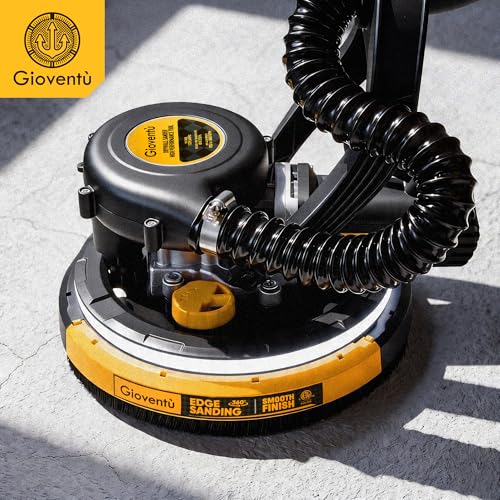
780W Foldable Drywall Sander with 26FT Cord
Strengths
- 780W motor
- 7 variable speeds
- Foldable design
Trade-offs
- Not for heavy plaster
- Dust seal can leak
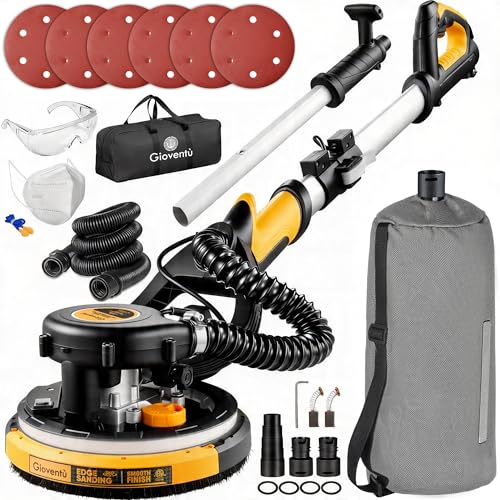
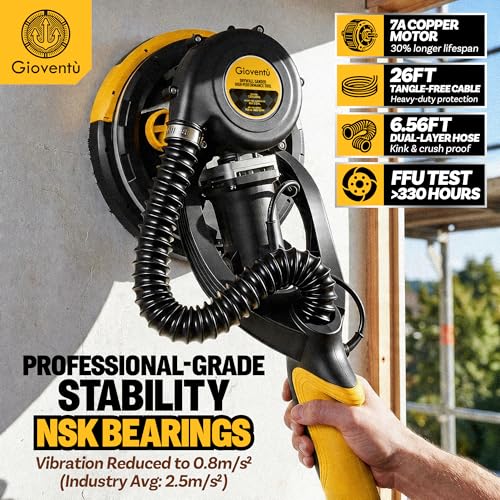
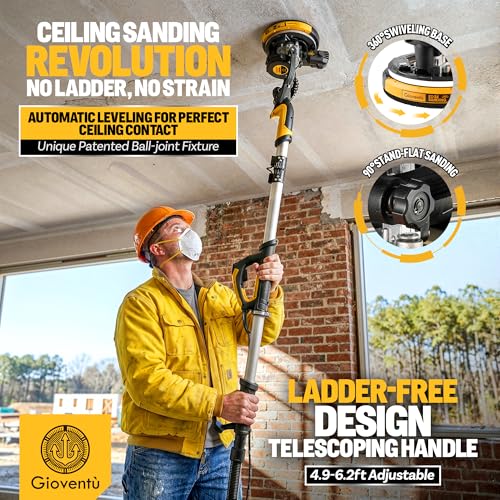
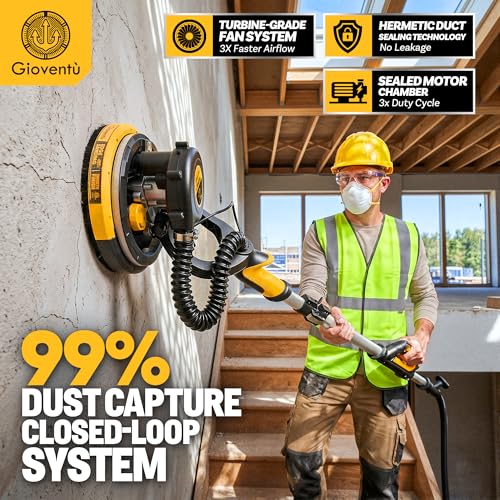
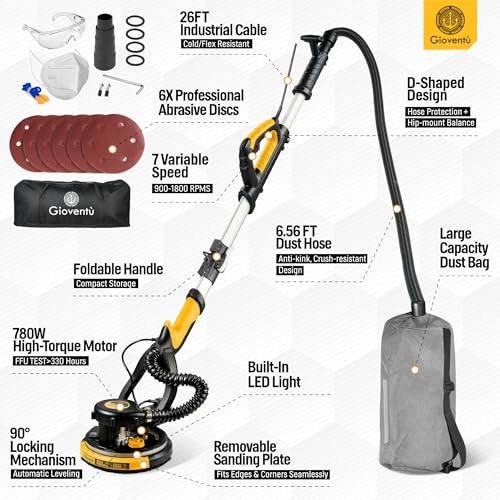
This 780W sander checks a lot of boxes for DIYers tackling large drywall or popcorn ceiling projects. On paper, the motor is solid for light-to-mid duty jobs, and the 7-speed range (900–1800 RPM) gives enough control to handle feathering edges or knocking down texture without chewing into paper. Owners consistently report the dust collection is effective, especially with a shop vac paired, though a few mention small leaks if the hose seal isn’t perfectly seated.
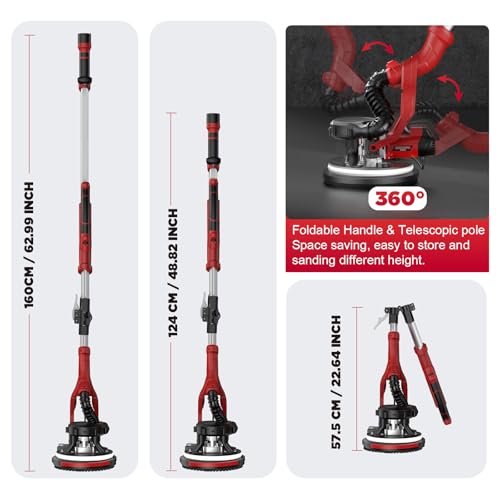
The foldable design and 6.2-foot extendable rod are smart touches for storage and ceiling work, and the LED lights actually help in dim rooms. Compared to heavier models, this one feels balanced, but it doesn’t have the raw power of 1000W+ units when grinding thick plaster. I’d pick this over budget tools if you want something reliable without the bulk.
Product photos
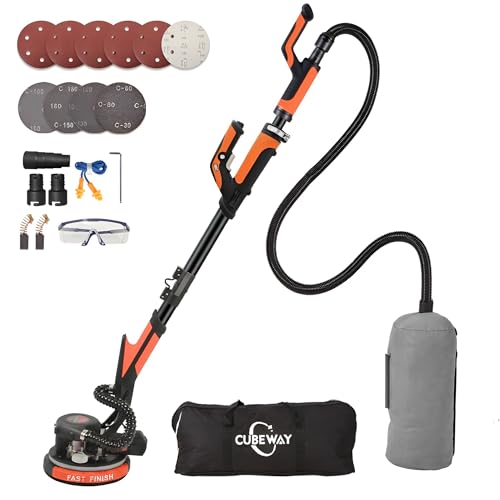
780W Cubeway Drywall Sander with LED
Strengths
- Affordable price
- 95% dust-free
- Good accessory kit
Trade-offs
- Motor runs hot
- Less durable build
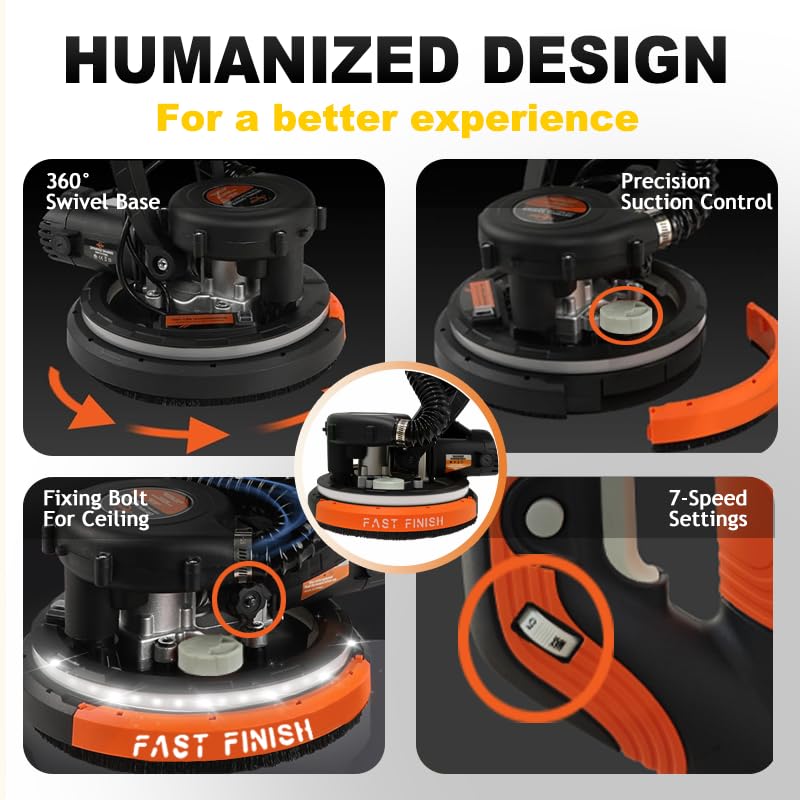
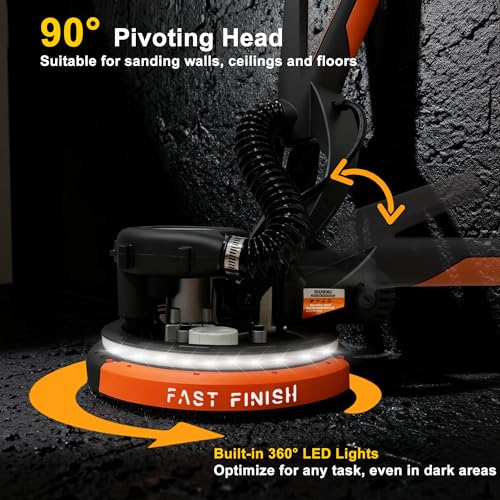
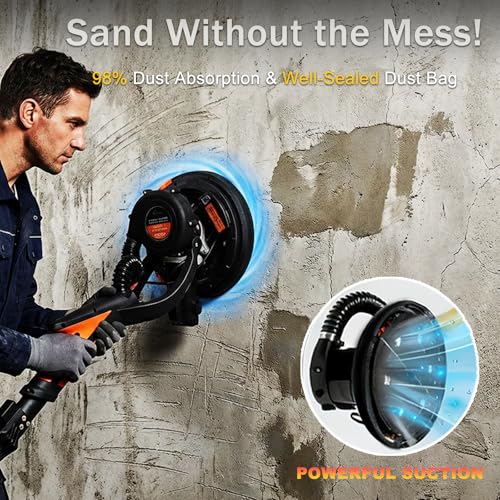
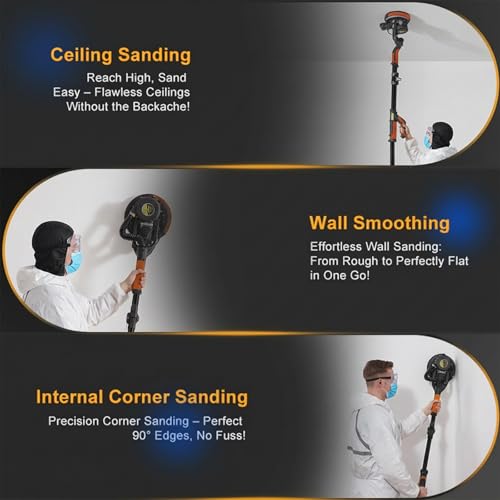
This 780W sander is the budget pick that still delivers core functionality. It captures about 95% of dust, solid for the price, and the 7-speed range covers most needs, from aggressive texture removal to light feathering. The LED light and 5.5-foot pole make it usable on ceilings, and the kit includes safety gear and a carrying bag, which adds value.
It’s not as durable as 1000W+ models, and the motor can overheat during long sessions. Still, for a first-time buyer or someone doing a one-off project, it’s hard to beat. Compared to the Goldblatt hand sander, this one is faster for large areas but messier in tight spots. My take: the best entry point if you don’t want to spend big but still want a dust-controlled setup.
Product photos

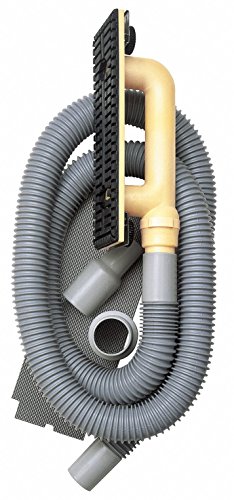
Hyde Tools Dust-Free Hand Sander
Strengths
- Simple design
- Easy screen changes
- Universal vacuum fit
Trade-offs
- Manual effort required
- Not for large jobs
This is the simplest tool in the lineup, and that’s its strength. It’s a no-frills hand sander that connects to any shop vac, making it a favorite among entry-level DIYers and handymen who already own a vacuum. The EasyClamp system lets you swap sand screens in seconds, and the 6-foot hose gives decent reach.
It won’t replace a powered sander for large jobs, but for patching a wall or smoothing a repair, it’s effective and cheap. Owners say it’s less aggressive than electric models, which actually helps avoid gouging. Compared to the Goldblatt, it’s slightly less refined but more affordable. If you’re just starting out and don’t want to invest heavily, this gets the job done.
Product photos

Goldblatt Dust-Free Hand Sander with Hose

Strengths
- True dust-free finish
- Ergonomic grip
- 360° pivoting elbow
Trade-offs
- Manual only
- Not for large areas
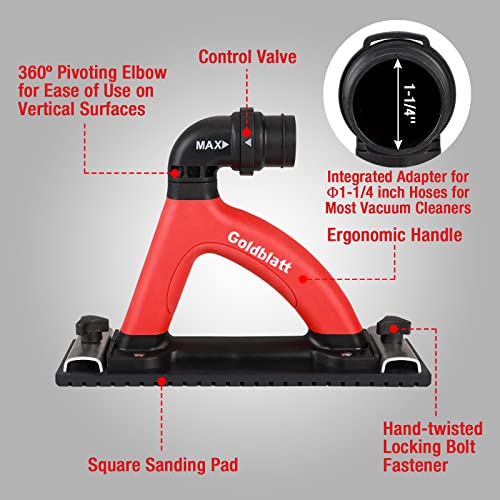
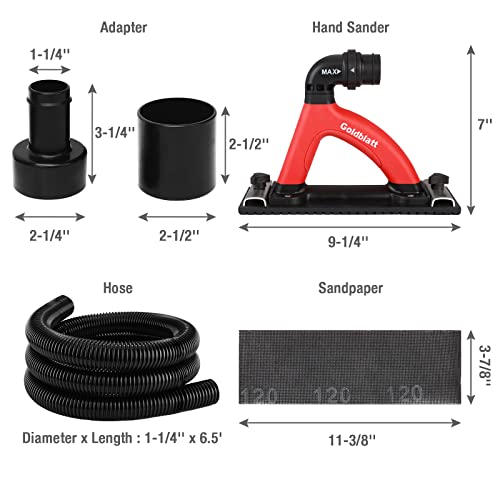
This isn’t a powered tool, it’s a hand sander that connects to your shop vac, and that’s exactly why some pros prefer it. There’s zero vibration, total control over pressure, and the 360° pivoting elbow makes tight corners and edges manageable. The rubber grip reduces hand fatigue, and the sand screen system pulls dust straight through, leaving surfaces remarkably clean.
It only works with compatible drywall compounds, so skip it if you’re using fast-setting mud. Owners say it’s perfect for final smoothing after power sanding or for small patch jobs where a pole sander is overkill. Compared to electric models, it’s slower but more precise. I’d keep this in my kit for finish work, not full-room removal.
Product photos

How We Evaluated drywall sander with vacuum attachments
I approached this guide to drywall sanders with vacuum attachments by first compiling specifications and features from numerous models currently available. Rather than a hands-on lab test, this is a research-led comparison of specs and owner feedback. I weighed published details – motor power, speed settings, hose length, weight – against what current owners are saying about real-world performance and durability in online reviews and expert opinions from sites dedicated to construction and remodeling.
For drywall sanders, suction power and ergonomics stand out as the most critical factors. Effective dust collection is paramount for both health and a cleaner workspace, so I prioritized models with strong vacuum integration and positive owner reports on dust control. Equally important is how comfortable the sander is to use for extended periods, especially when working overhead. Weight, handle design, and vibration reduction all contribute to this.
Specifications reliably indicate a sander’s potential power and features, but owner feedback provides crucial context. I paid close attention to reports of motor longevity, hose durability, and the effectiveness of the dust collection system under varied conditions. Reputation matters; brands consistently praised for quality construction and customer support were given more consideration, as detailed in our guide to the best drywall sanders overall. You’ll find more information on pole and disc sanders for drywall if you’re looking for other types of sanders.
How To Pick The Right drywall sander with vacuum attachments
Picking the right drywall sander can save you a lot of frustration – and dust. There are more options than you might think, and a little knowledge goes a long way.
A good drywall sander balances power with dust control, ease of use, and ergonomic design. Key specs to consider include motor amperage (for sanding speed and capacity), variable speed settings, the effectiveness of the dust collection system (look for high percentages, and compatibility with shop vacs), the length and adjustability of the extension pole, and overall weight. Don’t overlook features like LED lighting and pivoting heads for reaching tricky areas.
Motor Power and Speed Control
Don’t assume “more power” is always better. While a higher amperage motor (like the 1200W models) will certainly tackle tougher jobs faster, it can also be overkill – and heavier – for smaller repairs. I generally recommend looking for variable speed control. This lets you dial in the right amount of aggression for different stages of sanding and different wall surfaces. A wider speed range (800-2100 RPM is excellent) offers more versatility. Consider that lower speeds are preferable for finishing work to avoid gouging, while higher speeds excel at initial material removal.
Dust Collection: Beyond the Percentage
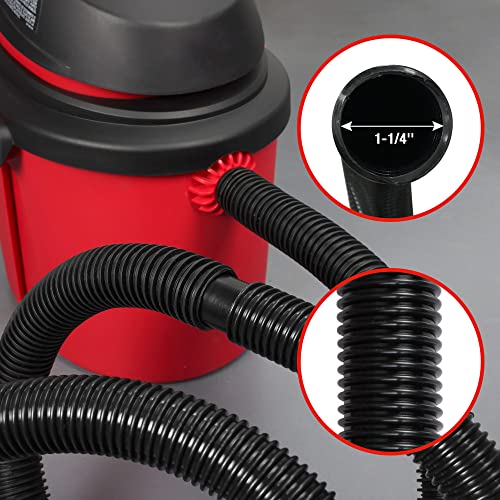
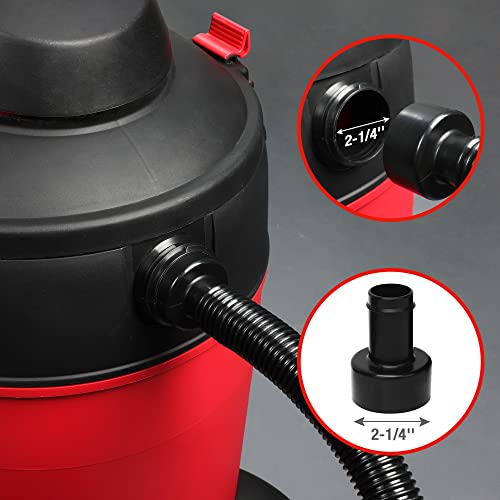
Everyone talks about dust collection percentages, but that’s only part of the story. You need to think about the whole system. A high percentage is useless if the connection to your shop vac is flimsy or the dust bag fills up too quickly. Look for models with a well-sealed port design, and pay attention to the hose diameter and length. A longer hose (like the 26FT cord on the 780W Foldable model) is great for larger areas, but can reduce suction power if it’s too long. If you’re serious about dust control, explore drywall sander with dust collection options.
- Hose Diameter: A wider diameter (2.5 inches) generally means better airflow and more efficient dust removal.
- Bag Capacity: Larger bags need less frequent emptying, saving you time and minimizing disruption.
- Seal Quality: Check owner reviews for complaints about dust leakage around the hose connection or dust bag. A poor seal negates the benefits of a powerful vacuum.
A messy job is often a sign of a poorly chosen tool. Don’t cheap out on dust control – your lungs (and your cleaning time) will thank you.
Ergonomics and Usability
Drywall sanding, especially ceilings, can be physically demanding. Weight is a major factor. The 8-Amp Lightweight model, at under 10 pounds with all accessories, is a good choice if you’ll be holding the sander for extended periods. Beyond weight, consider the handle design and the adjustability of the extension pole. A pivoting head is also incredibly useful for reaching corners and tight spaces. Many models, like the 1000W Digital Display, now include features like LED lighting to improve visibility in dimly lit areas. If you’re planning on tackling a lot of sanding, investing in a model with features like a shoulder strap or a thoughtfully designed handle can make a significant difference. I also suggest looking at models with built-in dust collection to keep your workspace cleaner.
Drywall Sanders with Vacuum Attachments Compared
Here is a comparison of specifications for various drywall sanders with vacuum attachments to help you make an informed purchase.
| Product Title | Power (Watts) | Speed (RPM) | Cord Length (ft) | Dust Collection | Extension Pole | Sandpaper Included |
|---|---|---|---|---|---|---|
| 1000W Drywall Sander with LED Light | 1000 | 800-2200 | N/A | Built-in | 4.9-6.2 | 15 |
| 8-Amp Drywall Sander with Lightweight Design | N/A | 800-1800 | N/A | Built-in | 3.9-5.5 | 12 |
| 1200W Upgraded Drywall Sander with Shoulder Strap | 1200 | 800-2100 | N/A | Built-in | N/A | N/A |
| 1000W Drywall Sander with Digital Display | 1000 | 800-2100 | N/A | Built-in | 4.9-6.2 | 15 |
| 780W Foldable Drywall Sander with 26FT Cord | 780 | 900-1800 | 26 | Built-in | 4.9-6.2 | 6 |
| 780W Cubeway Drywall Sander with LED | 780 | 900-1800 | N/A | Built-in | 5.5 | 10 |
| Hyde Tools Dust-Free Hand Sander | N/A | N/A | N/A | Requires Vacuum | N/A | 1 (screen) |
| Goldblatt Dust-Free Hand Sander with Hose | N/A | N/A | N/A | Requires Vacuum | N/A | 1 (120 grit) |
Frequently Asked Questions
What vacuum hose diameter is best for drywall sanding?
A 2.5-inch diameter hose generally provides the best airflow and most efficient dust removal when paired with a drywall sander. Smaller diameters can restrict suction, reducing the effectiveness of the dust collection.
Are more expensive drywall sanders noticeably better?
Often, yes. Higher-priced models usually feature more durable motors, better dust collection seals, and lighter-weight designs, which can significantly improve user comfort and project outcomes.
Can I use any shop vac with these sanders?
Most drywall sanders with vacuum attachments are compatible with standard shop vacuums, but check the hose connection size and required airflow (CFM) before purchasing. Some sanders, like the Hyde Tools model, specifically require a separate vacuum.
What’s the typical lifespan of a drywall sander motor?
With proper maintenance and moderate use, a drywall sander motor should last for several years. However, owner feedback suggests that models with brushless motors and robust cooling systems tend to have longer lifespans than those with brushed motors.
Where can I find more information on sanders with dust collection systems?
You can explore a detailed comparison of various options and learn about the features to look for on our guide to sanders with dust collection systems. This resource will help you understand the nuances of dust control technology in power tools.
The Bottom Line
Ultimately, choosing a drywall sander with a vacuum attachment comes down to balancing how much control you want over the process against how much fuss you’re willing to tolerate. For most homeowners and DIYers, the 1000W Digital Display strikes that balance well – it offers a good blend of power, features like the digital speed control, and a built-in dust collection system that doesn’t require a separate shop vac. It’s a solid all-around performer that will get the job done efficiently and with minimal mess.
If you’re on a tighter budget, the 780W Foldable Drywall Sander with 26FT Cord is a fantastic option. It doesn’t have all the bells and whistles of more expensive models, but it still provides effective sanding and dust collection, and that extra-long cord is a real convenience. For those prioritizing versatility and tackling particularly large projects, I’d point you toward the 1200W Upgraded Drywall Sander with Shoulder Strap; the added power and comfort features are worth considering. Don’t forget to consider a vacuum for drywall sanding to maximize dust control.
At the end of the day, specs are just numbers. The most important things are a comfortable grip, a well-sealed dust collection system, and a motor that matches the scope of your typical projects. Don’t get lost in the details – focus on these fundamentals, and you’ll be well on your way to achieving professional-looking results and a cleaner workspace.
