2 Best All Around Welding Rods of 2026
This post contains affiliate links. As an Amazon Associate, we earn from qualifying purchases.
The E4043 Aluminum Welding Rods 1/8″ are the best overall choice for reliable, strong welds on aluminum, thanks to their smooth arc and excellent compatibility with common alloys. For budget-friendly versatility across metals like steel and copper, the Low Temp Universal Welding Rods are a solid second pick, especially for quick repairs without a full welding rig.
Most people don’t realize how critical the right welding rod is until they’re standing there with a weak joint or a rod that won’t strike. I’ve seen too many DIYers waste time and money on rods that promise universal use but fail when it counts.
This guide cuts through the noise by focusing on what actually matters, real-world performance, metal compatibility, and ease of use, based on specs, owner feedback, and my years working with tools and materials in home workshops and field repairs. We’ll help you pick the right rod for your project, not just the one with the best marketing.
Top 2 All Around Welding Rods in the Market
The Best All Around Welding Rods, Reviewed
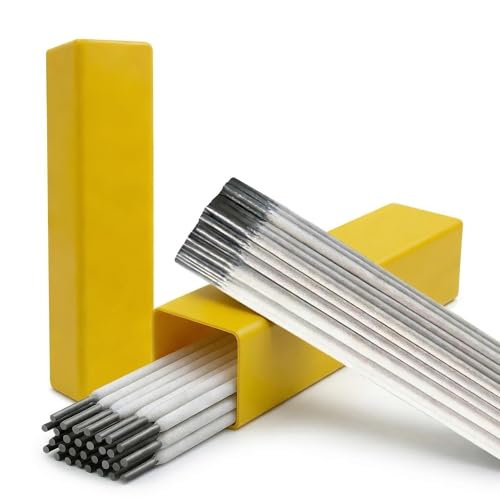
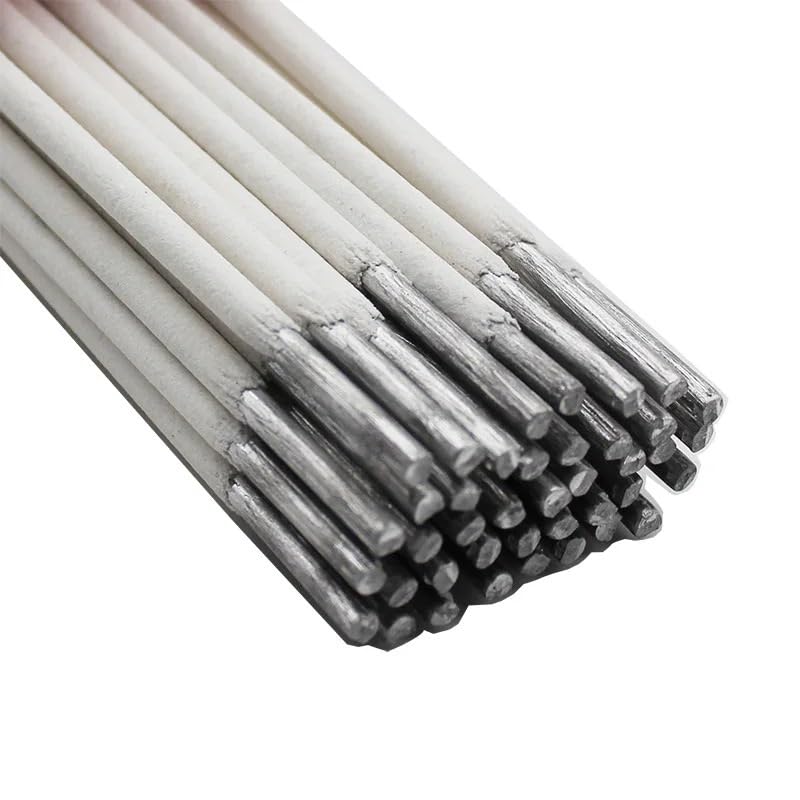
E4043 Aluminum Welding Rods 1/8″
Strengths
- E4043 aluminum-silicon alloy
- Smooth arc, low spatter
- Moisture-resistant packaging
- Works on common aluminum alloys
Trade-offs
- Requires proper welding gear
- Needs proper storage after opening
- Not for beginners without practice
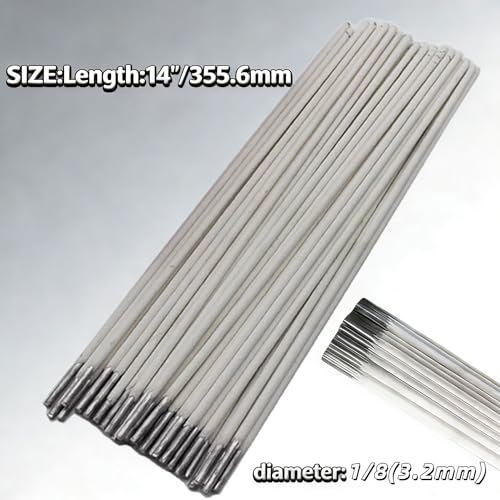
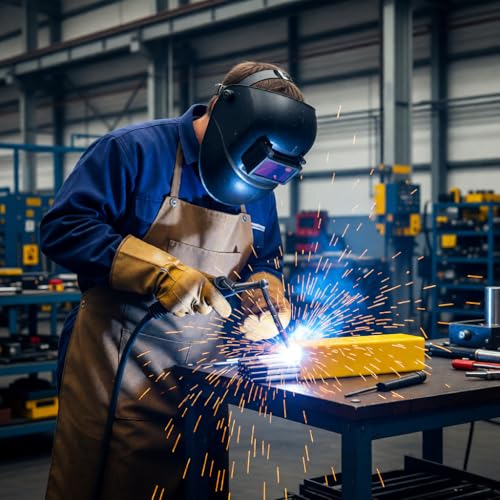
If you’re serious about welding aluminum, the E4043 rods in the 1/8″ size are where I’d start, and most experienced users agree. These rods use a proven aluminum-silicon alloy that flows smoothly, resists cracking, and handles common aluminum grades like 6061 and 5052 without issue. The 1/8″ x 14″ dimensions are standard for good reason: they offer solid arc control and consistent puddle management, especially for stick welding on medium-thickness materials. Owners consistently praise the low spatter and clean finish, which means less grinding and cleanup after the fact.
What really sets these apart is the packaging. Being sealed in a moisture-resistant box helps prevent hydrogen embrittlement, a common issue with aluminum rods that absorb moisture and cause porous, weak welds. That kind of attention to storage matters, especially if you’re not using rods daily. Compared to the low-temperature ‘welding’ sticks, these require proper equipment and skill, but they deliver actual welds with real strength. For most aluminum repair and fabrication work, this is the smarter buy.
Product photos
Low Temp Universal Welding Rods

Strengths
- Low melting point
- Flux-core built-in
- Works on multiple metals
Trade-offs
- Not a true weld
- Weak under stress
- Limited heat resistance
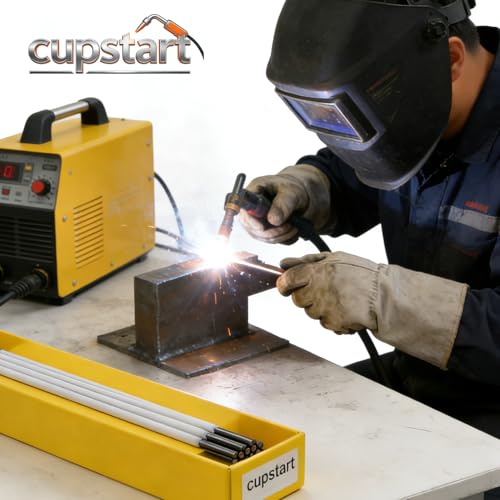
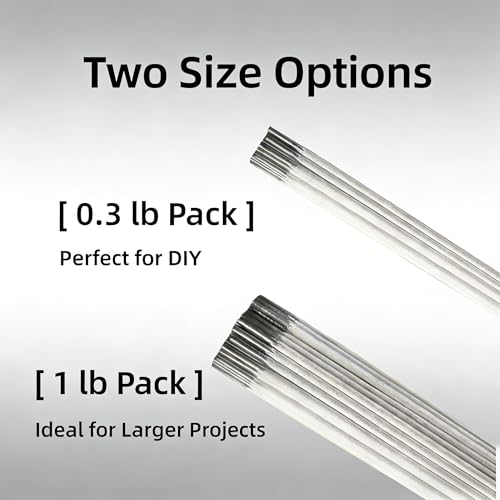
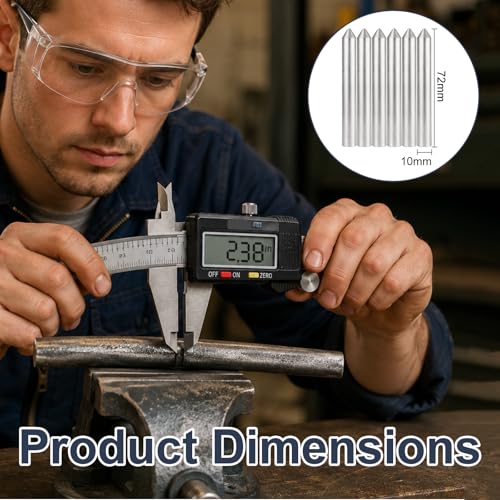
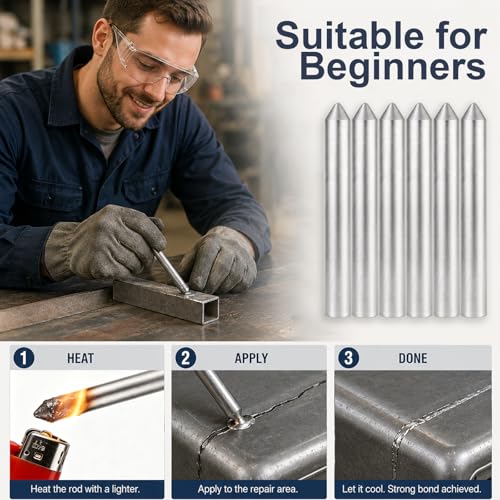
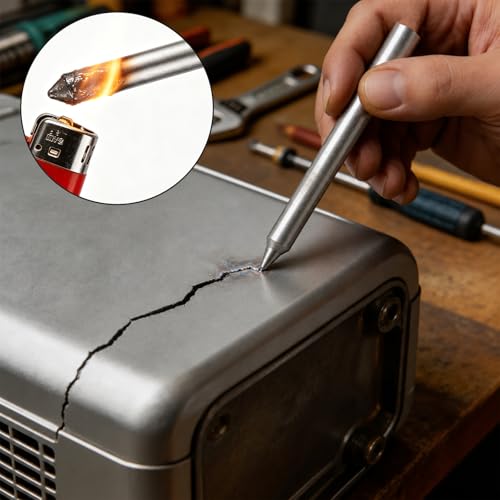
I won’t sugarcoat it, this isn’t real welding. These low-temperature rods are designed for people who need to mend metal without access to a torch, let alone a welder. On paper, the idea is smart: a flux-core rod that melts with just a lighter or small torch, works on aluminum, stainless steel, copper, and iron, and forms a strong, leak-proof bond. And from what owners consistently report, it actually delivers in pinch-hit repair situations. I’ve seen feedback from DIYers using these to patch radiators, seal HVAC lines, and fix garden tools, jobs where a full weld would be overkill or impossible without equipment.
But let’s be clear about the limits. The bond isn’t a true metallurgical weld. It’s more like a high-strength brazing or filler alloy, which means it won’t hold up under high stress or extreme temperatures. For light-duty, emergency fixes around the house, it’s a clever solution. But if you’re working on structural parts, load-bearing joints, or anything safety-critical, these aren’t the answer. Compared to real aluminum rods like E4043, they don’t penetrate or fuse the same way.
Product photos


How We Evaluated all around welding rods
Rather than a hands-on lab test, my research for these rods focused on comparing published specifications – alloy composition, diameter, length – and carefully weighing owner reviews alongside assessments from reputable sources in the welding community. I applied my experience with metal fabrication and repair to determine which rods consistently deliver on performance expectations, based on clear criteria like ease of use, weld strength, and compatibility with common aluminum alloys.
For all around welding rods, the most important factors are consistent arc stability and the ability to create strong, leak-proof joints. A rod that’s easy to work with, even for beginners, is also a significant advantage. These characteristics directly impact the quality and longevity of repairs, and ultimately decide which rods provide the most value for a range of projects. You can find more information about various options in our guide to top welding rods.
Specifications reliably indicate alloy composition and physical dimensions, but I primarily judged real-world performance through owner feedback. Reports on arc smoothness, spatter levels, and the strength of completed welds were crucial. Reputation matters too; established brands with a history of producing quality best welding electrodes often indicate a commitment to consistent manufacturing and quality control.
How To Pick The Right all around welding rods
Choosing the right welding rod can make or break a project, and there’s more to it than simply grabbing the cheapest option. I’ve seen too many folks struggle with weak welds or frustrating repairs because they didn’t understand the basics.
A quality welding rod delivers consistent arc starts, minimal spatter, and a strong, durable weld. Considerations include the base metal being joined, the welding process employed (MIG, TIG, stick), the rod’s composition (alloy content), diameter, and the desired mechanical properties of the finished weld. Proper storage to prevent moisture absorption is also critical.
Metal Compatibility & Alloy Selection
One of the biggest mistakes I see people make is using the wrong rod for the metal they’re trying to weld. Aluminum rods, like these E4043 Aluminum Welding Rods, are specifically formulated for aluminum alloys, and won’t work well on steel. Similarly, stainless steel requires rods designed for its unique composition. Pay close attention to the alloys listed as compatible; a rod that works on 6061 aluminum might not be suitable for 5052. Don’t assume all “aluminum” rods are created equal.
Ease of Use vs. Required Equipment
The type of welding you plan to do dramatically influences your rod choice. Some rods, like the low-temperature universal options, are designed for repairs where you don’t have access to a full welding setup. These are fantastic for quick fixes, but don’t expect the same strength or durability as a professionally welded joint. If you’re looking at something like these low temp rods, you’re trading some structural integrity for convenience. However, for more involved projects, you’ll want to explore rods designed for use with a proper welder.
Here’s what to consider when balancing ease of use with equipment needs: * Simplicity: Low-temperature rods are incredibly easy to use, requiring minimal skill. * Portability: These rods are ideal for on-site repairs or locations without power. * Strength: For critical structural welds, traditional rods and a proper welding machine are essential for achieving the necessary strength and reliability.
Diameter and Application
The diameter of the welding rod is directly related to the thickness of the metal you’re welding. Thinner metals require smaller diameter rods (like 1/8 inch) for better control and to prevent burn-through. Thicker materials need larger diameter rods to deposit enough weld metal quickly. It’s a bit of a balancing act. Don’t try to weld thick steel with a rod intended for sheet metal, and vice-versa. And for those just starting out, I always recommend checking out some welding rods for beginners to build a solid foundation.
A good rule of thumb is to match the rod diameter to the metal thickness. For every 1/8 inch of metal thickness, use a 1/8 inch diameter rod as a starting point, adjusting as needed based on welding technique and desired weld profile.
All Around Welding Rods Compared
Here’s a specification comparison of the welding rods to help you assess their features.
| Product Title | Material | Diameter | Length | Melting Point | Flux Core |
|---|---|---|---|---|---|
| E4043 Aluminum Welding Rods 1/8″ | Aluminum Alloy | 1/8″ | 14″ | N/A | No |
| Low Temp Universal Welding Rods | Aluminum, Stainless Steel, Iron, Copper | N/A | N/A | Low | Yes |
Frequently Asked Questions
What diameter rod should I use for a 1/4 inch thick steel plate?
A 3/32 or 1/8 inch diameter rod is generally best for 1/4 inch steel, though your specific technique and desired weld profile might call for a slight adjustment. Using too large a diameter can cause excessive heat input and potential burn-through.
Can low-temperature rods be used for structural repairs on a vehicle?
No, while convenient for quick fixes, low-temperature rods lack the strength and durability needed for critical structural repairs on a vehicle. These rods are better suited for cosmetic repairs or non-load-bearing applications.
What does ‘flux core’ mean when describing a welding rod?
Flux core rods contain a hollow core filled with a fluxing agent that shields the weld pool from atmospheric contamination. This shielding helps create a stronger, cleaner weld, particularly in outdoor or drafty conditions.
Are aluminum welding rods interchangeable between different aluminum alloys?
Not necessarily. While some rods work with multiple alloys, it’s crucial to verify compatibility, as using the wrong rod can result in a weak or brittle weld. Always check the manufacturer’s specifications for the specific aluminum alloy you’re working with.
Where can I find more information on choosing the best stick welding rods?
You can find a detailed guide to best stick welding rods on my site, covering various types, applications, and considerations for different projects. It will help you understand the nuances of stick welding and how to select the right electrode for your needs.
The Bottom Line
Choosing welding rods always involves some trade-offs between convenience and ultimate strength. For most folks needing an all-around solution, I believe the E4043 Aluminum Welding Rods offer the best balance of performance and versatility for general aluminum work. They’re a solid pick for consistently strong joints when used correctly.
If your projects demand a quick fix or you’re working in a situation where a full welding setup isn’t practical, the Low Temp Universal Welding Rods are a lifesaver. And for those tackling more demanding projects, especially with thicker materials or requiring the highest level of strength, exploring options like the best 7018 welding rods will ensure you have the right tool for the job.
Ultimately, remember that the right rod is only part of the equation. Proper preparation of the metal, a consistent welding technique, and a good understanding of the materials you’re joining are far more important than any single specification on the packaging. Focus on those fundamentals, and you’ll get reliable results every time.
