
10 Best Air Tools of 2026
This post contains affiliate links. As an Amazon Associate, we earn from qualifying purchases.
The VEVOR 71-Piece Air Tool Kit stands out as the best overall choice, offering strong performance and a wide range of accessories, while the DYNAMIC POWER 50-Piece Air Tool Kit is a solid budget-friendly alternative for those getting started. For specialized tasks, the 1/4″ Angle Air Die Grinder delivers reliable precision.
Most people don’t realize how quickly a poorly matched air tool can turn a simple job into a frustrating mess. Weak output, flimsy construction, or missing accessories can kill momentum and cost more in replacements than you saved upfront.
This guide cuts through the noise by focusing on real-world performance, durability, and value, based on specs, owner feedback, and my years evaluating tools for both DIYers and pros. I’ll show you what actually matters when picking air tools that last and perform.
Top 10 Air Tools in the Market
The Best Air Tools, Reviewed
VEVOR 71-Piece Air Tool Kit
Strengths
- 71-piece complete kit
- High torque impact wrench
- Lightweight and compact tools
Trade-offs
- Plastic case lacks durability
- Some fittings feel thin
- Die grinder lacks speed control
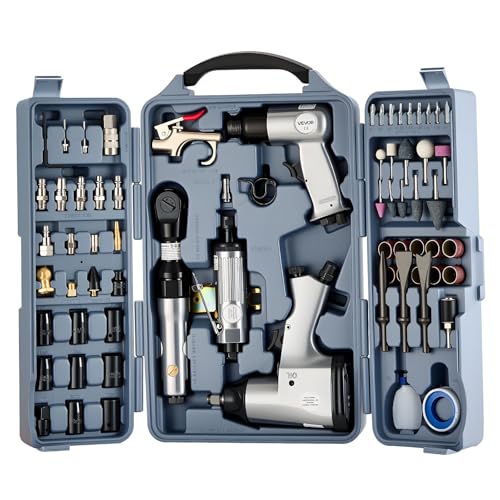
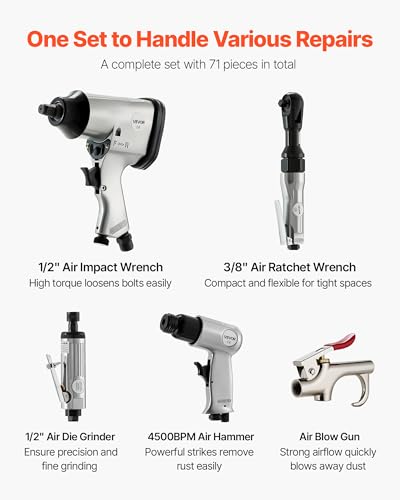
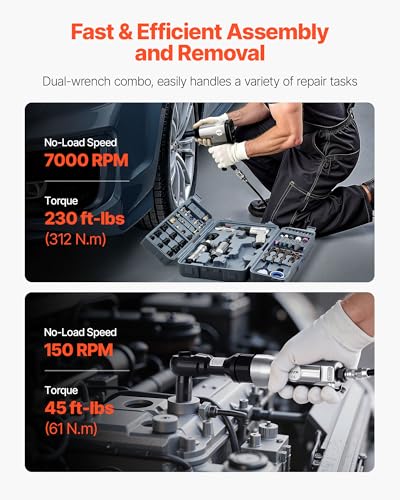
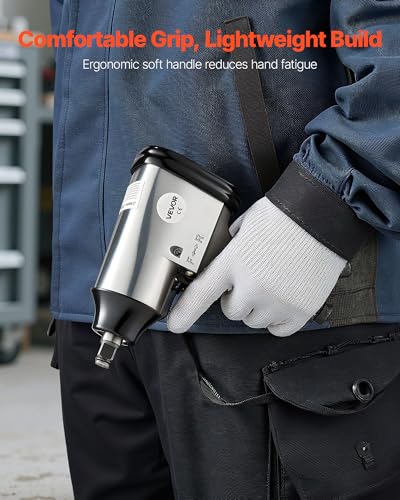
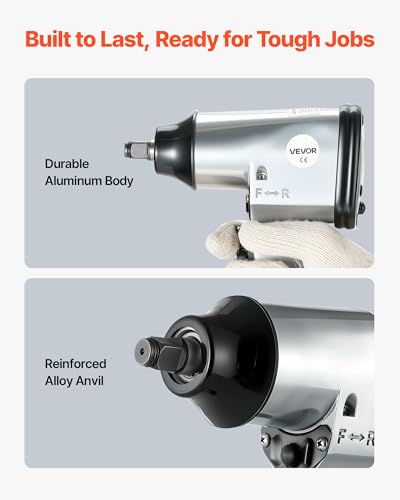
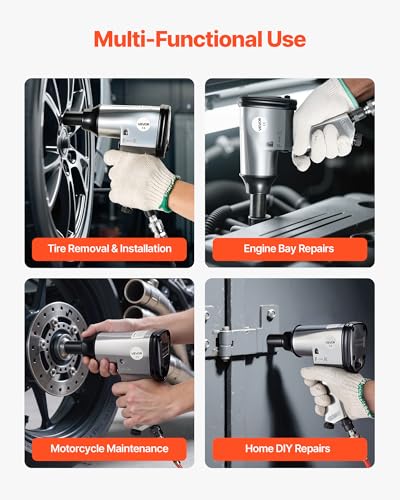
This VEVOR kit is one of those rare bundles that actually feels complete, not just a gimmick to move inventory. With a 1/2″ impact wrench hitting 230 ft-lbs, a 3/8″ ratchet for tight spaces, a 22,000 RPM die grinder, 4500 BPM hammer, and a blow gun, it covers nearly every common pneumatic need in a home garage or mobile repair setup. Reviewers note the tools are lightweight but surprisingly robust, and the blow-molded case keeps everything organized and transportable.
The real win here is the accessories: sockets, bits, grinding stones, chisels, nozzles, you name it, it’s included. For someone building a toolkit without wanting to buy piecemeal, this is the smarter buy. While not on par with top-tier DeWalt or Ingersoll Rand units, it outperforms most budget sets I’ve seen in this class. My recommendation? This is the go-to for DIYers and part-time pros who want solid performance without emptying their wallet.
Product photos
DYNAMIC POWER 50-Piece Air Tool Kit
Strengths
- Large 1-1/2″ impact wrench
- Heavy-duty ratchet
- 50-piece count with chisels
Trade-offs
- No die grinder included
- Case feels flimsy
- Fewer precision accessories
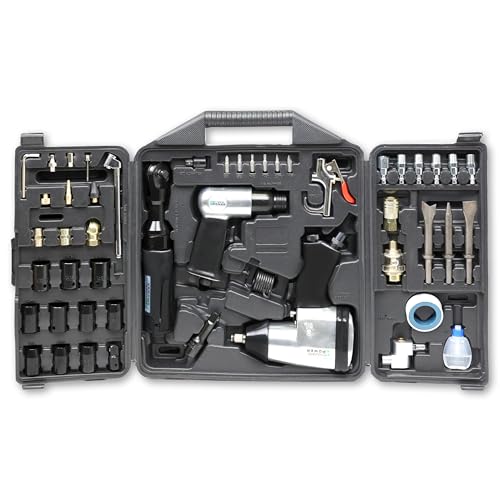
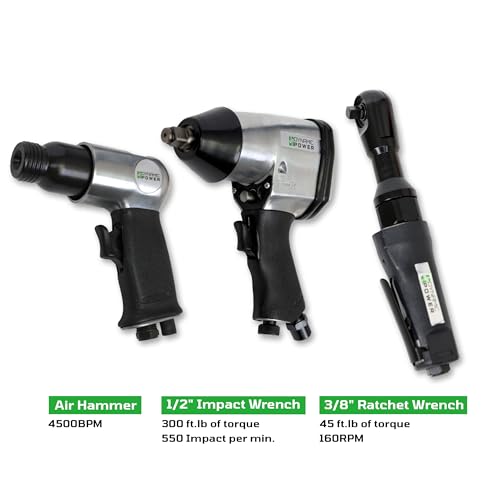
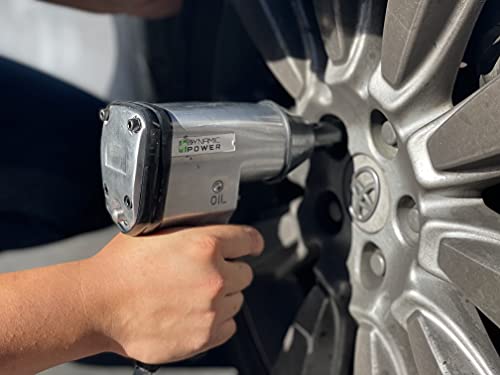
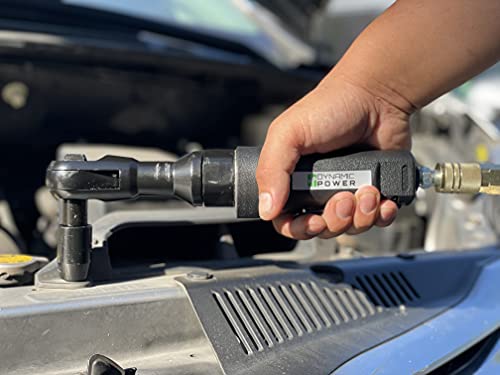
If budget is your main constraint, this DYNAMIC POWER kit offers remarkable value. The 1-1/2″ impact wrench is oversized for heavy-duty lug work, and the 1-3/8″ ratchet gives real use in tight engine bays, both are uncommon in kits at this price. The included air hammer with five chisels adds serious versatility for bodywork or demolition. While the tools aren’t as refined as premium brands, the high-quality steel and aluminum construction hold up well under regular use.
Reviewers note that while the case isn’t as rugged as VEVOR’s, it keeps everything in place. The lack of a die grinder or cutoff tool is a trade-off, but for pure mechanical work, tire changes, suspension jobs, frame repairs, this set covers the essentials. I’d recommend this over fancier kits for someone who needs brute force over finesse.
Product photos
1/4″ Angle Air Die Grinder
Strengths
- 90-degree head design
- 20,000 RPM speed
- 22 included discs
Trade-offs
- Low torque for heavy grinding
- Short hose connection
- No side handle
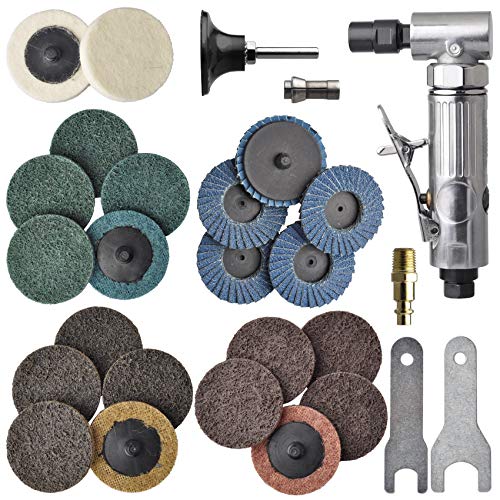
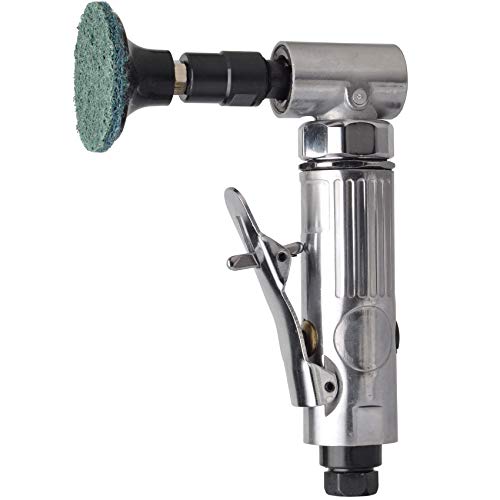
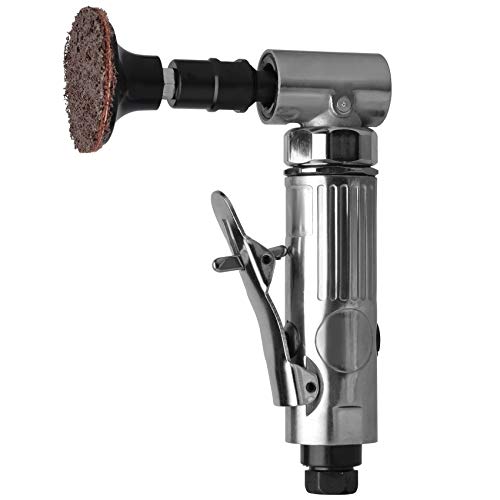
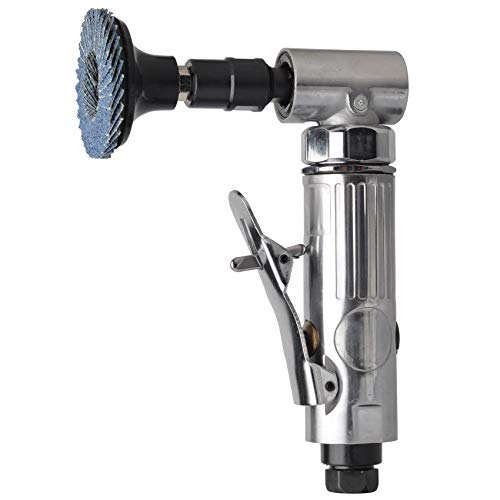
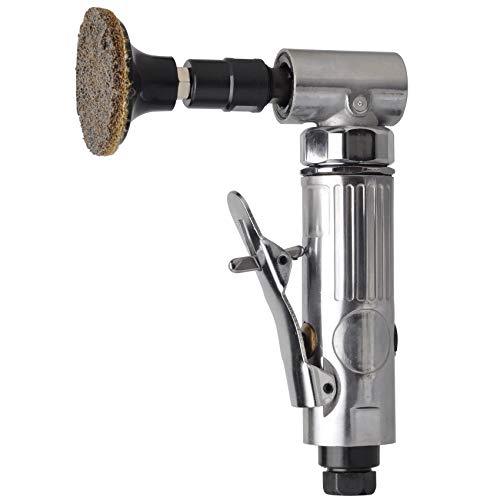
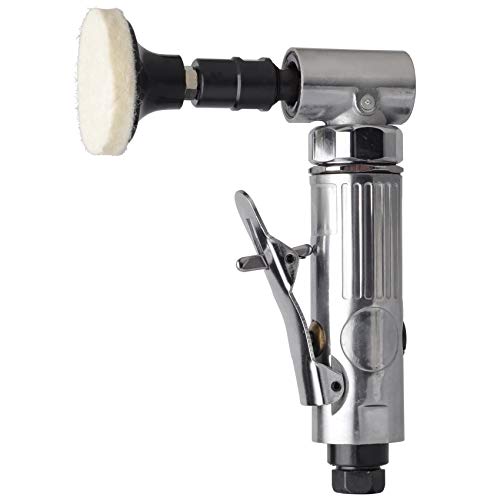
This 1/4″ angle die grinder is built for detail work. The 90-degree head design lets you get into corners and tight spots where straight grinders can’t reach, and the 20,000 RPM speed with a built-in regulator gives solid control. The lightweight aluminum body and low-vibration design are big wins, owners report less hand fatigue during long grinding or polishing sessions.
The included 22 quick-change discs cover sanding, grinding, and deburring, so it’s ready for metal prep, rust removal, or smoothing welds. While it lacks the power of a 1/2″ model, that’s not the point, this is a precision tool. Compared to bulkier grinders, it’s the better choice when finesse beats force. I’d recommend it for anyone doing custom work, restorations, or detailed fabrication.
Product photos
3″ Air Cut Off Tool
Strengths
- 20,000 RPM speed
- Lightweight design
- Safety guard and switch
Trade-offs
- No soft start
- Wheels wear quickly
- Limited to 3-inch discs
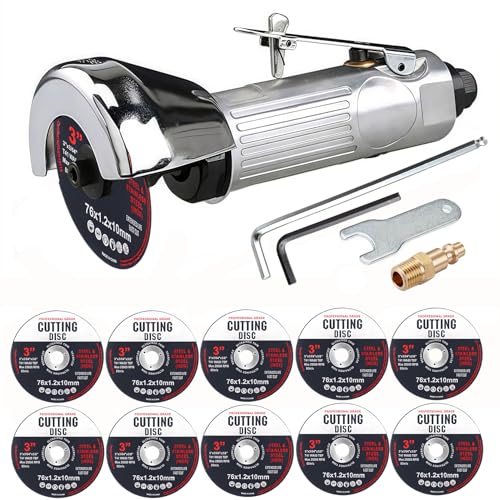
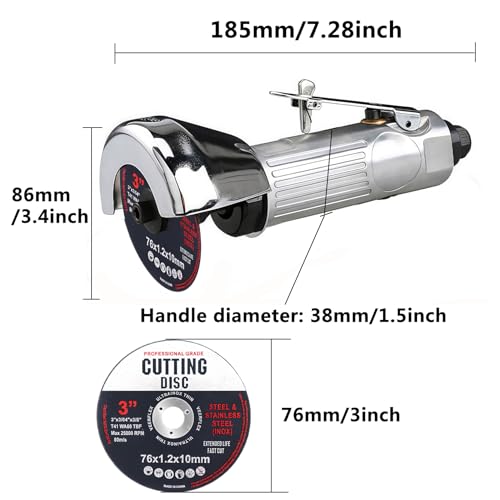
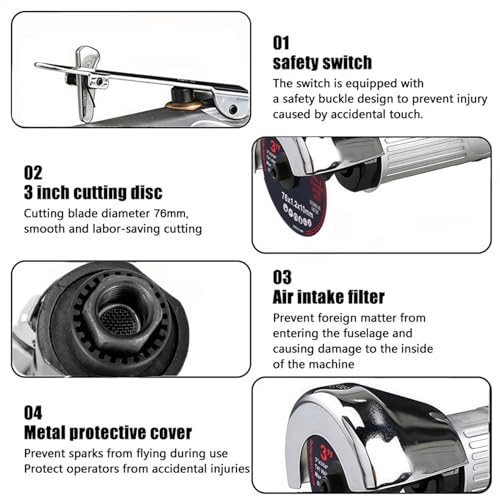
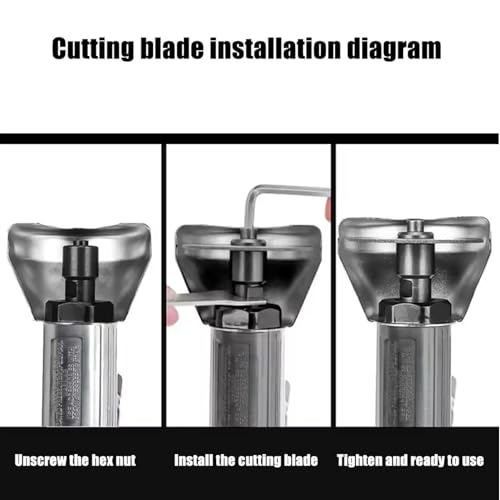
Cutting metal fast and safely is what this 3-inch air cutoff tool does best. With a free speed of 20,000 RPM and a narrow 1.5-pound body, it’s built for control during prolonged use, a detail owners appreciate when doing exhaust work or frame mods. The push-pull safety switch and 360-degree rotatable guard are smart touches, reducing accidental starts and protecting your face from sparks.
The included 10 cut-off wheels cover most basic jobs, and the aluminum body dissipates heat well. While it’s not for heavy industrial cutting, it outperforms many similar tools in its class for home garages. Compared to angle grinders, it’s faster and cleaner on thin metal. I’d pick this over multi-tools for anyone doing regular auto or metal fabrication work where speed and precision matter.
Product photos
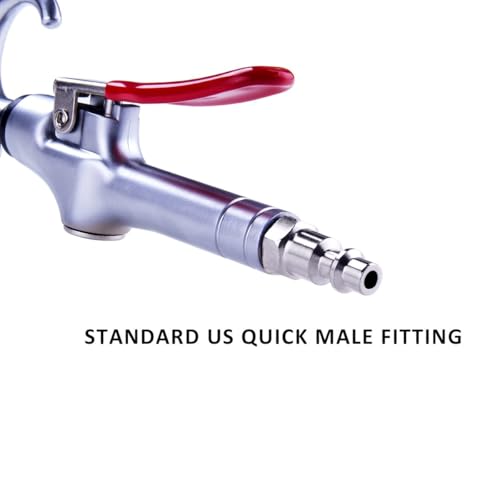
High Volume Extensible Air Blow Gun
Strengths
- Extends to 26 inches
- Stainless steel nozzle
- Swivel hook for storage
Trade-offs
- No airflow control
- Heavy at full extension
- Nozzle hard to clean
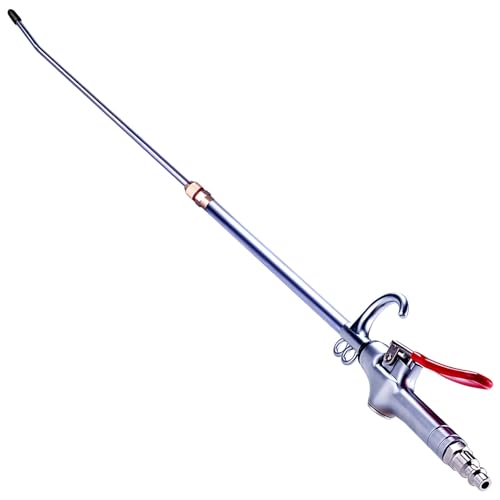
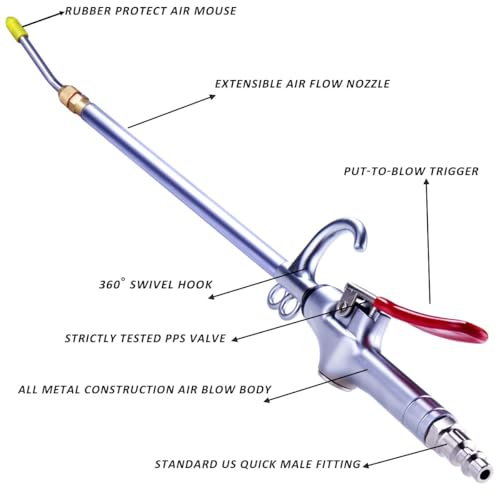
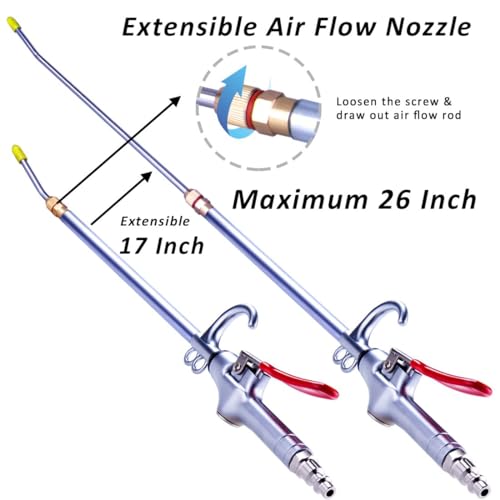
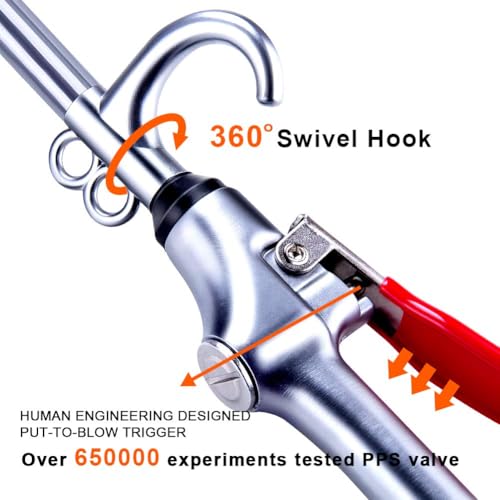
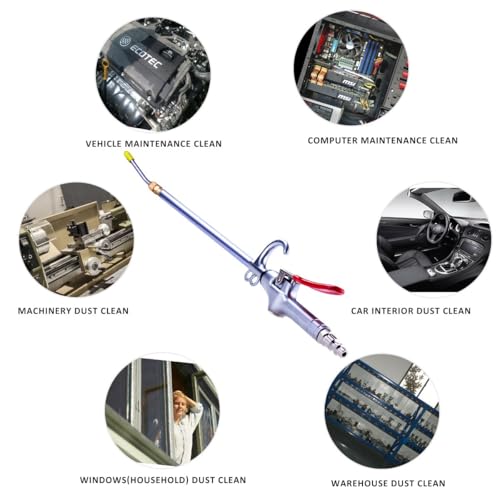
When reach matters, this extensible blow gun wins. The nozzle extends from 17 to 26 inches, letting you clean deep inside engine bays, under fenders, or inside machinery without disassembly. The stainless steel nozzle holds its shape, and the anti-break zinc alloy body feels industrial-grade. Owners consistently report strong airflow even at full extension, thanks to the tapered internal design.
The 360-degree swivel hook is a small but useful detail, it keeps the gun off the bench and ready to grab. While it’s not adjustable like the JASTIND model, the sheer reach makes it a specialist tool worth having. I’d keep this alongside a standard blow gun for those jobs where you just can’t get close enough.
Product photos
Retro Red High Flow Air Blow Gun

Strengths
- High max pressure
- Stainless steel extension
- Durable metal construction
Trade-offs
- No airflow adjustment
- No swivel hook
- Fixed nozzle angle
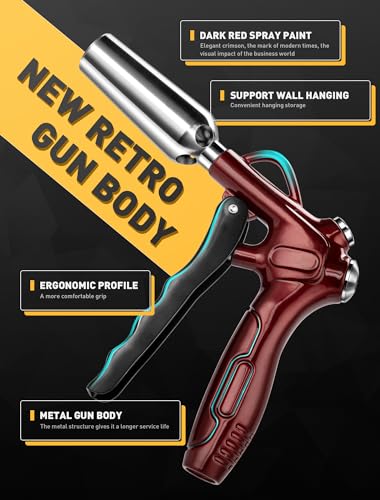
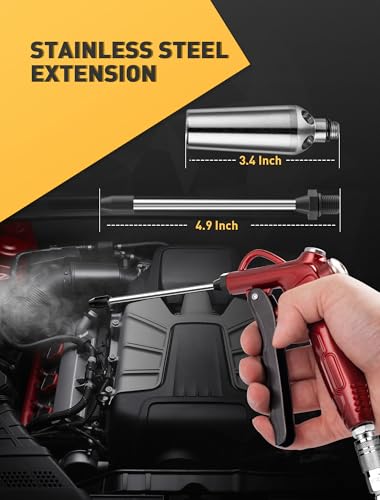
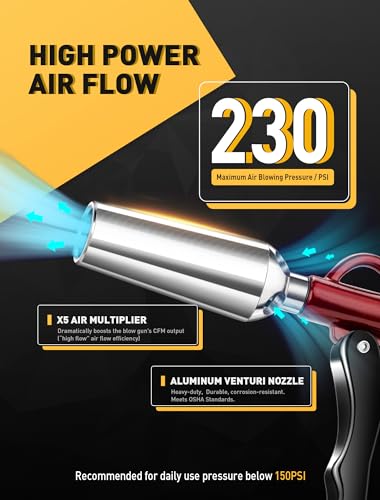
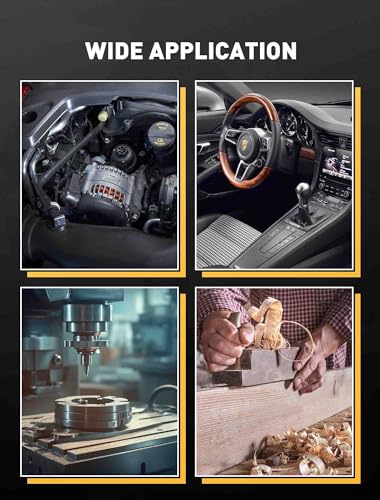
This retro red blow gun grabs attention, and not just for its looks. The 230 PSI max pressure rating is among the highest in this group, and the stainless steel 4.9-inch extension with rubber guard makes it durable and practical for narrow spaces. Owners consistently report strong airflow and solid build quality, with the rubber guard actually preventing surface scratches, which is more than you can say for most basic blow guns.
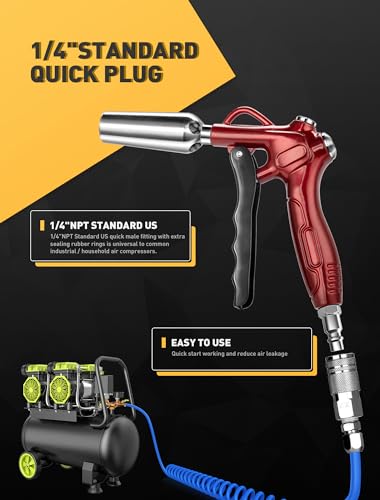
The 1/4″ NPT quick plug ensures compatibility with nearly every compressor on the market, and the sealing rings help reduce leaks, a small detail that makes a difference over time. While it doesn’t have adjustable flow, the high-volume nozzle delivers a satisfying blast. I’d choose this over cheaper plastic models if you want something that feels industrial-grade and lasts.
Product photos
JASTIND Industrial Air Blow Gun
Strengths
- Adjustable airflow
- All-metal build
- Two extension nozzles
Trade-offs
- Slight air leak at joint
- Heavier than plastic models
- No swivel hose connector
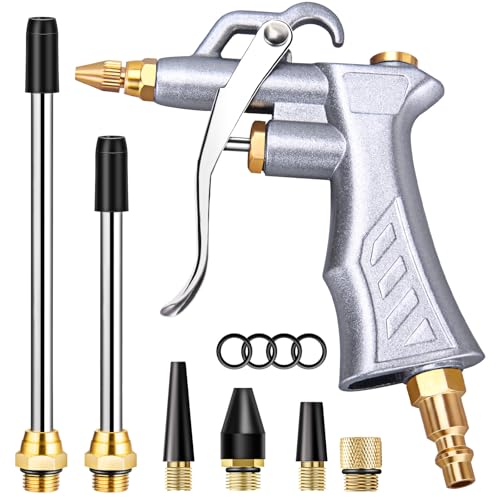
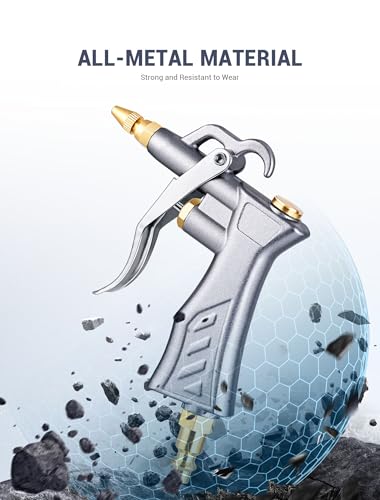
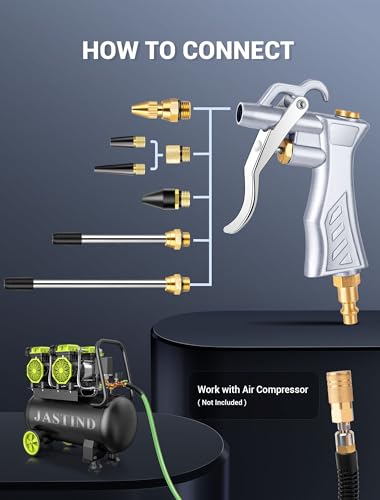
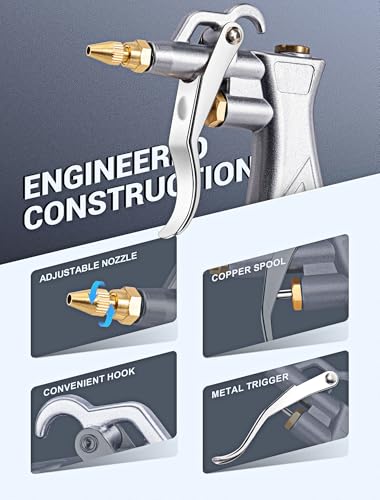
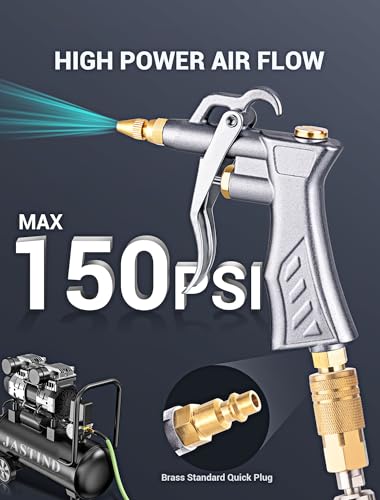
The standout here is the adjustable airflow, a rare feature in this category. The brass flow control nozzle lets you dial down the blast for delicate tasks or ramp it up for heavy debris, which owners find extremely useful across different jobs. The two steel extensions (with protective tips) add flexibility without sacrificing durability, and the all-metal construction feels like it will last years in a busy shop.
It’s not the longest or the flashiest, but it’s one of the most functional. The metal hanging hook keeps it within reach, and the quick coupler seals well. Compared to fixed-flow models, this gives real control. I’d pick this over non-adjustable guns if you work on varied tasks and hate switching tools for different pressure needs.
Product photos
AstroAI T3 Tire Pressure Gauge
Strengths
- ANSI B40.1 accurate
- Dual-head chuck
- Durable metal build
Trade-offs
- Max 120 PSI limit
- No digital display
- Slight parallax on dial
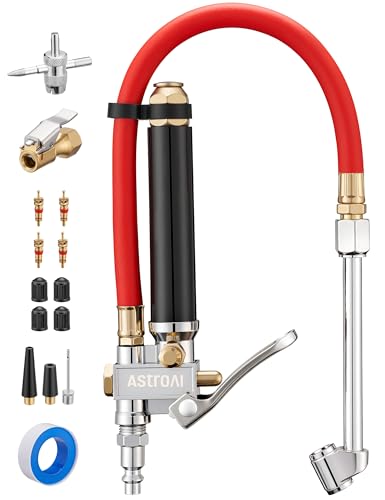
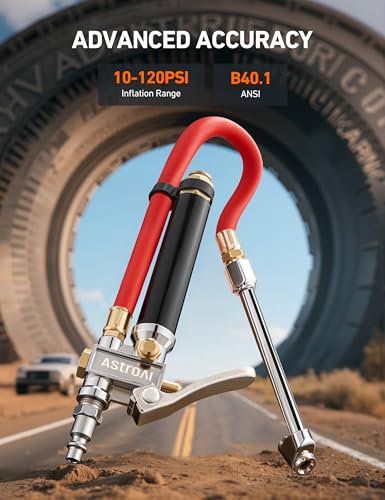
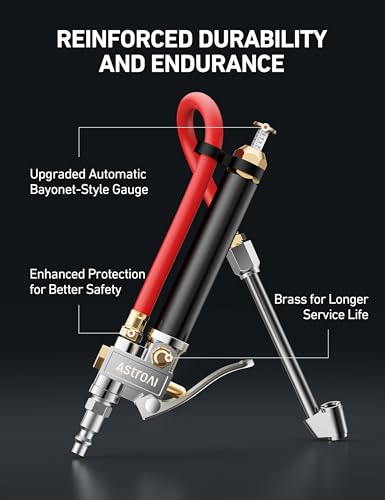
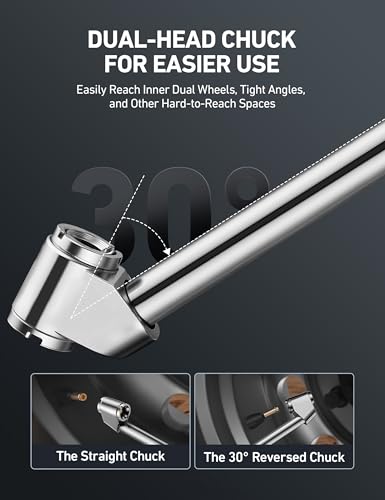
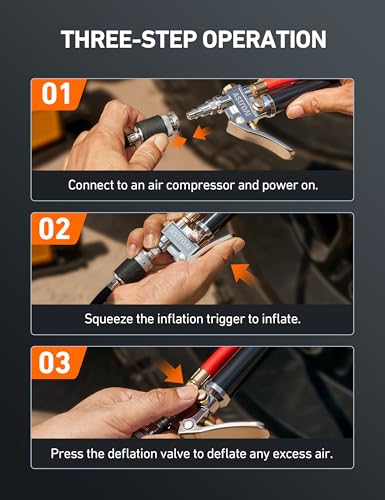
When it comes to tire inflation control, precision and durability matter, and this AstroAI T3 delivers both. Built to ANSI B40.1 accuracy standards, it’s rated within ±2 PSI (80–120 PSI range), which is solid for a mechanical gauge. The dual-head chuck, straight and 30° reverse, is a standout, making it far easier to reach inner dual wheels or awkward valve stems, a pain point many truck and RV owners complain about.
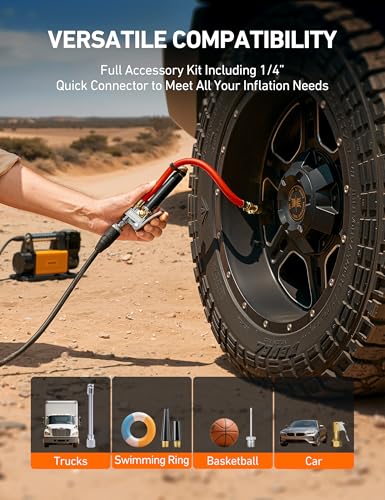
Owners praise its brass and stainless steel build, and the included accessories (valve tools, nozzles, sealing tape) mean you’re ready to go right out of the box. It’s not flashy, but it’s exactly what a tire gauge should be: reliable, readable, and tough. Compared to digital models, it won’t drift over time or die on you in cold weather. For most users, this is the more dependable pick.
Product photos
AstroAI Digital Tire Pressure Gauge
Strengths
- 0.1 PSI resolution
- Up to 250 PSI range
- Auto on/off feature
Trade-offs
- Requires batteries
- Screen glare in sunlight
- Higher price point
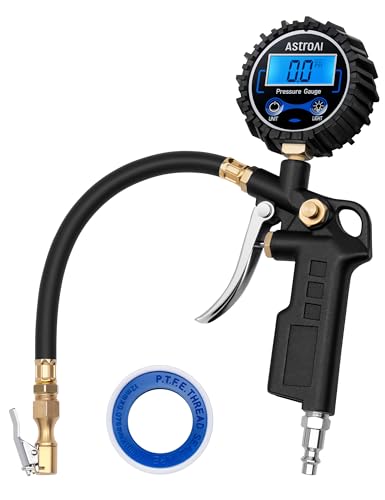
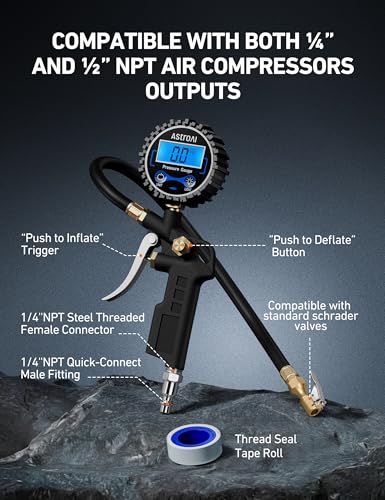
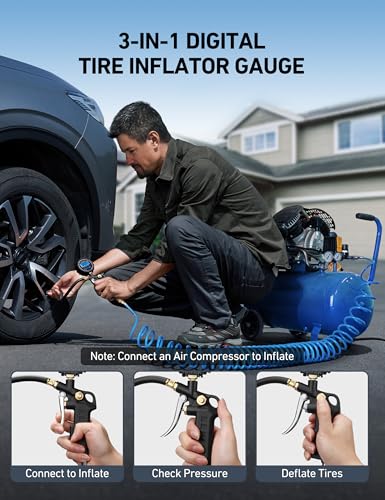
If digital accuracy is your priority, this AstroAI model is hard to beat. With a 1% calibration accuracy and a 0.1 PSI resolution, it gives readings that rival professional shop tools. The range, 3 to 250 PSI, covers everything from bicycles to heavy trucks, and the auto-on/off feature saves battery life, a practical touch owners appreciate.
The heavy-duty stainless steel and brass construction feel durable, and the lock-on chuck eliminates leaks during inflation. While some users report the display can be hard to read in direct sun, the trade-off is precision and convenience. Compared to mechanical gauges, it’s faster and more consistent. For anyone serious about tire maintenance, this is the smarter long-term investment.
Product photos


DEWALT Pocket Air Gun

Strengths
- Compact design
- Adjustable airflow
- Pocket clip included
Trade-offs
- Limited reach
- Nozzle not replaceable
- Lower max PSI than some
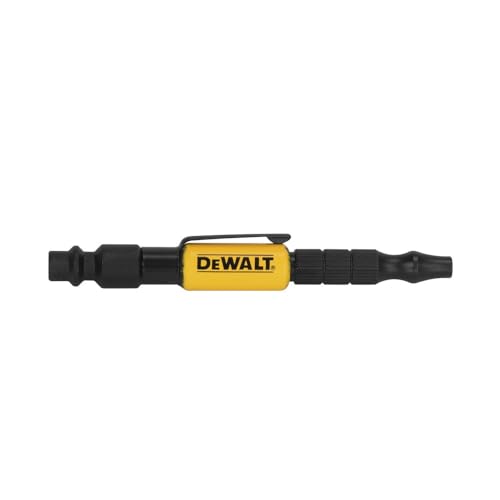
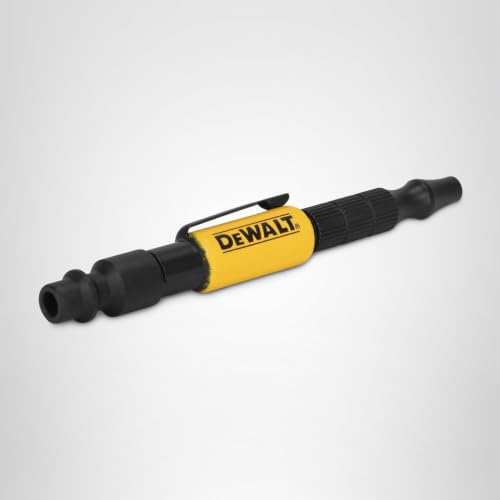
If you’re after a no-frills, highly portable air blow gun that fits in your pocket and delivers solid performance, this DEWALT model stands out. On paper, its 0 to 27 SCFM adjustable airflow at 100 psi gives decent control, and the 150 PSI max pressure rating keeps it safe for most general shop tasks. What owners consistently report liking is the compact industrial design and the built-in clip, it’s the kind of tool you grab without thinking and forget you’re carrying.
It won’t replace a heavy-duty blower for deep cleaning, but for quick tire blasts, blowing off sawdust, or clearing debris from tight spots, it’s surprisingly capable. The compatibility with both industrial and M-style couplers adds real-world versatility, especially in mixed-shop environments. I’d pick this over bulkier models if portability and simplicity are your top priorities.
Product photos
How We Evaluated air tools
Rather than a hands-on lab test, my research for these recommendations focused on a detailed comparison of published specifications and features across numerous models. I weighed owner reviews from multiple sources, including major retailers and dedicated tool forums, against assessments from reputable expert reviewers. My approach combined this data with my long-term experience understanding the needs of both DIY homeowners and professional tradespeople to identify the tools offering the most value in different applications.
For air tools, consistent torque (measured in ft-lbs for impact wrenches) and RPM are critical, along with build materials and overall kit completeness. I prioritized these factors because they directly impact performance and longevity. Beyond that, the range of included accessories is important; a more versatile kit reduces the need to purchase additional pneumatic tools and accessories separately.
Product specifications reliably indicate raw power and potential capabilities, but owner feedback proved essential for gauging real-world usability and durability. I paid close attention to comments regarding tool weight, ergonomics, and the quality of included fittings and accessories. Reputation also played a role; established brands with a history of producing quality tools often fared better in my analysis, though I made sure to consider newer companies offering compelling value.
How To Pick The Right air tools
Choosing the right air tools can significantly boost efficiency and precision in your workshop, but with so many options available, it’s easy to get overwhelmed.
A quality air tool setup prioritizes durability through robust materials (like cast iron or hardened steel components), consistent power delivery via adequate CFM and PSI ratings, ergonomic design for user comfort and safety, and a thorough range of accessories to tackle diverse tasks. Look for tools with adjustable features and reliable air couplings.
Power & Performance Specifications
Don’t assume bigger numbers always mean better performance. When it comes to air tools, understanding CFM (cubic feet per minute) and PSI (pounds per square inch) is essential. CFM dictates how much air the tool consumes – a higher CFM tool requires a more powerful air compressor. PSI indicates the pressure at which the tool operates. Matching the tool’s requirements to your compressor’s output is critical; an undersized compressor will cause the tool to lose power and cycle on/off constantly, shortening its lifespan. Consider the type of work you’ll be doing. For heavier tasks like removing lug nuts or demolition, prioritize higher torque (for impact wrenches) or impact rate (for hammers).
Build Quality & Durability
Air tools operate in harsh environments and take a beating. Look beyond the price tag and focus on construction. Tools with housings made from cast iron or high-impact composite materials will withstand more abuse than those constructed primarily from plastic. Internal components are equally important. A good air tool will use hardened steel gears and precision-machined parts. Read owner reviews carefully; consistent complaints about rapid wear or component failure are red flags. Don’t underestimate the value of a well-made air blow gun; a durable model, like those used for cleaning automotive parts, can last for years.
Accessories & Value
Many air tool kits bundle a variety of accessories, which can be a great value. However, don’t let a long list of extras distract you from the core quality of the tool itself. Pay attention to the quality of the included accessories. Are the sockets made from chrome vanadium steel? Are the grinding stones a decent grit? If you already own a collection of high-quality accessories, a basic kit with just the essential attachments might be a better choice. If you’re planning to work on vehicles, especially tires, investing in a reliable tire pressure gauge is crucial; consider both digital and mechanical options, like the best impact wrenches for related tasks.
A good rule of thumb: spend a little more upfront for a tool built to last, rather than repeatedly replacing cheaper models.
Air Tools Compared
Here’s a comparison of key specifications for the air tools listed.
| Product Title | Max Torque | Air Inlet (NPT) | Free Speed (RPM) | Max Pressure (PSI) | Special Features |
|---|---|---|---|---|---|
| VEVOR 71-Piece Air Tool Kit | 230 ft-lbs | N/A | 7000 | N/A | 71-Piece Kit |
| DYNAMIC POWER 50-Piece Air Tool Kit | N/A | N/A | N/A | N/A | 50-Piece Kit |
| 1/4″ Angle Air Die Grinder | N/A | N/A | 20,000 | N/A | 90-degree Head |
| 3″ Air Cut Off Tool | N/A | 1/4″ | 20,000 | N/A | Safety Switch |
| High Volume Extensible Air Blow Gun | N/A | N/A | N/A | N/A | Extends to 26 inches |
| Retro Red High Flow Air Blow Gun | N/A | 1/4″ | N/A | 230 | Retro Design |
| JASTIND Industrial Air Blow Gun | N/A | N/A | N/A | N/A | Adjustable Air Flow |
| AstroAI T3 Tire Pressure Gauge | N/A | 1/4″ | N/A | 120 | Dual-Head Chuck |
| AstroAI Digital Tire Pressure Gauge | N/A | 1/4″ & 1/2″ | N/A | 250 | Digital Display |
| DEWALT Pocket Air Gun | N/A | N/A | N/A | 150 | Pocket-Sized |
Frequently Asked Questions
What CFM level do I really need for a typical air tool setup?
A minimum of 4.0 CFM at 90 PSI is generally sufficient for many basic air tools, but to comfortably run multiple tools or more demanding ones like impact wrenches, I recommend an air compressor delivering at least 6.0 CFM at 90 PSI. Choosing a tool-matched air compressors is critical.
Are air tools generally louder than electric or cordless tools?
Yes, air tools are typically louder, often exceeding 90 decibels. This is because the noise comes from the escaping compressed air itself, in addition to the tool’s mechanism. Wearing hearing protection is essential when operating air tools for extended periods.
What’s the best way to prevent water from getting into my air lines?
Installing a water separator filter between your air compressor and your air tool is the most effective way to prevent moisture buildup. Regularly drain the tank on your compressor and the filter to remove accumulated water.
Can I use any type of oil in my air tools?
No, you need to use air tool oil specifically designed for pneumatic tools. Automotive oils or other lubricants can damage the internal components. Air tool oil provides the proper lubrication for the fast-moving parts within the tool.
What size air inlet fitting do most air tools use?
The most common air inlet fitting size is 1/4-inch NPT (National Pipe Thread). However, some larger or more specialized tools may require a 3/8-inch fitting. Always verify the required size before connecting your air hose; using the wrong size can lead to air leaks and reduced performance.
The Bottom Line
Ultimately, choosing air tools comes down to balancing initial cost with long-term durability and performance. While a fully-stocked kit like the VEVOR 71-Piece Air Tool Kit offers broad coverage for a variety of tasks, the best overall value – and a good starting point for most workshops – is the DYNAMIC POWER 50-Piece Air Tool Kit. It provides a solid selection of essential tools without sacrificing too much on quality, offering a good blend of versatility and affordability.
For those with very specific needs, several options stand out. If you’re focused on automotive work, the AstroAI Digital Tire Pressure Gauge is an excellent choice for accuracy and convenience. And for focused precision, the 1/4″ Angle Air Die Grinder is a standout tool for detail work. Don’t overlook the importance of a reliable air supply either; exploring portable air compressors for tools is a smart move if you need mobility.
More than any specification, remember that consistent CFM and PSI matching with your compressor are paramount. Don’t chase the highest torque number if your compressor can’t deliver enough air to sustain it. Prioritize tools made with quality materials and focus on building a collection that fits your needs and working style – that’s where you’ll see the biggest return on investment.
