7 Best Welding Rods of 2026
This post contains affiliate links. As an Amazon Associate, we earn from qualifying purchases.
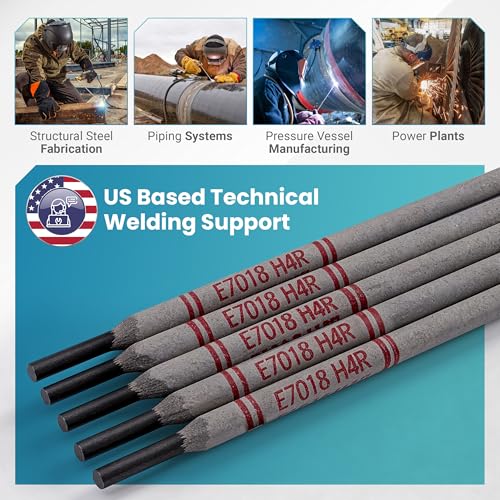
The Metal Marlin E7018 H4R stands out as the best overall welding rod for its consistent performance and strong, reliable welds on clean steel, especially when working on structural or high-strength applications. For those dealing with less-than-ideal conditions like rust or dirt, the YESWELDER E6011 3/32” 10LB is a solid budget-friendly pick that strikes well and handles challenging surfaces. If you want versatility across positions and materials without breaking the bank, the YESWELDER E7018 Dual Size pack gives you two diameters of dependable low-hydrogen rods in one convenient set.
Most DIYers and weekend welders don’t realize how much the wrong rod can turn a simple job into a frustrating mess, weak beads, constant sticking, or cracks that show up later. I’ve seen enough failed welds to know that success starts with choosing the right electrode for your material, skill level, and environment.
In this guide, I break down the top welding rods based on specs, real-world feedback, and how they perform across common use cases. These picks reflect what owners actually report, easy arc starts, clean slag, and strong, durable results, so you can make a confident choice without relying on marketing hype.
Top 7 Welding Rods in the Market
The Best Welding Rods, Reviewed
Metal Marlin E7018 H4R Welding Rod
Strengths
- Vacuum sealed packaging
- Strong, ductile welds
- Smooth arc stability
Trade-offs
- Requires proper storage after opening
- Needs higher amperage
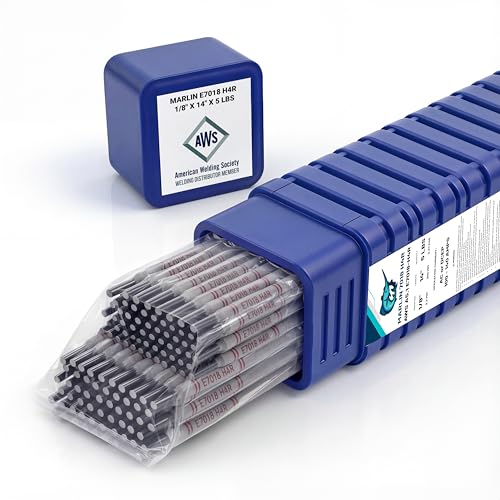
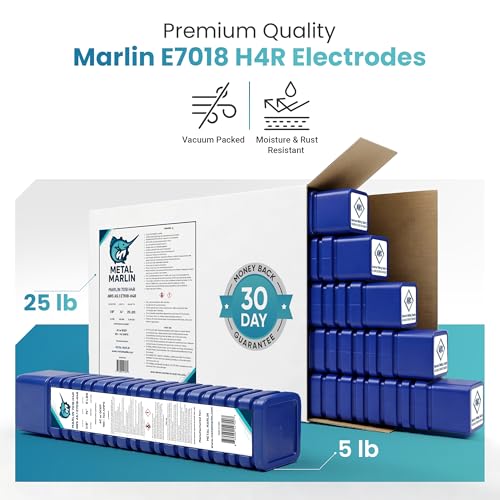
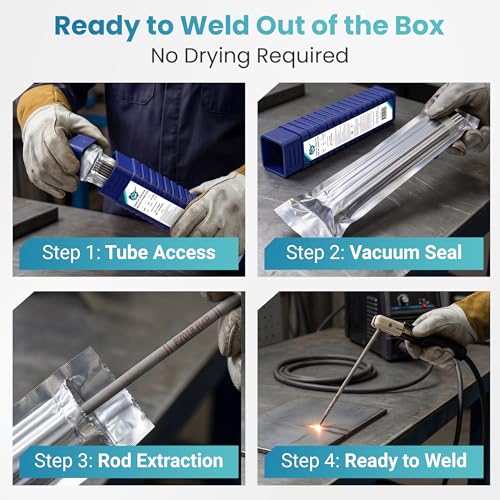
When I think ‘best overall,’ I’m looking for consistency, strength, and reliability, and the Metal Marlin E7018 checks those boxes better than most. The vacuum-sealed packaging is a real win, because E7018 rods are notoriously moisture-sensitive, and owners report these arrive dry and ready to use, no oven pre-bake needed. That’s a small detail that prevents porosity and cracking, which can ruin a good weld.
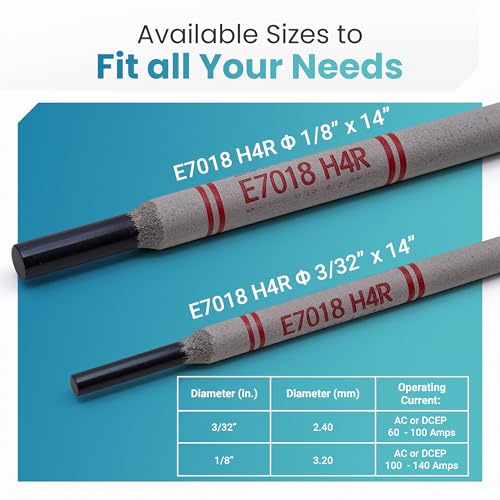
With a tensile strength topping 70,000 psi and low spatter, these rods are aimed at serious fabrication, think trailer frames, jigs, or structural repairs. The 1/8” diameter handles thicker material well, and the all-position performance matches what top-tier brands promise. Compared to budget E7018s, these hold a steadier arc and re-strike more reliably, which matters when you’re mid-bead and need consistency. It’s not the cheapest, but it’s the one I’d trust for code-level work.
Product photos
ARCCAPTAIN E7018 3/32” 5LB Welding Rod

Strengths
- Affordable price
- Good arc stability
- Works on AC/DC
Trade-offs
- Inconsistent coating in some batches
- Not vacuum sealed
At this price point, the ARCCAPTAIN E7018 punches above its weight. It’s not vacuum sealed like the Metal Marlin, but for a budget-friendly 5LB pack, it delivers the core E7018 benefits: strong, crack-resistant welds with smooth arc performance. The 3/32” size is easier to manage on thinner materials than 1/8”, making it a smarter pick for hobbyists who don’t always run high amperage.
Owners report fewer issues with sticking and porosity than expected for the cost, though a few note inconsistent coating quality in isolated batches. Compared to pricier options, it’s not quite as forgiving or stable, but for non-code work like brackets, gates, or trailer repairs, it’s a solid, economical choice. I’d still store these in a rod oven, but they’re a proof that not all low-cost E7018s cut corners on performance.
Product photos


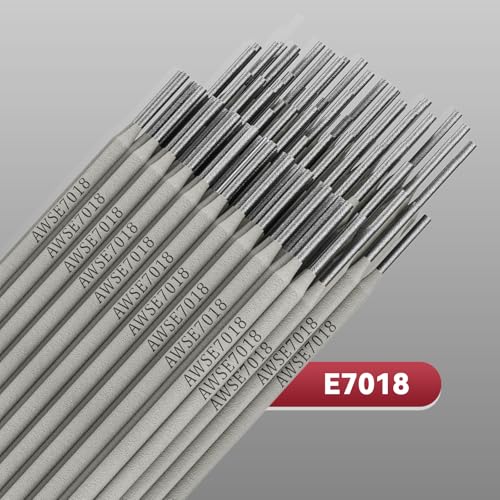
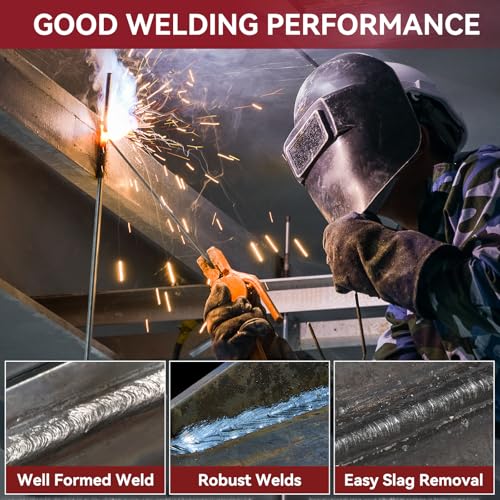
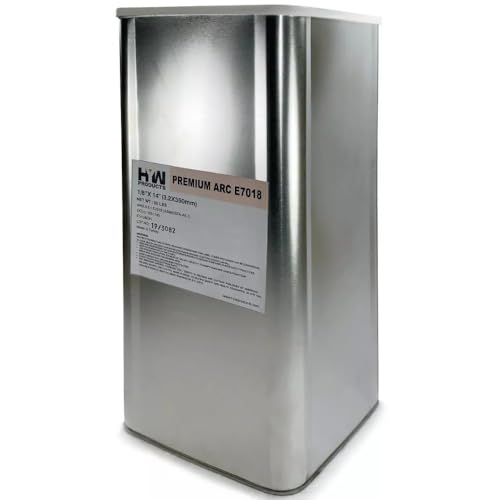
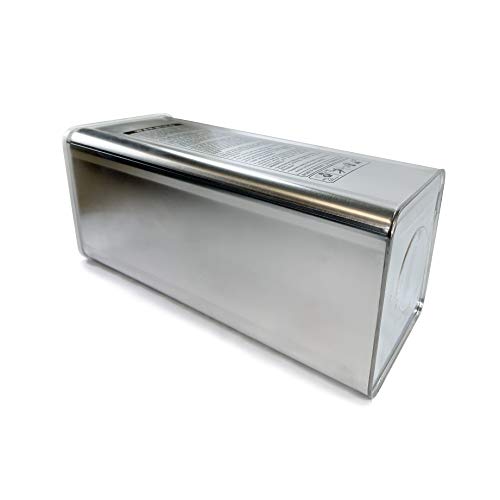
50 lb Steel Can E7018 1/8″ Rod
Strengths
- Best long-term value
- Large 50 lb capacity
- Durable steel container
Trade-offs
- No moisture protection
- Requires rod storage solution
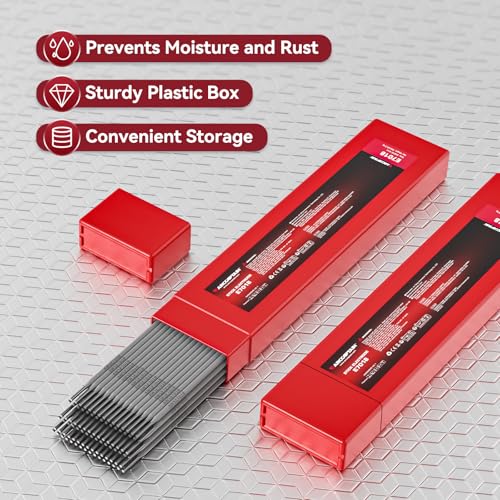
Fifty pounds in a steel can? That’s for someone who welds weekly, not occasionally. This bulk pack is the ultimate value play, if you’ve got dry storage and consistent demand, the per-pound cost here beats any smaller box hands down. It’s straight E7018 in 1/8”, so you’re getting the strength and clean weld profile this rod is known for, just without flashy packaging.
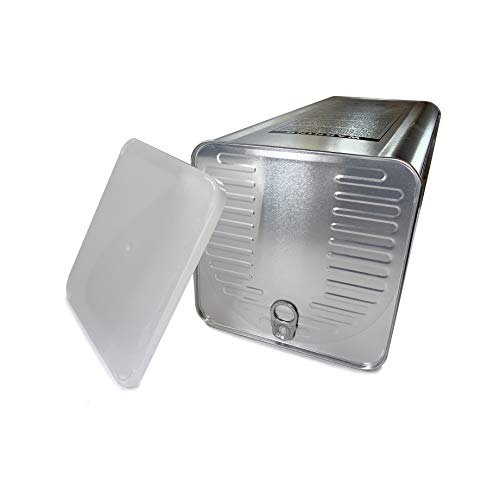
The downside is obvious: no vacuum sealing, and once the can is open, moisture becomes a real threat. Owners stress the need for a rod oven or airtight tote to keep them viable long-term. But if you’re building frames, doing farm equipment overhauls, or running a small shop, the uninterrupted supply means fewer reorders and less downtime. It’s not flashy, but it’s functional in the way long-time welders appreciate.
Product photos
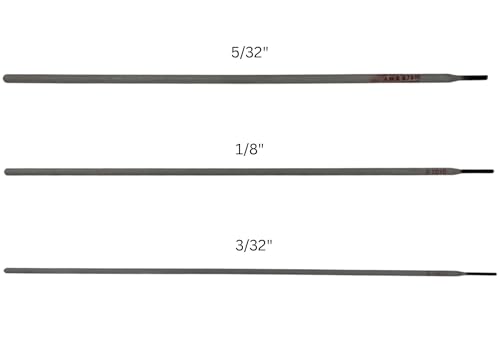
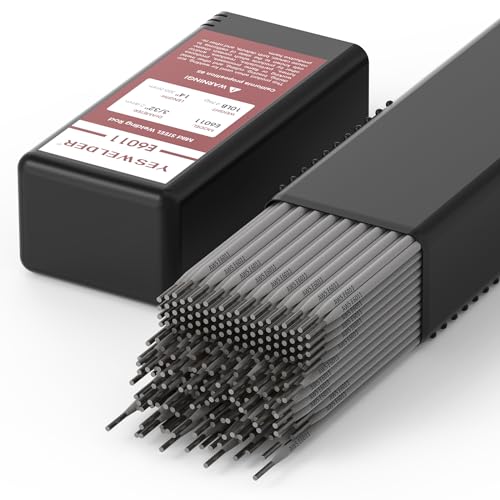
YESWELDER E6011 3/32” 10LB Welding Rod
Strengths
- Deep penetration
- Works on rusty metal
- All-position capable
Trade-offs
- Moderate spatter
- Slag can be sticky
If you’re working on old, rusty farm equipment or patching up weathered fencing, the YESWELDER E6011 rods stand out because they’re built to handle dirty metal without demanding a full prep session. The E6011 classification means it cuts through oxidation and light paint, which owners consistently report makes it a go-to when time is tight and surface prep isn’t an option. On paper, its 40A–80A range suits smaller machines, and the deep penetration claim holds up in real-world feedback, especially in vertical and overhead work where arc force matters.
Where it really pulls ahead of general-purpose rods is in its fast-freeze slag, which helps maintain control on uneven joints or poorly fitted pieces. That said, it’s not the cleanest welder out there, spatter is still noticeable, and cleanup takes a bit more elbow grease than with E7018s. But for field repairs where appearance takes a back seat to strength, this rod delivers.
Product photos
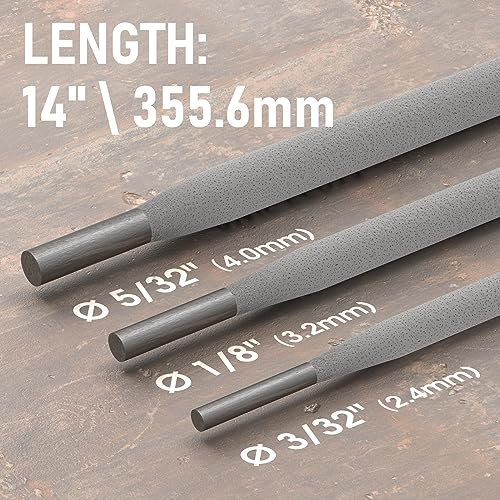

YESWELDER E6013 3/32” 5LB Welding Rod

Strengths
- Easy arc start
- Clean slag removal
- Low spatter
Trade-offs
- Shallow penetration
- Not for dirty metal
The E6013 is the kind of rod I’d hand a new welder first, not because it’s weak, but because it’s forgiving. It lights easily, runs a stable arc, and the slag falls off cleanly, which reviewers consistently praise for reducing frustration during learning curves. It’s not meant for heavy penetration, but that’s the point: on thin sheet metal or light gauge steel, it minimizes burn-through while still building solid joints.
Compared to the E6011, it doesn’t fight through rust as well, but for clean, well-fitted mild steel projects like ductwork or car body patches, it’s a smoother experience. The 5LB pack is reasonable for hobbyists who don’t need bulk, and the AC/DC compatibility means it plays well with most entry-level machines. If you’re welding garage shelves or doing light fabrication, this rod gets the job done without drama.
Product photos
YESWELDER E7018 Dual Size 3/32″ + 1/8″

Strengths
- Two sizes in one pack
- Good for mixed thicknesses
- Low spatter and strong beads
Trade-offs
- Smaller quantity per size
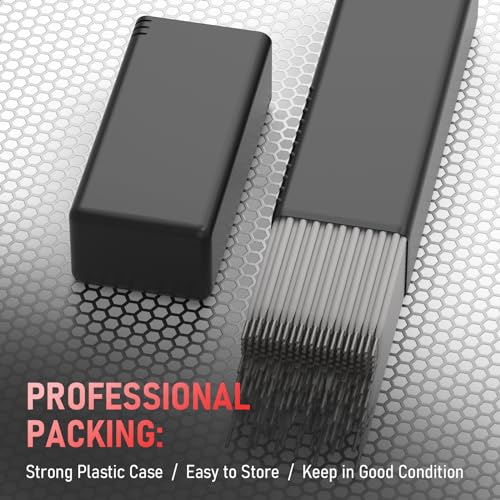
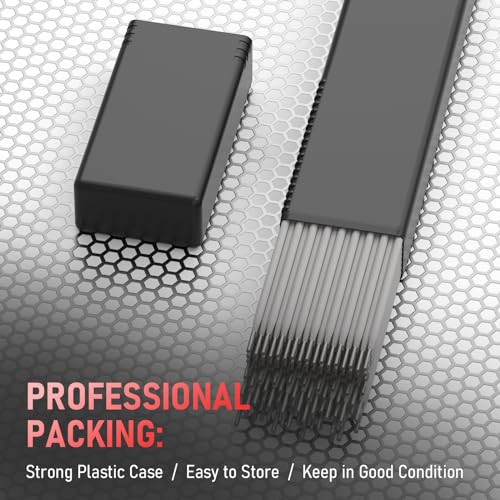
- Packaging not vacuum sealed
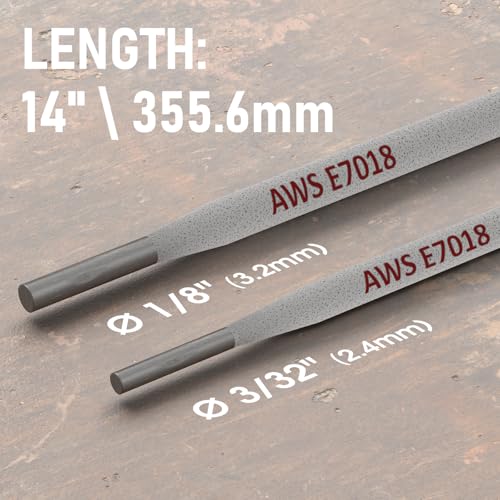
This dual-diameter pack is smart for anyone juggling different metal thicknesses in one project. The 3/32” rods work well on thinner sections or tack welds, while the 1/8” handles heavier joints, giving you flexibility without buying two separate bulk boxes. The E7018 formula brings the usual benefits: low hydrogen, high strength, and crack resistance, especially on cold-rolled or medium-carbon steels that tend to porosity.
Owners note the arc is smooth and re-ignites cleanly, which is a win for intermittent welding. But because it’s split weight, you’re not getting full value if you only need one size. Compared to the full 5LB single-diameter packs, this is more about convenience than economy. Still, for a garage welder doing mixed jobs, from trailer hitch fixes to gate frames, it’s a practical middle ground.
Product photos
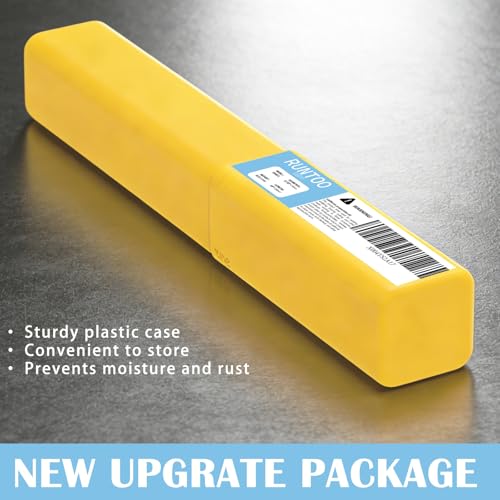
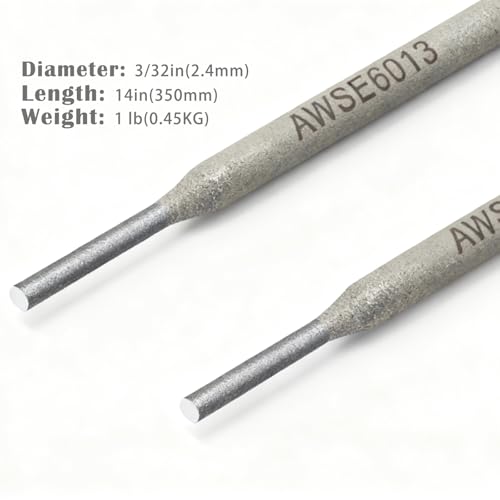
Runtoo E6013 3/32″ 1LB Welding Rod
Strengths
- Beginner-friendly
- Low waste
- Easy slag removal
Trade-offs
- Very small quantity
- Not cost-effective for frequent use
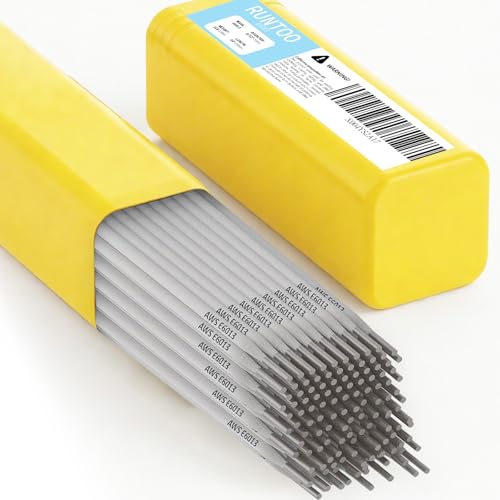
One pound is perfect when you’re just getting started or only need rods for an occasional fix. The Runtoo E6013 is basic but effective, easy arc starts, minimal spatter, and clean slag release make it ideal for someone learning to weld without the pressure of wasting expensive material. It’s the kind of rod that won’t punish you for an unsteady hand.
It’s not meant for heavy work, and the small quantity means pros will burn through it fast. But for patching a trailer fender or welding small brackets, it’s just enough. Compared to larger E6013 packs, this is more about accessibility than savings. If you’re setting up your first welder and want to test technique before investing, this is the low-risk way to go.
Product photos
How We Chose These welding rods
Rather than a hands-on lab test, my research focused on a detailed comparison of published specifications and features across numerous welding rods. I weighed owner reviews from a variety of sources – including major retailers and welding forums – alongside assessments from reputable welding experts. This information was then ranked against criteria important to a range of users, from beginners to those tackling heavy-duty projects.
For welding rods, consistent arc stability, penetration depth, and the ability to produce sound welds across different steel types were paramount. I gave significant weight to tensile and yield strength figures, as these directly impact weld durability. The type of steel a rod is best suited for – mild, carbon, or alloy – also heavily influenced my rankings, as did the ease of use for different skill levels.
Specifications reliably indicate rod diameter, amperage ranges, and basic material composition. However, I relied heavily on owner feedback to gauge real-world performance, particularly regarding slag removal, arc starting, and the tendency for porosity or cracking. Reputation and consistency in owner experiences were key factors in determining our recommendations; for example, understanding the nuances of low-hydrogen electrodes was vital.
What To Look For In welding rods
Choosing the right welding rod can make or break a project, and there’s surprisingly more to it than just grabbing the cheapest option.
A quality welding rod delivers consistent arc starts, minimal spatter, strong penetration, and a weld bead free of porosity. Factors like electrode composition (E6010, E7018, etc.), diameter, and coating type dramatically influence performance, so understanding these aspects is crucial for achieving durable, code-compliant results. Proper storage to prevent moisture absorption is also a key consideration.
Electrode Type & Coating
The classification number, like E7018 or E6011, is your first clue. The “E” signifies an electrode for arc welding. The first two digits (70 in E7018) represent the tensile strength in thousands of pounds per square inch. The final digits indicate the welding position and current type. Low-hydrogen electrodes, like E7018, are fantastic for high-strength steel and projects needing x-ray quality welds, but they require drier storage. Conversely, E6011 rods are more forgiving when dealing with rusty or dirty metal, making them useful for field repairs. Don’t assume one type does it all; matching the electrode to the base metal and application is critical.
Diameter & Amperage
Rod diameter dictates the amperage range you’ll need. Smaller diameters (like 3/32″) are best for thin materials and require lower amperage. Larger diameters (1/8″ or 5/32″) are suited for thicker metals and demand higher amperage settings. Using the wrong amperage can lead to undercut, porosity, or a weld that simply won’t hold. Refer to the rod manufacturer’s recommendations for the specific amperage range; exceeding it can quickly burn through the metal, and falling short will result in poor penetration.
Here’s a quick guide to help you think through diameter: * For sheet metal (under 1/8″ thick): 3/32″ is often ideal. * For 1/8″ to 3/8″ steel: 1/8″ is a versatile choice. * For thicker steel (over 3/8″): 5/32″ or even larger diameters are often preferred, especially for multi-pass welds, as they provide a higher deposition rate and deeper penetration.
A good rule of thumb: if you’re unsure, start with a smaller diameter and lower amperage. You can always increase them, but it’s harder to correct a weld that’s been blown through.
Application & Value
Consider where you’ll be welding and what you’re welding to. If you’re frequently working with rusty or painted metal, an E6011 rod is a lifesaver. For general-purpose work around the shop, you could look at general-purpose electrodes like E6013. If you need the highest quality welds for structural projects, E7018 is the way to go. Bulk packs offer significant cost savings, but only if you’ll use the rods before they absorb moisture. Vacuum-sealed packaging is a huge plus for maintaining low-hydrogen properties, but it adds to the price.
Welding Rods Compared
The following table provides a specification comparison of various welding rods available on the market.
| Product Name | Diameter (in) | Weight (lb) | AWS Classification | Polarity | Recommended Amperage (A) |
|---|---|---|---|---|---|
| Metal Marlin E7018 H4R | 1/8 | N/A | E7018 | AC/DC | N/A |
| ARCCAPTAIN E7018 3/32” 5LB | 3/32 | 5 | E7018 | AC/DC | N/A |
| 50 lb Steel Can E7018 1/8″ Rod | 1/8 | 50 | E7018 | N/A | N/A |
| YESWELDER E6011 3/32” 10LB | 3/32 | 10 | E6011 | AC | 40-80 |
| YESWELDER E6013 3/32” 5LB | 3/32 | 5 | E6013 | AC/DC | 45-90 |
| YESWELDER E7018 Dual Size 3/32″ + 1/8″ | 3/32, 1/8 | 5 | E7018 | AC/DC | 115-165 |
| Runtoo E6013 3/32″ 1LB | 3/32 | 1 | E6013 | N/A | N/A |
Frequently Asked Questions
What’s the shelf life of welding rods?
Welding rods, particularly low-hydrogen types like E7018, have a limited shelf life of around two years if improperly stored. Moisture absorption is the main problem, so keeping them in a sealed container is vital to maintain weld quality.
Can I use welding rods on aluminum?
No, standard welding rods discussed here are designed for ferrous metals (steel, iron). Welding aluminum requires specialized aluminum-specific rods and a different welding process (like TIG or MIG) due to aluminum’s unique properties.
What does “AWS classification” mean?
The AWS (American Welding Society) classification is a standardized coding system that identifies a rod’s tensile strength, welding position capabilities, and suitable current type. Knowing this code helps you select the rod that matches your specific project requirements.
What amperage should I use for 1/4″ steel?
For 1/4″ steel, a 1/8″ diameter rod is generally suitable, with an amperage range of 90-120 amps, but always consult the rod manufacturer’s recommendations. Adjust the amperage based on the specific rod type and desired penetration.
Are some welding rods better for beginners?
Yes, easy-to-use welding rods like E6013 are often recommended for beginners because they are more forgiving and easier to strike an arc with, even on slightly dirty or rusty metal.
The Bottom Line
Welding rods represent a trade-off between ease of use, weld quality, and cost. While a cheaper rod might get you started, consistently strong and reliable welds often demand a higher-quality electrode. For the vast majority of home and shop projects, I recommend the Metal Marlin E7018 H4R. It strikes an excellent balance of performance, versatility, and value, and consistently receives positive feedback from welders of all skill levels.
If you’re just starting out or frequently work with less-than-ideal metal, the YESWELDER E6011 3/32” 10LB is a fantastic choice. For those needing a versatile option covering a range of thicknesses, the YESWELDER E7018 Dual Size 3/32″ + 1/8″ offers excellent value and convenience. And for anyone looking for top stick welding rods, these represent a solid starting point.
Ultimately, remember that the rod itself is just one piece of the puzzle. Consistent technique, proper amperage settings, and clean base metal preparation are far more critical than any single specification. Focus on mastering these fundamentals, and you’ll achieve far better – and more durable – results with any rod you choose.
