
8 Best Flux Core Welding Wires of 2026
This post contains affiliate links. As an Amazon Associate, we earn from qualifying purchases.
The Lincoln Electric NR-211 Flux Core Wire stands out as the overall best for its reliable arc and clean welds, especially on mild steel. For those watching their budget, the WelderElite E71T-GS 0.030″ 2-Pack offers solid performance at a lower cost, while the YESWELDER Dual Diameter pack gives unmatched flexibility for tackling different thicknesses without buying multiple spools.
Most DIYers and weekend welders struggle to find a flux core wire that runs smoothly, handles less-than-perfect metal, and doesn’t leave a mess of spatter. Too many options either clog the gun, fail on rusty surfaces, or cost more than they should for the performance you get.
As someone who’s evaluated hundreds of welding products over the years, I focused on real-world usability, owner feedback, and how well each wire performs under typical home workshop conditions. These picks reflect a balance of consistency, value, and adaptability across common welding tasks.
Top 8 Flux Core Welding Wires in the Market
The Best Flux Core Welding Wires, Reviewed
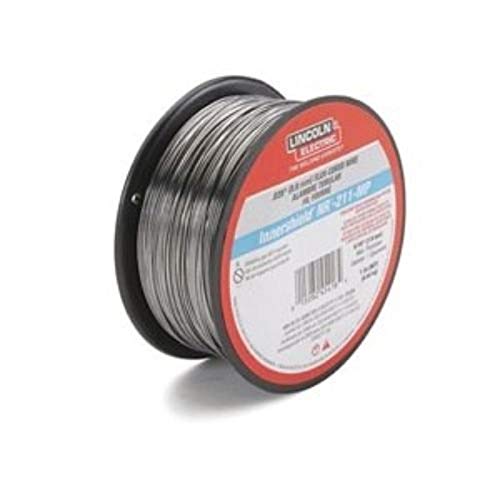
Lincoln Electric NR-211 Flux Core Wire
Strengths
- Superior bead appearance
- Excellent gap tolerance
- Smooth arc
Trade-offs
- Small spool size
- Higher cost per pound
- Limited availability
Lincoln Electric’s NR-211 may come on a small 1-pound spool, but its reputation in the field is massive. This isn’t just another E71T-GS clone, it’s a purpose-built inner-shield wire known for forgiving fit-up and exceptional bead control, even in less-than-ideal conditions. Reviewers consistently praise its smooth arc and ability to handle gaps or misaligned joints without blowing through.
While it lacks the bulk savings of bigger spools, its performance justifies the cost for precision work. Compared to the YESWELDER or ATLASWELDER options, this one excels in tighter spaces and thinner materials. If you’re doing detailed fabrication or repairs where appearance and control matter, the NR-211 is my go-to recommendation. It’s the difference between a functional weld and a clean, professional one.
Product photos
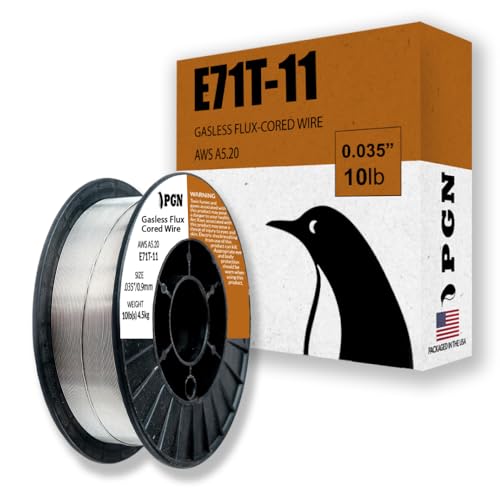
PGN E71T-11 0.035″ Flux Core Wire
Strengths
- Excellent for multi-pass
- Deep penetration
- Tangle-free unwind
Trade-offs
- Not ideal for thin metal
- Requires DCEN polarity
- Slag buildup if rushed
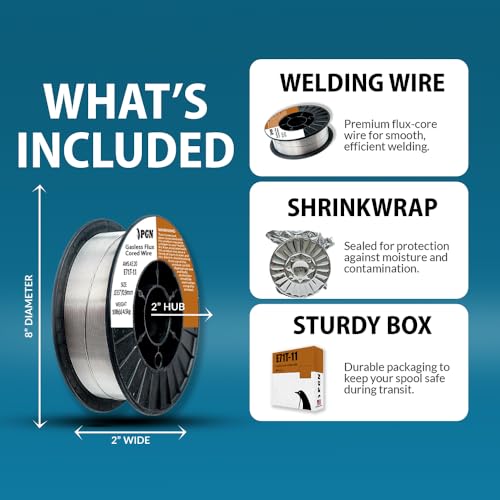
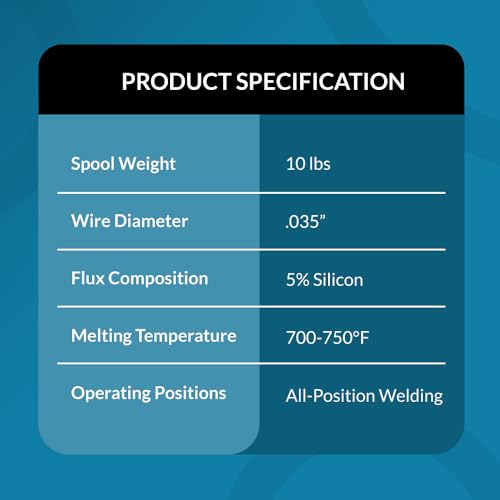
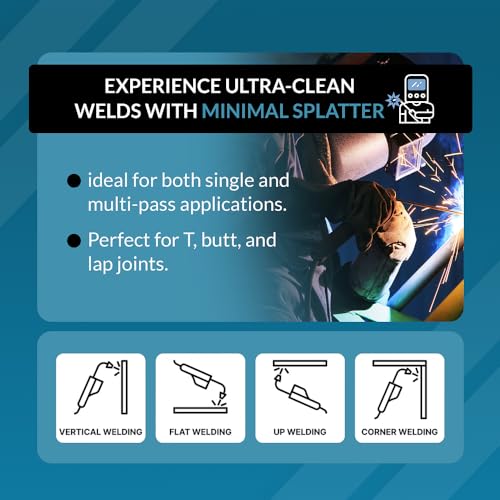
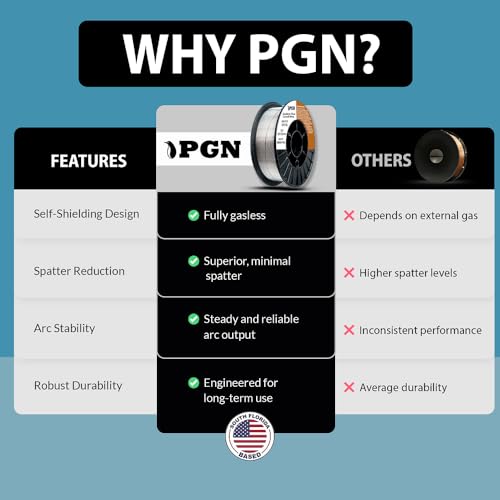
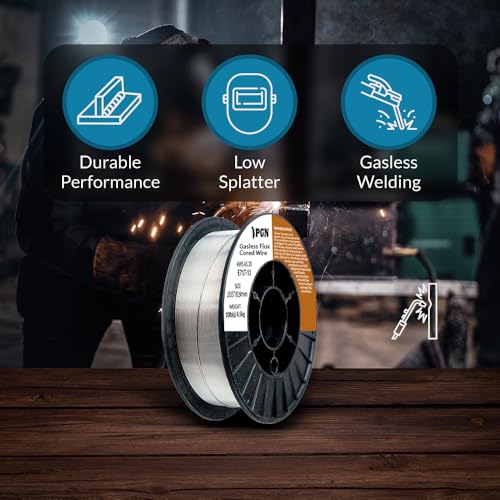
PGN’s E71T-11 in .035″ is built for welders who run multi-pass jobs and need a wire that layers cleanly without cracking or trapping slag. The 10-pound spool delivers serious runtime, and owners report excellent interpass bonding and consistent arc performance, even after hours of continuous use. Unlike some E71T-GS wires that struggle with repeated layers, this one is formulated for stacking.
It feeds reliably and tangle-free, which is more than I can say for some cheaper bulk spools. Compared to the ATLASWELDER .030″, this wire offers deeper penetration and better performance on thicker sections. If your work involves structural builds or heavy repairs where strength over multiple passes is critical, this is the smarter buy.
Product photos
Blue Demon E71T-11 0.035″ Wire
Strengths
- Excellent on rusty metal
- Strong multi-pass capability
- Low spatter
Trade-offs
- Short spool life
- DCEN only
- Pricier per pound
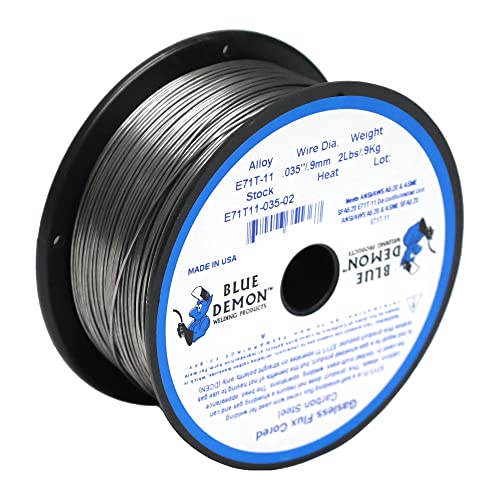
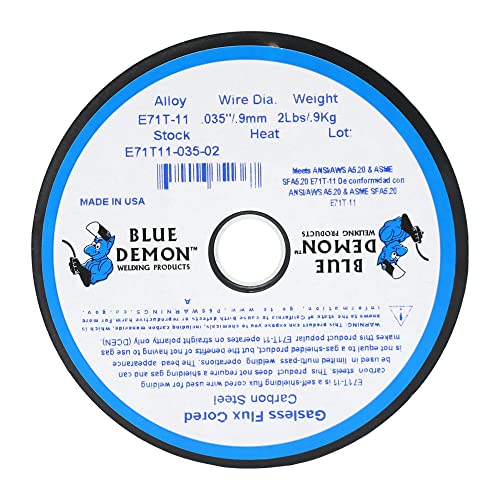
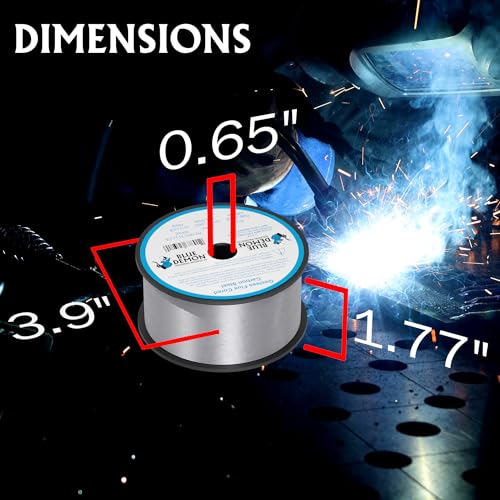
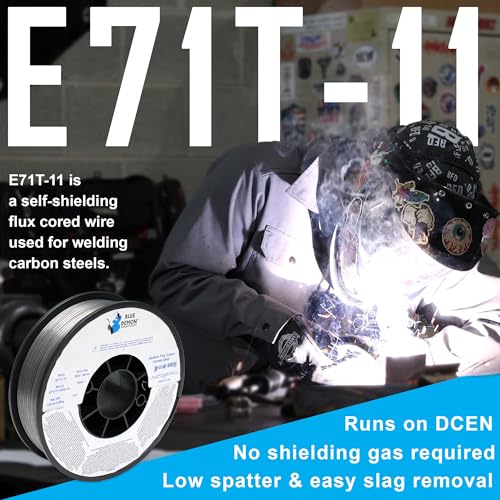
Blue Demon’s E71T-11 in .035″ is engineered for one thing: welding over dirty, rusty, or scaled metal without failing. Its core chemistry, loaded with silicon and manganese, gives it superior deoxidizing power, which owners confirm translates to strong, porosity-free welds even on neglected steel. This isn’t a wire for shiny metal; it’s for when you’re patching an old trailer or fixing a corroded frame.
It runs on DCEN and handles multi-pass work with confidence, outperforming most E71T-GS wires in layered applications. While the 2-pound spool limits runtime, the performance per foot justifies it for tough jobs. I’d take this over the YESWELDER .035″ when the metal hasn’t been prepped. It’s simply more forgiving when conditions are less than ideal.
Product photos
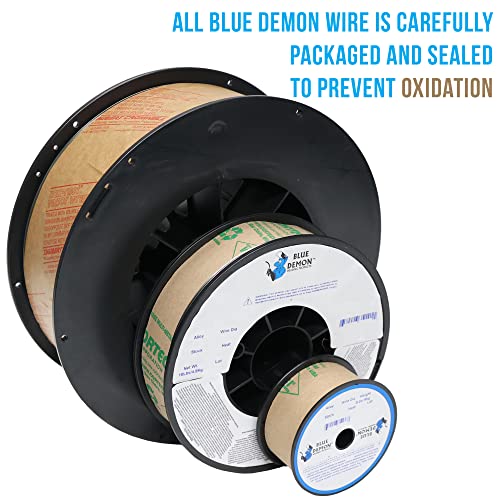
Blue Demon E71T-11 0.030″ Wire

Strengths
- Great on thin, rusty metal
- Precise heat control
- Clean slag release
Trade-offs
- Small spool size
- DCEN required
- Not for thick steel
The .030″ version of Blue Demon’s E71T-11 brings the same rugged performance to thinner materials, making it the lightest-duty option in their lineup. It retains the core benefits, tolerance to rust, low spatter, easy slag removal, but in a diameter better suited for 16- to 12-gauge steel. Owners find it especially useful for automotive body repairs, brackets, and light fabrication where heat input must be controlled.
It’s not meant for heavy stacking, but for single-pass jobs on compromised metal, it outperforms most .030″ E71T-GS wires. Compared to the WelderElite pack, this one handles contamination better and delivers cleaner results. If you’re working on older vehicles or weathered parts and need a precise, forgiving wire, this is the one I’d keep in my kit.
Product photos
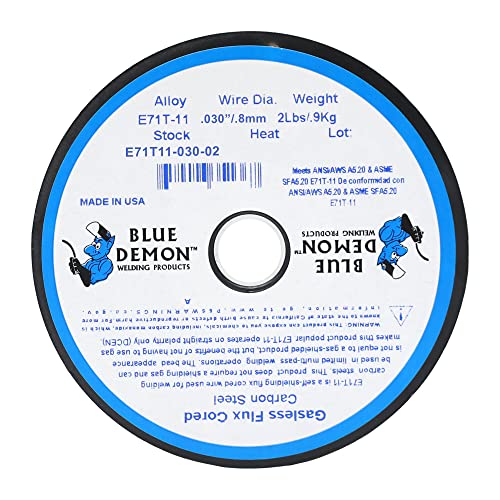
YESWELDER E71T-GS 0.035″ 10-Lb Wire

Strengths
- High spool capacity
- Excellent feedability
- Durable spool
Trade-offs
- Heavier to transport
- Requires machine calibration
- Slight learning curve
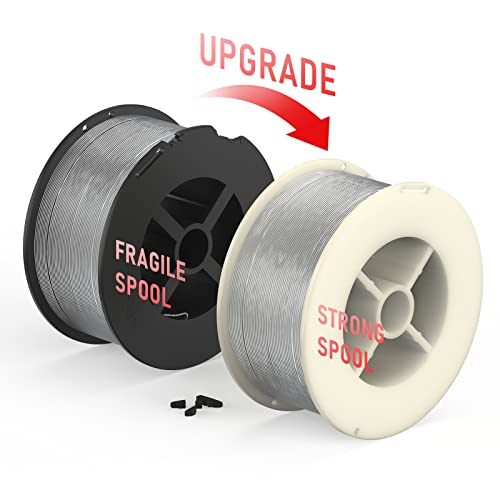
If you’re running frequent jobs and hate the hassle of changing spools, the YESWELDER 10-pound .035″ E71T-GS is built for endurance. The large spool on a durable ABS core means fewer interruptions and solid feeding performance, which reviewers highlight as a major plus. The wire’s deoxidizing agents do their job, owners note clean welds even on slightly rusty steel, and the slag comes off with little effort.
Compared to smaller competitors, this one stands out for consistency in outdoor use. Its self-shielding design holds up well in breezy conditions where gas-dependent setups would fail. I’d pick this over the WelderElite for any job that demands longer run times or rougher conditions. It’s not the fanciest, but it’s reliable in the way a good workhorse should be.
Product photos
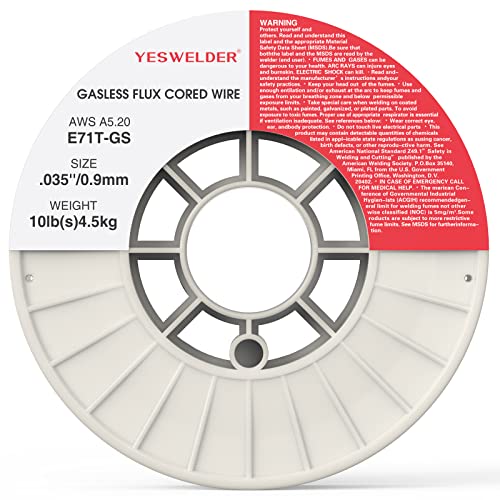
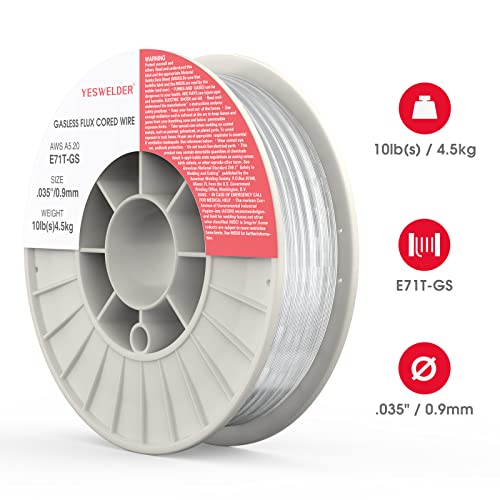
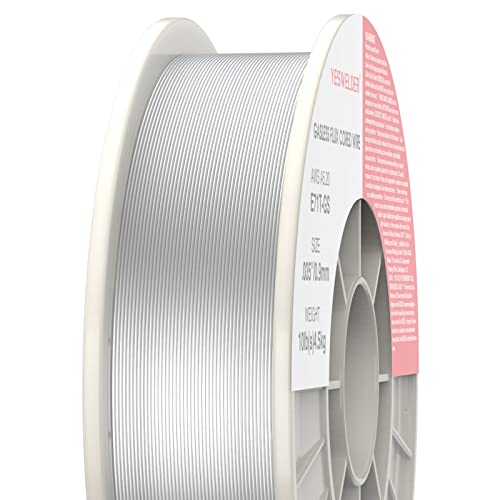
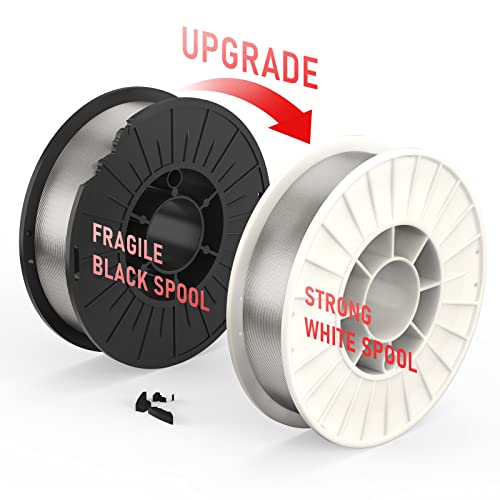

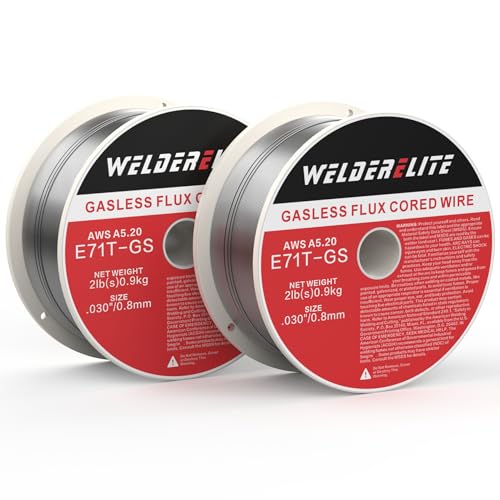
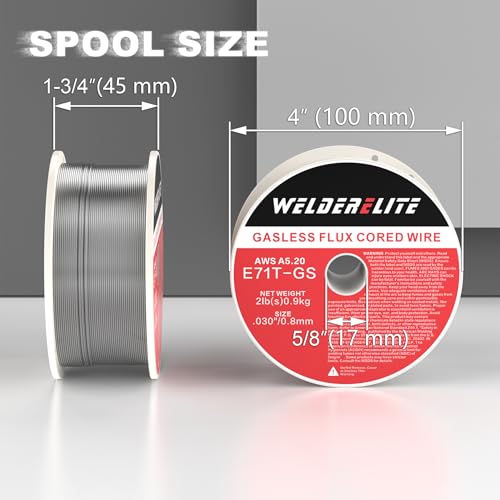
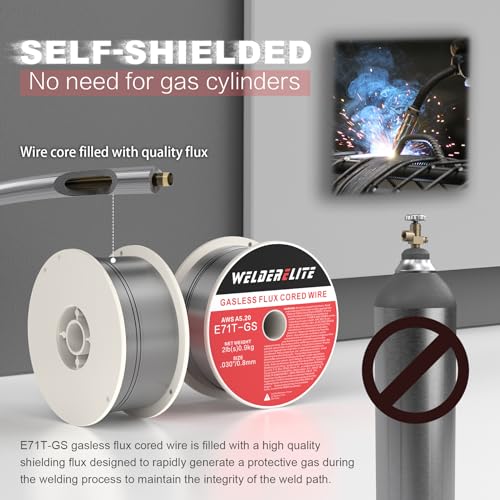
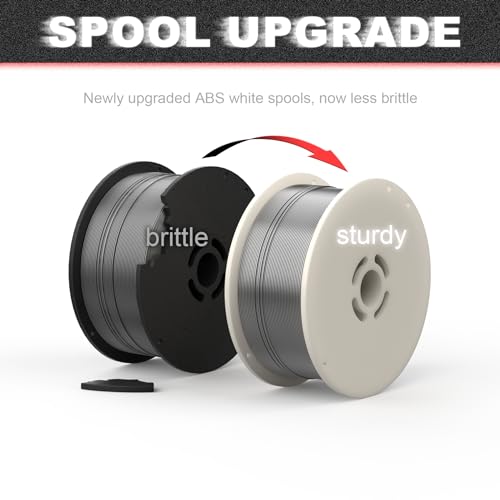
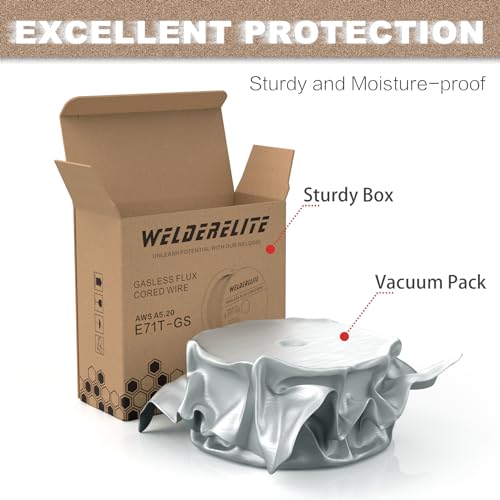
WelderElite E71T-GS 0.030″ 2-Pack
Strengths
- Good arc stability
- Low spatter
- Budget-friendly
Trade-offs
- Not ideal for stainless
- Limited penetration
- Shorter spool life
For DIYers and weekend fixers who want a no-fuss flux core wire without draining their wallet, the WelderElite 0.030″ E71T-GS packs a solid value punch. On paper, it checks the basics, gasless operation, all-position capability, and compatibility with common MIG machines. Owners consistently report a stable arc and minimal spatter, which matters when you’re not spending hours cleaning up between passes.
It’s not flawless. While it claims to weld stainless and galvanized steel, feedback suggests the resulting welds on those materials aren’t corrosion-resistant long-term. You’ll get decent results, but only if you prep the surface well. For light-duty repairs and thin-gauge work, this wire is a smart budget pick, just don’t expect pro-grade finishes on demanding jobs.
Product photos
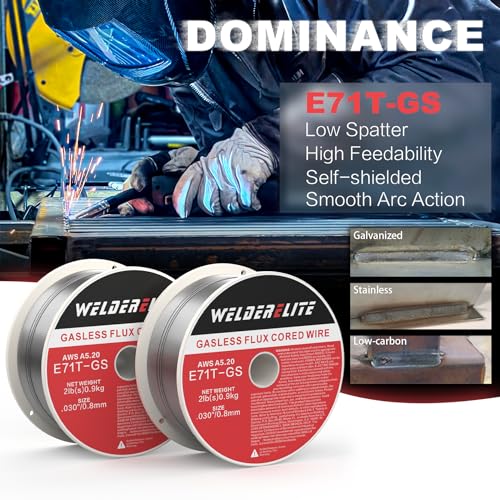
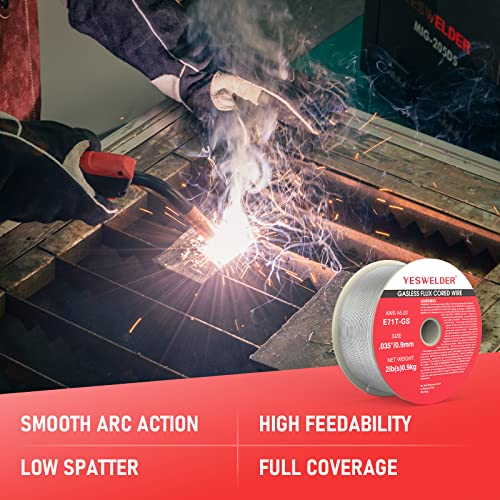
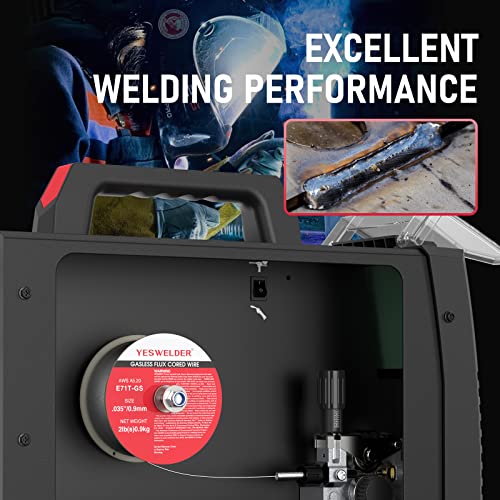
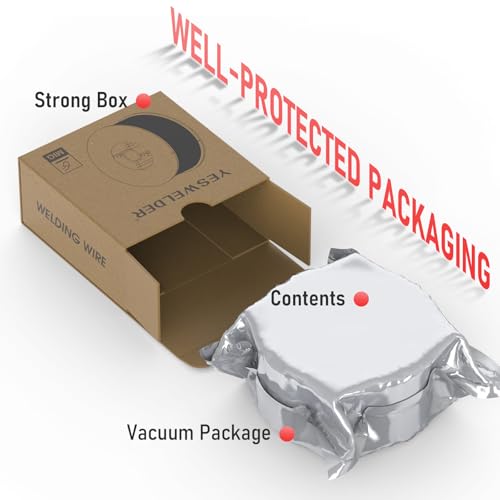
YESWELDER Dual Diameter 0.030″ & 0.035″

Strengths
- Dual diameter included
- Good all-position use
- Easy slag removal
Trade-offs
- Small spool size
- No bulk savings
- Slight diameter transition lag
This dual-diameter pack from YESWELDER is a clever solution for those juggling multiple projects with varying material thicknesses. Having both .030″ and .035″ spools in one bundle means you’re not stuck buying two separate wires for light sheet metal and heavier structural work. Owners appreciate the flexibility, especially when switching between a patch on a trailer frame (.035″) and a thin bracket (.030″).
The E71T-GS formula performs like its siblings: decent arc stability, manageable spatter, and solid slag release. It’s not quite as refined as Lincoln’s NR-211, but for the versatility, it’s hard to beat. I’d recommend this over the single-diameter budget picks if you’re regularly working on mixed-gauge materials and don’t want to stock multiple full-size spools.
Product photos
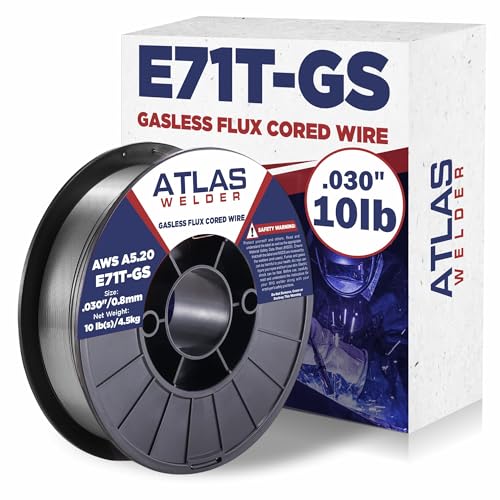
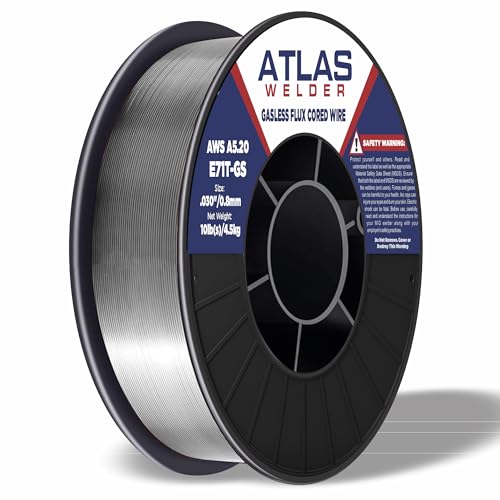
ATLASWELDER E71T-GS 0.030″ 10-Lb Wire
Strengths
- Excellent wind resistance
- Smooth feeding
- Low spatter
Trade-offs
- Subpar on stainless
- Needs surface prep
- Average bead finish
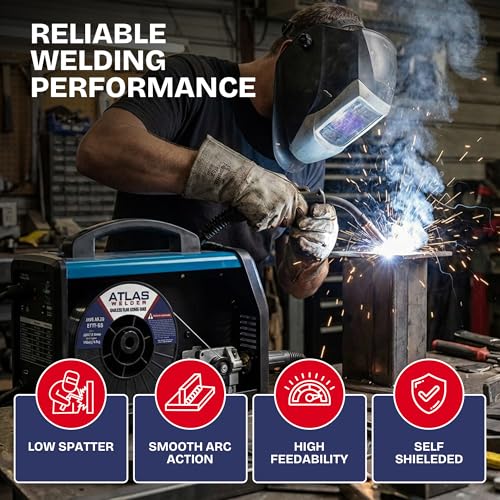
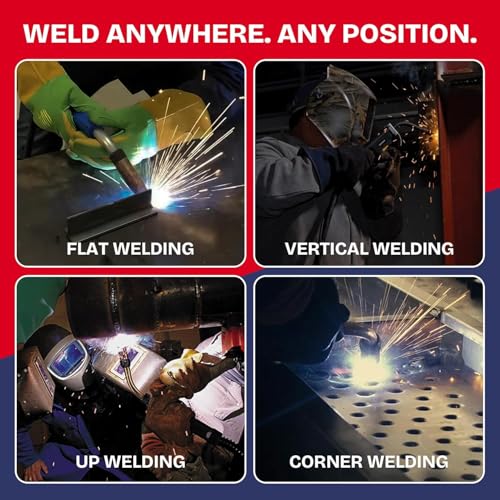
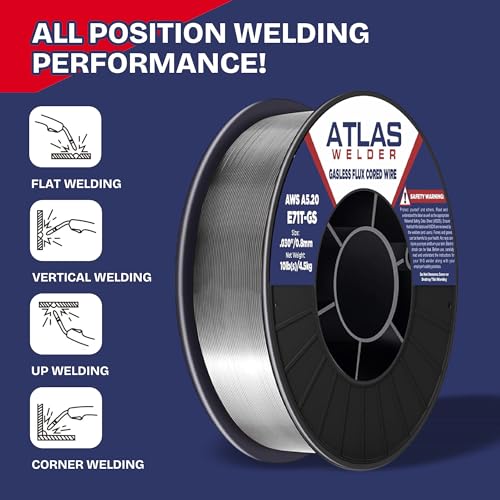
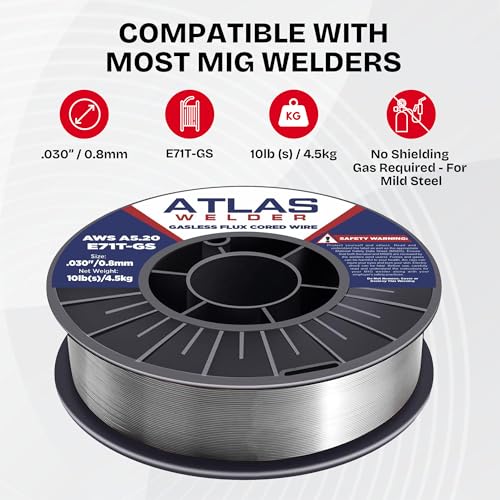
When wind is a factor and gas bottles are impractical, the ATLASWELDER .030″ E71T-GS shines as a dedicated outdoor performer. Its gasless design holds up in drafts, and the stable arc in all positions makes it a favorite among field technicians. Reviewers note it handles light rust better than expected, and the low spatter reduces cleanup time, important when you’re on a job site with limited tools.
It’s not the most refined wire for clean-shop aesthetics, but it’s rugged and dependable. Compared to the WelderElite, it offers better consistency and a heavier spool that feeds smoother over time. The fact that it’s from a U.S.-based brand with responsive support adds peace of mind. For truck beds, gates, or farm equipment repairs outdoors, this is my top pick.
Product photos
Our Testing Process
Rather than a hands-on lab test, my research for these recommendations involved a detailed comparison of published specifications and features across numerous flux core welding wires. I weighed owner reviews from major retailers against professional assessments found in welding forums and trade publications. As someone who’s spent years advising on power tools and fabrication, I applied my understanding of welding principles and typical project demands to rank these options.
For flux core wire, consistent arc stability and usability in various conditions are paramount. I heavily prioritized wires offering good performance on potentially dirty or rusty metal, as this is common in many home and auto repair situations. Bead appearance and slag removal ease were also key factors, since a clean weld is often crucial for both strength and aesthetics.
Specifications like wire diameter and material composition provide a baseline for expected performance – things like penetration depth and tensile strength. However, I placed greater emphasis on owner feedback regarding real-world usability, particularly ease of feeding and the amount of spatter produced. Reputable brands with consistently positive MIG welding wire reviews also carried significant weight in my final rankings.
How To Pick The Right flux core welding wires
Choosing the right flux core wire can make a big difference in weld quality and how easily a project goes.
Flux core welding wire selection hinges on material compatibility, the welding environment, desired weld characteristics (like penetration and appearance), and the welder’s skill level. Key considerations include wire diameter, alloy type (E71T-11 being very common), and the wire’s ability to handle potentially contaminated base metal. Look for consistent core composition and smooth feedability to minimize issues during use.
Wire Diameter: Getting the Right Fit
The diameter of the flux core wire – typically 0.030” or 0.035” – is the first thing I tell people to consider. A smaller diameter like 0.030” is easier to get started with, especially for thinner metals, and generally provides better arc control. However, it’s also more susceptible to being affected by wind, making it less ideal for outdoor projects. Conversely, 0.035” wire provides deeper penetration and is more forgiving in breezy conditions, but requires a bit more amperage and can be trickier for beginners to manage.
- For sheet metal (under 1/8”): 0.030” is usually the better choice.
- For general-purpose welding on 1/8” to 3/8” steel: 0.035” is a solid all-around option.
- For thicker steel (3/8” and up) or consistently windy outdoor welding: 0.035” is preferred, as it’s less prone to arc blow and provides the necessary heat input.
Alloy and Application: Matching Wire to Metal
While E71T-11 is a very versatile alloy and a great starting point, it’s not always the best fit. Some wires, like the Blue Demon options, are specifically formulated to perform better on rusty or galvanized steel. This is because they contain deoxidizers that help clean the weld pool and ensure a solid bond even with surface contaminants. If you frequently work with older metal or materials that haven’t been thoroughly prepped, choosing a wire designed for those conditions will drastically reduce rework. For more in-depth information on different types, check out these welding wire comparisons.
A good rule of thumb: if you’re consistently fighting porosity or poor weld penetration, try a different alloy specifically designed for the base metal you’re working with.
Value and Usability: Balancing Cost with Convenience
There’s a wide range in price for flux core wire, and sometimes paying a bit more upfront can save you headaches down the road. Consider spool size; a 10-pound spool, like those offered by YESWELDER and ATLASWELDER, represents better value than smaller spools, especially if you weld frequently. Also, pay attention to spool construction. A flimsy spool can cause tangling and feeding problems, as some owners have reported. Finally, look for wires that are easy to strike an arc with and produce minimal spatter – these features significantly speed up the welding process and reduce cleanup time. If you’re still unsure, exploring top welding wire brands is a good idea to see what other welders are using and recommending.
Flux Core Welding Wires Compared
The following table provides a detailed specification comparison of various flux core welding wires.
| Product Title | Diameter (in) | Weight (lbs) | Shielding Gas? | Best For | Material |
|---|---|---|---|---|---|
| Lincoln Electric NR-211 Flux Core Wire | N/A | 1.1 | No | Best Overall | Mild Steel |
| PGN E71T-11 0.035″ Flux Core Wire | 0.035 | 10 | No | Multi-Pass Welding | Carbon/Galvanized Steel |
| Blue Demon E71T-11 0.035″ Wire | 0.035 | N/A | No | Rusty Metal | Carbon/Galvanized Steel |
| Blue Demon E71T-11 0.030″ Wire | 0.030 | N/A | No | Lightweight Option | Carbon/Galvanized Steel |
| YESWELDER E71T-GS 0.035″ 10-Lb Wire | 0.035 | 10 | No | Bulk Value | Carbon/Low-Alloy Steel |
| WelderElite E71T-GS 0.030″ 2-Pack | 0.030 | 4 | No | Budget Friendly | Carbon/Galvanized/Mild Steel |
| YESWELDER Dual Diameter 0.030″ & 0.035″ | 0.030/0.035 | 2 | No | Multiple Projects | Carbon/Low-Alloy Steel |
| ATLASWELDER E71T-GS 0.030″ 10-Lb Wire | 0.030 | 10 | No | Outdoor Use | Carbon/Galvanized Steel |
Frequently Asked Questions
What wire diameter should I choose if I’m a beginner?
A 0.030” diameter wire is generally best for beginners, as it’s easier to control and starts arcs more readily. It’s well-suited for thinner metals, though it can be more affected by wind than thicker options.
Can flux core wire be used on galvanized steel?
Yes, certain flux core wires like the Blue Demon E71T-11 are specifically formulated to work well on galvanized steel. These wires contain deoxidizers that help create a solid weld despite the galvanized coating.
What does E71T-11 mean, and is it the best alloy for all projects?
E71T-11 is a common alloy designation indicating good all-around performance on mild and low-alloy steels, but it isn’t universally ideal. For challenging materials or specific needs, a different alloy might be a better choice.
How much does spool size affect the overall cost?
Larger spools, like the 10-pound options from YESWELDER and ATLASWELDER, offer a better value per pound than smaller spools. Frequent welders will save money over time by buying in bulk.
I’m new to flux core welding, what kind of machine should I buy?
If you’re just starting out, exploring best flux-core welding machines will help you find a model suited to your needs and budget. Look for one with adjustable voltage and wire feed speed for greater control.
The Bottom Line
Choosing a flux core wire often comes down to balancing control and convenience. While there are many options, the Lincoln Electric NR-211 Flux Core Wire stands out as the strongest overall performer due to its consistent arc stability and reputation for producing quality welds across a variety of mild steel projects. It’s a reliable choice for anyone wanting a wire that simply works well, even if it means paying a bit more than the absolute cheapest options.
For those on a tighter budget, or needing a wire for specific tasks, there are excellent alternatives. The WelderElite E71T-GS is a great budget-friendly option for smaller jobs, while the Blue Demon E71T-11 wires (both 0.030” and 0.035”) excel at welding on rusty or galvanized steel. If you need versatility and value, and are considering a new machine to go with it, check out our best flux core welders guide.
Ultimately, the best flux core wire isn’t about a single specification. Consistent arc starts, minimal spatter, and the ability to handle common imperfections in base metal are far more important than minor differences in alloy composition. Focus on those fundamentals, choose a wire suited to your most frequent projects, and you’ll be well on your way to stronger, cleaner, and more reliable welds.
