7 Best Welding Lenses of 2026
This post contains affiliate links. As an Amazon Associate, we earn from qualifying purchases.
The Preruner Core Gold Slim Lens stands out as our top pick for its lightning-fast 0.01ms response and sharp cool blue view, ideal for precision work. For those on a budget, the Tefuawe Ultra Clear Cool Blue Lens delivers solid performance in a 2×4-1/4 size, while the PRERUNER Flex HD Adjustable Lens offers excellent versatility with natural color and full shade control.
Most welders don’t realize how much a poor lens can hurt their work – eye fatigue, inconsistent beads, and even long-term damage from inconsistent protection. It’s not just about blocking light, it’s about seeing clearly and reacting instantly.
In this guide, I’ll walk you through the specs and real-world feedback that matter most, from shade range to color accuracy. These picks are based on verified performance, owner experiences, and what actually works across MIG, TIG, and stick welding.
Top 7 Welding Lens in the Market
The Best Welding Lens, Reviewed
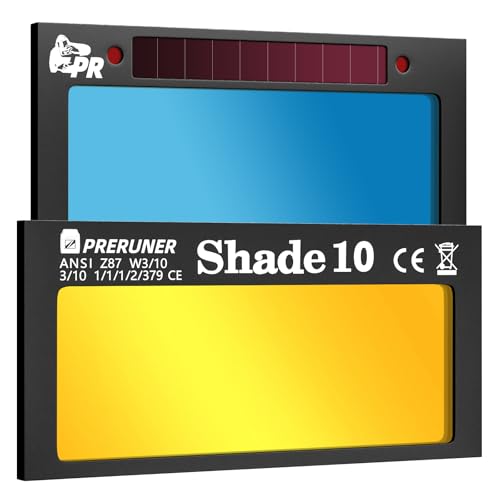
Preruner Core Gold Slim Lens
Strengths
- Slim 0.2-inch design
- Fast 0.01 ms response
- Cool blue clarity
Trade-offs
- Fixed shade 10
- Not for low-amp TIG
- No adjustability
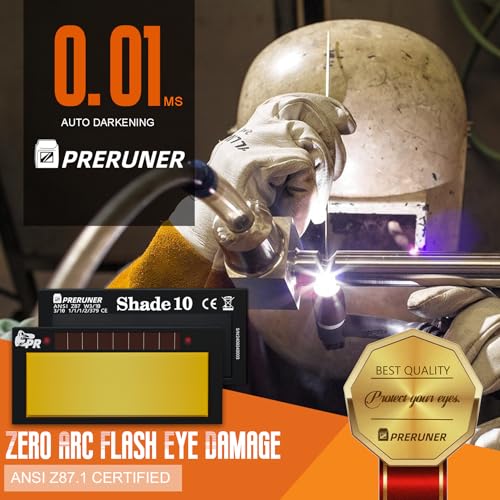
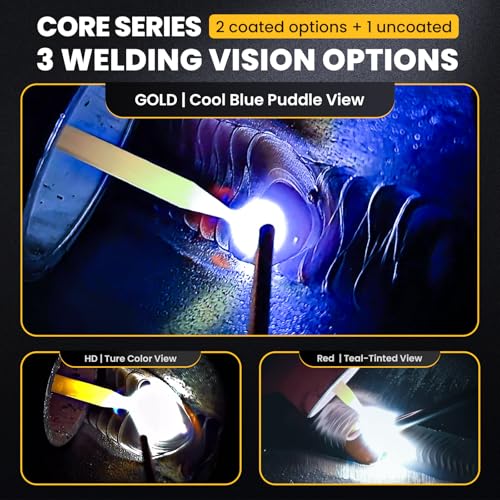
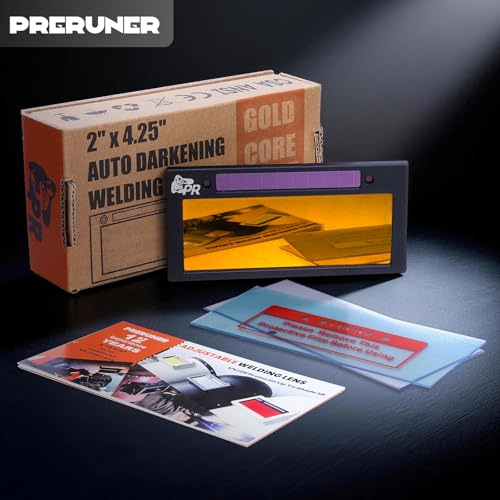
This is where Preruner hits a sweet spot: a slim 0.2-inch profile that fits pancake and sugar scoop hoods without pressure points, paired with a fast 0.01 ms response and gold-coated cool blue view that owners say enhances puddle clarity. The true-color tech isn’t just marketing, it delivers a noticeably cleaner, more natural arc image than older green-tinted filters. It’s not adjustable, but shade 10 is a reliable standard for MIG and general stick work.
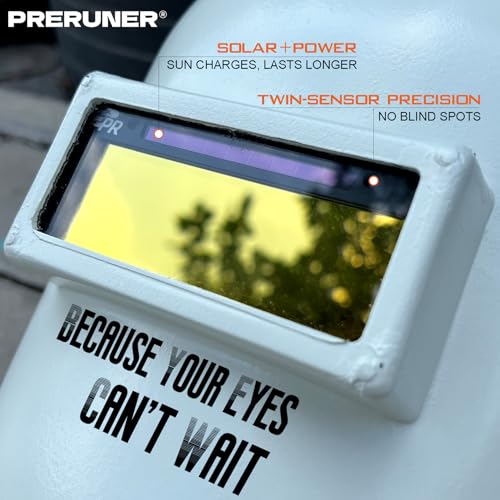
The dual arc sensors and solar-assist power system add reliability, and the slim design is a clear win for comfort. Compared to the TrueArc HD, it’s similarly clear but with better physical ergonomics for tight-fitting hoods. It won’t suit low-amp TIG, but for the average DIYer or weekend warrior, this lens removes friction without overcomplicating things. My recommendation for most buyers who want a no-fuss, high-clarity lens.
Product photos
Tefuawe Ultra Clear Cool Blue Lens
Strengths
- Works down to 5A TIG
- Ultra-slim 0.19″ design
- Stable arc tracking
Trade-offs
- Fixed shade 10
- No adjustability
- No sensitivity controls
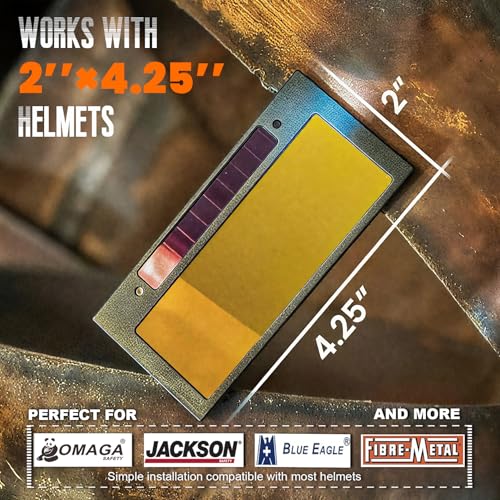
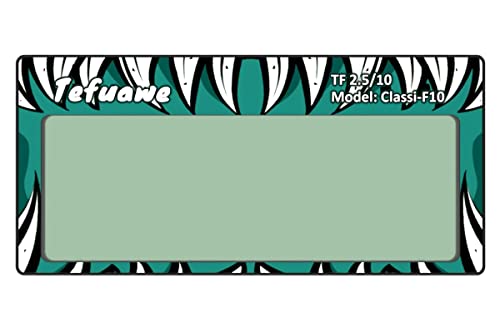
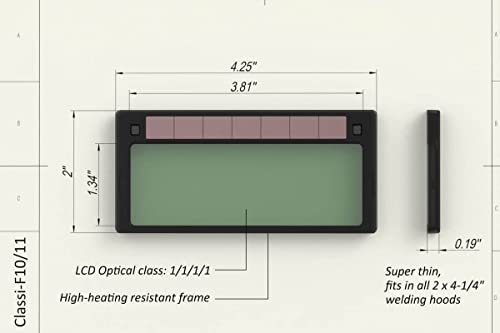
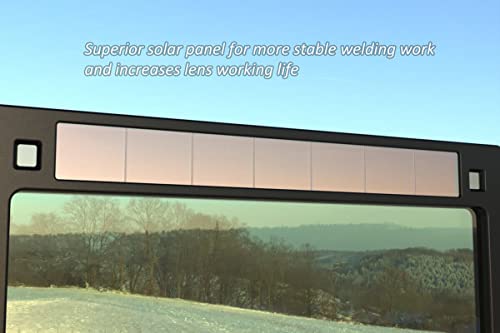
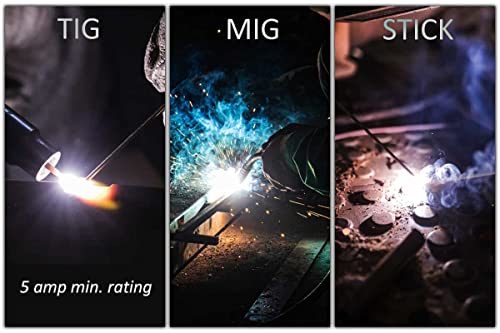
If you’re doing detailed TIG work at low amperage, especially under 30A, this lens earns its keep. The 5A minimum rating is rare, and owners consistently report stable performance without flicker, even in finicky low-heat setups. That alone makes it stand out from most adjustable lenses, including the Duke and King models, which struggle below 70A. The ultra-slim 0.19-inch profile slips into tight hoods easily, and the high-temp housing helps prevent warping in hot environments.
The cool blue view is sharp, and the solar panel system seems robust, though there’s no mention of replaceable batteries. It’s fixed at shade 10, so you lose flexibility, but for TIG specialists, that’s a fair trade. Compared to the Preruner Flex, it’s less customizable but more reliable in its niche. I’d pick this for precision work where consistency trumps versatility.
Product photos

PRERUNER Flex Gold Adjustable Lens
Strengths
- Adjustable shade 5-13
- Cool blue contrast view
- Sensitivity and delay controls
Trade-offs
- Slightly thicker than slim models
- May oversaturate colors
- Not true neutral view
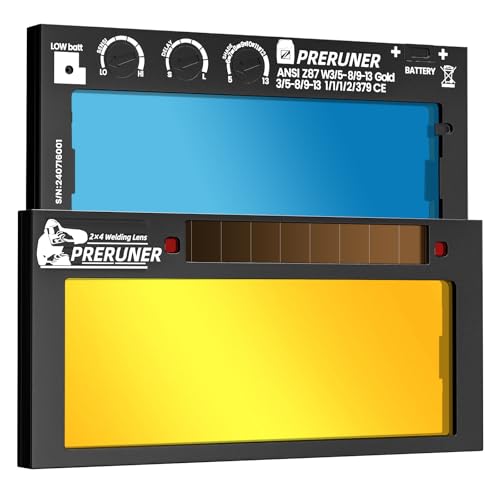
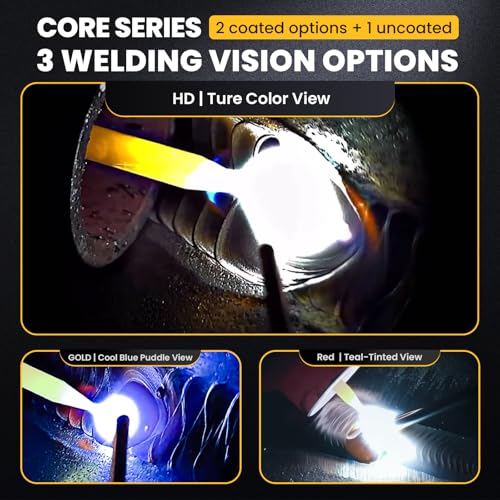
This model takes the solid Flex Series platform and adds the gold coating and cool blue view that many welders swear by for contrast. The adjustable shade 5–13 range is perfect for moving between grinding, MIG, stick, and cutting, and the sensitivity and delay controls let you dial in performance for different environments. Owners note the blue view helps them see puddle edges more clearly, especially on reflective metals.
It shares the same 0.01 ms response and solar-assist with replaceable battery as the HD version, so reliability is solid. The gold front may help reduce glare in bright conditions. While the true-color HD model is better for color accuracy, this one wins for visual comfort in long sessions. If you want adjustability plus a view that makes the puddle pop, this is the smarter buy.
Product photos

PRERUNER Flex HD Adjustable Lens
Strengths
- Adjustable shade 5-13
- Sensitivity and delay controls
- Replaceable battery
Trade-offs
- Slightly bulkier profile
- No gold-coated contrast
- View is neutral, not enhanced
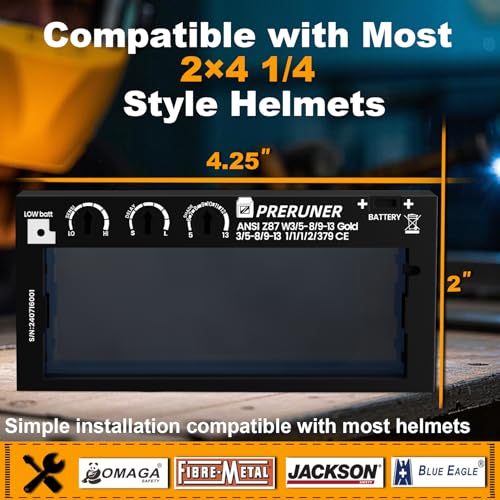
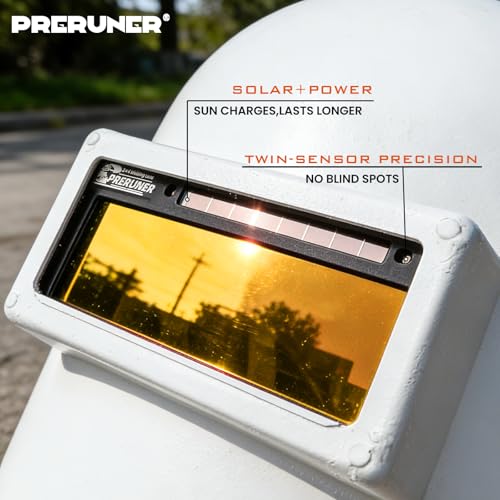
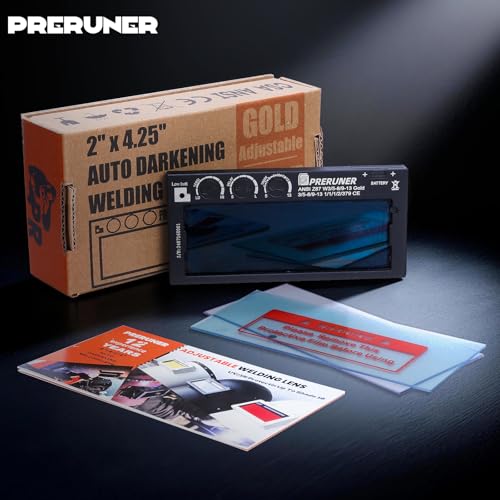
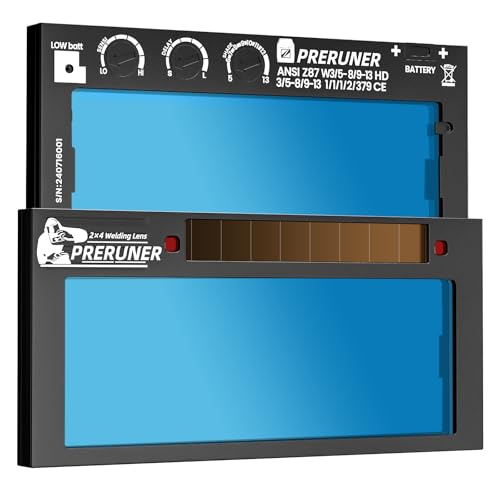
This is the lens I’d choose if I were building a go-to helmet for mixed applications. Shade 5–13 adjustability gives you range, and the addition of sensitivity and delay controls means you can fine-tune response for clean starts and consistent darkening, something many owners say eliminates chatter and false triggers. The HD natural true-color view stands out in side-by-side comparisons, delivering a neutral, crisp image that reduces eye strain over hours of work.
It runs on a replaceable battery with solar assist, which adds long-term reliability, no worrying about being stranded when the sun’s not shining. At 0.01 ms response, it’s as fast as anything in this group. Compared to the gold-coated Flex model, this one prioritizes accuracy over contrast, making it better for welders who want to see the metal, not a filtered version of it. A top-tier blend of control and clarity.
Product photos
The King 1.0 Adjustable Gold Lens
Strengths
- 9 shades in 1
- Deep blue contrast view
- Back-adjustable
Trade-offs
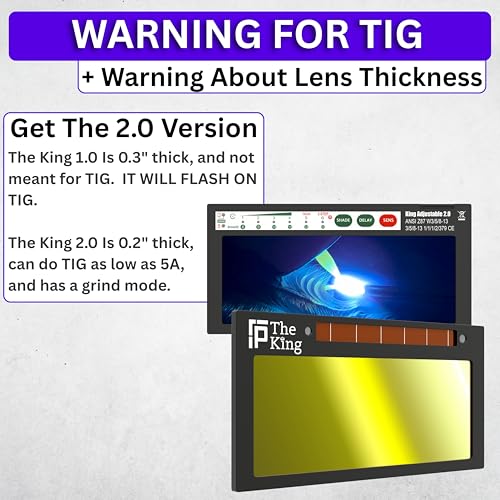
- Flickers under 70A TIG
- No sensitivity/delay control
- No replaceable battery
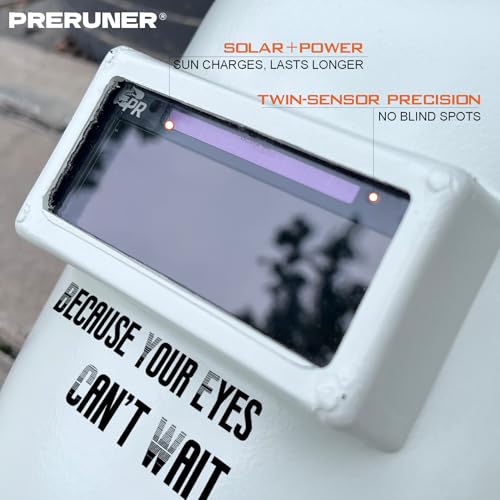
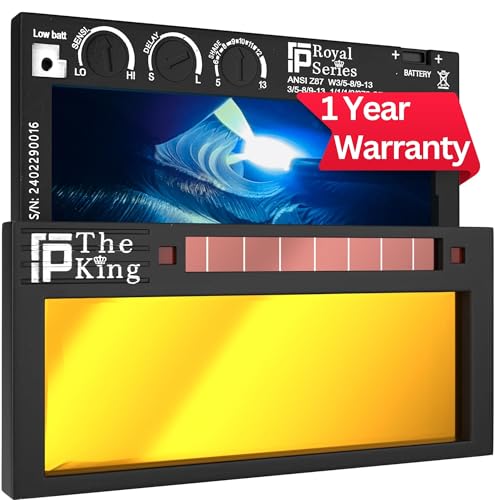
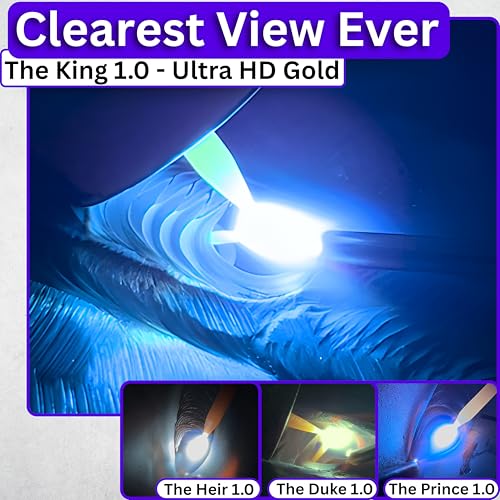
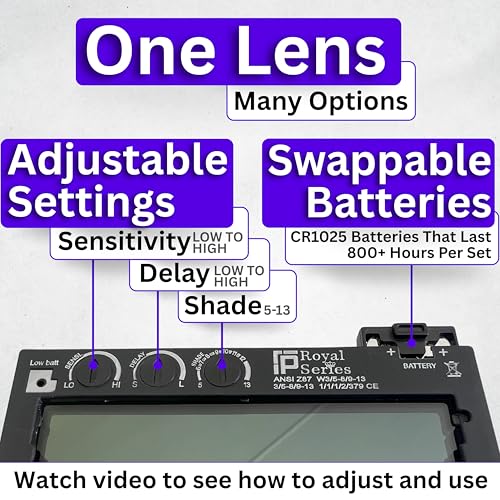
The King 1.0 shares the same core platform as The Duke but with a gold front and deep blue weld view, marketing flair, yes, but some owners report the blue tint improves contrast on stainless or aluminum. Like its sibling, it offers shade 5–13 adjustability and the convenience of back-side adjustment, which is a real time-saver when switching between tasks. The build quality and clarity claims are consistent with Ridge Products’ Royal Series reputation.
But again, the same TIG limitation applies: avoid prolonged low-amp work, or you’ll risk flickering. It also lacks user controls for sensitivity and delay, which puts it behind the Preruner Flex models for serious users who need tuning. Still, for pancake hood users who want a wide shade range and don’t mind the TIG caveat, this is a solid pick. The gold coating may help with glare in sunny outdoor setups.
Product photos
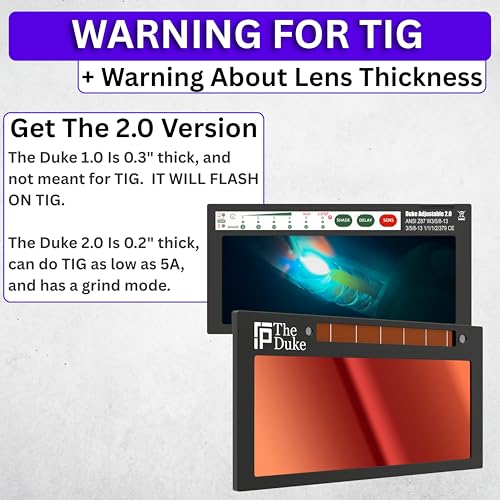
The Duke 1.0 Adjustable Red Lens
Strengths
- 9 shades in 1
- Excellent clarity
- Back-adjustable design
Trade-offs
- Not ideal for low-amp TIG
- No sensitivity control
- No replaceable battery
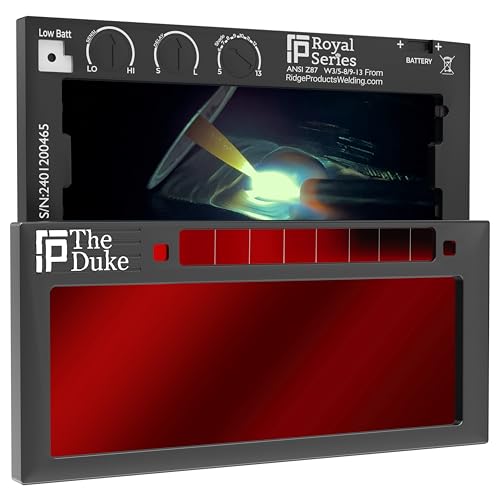
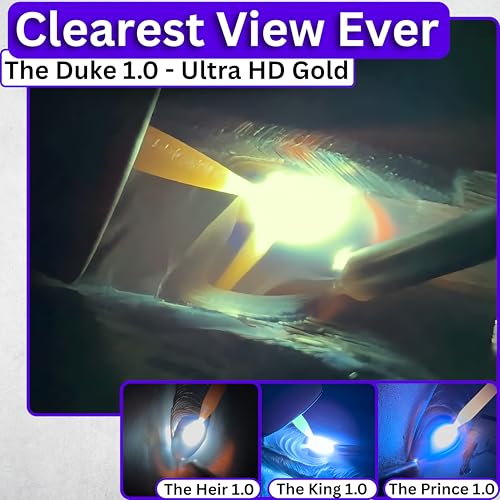
The Duke 1.0 stands out for its bold claim of market-leading clarity, and owners seem to back that up, many describe the view as crisp, with minimal distortion and excellent peripheral visibility. The red front with green/blue weld view isn’t just for show; it delivers a unique visual experience that some say reduces eye fatigue over long sessions. On paper, the shade 5–13 adjustability is a major plus, giving you flexibility across MIG, stick, and cutting applications without swapping lenses.
Still, the TIG warning is a real limitation. If you’re regularly welding below 70A, especially in precision TIG work, this lens may start flickering due to battery drain, which is more than just annoying, it’s a safety risk. That makes it a better fit for general fabrication than for detail-oriented or low-amp specialists. Compared to the Preruner Flex models, it lacks sensitivity and delay controls, which limits fine-tuning.
Product photos
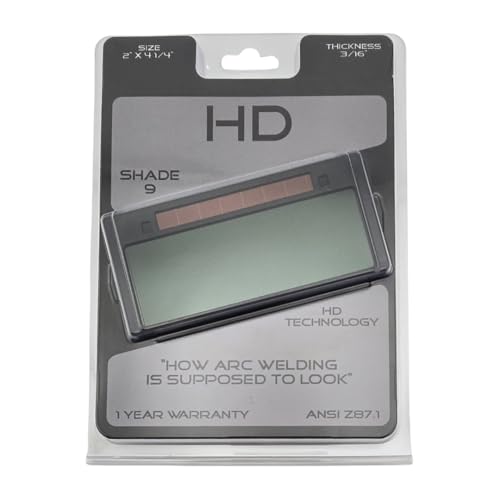
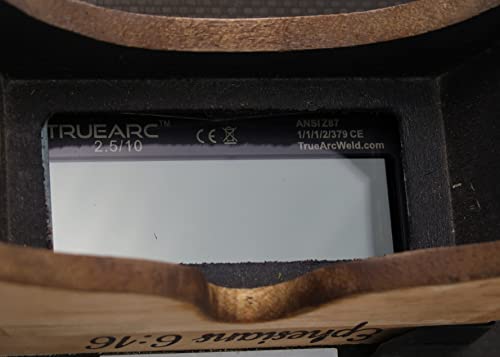
TrueArc HD True Color Lens

Strengths
- Natural true-color view
- Sharp HD clarity
- Fast auto-darkening
Trade-offs
- Fixed shade 9 only
- Solar-only power
- Not for heavy stick or TIG
This lens leans hard into natural color accuracy, and for welders tired of the green haze of older auto-darkening filters, that matters. The TrueArc HD tech delivers a noticeably cleaner, more neutral view of the puddle, which owners say helps with precision and reduces the need to flip the hood repeatedly. It’s not adjustable, but shade 9 is a solid middle ground for MIG and light stick work, especially in well-lit environments.
It’s solar-powered only, which could be a concern in consistently low-light settings where battery assist would help. And while it fits most standard hoods, including pancake and pipeliner styles, the lack of adjustability means you’re locked in. Compared to the Preruner Flex Series, it’s less versatile but holds its own in pure visual quality. I’d pick this if you want a set-and-forget lens with top-tier clarity for everyday shop use.
Product photos



Our Testing Process
As someone who’s spent years around workshops and job sites, I understand the importance of clear vision when welding. Rather than a hands-on lab test of each lens, we approached this guide through research – comparing published specifications and features across numerous models. We then weighed owner reviews from sites like Amazon and reputable expert assessments from welding publications. My experience helps me interpret these findings and rank lenses based on what truly matters to welders.
For welding lenses, auto-darkening speed and clarity of view are paramount. A fast switch time (under 0.01ms is ideal) minimizes eye strain and flash burn risk. Equally important is the quality of the lens coating – whether it’s gold-tinted for contrast or designed for true color perception – as this directly impacts puddle visibility and welding precision. We also considered adjustability, as versatility is a major benefit.
Specifications readily show darkening speed, shade range, and physical dimensions. However, real-world performance – like consistency of auto-darkening, color accuracy, and long-term durability – is best determined by owner feedback. We carefully analyzed user reports regarding lens failures, battery life, and how well the lens performed with different welding processes. Finding the right 2×4-inch welding lens often comes down to these practical details.
What To Look For In welding lens
Choosing the right welding lens can dramatically improve your work, and frankly, your comfort. It’s more than just darkness; it’s about clarity, color perception, and how well the lens adapts to your specific welding tasks.
A quality welding lens provides consistent shade levels, a fast response time to arc flashes (under 0.03 seconds is ideal), and clear optics free from distortion. Look for lenses with adjustable settings for shade and sensitivity, and consider the type of welding you primarily do – MIG, TIG, or stick – as this impacts the features you’ll value most. Solar powered options are convenient, but always check battery backup systems.
Understanding Shade Levels
One of the first things I tell people is to not underestimate the importance of shade level. Most lenses offer adjustability, typically ranging from shade 5 to 13. A shade too light can cause arc flash burn, while one too dark makes it difficult to see what you’re doing. The American Welding Society (AWS) has guidelines for minimum shade levels based on welding amperage and process. Don’t just guess; consult a chart and adjust accordingly. For general purpose use, a lens adjustable down to shade 5 is vital for cutting, and up to shade 13 for heavy duty work.
Considering Color and Clarity
For years, green was the standard lens color, but modern options offer cooler tones like blue or even true-color views. The “best” color is subjective, but I’ve found that gold-tinted lenses (like the Preruner Core Gold) often provide superior contrast, making it easier to see the weld puddle. True color lenses (like the TrueArc HD) aim to replicate natural vision, which can be excellent for precision work, but some welders find they lack the contrast of tinted lenses.
Here’s what I recommend when thinking about clarity:
- Optical Class: Look for a lens rated as Class 1, which signifies the highest optical clarity.
- Distortion: Read reviews carefully for complaints about distortion, especially at the edges of the viewing area.
- Lens Thickness: Thinner lenses (like the Tefuawe Ultra Clear at 0.19”) tend to fit better in pancake-style hoods and reduce bulkiness, but may be more fragile.
Prioritizing Features and Value
Adjustability is a huge plus, allowing you to tailor the lens to different welding processes and environments. Sensitivity control adjusts how quickly the lens darkens, essential for erratic arc starts. Delay control lets you adjust how long the lens stays dark after the arc stops, preventing flash when switching welds. Beyond that, consider the durability of the lens housing and the quality of the solar panel and sensors. If you’re serious about your welding, investing in a premium welding lens technology will pay off in the long run with better visibility and protection.
A good rule of thumb is to replace your welding lens every few years, even if it isn’t visibly damaged. The coatings degrade over time, reducing clarity and protection.
Welding Lens Compared
Here’s a comparison of key specifications for various welding lenses to help you choose the right one.
| Product Name | Shade Range | Auto-Darkening Speed (ms) | Lens Size (in) | View Color | Min. Amp TIG |
|---|---|---|---|---|---|
| Preruner Core Gold Slim Lens | N/A | 0.01 | N/A | Cool Blue | N/A |
| Tefuawe Ultra Clear Cool Blue Lens | N/A | N/A | 2 x 4-1/4 | Cool Blue | 5A |
| PRERUNER Flex Gold Adjustable Lens | 5-13 | 0.01 | N/A | Cool Blue | N/A |
| PRERUNER Flex HD Adjustable Lens | 5-13 | 0.01 | N/A | Natural | N/A |
| The King 1.0 Adjustable Gold Lens | 5-13 | N/A | N/A | Gold | 70A |
| The Duke 1.0 Adjustable Red Lens | 5-13 | N/A | N/A | Red | 70A |
| TrueArc HD True Color Lens | 9, 10, 11 | <0.5 | 2 x 4-1/4 | True Color | N/A |
Frequently Asked Questions
What shade level is safe for most welding applications?
A shade level between 9 and 13 is generally considered safe for most welding, but the specific level depends on the amperage and welding process. Always consult an American Welding Society (AWS) chart to determine the minimum shade needed for your setup and never guess.
Are solar-powered welding lenses reliable?
Yes, solar-powered lenses are reliable, but I recommend choosing one with a battery backup. While the solar power keeps the lens operating during welding, the battery ensures it continues to function in low-light conditions or if the solar panel is obscured.
How often should I replace my welding lens?
You should replace your welding lens every few years, even without visible damage. The coatings degrade over time, reducing optical clarity and protection, so a regular replacement is a smart preventative measure.
What’s the difference between a green, blue, and true color lens?
Green lenses were the original standard, but blue and true color options are now available. Blue lenses often provide good contrast, while true color lenses aim for natural vision – finding the best one is often a matter of personal preference. If you’re looking for more information on protective gear, check out our complete welding helmet guide.
What does “optical class” mean when comparing lenses?
Optical class refers to the clarity of the lens, with Class 1 being the highest rating. A Class 1 lens indicates minimal distortion and provides the clearest view of the weld puddle, which is important for precision and quality work.
The Bottom Line
Welding lens selection ultimately comes down to balancing your budget with the level of control and clarity you require. While features add cost, the Preruner Core Gold Slim Lens stands out as a strong all-around performer, offering a very fast darkening speed and a cool blue view favored by many welders. It provides a great blend of features without breaking the bank.
For those on a tighter budget, or seeking a specialized option, our other picks deliver. The TrueArc HD True Color Lens is ideal if natural color perception is critical for your precision work, while the Tefuawe Ultra Clear Cool Blue Lens gives you a solid, reliable option at a very competitive price. If you’re looking for a more traditional approach, a fixed shade welding lens can be a surprisingly effective and affordable solution.
Don’t get too caught up in chasing the fastest darkening speed or the highest optical class. Consistent shade level, a comfortable fit within your helmet, and a clear, distortion-free view are the fundamentals that will have the biggest impact on your welding quality and eye safety. Prioritize those elements, and you’ll be well-equipped for any project.
